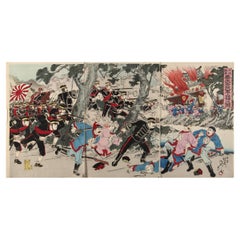
Bartele Gallery Prints
to
7,281
15,021
15,021
Height
to
Width
to
4,996
8,853
1,172
661
107
5
127
9
56
57
4
15,004
10
7
2
1
3,103
929
779
599
575
15,021
15,021
15,021
102
91
81
76
60
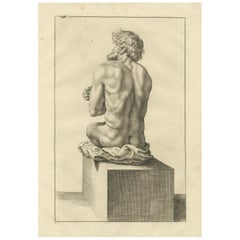
Seated Male Nude from Behind after de Lairesse German Drawing Manual, c1745
Located in Langweer, NL
Seated Male Nude from Behind after de Lairesse German Drawing Manual c1745
This refined academic study of the male nude is taken from the German edition of Gérard de Lairesse’s infl...
Category
Antique Mid-18th Century German Prints
Materials
Paper

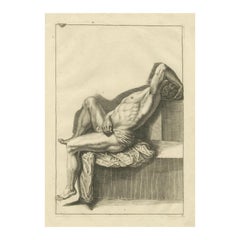
Academic Male Figure Study after de Lairesse German Drawing Manual, c1745
Located in Langweer, NL
Academic Male Figure Study after de Lairesse German Drawing Manual c1745
This finely engraved academic study of the male nude originates from the German edition of Gérard de Lairess...
Category
Antique Mid-18th Century German Prints
Materials
Paper
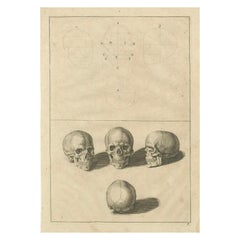
Original AntiqueHuman Skull Anatomy Plate after de Lairesse German Edition, 1745
Located in Langweer, NL
Human Skull Anatomy Plate after de Lairesse German Edition, c1745
This finely engraved anatomical study of the human skull originates from the German edition of Gérard de Lairesse’s...
Category
Antique Mid-18th Century German Prints
Materials
Paper
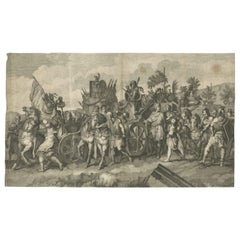
Military Procession with Spoils of War After Gerard de Lairesse Rossetti, ca1700
Located in Langweer, NL
Military Procession with Spoils of War After Gerard de Lairesse Rossetti c1700
A large early 18th-century etching and engraving by Domenico Rossetti, after a composition by the cele...
Category
Antique Early 1700s Italian Prints
Materials
Paper
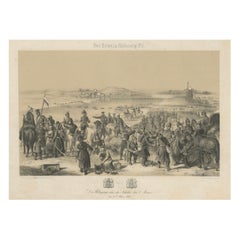
German Lithograph of the Schleswig War Crossing at the Schlei Near Arnis, 1864
Located in Langweer, NL
Schleswig War Lithograph Crossing of the Schlei Near Arnis German Military 1864
A detailed large-format lithograph documenting an episode from the Second Schleswig War of 1864. The ...
Category
Antique 1860s Prints
Materials
Paper
Large Mezzotint of Napoleon at the Battle of Waterloo German Print, c1850
Located in Langweer, NL
Large Mezzotint of Napoleon at the Battle of Waterloo German Print, c1850
A dramatic large-format mezzotint depicting Napoleon Bonaparte during the Battle of Waterloo on 18 June 181...
Category
Antique Mid-19th Century German Prints
Materials
Paper

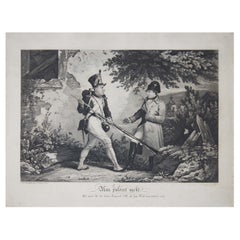
Satirical German Military Engraving of Napoleon as the Little Corporal, c1835
Located in Langweer, NL
Satirical German Military Engraving of Napoleon as the Little Corporal, c1835
This 19th-century German engraving presents a humorous encounter between a marching soldier and Napoleo...
Category
Antique 1830s German Prints
Materials
Paper
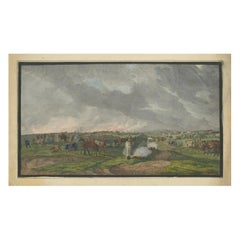
Napoleonic Military Encampment - Hand-Coloured Panoramic Aquatint, c1810
Located in Langweer, NL
Napoleonic Military Encampment Hand-Coloured Aquatint Panoramic c1810
A large early 19th-century hand-coloured aquatint depicting a military encampment during the Napoleonic era. Th...
Category
Antique Early 19th Century French Prints
Materials
Paper
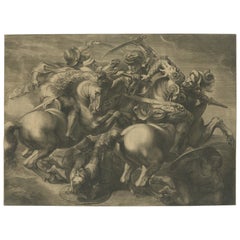
Leonardo da Vinci Battle of Anghiari - Engraving by Edelinck After Rubens, c1660
Located in Langweer, NL
Leonardo da Vinci Battle of Anghiari Engraving by Edelinck After Rubens c1660
A powerful mid-17th-century engraving of the famous “Battle of Anghiari” by Gérard Edelinck, executed a...
Category
Antique 1660s French Prints
Materials
Paper
Optical View of New York City Manhattan Harbor Hand-Colored Augsburg - ca.1775
Located in Langweer, NL
Optical View of New York City, Manhattan Harbor - Hand-Colored and Published in Augsburg ca.1775
Description:
This striking hand-colored vue d’optique depicts an animated harbor sce...
Category
Antique Late 18th Century German Prints
Materials
Paper

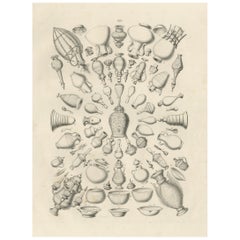
Antique Islamic Vessels and Metalwork Object Study, Maximilian Egypt 1846
Located in Langweer, NL
Antique Islamic Vessels and Metalwork Object Study, Maximilian Egypt 1846
This exceptionally refined 19th-century Orientalist reference engraving presents a comprehensive study of I...
Category
Antique Mid-19th Century German Prints
Materials
Paper
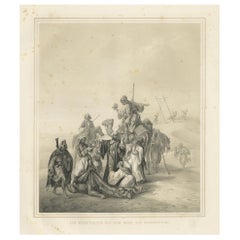
Antique Arabian Execution Procession in Desert, Maximilian Egypt 1846
Located in Langweer, NL
Antique Arabian Execution Procession in Desert, Maximilian Egypt 1846
This dramatic 19th-century Orientalist engraving depicts a condemned criminal being transported through the des...
Category
Antique Mid-19th Century German Prints
Materials
Paper
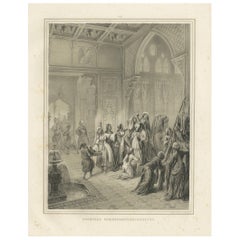
Antique Arabian Engagement Ceremony Interior Scene, Maximilian Egypt 1846
Located in Langweer, NL
Antique Arabian Engagement Ceremony Interior Scene, Maximilian Egypt 1846
Description:
This refined 19th-century Orientalist interior scene depicts an Arabian engagement ceremony ta...
Category
Antique Mid-19th Century German Prints
Materials
Paper
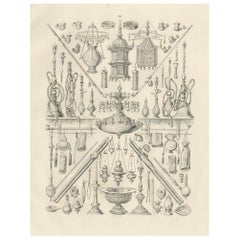
Antique Islamic Lamps and Hookahs Object Study, Maximilian Egypt 1846
Located in Langweer, NL
Antique Islamic Lamps and Hookahs Object Study, Maximilian Egypt 1846
This highly detailed 19th-century Orientalist reference engraving presents a comprehensive visual inventory of ...
Category
Antique Mid-19th Century German Prints
Materials
Paper
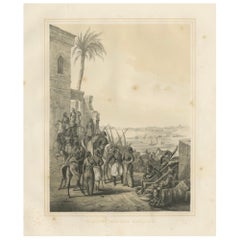
Antique Egyptian Regular Cavalry on the Nile from Maximilian in Bavaria, 1846
Located in Langweer, NL
Antique Egyptian Regular Cavalry on the Nile from Maximilian in Bavaria, 1846
Description:
This impressive 19th-century Orientalist engraving depicts...
Category
Antique Mid-19th Century Prints
Materials
Paper
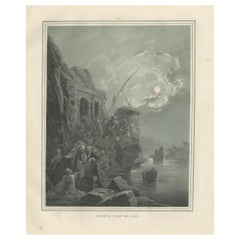
Antique Hyena Hunt on the Nile Moonlight Scene from Maximilian, 1846
Located in Langweer, NL
Antique Hyena Hunt on the Nile Moonlight Scene from Maximilian, 1846
This atmospheric and dramatic 19th-century Orientalist engraving depicts a nocturnal hyena hunt along the banks ...
Category
Antique Mid-19th Century Prints
Materials
Paper
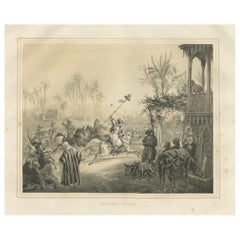
Antique Egyptian Horsemen Javelin Game Scene from Maximilian, 1846
Located in Langweer, NL
Antique Egyptian Horsemen Javelin Game Scene from Maximilian, 1846
This vibrant and action-filled 19th-century Orientalist engraving depicts a traditional mounted javelin-throwing g...
Category
Antique Mid-19th Century Prints
Materials
Paper
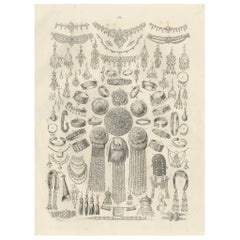
Antique Oriental Jewelry
Adornment Study from Maximilian in Bavaria, 1846
Located in Langweer, NL
Antique Oriental Jewelry & Adornment Study from Maximilian in Bavaria, 1846
This exceptionally refined 19th-century Orientalist engraving presents an extensive and highly detailed study of Middle Eastern jewelry...
Category
Antique Mid-19th Century Prints
Materials
Paper
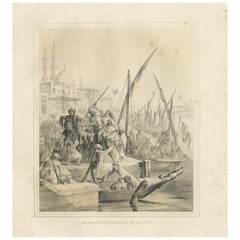
Antique Egyptian Army Recruitment at the Nile Harbor from Maximilian, 1846
Located in Langweer, NL
Antique Egyptian Army Recruitment at the Nile Harbor from Maximilian, 1846
This dramatic and historically powerful 19th-century Orientalist engraving depicts the forced recruitment ...
Category
Antique Mid-19th Century Prints
Materials
Paper
Antique Egyptian Infantry Guard Scene from Maximilian in Bavaria, 1846
Located in Langweer, NL
Antique Egyptian Infantry Guard Scene from Maximilian in Bavaria, 1846
This refined and historically rich 19th-century Orientalist engraving depicts an Egyptian infantry detachment ...
Category
Antique Mid-19th Century Prints
Materials
Paper
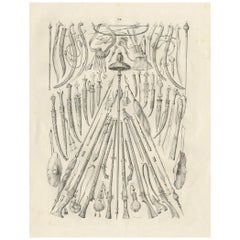
Antique Oriental Arms and Daggers Study from Maximilian in Bavaria, 1846
Located in Langweer, NL
Antique Oriental Arms and Daggers Study from Maximilian in Bavaria, 1846
This exceptionally rich and visually striking 19th-century Orientalist engraving presents a comprehensive st...
Category
Antique Mid-19th Century Prints
Materials
Paper
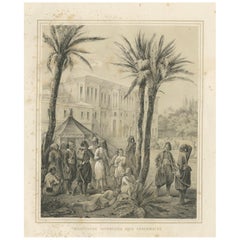
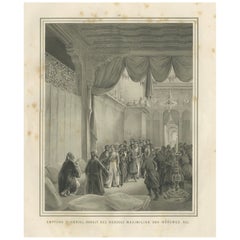
Orientalist Palace Reception, Duke Maximilian at Mehemed Ali Court, 1846
Located in Langweer, NL
Orientalist Palace Reception, Duke Maximilian at Mehemed Ali Court, 19thC
This highly detailed 19th-century print depicts a formal reception scene at the court of Mehemed Ali, ruler...
Category
Antique Mid-19th Century Prints
Materials
Paper
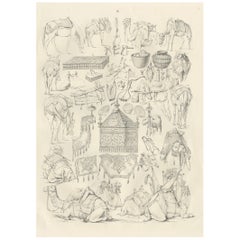
Antique Camel
Caravan Equipment Studies from Maximilian in Bavaria, 1846
Located in Langweer, NL
Antique Camel & Caravan Equipment Studies from Maximilian in Bavaria, 1846
This exceptionally detailed 19th-century Orientalist engraving presents a comprehensive visual study of ca...
Category
Antique Mid-19th Century Prints
Materials
Paper
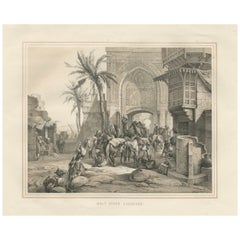
Antique Orientalist Caravan at Rest City Gate Scene from Maximilian, 1846
Located in Langweer, NL
Antique Orientalist Caravan at Rest City Gate Scene from Maximilian, 1846
This richly detailed 19th-century Orientalist engraving portrays a caravan halted at the gate of an Eastern...
Category
Antique Mid-19th Century German Prints
Materials
Paper
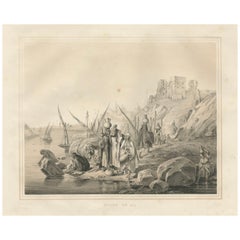
Antique Egyptian Women at the Nile Water Scene from Maximilian in Bavaria, 1846
Located in Langweer, NL
Antique Egyptian Women at the Nile Water Scene from Maximilian in Bavaria, 1846
This elegant and atmospheric 19th-century Orientalist engraving depicts a group of Egyptian women gat...
Category
Antique Mid-19th Century German Prints
Materials
Paper
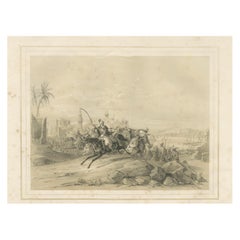
Antique Egyptian Cavalry Battle Scene from Maximilian in Bavaria, 1846
Located in Langweer, NL
Antique Egyptian Cavalry Battle Scene from Maximilian in Bavaria, 1846
This dynamic and finely detailed 19th-century Orientalist engraving depicts a charge of irregular Egyptian cav...
Category
Antique Mid-19th Century German Prints
Materials
Paper
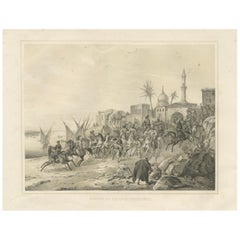
Antique Orientalist Procession of Mehmed Ali Pasha on the Nile, Egypt, 1846
Located in Langweer, NL
Antique Orientalist Procession of Mehmed Ali on the Nile, Egypt, 1846
This dramatic and finely executed 19th-century Orientalist engraving depicts Mehmed Ali Pasha of Egypt during a...
Category
Antique Mid-19th Century Prints
Materials
Paper
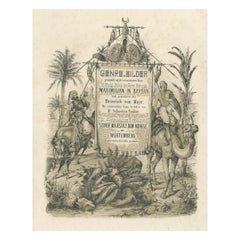
Antique Orientalist Title Page Maximilian in Bavaria Expedition, 1846
Located in Langweer, NL
Orientalist Title Page Print - Maximilian in Bavaria, Middle East - 19th Century
Description:
This highly decorative and visually powerful antique title page engraving introduces th...
Category
Antique Mid-19th Century Prints
Materials
Paper
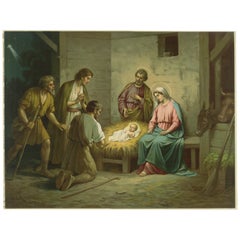
Adoration of the Shepherds Nativity Scene – German Chromolithograph, 1900
Located in Langweer, NL
Adoration of the Shepherds Nativity Scene – German Chromolithograph, 1900
DESCRIPTION
This beautiful antique German chromolithograph depicts the Adoration of the Shepherds, one of t...
Category
Early 20th Century German Prints
Materials
Paper
Virgin Mary with Christ Child
Angel Musicians – German Chromolithograph, 1900
Located in Langweer, NL
Virgin Mary with Christ Child and Angel Musicians – German Chromolithograph, 1900
This exquisite antique German chromolithograph presents a tender and highly lyrical devotional sce...
Category
Early 20th Century German Prints
Materials
Paper

Holy Family at Work with Saint Joseph – Antique German Chromolithograph, 1900
Located in Langweer, NL
Holy Family at Work with Saint Joseph – Antique German Chromolithograph, 1900
This deeply devotional and beautifully detailed antique German chromolithograph depicts the Holy Family...
Category
Early 20th Century German Prints
Materials
Paper
Holy Family with God the Father – Antique German Chromolithograph, 1900
Located in Langweer, NL
Holy Family with God the Father – Antique German Chromolithograph, 1900
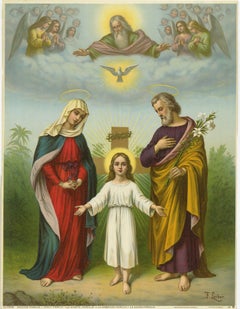
This richly symbolic and beautifully composed antique German chromolithograph presents the Holy Family in a r...
Category
Early 20th Century German Prints
Materials
Paper
Rest on the Flight into Egypt – Antique German Chromolithograph, 1900
Located in Langweer, NL
Rest on the Flight into Egypt – Antique German Chromolithograph, 1900
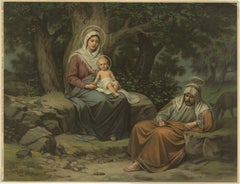
This serene and deeply devotional antique German chromolithograph depicts the biblical scene known as the “Rest on the Flight into Egypt,” showing the Holy Family paused in quiet refuge during their journey of escape. The Virgin Mary is seated beneath ancient trees, gently cradling the Christ Child on her lap, while Saint Joseph rests nearby, weary from travel. The softly glowing halos emphasize the sacred presence of all three figures.
The composition is intimate and contemplative. Mary’s calm expression and protective posture convey maternal tenderness and spiritual strength, while the Christ Child sits peacefully, embodying innocence and divine promise. Saint Joseph, shown as a humble, exhausted guardian, reinforces the human struggle of the journey. The surrounding forest setting, with its shaded foliage and rocky ground, enhances the sense of temporary shelter and quiet protection.
Executed in rich, harmonious earth tones with subtle golden highlights, this chromolithograph reflects the finest traditions of late 19th–early 20th century German religious printing. The soft painterly shading, delicate facial features, and atmospheric depth are characteristic of high-quality devotional prints produced for Catholic homes, churches, schools, and monasteries.
This specific imagery of the Flight into Egypt held special meaning for families, symbolizing divine protection in times of hardship and uncertainty. Today, original examples are increasingly scarce, especially in well-preserved condition with strong color saturation.
A beautiful and meaningful piece for collectors of Catholic art, Holy Family imagery, Marian devotion, or traditional Christian wall art.
CONDITION REPORT
Good antique condition. Light, even age toning consistent with age. Minor edge wear, with small handling marks at the margins. No tears, no major losses, and no restoration. Colors remain warm and well-balanced, with excellent detail in the faces and garments.
FRAMING TIPS
This print will frame beautifully in a classic gilt or medium walnut wood frame. Pair with a warm ivory or softly antiqued cream mat and UV-protective glass for a refined devotional presentation.
TECHNIQUE
Chromolithography
MAKER
German devotional publisher, Germany, circa 1900
KEYWORD BLOCK
Flight into Egypt antique print, Holy Family devotional art, Virgin Mary and Child print, Saint Joseph religious art, German chromolithograph, Catholic wall art antique, Marian devotion print, Christian holy family artwork, antique religious lithograph...
Category
Early 20th Century German Prints
Materials
Paper
The Holy Guardian Angel Protecting a Child – Antique Chromolithograph, 1900
Located in Langweer, NL
The Holy Guardian Angel Protecting a Child – Antique German Chromolithograph, 1900
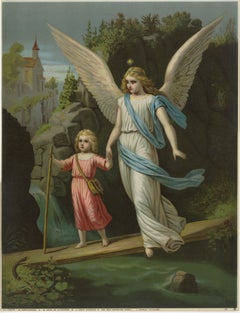
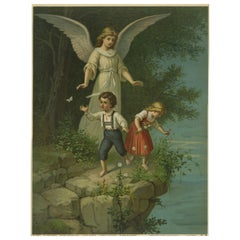
This beautifully composed antique German chromolithograph depicts the Holy Guardian Angel gently guiding and protecting a small child as they cross a narrow wooden bridge above flowing water. The scene is rich in symbolic meaning, representing divine protection, childhood innocence, and spiritual guidance — themes deeply rooted in Catholic devotional tradition.
The guardian angel is shown in flowing white robes with a pale blue sash, her wide luminous wings fully extended as she leads the child safely forward. A golden halo and radiant star above her head emphasize her divine nature, while her calm and protective posture reinforces the message of constant heavenly care. The child, dressed in soft rose-colored garments and holding a simple walking staff, steps forward with trust and quiet confidence.
The surrounding landscape enhances the spiritual narrative: a peaceful waterfall below, a distant church on the cliffs above, and lush greenery framing the path. These details reflect the traditional Catholic interpretation of life’s journey guided by faith. The soft atmospheric lighting, subtle color transitions, and fine detail are characteristic of high-quality German chromolithography at the turn of the 20th century.
This image was widely cherished in Catholic homes, schools, and religious institutions, where it served both as devotional inspiration and as a comforting symbol of protection for children. Today, original examples in strong condition are increasingly scarce and highly sought after by collectors of antique religious art.
An ideal piece for Catholic art collectors, children’s rooms, chapels, prayer spaces, and anyone seeking a meaningful symbol of spiritual guardianship.
CONDITION REPORT
Good antique condition. Light, even age toning throughout. Minor edge wear and gentle softening at the corners. No tears, no significant losses, and no restoration. Colors remain vibrant, with excellent preservation of gold tones and soft pastel shading.
FRAMING TIPS
This print will be beautifully enhanced by a softly antiqued gilt or champagne-gold frame to echo the angelic glow. A deep ivory or pale linen mat with museum glass will elevate the devotional and collector-quality presentation.
TECHNIQUE
Chromolithography
MAKER
German devotional publisher, Germany, circa 1900
KEYWORD BLOCK
Holy Guardian Angel antique print, Guardian Angel child protection, Catholic devotional art, German chromolithograph, religious wall art antique, angel with child print, Christian protection symbol, sacred angel print, Catholic nursery art...
Category
Early 20th Century German Prints
Materials
Paper
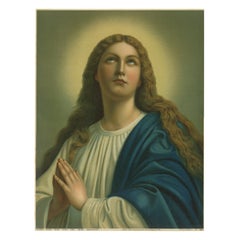
Holy Mary in Prayer – Antique German Marian Chromolithograph, 1904
Located in Langweer, NL
Jesus Appears to Mary Magdalene – Antique German Chromolithograph, c. 1895
This striking late 19th-century German chromolithograph depicts the moving biblical moment in which the risen Christ appears to Mary Magdalene following the Resurrection. Christ is shown standing in quiet majesty, halo radiant with divine light, His right hand placed gently over His heart in a gesture of compassion and reassurance. Mary Magdalene kneels before Him with deep devotion, her long flowing hair and rich garments emphasizing both humility and reverence.
The composition is set within a tranquil garden landscape, traditionally associated with the Resurrection narrative, reinforcing the spiritual symbolism of rebirth, forgiveness, and divine mercy. Christ’s red tunic and deep blue mantle radiate warmth and solemnity, while the soft golden halo creates a luminous focal point that draws the eye immediately to His face.
This scene, known in Christian tradition as *Noli Me Tangere* (“Touch Me Not”), represents one of the most emotionally powerful moments of the Gospel story. It became a highly favored subject in Catholic devotional art of the late 19th century, commonly displayed in prayer corners, chapels, religious schools, and family interiors.
Produced using high-quality chromolithography, this print achieves exceptional painterly depth, with delicate shading in the flesh tones, refined folds in the drapery, and beautifully layered landscape colors. The gold highlights of the halos and the saturated reds and blues are especially well preserved, reflecting the superior production standards of German devotional publishers during this period.
This is a visually commanding and spiritually meaningful artwork, highly desirable for Catholic collectors, sacred art interiors, and serious devotional art collections.
CONDITION REPORT
Good antique condition overall. Light, even age toning to the paper consistent with late 19th-century chromolithographs. Minor edge wear and very gentle corner softening visible upon close inspection. No major stains, no tears, and no restoration observed. Colors remain strong and vivid.
FRAMING TIPS
This print will display beautifully in a classic gilt or softly antiqued gold wooden frame to echo the sacred halo tones. For a more restrained interior, a dark walnut or black lacquer frame with a wide ivory mat and museum glass will create a dramatic devotional presentation.
TECHNIQUE
Chromolithography
MAKER
German devotional publisher, Germany, circa 1895
KEYWORD BLOCK
Jesus and Mary Magdalene, Noli Me Tangere, resurrection scene, antique catholic print...
Category
Early 20th Century German Prints
Materials
Paper
Jesus Appears to Mary Magdalene – Antique German Chromolithograph, c. 1895
Located in Langweer, NL
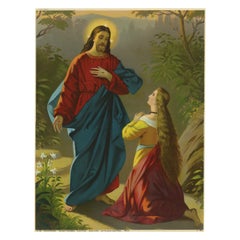
Jesus Appears to Mary Magdalene – Antique German Chromolithograph, c. 1895
This striking late 19th-century German chromolithograph depicts the moving biblical moment in which the risen Christ appears to Mary Magdalene following the Resurrection. Christ is shown standing in quiet majesty, halo radiant with divine light, His right hand placed gently over His heart in a gesture of compassion and reassurance. Mary Magdalene kneels before Him with deep devotion, her long flowing hair and rich garments emphasizing both humility and reverence.
The composition is set within a tranquil garden landscape, traditionally associated with the Resurrection narrative, reinforcing the spiritual symbolism of rebirth, forgiveness, and divine mercy. Christ’s red tunic and deep blue mantle radiate warmth and solemnity, while the soft golden halo creates a luminous focal point that draws the eye immediately to His face.
This scene, known in Christian tradition as *Noli Me Tangere* (“Touch Me Not”), represents one of the most emotionally powerful moments of the Gospel story. It became a highly favored subject in Catholic devotional art of the late 19th century, commonly displayed in prayer corners, chapels, religious schools, and family interiors.
Produced using high-quality chromolithography, this print achieves exceptional painterly depth, with delicate shading in the flesh tones, refined folds in the drapery, and beautifully layered landscape colors. The gold highlights of the halos and the saturated reds and blues are especially well preserved, reflecting the superior production standards of German devotional publishers during this period.
This is a visually commanding and spiritually meaningful artwork, highly desirable for Catholic collectors, sacred art interiors, and serious devotional art collections.
CONDITION REPORT
Good antique condition overall. Light, even age toning to the paper consistent with late 19th-century chromolithographs. Minor edge wear and very gentle corner softening visible upon close inspection. No major stains, no tears, and no restoration observed. Colors remain strong and vivid.
FRAMING TIPS
This print will display beautifully in a classic gilt or softly antiqued gold wooden frame to echo the sacred halo tones. For a more restrained interior, a dark walnut or black lacquer frame with a wide ivory mat and museum glass will create a dramatic devotional presentation.
TECHNIQUE
Chromolithography
MAKER
German devotional publisher, Germany, circa 1895
KEYWORD BLOCK
Jesus and Mary Magdalene, Noli Me Tangere, resurrection scene, antique catholic print...
Category
Antique Late 19th Century German Prints
Materials
Paper
Antique Catholic Print of Jesus Blessing Children – Germany, c. 1890
Located in Langweer, NL
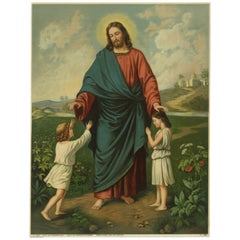
Jesus Blessing the Children – Antique German Catholic Chromolithograph, c. 1890
This beautiful late 19th-century German chromolithograph depicts one of the most tender and beloved scenes in Christian iconography: Jesus blessing the children. Christ stands centrally in a serene pastoral landscape, gently extending his hands in a gesture of protection and compassion, while two children approach Him with trust and reverence. The soft light of the halo frames His head, reinforcing the sacred presence, while the surrounding greenery and distant buildings create a peaceful biblical setting.
This image reflects the powerful theme from the Gospel of Matthew, “Let the little children come to me,” and was widely used in Catholic devotional culture for home altars, schools, and parish settings during the late Victorian period. The gentle facial expressions, flowing robes, and rich harmonious colors are all characteristic of high-quality German chromolithography from the late 19th century.
Chromolithography allowed for exceptional depth of color and painterly effects, closely imitating oil painting. This example shows especially fine tonal transitions in the robes, sky, and landscape, as well as excellent detail in the figures and foliage. The overall visual impression is warm, calm, and deeply devotional, making this print particularly appealing to Catholic art collectors and religious interiors.
Pieces of this type were often displayed in framed settings above prayer corners, in churches, or in Catholic family homes and have become increasingly collectible as surviving examples in good condition grow scarcer. Its subject matter gives it lasting spiritual and decorative appeal and makes it a timeless devotional artwork.
CONDITION REPORT
Good antique condition overall. Light even age toning to the paper, consistent with late 19th-century chromolithographs. Minor softening at the edges and faint handling traces visible upon close inspection. No major stains, no tears, and no restoration observed. The colors remain vibrant and well preserved.
FRAMING TIPS
This print would be beautifully enhanced with a classic gold-leaf or champagne-gilt wooden frame combined with a wide ivory or warm cream mat. For a more contemporary sacred interior, a soft walnut or dark oak frame with museum glass would provide excellent contrast and visual depth while keeping the devotional character intact.
TECHNIQUE
Chromolithography
MAKER
German devotional publisher, Germany, circa 1890
KEYWORD BLOCK
Jesus blessing children, Jesus the Friend of Children, antique catholic print...
Category
Antique Late 19th Century German Prints
Materials
Paper
Antique Coronation of Mary Religious Chromolithograph with Gold, c. 1900
Located in Langweer, NL
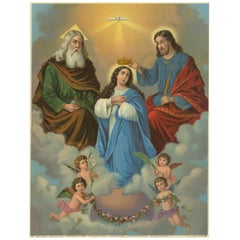
Antique Coronation of Mary Religious Chromolithograph with Gold Tones
This richly colored antique religious chromolithograph depicts the Coronation of the Virgin Mary, one of the most important devotional themes in Catholic iconography. The composition shows Mary seated among heavenly clouds, modestly inclining her head as Christ gently places the golden crown upon her, while God the Father looks on from the opposite side. Above them, the Holy Spirit appears in the form of the descending dove, radiating divine light. Surrounding the scene, four cherubs float among soft clouds, holding floral garlands and lilies as symbols of purity and divine grace.
The scene is executed in vibrant late-19th or early-20th century chromolithography, a technique prized for its intense color saturation and painterly softness. The gold halos, crown, and heavenly glow give the print a luminous presence that shifts beautifully with changing light. The palette combines warm golds, rich blues, soft flesh tones, and delicate pastels, making this one of the most visually striking devotional compositions of its type.
This image was most likely published in Germany for the Catholic devotional market, where high-quality chromolithographs were produced for churches, schools, and private home altars. The multilingual caption along the lower margin, referencing the Coronation of Mary in several European languages, confirms its international devotional circulation.
The Coronation of Mary is a theological subject derived from the belief in Mary’s assumption into heaven and her role as Queen of Heaven. This theme became especially popular in 19th-century Catholic visual culture as part of renewed Marian devotion. The imagery here directly reflects that revival, emphasizing gentleness, divine hierarchy, and celestial harmony.
Because of its powerful religious symbolism, radiant gold accents, and exceptional color quality, this print works beautifully both as a devotional object and as a decorative statement piece in classical, ecclesiastical, or traditional interiors. It also fits exceptionally well within collections of Catholic imagery, Marian iconography, or antique chromolithographs.
Condition
Good to very good antique condition. Light overall age toning consistent with age. Minor edge wear and soft handling marks visible at the margins. Colors remain strong and vibrant. No major tears or losses observed. Plate mark not present, as expected for chromolithography.
Framing Tips
This piece frames beautifully in a classic gold leaf frame to enhance the gold halos and crown. A deep dark blue, ivory, or soft champagne mat adds contrast and visual depth. For a more dramatic presentation, a black frame with gold inner slip also works extremely well.
Technique: Chromolithograph
Maker: German devotional publisher, late 19th–early 20th century
Keywords: Antique Catholic print...
Category
Antique Late 19th Century German Prints
Materials
Paper
Weimar Era - German Satirical Prints Portfolio Ruhr Crisis, 1923
Located in Langweer, NL
Franzosen im Ruhrgebiet - Weimar Propaganda Portfolio A.M. Cay, 1923
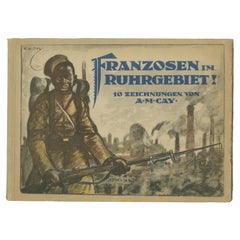
This rare and complete 1923 propaganda portfolio documents the political and social tensions during the French o...
Category
Vintage 1920s Prints
Materials
Paper
Holy Trinity Enthroned in Heaven, Antique German Chromolithograph c.1900
Located in Langweer, NL
The Angelus at Sunset, After Millet, Antique European Chromolithograph
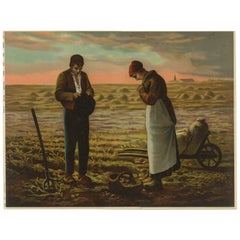
This atmospheric late 19th-century European chromolithograph presents a devotional rural scene inspired by Jea...
Category
Antique Late 19th Century German Prints
Materials
Paper

The Angelus at Sunset, After Millet, Antique European Chromolithograph, c.1900
Located in Langweer, NL
The Angelus at Sunset, After Millet, Antique European Chromolithograph
This atmospheric late 19th-century European chromolithograph presents a devotional rural scene inspired by Jea...
Category
Antique Late 19th Century German Prints
Materials
Paper
Harvest Workers in the Field, After Millet, Antique Chromolithograph, ca.1900
Located in Langweer, NL
Harvest Workers in the Field, After Millet, Antique European Chromolithograph
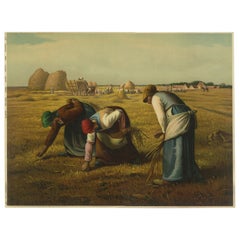
This powerful late 19th-century European chromolithograph depicts a rural harvesting scene inspired by ...
Category
Antique Late 19th Century German Prints
Materials
Paper
Guardian Angel Protecting Children by the Water, Antique Chromolithograph, 1900
Located in Langweer, NL
Guardian Angel Protecting Children by the Water, Antique German Chromolithograph
This touching late 19th–early 20th century German chromolithograph depicts a classic Catholic devoti...
Category
Antique Late 19th Century German Prints
Materials
Paper
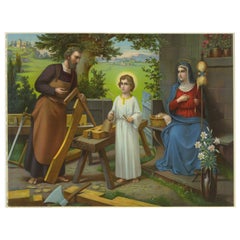
Holy Family in the Carpenter’s Workshop, Antique German Chromolithograph c.1900
Located in Langweer, NL
Holy Family in the Carpenter’s Workshop, Antique German Chromolithograph c.1900
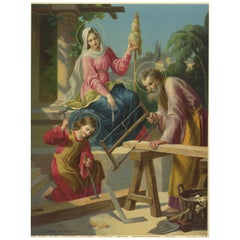
This beautifully composed late nineteenth-century German chromolithograph portrays the Holy Family in an intimate domestic scene set in the carpenter’s workshop of Saint Joseph. Saint Joseph is shown at work with hand tools, shaping wood with calm concentration, while the young Christ stands beside him holding a carpenter’s mallet and plane, symbolically participating in the labor of His earthly father. The Virgin Mary sits quietly nearby, spinning or winding thread, watching over both with serene devotion. All three figures bear softly glowing halos, emphasizing their sacred presence within this everyday setting.
The composition is rich in symbolic meaning. The carpenter’s tools and wooden beams reference Christ’s future Passion and the cross, while the youthful participation of Christ in Joseph’s trade underscores the themes of obedience, humility, and the sanctification of daily labor. The Madonna’s gesture toward her heart reflects maternal love and quiet contemplation. Through the open landscape beyond the wall, distant hills and buildings evoke the Holy Land and create depth and peace within the scene.
This type of Holy Family imagery was especially popular in Catholic households at the turn of the century, intended as a model for family life rooted in faith, work, and devotion. The scene offered both spiritual instruction and emotional warmth, presenting the Holy Family not in glory, but in humble daily life. Such images were widely displayed in private homes, schools, convents, and parish buildings.
The print was produced using traditional chromolithography, a complex multi-stone printing process that allowed for the rich, luminous colors and fine painterly detail visible in the drapery, skin tones, and landscape. The halos, floral elements, and wooden textures show exceptionally fine tonal control. This is a genuine period devotional chromolithograph and not a modern reproduction.
The lower margin printing confirms German production for the Catholic devotional market. Large-format Holy Family scenes of this quality and color preservation are becoming increasingly scarce and are highly desirable to collectors of religious iconography and historic devotional prints.
Condition report: Very good overall condition. Colors remain strong, fresh, and well saturated. Light age toning visible mainly in the margins. Minor handling wear consistent with age. No major tears, losses, or water damage observed. The image area itself is clean and visually striking.
Framing tips: This print displays beautifully in a soft gilt or antique gold frame that complements the warm tones of the workshop setting. A light ivory or warm cream mat enhances the colors without overpowering the scene. Dark walnut or cherry wood frames also work exceptionally well for church, rectory, or classic interior settings.
Technique: Chromolithograph
Maker: German devotional press, printed in Germany, circa 1900
holy family carpenter workshop
saint joseph carpenter print
child jesus with tools
virgin mary devotional art
antique catholic chromolithograph
holy family wall art
german religious print
christ child carpenter
family devotion image
religious home interior print
antique christian wall art
catholic household devotion
sacred family scene
turn of the century devotional
saint joseph and child jesus
holy family workshop scene
printed in germany religious
antique religious lithograph...
Category
Antique Late 19th Century German Prints
Materials
Paper
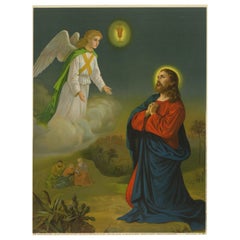
Christ on the Mount of Olives, Antique German Chromolithograph c.1900
Located in Langweer, NL
Christ on the Mount of Olives, Antique German Chromolithograph c.1900
This striking late 19th to early 20th century German chromolithograph depicts Christ in the Garden of Gethsemane, the solemn moment of prayer and surrender before His arrest. Christ kneels in contemplation beneath the night sky, gazing upward toward a descending angel who brings the chalice of suffering, symbolizing the Passion that is about to unfold. At the left, the sleeping apostles Peter, James, and John lie overcome with weariness, emphasizing the solitude of Christ’s sacrifice.
The composition is rich in devotional symbolism. Christ’s folded hands, bowed posture, and softly glowing halo express humility and obedience to divine will. The angel’s flowing white robes and green mantle are dramatically illuminated against the darkened sky, while the radiant chalice floats above as a direct reference to Luke 22:42, “Father, if thou be willing, remove this cup from me: nevertheless not my will, but thine, be done.” Palm trees and distant buildings subtly root the scene in the Holy Land.
This image was created for private devotion and contemplation and would originally have been displayed in chapels, monasteries, religious schools, or Catholic homes. Passion scenes of this size and quality were specifically intended to guide prayer during Lent and Holy Week. The calm dignity of the composition, paired with its dramatic spiritual symbolism, makes this a powerful and emotionally resonant devotional work.
The print was produced using the demanding chromolithographic process, requiring multiple stone plates to achieve its luminous color depth and fine tonal transitions. The halo effects, delicately layered drapery, and atmospheric landscape demonstrate the high technical standards of German devotional printing at the turn of the century. This is a genuine period chromolithograph and not a later reproduction.
The printed attribution along the lower margin confirms German production for the Catholic market. Large-format Passion scenes in strong, unfaded condition are increasingly scarce and are highly sought after by collectors of Catholic iconography and museum-quality devotional art.
Condition report: Very good overall condition. Colors remain strong and unfaded. Light age toning mostly confined to the margins. Minor handling wear consistent with age. No major tears, losses, water damage, or restoration observed. The image area remains clean and vivid.
Framing tips: This work presents beautifully in an antiqued gold-leaf or warm gilt frame to enhance the sacred glow of the halos. An ivory or soft parchment mat complements the night sky without overpowering the colors. A dark walnut frame also works well for church or monastery interiors.
Technique: Chromolithograph
Maker: German devotional press, printed in Germany, circa 1900
christ mount of olives
agony in the garden
garden of gethsemane print
christ praying chromolithograph
antique catholic devotional art
religious german chromolithograph
passion of christ print
holy week wall art
lenten devotion image
christ angel chalice
biblical prayer scene
antique christian wall art
sacred jesus artwork
turn of the century devotional
printed in germany religious
catholic passion art
jesus gethsemane
antique religious lithograph...
Category
Antique Late 19th Century German Prints
Materials
Paper
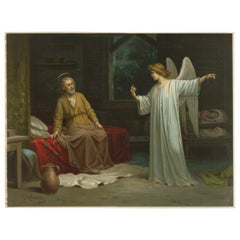
Saint Joseph Visited by an Angel, Antique German Chromolithograph c.1900
Located in Langweer, NL
Saint Joseph Visited by an Angel, Antique German Chromolithograph c.1900
This deeply symbolic late 19th–early 20th century German chromolithograph presents the powerful biblical mom...
Category
Antique Late 19th Century German Prints
Materials
Paper
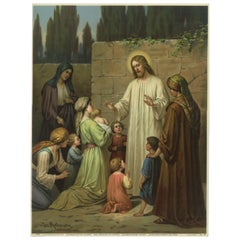
Jesus Blessing the Children, Antique German Chromolithograph, ca.1900
Located in Langweer, NL
Jesus Blessing the Children, Antique German Chromolithograph after Meithheuser c.1900
This exceptionally moving late 19th–early 20th century German chromolithograph depicts one of t...
Category
Antique Late 19th Century German Prints
Materials
Paper
St Mary Protectress of Innocents, Antique German Chromolithograph c.1900
Located in Langweer, NL
St Mary Protectress of Innocents, Antique German Chromolithograph c.1900
This exceptionally tender and beautifully composed late 19th–early 20th century German chromolithograph depi...
Category
Antique Late 19th Century German Prints
Materials
Paper
St Joseph and Child Jesus with Lily, Antique German Chromolithograph c.1900
Located in Langweer, NL
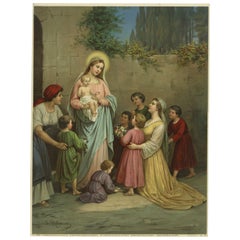
St Joseph and Child Jesus with Lily, Antique German Chromolithograph c.1900
This beautifully composed late 19th–early 20th century German chromolithograph presents a tender devotional scene of Saint Joseph with the Child Jesus, one of the most beloved themes in Catholic sacred imagery. Saint Joseph is seated in a humble workshop interior, gently resting his hand on his chest while the Christ Child offers him a white lily, the universal symbol of purity, obedience, and divine election. Both figures are encircled by radiant halos, reinforcing the sacred intimacy of this quiet, fatherly moment.
The composition is rich in symbolic detail: the carpenter’s tools behind Joseph reference his earthly labor and humility, while the soft pastoral landscape visible through the opening suggests God’s providence beyond the domestic sphere. The infant Christ, rendered with luminous skin tones and expressive gaze, embodies both innocence and divine authority. The lily rises vertically between them as a visual axis of spiritual virtue, creating a powerful yet gentle devotional message.
This print was produced using true chromolithography in Germany around 1900, a technique requiring multiple lithographic stones—one for each color layer. The softness of the tonal transitions, the saturated yet harmonious palette, and the velvety matte surface all confirm authentic period production. The lower margin bears the multilingual title “Hl. Joseph / St. Joseph / S. Giuseppe / S. José / Swięty Józef,” as well as the ecclesiastical approval line “Imprimi permittitur. Ordinariatus episcopalis Limburgensis,” confirming official Church authorization for devotional distribution. The imprint “Printed in Germany” further supports its origin within the great German religious printing houses of the era.
This type of high-quality devotional chromolithograph was originally intended for Catholic homes, chapels, schools, and religious institutions. Surviving examples in strong condition are now increasingly sought after by collectors of sacred art, Christian iconography, and historical devotional imagery.
Condition report
Very good condition. Strong, unfaded colors with excellent contrast. Light natural toning to the margins. Minor handling marks consistent with age. No tears, creases, restorations, or losses observed. The printed text and imprimatur remain crisp and fully legible.
Framing tips
This print presents beautifully in a warm gilt or dark walnut frame with a soft ivory mat to enhance the golden halos and the warm burgundy and olive tones of Joseph’s garments. For a more contemporary devotional presentation, a matte black frame with wide museum-style matting works equally well.
Technique: Chromolithograph
Maker: German devotional press, printed in Germany, circa 1900
SEO keyword block:
saint joseph
st joseph with child
holy family art...
Category
Antique Late 19th Century German Prints
Materials
Paper

Antique Moth Pair Xylina Lambda Ortholithia by Sepp
Brants - Handcolor, 1905
Located in Langweer, NL
Antique Moth Pair Xylina Lambda Ortholithia Sepp Brants 1905 Handcolor
This refined matching pair of antique moth engravings originates from Parts 7–8 of...
Category
Antique Early 1900s Dutch Prints
Materials
Paper
Antique Dutch Plusia Moneta Moth Diptych, Hand-Colored by Sepp
Brants, 1908
Located in Langweer, NL
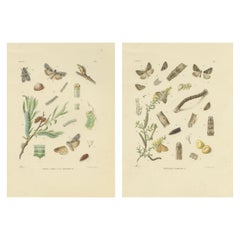
Antique Moth Pair Plusia Moneta Sepp Brants 1905 Handcolored Diptych
This elegant matching pair of antique moth engravings originates from Parts 7–8 of t...
Category
Antique Early 1900s Dutch Prints
Materials
Paper
Antique Pair of Sciapteron Xystophora Moths, Hand-Colored by Sepp
Brants, 1906
Located in Langweer, NL
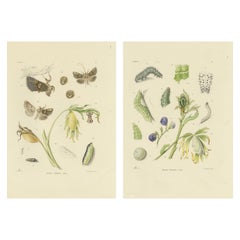
Antique Moth Pair Sciapteron Xystophora Sepp Brants 1906 Handcolor
This striking matching pair of antique moth engravings originates from Parts 3–4 of th...
Category
Antique Early 1900s Dutch Prints
Materials
Paper
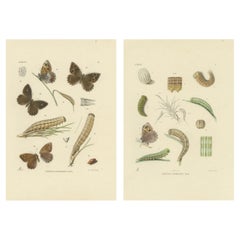
Antique Hand-Colored Satyrus Statilinus Butterfly Pair by Sepp
Brants, 1905
Located in Langweer, NL
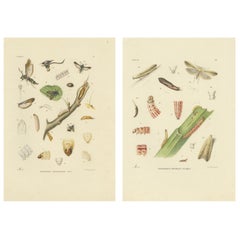
Antique Butterfly Pair Satyrus Statilinus Sepp Brants 1905 Handcolor
NOTE: WE SELL THE PRINTS UNFRAMED. THE PRINTS ARE ORIGINAL AND GUARANTEED OVER 100 YEARS OLD.
This refined matching pair of antique butterfly engravings originates from Parts 1–2 of the rare third and final series of 'Nederlandsche Vlinders', published in The Hague by Martinus Nijhoff between 1905 and 1913. The work was executed under the direction of A. Brants as a continuation of the legendary Sepp tradition in Dutch entomological illustration, first begun in 1728. This late series represents the final chapter of one of the most important illustrated natural history projects ever produced in the Netherlands.
Both plates depict the life cycle of Satyrus Statilinus, showing the butterfly in multiple wing positions alongside detailed studies of caterpillar, chrysalis, egg, and host plant. The scientific accuracy is paired with remarkably subtle hand coloring, revealing soft browns, muted greens, and carefully shaded contours. These plates reflect the transition from the great 18th-century copper engraving tradition into early 20th-century scientific illustration while fully preserving artisanal coloring techniques.
This offering includes not only the two original hand-colored copper engravings, but also the complete original printed text leaves (in Dutch language) from Part 1–2, allowing the set to be preserved as a true historical entomological unit rather than isolated decorative prints. The plates come from the library of the noted Dutch lepidopterist Jan Hendrik Ernst Wittpen (1878–1956), with his library stamp present, adding strong scientific provenance.
The third series of Sepp’s butterflies is markedly rarer on the market than the earlier volumes and is highly sought after by collectors of natural history, scientific art, and museum-quality wall decor. Presented as a matching diptych, this pair works especially well for libraries, studies, and refined contemporary interiors where historical scientific imagery adds quiet authority and warmth.
Condition report
Both engravings and accompanying text leaves are in excellent, near-mint condition. Clean impressions, fresh original hand coloring, strong plate marks visible, no foxing, no tears, no stains. Exceptionally well preserved.
Framing tips
This pair is ideally suited for a horizontal diptych presentation. Use soft ivory or warm light-grey museum matting with slim walnut, bronze, or muted gilt frames. Museum glass is strongly recommended to preserve the original coloring. Hanging the two plates with 4–6 cm spacing creates a balanced and elegant wall composition. NOTE: WE SELL THE PRINTS UNFRAMED.
Technique: Hand-colored copper engraving
Maker: A. Brants after Sepp tradition, The Hague, circa 1905–1913
SEO keyword block
antique butterfly engraving, sepp butterfly print, brants entomology, satyrus statilinus, dutch natural history art, hand colored insect print, antique scientific illustration...
Category
Antique Early 1900s Dutch Prints
Materials
Paper
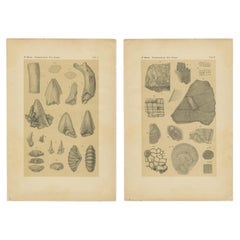
Antique Print of Caribbean Coral
Fossils - Geological Lithograph Pair, 1888
Located in Langweer, NL
Dutch West Indies Geology Fossils 1888 Scientific Lithograph Plates
This rare matched pair of geological plates originates from the monumental 1888 scientific work Bericht über eine...
Category
Antique 1880s Prints
Materials
Paper
Antique Lichen Prints Set of 6 – German Botanical Lithographs 1874
Located in Langweer, NL
Antique Lichen Prints Set of 6 – German Scientific Lithographs 1874
Description
This exceptional wall set of six original 19th-century scientific lithographs comes from the 1874 Ger...
Category
Antique 1870s German Prints
Materials
Paper

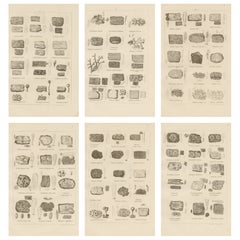
Antique Lichen Prints Set of 6 – German Botanical Lithographs 1874
Located in Langweer, NL
Antique Lichen Prints Set of 6 – German Botanical Lithographs 1874
This remarkable wall set of six original scientific lithographs comes from the rare 1874 German publication “Cryptogamen-Flora – Flechten,” devoted entirely to the detailed study of lichens. Issued in Gera by the respected scientific publisher C. B. Griesbach and prepared by Otto Müller and G. Pabst, this series represents one of the most precise 19th-century visual documents of cryptogamic botany.
Each plate is densely populated with finely rendered lichen specimens, shown in multiple growth stages with accompanying microscopic structural details. The compositions are carefully balanced across each sheet, creating an extraordinary rhythm of organic textures, cellular formations, and natural pattern systems. Together, the six plates form a powerful scientific grid that is visually striking both at close inspection and from a distance.
Produced during the golden age of European botanical taxonomy, these lithographs were created as serious reference tools for pharmacists, physicians, and natural scientists. Unlike decorative flower books intended for the general public, true cryptogam atlases such as this were printed in far smaller numbers and were subjected to hard professional use. As a result, intact matching sets have become increasingly scarce on the market.
The restrained monochrome palette gives this set a timeless graphic quality that integrates effortlessly into both classical and contemporary interiors. Displayed as a horizontal 3×2 wall arrangement or in vertical pairing formats, the set works exceptionally well in studies, medical offices, libraries, design hotels, law firms, galleries, and minimalist residential spaces. The scientific precision combined with the abstract beauty of lichen morphology makes this set particularly attractive to modern interior designers seeking authentic historical material with strong visual structure.
This is a cohesive original 19th-century wall ensemble, not a later reproduction or decorative reprint. Each plate is an authentic lithograph pulled from the original 1874 publication.
Condition Report
All six plates are in very good antique condition. Light, even age toning consistent with 19th-century paper. No tears or losses observed. Margins remain intact. Image impressions are crisp and well preserved. Minor surface marks or faint edge handling wear may be present but do not detract from display quality.
Framing Suggestions
This set presents beautifully in slim natural oak or walnut frames with deep ivory museum mats for a clean, contemporary gallery look. For a more dramatic, archival presentation, matte black frames with soft off-white mats will emphasize the fine line work and give the set a striking museum-style presence. UV-protective glazing is recommended for long-term preservation.
Technique: Lithography
Maker: Otto Müller & G. Pabst, Germany, 1874
SEO Keyword Block
antique botanical prints, lichen lithographs, cryptogam flora, 19th century science prints, german botanical art, medical wall art, pharmacy decor, scientific wall set, black and white botanical prints, natural history lithographs, antique plant prints, lichen study plates, interior designer wall art, antique scientific illustration
Category
Antique 1870s German Prints
Materials
Paper
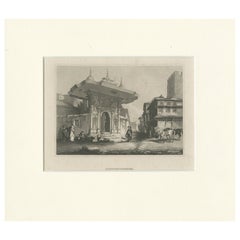
Constantinopel Ottoman Street Scene Antique Dutch Engraving c1870
Located in Langweer, NL
Constantinopel Ottoman Street Scene Antique Dutch Engraving c1870
This atmospheric 19th-century engraving depicts a street scene in Constantinople, present-day Istanbul, centered ar...
Category
Antique 1870s Dutch Prints
Materials
Paper
Chikanobu Triptych – Shogun Returns from the Hunt in Koganehara, c.1897
Located in Langweer, NL
Chikanobu Triptych – Shogun Returns from the Hunt in Koganehara, c.1897
This powerful and dynamic triptych by Toyohara Chikanobu (1838–1912) depicts the Shogun and his retinue returning from a falconry hunt across the vast grasslands of Koganehara. The print is part of the celebrated Meiji-era series Chiyoda no Omote (Outer Palace of Chiyoda), which portrayed ceremonial and military scenes from the life of the Tokugawa shogunate. This series blends historical reverence with a modern Meiji sensibility, celebrating Japan’s warrior heritage at a time of rapid transformation.
Rendered in rich color and vivid linework, the triptych shows a noble procession in motion: the mounted Shogun at center turns back toward the viewer, while falconers and warriors in elaborate dress surround him. Attendants carry game and falconry equipment, and a dense forest line marks the horizon behind them. The sweeping composition emphasizes both movement and status, with the central figure visually dominant and placed against a pale, open sky.
The triptych is signed by Chikanobu with the toshidama cartouche and published by Fukuda Hatsujirō around 1897. Chikanobu, one of the last great ukiyo-e masters, was celebrated for his ability to capture imperial ceremony, samurai culture, and the feminine elegance of the court — often in triptych format for dramatic impact.
While the work shows some age-related signs, it retains strong visual appeal and is a compelling historical document of samurai-era tradition as imagined through Meiji eyes.
Condition report: Good overall condition considering age. The three sheets are mounted together on old Japanese paper backing (verso), which is loosening slightly along the joins. Light overall toning and minor wrinkling across the panels. Colors remain well preserved with strong impression and no major losses or tears. Margins present, minor handling wear visible. A stable and attractive display piece.
Framing tips: We recommend float mounting the full triptych in a custom horizontal frame, allowing the slight backing and joins to remain visible as part of its historical charm. Use a dark walnut or black lacquer frame with an off-white or light beige acid-free mat. Proper archival mounting can help preserve the integrity of the backing while enhancing its display quality.
Technique: Woodblock print (ōban triptych)
Maker: Toyohara Chikanobu, Japan, c.1897
Publisher: Fukuda Hatsujirō
Keywords:
Chikanobu triptych, samurai falconry print, Japanese woodblock print, Meiji print, Chiyoda no Omote, shogun artwork, Koganehara, antique Japanese triptych...
Category
Antique 1890s Japanese Prints
Materials
Paper
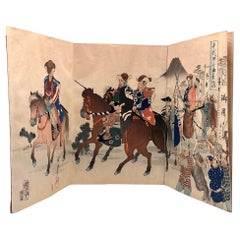
Fortress Assault Triptych – 1894 Japanese Meiji War Woodblock by Gekko
Located in Langweer, NL
Fortress Assault Triptych – 1894 Japanese Meiji War Woodblock by Gekko
This powerful Meiji-era woodblock triptych by Ogata Gekko (1859–1920) depicts the dramatic assault on a Chines...
Category
Antique 1890s Japanese Prints
Materials
Paper
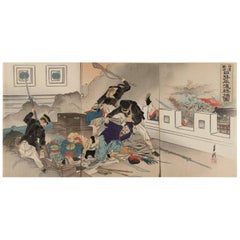
Meiji-Era Triptych of the Battle of Pyongyang in the Sino-Japanese War, 1894
Located in Langweer, NL
Meiji-Era Triptych of the Battle of Pyongyang in the Sino-Japanese War, 1894
This striking 1894 woodblock triptych by Ogata Gekko (1859–1920) depicts the dramatic Battle of Pyongyan...
Category
Antique 1890s Japanese Prints
Materials
Paper