Gallery of the Masters

to
2
295
87
79
64
54
46
36
31
26
21
16
13
12
10
10
9
9
8
6
5
4
3
3
3
2
2
1
16
13
13
8
8
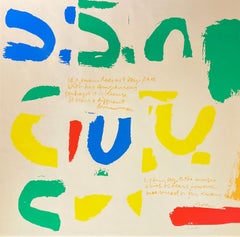
Thoreau "If a Man Does Not Keep Peace"
By Corita Kent
Located in Missouri, MO
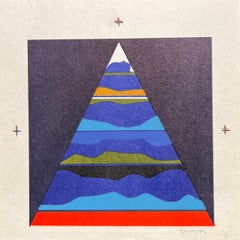
Thoreau "If a Man Does Not Keep Peace" Sister Mary Corita Kent (American, 1918-1986) Signed in Pencil Lower Right 22.5 x 22.5 inches 23.25 x 23.25 inches with frame Sister Mary Cori...
Category

20th Century American Modern Abstract Prints

Materials

Color, Lithograph

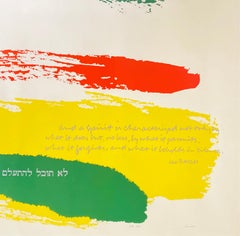
Leo Baeck "and a Spirit is Characterized"
By Corita Kent
Located in Missouri, MO
Leo Baeck and a Spirit is Characterized Sister Mary Corita Kent (American, 1918-1986) Signed Lower Right in Pencil Edition of 250 Lower center 21.5 x 21.5 inches 24 x 24 inches frame...
Category

20th Century American Modern Abstract Prints

Materials

Color, Lithograph

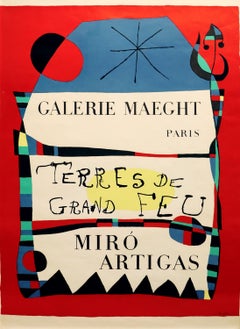
Teres de Grand Feu
By (after) Joan Miró
Located in Missouri, MO
Terres de Grand Feu Miro Artigas Galerie Maeght Fine Art Poster Print 30 x 21 inches 31 x 22 inches with frame Joan Miro (Spanish, 1893-1983) Joan Miro was born in Barcelona, Spain...
Category

20th Century Surrealist Abstract Prints

Materials

Color

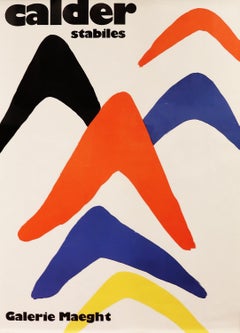
Calder Stabiles
By (after) Alexander Calder
Located in Missouri, MO
Calder Stabiles Galerie Maeght Fine Art Poster Print 30 x 22 inches 31 x 23 inches with frame Alexander Calder (American, 1898-1976) One of America's ...
Category

20th Century Surrealist Abstract Prints

Materials

Color

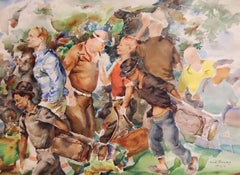
Golfers
By Frederick Conway
Located in Missouri, MO
Golfers, 1928 Fred Conway (American, 1900-1973) Signed and Dated Lower Right 18.5 x 24.5 inches 30.5 x 37 inches with frame A member of the faculty of the Washington University Art ...
Category

1920s American Modern Figurative Drawings and Watercolors

Materials

Paper, Watercolor

Framed
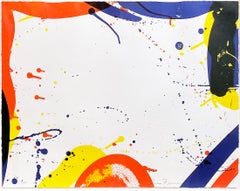
By Sam Francis
Located in Missouri, MO
Framed Sam Francis (American, 1923-1994) Edition 58/100 in pencil Lower Left Signed in pencil Lower Right 17 x 22 inches 25.5 x 30.5 inches An Abstract Expressionist* painter known ...
Category

1960s Abstract Abstract Prints

Materials

Color, Lithograph

Framed
Framed
Price Upon Request
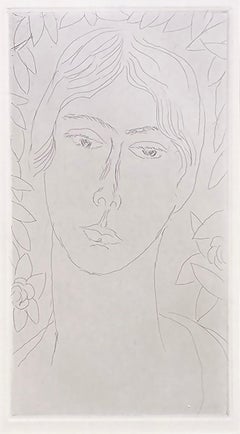
"Mlle Landsberg" (grade planche, pl. 16)
By Henri Matisse
Located in Missouri, MO
"Mlle Landsberg" (grade planche, pl. 16), 1914 Henri Matisse (French, 1869-1954) Signed and Numbered Lower Right Edition 12/15 Image size: 7 7/8 x 4 5/16 inches Sheet size: 17 11/16 x 12 1/2 inches With frame: 19 1/2 x 14 1/2 inches Henri Matisse came from a family who were of Flemish origin and lived near the Belgian border. At eight o'clock on the evening of December 31, 1869, he was born in his grandparents' home in the town of Le Cateau in the cheerless far north of France. His father was a self-made seed merchant who was a mixture of determination and tightly coiled tension. Henri had no clear idea of what he wanted to do with his life. He was a twenty-year-old law clerk convalescing from appendicitis when he first began to paint, using a box of colors given to him by his mother. Little more than a year later, in 1890, he had abandoned law and was studying art in Paris. The classes consisted of drawing from plaster casts and nude models and of copying paintings in the Louvre. He soon rebelled against the school's conservative atmosphere; he replaced the dark tones of his earliest works with brighter colors that reflected his awareness of Impressionism. Matisse was also a violinist; he took an odd pride in the notion that if his painting eye failed, he could support his family by fiddling on the streets of Paris. Henri found a girlfriend while studying art, and he fathered a daughter, Marguerite, by her in 1894. In 1898 he married another woman, Amelie Parayre. She adopted the beloved Marguerite; they eventually had two sons, Jean, a sculptor and Pierre who became an eminent art dealer. Relations between Matisse and his wife were often strained. He often dallied with other women, and they finally separated in 1939 over a model who had been hired as a companion for Mme. Matisse. She was Madame Lydia, and after Mme. Matisse left, she remained with Matisse until he died. Matisse spent the summer of 1905 working with Andre Derain in the small Mediterranean seaport of Collioure. They began using bright and dissonant colors. When they and their colleagues exhibited together, they caused a sensation. The critics and the public considered their paintings to be so crude and so roughly crafted that the group became known as Les Fauves (the wild beasts). By 1907, Matisse moved on from the concerns of Fauvism and turned his attention to studies of the human figure. He had begun to sculpt a few years earlier. In 1910, when he saw an exhibition of Islamic art, he was fascinated with the multiple patterned areas and adapted the decorative universe of the miniatures to his interiors. As a continuation of his interest in the "exotic", Matisse made extended trips to Morocco in 1912 and 1913. At the end of 1917, Matisse moved to Nice; he would spend part of each year there for the remainder of his life. A meticulous dandy, he wore a light tweed jacket amd a tie when he painted. He never used a palette, but instead squeezed his colors on to plain white kitchen dishes...
Category

1910s Fauvist Figurative Prints

Materials

Drypoint, Etching

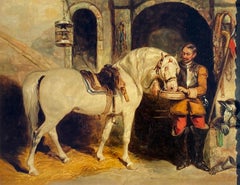
The Andalusia
By John Frederick Herring Sr.
Located in Missouri, MO
The Andalusia John Frederick Herring (English, 1795-1865) Signed Lower Right 14 x 18 inches 18 x 22 inches with frame Provenance: Frost &Reed, Ltd., London 1984 Herring, born in London in 1795, was the son of a London merchant of Dutch parentage, who had been born overseas in America. The first eighteen years of Herring's life were spent in London, where his greatest interests were drawing and horses.[2] In the year 1814, at the age of 18, he moved to Doncaster in the north of England, arriving in time to witness the Duke of Hamilton's "William" win the St. Leger Stakes horserace. By 1815, Herring had married Ann Harris; his sons John Frederick Herring Jr., Charles Herring, and Benjamin Herring were all to become artists, while his two daughters, Ann and Emma, both married painters. When she was barely of age in 1845 Ann married Harrison Weir. In Doncaster, England, Herring was employed as a painter of inn...
Category

Mid-19th Century English School Animal Paintings

Materials

Canvas, Oil

Mad River
By Julio Larraz
Located in Missouri, MO
Mad River, 1996 Julio Larraz (Cuban, 1944) Signed and Dated Lower Right 41 x 49 inches 43 x 51 inches with frame Provenance: Atrium Gallery, 1999 Accomplished painter, sculptor, and...
Category

1990s Contemporary Figurative Paintings

Materials

Canvas, Oil

Mad River
Mad River
Price Upon Request
A Thoughtful Moment
By Daniel Ridgway Knight
Located in Missouri, MO
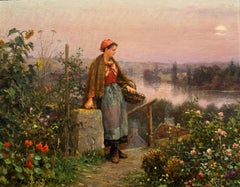
Daniel Ridgway Knight "A Thoughtful Moment" Oil on Panel Signed Lower Left "Ridgway Knight, Paris" Framed Size: 12.5 x 14.5 inches Site Size: 8.5 x 11.5 inches Daniel Ridgway Knigh...
Category

Late 19th Century Abstract Impressionist Paintings

Materials

Oil, Panel

Summer Idle
By Edward Cucuel
Located in Missouri, MO
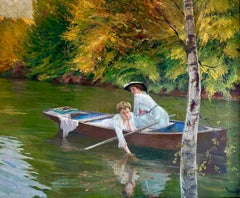
Edward Cucuel (American, 1875-1954) Summer Idle, 1918 Signed Lower Right 35 x 43 inches 43 x 51 inches with frame Born in San Francisco, Edward Cucuel was an Impressionist painter o...
Category

1910s American Impressionist Figurative Paintings

Materials

Canvas, Oil

Study/Falling Man (Series I)
By Ernest Tino Trova
Located in Missouri, MO
Study/Falling Man (Series I), 1967 By. Ernest Tino Trova (American, 1927-2009) 24 x 24 inches Wrapped to Foam Core Signed Artist Proof Lower Right Ernest Tino Trova (American, 1927-...
Category

1960s American Modern Abstract Prints

Materials

Screen

Study/Falling Man (Series I)
By Ernest Tino Trova
Located in Missouri, MO
Study/Falling Man (Series I) By. Ernest Tino Trova (American, 1927-2009) 24 x 24 inches Wrapped to Foam Core Signed Artist Proof Lower Right Ernest Tino Trova (American, 1927-2009) ...
Category

1960s American Modern Abstract Prints

Materials

Screen

Study/Falling Man (Series I)
By Ernest Tino Trova
Located in Missouri, MO
Study/Falling Man (Series I), 1967 By. Ernest Tino Trova (American, 1927-2009) 24 x 24 inches Wrapped to Foam Core Signed Artist Proof Lower Right Ernest Tino Trova (American, 1927-...
Category

1960s American Modern Abstract Prints

Materials

Screen

Study/Falling Man (Series I)
By Ernest Tino Trova
Located in Missouri, MO
Study/Falling Man (Series I), 1967 By. Ernest Tino Trova (American, 1927-2009) 24 x 24 inches Wrapped to Foam Core Signed Artist Proof Lower Right Ernest Tino Trova (American, 1927-...
Category

1960s American Modern Abstract Prints

Materials

Screen

Study/Falling Man (Series II)
By Ernest Tino Trova
Located in Missouri, MO
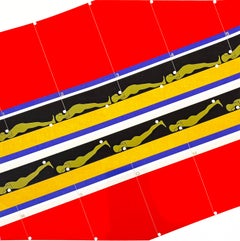
Study/Falling Man (Series II) By. Ernest Tino Trova (American, 1927-2009) 24 x 24 inches Wrapped to Foam Core Signed Artist Proof Lower Right Ernest Tino Trova (American, 1927-2009)...
Category

1960s American Modern Abstract Prints

Materials

Screen

Study/Falling Man (Series II)
By Ernest Tino Trova
Located in Missouri, MO
Study/Falling Man (Series II), 1967 By. Ernest Tino Trova (American, 1927-2009) 24 x 24 inches Wrapped to Foam Core Signed Artist Proof Lower Right Ernest Tino Trova (American, 1927...
Category

1960s American Modern Abstract Prints

Materials

Screen

Study/Falling Man (Series II)
By Ernest Tino Trova
Located in Missouri, MO
Study/Falling Man (Series II), 1967 By. Ernest Tino Trova (American, 1927-2009) 24 x 24 inches Wrapped to Foam Core Signed Artist Proof Lower Right Ernest Tino Trova (American, 1927...
Category

1960s American Modern Abstract Prints

Materials

Screen

Study/Falling Man (Series II)
By Ernest Tino Trova
Located in Missouri, MO
Study/Falling Man (Series II), 1967 By. Ernest Tino Trova (American, 1927-2009) 24 x 24 inches Wrapped to Foam Core Signed Artist Proof Lower Right Ernest Tino Trova (American, 1927...
Category

1960s American Modern Abstract Prints

Materials

Screen

Study/Falling Man (Series II)
By Ernest Tino Trova
Located in Missouri, MO
Study/Falling Man (Series II), 1967 By. Ernest Tino Trova (American, 1927-2009) 24 x 24 inches Signed Artist Proof Lower Right Wrapped to Foam Core Ernest Tino Trova (American, 1927...
Category

1960s American Modern Abstract Prints

Materials

Screen

Study/Falling Man (Series II)
By Ernest Tino Trova
Located in Missouri, MO
Study/Falling Man (Series II), 1967 By. Ernest Tino Trova (American, 1927-2009) 24 x 24 inches Wrapped on Foam core Signed Artist Proof Lower Right Ernest Tino Trova (American, 1927...
Category

1960s American Modern Abstract Prints

Materials

Screen

Study/Falling Man (Series II)
By Ernest Tino Trova
Located in Missouri, MO
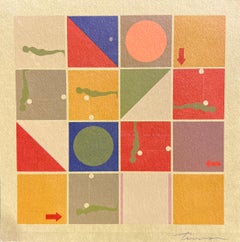
Study/Falling Man (Series II), 1967 By. Ernest Tino Trova (American, 1927-2009) Signed in Pencil Lower Right Color Lithograph Unframed: 6 x 6 inches With Frame: 8.75 x 8.5 inches Kn...
Category

20th Century American Modern Abstract Prints

Materials

Lithograph

Study/Falling Man (Series I)
By Ernest Tino Trova
Located in Missouri, MO
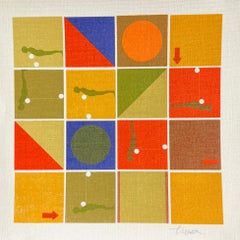
Study/Falling Man (Series I), 1967 By. Ernest Tino Trova (American, 1927-2009) Black Frame, Green Background Signed in Pencil Lower Right Unframed: 6 x 6 inches With Frame: 8.75 x 8....
Category

20th Century American Modern Abstract Prints

Materials

Lithograph

Study/Falling Man (Series I)
By Ernest Tino Trova
Located in Missouri, MO
Study/Falling Man (Series I), 1967 By. Ernest Tino Trova (American, 1927-2009) Signed Lower Right in Pencil Screenprint, Available in Black or Silver Frame Unframed: 6 x 6 inches Wit...
Category

20th Century American Modern Abstract Prints

Materials

Screen

Trova/Index, Waves
By Ernest Tino Trova
Located in Missouri, MO
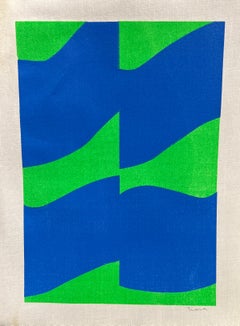
Trova/Index, Waves, 1969 By. Ernest Tino Trova (American, 1927-2009) Signed in Pencil Lower Right Unframed: 10.5 x 7.5 inches With Frame: 15.25 x 11.75 inches Known for his Falling ...
Category

20th Century American Modern Abstract Prints

Materials

Screen

The Old Courthouse
By Charles Quest
Located in Missouri, MO
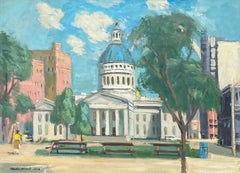
The Old Courthouse, 1968 By. Charles Quest (American, 1904-1993) Signed and Dated Lower Left 32 x 44 inches 38.25 x 50.25 inches with frame Born in Troy, New York, Charles Quest was...
Category

20th Century American Impressionist Landscape Paintings

Materials

Canvas, Oil

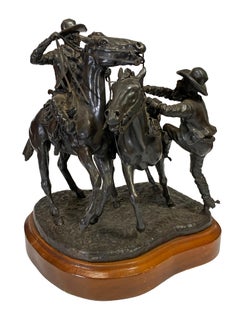
Preparing to Ride
Located in Missouri, MO
Preparing to Ride By. George B. Marks (American, 1923-1983) Signed and Dated Throughout his artistic career, George Marks’s work was always guided by the...
Category

1970s American Realist Figurative Sculptures

Materials

Bronze

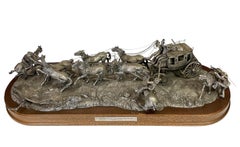
The Holdup of the Overland Stagecoach
By Gordon Phillips
Located in Missouri, MO
The Holdup of the Overland Stagecoach By. Gordon Phillips (American, 1927-2011) Initialed and Edition 493/750 Gordon Phillips was born in 1927 in Boone, North Carolina. He studied a...
Category

20th Century American Realist Figurative Sculptures

Materials

Metal

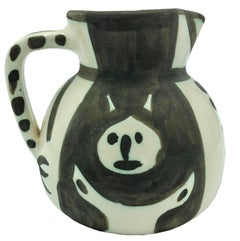
Little-Headed Pitcher (R.222)
By Pablo Picasso
Located in Missouri, MO
Turned Pitcher Edition of 76/300 White Earthenware Clay, Oxidized Paraffin Decoration, White Enamel, Black 5.12 x 5.71 inches
Category

1950s Modern Prints and Multiples

Materials

Ceramic

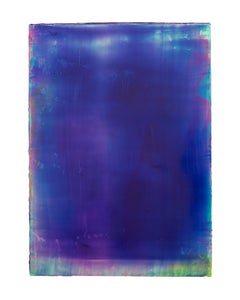
MKW-003
Located in Missouri, MO
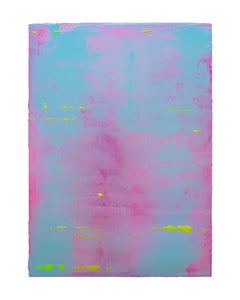
Nick Schleicher (American, b. 1988) MKW-003, 2019 Acrylic, Fluorescent Pigment, Iridescent Pigment, & Gel Gloss on Panel 36 x 26 inches Signed, Dated, ...
Category

2010s Contemporary Abstract Paintings

Materials

Glaze, Acrylic, Wood Panel, Pigment

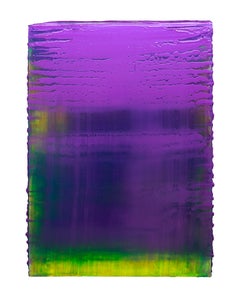
GMA-HLK
Located in Missouri, MO
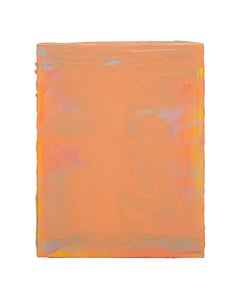
Nick Schleicher (American, b. 1988) GMA-HLK 2019 Acrylic, Fluorescent Pigment, Iridescent Pigment, & Gel Gloss on Panel 36 x 26 inches Signed, Dated, a...
Category

2010s Contemporary Abstract Paintings

Materials

Glaze, Acrylic, Wood Panel, Pigment

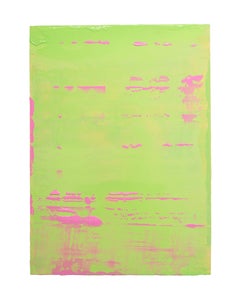
SLM-350
Located in Missouri, MO
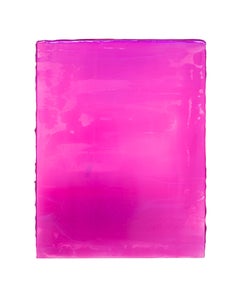
Nick Schleicher (American, b. 1988) SLM-350, 2019 Acrylic, Fluorescent Pigment, Iridescent Pigment, & Gel Gloss on Panel 36 x 26 inches Signed, Dated, ...
Category

2010s Contemporary Abstract Paintings

Materials

Glaze, Acrylic, Wood Panel, Pigment

STM-HMS
Located in Missouri, MO
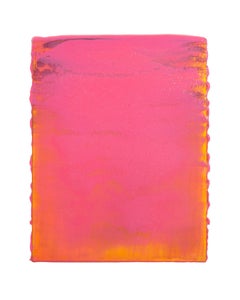
Nick Schleicher (American, b. 1988) STM-HMS, 2019 Acrylic, Fluorescent Pigment, Iridescent Pigment, & Gel Gloss on Panel 36 x 26 inches Signed, Dated, ...
Category

2010s Contemporary Abstract Paintings

Materials

Glaze, Acrylic, Wood Panel

CLY-350
Located in Missouri, MO
Nick Schleicher (American, b. 1988) CLY-350, 2019 Acrylic and Matte Medium, Gel Gloss, & Glazing Medium 20 x 18 inches Signed, Dated, and Titled Verso ...
Category

2010s Contemporary Abstract Paintings

Materials

Glaze, Acrylic, Wood Panel

DLM-125
Located in Missouri, MO
Nick Schleicher (American, b. 1988) DLM-125, 2019 Acrylic and Matte Medium, Gel Gloss, & Glazing Medium 20 x 18 inches Signed, Dated, and Titled Verso ...
Category

2010s Contemporary Abstract Paintings

Materials

Glaze, Acrylic, Wood Panel

PNK-BRN
Located in Missouri, MO
Nick Schleicher (American, b. 1988) PNK-BRN, 2019 Acrylic and Matte Medium, Gel Gloss, & Glazing Medium 20 x 18 inches Signed, Dated, and Titled Verso ...
Category

2010s Contemporary Abstract Paintings

Materials

Glaze, Acrylic, Wood Panel

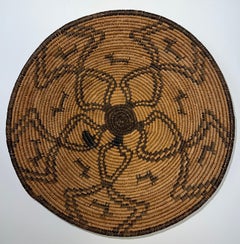
Woven Apache Basket with Dog Motif
Located in Missouri, MO
Woven Apache basket with dog motif Late 19th century - Early 20th Century Woven from Willow and Devil's claw Apache is a collective term for several culturally related groups of Native Americans living primarily in the Southwest, which includes the Jicarilla and the Western Apache. Because they were a nomadic people, though usually within a very limited territory, they did not take to making pottery (with some exceptions such as Tammie Allen of Jicarilla). They did, however, weave, and became very skilled in the art of Basketry. The Jicarilla Apache basketry...
Category

Early 20th Century Other Art Style More Art

Materials

Organic Material, Other Medium

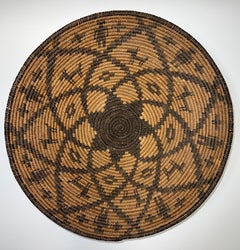
Woven Apache Basket with Dog and Human Motif
Located in Missouri, MO
Woven Apache Basket with Dog and Human Motif Late 19th century - Early 20th century Woven from Willow and Devil's Claw Apache is a collective term for several culturally related groups of Native Americans living primarily in the Southwest, which includes the Jicarilla and the Western Apache. Because they were a nomadic people, though usually within a very limited territory, they did not take to making pottery (with some exceptions such as Tammie Allen of Jicarilla). They did, however, weave, and became very skilled in the art of Basketry. The Jicarilla Apache basketry...
Category

Early 20th Century Other Art Style More Art

Materials

Organic Material, Other Medium

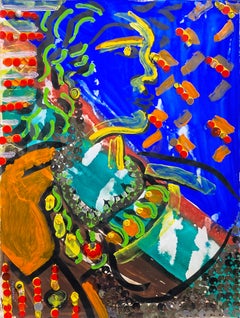
Alphonsine
By Robert Kushner
Located in Missouri, MO
Robert Kushner (American, b. 1949) Alphonsine, 1983 30 x 22 inches without frame 32.75 x 25 inches with frame Titled Lower Left Signed and dated Mid Lower Right A member of the Patt...
Category

1980s American Modern Mixed Media

Materials

Paper, Mixed Media, Acrylic

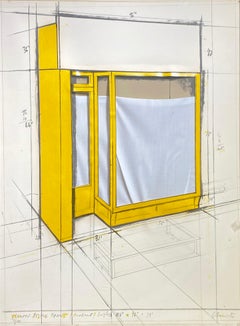
Yellow Store Front, Project, 1980
By Christo
Located in Missouri, MO
Yellow Store Front, Project, 1980 By. Christo (Bulgarian, 1935-2020) Signed Lower Right Titled Lower Left Unframed: 32 x 23.5 inches Framed: 32.5 x 24 inches An environmental instal...
Category

1980s American Modern Mixed Media

Materials

Mixed Media

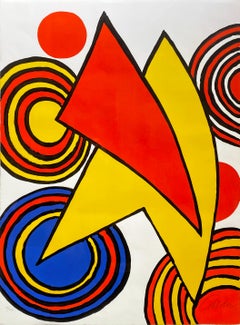
The Triangles and Spiral
By Alexander Calder
Located in Missouri, MO
The Triangles and Spiral, 1973 By. Alexander Calder (American, 1898-1976) Signed Lower Right Numbered: 66/150 Unframed: 26 x 19.25 inches Framed: 34 x 27 inches Alexander Calder was born in Philadelphia in 1898. After obtaining his mechanical engineering degree from the Stevens Institute of Technology, Calder worked at various jobs before enrolling at the Art Students League in New York City in 1923. During his student years, he did line drawing for the National Police Gazette. In 1925, Calder published his first book, Animal Sketches...
Category

1970s Abstract Abstract Prints

Materials

Color, Lithograph

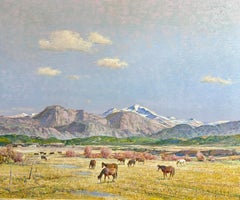
Winter Pasture
By Oscar Edmund Berninghaus
Located in Missouri, MO
Oscar E. Berninghaus (American, 1874-1952) "Winter Pasture" Oil on Canvas Unframed: 20 x 24 inches Framed: 25.5 x 29.5 inches Provo: Noonan-Kocian Gallery, St. Louis, Missouri, Dec. 23, 1954 (Copy of Original Receipt Included) * Will be included in Kodner Gallery's upcoming Oscar E. Berninghaus Research Project on the artist We guarantee the authenticity of this painting and would be pleased to provide you with a formal, certified insurance appraisal. "Winter Pasture" was originally purchased from one of the Oscar E. Berninghaus' principal dealers, Noonan-Kocian in St. Louis, and the painting retains its original 1954 invoice along with a signed affidavit from the grandson of the original owner (see images). As with many artists of the period, Berninghaus sometimes created works intended for reproduction in calendars, books, or advertising. He completed commissions for Brown & Bigelow, the prominent Minneapolis-based calendar and publishing company, which often requested that works remain unsigned for reproduction purposes. This practice explains the absence of a visible signature on certain compositions. ------------------- A founder in 1898 of the Taos Society of Artists, Oscar Berninghaus excelled at drawing animals and figures in contemporary garb in Southwestern landscapes. Many of his early paintings were Impressionistic, "suffused with color and light". (Gerdts 254) He was born in St. Louis, Missouri and developed an interest in art through his family's lithography business. He attended night classes at the St. Louis School of Fine Art. In 1898, he was on an illustration assignment for "McClure's" magazine, which took him for the first of many times into New Mexico and Arizona. He had heard of the special beauty of Taos and there met Bert Geer Phillips, who was already a resident, and Phillips invited him to return. This visit began a tradition of spending the winter months in St. Louis and the summers in Taos. He remained active in both communities, and for many years designed the costumes and floats for the Veiled Prophet parade, a famous annual event in St. Louis. He also did a series of western scenes commissioned by the Anheuser-Busch Brewing Association to promote a manly, ruggedness theme in their products and to enhance their image as good Americans, an image that was being attacked by suffragettes. In this capacity and without visiting the area, Berninghaus did a painting titled "Old Faithful, Yellowstone" in 1914, which was used as a calendar illustration in the series. Berninghaus was a sketch artist for the Denver and Rio Grande Railroad to depict landscape of Colorado...
Category

Early 20th Century Abstract Impressionist Landscape Paintings

Materials

Canvas, Oil

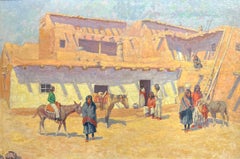
Mid-day, Zuni Village
By Frank Reed Whiteside
Located in Missouri, MO
Mid-day, Zuni Village, 1897 By. Frank Reed Whiteside (American, 1866-1929) Unframed: 20" x 30" Framed: 28" x 38" Frank Reed Whiteside, born in Philadelphia on 20 August 1867, became a student of Thomas Anshutz at the Pennsylvania Academy of the Fine Arts (1888-92). He already began exhibiting there during his student years (1887-98). In 1893, he enrolled in the Académie Julian in Paris where he received instruction from Jean-Paul Laurens and Benjamin Constant. After his French academic training, Whiteside taught art in Philadelphia high schools. He took frequent trips to the Southwest between 1890 and 1928 to live with and paint the Zuni Indians. Whiteside depicted ceremonial dances, Zuni buildings, and other genre scenes, usually in blinding afternoon sunlight. He carefully observed the effects of light on vibrant color, using a finely crafted impressionist technique. He was fond of broad areas of color, subtle combinations of hues, and simplified shapes and silhouettes. Whiteside continued to exhibit at the PAFA (1905-15), at the Art Institute of Chicago (1896-1916), at the Carnegie International (1905 and 1907) and at the Corcoran Gallery (1907). He was a member of Philadelphia art societies and beginning in 1909 had a summer studio in Ogunquit, Maine, where he took part in Hamilton Easter Field's discussion groups. Frank's wife, Clara Walker Whiteside, who published Touring New England in 1926, was active in the Ogunquit Art Association. Like Stanford White, Frank Reed Whiteside was the victim of murder, on 19 September 1929, but Whiteside's case remains unsolved. One night, the sixty-three year-old painter answered the doorbell. Two witnesses...
Category

Late 19th Century Other Art Style Figurative Paintings

Materials

Canvas, Oil

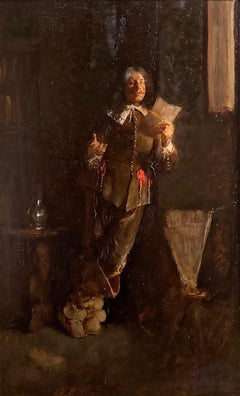
Monsieur lisant a la lumiere de la fenetre
Located in Missouri, MO
Monsieur lisant a la lumiere de la fenetre By. Louis Mettling (French, 1847-1904) Signed Lower Right Unframed: 16" x 10" Framed: 28.5" x 23" Louis Mettling...
Category

Late 19th Century French School Portrait Paintings

Materials

Oil, Panel

Seagulls (Birds in Flight)
Located in Missouri, MO
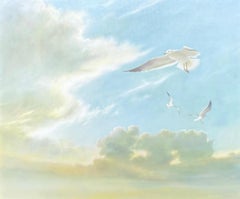
Seagulls (Birds in Flight), 1982 By. Jim Palmer (American, b. 1941) Signed and Dated Lower Right Unframed: 32" x 36" Framed: 37" x 42.5" Born in 1941 in Columbia, South Carolina, Jim Palmer attended the University of South Carolina in 1960 before going on to study at the Atlanta School of Art in 1964. In 1966 he and his wife moved to Hilton Head Island, the second artist to do so during the Island's early years. Since living here, he designed the cover of the Chamber of Commerce' Islander Magazine, has been a contributing artist to the Island Events Magazine, and has painted many Low Country scenes that grace homes and businesses throughout the country. Palmer was the illustrator for two books written by local authors: A Corner of South Carolina and Moonshadows. His work has been included in exhibits at the Hunter Museum in Chattanooga, TN; Mint Museum, Charlotte, NC; Southeastern Artists Exhibition, Atlanta, GA; Greenville County Art Museum, Greenville, SC; Callaway Gardens, Pine Mountain, GA; and Bay Hills Club, Orlando, FL. His paintings are part of the private collections of C&S National Banks in Columbia and Hilton Head Island; Banker's Trust Tower, Columbia, SC; Palmetto State Bank, Bluffton, SC, among others. Several paintings are also included in the collections of former Presidents Jimmy Carter and Dwight Eisenhower, former South Carolina Governor Robert McNair and singer John Denver.
Category

1980s American Modern Animal Paintings

Materials

Canvas, Oil

Canyon Road, Sante Fe
By Will (William Howard) Shuster
Located in Missouri, MO
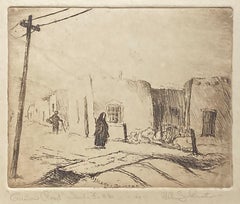
Canyon Road, Santa Fe By. William Howard Shuster (American, 1893-1969) Signed Lower Right Edition of 100 Lower Center Titled Lower Left Unframed: 4" x 4.75" Framed: 15.75" x 15.25" A realist and early modernist painter, graphic artist, illustrator, and sculptor, Will Shuster became known primarily for his work in New Mexico where in 1920, he settled in Santa Fe, having been encouraged to come there by John Sloan. He had studied electrical engineering at the Drexel Institute in Philadelphia and later was a student of Sloan's in Santa Fe in both etching and painting. He was in World War I, where he suffered a gas attack. On his return, he studied with J William Server in Philadelphia but was advised to go West for his health. In Santa Fe in 1921, he became one of the founding members of Los Cinco Pintores...
Category

20th Century American Modern Landscape Prints

Materials

Etching

Lonesome Woods
By Mark Kaplan
Located in Missouri, MO
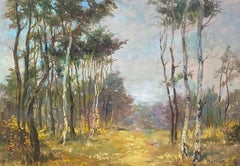
Landscape By Mark Kaplan (Russian, b. 1950) Signed Lower Right Unframed 7" x 9" Framed: 20.25" x 16.25" Mark Kaplan was born in 1950 in Saint Petersburg ...
Category

20th Century Impressionist Landscape Paintings

Materials

Paper, Oil

Lonesome Woods
Lonesome Woods
Price Upon Request
Where are the Clams?
By Gerhard Morgenstjerne Munthe
Located in Missouri, MO
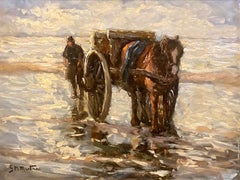
Searching for Clams with the Horse Cart By. Gerhard Munthe (German, 1875-1927) Signed Lower Left Unframed: 11" x 14" Framed: 19" x 23" Born in Dusseldo...
Category

Early 20th Century Impressionist Animal Paintings

Materials

Oil, Panel

Hudson River Waterfall
By John William Hill
Located in Missouri, MO
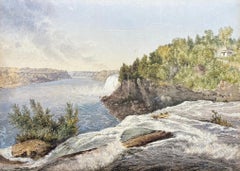
Hudson River Valley with Waterfall By. John William Hill (English, American, 1812-1879) Signed Lower Left Unframed: 14" x 19" Framed: 23" x 28.5" John William Hill was the son of the British aquatint engraver John Hill and the father of John Henry Hill. He immigrated with his family to this country in 1819. He was apprenticed to his father in 1822 when his family moved from Philadelphia to New York City. In 1833, by the age of 21, he was elected an associate of the National Academy of Design. Early in his career he was a topographical artist employed by the New York State Geological Survey and later by Smith Brothers of New York City, for whom he made watercolor views of many American cities. About 1855, Hill read Ruskin’s Modern Painters and became interested in the American Pre-Raphaelite Movement of which he came to be considered the leading spirit in America. A versatile artist, he worked in lithography, aquatint, and watercolor. He made detailed pictures directly from nature, many in watercolor and executed in a stipple technique with tiny brushes normally employed for miniatures. He exhibited at the National Academy of Design from 1829 until his death and also at the Brooklyn Art...
Category

19th Century Land Landscape Drawings and Watercolors

Materials

Watercolor, Gouache

Village Under the Snow
Located in Missouri, MO
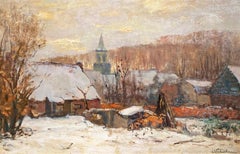
Village Under the Snow By. David Schulman (Dutch, 1881-1966) Signed Lower Right Unframed: 15.5" x 23.5" Framed: 23.5" x 31.5" David Schulman was a Dutch self-taught painter, draftsman and watercolorist. He was born in the city of Hilversum, in 1881. Schulman's father Lion was a painter himself and was known to be come an art dealer in subsequent years. Apart from this, he sold painting...
Category

20th Century Impressionist Landscape Paintings

Materials

Canvas, Oil

Native American Girl with Doll
By Dave Powell
Located in Missouri, MO
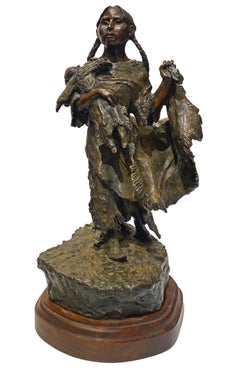
Native American Girl with Doll By Dave Powell (American, b. 1954) Signed on Back 17.5" x 8" Dave Powell is a native son of Montana, in a world of change and transition; few can say they have roots in a single geography that go back four generations. Dave's pedigree in art is just about as deep. He is the son of artists Ace Powell and Nancy McLaughlin Powell. That heritage leads back to the likes of Charlie Russell and Joe De Young, both famous for their abilities to "tell the story" through their art. His father, Ace Powell, was a prolific Western artist whose first childhood paint-box set was a gift from Charlie and Nancy Russell. Dave became a serious student of art in his mid-teens, and has been a professional artist most of his adult life. Over the years he has worked with Bob Scriver, Ned Jacob and Robert Lougheed. Dave will be the first to give thanks...
Category

20th Century American Realist Figurative Sculptures

Materials

Bronze

A Stroll Through the Village, Two Figures
By Théo Tobiasse
Located in Missouri, MO
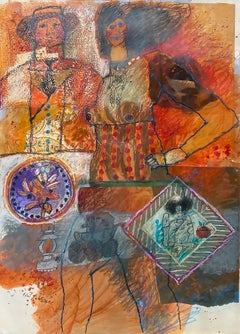
A Stroll Through the Village, Two Figures By. Theo Tobiasse (Israeli, French, 1927-2012) Signed Lower Left Unframed: 40" x 27.5" Framed: 55.5" x 42.25" Théo Tobiasse came from a Lithuanian-Jewish immigrant family who moved to Paris in 1931 for economic reasons. Here Tobiasse completed an apprenticeship at the École des Arts Décoratifs, which was interrupted by the outbreak of World War II. The family lived hidden in the French metropolis for over two years without ever leaving the small apartment or even lighting it up. The time was spent reading, drawing and playing chess, and Tobiasse built up a huge pool of drawings from which he could later draw. After the end of the war, he worked as a graphic designer for the Hermès company...
Category

20th Century Expressionist Mixed Media

Materials

Mixed Media

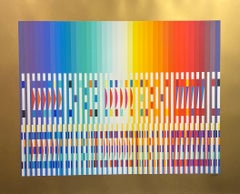
Spectrum
By Yaacov Agam
Located in Missouri, MO
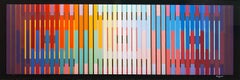
Spectrum By. Yaacov Agam (Israeli, b. 1928) Signed Lower Right Edition 158/180 Lower Left Unframed: 27" x 33.5" Framed: 36.5" x 43" Yaacov Agam is one of the pioneer creators of the kinetic movement in art as well as its most outstanding contemporary representative. Agam was born in 1928 a son of a Rabbi of Rishon LeZion (Israel), who devoted his life to the study of Jewish religious matters and wrote books. Agam considers himself somehow as a visual continuation of his father's quest for spirituality. He studied at the Bezalel Academy of Art in Jerusalem, and in Switzerland at the Eidgenossische Technische Hochschule and the Zurich University. After arriving to Paris in 1951, Agam held his first one man exhibition with a great success in 1953 This exhibition consisted totally of kinetic, movable and transformable paintings, which actually was the first one-man show in art history exclusively devoted to kinetic art. A passionate experimenter, Agam deals with such problems as the 4th dimension, simultaneity and time in the visual, plastic arts, and has extended his experiments to application in the fields of literature, music and art theory. His works express a concept that breaks away with the established way of expressing reality in limited, static way. In his works, he strives to demonstrate the principle of reality as a continuous "becoming" rather than static "graven image." His paintings Double Metamorphosis 11 in the Museum of Modern Art in New York and Transparent Rhythms 11 in the Hirshhorn Museum and Sculpture Garden of the Smithsonian Institution in Washington, D.C. give the best example of his polymorphic painting. His works are placed in many public places including Communication x 9 on the Michigan Avenue in Chicago (1983), Communication: Night and Day at the AT&T building in New York (1974), Super Lines Volumes at the Pare Floral in Paris (1971), and his murals Peace and Life arc installed at the Parliament of Europe in Strasbourg (1977). Agam has expressed the new concepts in monumental works as in his Jacob's Ladder, which forms the ceiling of the National Convention House in Jerusalem. He created a "floating museum", including all the artworks for public areas and cabins, for the Carnival Cruise Line's luxury cruise ship "Celebration" (1987). His fire-water fountain in Dizengoff Square in Tel Aviv (1986) streams water, fire, and music -elements of flux and life which cannot be static - as its colored elements rotate in this multidimensional monumental work. For the Elysee Palace in Paris, with the request of President Georges Pompidou Agam created in 1972 a whole environmental of the Salon with the walls covered with polymorphic murals of changing images a kinetic ceiling, moving transparent colored doors and a kinetic carpet on which he placed a sculpture. It embraces viewers: they are no longer looking at a framed, fixed scene, but rather arc moving within an artistic space which changes constantly according to their shifting position and point of view. Similar attempt was made for the concert hall, Forum Leverkusen in Germany in 1970. Agam created many environmental sculptures, including Hundred Gates in the garden of the residence of the President of Israel in Jerusalem, 3 x 3 Interplay installed at the Julliard School of Music at the Lincoln Center and Wings of the Heart at J. F. Kennedy airport in New York. In 1984, he made a sculpture Beating Heart for the Hadassah Hospital in Jerusalem. In 1988, he created a transparent torah ark...
Category

20th Century Abstract Abstract Prints

Materials

Lithograph

Spectrum
Spectrum
Price Upon Request
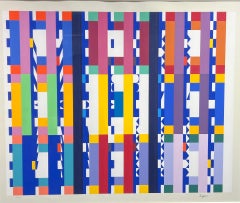
Emerging
By Yaacov Agam
Located in Missouri, MO
Emerging, 1985 By. Yaacov Agam ( Israeli, b. 1928) Color Serigraph Signed Lower Right Edition 1/12 Lower Left Unframed: 25" x 31" Framed: 34" x 43" Yaacov Agam is one of the pioneer creators of the kinetic movement in art as well as its most outstanding contemporary representative. Agam was born in 1928 a son of a Rabbi of Rishon LeZion (Israel), who devoted his life to the study of Jewish religious matters and wrote books. Agam considers himself somehow as a visual continuation of his father's quest for spirituality. He studied at the Bezalel Academy of Art in Jerusalem, and in Switzerland at the Eidgenossische Technische Hochschule and the Zurich University. After arriving to Paris in 1951, Agam held his first one man exhibition with a great success in 1953 This exhibition consisted totally of kinetic, movable and transformable paintings, which actually was the first one-man show in art history exclusively devoted to kinetic art. A passionate experimenter, Agam deals with such problems as the 4th dimension, simultaneity and time in the visual, plastic arts, and has extended his experiments to application in the fields of literature, music and art theory. His works express a concept that breaks away with the established way of expressing reality in limited, static way. In his works, he strives to demonstrate the principle of reality as a continuous "becoming" rather than static "graven image." His paintings Double Metamorphosis 11 in the Museum of Modern Art in New York and Transparent Rhythms 11 in the Hirshhorn Museum and Sculpture Garden of the Smithsonian Institution in Washington, D.C. give the best example of his polymorphic painting. His works are placed in many public places including Communication x 9 on the Michigan Avenue in Chicago (1983), Communication: Night and Day at the AT&T building in New York (1974), Super Lines Volumes at the Pare Floral in Paris (1971), and his murals Peace and Life arc installed at the Parliament of Europe in Strasbourg (1977). Agam has expressed the new concepts in monumental works as in his Jacob's Ladder, which forms the ceiling of the National Convention House in Jerusalem. He created a "floating museum", including all the artworks for public areas and cabins, for the Carnival Cruise Line's luxury cruise ship "Celebration" (1987). His fire-water fountain in Dizengoff Square in Tel Aviv (1986) streams water, fire, and music -elements of flux and life which cannot be static - as its colored elements rotate in this multidimensional monumental work. For the Elysee Palace in Paris, with the request of President Georges Pompidou Agam created in 1972 a whole environmental of the Salon with the walls covered with polymorphic murals of changing images a kinetic ceiling, moving transparent colored doors and a kinetic carpet on which he placed a sculpture. It embraces viewers: they are no longer looking at a framed, fixed scene, but rather arc moving within an artistic space which changes constantly according to their shifting position and point of view. Similar attempt was made for the concert hall, Forum Leverkusen in Germany in 1970. Agam created many environmental sculptures, including Hundred Gates in the garden of the residence of the President of Israel in Jerusalem, 3 x 3 Interplay installed at the Julliard School of Music at the Lincoln Center and Wings of the Heart at J. F. Kennedy airport in New York. In 1984, he made a sculpture Beating Heart for the Hadassah Hospital in Jerusalem. In 1988, he created a transparent torah ark...
Category

20th Century Abstract Abstract Prints

Materials

Lithograph

Emerging
Emerging
Price Upon Request
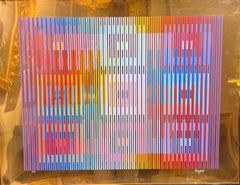
Curtain
By Yaacov Agam
Located in Missouri, MO
Curtain By. Yaacov Agam (Israeli, b. 1928) Signed Lower Right Edition 221/227 Unframed: 18" x 22.5" Framed: 30.5" x 34.5" Yaacov Agam is one of the pioneer creators of the kinetic movement in art as well as its most outstanding contemporary representative. Agam was born in 1928 a son of a Rabbi of Rishon LeZion (Israel), who devoted his life to the study of Jewish religious matters and wrote books. Agam considers himself somehow as a visual continuation of his father's quest for spirituality. He studied at the Bezalel Academy of Art in Jerusalem, and in Switzerland at the Eidgenossische Technische Hochschule and the Zurich University. After arriving to Paris in 1951, Agam held his first one man exhibition with a great success in 1953 This exhibition consisted totally of kinetic, movable and transformable paintings, which actually was the first one-man show in art history exclusively devoted to kinetic art. A passionate experimenter, Agam deals with such problems as the 4th dimension, simultaneity and time in the visual, plastic arts, and has extended his experiments to application in the fields of literature, music and art theory. His works express a concept that breaks away with the established way of expressing reality in limited, static way. In his works, he strives to demonstrate the principle of reality as a continuous "becoming" rather than static "graven image." His paintings Double Metamorphosis 11 in the Museum of Modern Art in New York and Transparent Rhythms 11 in the Hirshhorn Museum and Sculpture Garden of the Smithsonian Institution in Washington, D.C. give the best example of his polymorphic painting. His works are placed in many public places including Communication x 9 on the Michigan Avenue in Chicago (1983), Communication: Night and Day at the AT&T building in New York (1974), Super Lines Volumes at the Pare Floral in Paris (1971), and his murals Peace and Life arc installed at the Parliament of Europe in Strasbourg (1977). Agam has expressed the new concepts in monumental works as in his Jacob's Ladder, which forms the ceiling of the National Convention House in Jerusalem. He created a "floating museum", including all the artworks for public areas and cabins, for the Carnival Cruise Line's luxury cruise ship "Celebration" (1987). His fire-water fountain in Dizengoff Square in Tel Aviv (1986) streams water, fire, and music -elements of flux and life which cannot be static - as its colored elements rotate in this multidimensional monumental work. For the Elysee Palace in Paris, with the request of President Georges Pompidou Agam created in 1972 a whole environmental of the Salon with the walls covered with polymorphic murals of changing images a kinetic ceiling, moving transparent colored doors and a kinetic carpet on which he placed a sculpture. It embraces viewers: they are no longer looking at a framed, fixed scene, but rather arc moving within an artistic space which changes constantly according to their shifting position and point of view. Similar attempt was made for the concert hall, Forum Leverkusen in Germany in 1970. Agam created many environmental sculptures, including Hundred Gates in the garden of the residence of the President of Israel in Jerusalem, 3 x 3 Interplay installed at the Julliard School of Music at the Lincoln Center and Wings of the Heart at J. F. Kennedy airport in New York. In 1984, he made a sculpture Beating Heart for the Hadassah Hospital in Jerusalem. In 1988, he created a transparent torah ark...
Category

20th Century Abstract Abstract Prints

Materials

Lithograph

Curtain
Curtain
Price Upon Request
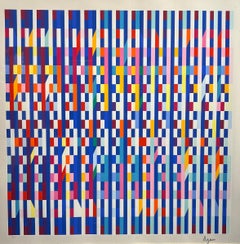
Blue Rings (Abstract Composition)
By Yaacov Agam
Located in Missouri, MO
Blue Rings (Abstract Composition), Serigraph By Yaacov Agam (Israeli, b. 1928) Signed Lower Right Edition 8/270 Lower Left Unframed: 21" x 21.5" Framed: 31" ...
Category

20th Century Abstract Abstract Prints

Materials

Lithograph

Abstract Purple, Blue, Greens
By Yaacov Agam
Located in Missouri, MO
Abstract Purple, Blue, Greens (Serigraph) By Yaacov Agam (Israeli, b. 1928) Signed Lower Right Edition 4/30 Lower Left Unframed: 14" x 33" Framed: 21" x 41" Yaacov Agam is one of the pioneer creators of the kinetic movement in art as well as its most outstanding contemporary representative. Agam was born in 1928 a son of a Rabbi of Rishon LeZion (Israel), who devoted his life to the study of Jewish religious matters and wrote books. Agam considers himself somehow as a visual continuation of his father's quest for spirituality. He studied at the Bezalel Academy of Art in Jerusalem, and in Switzerland at the Eidgenossische Technische Hochschule and the Zurich University. After arriving to Paris in 1951, Agam held his first one man exhibition with a great success in 1953 This exhibition consisted totally of kinetic, movable and transformable paintings, which actually was the first one-man show in art history exclusively devoted to kinetic art. A passionate experimenter, Agam deals with such problems as the 4th dimension, simultaneity and time in the visual, plastic arts, and has extended his experiments to application in the fields of literature, music and art theory. His works express a concept that breaks away with the established way of expressing reality in limited, static way. In his works, he strives to demonstrate the principle of reality as a continuous "becoming" rather than static "graven image." His paintings Double Metamorphosis 11 in the Museum of Modern Art in New York and Transparent Rhythms 11 in the Hirshhorn Museum and Sculpture Garden of the Smithsonian Institution in Washington, D.C. give the best example of his polymorphic painting. His works are placed in many public places including Communication x 9 on the Michigan Avenue in Chicago (1983), Communication: Night and Day at the AT&T building in New York (1974), Super Lines Volumes at the Pare Floral in Paris (1971), and his murals Peace and Life arc installed at the Parliament of Europe in Strasbourg (1977). Agam has expressed the new concepts in monumental works as in his Jacob's Ladder, which forms the ceiling of the National Convention House in Jerusalem. He created a "floating museum", including all the artworks for public areas and cabins, for the Carnival Cruise Line's luxury cruise ship "Celebration" (1987). His fire-water fountain in Dizengoff Square in Tel Aviv (1986) streams water, fire, and music -elements of flux and life which cannot be static - as its colored elements rotate in this multidimensional monumental work. For the Elysee Palace in Paris, with the request of President Georges Pompidou Agam created in 1972 a whole environmental of the Salon with the walls covered with polymorphic murals of changing images a kinetic ceiling, moving transparent colored doors and a kinetic carpet on which he placed a sculpture. It embraces viewers: they are no longer looking at a framed, fixed scene, but rather arc moving within an artistic space which changes constantly according to their shifting position and point of view. Similar attempt was made for the concert hall, Forum Leverkusen in Germany in 1970. Agam created many environmental sculptures, including Hundred Gates in the garden of the residence of the President of Israel in Jerusalem, 3 x 3 Interplay installed at the Julliard School of Music at the Lincoln Center and Wings of the Heart at J. F. Kennedy airport in New York. In 1984, he made a sculpture Beating Heart for the Hadassah Hospital in Jerusalem. In 1988, he created a transparent torah ark...
Category

20th Century Abstract Abstract Prints

Materials

Lithograph

Pickaxe (Spitzhacke) Superimposed on a Drawing of the Site by E.L. Grimm
By Claes Oldenburg
Located in Missouri, MO
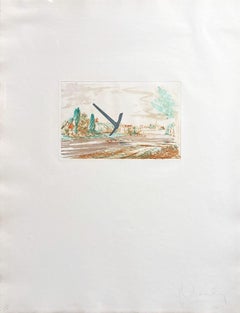
Pickaxe (Spitzhacke) Superimposed on a Drawing of the Site by E.L. Grimm, 1982 By Claes Oldenburg (Swedish, American, 1929-2022) Unframed: 26" x 20" Framed: 28.75" x 22.75" Signed and Dated Lower Right Whimsical sculpture of pop culture objects, many of them large and out-of-doors, is the signature work of Swedish-born Claes Oldenburg who became one of America's leading Pop Artists. He was born in Stockholm, Sweden. His father was a diplomat, and during Claes' childhood moved his family from Stockholm to a variety of locations including Chicago where the father was general consul of Sweden and where Oldenburg spent most of his childhood. He attended the Latin School of Chicago, and then Yale University where he studied literature and art history, graduating in 1950, the same year Claes became an American citizen. Returning to Chicago, he enrolled at the Art Institute of Chicago from 1952 to 1954 and also worked as a reporter at the City News Bureau. He opened his own studio, and in 1953, some of his satirical drawings were included in his first group show at the Club St. Elmo, Chicago. He also painted at the Oxbow School of Painting in Michigan. In 1956, he moved to New York where he drew and painted while working as a clerk in the art libraries of Cooper-Union Museum for the Arts of Decoration. Selling his first artworks during this time, he earned 25 dollars for five pieces. Oldenburg became friends with numerous artists including Jim Dine, Red Grooms and Allan Kaprow, who with his "Happenings" was especially influential on Oldenburg's interest in environmental art. Another growing interest was soft sculpture, and in 1957, he created a piece later titled Sausage, a free-hanging woman's stocking stuffed with newspaper. In 1959, he had his first one-man show, held at the Judson Gallery at Washington Square. He exhibited wood and newspaper sculpture and painted papier-mache objects. Some viewers of the exhibit commented how refreshing Oldenburg's pieces were in contrast to the Abstract Expressionism, a style which much dominated the art world. During this time, he was influenced by the whimsical work of French artist, Bernard Buffet, and he experimented with materials and images of the junk-filled streets of New York. In 1960, Oldenburg created his first Pop-Art Environments and Happenings in a mock store full of plaster objects. He also did Performances with a cast of colleagues including artists Lucas Samaras, Tom Wesselman, Carolee Schneemann, Oyvind Fahlstrom and Richard Artschwager, dealer Annina Nosei, critic Barbara Rose, and screenwriter Rudy Wurlitzer. His first wife (1960-1970) Pat Muschinski, who sewed many of his early soft sculptures, was a constant performer in his Happenings. This brash, often humorous, approach to art was at great odds with the prevailing sensibility that, by its nature, art dealt with "profound" expressions or ideas. In December 1961, he rented a store on Manhattan's Lower East Side to house "The Store," a month-long installation he had first presented at the Martha Jackson Gallery in New York. This installation was stocked with sculptures roughly in the form of consumer goods. Oldenburg moved to Los Angeles in 1963 "because it was the most opposite thing to New York I could think of". That same year, he conceived AUT OBO DYS, performed in the parking lot of the American Institute of Aeronautics and Astronautics in December 1963. In 1965 he turned his attention to drawings and projects for imaginary outdoor monuments. Initially these monuments took the form of small collages such as a crayon image of a fat, fuzzy teddy bear looming over the grassy fields of New York's Central Park (1965) and Lipsticks in Piccadilly Circus, London (1966). Oldenburg realized his first outdoor public monument in 1967; Placid Civic Monument took the form of a Conceptual performance/action behind the Metropolitan Museum of Art, New York, with a crew of gravediggers digging a 6-by-3-foot rectangular hole in the ground. Many of Oldenburg's large-scale sculptures of mundane objects elicited public ridicule before being embraced as whimsical, insightful, and fun additions to public outdoor art. From the early 1970s Oldenburg concentrated almost exclusively on public commissions. Between 1969 and 1977 Oldenburg had been in a relationship with Hannah Wilke, feminist artist, but in 1977 he married Coosje van Bruggen, a Dutch-American writer and art historian who became collaborator with him on his artwork. He had met her in 1970, when she curated an exhibition for him at the Stedelijk Museum in Amsterdam. Their first collaboration came when Oldenburg was commissioned to rework Trowel I, a 1971 sculpture of an oversize garden tool, for the grounds of the Kröller-Müller Museum in Otterlo, the Netherlands. Oldenburg has officially signed all the work he has done since 1981 with both his own name and van Bruggen's. In 1988, the two created the iconic Spoonbridge and Cherry sculpture for the Walker Art Center in Minneapolis, Minnesota that remains a staple of the Minneapolis Sculpture Garden as well as a classic image of the city. Typewriter Eraser...
Category

20th Century American Modern Mixed Media

Materials

Etching, Aquatint, Photogravure

Colossal Flashlight in Place of Hoover Dam
By Claes Oldenburg
Located in Missouri, MO
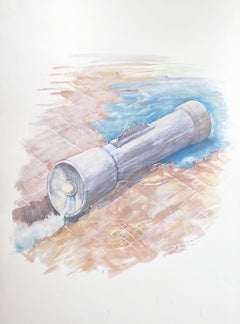
Colossal Flashlight in Place of Hoover Dam, 1982 By Claes Oldenburg (Swedish, American, 1929-2022) Signed Lower Right Dated Middle Right Unframed: 23" x 22" Framed: 36.5" x 27.5" Whimsical sculpture of pop culture objects, many of them large and out-of-doors, is the signature work of Swedish-born Claes Oldenburg who became one of America's leading Pop Artists. He was born in Stockholm, Sweden. His father was a diplomat, and during Claes' childhood moved his family from Stockholm to a variety of locations including Chicago where the father was general consul of Sweden and where Oldenburg spent most of his childhood. He attended the Latin School of Chicago, and then Yale University where he studied literature and art history, graduating in 1950, the same year Claes became an American citizen. Returning to Chicago, he enrolled at the Art Institute of Chicago from 1952 to 1954 and also worked as a reporter at the City News Bureau. He opened his own studio, and in 1953, some of his satirical drawings were included in his first group show at the Club St. Elmo, Chicago. He also painted at the Oxbow School of Painting in Michigan. In 1956, he moved to New York where he drew and painted while working as a clerk in the art libraries of Cooper-Union Museum for the Arts of Decoration. Selling his first artworks during this time, he earned 25 dollars for five pieces. Oldenburg became friends with numerous artists including Jim Dine, Red Grooms and Allan Kaprow, who with his "Happenings" was especially influential on Oldenburg's interest in environmental art. Another growing interest was soft sculpture, and in 1957, he created a piece later titled Sausage, a free-hanging woman's stocking stuffed with newspaper. In 1959, he had his first one-man show, held at the Judson Gallery at Washington Square. He exhibited wood and newspaper sculpture and painted papier-mache objects. Some viewers of the exhibit commented how refreshing Oldenburg's pieces were in contrast to the Abstract Expressionism, a style which much dominated the art world. During this time, he was influenced by the whimsical work of French artist, Bernard Buffet, and he experimented with materials and images of the junk-filled streets of New York. In 1960, Oldenburg created his first Pop-Art Environments and Happenings in a mock store full of plaster objects. He also did Performances with a cast of colleagues including artists Lucas Samaras, Tom Wesselman, Carolee Schneemann, Oyvind Fahlstrom and Richard Artschwager, dealer Annina Nosei, critic Barbara Rose, and screenwriter Rudy Wurlitzer. His first wife (1960-1970) Pat Muschinski, who sewed many of his early soft sculptures, was a constant performer in his Happenings. This brash, often humorous, approach to art was at great odds with the prevailing sensibility that, by its nature, art dealt with "profound" expressions or ideas. In December 1961, he rented a store on Manhattan's Lower East Side to house "The Store," a month-long installation he had first presented at the Martha Jackson Gallery in New York. This installation was stocked with sculptures roughly in the form of consumer goods. Oldenburg moved to Los Angeles in 1963 "because it was the most opposite thing to New York I could think of". That same year, he conceived AUT OBO DYS, performed in the parking lot of the American Institute of Aeronautics and Astronautics in December 1963. In 1965 he turned his attention to drawings and projects for imaginary outdoor monuments. Initially these monuments took the form of small collages such as a crayon image of a fat, fuzzy teddy bear looming over the grassy fields of New York's Central Park (1965) and Lipsticks in Piccadilly Circus, London (1966). Oldenburg realized his first outdoor public monument in 1967; Placid Civic Monument took the form of a Conceptual performance/action behind the Metropolitan Museum of Art, New York, with a crew of gravediggers digging a 6-by-3-foot rectangular hole in the ground. Many of Oldenburg's large-scale sculptures of mundane objects elicited public ridicule before being embraced as whimsical, insightful, and fun additions to public outdoor art. From the early 1970s Oldenburg concentrated almost exclusively on public commissions. Between 1969 and 1977 Oldenburg had been in a relationship with Hannah Wilke, feminist artist, but in 1977 he married Coosje van Bruggen, a Dutch-American writer and art historian who became collaborator with him on his artwork. He had met her in 1970, when she curated an exhibition for him at the Stedelijk Museum in Amsterdam. Their first collaboration came when Oldenburg was commissioned to rework Trowel I, a 1971 sculpture of an oversize garden tool, for the grounds of the Kröller-Müller Museum in Otterlo, the Netherlands. Oldenburg has officially signed all the work he has done since 1981 with both his own name and van Bruggen's. In 1988, the two created the iconic Spoonbridge and Cherry sculpture for the Walker Art Center in Minneapolis, Minnesota that remains a staple of the Minneapolis Sculpture Garden as well as a classic image of the city. Typewriter Eraser...
Category

20th Century American Modern Abstract Prints

Materials

Paper, Lithograph

Four White Chickens
By Paul E. Harney Jr.
Located in Missouri, MO
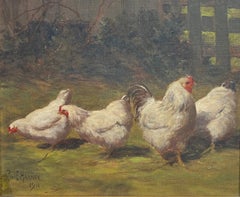
Four White Chickens, 1911 By. Paul Harney (American, 1850-1915) Signed and Dated Lower Left Unframed: 10.25" x 12" Framed: 17" x 19" Paul Harney (1850-1915) Born in New Orleans on ...
Category

Early 20th Century American Realist Animal Paintings

Materials

Canvas, Oil