Sorelle Gallery Abstract Paintings

to
28
35
26
47
136
Overall Width
to
Overall Height
to
46
226
1
41
4
179
39
34
11
98
91
63
1
1
1
1
246
172
169
124
113
53
46
24
19
19
70
272
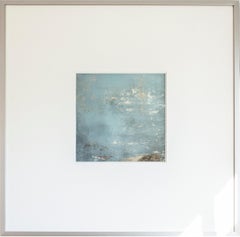
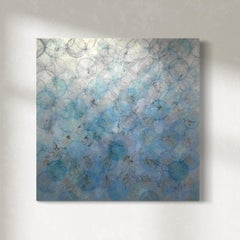
"Brunnera, " Iridescent Acrylic Painting
By Roger Mudre
Located in Westport, CT
This abstract painting by Roger Mudre is made with acrylic paint over metal leaf on panel. The painting features a light blue and metallic silver palette, with warm, subtle pops of l...
Category

2010s Abstract Abstract Paintings

Materials

Metal

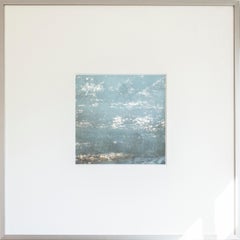
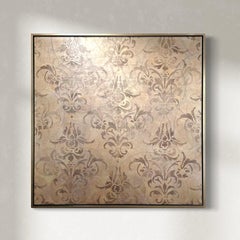
"Lacrima di Giobbe, " Abstract Painting
By Roger Mudre
Located in Westport, CT
This abstract painting by Roger Mudre is made with acrylic paint over metal leaf on birch panel. It is part of Mudre's Venezia series, which is inspired by his recent trip to the Nor...
Category

2010s Contemporary Abstract Paintings

Materials

Metal

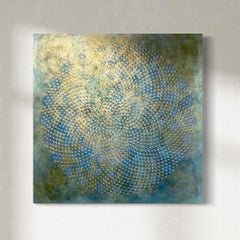
"Triteleia, " Abstract Painting
By Roger Mudre
Located in Westport, CT
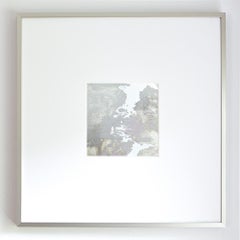
This abstract painting by Roger Mudre is made with acrylic paint over marble dust and mica powder on cradled birch panel. It features a vibrant palette with small concentric circles ...
Category

2010s Contemporary Abstract Paintings

Materials

Acrylic, Wood Panel, Mica

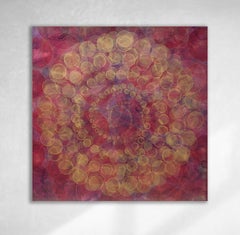
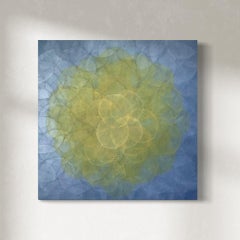
"Alecost, " Abstract Painting
By Roger Mudre
Located in Westport, CT
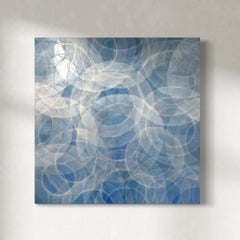
This abstract painting by Roger Mudre is made with acrylic paint over mica powder and cradled birch panel. Lightly translucent concentric circles overlap throughout the composition, ...
Category

2010s Contemporary Abstract Paintings

Materials

Acrylic, Wood Panel, Mica

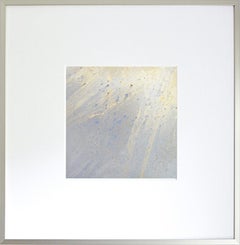
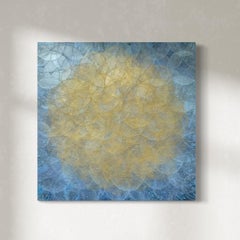
"Boeotia, " Abstract Painting
By Roger Mudre
Located in Westport, CT
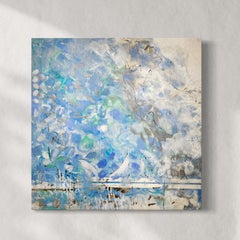
This abstract painting by Roger Mudre is made with acrylic paint over mica powder on cradled birch panel. It features a light blue and silver palette, with the light outlines of circ...
Category

2010s Contemporary Abstract Paintings

Materials

Acrylic, Wood Panel, Mica

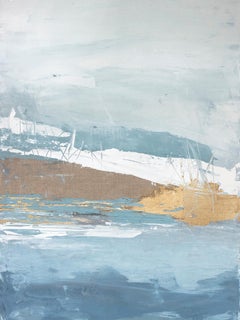
"Blue Mojito, " Contemporary Abstract Painting
By Teodora Guererra
Located in Westport, CT
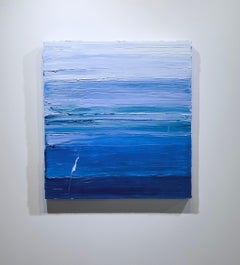
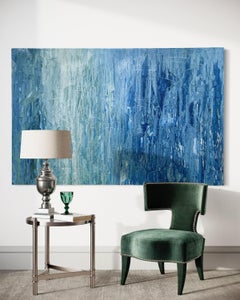
This contemporary abstract painting by Teodora Guererra features a bright blue palette. The artist applies thick layers of oil paint in sweeping strokes for a highly textured painting that moves from a deep shade of blue at the bottom of the composition and becomes lighter as the paint is applied at the top. The painting is signed by the artist on the back of the gallery wrapped canvas, and it is wired and ready to hang. Teodora Guererra’s abstract artistic vision has evolved throughout her years spent painting and teaching in Fairfield County, Connecticut; Tucson, Arizona, and upstate New York. Arizona’s naturally radiant landscape and arid climate led her to experiment with rich under-painting and vivid color; while the shifting seasons of the East Coast inspired Guererra to pursue dripping and staining techniques. Her focus has always been pushing the limits through experimentation with new materials. “As an artist, painting can be tormenting and sublime at the same time," the artist says of her work. "I'm a big risk taker, experimenting with different materials to layer, stain and saturate color on large canvases. My most successful work looks as if it happened all at once. It sometimes takes 7 or more paintings to produce a successful one and then it's a beautiful thing." Guererra received her undergraduate and graduate Art degrees from Southern Connecticut University, The College of Saint Rose and Skidmore College. Guererra’s paintings can be found in public and private collections across the U.S., including the Allmen Health and Wellness Center for Women in New York and SUNY Brockport, NY, William & Sonoma, San Francisco, CA. Her influences are Pat Steir, John McCracken, Helen Frankenthaler, Donald Jud, Bernar Venet, Agnes Martin and Brian Rutenberg...
Category

2010s Abstract Abstract Paintings

Materials

Canvas, Oil

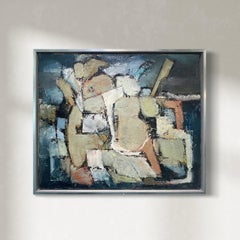
"Northeaster, " 1960s Modern Abstract Painting
By Stanley Bate
Located in Westport, CT
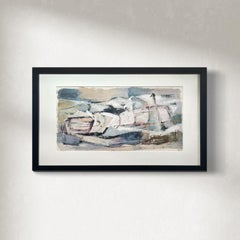
This Modern Abstract Expressionist painting by Stanley Bate is made with gouache on paper and features a cool, muted palette and light texture. The painting itself is 13" x 22" and measures 21.25" x 29.25" x 1" framed. It is signed by the artist in the lower left-hand corner of the painting and is framed in a black frame with an acid-free mat. It is ready to hang. Stanley Bate was born on March 26, 1903 in Nashville, Tennessee. The Bates were an established Tennessee family, in fact, Henry’s brother William Bate was the governor of Tennessee from 1883-1887 and a United States Senator from 1887-1905. Stanley studied art at the Watkins Institute in Nashville. In the 1920’s Bate moved to New York City to study at the Art Students League under Frederick Bridgman. He soon landed a job with Encyclopedia Britannica, and from 1927-1929 served as art editor. From 1929 until his death in 1972, Stanley was a self-employed artist. He taught art classes at both the Art Students League and the Albany Institute of History and Art and brought in extra income by making illustrations for magazines such as “Outdoor Life” and “Popular Science”. On January 27, 1934 Stanley married Emilie Rossel. Emilie had emigrated from Switzerland to New York in 1923. She found work as a governess to Alfred Vanderbilt and later as an executive secretary for Wall Street investment brokers Kahn, Loeb and Co. Emilie met Stanley in New York in the early 1930’s when she attended one of his art exhibitions with a friend. The couple, who had no children, lived on 34th Street in Manhattan. During this period, Bate was producing and exhibiting his art and joined several artists groups. Stanley and Emilie became part of the New York art scene, dining weekly at the Society of Illustrators Clubhouse. Stanley Bate’s time in New York was pivotal in the formation of his painting style. He lived in New York during the inception of one of the most important Modern Art movements, one that helped New York replace Paris as the center of avant-garde art. This movement, which was called the New York School of artists, was later known as Abstract Expressionism. It was comprised of a loosely associated group of vanguard artists working in New York City during the 1940s and 1950s. The New York School was not defined by a specific style, but instead reflected a fusion of European Modernism and American social relevancy that was depicted in many individual styles. Influences of Surrealism, Cubism, and Modernism can be found in their work, along with an interest in experimenting with non-traditional materials and methods. American art was in the forefront of international avant-garde for the first time. Stanley Bate was undoubtedly exposed to the varied styles and techniques that were emerging during the formative years of the New York School. Mark Rothko and Robert Motherwell were formulating their versions of color field paintings. Joseph Cornell was experimenting with assemblages, collage and the use of different types of textured paints. Jackson Pollock was adhering objects such as buttons and coins into his early works, while Louise Nevelson was using found objects. Helen Frankenthaler added sand to her early paintings. The New York School artists were undermining traditional fine art by using mixed media and non-traditional methods. Stanley Bate absorbed these varied influences and soon his early realistic landscapes and still-lifes were replaced with something entirely new. The influence of Cubism, notably the flat shallow space of the picture plane, is obvious in many of Bate’s paintings. Surrealism is evident in Bate’s use of subjects from myth, primitive art and antiquity, along with the Automatism-like line work in his more linear images. The unfettered experimentation of the New York School is everywhere in Stanley Bate’s work. We see nods to color field, collage, the mixing of textures into paint, mixed media, the inclusion of found objects and thick, luscious impasto. Bate was prolific and experimented in various media including oil, watercolor, lithography, silk screen, wood cut, drawing, collage, ceramics and sculpture. Bate is considered a true Modernist. His work is largely abstract, but sometimes figures and buildings are discernable. He frequently mixed paint, sand and glue together to achieve a textured surface, and then scraped and scratched through this layer to expose some of the underpainting below. His sculpture, which is often whimsical, also reflects the non-traditional methods of the New York School. Bate pioneered the use of enamel and copper in his work. The sculptures are not carved or modeled as was done in the past, but instead are built using mixed media and new materials. In addition to the New York School influence, many of Bate’s works exhibit a strong connection to the Spanish school, especially the work of Antonio Tapies and Modesto Cuixart. These artists were both part of an avant-garde group known as Art Informel, the Spanish equivalent of Abstract Expressionism. These artists likewise worked in mixed media and introduced objects and texture into their work. Many of Bate’s subjects and titles relate to Spanish locations and words. It is likely that Stanley spent time in Spain and found inspiration there. By the early 1940s, Stanley and Emilie had started spending weekends in a barn they purchased in Craryville, New York, a few hours north of Manhattan. The barn had no electricity or plumbing, but when the Bates eventually decided to leave New York and live full time in Craryville, they remodeled the barn, putting a gallery downstairs and a studio and living quarters upstairs. Although the Bates moved out of New York City, Stanley remained part of the New York art scene, exhibiting in New York and elsewhere throughout the 50s and 60s. During his lifetime he was represented by the New York galleries Knoedler and Company, Kennedy Galleries, Rose Fried Gallery and Key Gallery, along with Tyringham Gallery located in Tyringham, Massachusetts. Craryville was Stanley’s home until his death on August 21, 1972. Emilie died 1984...
Category

1960s Modern Abstract Paintings

Materials

Paper, Gouache

"Flight, " 1960s Modern Abstract Painting
By Stanley Bate
Located in Westport, CT
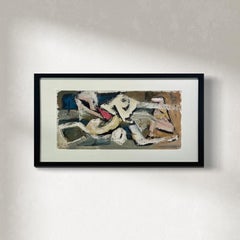
This Modern Abstract Expressionist painting by Stanley Bate is made with gouache on paper. It features a muted palette and large, textured brush strokes. The painting itself is 13" x 22" and it measures 21.25" x 29.25" x 1" framed. It is signed by the artist in the lower right-hand corner of the painting, and is framed in a black frame with an acid-free mat. Wired and ready to hang. Stanley Bate was born on March 26, 1903 in Nashville, Tennessee. The Bates were an established Tennessee family, in fact, Henry’s brother William Bate was the governor of Tennessee from 1883-1887 and a United States Senator from 1887-1905. Stanley studied art at the Watkins Institute in Nashville. In the 1920’s Bate moved to New York City to study at the Art Students League under Frederick Bridgman. He soon landed a job with Encyclopedia Britannica, and from 1927-1929 served as art editor. From 1929 until his death in 1972, Stanley was a self-employed artist. He taught art classes at both the Art Students League and the Albany Institute of History and Art and brought in extra income by making illustrations for magazines such as “Outdoor Life” and “Popular Science”. On January 27, 1934 Stanley married Emilie Rossel. Emilie had emigrated from Switzerland to New York in 1923. She found work as a governess to Alfred Vanderbilt and later as an executive secretary for Wall Street investment brokers Kahn, Loeb and Co. Emilie met Stanley in New York in the early 1930’s when she attended one of his art exhibitions with a friend. The couple, who had no children, lived on 34th Street in Manhattan. During this period, Bate was producing and exhibiting his art and joined several artists groups. Stanley and Emilie became part of the New York art scene, dining weekly at the Society of Illustrators Clubhouse. Stanley Bate’s time in New York was pivotal in the formation of his painting style. He lived in New York during the inception of one of the most important Modern Art movements, one that helped New York replace Paris as the center of avant-garde art. This movement, which was called the New York School of artists, was later known as Abstract Expressionism. It was comprised of a loosely associated group of vanguard artists working in New York City during the 1940s and 1950s. The New York School was not defined by a specific style, but instead reflected a fusion of European Modernism and American social relevancy that was depicted in many individual styles. Influences of Surrealism, Cubism, and Modernism can be found in their work, along with an interest in experimenting with non-traditional materials and methods. American art was in the forefront of international avant-garde for the first time. Stanley Bate was undoubtedly exposed to the varied styles and techniques that were emerging during the formative years of the New York School. Mark Rothko and Robert Motherwell were formulating their versions of color field paintings. Joseph Cornell was experimenting with assemblages, collage and the use of different types of textured paints. Jackson Pollock was adhering objects such as buttons and coins into his early works, while Louise Nevelson was using found objects. Helen Frankenthaler added sand to her early paintings. The New York School artists were undermining traditional fine art by using mixed media and non-traditional methods. Stanley Bate absorbed these varied influences and soon his early realistic landscapes and still-lifes were replaced with something entirely new. The influence of Cubism, notably the flat shallow space of the picture plane, is obvious in many of Bate’s paintings. Surrealism is evident in Bate’s use of subjects from myth, primitive art and antiquity, along with the Automatism-like line work in his more linear images. The unfettered experimentation of the New York School is everywhere in Stanley Bate’s work. We see nods to color field, collage, the mixing of textures into paint, mixed media, the inclusion of found objects and thick, luscious impasto. Bate was prolific and experimented in various media including oil, watercolor, lithography, silk screen, wood cut, drawing, collage, ceramics and sculpture. Bate is considered a true Modernist. His work is largely abstract, but sometimes figures and buildings are discernable. He frequently mixed paint, sand and glue together to achieve a textured surface, and then scraped and scratched through this layer to expose some of the underpainting below. His sculpture, which is often whimsical, also reflects the non-traditional methods of the New York School. Bate pioneered the use of enamel and copper in his work. The sculptures are not carved or modeled as was done in the past, but instead are built using mixed media and new materials. In addition to the New York School influence, many of Bate’s works exhibit a strong connection to the Spanish school, especially the work of Antonio Tapies and Modesto Cuixart. These artists were both part of an avant-garde group known as Art Informel, the Spanish equivalent of Abstract Expressionism. These artists likewise worked in mixed media and introduced objects and texture into their work. Many of Bate’s subjects and titles relate to Spanish locations and words. It is likely that Stanley spent time in Spain and found inspiration there. By the early 1940s, Stanley and Emilie had started spending weekends in a barn they purchased in Craryville, New York, a few hours north of Manhattan. The barn had no electricity or plumbing, but when the Bates eventually decided to leave New York and live full time in Craryville, they remodeled the barn, putting a gallery downstairs and a studio and living quarters upstairs. Although the Bates moved out of New York City, Stanley remained part of the New York art scene, exhibiting in New York and elsewhere throughout the 50s and 60s. During his lifetime he was represented by the New York galleries Knoedler and Company, Kennedy Galleries, Rose Fried Gallery and Key Gallery, along with Tyringham Gallery located in Tyringham, Massachusetts. Craryville was Stanley’s home until his death on August 21, 1972. Emilie died 1984...
Category

1960s Modern Abstract Paintings

Materials

Paper, Gouache

"Untitled #128, " 1960s Modern Abstract Painting
By Stanley Bate
Located in Westport, CT
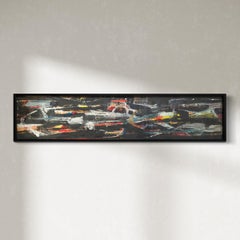
This Modern Abstract Expressionist painting by Stanley Bate is made with gouache on paper. It features a dark palette, with dark charcoal black tones contrasted by yellow and red accents throughout, and large brush strokes. The painting itself is 16" x 54" and measures 17" x 56" x 2" framed. The paper is mounted on board, framed in a black frame under glass. It is not signed by the artist, but has been authenticated by his estate, and is stamped with the estate seal on the back of the painting, and on the back of the frame. It is ready to hang. Stanley Bate was born on March 26, 1903 in Nashville, Tennessee. The Bates were an established Tennessee family, in fact, Henry’s brother William Bate was the governor of Tennessee from 1883-1887 and a United States Senator from 1887-1905. Stanley studied art at the Watkins Institute in Nashville. In the 1920’s Bate moved to New York City to study at the Art Students League under Frederick Bridgman. He soon landed a job with Encyclopedia Britannica, and from 1927-1929 served as art editor. From 1929 until his death in 1972, Stanley was a self-employed artist. He taught art classes at both the Art Students League and the Albany Institute of History and Art and brought in extra income by making illustrations for magazines such as “Outdoor Life” and “Popular Science”. On January 27, 1934 Stanley married Emilie Rossel. Emilie had emigrated from Switzerland to New York in 1923. She found work as a governess to Alfred Vanderbilt and later as an executive secretary for Wall Street investment brokers Kahn, Loeb and Co. Emilie met Stanley in New York in the early 1930’s when she attended one of his art exhibitions with a friend. The couple, who had no children, lived on 34th Street in Manhattan. During this period, Bate was producing and exhibiting his art and joined several artists groups. Stanley and Emilie became part of the New York art scene, dining weekly at the Society of Illustrators Clubhouse. Stanley Bate’s time in New York was pivotal in the formation of his painting style. He lived in New York during the inception of one of the most important Modern Art movements, one that helped New York replace Paris as the center of avant-garde art. This movement, which was called the New York School of artists, was later known as Abstract Expressionism. It was comprised of a loosely associated group of vanguard artists working in New York City during the 1940s and 1950s. The New York School was not defined by a specific style, but instead reflected a fusion of European Modernism and American social relevancy that was depicted in many individual styles. Influences of Surrealism, Cubism, and Modernism can be found in their work, along with an interest in experimenting with non-traditional materials and methods. American art was in the forefront of international avant-garde for the first time. Stanley Bate was undoubtedly exposed to the varied styles and techniques that were emerging during the formative years of the New York School. Mark Rothko and Robert Motherwell were formulating their versions of color field paintings. Joseph Cornell was experimenting with assemblages, collage and the use of different types of textured paints. Jackson Pollock was adhering objects such as buttons and coins into his early works, while Louise Nevelson was using found objects. Helen Frankenthaler added sand to her early paintings. The New York School artists were undermining traditional fine art by using mixed media and non-traditional methods. Stanley Bate absorbed these varied influences and soon his early realistic landscapes and still-lifes were replaced with something entirely new. The influence of Cubism, notably the flat shallow space of the picture plane, is obvious in many of Bate’s paintings. Surrealism is evident in Bate’s use of subjects from myth, primitive art and antiquity, along with the Automatism-like line work in his more linear images. The unfettered experimentation of the New York School is everywhere in Stanley Bate’s work. We see nods to color field, collage, the mixing of textures into paint, mixed media, the inclusion of found objects and thick, luscious impasto. Bate was prolific and experimented in various media including oil, watercolor, lithography, silk screen, wood cut, drawing, collage, ceramics and sculpture. Bate is considered a true Modernist. His work is largely abstract, but sometimes figures and buildings are discernable. He frequently mixed paint, sand and glue together to achieve a textured surface, and then scraped and scratched through this layer to expose some of the underpainting below. His sculpture, which is often whimsical, also reflects the non-traditional methods of the New York School. Bate pioneered the use of enamel and copper in his work. The sculptures are not carved or modeled as was done in the past, but instead are built using mixed media and new materials. In addition to the New York School influence, many of Bate’s works exhibit a strong connection to the Spanish school, especially the work of Antonio Tapies and Modesto Cuixart. These artists were both part of an avant-garde group known as Art Informel, the Spanish equivalent of Abstract Expressionism. These artists likewise worked in mixed media and introduced objects and texture into their work. Many of Bate’s subjects and titles relate to Spanish locations and words. It is likely that Stanley spent time in Spain and found inspiration there. By the early 1940s, Stanley and Emilie had started spending weekends in a barn they purchased in Craryville, New York, a few hours north of Manhattan. The barn had no electricity or plumbing, but when the Bates eventually decided to leave New York and live full time in Craryville, they remodeled the barn, putting a gallery downstairs and a studio and living quarters upstairs. Although the Bates moved out of New York City, Stanley remained part of the New York art scene, exhibiting in New York and elsewhere throughout the 50s and 60s. During his lifetime he was represented by the New York galleries Knoedler and Company, Kennedy Galleries, Rose Fried Gallery and Key Gallery, along with Tyringham Gallery located in Tyringham, Massachusetts. Craryville was Stanley’s home until his death on August 21, 1972. Emilie died 1984...
Category

1960s Modern Abstract Paintings

Materials

Paper, Gouache

"Abandoned Village, " 1960s Modern Abstract Painting
By Stanley Bate
Located in Westport, CT
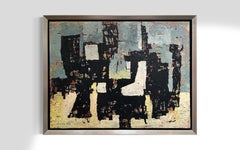
This Modern Abstract Expressionist painting by Stanley Bate is made with oil paint and and lacquer on board. It features light textured and a light blue-grey and yellow palette contrasted by the almost black focal point of the composition. The painting is 14.5" x 19" and measures 16.25" x 20.5" x 2" framed. Signed by the artist in the lower left-hand corner of the painting, it is framed in a floater frame with warm silver face and black sides and is ready to hang. Stanley Bate was born on March 26, 1903 in Nashville, Tennessee. The Bates were an established Tennessee family, in fact, Henry’s brother William Bate was the governor of Tennessee from 1883-1887 and a United States Senator from 1887-1905. Stanley studied art at the Watkins Institute in Nashville. In the 1920’s Bate moved to New York City to study at the Art Students League under Frederick Bridgman. He soon landed a job with Encyclopedia Britannica, and from 1927-1929 served as art editor. From 1929 until his death in 1972, Stanley was a self-employed artist. He taught art classes at both the Art Students League and the Albany Institute of History and Art and brought in extra income by making illustrations for magazines such as “Outdoor Life” and “Popular Science”. On January 27, 1934 Stanley married Emilie Rossel. Emilie had emigrated from Switzerland to New York in 1923. She found work as a governess to Alfred Vanderbilt and later as an executive secretary for Wall Street investment brokers Kahn, Loeb and Co. Emilie met Stanley in New York in the early 1930’s when she attended one of his art exhibitions with a friend. The couple, who had no children, lived on 34th Street in Manhattan. During this period, Bate was producing and exhibiting his art and joined several artists groups. Stanley and Emilie became part of the New York art scene, dining weekly at the Society of Illustrators Clubhouse. Stanley Bate’s time in New York was pivotal in the formation of his painting style. He lived in New York during the inception of one of the most important Modern Art movements, one that helped New York replace Paris as the center of avant-garde art. This movement, which was called the New York School of artists, was later known as Abstract Expressionism. It was comprised of a loosely associated group of vanguard artists working in New York City during the 1940s and 1950s. The New York School was not defined by a specific style, but instead reflected a fusion of European Modernism and American social relevancy that was depicted in many individual styles. Influences of Surrealism, Cubism, and Modernism can be found in their work, along with an interest in experimenting with non-traditional materials and methods. American art was in the forefront of international avant-garde for the first time. Stanley Bate was undoubtedly exposed to the varied styles and techniques that were emerging during the formative years of the New York School. Mark Rothko and Robert Motherwell were formulating their versions of color field paintings. Joseph Cornell was experimenting with assemblages, collage and the use of different types of textured paints. Jackson Pollock was adhering objects such as buttons and coins into his early works, while Louise Nevelson was using found objects. Helen Frankenthaler added sand to her early paintings. The New York School artists were undermining traditional fine art by using mixed media and non-traditional methods. Stanley Bate absorbed these varied influences and soon his early realistic landscapes and still-lifes were replaced with something entirely new. The influence of Cubism, notably the flat shallow space of the picture plane, is obvious in many of Bate’s paintings. Surrealism is evident in Bate’s use of subjects from myth, primitive art and antiquity, along with the Automatism-like line work in his more linear images. The unfettered experimentation of the New York School is everywhere in Stanley Bate’s work. We see nods to color field, collage, the mixing of textures into paint, mixed media, the inclusion of found objects and thick, luscious impasto. Bate was prolific and experimented in various media including oil, watercolor, lithography, silk screen, wood cut, drawing, collage, ceramics and sculpture. Bate is considered a true Modernist. His work is largely abstract, but sometimes figures and buildings are discernable. He frequently mixed paint, sand and glue together to achieve a textured surface, and then scraped and scratched through this layer to expose some of the underpainting below. His sculpture, which is often whimsical, also reflects the non-traditional methods of the New York School. Bate pioneered the use of enamel and copper in his work. The sculptures are not carved or modeled as was done in the past, but instead are built using mixed media and new materials. In addition to the New York School influence, many of Bate’s works exhibit a strong connection to the Spanish school, especially the work of Antonio Tapies and Modesto Cuixart. These artists were both part of an avant-garde group known as Art Informel, the Spanish equivalent of Abstract Expressionism. These artists likewise worked in mixed media and introduced objects and texture into their work. Many of Bate’s subjects and titles relate to Spanish locations and words. It is likely that Stanley spent time in Spain and found inspiration there. By the early 1940s, Stanley and Emilie had started spending weekends in a barn they purchased in Craryville, New York, a few hours north of Manhattan. The barn had no electricity or plumbing, but when the Bates eventually decided to leave New York and live full time in Craryville, they remodeled the barn, putting a gallery downstairs and a studio and living quarters upstairs. Although the Bates moved out of New York City, Stanley remained part of the New York art scene, exhibiting in New York and elsewhere throughout the 50s and 60s. During his lifetime he was represented by the New York galleries Knoedler and Company, Kennedy Galleries, Rose Fried Gallery and Key Gallery, along with Tyringham Gallery located in Tyringham, Massachusetts. Craryville was Stanley’s home until his death on August 21, 1972. Emilie died 1984...
Category

1960s Modern Abstract Paintings

Materials

Lacquer, Oil, Board

"Birthday, " 1960s Modern Abstract Painting
By Stanley Bate
Located in Westport, CT
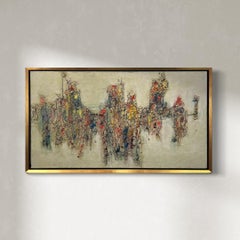
This Modern Abstract Expressionist painting by Stanley Bate is made with oil paint on canvas. It features a muted, earth-toned palette with contrasting warm yellow, orange, and red accents throughout. The painting is framed in a floater frame with gold face and black sides. It is 22" x 36" and measures 24" x 38" x 2" framed. This painting is not signed by the artist, but has been authenticated by his estate. It is stamped with the estate seal on the back of the painting, and on the back of the frame. Ready to hang. Stanley Bate was born on March 26, 1903 in Nashville, Tennessee. The Bates were an established Tennessee family, in fact, Henry’s brother William Bate was the governor of Tennessee from 1883-1887 and a United States Senator from 1887-1905. Stanley studied art at the Watkins Institute in Nashville. In the 1920’s Bate moved to New York City to study at the Art Students League under Frederick Bridgman. He soon landed a job with Encyclopedia Britannica, and from 1927-1929 served as art editor. From 1929 until his death in 1972, Stanley was a self-employed artist. He taught art classes at both the Art Students League and the Albany Institute of History and Art and brought in extra income by making illustrations for magazines such as “Outdoor Life” and “Popular Science”. On January 27, 1934 Stanley married Emilie Rossel. Emilie had emigrated from Switzerland to New York in 1923. She found work as a governess to Alfred Vanderbilt and later as an executive secretary for Wall Street investment brokers Kahn, Loeb and Co. Emilie met Stanley in New York in the early 1930’s when she attended one of his art exhibitions with a friend. The couple, who had no children, lived on 34th Street in Manhattan. During this period, Bate was producing and exhibiting his art and joined several artists groups. Stanley and Emilie became part of the New York art scene, dining weekly at the Society of Illustrators Clubhouse. Stanley Bate’s time in New York was pivotal in the formation of his painting style. He lived in New York during the inception of one of the most important Modern Art movements, one that helped New York replace Paris as the center of avant-garde art. This movement, which was called the New York School of artists, was later known as Abstract Expressionism. It was comprised of a loosely associated group of vanguard artists working in New York City during the 1940s and 1950s. The New York School was not defined by a specific style, but instead reflected a fusion of European Modernism and American social relevancy that was depicted in many individual styles. Influences of Surrealism, Cubism, and Modernism can be found in their work, along with an interest in experimenting with non-traditional materials and methods. American art was in the forefront of international avant-garde for the first time. Stanley Bate was undoubtedly exposed to the varied styles and techniques that were emerging during the formative years of the New York School. Mark Rothko and Robert Motherwell were formulating their versions of color field paintings. Joseph Cornell was experimenting with assemblages, collage and the use of different types of textured paints. Jackson Pollock was adhering objects such as buttons and coins into his early works, while Louise Nevelson was using found objects. Helen Frankenthaler added sand to her early paintings. The New York School artists were undermining traditional fine art by using mixed media and non-traditional methods. Stanley Bate absorbed these varied influences and soon his early realistic landscapes and still-lifes were replaced with something entirely new. The influence of Cubism, notably the flat shallow space of the picture plane, is obvious in many of Bate’s paintings. Surrealism is evident in Bate’s use of subjects from myth, primitive art and antiquity, along with the Automatism-like line work in his more linear images. The unfettered experimentation of the New York School is everywhere in Stanley Bate’s work. We see nods to color field, collage, the mixing of textures into paint, mixed media, the inclusion of found objects and thick, luscious impasto. Bate was prolific and experimented in various media including oil, watercolor, lithography, silk screen, wood cut, drawing, collage, ceramics and sculpture. Bate is considered a true Modernist. His work is largely abstract, but sometimes figures and buildings are discernable. He frequently mixed paint, sand and glue together to achieve a textured surface, and then scraped and scratched through this layer to expose some of the underpainting below. His sculpture, which is often whimsical, also reflects the non-traditional methods of the New York School. Bate pioneered the use of enamel and copper in his work. The sculptures are not carved or modeled as was done in the past, but instead are built using mixed media and new materials. In addition to the New York School influence, many of Bate’s works exhibit a strong connection to the Spanish school, especially the work of Antonio Tapies and Modesto Cuixart. These artists were both part of an avant-garde group known as Art Informel, the Spanish equivalent of Abstract Expressionism. These artists likewise worked in mixed media and introduced objects and texture into their work. Many of Bate’s subjects and titles relate to Spanish locations and words. It is likely that Stanley spent time in Spain and found inspiration there. By the early 1940s, Stanley and Emilie had started spending weekends in a barn they purchased in Craryville, New York, a few hours north of Manhattan. The barn had no electricity or plumbing, but when the Bates eventually decided to leave New York and live full time in Craryville, they remodeled the barn, putting a gallery downstairs and a studio and living quarters upstairs. Although the Bates moved out of New York City, Stanley remained part of the New York art scene, exhibiting in New York and elsewhere throughout the 50s and 60s. During his lifetime he was represented by the New York galleries Knoedler and Company, Kennedy Galleries, Rose Fried Gallery and Key Gallery, along with Tyringham Gallery located in Tyringham, Massachusetts. Craryville was Stanley’s home until his death on August 21, 1972. Emilie died 1984...
Category

1960s Modern Abstract Paintings

Materials

Oil, Canvas

"Letting Go, " Contemporary Abstract Painting
By Teodora Guererra
Located in Westport, CT
This contemporary abstract statement painting by Teodora Guererra is made with acrylic paint on gallery wrapped canvas. It features a cool, neutral grey palette, with layers of paint...
Category

2010s Abstract Abstract Paintings

Materials

Canvas, Acrylic

"Seaside Blues, " Abstract Floral Encaustic Painting
Located in Westport, CT
This abstract floral encaustic painting by artist Linda Bigness features a cool blue palette with metallic gold leaf accents. The painting is made with e...
Category

2010s Abstract Abstract Paintings

Materials

Gold Leaf

"Balancing Act, " Abstract Oil Painting
By Teodora Guererra
Located in Westport, CT
This large abstract painting by Teodora Guererra features a blue and white palette. Paint appears to drip over a textured under layer of the painting. It is created with oil paint on...
Category

2010s Abstract Abstract Paintings

Materials

Canvas, Oil

"Skyfall, " Contemporary Abstract Painting
By Teodora Guererra
Located in Westport, CT
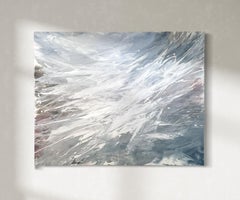
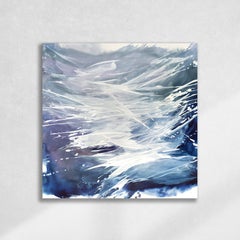
This contemporary abstract painting by Teodora Guererra features a cool palette, with layers of washes of blue, grey, violet and and white applied in sweeping gestures across the pie...
Category

2010s Abstract Abstract Paintings

Materials

Canvas, Acrylic

"Dark N Stormy, " Abstract Watercolor Painting
Located in Westport, CT
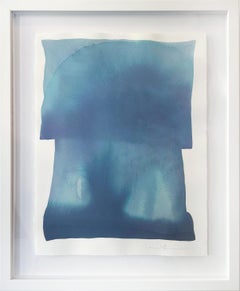
This original abstract watercolor painting by Nealy Hauschildt features a dark blue palette and washy layers of paint. "In this deep blue piece," the ...
Category

2010s Abstract Abstract Drawings and Watercolors

Materials

Cotton, Paper, Watercolor

"Survivors, " 1960s Modern Abstract Painting
By Stanley Bate
Located in Westport, CT
This Modern painting by Abstract Expressionist Stanley Bate was made with oil on canvas circa 1960. It features a cool blue and grey palette along the perimeter, with warmer muted gr...
Category

1960s Modern Abstract Paintings

Materials

Canvas, Oil

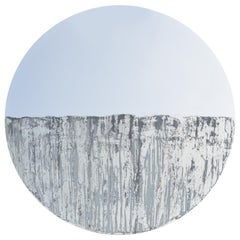
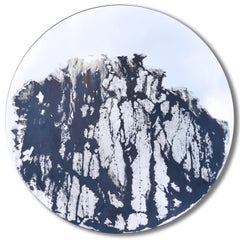
"Where I End and You Begin, " Contemporary Fine Art Mirror
By Alina Bisikirskaite
Located in Westport, CT
This contemporary mixed media piece is made with mixed media on a circular mirror. Deep blue-grey color has been applied over the bottom half of the mirror, giving it a painterly, dripped aesthetic but also allowing for mirror to continue to show through. The mirror base reflects its surroundings and changes in alternating light. It hangs beautifully and safely with a wooden cleat, giving the illusion that the work is almost floating on the wall. "'Moon Series' is a collection of works all created in the shape of a circle," the artist says. "I was drawn to the magic of this shape. It has no beginning or end, and no divisions, making it the perfect symbol of completeness. Each uniquely different in the use of color, composition and nature of experience it brings while standing in front it. I like the idea of interactive art...
Category

2010s Contemporary Abstract Paintings

Materials

Glass, Mirror, Mixed Media

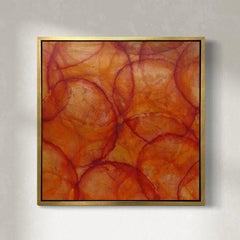
"Acacias, " Abstract Painting
By Roger Mudre
Located in Westport, CT
This abstract painting by Roger Mudre features a warm red and orange palette, with light, imperfect circle shapes layered over one another throughout the composition. The painting is...
Category

2010s Abstract Abstract Paintings

Materials

Metal

"Burdock, " Abstract Painting
By Roger Mudre
Located in Westport, CT
This abstract statement painting by Roger Mudre features a warm red and yellow palette and light layers of circular shapes arranged in a larger circle at the center of the compositio...
Category

2010s Abstract Geometric Abstract Paintings

Materials

Metal

"Caelestinus, " Abstract Painting
By Roger Mudre
Located in Westport, CT
This abstract contemporary painting by Roger Mudre features a cool-toned palette with subtle gold accents and an iridescent quality. Concentric circles of varying sizes overlap one a...
Category

2010s Abstract Geometric Abstract Paintings

Materials

Gold Leaf

"I m Jealous of the Rain, " Contemporary Fine Art Mirror
By Alina Bisikirskaite
Located in Westport, CT
This contemporary mixed media piece is made with mixed media on a circular mirror. Deep blue-grey color has been applied over the mirror, giving it a painterly aesthetic but also allowing for mirror to continue to show through. The mirror base reflects its surroundings and changes color in alternating light. It hangs beautifully and safely with a wooden cleat, giving the illusion that the work is almost floating on the wall. "'Moon Series' is a collection of works all created in the shape of a circle," the artist says. "I was drawn to the magic of this shape. It has no beginning or end, and no divisions, making it the perfect symbol of completeness. Each uniquely different in the use of color, composition and nature of experience it brings while standing in front it. I like the idea of interactive art...
Category

2010s Contemporary Abstract Paintings

Materials

Glass, Mirror, Mixed Media

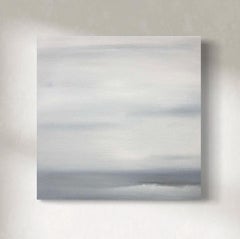
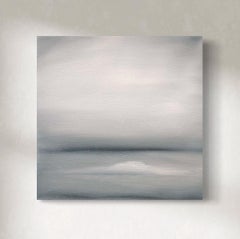
"Trace #1" Abstract Oil Painting
Located in Westport, CT
This abstract painting by Tony Iadicicco features a light grey palette. The artist blends light shades of grey together to create an almost abstracted l...
Category

2010s Abstract Abstract Paintings

Materials

Canvas, Oil

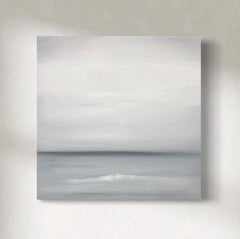
"Trace #2" Abstract Oil Painting
Located in Westport, CT
This abstract painting by Tony Iadicicco features a light grey palette. The artist blends light shades of grey together to create an abstracted landscape composition, with a darker s...
Category

2010s Abstract Abstract Paintings

Materials

Canvas, Oil

"Trace #4" Abstract Oil Painting
Located in Westport, CT
This abstract painting by Tony Iadicicco features a light grey palette. The artist blends light shades of grey together to create an almost abstracted l...
Category

2010s Abstract Abstract Paintings

Materials

Canvas, Oil

"Arcs, " Abstract Oil Painting
By Christine Averill-Green
Located in Westport, CT
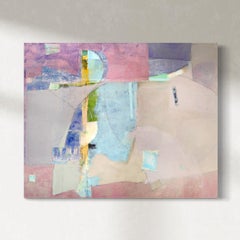
This abstract oil painting by Christine Averill-Green features a unique, contrasting palette of pink, blue, violet and grey. The artist layers organi...
Category

2010s Abstract Abstract Paintings

Materials

Canvas, Oil, Graphite

"Spring Bouquet II, " Abstract Painting
By Christine Averill-Green
Located in Westport, CT
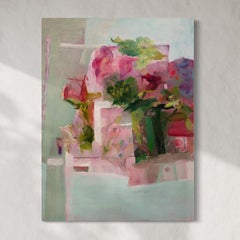
This abstracted floral painting by Christine Averill-Green is made with oil paint and gouache on gallery-wrapped canvas. It features a light, pastel palette, with varying green and pink tones applied in light, almost washy layers. The painting is wired and ready to hang. "A play on the shapes in nature; how they change and flow," the artist says of this piece. "Ambiguous forms set against a symmetrical background. I am in awe of the tremendous energy that I see everywhere in the world. I tried to celebrate that in this painting." Averill-Green has been exhibiting her artwork in galleries and museums in Upstate New York for over 40 years. She received her B.A. in Art and an M.S. in Art Education. Artists such as Richard Diebenkorn, Euan Eglow, Antonio Lopez Garcia, and her teachers Catherine Kehoe...
Category

2010s Abstract Abstract Paintings

Materials

Canvas, Oil, Gouache

"Walk Softly, " Abstract Eagle Painting
By Ned Martin
Located in Westport, CT
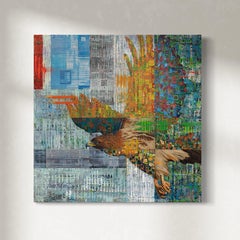
This abstract painting by artist Ned Martin features an eagle in flight, with the background and subject abstracted into small, geometric shapes and sections, with an almost pixelate...
Category

2010s Abstract Abstract Paintings

Materials

Metal

"Distant Land #2, " Contemporary Fine Art Mirror
By Alina Bisikirskaite
Located in Westport, CT
This contemporary fine art mirror by Alina B is created using mixed media on a mirror base, which creates a reflective, iridescent, and metallic ...
Category

2010s Contemporary Abstract Paintings

Materials

Mirror, Mixed Media

"Distant Land #1, " Contemporary Fine Art Mirror
By Alina Bisikirskaite
Located in Westport, CT
This contemporary fine art mirror by Alina B is created using mixed media on a mirror base, which creates a reflective, iridescent, and metallic ...
Category

2010s Contemporary Abstract Paintings

Materials

Mirror, Mixed Media

"Before I Close My Eyes, " Contemporary Fine Art Mirror
By Alina Bisikirskaite
Located in Westport, CT
This contemporary fine art mirror piece is created using mixed media on mirror, which creates a reflective, iridescent, and metallic aesthetic. T...
Category

2010s Contemporary Abstract Paintings

Materials

Mirror, Mixed Media

"Delightful Chaos, " Abstract Metallic Painting
By Julia Contacessi
Located in Westport, CT
This abstract painting is made using mixed media including linen and gold. It features a cool blue and white palette, with large, expressive strokes layered over textured linen, with...
Category

2010s Abstract Abstract Paintings

Materials

Canvas, Mixed Media

"Honeymoon Bay, " Contemporary Art Mirror
By Alina Bisikirskaite
Located in Westport, CT
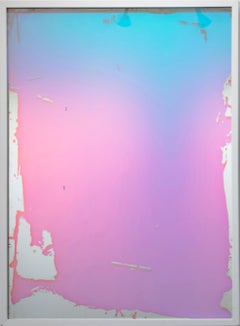
This contemporary piece is made with dichroic film on mirror and is framed in a modern white frame. The application of the film creates a changing colorful aesthetic so that the viewer sees different colors like pink, blue, purple, and orange as they change the angle at which they view it. Areas around the periphery that look metallic give the mixed-media piece an almost painterly aesthetic. This abstracted mirror invites interaction and adds a playful alternate view to any space. It can hang vertically or horizontally, and is ready to hang. "I seek to find balance between the creative process and the present moment using color as a direct and indirect language," the artist says. "Color series paintings explore the dynamics between light, pigment, and the viewer. To achieve this, I work with mirrors as my canvas and a medium that allows for drastic shifts, effected by natural exposures, like light, the angle of a space, and the viewer themselves. Combining the reflective areas of a mirror with color...
Category

2010s Contemporary Abstract Paintings

Materials

Mirror, Film, Mixed Media

"Fausto s Awakening, " Contemporary Abstract Oil Painting
By Ned Martin
Located in Westport, CT
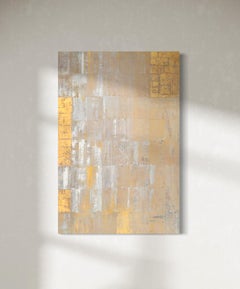
This abstract, contemporary painting by Ned Martin features a light, metallic gold palette. Light rectangles are assembled side-by-side in a grid-like pattern, with textured metallic...
Category

2010s Abstract Abstract Paintings

Materials

Oil, Panel

"Bhrigus, " Abstract Painting
By Roger Mudre
Located in Westport, CT
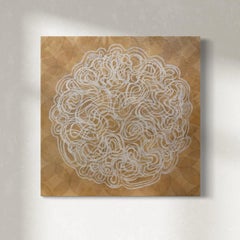
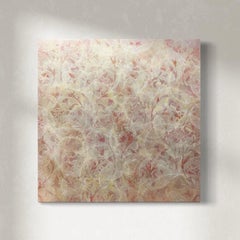
This abstract painting is made with acrylic paint over metal leaf on cradled birch panel. The painting features a light tan-colored palette, with white swirling lines which form a ci...
Category

2010s Abstract Abstract Paintings

Materials

Metal

"Sunday Sun, " Contemporary Barn Painting
By Carol Young
Located in Westport, CT
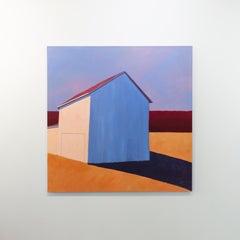
This contemporary landscape painting by Carol Young captures a rural scene with a bright, contrasting palette. A barn sits in an orange field, with a line of red foliage behind it. O...
Category

2010s Contemporary Abstract Paintings

Materials

Acrylic, Canvas

"Luna, " Contemporary Abstract Oil Painting
By Ned Martin
Located in Westport, CT
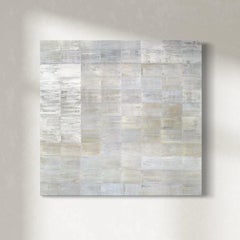
This abstract, contemporary painting by Ned Martin features a light, metallic, and neutral palette. A grid of textured rectangles are patterned together, with varying layers of paint...
Category

2010s Contemporary Abstract Paintings

Materials

Oil, Canvas, Panel

"Asarabacca, " Abstract Painting
By Roger Mudre
Located in Westport, CT
This abstract painting by Roger Mudre is made with acrylic paint over metal leaf on cradled birch panel. It is part of Mudre's Venezia series, which is inspired by his recent trip to...
Category

2010s Abstract Abstract Paintings

Materials

Metal

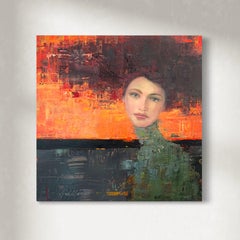
"Spirits Through Time VII, " Abstract Portrait Painting
By Ned Martin
Located in Westport, CT
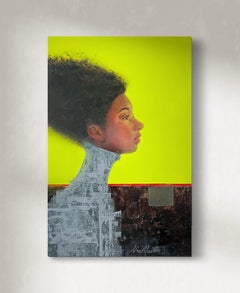
This abstract portrait by Ned Martin is made with oil paint on panel. Part of his Spirits Through Time series, it features a woman in profile - her face and hair are rendered realist...
Category

2010s Abstract Abstract Paintings

Materials

Oil, Panel

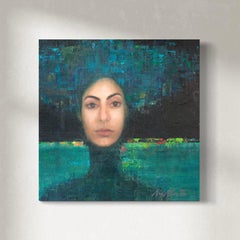
"Spirits Through Time IX, " Abstract Portrait Painting
By Ned Martin
Located in Westport, CT
This abstract portrait painting by Ned Martin is made with oil paint on panel. Part of the artist's Spirits Through Time series, it features a woman's face rendered realistically, wi...
Category

2010s Abstract Abstract Paintings

Materials

Oil, Panel

"Spirits Through Time VI, " Abstract Portrait Painting
By Ned Martin
Located in Westport, CT
This abstract portrait by Ned Martin blends realistic and abstracted styles. Part of his Spirits Through Time series of female portraits, the woman's face is rendered realistically, ...
Category

2010s Abstract Abstract Paintings

Materials

Oil, Board

"It s a Casual Thing, " Contemporary Abstract Oil Painting
By Ned Martin
Located in Westport, CT
This abstract painting by Ned Martin is made with oil paint and recycled aluminum on board. It features a grid composition with a light layers of blue, black, and silver paint, with ...
Category

2010s Contemporary Abstract Paintings

Materials

Metal

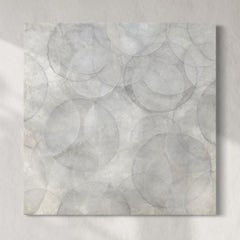
"Helichrysum, " Abstract Geometric Painting
By Roger Mudre
Located in Westport, CT
This abstract painting by Roger Mudre features a light, silvery palette. Loose, transparent circular shapes are layered and patterned overtop of one another in different shades of gr...
Category

2010s Abstract Abstract Paintings

Materials

Acrylic, Wood Panel

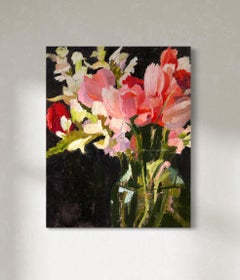
"Earth Day Bouquet, " Abstract Floral Oil Painting
By Christine Averill-Green
Located in Westport, CT
This abstract floral painting by Christine Averill-Green is made with oil paint on gallery wrapped canvas. It captures a floral bouquet with red, pink, and white flowers and green leaves, which are placed in a glass vase. The clear vase reflects and refracts the colors of the stems of the flowers. The background is a deep, near black which provides contrast to the vibrant colors of the flowers, The painting is wired and ready to hang. Averill-Green has been exhibiting her artwork in galleries and museums in Upstate New York for over 40 years. She received her B.A. in Art and an M.S. in Art Education. Artists such as Richard Diebenkorn, Euan Eglow, Antonio Lopez Garcia, and her teachers Catherine Kehoe...
Category

2010s Abstract Abstract Paintings

Materials

Canvas, Oil

"Phoenix Nest, " 1960s Modern Abstract Painting
By Stanley Bate
Located in Westport, CT
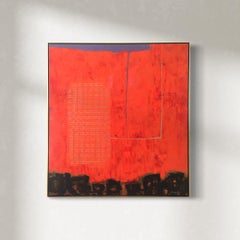
This original Modern abstract painting by Stanley Bate is made with oil paint on canvas, and was painted circa 1960. It features a bold, vibrant red hue, with dark shapes lining the ...
Category

1960s Modern Abstract Paintings

Materials

Canvas, Oil

"Bathin in Light #2, " Contemporary Fine Art Mirror
By Alina Bisikirskaite
Located in Westport, CT
This contemporary fine art mirror piece is created using mixed media on a mirror base, which creates a reflective, iridescent, and metallic aesth...
Category

2010s Contemporary Abstract Paintings

Materials

Mirror, Mixed Media

"Untitled #144, " 1960s Modern Abstract Painting
By Stanley Bate
Located in Westport, CT
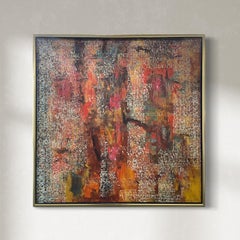
This Modern painting by Abstract Expressionist Stanley Bate was made with oil on canvas circa 1960. In it, layers of red, yellow, white, and umber paint are expressively applied over...
Category

1960s Modern Abstract Paintings

Materials

Canvas, Oil

"Untitled #296 (Modern), " 1960s Modern Abstract Painting
By Stanley Bate
Located in Westport, CT
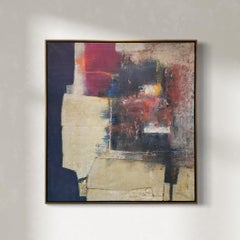
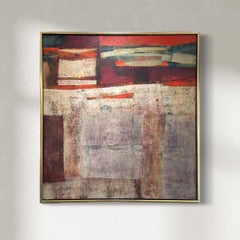
This Modern painting by Abstract Expressionist painter Stanley Bate features a textured aesthetic and a deep, colorful palette. Deep blue and red is contrasted by a brighter accents ...
Category

1960s Modern Abstract Paintings

Materials

Canvas, Oil

"Untitled #305 (Trees), " 1960s Modern Abstract Painting
By Stanley Bate
Located in Westport, CT
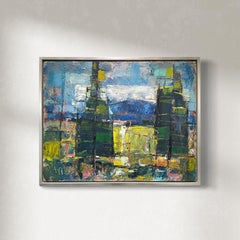
This Modern painting by Abstract Expressionist painter Stanley Bate depicts large trees in an abstracted landscape. The palette is bright and vibrant, with expressive strokes of pain...
Category

1960s Modern Abstract Paintings

Materials

Oil, Board

"Georgia on My Mind, " 1960s Modern Abstract Painting
By Stanley Bate
Located in Westport, CT
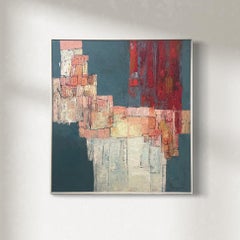
This original Modern abstract piece by Abstract Expressionist Stanley Bate features a warm, earthy palette. In it, organic and rectangular shapes are layered with deep teal and creme...
Category

1960s Modern Abstract Paintings

Materials

Canvas, Oil

"Urbino, " 1960s Modern Abstract Painting
By Stanley Bate
Located in Westport, CT
This Modern Abstract Expressionist painting by Stanley Bate features a vibrant and unique palette. Made with oil paint on canvas, the painting is modeled after the famed painting by ...
Category

1960s Modern Abstract Paintings

Materials

Canvas, Oil

"Untitled #17 (Samurai), " 1960s Modern Abstract Painting
By Stanley Bate
Located in Westport, CT
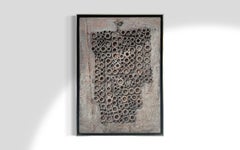
This Modern Abstract Expressionist painting by Stanley Bate is made with oil paint and 3-dimensional wooden shapes on canvas. The warm metal grey paint is highly textured, while the ...
Category

1960s Modern Abstract Paintings

Materials

Canvas, Oil, Wood

"Sagres, " 1960s Modern Abstract Painting
By Stanley Bate
Located in Westport, CT
This Modern Abstract Expressionist painting by Stanley Bate is made with oil on canvas. The top portion of the painting is an earthy gold color, while the space beneath it is a textu...
Category

1960s Modern Abstract Paintings

Materials

Canvas, Oil

"Ruins of Athens, " 1960s Modern Abstract Painting
By Stanley Bate
Located in Westport, CT
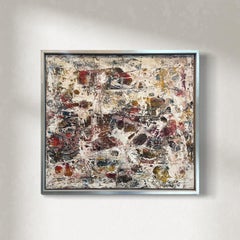
This Modern Abstract Expressionist painting Stanley Bate features a deep, but colorful palette. Smaller organic shapes and layers of thick blue, black, red, and yellow paint combine ...
Category

1960s Modern Abstract Paintings

Materials

Canvas, Oil

"Paphos, " 1960s Modern Abstract Painting
By Stanley Bate
Located in Westport, CT
This textured, Modern Abstract Expressionist painting Stanley Bate features a neutral palette with both warm and cool undertones. Muted blues and reds seem to be incorporated into a ...
Category

1960s Modern Abstract Paintings

Materials

Canvas, Oil

"New Orleans, " 1960s Modern Abstract Painting
By Stanley Bate
Located in Westport, CT
This Modern abstract painting Stanley Bate is highly textured and features a warm, vibrant palette. Thick layers of red, orange, and blue paint appear to have been scraped back to c...
Category

1960s Modern Abstract Paintings

Materials

Canvas, Oil

"Messages to Fribourg, " 1960s Modern Abstract Painting
By Stanley Bate
Located in Westport, CT
This Modern abstract painting by Stanley Bate features a warm, deep palette of red, yellow, orange, and burnt umber. Thick strokes of paint are layered beneath light white overlappin...
Category

1960s Modern Abstract Paintings

Materials

Canvas, Oil

"Entr Acte, " 1960s Modern Abstract Painting
By Stanley Bate
Located in Westport, CT
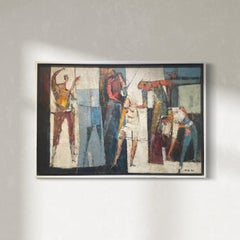
This Modern abstract figurative painting by Stanley Bate features abstracted figures in motion, placed in front of a geometric background with white, maroon, and blue squares tiled n...
Category

1960s Modern Abstract Paintings

Materials

Oil, Canvas

"Cathedral, " 1960s Modern Abstract Painting
By Stanley Bate
Located in Westport, CT
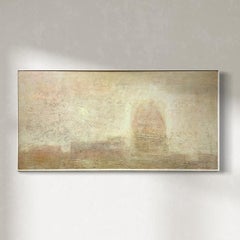
This Modern abstract painting by Stanley Bate has a light beige, creme, and warm sepia palette. The textured painting has darker shapes that run the length of the bottom of the compo...
Category

1960s Modern Abstract Paintings

Materials

Canvas, Oil

"Common Core, " Abstract Heron Painting
By Ned Martin
Located in Westport, CT
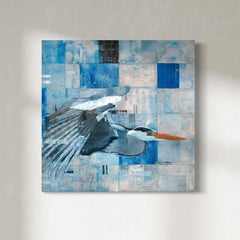
This abstract painting by artist Ned Martin features a blue heron in profile, looking to the right side of the canvas. The background is composed of blue, silver, and black squares t...
Category

2010s Abstract Abstract Paintings

Materials

Oil, Panel