Qing Ceramics

QING STYLE

The last imperial dynasty from 1644 to 1912 was a time of change in China, beginning with the invasion by Manchurian forces that ended the Ming dynasty and established the Shunzhi Emperor. The expansion of exportation and trade that had bolstered the arts during the Ming era continued, as Qing dynasty furniture involved the same attention to craftsmanship with expert construction techniques in hardwood pieces that were assembled with mortise and tenon joints rather than nails or glue. Together, these eras comprise a golden age of Chinese furniture design.

Ming-style furniture is simple and elegant with clean lines. Chairs of the period and other Ming furniture made an impression on Scandinavian modernist Hans Wegner and his streamlined seating, for example. Whereas Qing-style furniture is elaborate, with an increasing influence from the West leading to lavish carving inspired by the European Baroque and Rococo styles. And while many of the forms that define examples of the latter are common within classical Chinese furniture, such as curving and folding chairs as well as large screens, Qing designs are laden with ornamentation. Frequently, the carved motifs and inlaid designs in mother-of-pearl were auspicious, such as peonies for wealth or dragons for luck. Bats were symbols of happiness in the design of Qing furniture, with one of the characters in the word for bat, bianfu, being a homophone for fu, or “fortune.”

While several types of wood were used in the construction of Qing beds, tables, storage pieces and seating, today’s collectors know that the most prized were the rare rosewoods zitan and huanghuali. They were both sourced from Hainan, China’s largest island, and are marked by a rich luster that occurs naturally, without the application of lacquer or other decorative materials. Many of the most popular woods were imported from southeast Asia, adding to their value. Red sandalwood was also sought after for its durability and connection with Chinese medicine, with some chairs being made for health benefits.

Find a collection of antique Qing tea tables, stools, benches, decorative objects and more furniture on 1stDibs.

to
191
317
219
670
4
87
54
17
16
14
7
6
5
5
4
3
3
2
2
2
1
257
214
199
4
114
27
7
11
1
4
1
1
10
665
510
20
15
11
667
646
617
24
15
674
674
674
1
1
Style: Qing
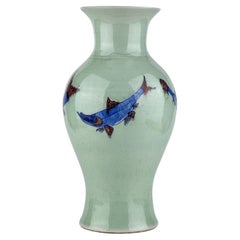
Underglaze Blue and Copper Red Yuhuchunping, Late Qing Dynasty
Located in seoul, KR
This Qing Dynasty Yuhuchunping features a soft pale green glaze applied evenly across its surface, exhibiting fine crackles that enhance its aged character. The vase has a gracefully...
Category

19th Century Hong Kong Antique Qing Ceramics

Materials

Ceramic

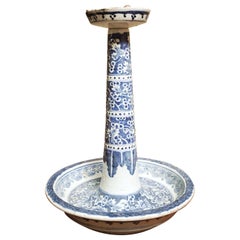
19th Century Chinese Blue and White Porcelain Candle Stand
Located in Dallas, TX
A 19th century Chinese blue and white porcelain candle stand.
Category

Late 19th Century Chinese Antique Qing Ceramics
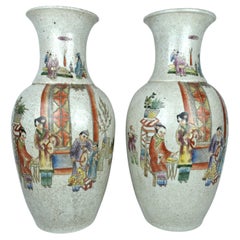
Pair of Chinese Hand Painted Ceramic Vases, 20th Century
Located in Islamabad, PK
The pair of Chinese hand-painted porcelain vases are exquisite examples of traditional Chinese artistry, capturing scenes of daily life and celebrating the rich cultural heritage of ...
Category

20th Century Chinese Qing Ceramics

Materials

Ceramic, Porcelain

Pair Chinese Porcelain Underglaze Blue White Melons Covered Lobed Vase Early 20c
Located in Richmond, CA
An exquisite pair of early 20th-century blue and white covered lobed baluster vases, a true embodiment of the artistic brilliance that characterizes this period in Chinese porcelain ...
Category

20th Century Chinese Qing Ceramics

Materials

Porcelain

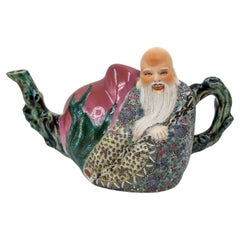
Chinese Porcelain Famille Rose Fencai Peach Sage Ewer Fu Jian Hui Guan Mark 20c
Located in Richmond, CA
Step into a vivid chapter of Chinese history with this exquisite Chinese vintage porcelain polychrome ewer, a piece that embodies the rich cultural and artistic tapestry of the late Qing to early Republic period. The ewer presents itself as a large, vibrant peach, a symbol of longevity and immortality in Chinese culture, offering a visual treat with its intricate detailing and vibrant hues. Beside the peach sits a bearded sage in robes, a figure that brings a touch of wisdom and reverence to the piece. The sage, depicted in a contemplative pose, adds a layer of narrative depth to the ewer, inviting viewers to delve into the stories and philosophies of ancient China. The ewer's handle and spout, crafted to resemble branches, blend seamlessly with the overall design, adding a touch of natural elegance to the piece. A significant highlight of this ewer is the apocryphal "Fu Jian Hui Guan" seal mark found on its flat bottom, a mark that evokes a rich history. The original Fu Jian Hui Guan, also known as the Tianhou Xinggong, is a closed classical temple built in 1884 and completed in 1906, serving as a place of worship for the sea goddess Mazu, showcasing the typical Minnan style. This establishment, popular among overseas Chinese communities, particularly in Southeast Asia, became a hub for the creation of porcelain sculptures, often depicting deities, under the influence of renowned artists like You Zechang. These creations, distinct in style and highly revered, found a cherished place in the hearts of overseas Chinese communities, marking a significant chapter in the history of Chinese porcelain artistry. This vintage ewer...
Category

Mid-20th Century Chinese Qing Ceramics

Materials

Porcelain

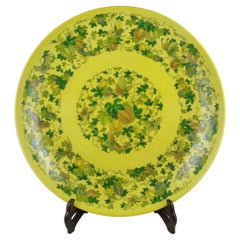
Large Chinese Porcelain Famille Jeune Sancai Melons Yellow Charger Modern 20c
Located in Richmond, CA
A large Chinese famille jeune porcelain charger, finely hand decorated in sancai with a center medallion and a band of melons on vines and foliage. This impressive charger measures ...
Category

20th Century Chinese Qing Ceramics

Materials

Porcelain

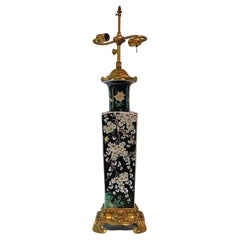
Famille Noire Chinese Porcelain Ormolu Bronze Mounted Table Lamp
Located in New York, US
Our Qing period Chinese famille noire porcelain vase with rouleau shape featuring lovely plum blossoms on a black ground has been mounted as a lamp with ormolu bronze mounts in the Louis XV style. With fine brass hardware including two sockets and cloth-sheath wiring dating from no later than the 1920s. Provenance: Alan Hartman. An admired collector and dealer of Chinese artwork...
Category

Late 19th Century Chinese Antique Qing Ceramics

Materials

Bronze

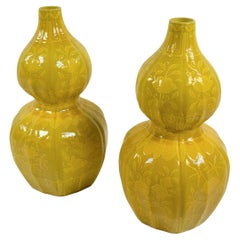
Chinese Porcelain Yellow Glazed Double Gourd Bottle Vase Pair
Located in Islamabad, PK
A stunning pair of Asian Chinese porcelain vases, adorned with a beautiful floral motif, featuring a vibrant yellow color scheme. These vases are designed in the shape of double gourds, symbolizing good fortune and prosperity in Chinese culture. Crafted with exceptional attention to detail, the porcelain vases showcase intricate hand-painted floral patterns that reflect the rich heritage of Chinese artistry. Delicate blossoms and lush foliage in various shades of pink, red, and green gracefully intertwine across the surface of the vases, creating a captivating visual display. The yellow glaze of the vases adds a touch of warmth and radiance to any space, making them an excellent decorative choice for both traditional and contemporary interiors. The glossy finish enhances the vibrancy of the colors and lends an air of elegance and sophistication to the overall design. Standing at an impressive height, the vases make a striking statement piece. They feature a slender neck that gradually widens into a rounded body, mirroring the shape of a gourd. The double-gourd form symbolizes harmony and abundance, making these vases not only visually appealing but also culturally significant. Whether displayed individually or as a pair, these porcelain vases are sure to become the focal point of any room. They are perfect for showcasing fresh or dried flowers, adding a touch of nature's beauty to your living space. Alternatively, they can be admired as standalone decorative objects, exuding timeless charm and artistic craftsmanship. Each vase has been meticulously crafted by skilled artisans, ensuring exceptional quality and durability. They are in pristine condition, making them a valuable addition to any collection or a thoughtful gift for collectors and enthusiasts of Chinese art. Embrace the allure of Asian Chinese aesthetics with this exquisite pair of floral motif yellow double gourd bottle...
Category

Late 20th Century Chinese Qing Ceramics

Materials

Ceramic, Porcelain

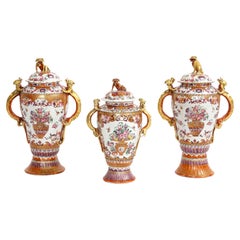
18th C. Chinese Porcelain Famille Rose Mandarin 3-Piece Vase Garniture Set
Located in New York, NY
An 18th century Chinese Porcelain Famille Rose Mandarin 3-Piece vase Garniture Set. A status symbol between the 17th and 19th centuries, most garniture sets have by now been damaged or broken up with the individual pieces sold off. Few complete sets now exist, and even fewer survive in their original state, which makes this beautifully painted set of three Chinese Porcelain Famille Rose vases so much more special. With mandarin orange and gilt unusually bold and swooping dragon handles, each delicately decorated vase is completed with a lid seating a gloriously pompous foo dog. The bodies are decorated with hand painted famille rose flowerpot cartouches, as well as, chirping birds, and banded flowers and vines. The exquisite hand painted tastefully colored floral displays each with their own hand painted vase creates a freshness and inspires within us the IDEA for further additions of fresh flowers within the home. One of the porcelain, three (3) piece garniture set, is smaller and has a variation of banded colors around its fluted foot, lending just the right amount of visual variation to this gorgeous trio. The white porcelain bulbous bodies are further decorated with colorful insects...
Category

18th Century Chinese Antique Qing Ceramics

Materials

Porcelain

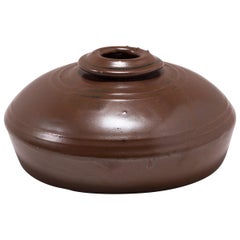
Chinese Quilt Warmer Vessel, circa 1900
Located in Chicago, IL
This unusual squat vessel would have been kept near a Kang platform to warm one's blankets before bed. Much like a hot water bottle, the ceramic vessel was filled with hot water thro...
Category

Early 20th Century Chinese Qing Ceramics

Materials

Ceramic

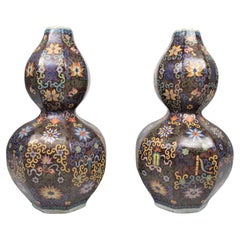
Pair of Large Cloisonné Enamel Double Gourd Bottle Vases Late Qing Dynasty
Located in Islamabad, PK
A Pair Of Large Cloisonne´ Enamel Double Gourd Bottle Vases Late Qing Dynasty, 19th century The Chinese bottle vases are made of porcelain with an intr...
Category

19th Century Chinese Antique Qing Ceramics

Materials

Metal, Enamel

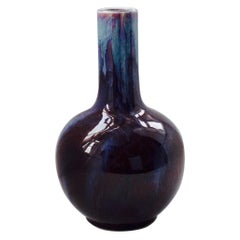
20th Century Chinese Flambe Glazed Bottle Vase
Located in Petworth, West Sussex
A Chinese flambe glazed bottle vase with Jingdezhen Zhi seal mark, 20th century, in Qing style, with a purple-streaked upper section, seal ma...
Category

Early 20th Century Chinese Qing Ceramics

Materials

Ceramic

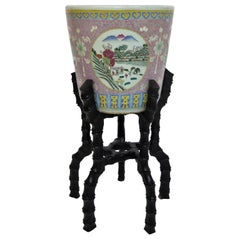
Large 19th Century Chinese Porcelain Jardinière on Carved Wooden Stand
Located in Dallas, TX
Beautiful large Chinese enameled porcelain jardiniere with carved wooden stand. Jardiniere features a white background with four round medallions depicting country life scenes. Decor...
Category

Late 19th Century Chinese Antique Qing Ceramics

Materials

Ceramic, Wood

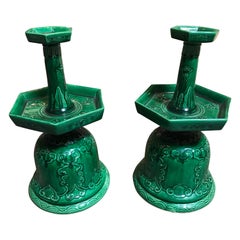
Green Ceramic Chinese Candlesticks
Located in Dallas, TX
These green ceramic Chinese candlestick holders come in a pair. They are glazed and include several interesting handmade designs and patterns...
Category

1930s Chinese Vintage Qing Ceramics

Materials

Ceramic

Qing ceramics for sale on 1stDibs.

Find a broad range of unique Qing ceramics for sale on 1stDibs. Many of these items were first offered in the Early 20th Century, but contemporary artisans have continued to produce works inspired by this style. If you’re looking to add vintage ceramics created in this style to your space, the works available on 1stDibs include asian art and furniture, decorative objects, serveware, ceramics, silver and glass and other home furnishings, frequently crafted with ceramic, porcelain and other materials. If you’re shopping for used Qing ceramics made in a specific country, there are Asia, China, and East Asia pieces for sale on 1stDibs. While there are many designers and brands associated with original ceramics, popular names associated with this style include and He Chaozong. It’s true that these talented designers have at times inspired knockoffs, but our experienced specialists have partnered with only top vetted sellers to offer authentic pieces that come with a buyer protection guarantee. Prices for ceramics differ depending upon multiple factors, including designer, materials, construction methods, condition and provenance. On 1stDibs, the price for these items starts at $88 and tops out at $86,500 while the average work can sell for $1,646.

Still Thinking About These?

All Recently Viewed