Hong Kong Asian Art and Furniture

to
4
17
7
147
2
2
3
1
1
1
1
118
8
21
4
6
6
6
2
1
1
1
3
1
126
55
23
18
17
6,153
17,175
12,845
6,952
5,182
151
149
149
2
2
1
1
1
Place of Origin: Hong Kong
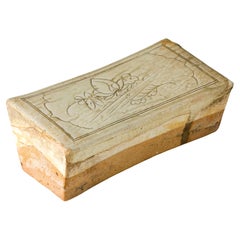
Cizhou Rectangular Pillow with Carved Decoration, Yuan Dynasty
Located in seoul, KR
Cizhou ware is known for its robust forms and freely applied decoration, often featuring a white slip under clear glaze. The pillow is rectangular, with a slightly curved top surface to accommodate the head of the sleeper. The decoration on this pillow features an incised design, delineated with fine lines to create a clear and simplistic representation. The motif includes floral elements, likely peony or chrysanthemum, and foliage, which were popular during the Song and Yuan periods. The carving is subtle yet skillful, showing the artistry and aesthetic preferences of the era. Period : Yuan Dynasty, 13th-14th Century Type : Pillow Medium : Cizhou Ware Provenance : Acquired in late 1990s from Hongkong Reference : 1) Datong Museum - Cizhou Pillow...
Category

15th Century and Earlier Antique Hong Kong Asian Art and Furniture

Materials

Pottery, Stoneware

Two Glazed Court Attendants, Ming Period (1368-1644)
Located in seoul, KR
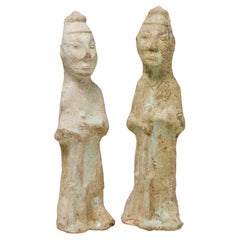
Two finely hollow-moulded terracotta statuettes from ancient China, dating to the Ming Dynasty. The figure is depicted standing, dressed in long, flowing robes, painted in vibrant blue or green and deep amber yellow. The hair is styled into an elaborate top-knot, painted in a muted brown. Areas left unpainted would have been 'cold-painted' after firing, contrasting with the vivid fired blue or green and amber pigments. The figure is shown with the left hand raised to the chest, as if holding something, possibly an offering or incense. Figurines like this were placed in tombs to guide the deceased on their journey to the afterlife. The Ming Dynasty was known for its exceptional artistic achievements, partly due to its economic prosperity. Since the Han Dynasty, it was customary to bury terracotta miniatures of everyday objects with the deceased. These items, known as mingqi, or "spirit utensils" and "vessels for ghosts," were believed to help and assist the deceased in the afterlife. Mingqi were crafted in the form of cooking utensils, miniature replicas of houses, temples, furniture, and other items. Anthropomorphic and zoomorphic terracotta figures were also popular, designed to assist, entertain, and recreate the living world for the deceased. Period: Ming Dynasty Medium: Green/blue-glazed Pottery Type: Figure Provenance : Acquired in late 1990s from Hongkong Reference : 1) Ancient & Oriental - Terracotta Tomb Attendants (Type : Highly related) 2) La Maison De La Petite Sara S.r.l. - Archaeology section - A Black glazed Terracotta Statuette, Servant with Trumpet, Ming Dynasty (Price realised : 700 GBP / Type : Highly related) * Ming Dynasty Glazed Pottery Figures Ming Dynasty glazed pottery figures are renowned for their bold color palette, intricate detailing, and lifelike forms, distinguishing them from earlier traditions. These figures, which depict officials, warriors, animals, and mythical creatures, are characterized by high-gloss lead-based glazes in green, amber, ochre, and sancai (three-color) combinations. The thickly applied glaze pools in recesses, creating depth and enhancing sculptural details. With dynamic postures, expressive facial features, and meticulously rendered drapery, these figures reflect the period’s advancement in ceramic craftsmanship, offering a greater sense of movement and realism compared to the rigid and stylized forms of earlier dynasties. A defining characteristic of Ming glazed pottery is its elaborate surface detailing, often achieved through raised relief elements and contrasting glazes. Equestrian figures, for example, feature carefully sculpted saddles, harnesses, and decorative embellishments, while human figures are adorned with intricate robes and headdresses. The large scale of these tomb figures, often more imposing than those from previous periods, underscores the increasing importance of funerary art during the Ming era. Unlike later Qing Dynasty figures...
Category

15th Century and Earlier Ming Antique Hong Kong Asian Art and Furniture

Materials

Pottery

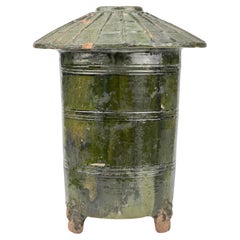
Funerary Model of a Granary, Han dynasty
Located in seoul, KR
Cylindrical vessel on three animal-shaped feet (dragon or snake), wall with profile grooves, roof. Ceramic with green transparent glaze. "Iridescence" is observed in surface. Period...
Category

15th Century and Earlier Han Antique Hong Kong Asian Art and Furniture

Materials

Stoneware

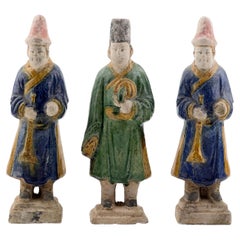
Three Glazed Figures of Musicians, Ming Period (1368-1644)
Located in seoul, KR
Statues of Chinese musicians crafted from terracotta, featuring glazes in green, blue with nice condition. Set on rectangular bases. Compared to other figures, musician figures are relatively rare, two figures with distinctive instrument from that era. Period: Ming Dynasty Medium: Green and Blue glazed Pottery Type: Figure Provenance : Acquired in early 2000s from Hongkong Reference : 1) V&A Museum - Accession number C.1501913 (Type : Closely related) * Ming Dynasty Glazed Pottery Figures Ming Dynasty glazed pottery figures are renowned for their bold color palette, intricate detailing, and lifelike forms, distinguishing them from earlier traditions. These figures, which depict officials, warriors, animals, and mythical creatures, are characterized by high-gloss lead-based glazes in green, amber, ochre, and sancai (three-color) combinations. The thickly applied glaze pools in recesses, creating depth and enhancing sculptural details. With dynamic postures, expressive facial features, and meticulously rendered drapery, these figures reflect the period’s advancement in ceramic craftsmanship, offering a greater sense of movement and realism compared to the rigid and stylized forms of earlier dynasties. A defining characteristic of Ming glazed pottery is its elaborate surface detailing, often achieved through raised relief elements and contrasting glazes. Equestrian figures, for example, feature carefully sculpted saddles, harnesses, and decorative embellishments, while human figures are adorned with intricate robes and headdresses. The large scale of these tomb figures, often more imposing than those from previous periods, underscores the increasing importance of funerary art during the Ming era. Unlike later Qing Dynasty figures...
Category

15th Century and Earlier Ming Antique Hong Kong Asian Art and Furniture

Materials

Pottery

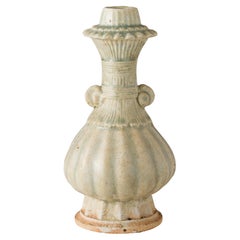
Porcelain with transparent pale-bluish (qingbai-type) glaze, Yuan Dynasty
Located in seoul, KR
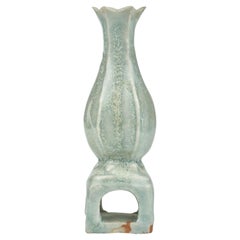
This piece is shaped like a lotus bud, featuring a gracefully undulating body and intricate geometric patterns. The neck is adorned with finely incised dense lines, adding visual var...
Category

15th Century and Earlier Antique Hong Kong Asian Art and Furniture

Materials

Ceramic, Porcelain

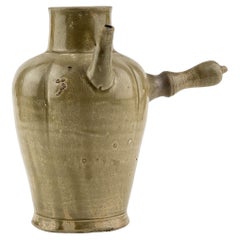
Celadon Ewer with Straight Handle, Tang to Northern Song Dynasty
Located in seoul, KR
Celadon-glazed ewer characterized by its simple and functional design. The piece features a straight handle extending horizontally from the body and a short spout for pouring liquids...
Category

15th Century and Earlier Tang Antique Hong Kong Asian Art and Furniture

Materials

Celadon

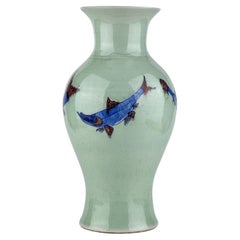
Underglaze Blue and Copper Red Yuhuchunping, Late Qing Dynasty
Located in seoul, KR
This Qing Dynasty Yuhuchunping features a soft pale green glaze applied evenly across its surface, exhibiting fine crackles that enhance its aged character. The vase has a gracefully...
Category

19th Century Qing Antique Hong Kong Asian Art and Furniture

Materials

Ceramic

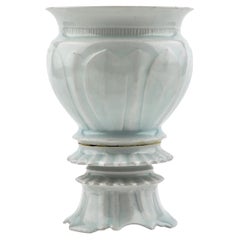
Qingbai Lotus Censer, Song Dynasty
Located in seoul, KR
This exquisite Qingbai piece, acquired in Hong Kong in the late 1990s, is a high-quality artifact from the Southern Song Dynasty, likely produced at the Hutian Kiln. The base exhibit...
Category

15th Century and Earlier Antique Hong Kong Asian Art and Furniture

Materials

Ceramic

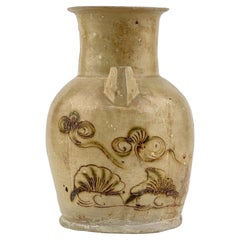
Changsha ewer, Tang Dynasty(618-907)
Located in seoul, KR
Changsha Ware has distinct and recognizable designs and motifs. Painted designs often depict flowers, vines, clouds and mountain landscapes. Some painting is simply splotches of colo...
Category

15th Century and Earlier Tang Antique Hong Kong Asian Art and Furniture

Materials

Stoneware

Rare Cizhou Mandarin duck and Reishi mushroom Painted Pillow, Jin-Song Dynasty
Located in seoul, KR
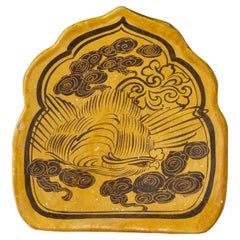
Mandarin ducks symbolize eternal love and fidelity in East Asian culture, often representing marital harmony as they are believed to mate for life. Reishi mushrooms, known as symbols of longevity and health, are revered in traditional Asian medicine for their association with immortality and have been used for centuries to promote vitality and strengthen the immune system. The orange glaze is commonly found on Cizhou-type tiger pillows. The attached materials indicate that this tiger pillow is from the same period and shares the same color tone as the one housed in the Baoji Bronzeware Museum, a national museum located in Shaanxi Province. Considering the glaze color, painting style, and shape, it is speculated that this piece was used by the imperial court. Period : Jin-Song Dynasty(12-13th century) Type : Pillow Medium : Cizhou Ware Size : 28 cm(Width), 30cm(Vertical), 16cm(Height) Provenance : Acquired in late 1990s from Hongkong Reference 1) Christies Hongkong 9 OCT 2019 - The Pavilion Sale - Chinese Ceramics and Works of Art Including the Quek Kiok Lee Collection (Price realised : HKD 225,000 / Type : related) 2) The Baoji Bronzeware Museum, Shaanxi Province - Tiger Cizhou Pillow...
Category

15th Century and Earlier Antique Hong Kong Asian Art and Furniture

Materials

Pottery

Amber-Glazed Pottery Figure of Dog
Located in seoul, KR
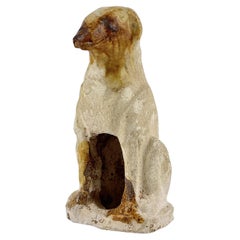
A Dog sitting on his haunches, covered in an amber glaze. Naturalistically modeled, the figure follows the artistic style of the period. It remains uncertain whether the glaze has wo...
Category

15th Century and Earlier Tang Antique Hong Kong Asian Art and Furniture

Materials

Pottery

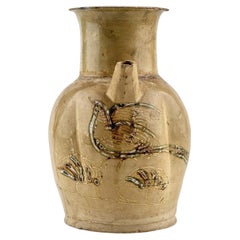
Green-glazed Pottery Amphora with Brown glazed Phoenix, Tang-Liao Dynasty
Located in seoul, KR
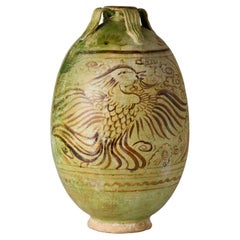
The vessel has an overall oval shape, characterized by smooth curves that transition naturally from the rim to the body. The upper part of the jar narrows slightly, with four handles...
Category

15th Century and Earlier Tang Antique Hong Kong Asian Art and Furniture

Materials

Pottery

Black-glazed Lion Pillow, Northern Song-Jin Dynasty
Located in seoul, KR
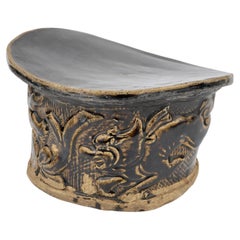
Black-glazed ceramic pillow, frequently-produced during the Jin dynasty. Similar piece can be found in the Guanfu Museum, where there are black-glazed pillows...
Category

15th Century and Earlier Antique Hong Kong Asian Art and Furniture

Materials

Ceramic

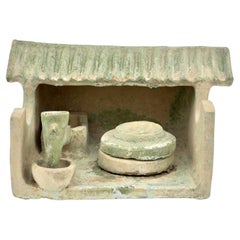
Milling Shed pottery with Green Glaze, Eastern Han Dynasty
Located in seoul, KR
Made from the standard orange earthenware body of Han green glazed tomb models, this miniature milling station features a circular millstone and a foot...
Category

15th Century and Earlier Han Antique Hong Kong Asian Art and Furniture

Materials

Earthenware, Pottery

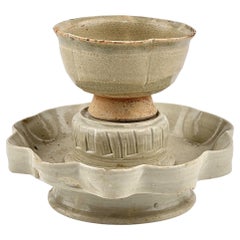
Stem Cup and Stand, Song Dynasty(960~1279)
Located in seoul, KR
Five-lobed cup, featuring a delicate rim, is supported by a short, gently spreading foot. The accompanying stand rises elegantly from a broad base to a plate with an elevated, foliat...
Category

15th Century and Earlier Antique Hong Kong Asian Art and Furniture

Materials

Ceramic

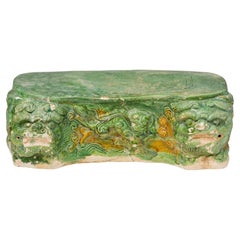
A Sancai-glazed pottery Haitai Pillow, Tang dynasty
Located in seoul, KR
The pillow is intricately decorated with a vibrant pattern, demonstrating the craftsmanship and artistic sensibilities of the period. The Haitai is a creature from Chinese mythology,...
Category

15th Century and Earlier Tang Antique Hong Kong Asian Art and Furniture

Materials

Earthenware, Pottery

White Ware Moulded Baluster Form, Yuan Dynasty, 14th century
Located in seoul, KR
This vase is made from a type of low-fired, porous clay and features a crackled glaze. It bears resemblance to the renowned funerary vases and covers adorned with applied decorations...
Category

15th Century and Earlier Antique Hong Kong Asian Art and Furniture

Materials

Ceramic, Porcelain

Small Qingbai Pear-Shaped Vase, Song-Yuan Dynasty(13-14th century)
Located in seoul, KR
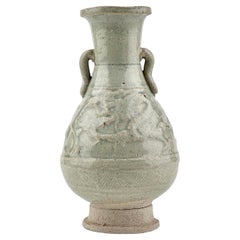
This exquisite piece is a Qingbai ware from the Song to Yuan dynasty, and it appears to be an excavated artifact given its earthy encrustations, suggesting it has rested in the groun...
Category

15th Century and Earlier Antique Hong Kong Asian Art and Furniture

Materials

Ceramic, Porcelain

White Ware with two dragons, Yuan Dynasty, 13-14th century
Located in seoul, KR
This vase is made from a type of low-fired, porous clay and features a crackled glaze. It bears resemblance to the renowned funerary vases and covers adorned with applied decorations...
Category

15th Century and Earlier Antique Hong Kong Asian Art and Furniture

Materials

Ceramic, Porcelain

Guardian Official Pottery Figure
Located in seoul, KR
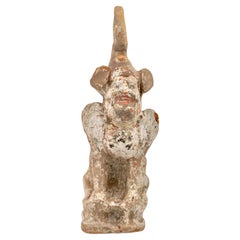
This figure appears to be a terracotta statuette, possibly representing a court official or a deity given the distinct headgear which could signify a rank or divine attribute. The style of the figurine, with its facial features and remnants of paint, suggests it could be a part of funerary art, which was common in Chinese culture during these periods. Date : Northern Wei...
Category

15th Century and Earlier Tang Antique Hong Kong Asian Art and Furniture

Materials

Earthenware, Pottery

Two Green glazed Figures Holding Pitchpork
Located in seoul, KR
Han dynasty pottery tomb figure, modelled standing holding a Pitchpork in front of his body, covered in a turquoise-green glaze. These two pieces are believed to have been produced i...
Category

15th Century and Earlier Han Antique Hong Kong Asian Art and Furniture

Materials

Pottery

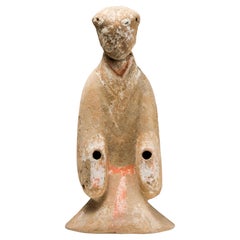
Large Pottery Standing Figure of Attendant
Located in seoul, KR
The statuette shows traces of the original red, black, and white pigmentation. The figure’s body, head, and hands (which in this case are lost) were all made separately to give her an essence of movement and dynamism. Given its almost identical shape to the piece from the Artemis Gallery...
Category

15th Century and Earlier Han Antique Hong Kong Asian Art and Furniture

Materials

Pottery

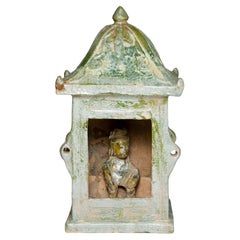
Green-glazed model of a shrine, Han dynasty
Located in seoul, KR
It has a pyramidal roof topped with a finial, ornamental ridges, and faux doors and windows that are characteristic of Chinese sacred architecture of the period. Period : Han Dynast...
Category

15th Century and Earlier Han Antique Hong Kong Asian Art and Furniture

Materials

Stoneware

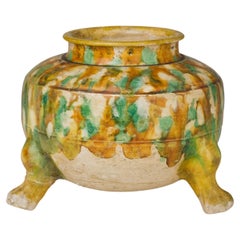
Sancai-Glazed Pottery Tripod Jar, Tang Dynasty
Located in seoul, KR
The globular body is supported on three claw feet and is covered in a splashed-glaze of amber, green and cream color, which stops short of the unglazed base. Date : Tang Dynasty(61...
Category

15th Century and Earlier Tang Antique Hong Kong Asian Art and Furniture

Materials

Earthenware

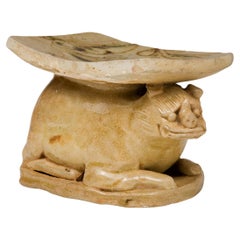
Rare Lion Figurine Pillow, Tang Dynasty(618-907)
Located in seoul, KR
To meet overseas demand, shapes of Changsha wares were also greatly influenced by exotic elements from beyond China. For example, lion-shaped artifacts were found, as were a number o...
Category

15th Century and Earlier Tang Antique Hong Kong Asian Art and Furniture

Materials

Stoneware

Changsha ewer, Tang Dynasty(618-907)
Located in seoul, KR
Changsha Ware has distinct and recognizable designs and motifs. Painted designs often depict flowers, vines, clouds and mountain landscapes. Some painting is simply splotches of colo...
Category

15th Century and Earlier Tang Antique Hong Kong Asian Art and Furniture

Materials

Stoneware

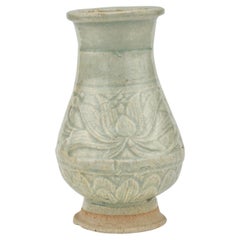
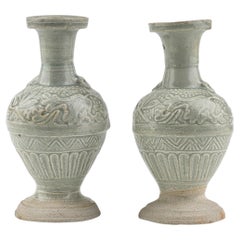
Two white ware vases with flower design, Yuan Dynasty, 14th century
Located in seoul, KR
Porcelain with transparent pale-green (qingbai-type) glaze with flower, leaves and lotus design of typical yuan dynasty. Period : Yuan Dynasty(1271-1368) Type : Baluster vase Medium...
Category

15th Century and Earlier Antique Hong Kong Asian Art and Furniture

Materials

Ceramic, Porcelain

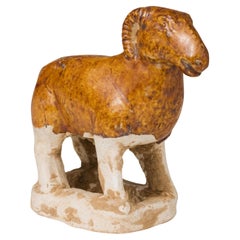
Amber-Glazed Pottery Figure of Sheep
Located in seoul, KR
Naturalistically modelled, standing on a rectangular base with head facing forward, incised details and covered overall in a rich chestnut glaze save for the hooves and base. Date :...
Category

15th Century and Earlier Tang Antique Hong Kong Asian Art and Furniture

Materials

Pottery

Changsha Ewer, Tang Dynasty
Located in seoul, KR
It features two small lug handles on either side of the neck and a spout opposite the main handle. This ewer might have been used for wine or other liquids, which were poured through...
Category

15th Century and Earlier Tang Antique Hong Kong Asian Art and Furniture

Materials

Pottery, Stoneware

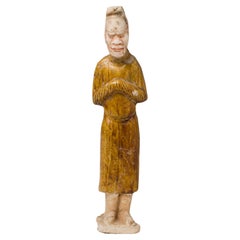
Amber-Glazed Pottery Figure Of A Foreign Official
Located in seoul, KR
The figure stands with arms crossed in front, a pose that is often seen in tomb figurines which were intended to serve the deceased in the afterlife. The long robe and facial feature...
Category

15th Century and Earlier Tang Antique Hong Kong Asian Art and Furniture

Materials

Earthenware

Anglo Asian Cane Daybed
Located in Asheville, NC
Solid wood with cherry stain and wicker webbing. Covered with a removable fabric piece. Two drawers on each end and Yin Yang carvings. Cane needs repair.
Category

Early 20th Century Tibetan Hong Kong Asian Art and Furniture

Materials

Cherry

Still Thinking About These?

All Recently Viewed