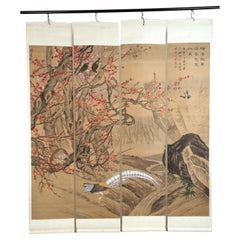
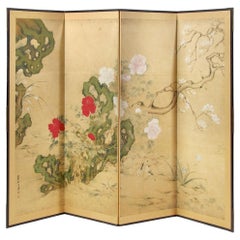
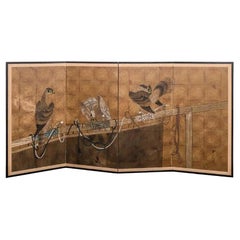
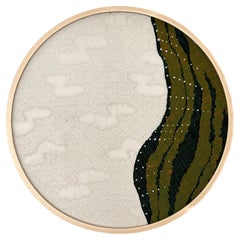
Japonisme Paintings and Screens

JAPONISME STYLE

In the late 19th and early 20th century, France developed an enduring passion for Japanese aesthetics and craftsmanship. Not only did this interpretation of Japanese culture — which became known as Japonisme — infuse fresh energy into French art and design, but it also radically transformed how Europeans, and subsequently the world, would come to understand visual culture. 

Until 1853, Japan had been closely guarded against foreign visitors for over two centuries. However, American Commodore Matthew C. Perry sailed into Japan that year and initiated the first of its treaties with the United States and Europe, thereby opening its borders and giving the West its first-ever look at Japanese design. 

For the next few decades, taken with Japonisme, sophisticated collectors in Paris, New York and elsewhere gorged themselves on lacquered screens, celadon ceramics and netsuke ornaments, along with artworks depicting various aspects of Japanese life. The East Asian country’s influence on Europe, particularly France, contributed to one of the most creatively prosperous periods in history, leaving an imprint on the Impressionist, Art Nouveau and Art Deco movements, and inspiring artists like Edgar Degas, Mary Cassatt, Vincent van Gogh as well as luxury houses such as Louis Vuitton and Hermès. Japonisme emerged at the time when the ornate Renaissance Revival style was the most prominent mode of decorating in Europe, and Japanese aesthetics seemed strikingly modern and elegant in comparison. 

In addition to everyday practical objects from Japan, such as vases, tableware and decorative boxes, Japanese art, especially Japanese woodblock prints by masters of the ukiyo-e school, caught the eye of many artists — particularly those in the Art Nouveau poster community in 1880s Paris. The luscious organic colors associated with traditional Japanese design, motifs like cherry blossoms and carp and the vivid patterns found in woodblock prints, silks and more were adopted and appropriated by painters as well as ceramicists and those working in other fields of the decorative arts. Today, demand for Japanese lacquerware — furniture, trays, writing boxes, screens, incense burners — from the Edo period (1615–1868) and the late 19th century continues to be very strong among collectors.

Find a collection of antique Japonisme furniture and decorative objects on 1stDibs.

to
2
26
9
67
4
66
45
29
17
11
6
5
5
2
2
2
2
1
1
4
15
48
4
17
15
14
6
7
1
2
11
7
3
44
43
37
23
17
70
69
69
1
1
71
71
71
26
2
1
1
Style: Japonisme
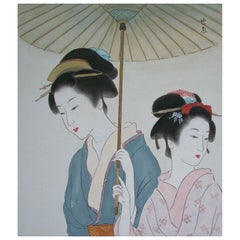
Vintage Japanese Watercolor Painting of Two Geisha, Signed, Late 20th Century
Located in Chatham, ON
Vintage watercolor painting of two Geisha under an umbrella - watercolor over graphite with gold gilt border - signed upper right (unidentified artist/maker...
Category

Late 20th Century Japanese Japonisme Paintings and Screens

Materials

Paint, Paper

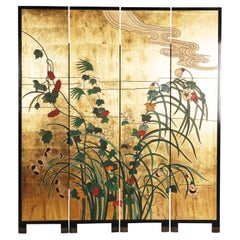
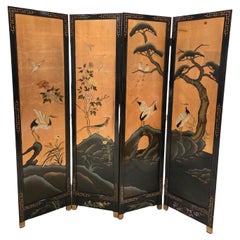
Vintage Gold Leaf Lacquer Asian-Inspired Four-Panel Folding Screen
Located in Sheridan, CO
Vintage Black and Gold Leaf Lacquer Asian-Inspired Four-Panel Folding Screen. An Asian-Inspired Four-Panel Screen depicting colorful foliage, floral and grasses on a stunning gold le...
Category

1950s Japanese Vintage Japonisme Paintings and Screens

Materials

Gold Leaf

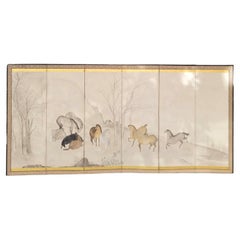
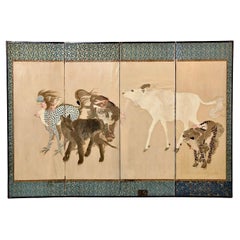
Kano School Japan Byôbu Screen “Wild Horses”, Kano School, Edo period
Located in Valladolid, ES
One of a kind Japanese folding screen, or byōbu, with six panels depicting a delicate and graceful scene of wild horses in a natural setting. Masterfully painted with ink and waterco...
Category

1850s Japanese Antique Japonisme Paintings and Screens

Materials

Brass

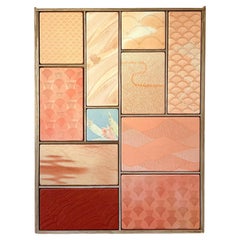
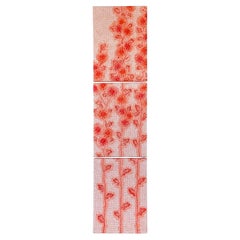
Antique kimono textile art " Kobachi ~ Coral Collection ~ " by ikasu Pink Japan
Located in Setagaya City, JP
[Story behind the work] This work is inspired by the coral color palette, and is framed in paulownia wood originally used for a kimono chest-of-drawers. It is elegantly framed with ...
Category

1920s Japanese Vintage Japonisme Paintings and Screens

Materials

Silk, Wood

Japanese Kyoto Embroidered Screen
Located in Pasadena, CA
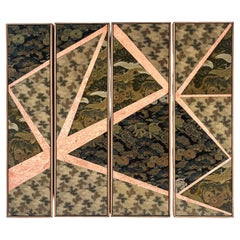
This is a finely stitched Kyoto embroidery screen that dates to the Meiji Era (1868 - 1912). Kyoto has been celebrated for its skilled artistic embro...
Category

Late 19th Century Japanese Antique Japonisme Paintings and Screens

Materials

Brass

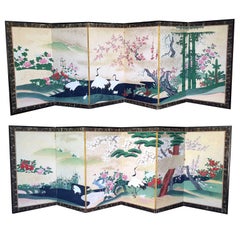
Hand Painted, 4 Panel Folding Screen with Crane Birds, Room Divider
Located in Waasmunster, BE
Hand Painted, 4 Panel Folding Screen with Crane Birds, Room Divider
Category

1970s Japanese Vintage Japonisme Paintings and Screens

Materials

Gold Leaf

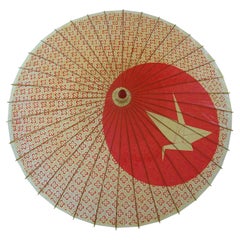
Vintage Bamboo Paper Wagasa Umbrella with Orizuru Print - Japan - Circa 1950 s
Located in Chatham, ON
Vintage bamboo and oiled paper Wagasa umbrella or parasol - large size - hand made - featuring an Orizuru (origami folded crane) print against a red circle - overall printed textile ...
Category

Mid-20th Century Japanese Japonisme Paintings and Screens

Materials

Bamboo, Paper

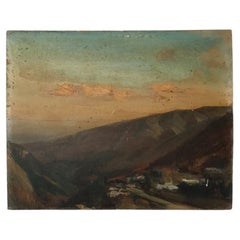
Morning of Gora Antique Japanese Oil Painting by Masuta Narahara
Located in Chiba, JP
Antique Japanese oil painting on wooden board, titled ‘Morning of Gora (Hakone, Japan)’, by Masuta Narahara (1888-1963). 27 x 21.5 x 0.5 cm (10.62 x 8.46 x 0.19in). Aged deteriorati...
Category

Early 20th Century Japanese Japonisme Paintings and Screens

Materials

Wood

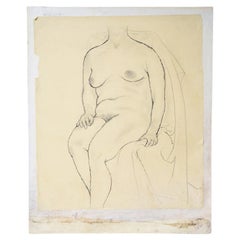
Vintage 20th century Japanese Nude Charcoal Nihonga Drawing by Eiki Tsukioka
Located in Chiba, JP
Charcoal on layered washi (Japanese paper) stuck on wooden canvas, 53 x 65.5 x 1.5cm (20.86 x 25.78 x 0.59in), by Eiki Tsukioka (1916-1997), as one of the leading Showa’s Nihonga (J...
Category

20th Century Japanese Japonisme Paintings and Screens

Materials

Paper, Wood

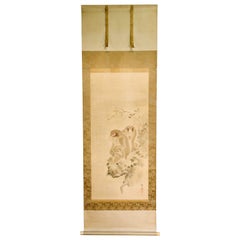
Japanese Silk Scroll Painting of Moneys Edo Period Mori Tetsuzan
Located in Atlanta, GA
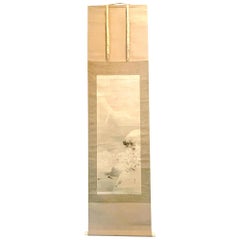
A Japanese mounted vertical hanging scroll painting by Mori Tetsuzan (Japanese, 1775-1841) circa 19th century Edo period. The watercolor and ink on silk ...
Category

19th Century Japanese Antique Japonisme Paintings and Screens

Materials

Silk, Paper

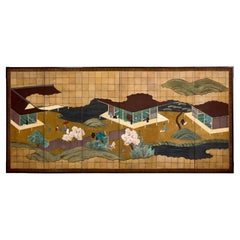
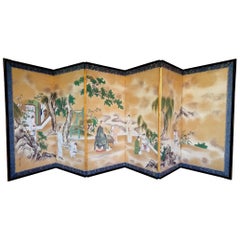
Japanese Byobu six panels screen on paper Edo Period 19th century
Located in Paris, IDF
Beautiful Edo period Japanese Byobu six panel screen from the early 19th century depicting scenes from the Tale of Genji, with pavilions, gardens and women of the court wearing kimon...
Category

19th Century Japanese Antique Japonisme Paintings and Screens

Materials

Paper

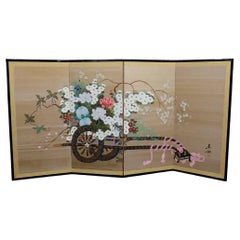
Japanese Mid-Century Modern 4-Panels Screen w/ Flower Cart, Ca. 1950
Located in New York, NY
Japanese Mid-Century Modern 4-Panels Screen w/ Flower Cart, Ca. 1950 DIMENSIONS Length: 71.5 inches Height: 36.5 inches
Category

1950s Japanese Vintage Japonisme Paintings and Screens

Materials

Wood

Mid 20th Century kimono textile art " Growing ~ Longevity ~" by ikasu Pink Japan
Located in Setagaya City, JP
<< About this canvas This set is a depiction of a tall chrysanthemum stem, entirely dyed in a traditional shibori technique. << Period / Story The haori featured in this canvas was created and used during the late Showa period (1960-80ies). << Explanation and meaning of pattern and colors A charming chrysanthemum flowers all around a stem seem to reach the heavens. The chrysanthemum flower, which retains its vitality long after being cut, symbolizes longevity, purification from malevolent spirits, and good fortune. In ancient times, during the Kamakura period (1185-1333), emperors loved the chrysanthemum pattern, and it remains the most prestigious flower and the emblem of the Japanese imperial family...
Category

1970s Japanese Vintage Japonisme Paintings and Screens

Materials

Canvas, Silk

Early 20th Century kimono textile art "Flower of Life ~Bonds~" by ikasu Japan
Located in Setagaya City, JP
[Story behind the work] This artwork uses two pieces - front and reverse sides of same vintage obi (sash for kimono) fabric, united in a symbol of bonds and unity in Eastern culture ...
Category

1960s Japanese Vintage Japonisme Paintings and Screens

Materials

Gold Leaf

Japanese two panels screen
Located in Brussel, BE
Breathtaking Japanese two panels screen. Flowers and birds painted on paper and gold leafs. Hugely decorative as a screen or hanging on a wall. Unique pi...
Category

Late 19th Century Japanese Antique Japonisme Paintings and Screens

Materials

Gold Leaf

Rare Antique Japanese Folding Screen by Kano Tanshin
By Kano Tanshin
Located in Atlanta, GA
An exquisite Japanese folding screen painted and signed by Kano Tanshin (Morimasa) (1658-1719), circa early Edo Period. An important member of the Kano painter family, the son of Kano Tanyu...
Category

17th Century Japanese Antique Japonisme Paintings and Screens

Materials

Brass

Set of Four Japanese Silk Hanging Scrolls Screens C.1920
Located in London, GB
A stunning set of four Japanese silk mounted vertical hanging scrolls. Dating from C.1920 Taisho Period. The watercolour and ink on silk depicts a larg...
Category

1920s Japanese Vintage Japonisme Paintings and Screens

Materials

Silk

Vintage Japanese Byobu Red Floral Gold Screen
Located in Locust Valley, NY
A vintage Japanese folding four panel screen showcases a serene hand-painted landscape set against a warm, gilded ground. Spanning multiple panels, the composition features gracefull...
Category

20th Century Japanese Japonisme Paintings and Screens

Materials

Silk, Paint, Paper

Japanese Art Deco 4-Panel Screen with Falcon, Ca. 1920
Located in New York, NY
Japanese Art Deco 4-Panel Screen with Falcon, Ca. 1920 DIMENSIONS Height: 36.25 inches Width: 71.25 inches
Category

1920s Japanese Vintage Japonisme Paintings and Screens

Materials

Wood

Early 20th Century kimono textile art "Sealine ~Transitions~ " by ikasu Japan
Located in Setagaya City, JP
[Story behind the work] This artwork uses two pieces - white vintage kimono fabric for sea and green vintage obi (sash for kimono) fabric for seashore, to depict a sealine from bird ...
Category

1960s Japanese Vintage Japonisme Paintings and Screens

Materials

Gold Leaf

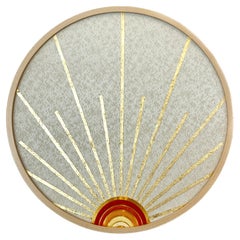
Early 20th Century kimono textile art " Rising Sun ~ Renewal ~ " by ikasu Japan
Located in Setagaya City, JP
[Story behind the work] This artwork uses vintage kimono fabric for background and embroidery inclusion from vintage obi (kimono sash) to depict the rising sun. Sunlight is created...
Category

1960s Japanese Vintage Japonisme Paintings and Screens

Materials

Gold Leaf

Japanese Art Deco 4-Panel Screen with Riders Taming Horses, Ca. 1960
Located in New York, NY
Japanese Art Deco 4-Panel Screen with Riders Taming Horses, Ca. 1960s DIMENSIONS Width: 97 inches Height: 48 inches
Category

Late 20th Century Japanese Japonisme Paintings and Screens

Materials

Wood

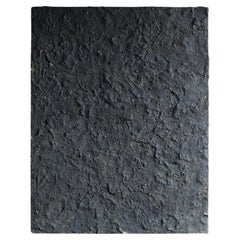
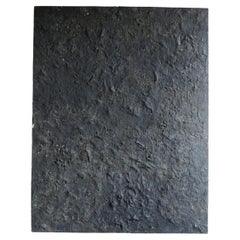
Tsumikasanattamono by Wataru Hatano BK Small_A
Located in Sammu-shi, Chiba
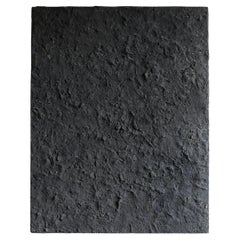
Japan / 2021s Size : W900 D25 H1200 mm Kuroya Washi artist Hatano Wataru's masterpiece "Stacked Things" series. Japanese paper, soil, pigments, etc. are layered on top of each other to express the beauty of what has been accumulated over the years. [Wataru Hatano...
Category

2010s Japanese Japonisme Paintings and Screens

Materials

Sandstone

Japanese Meiji Period Four-Panel Screen w Flying Cranes and Landscape, Ca. 1900
Located in New York, NY
Japanese Meiji Period Four-Panel Screen with Flying Cranes and Landscape, Ca. 1900 DIMENSIONS Wid...
Category

Early 1900s Japanese Antique Japonisme Paintings and Screens

Materials

Wood

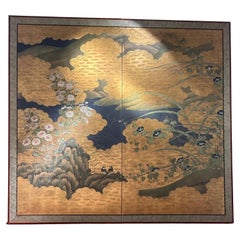
Japanese Two-Panel Screen with Chrysanthemums Morning Glory Flowers, Ca. 1900
Located in New York, NY
Japanese Two-Panel Screen with Chrysanthemums & Morning Glory Flowers, Ca. 1900 PERIOD Meiji/Taisho Period – ca. 1900/1920 DIMENSIONS Width: 54 inches Height: 53.5 inches
Category

Early 1900s Japanese Antique Japonisme Paintings and Screens

Materials

Wood

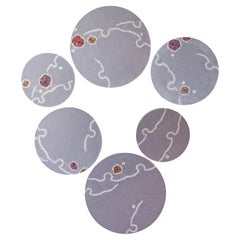
Vintage kimono textile art " Snowflake ~ New Beginnings ~" by ikasu Purple Japan
Located in Setagaya City, JP
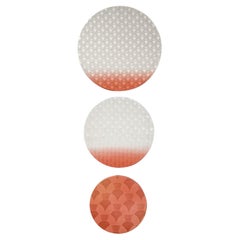
Six canvases (Diameter approx. 30cm, 25cm, 20cm) use the fabric taken from antique kimono, its' various parts, to create one harmonious fluid image of a snowflake - a symbol of new b...
Category

1970s Japanese Vintage Japonisme Paintings and Screens

Materials

Canvas, Silk

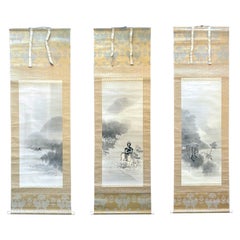
Rare Triptych Scroll Paintings by Watanabe Seitei Meiji Period
Located in Atlanta, GA
A set of three paintings of ink and watercolor on silk mounted within brocade borders as scrolls by Watanabe Seitei (1851-1918). This is a very rare an...
Category

Early 1900s Japanese Antique Japonisme Paintings and Screens

Materials

Brocade, Silk, Wood

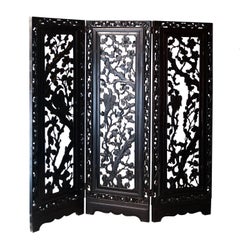
Philippine Handcrafted Solid Mahogany Carved Screen, Philippines, 1930
Located in Madrid, ES
Traditional Philippine hand carved solid Mahogany 3-panel see-through screen.
Category

1930s Philippine Vintage Japonisme Paintings and Screens

Materials

Wood

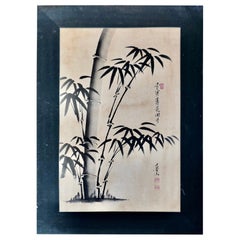
Vintage Bamboo Japanese Art, Wall Art 5 excellent pieces
Located in Godshill, Isle of Wight
Vintage Bamboo Japanese Art, Wall Art 5 excellent pieces, on cartridge paper set on Black Silk Wonderful Vintage pieces, from 1980, 21.5” high, 15.5” wide ZX281
Category

1980s Vintage Japonisme Paintings and Screens

Materials

Paper

1922 Two Nudes Japanese Antique Watercolor Drawing by Shigeru Tsukamoto
Located in Chiba, JP
Antique Japanese watercolor drawings on the both sides of paper, by Shigeru Tsukamoto (1903-1983). 1922. approx. 25.3 × 35 cm (9.96 x 13.77in). Some stain and wrinkle due to age as is.
Category

1920s Japanese Vintage Japonisme Paintings and Screens

Materials

Paper

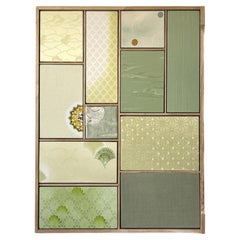
Antique kimono textile art " Kobachi ~ Green Collection ~" by ikasu Japan
Located in Setagaya City, JP
[Story behind the work] This work is inspired by the green color palette, and is framed in paulownia wood originally used for a kimono chest-of-drawers. It is elegantly framed with ...
Category

1920s Japanese Vintage Japonisme Paintings and Screens

Materials

Silk, Wood

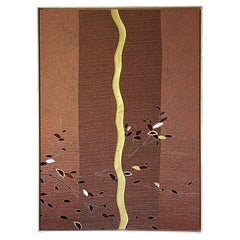
Vintage kimono textile art " Autumn branches ~ Kintsugi ~" by ikasu Brown Japan
Located in Setagaya City, JP
< The frame for this work is made of paulownia wood taken from antique Kiritansu - chest-of-drawers for kimono. I use antique kiritansu that can’t be used as furniture anymo...
Category

1960s Japanese Vintage Japonisme Paintings and Screens

Materials

Gold Leaf

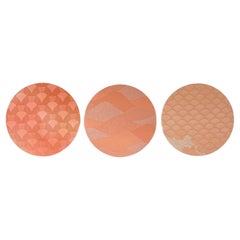
Vintage kimono textile art "On Coral Waves ~ Everlasting ~" by ikasu Pink Japan
Located in Setagaya City, JP
<< About this canvas This kimono canvas set of three pieces portrays mountains surrounded by the sea. While each of the three pieces is crafted from different kimonos...
Category

1970s Japanese Vintage Japonisme Paintings and Screens

Materials

Silk, Canvas

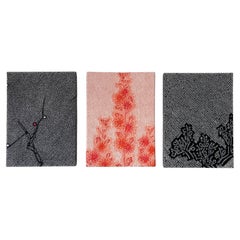
Vintage kimono textile art " Flowers ~ Life Circle ~" by ikasu Pink Black Japan
Located in Setagaya City, JP
<< About this canvas This canvas is crafted from three different haori fabrics, each adorned with a shibori dyeing flower motif going through entire fabric. These fab...
Category

1970s Japanese Vintage Japonisme Paintings and Screens

Materials

Canvas, Silk

Large C19th Japanese Silk Bamboo Screen or Room Divider
Located in London, GB
Large C19th Japanese silk and bamboo screen. A truly superb four-fold room divider with silk panels depicting a forest scene with birds and flowers. Each panel features a bamboo cro...
Category

Late 19th Century Japanese Antique Japonisme Paintings and Screens

Materials

Silk, Bamboo

Japanese Meiji Period Pair of Shibayama Panels, Ca. 1868
Located in New York, NY
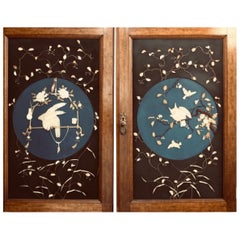
Japanese Pair of Shibayama Panels, Ca. 1900 ABOUT Both panels have immensely rich detail articulated in shell, mother-of-pearl, and bone along with ca...
Category

Early 20th Century Japanese Japonisme Paintings and Screens

Materials

Wood

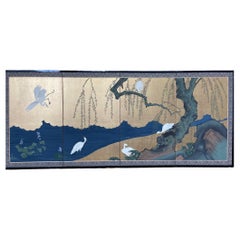
Japanese Two-Panel Screen with Snow Cranes on a Willow Tree, 19th C
Located in New York, NY
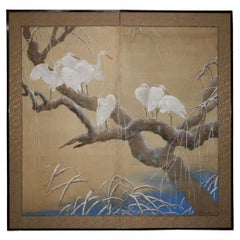
This great masterpiece is one of the most amazing screen paintings we have seen, each snow crane is painted with its own personality and attitude, using the finest pigments and Gofun...
Category

1860s Japanese Antique Japonisme Paintings and Screens

Materials

Brocade, Wood

19th century Edo period s Hanging scroll Samurai players and child dancer
Located in Chiba, JP
Description - Hanging scroll with quite a surreal scene of the music and dance performance with two seated samurais and a child actor on a go-game-board who plays a role of dancing s...
Category

Mid-19th Century Japanese Antique Japonisme Paintings and Screens

Materials

Paper

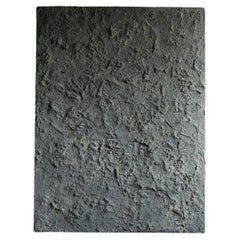
Tsumikasanattamono by Wataru Hatano BK Small_B
Located in Sammu-shi, Chiba
Japan / 2021s Size : W900 D25 H1150 mm Kuroya Washi artist Hatano Wataru's masterpiece "Stacked Things" series. Japanese paper, soil, pigments, etc. are layered on top of each other to express the beauty of what has been accumulated over the years. [Wataru Hatano...
Category

2010s Japanese Japonisme Paintings and Screens

Materials

Sandstone

Japanese Ink and Wash Scroll Painting by Watanabe Seitei
Located in Atlanta, GA
Watanabe Seitei, also known as Watanabe Shotei (1851–1918), was born in late Edo period. He was one of the earliest Japanese artists who visited and be...
Category

Early 1900s Japanese Antique Japonisme Paintings and Screens

Materials

Brocade, Silk, Paper

Pair of Japanese Ink Hanging Scrolls Kano Tanyu
By Kano Tan yu 1
Located in Atlanta, GA
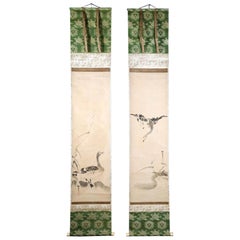
A fine matching pair of hanging scrolls ink on paper mounted in green brocade borders circa Edo period (17-18th century). The Kano school painting depicts wild geese in the reeds by the margin of water, a popular subject borrowed from the Chinese tradition. Both painting were signed as Tanyu with a red seal of Morinobu, his birth name. The storage box is also present and was inscribed with the title Painting of Geese and Reeds and Kano Tanyu...
Category

Late 17th Century Japanese Antique Japonisme Paintings and Screens

Materials

Wood, Paper

Period Japanese Ink Drawing Gheisha
Located in Roma, IT
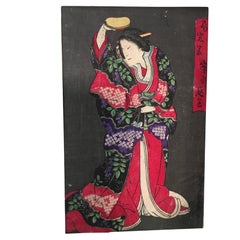
Fascinating and important oriental coloured drawing Japanese Gheisha. Every item of our Gallery, upon request, is accompanied by a certificate of authenticity issued by Sabrina Egidi...
Category

Late 19th Century Japanese Antique Japonisme Paintings and Screens

Materials

Paper

Tsumikasanattamono by Wataru Hatano BK
Located in Sammu-shi, Chiba
Japan / 2021s Size : W1200 D25 H1550 mm Kuroya Washi artist Hatano Wataru's masterpiece "Stacked Things" series. Japanese paper, soil, pigments, etc. are layered on top of each other to express the beauty of what has been accumulated over the years. [Wataru Hatano...
Category

2010s Japanese Japonisme Paintings and Screens

Materials

Sandstone

Tsumikasanattamono by Wataru Hatano
Located in Sammu-shi, Chiba
Japan / 2021s Size : W1200 D25 H1600 mm Kuroya Washi artist Hatano Wataru's masterpiece "Stacked Things" series. Japanese paper, soil, pigments, etc. are layered on top of each other to express the beauty of what has been accumulated over the years. [Wataru Hatano...
Category

2010s Japanese Japonisme Paintings and Screens

Materials

Sandstone

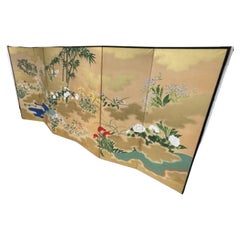
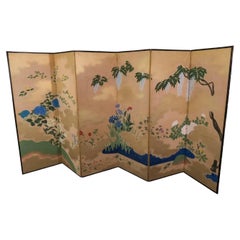
Japanese Meiji Period Six-Panel Screen with Blue Lake and Flowers, Ca. 1900
Located in New York, NY
Japanese Meiji Period Six-Panel Screen with Blue Lake and Flowers, Ca. 1900 Meiji Period (1868-1912) DIMENSIONS Length: 145 inches Height: 69.5 inches
Category

Early 1900s Japanese Antique Japonisme Paintings and Screens

Materials

Wood

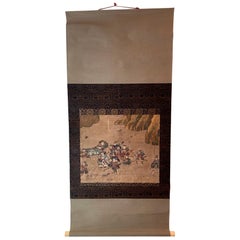
Antique Japanese Hanging Scroll Attributed to Iwasa Matabei
Located in Atlanta, GA
An antique ink and color on paper hanging scroll (kakejiku) with brocade border. It appears to be a fragment of a larger hand scroll depicting a procession of a lord with his entoura...
Category

Early 17th Century Japanese Antique Japonisme Paintings and Screens

Materials

Silk, Paper

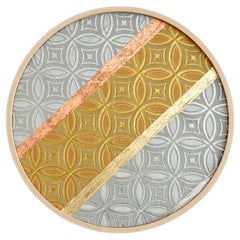
Vintage kimono textile art " Marble Story ~ Healing ~" by ikasu Grey Japan
Located in Setagaya City, JP
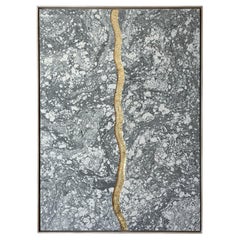
< This work uses a vintage kimono fabric with marble pattern, that makes it look like a real piece of marble. The line in the middle symbolizes “kintsugi” - concept of wabi-sabi, which values imperfection, impermanence, and the beauty of aging. It is elegantly framed with paulownia wood originally used for kimono chest-of-drawers, and is filled with storytelling and sense of luxury. I used pieces of kimono that could no longer be used as clothing and kiritansu chest-of-drawers that would normally be discarded to create the ultimate upcycled piece. << Explanation and meaning of pattern and colors Kintsugi (金継ぎ), which translates to "golden joinery" or "golden repair," is a traditional Japanese art form of repairing broken pottery with lacquer mixed with powdered gold, silver, or platinum. I used this tecnique here to "repair" antique kimono by transforming it into art work. Beyond its literal meaning of mending broken ceramics, kintsugi carries profound philosophical and cultural significance in Japanese tradition: ・Embracing Imperfection: Kintsugi celebrates imperfection and impermanence. Rather than disguising or concealing flaws, it highlights them, treating the breakage as part of the object's history. This philosophy encourages acceptance of imperfection as an essential aspect of life, beauty, and human experience. ・Wabi-Sabi Aesthetic: Kintsugi embodies the principles of wabi-sabi, an aesthetic worldview centered on the acceptance of transience and imperfection. Wabi-sabi values simplicity, authenticity, and the beauty of things that are imperfect, impermanent, and incomplete. Kintsugi exemplifies these principles by turning what might be considered flaws into features that enhance the object's beauty and character. ・Resilience and Transformation: The act of repairing broken things with precious metals symbolizes resilience and transformation. Instead of discarding or replacing the broken object, kintsugi honors its history and transforms it into something new and valuable. This reflects broader philosophical themes of overcoming adversity, finding beauty in imperfection, and embracing change. ・Honoring the Past: Kintsugi preserves and honors the history of the object. Rather than erasing or ignoring its past, it acknowledges and celebrates it. This aspect of kintsugi can be seen as a metaphor for honoring our own personal histories, including the challenges and setbacks we have faced, and recognizing how they have shaped us into who we are today. ・Spiritual and Philosophical Symbolism: Kintsugi has spiritual and philosophical implications, reflecting concepts such as the interconnectedness of all things, the cycle of life and death, and the pursuit of harmony and balance. The process of repairing broken objects with precious metals is seen as a metaphor for spiritual growth, enlightenment, and the journey towards wholeness. Overall, kintsugi represents not only a practical technique for repairing ceramics but also a profound philosophical and cultural perspective on life, beauty, and the human experience. It embodies values such as resilience, acceptance, and the transformative power of embracing imperfection. << Characteristics of the fabric This vintage textile is hand-painted with a traditional painting technique where the colors are added on wet surface, which creates an effect of marble. << About the frame Kiritansu - chest-of-drawers for kimono, is traditionally made from paulownia wood, a uniquely Japanese material closely tied to the world of kimonos. Paulownia wood is known as the lightest wood in Japan, prased for its natural luster, resistance to moisture, and resilience against cracking. Since ancient times, it has been used in crafting furniture, chests, and musical instruments. During the Edo period, it became customary to store cherished kimonos in paulownia chests...
Category

1960s Japanese Vintage Japonisme Paintings and Screens

Materials

Gold Leaf

Japanese Meiji Period 6-Panel Screen w/ Blue Lacquered Flowers, Ca. 1900
Located in New York, NY
Japanese Meiji Period 6-Panel Screen w/ Blue Lacquered Flowers, Ca. 1900 Meiji Period (1868-1912) DIMENSIONS 145” long x 69.5” high
Category

Early 1900s Japanese Antique Japonisme Paintings and Screens

Materials

Wood

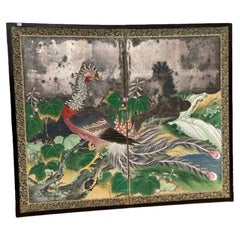
Japanese Two-Panel Phoenix Screen, Edo Period, Ca. 1850
Located in New York, NY
Japanese Two-Panel Phoenix Screen, Edo Period, Ca. 1850 Japanese Edo Period (1603-1868) DIMENSIONS Height: 24 inches Width: 28 inches
Category

1850s Japanese Antique Japonisme Paintings and Screens

Materials

Wood

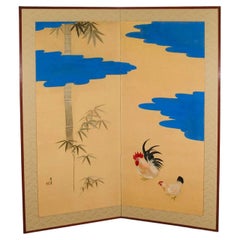
Japanese Meiji Two-Panel Embroidery Screen w/ Rooster and Chicken, Ca. 1890s
Located in New York, NY
Japanese Meiji Period Two-Panel Embroidery Screen with Rooster and Chicken, Ca. 1890s Meiji Period (1868-1912) – Ca. 1890/1910 Signed DIMENSIONS Width: 60 inches Heigh...
Category

1890s Japanese Antique Japonisme Paintings and Screens

Materials

Silk

Antique Japanese Ink Hanging Scroll Hidaka Tetsuo with Wood Storage Box
Located in Atlanta, GA
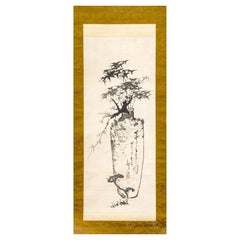
A hanging ink (Sumi-e) silk scroll by Japanese Zen artist Hidaka Tetsuo (1791-1871). Well presented in brocade boarders and mounted on paperback, this scroll depicts "Three Noble Friends in Winter" in a poetic and novel way. One of the favorite subjects by Chinese painters, the three noble friends in winter consists of pine, bamboo and plum flowers. They were admired for their characters of strength in cold resistance to remain evergreen and even blossom in unfavorable condition. The artist, however, composited the subjects in a none-conventional way as Ikebana. Bamboo and flowering plum branches were presented in an oversized pot...
Category

19th Century Japanese Antique Japonisme Paintings and Screens

Materials

Brocade, Wood, Paper

Vintage kimono textile art " Plum Gradation " by ikasu Pink White Japan
Located in Setagaya City, JP
This canvas featuring a plum color gradient kimono showcases a unique decorative variation of the popular seigaiha (青海波) sea waves pattern. The artwork got a Mr. Mrs. Abe Arts ...
Category

1980s Japanese Vintage Japonisme Paintings and Screens

Materials

Canvas, Silk

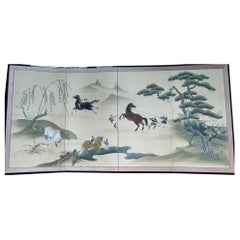
Japanese Taisho/Showa Period Six - Panel Screen with Galloping Horses, Ca. 1920
Located in New York, NY
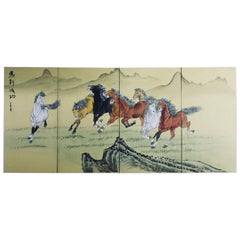
Japanese Taisho/Showa Period Six - Panel Screen with Galloping Horses, Ca. 1920 ABOUT Taisho/Showa Period (1912 – 1926) DIMENSIONS Width: 70 inches Height: 35 inches
Category

1920s Japanese Vintage Japonisme Paintings and Screens

Materials

Wood

19th Century obi textile art " Pine forest ~ Longivety ~ " by ikasu Green Japan
Located in Setagaya City, JP
<< Story behind the work Obi fabric I used for this artwork is taken from three different over 100-years-old antique sashes, and is framed in wood taken from antique ...
Category

Early 20th Century Japanese Japonisme Paintings and Screens

Materials

Gold Leaf

Large Antique Zen Japanese Ink Scroll After Sesson Shukei
Located in Atlanta, GA
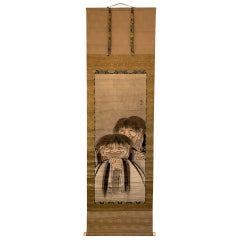
A Japanese Sumi ink painting with light color wash mounted with brocade borders as a hanging scroll (Kakejiku). The painting depicts the famously eccentric Buddhist monks Hanshan and Shide (known in Japan as Kanzan and Jittoku). Often as a pair, they have been a popular motif in Japanese Zen painting...
Category

18th Century Japanese Antique Japonisme Paintings and Screens

Materials

Silk, Paper

Pair of Rare Antique Japanese Folding Screens with Provenance
Located in Atlanta, GA
An amazing pair of matching antique Japanese folding screen predating 1812-1813, most likely from Kano School. Six panels each depict C...
Category

1810s Japanese Antique Japonisme Paintings and Screens

Materials

Brass

Mid 20th Century obi textile art " Moon phase II " by ikasu Silver Black Japan
Located in Setagaya City, JP
<< About this artwork This artwork has been upcycled from a stunning obi, which is adorned with calligraphy weaving saying "moon" and "moonlight". << Period /...
Category

1970s Japanese Vintage Japonisme Paintings and Screens

Materials

Silver Leaf

Antique kimono textile art " Peacock Feathers ~ Royalty ~" by ikasu Blue Japan
Located in Setagaya City, JP
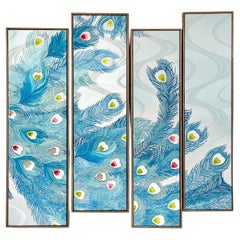
This work uses an antique furisode (festive kind of kimono with long sleeves) with peacock feathers - a symbol of royalty and prosperity. Can be used both vertically and horizontall...
Category

Early 20th Century Japanese Japonisme Paintings and Screens

Materials

Gold Leaf, Silver Leaf

Two Antique Japanese Hanging Scroll Paintings
Located in Atlanta, GA
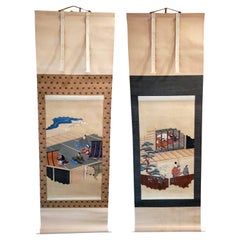
Two Japanese scroll painting depicts scenes from the Tale of Genji (Genji-E), from Edo period. These painting were purchased from Odewara Shoten in the...
Category

Early 19th Century Japanese Antique Japonisme Paintings and Screens

Materials

Brocade, Paper

Vintage kimono textile art " Cranes ~ Kintsugi ~ " by ikasu White Red Gold Japan
Located in Setagaya City, JP
< The frame for this work is made of paulownia wood taken from antique Kiritansu - chest-of-drawers for kimono. I use antique kiritansu that can’t be used as furniture anymore to create basis and frames for my works. It adds them even more authentic atmosphere of traditional wabisabi spirit. Can you feel it? The piece uses the concept of "kintsugi" - it "unites" the pieces of antique kimono back together with golden leaf to give it a second wind as art work. << Period / Story The kimono used in this piece was originally crafted during the late Showa period (1960-80ies). << Explanation and meaning of pattern and colors The Japanese saying goes, "A crane lives a thousand years, a tortoise lives ten thousand years," making cranes a symbol of longevity. Cranes are also known for staying with the same partner for their entire lives, which is why they are often used at weddings and other celebrations to symbolize "marital bliss" and the desire for harmony between husband and wife. On this particular piece, cranes are flying through snow woven on the fabric, as if they are overcoming all the disasters to get to their beloved ones. The color scarlet, or deeply dyed red, used for the most of the cranes here, has long been associated with the meaning of "warding off evil." It is believed to possess the power to repel malevolent forces and invite good fortune. During the Heian period, scarlet was reserved for sacred buildings and ceremonial objects that held great significance. Ordinary people were prohibited from wearing scarlet-red kimonos, which made it a highly special color. << Characteristics of the fabric Cranes, going up and down, are generously decorated by kimpaku here. "Kimpaku" (金箔) refers to gold leaf/foil in Japanese. Gold leaf is a traditional material used in various aspects of Japanese culture, including art, crafts, and even in culinary applications. In traditional Japanese art, gold leaf is often applied to religious objects, sculptures, paintings, and lacquerware to create a luxurious and decorative effect. The use of gold leaf in art dates back centuries and is associated with a sense of wealth, prestige, and the divine. Traditional kimpaku technique is used here to make an accent decoration in the middle. << About the frame This artwork frame is crafted from paulownia wood, a uniquely Japanese material closely tied to the world of kimonos, and it serves to convey the refined beauty of Japanese nature. Paulownia wood is known as the lightest wood in Japan, prased for its natural luster, resistance to moisture, and resilience against cracking. Since ancient times, it has been used in crafting furniture, chests, and musical instruments. Paulownia wood is closely linked to kimono culture. During the Edo period, it became customary to store cherished kimonos in paulownia chests...
Category

Late 20th Century Japanese Japonisme Paintings and Screens

Materials

Gold Leaf

Japonisme paintings and screens for sale on 1stDibs.

Find a broad range of unique Japonisme paintings and screens for sale on 1stDibs. Many of these items were first offered in the 21st Century and Contemporary, but contemporary artisans have continued to produce works inspired by this style. If you’re looking to add vintage paintings and screens created in this style to your space, the works available on 1stDibs include asian art and furniture, wall decorations and other home furnishings, frequently crafted with fabric, paper and other materials. If you’re shopping for used Japonisme paintings and screens made in a specific country, there are Asia, East Asia, and Japan pieces for sale on 1stDibs. While there are many designers and brands associated with original paintings and screens, popular names associated with this style include Hidaka Tetsuo, and Kano Tanshin. It’s true that these talented designers have at times inspired knockoffs, but our experienced specialists have partnered with only top vetted sellers to offer authentic pieces that come with a buyer protection guarantee. Prices for paintings and screens differ depending upon multiple factors, including designer, materials, construction methods, condition and provenance. On 1stDibs, the price for these items starts at $235 and tops out at $40,000 while the average work can sell for $4,500.

Still Thinking About These?

All Recently Viewed