Textiles
to
575
825
365
1,256
381
34
44
40
35
23
17
6
4
2
1
1
1
1
91
334
831
415
254
257
157
20
11
33
21
10
63
17
22
11
9
1,581
791
602
287
262
1,280
425
425
405
395
1,671
1,598
1,656
30
11
9
8
7
Textiles For Sale
Framed Japanese Embroidery Dragon Tapestry Meiji Period
Located in Atlanta, GA
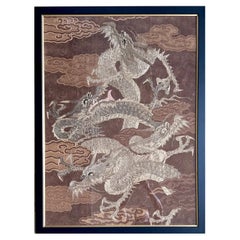
A striking Japanese embroidery tapestry circa 1890s Meiji period presented in a gilt wood frame under glaze. The design features four dragons coiling and slithering in the clouds. The most auspicious mythological creature, dragon was a very popular motif in Japanese textile art. Viewing this particular piece, one is struck by the superb craftsmanship with the profuse use of silver threads in satin stitches and complex chain stich coiling that create the background. The slight relief technique was also used on parts of the dragon heads, rendering the piece a strong sense of dimension and motion. The textile itself measures about 32.5"x46".
Japanese Meiji textiles were widely exhibited in the west during turn of the 20th century at the international exposition. It was used to showcase the Japanese aesthetics with the techniques at their pinnacle. These expositions solidified the country's images overseas and felled the Japanese craze in the west, which turned out to be a long-lasting influence on the western art. Many pieces were purchased and stayed in the west. As there is no brocade border present, the piece is likely the main part with the central motifs of a larger tapestry and was later framed for display.
For two similar dragon tapestries...
Category
1890s Japanese Meiji Antique Textiles
Materials
Textile, Wood
Ikat Textile from Timor Island, Indonesia
Located in Jimbaran, Bali
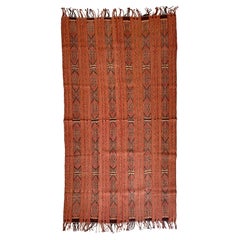
This Ikat textile originates from the Island of Timor, Indonesia. It is hand-woven using naturally dyed yarns via a method passed on through generations. It features a predominantly ...
Category
Mid-20th Century Indonesian Other Textiles
Materials
Yarn
Kain Limar Songket, Silk Ikat, Metallic Thread, circa 1900, Palembang, Sumatra
Located in Austin, TX
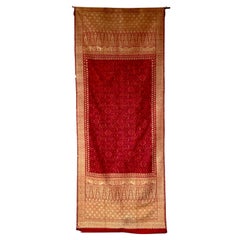
A rich and luxurious kain limar songket, shoulder cloth for a woman, ikat dyed and woven silk (limar) with supplementary weft woven metallic gold thread brocade (songket), circa 1900...
Category
Early 1900s Indonesian Tribal Antique Textiles
Materials
Metallic Thread
Hand-Drawn Batik Textile, from Java Indonesia
Located in Jimbaran, Bali
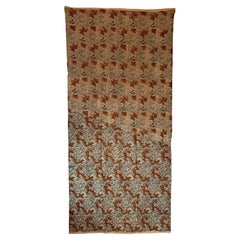
A fine example of a batik textile from Solo, Java, Indonesia. This textile features wonderful detailing & contrast. It features a wonderful array of flor...
Category
Early 2000s Indonesian Other Textiles
Materials
Cotton
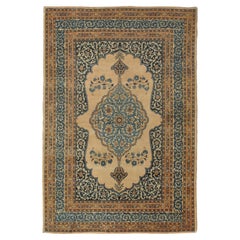
Antique Tabriz Carpet, Hadji Jalili Persian Rug, Earth Tones, Ivory and Blue
Located in Port Washington, NY
Tabriz, the capital of the northwestern Iranian province of Azerbaijan, has for centuries enjoyed a great reputation as a centre of Persian culture. Under the benign patronage of Sha...
Category
Late 19th Century Persian Tabriz Antique Textiles
Materials
Wool
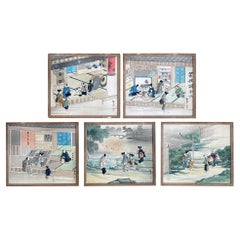
Rare Five Japanese Signed Oshi-E Textile Art Panels Meiji Period
Located in Atlanta, GA
On offer is a set of five Japanese textile art panels called Oshi-E circa Meiji Period (1868-1912). This unusual set of panels depict various aspects of daily life in Edo time with beautiful details. Some of these panels are snapshots of the buzzling commercial activities at the marketplace, providing insight into the signages, architecture, costumes and how people interacted within a historical and pictorial context. Other panels depict daily leisure activities such as lounging in the park or visiting friends. The realistic rendering and attention to details are not short of "photographic" quality. From the signage of the shops to the motions and attires of the individual characters, from the hairstyle, small ornaments, down to the facial expression, were all recorded in great details. Each panel was signed with the artist's name Yukihana in Kanji with a red seal.
These panels are unframed and await your custom touch (framing with inner gilt spacer and mat costs about 250-500 depending on the material chosen, see a framed example in the last picture of a single framed panel we have for sale). We offer them for sale individually, but it will be great for a collector to consider the whole set so that they can stay together.
The Oshi-E (also known as kiritori zaiku) is a type of ornamental textile art dated back to the Muromachi period (1392-1573). It started among the elite aristocratic women in Kyoto before spreading wider in the Japanese society. Throughout Edo and Meiji period, Oshi-E were sometimes used to make offerings to the altars in the temple and in the late 19th century, it was exported to the west along with the other embroidery textile art. Oshi-E was made by using silk wadding to create a relief design. Various silk fabric swaps and sometimes wires and tassels, often recycled from older kimonos...
Category
1890s Japanese Meiji Antique Textiles
Materials
Silk, Giltwood
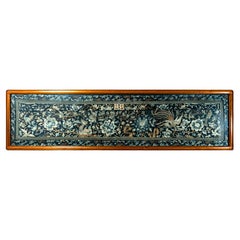
A Fine
Exceptionally Large Hand Embroidered Chinese Silk Matrimonial Panel
Located in Ottawa, Ontario
An exceptionally large & exceedingly fine hand embroidered Chinese matrimonial 'Double Happiness' silk panel. The navy blue silk field richly decorated with hand-stitched gold, silve...
Category
Early 1900s Chinese Qing Antique Textiles
Materials
Silk, Glass, Wood, Textile, Thread
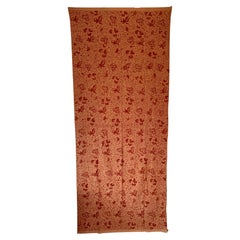
Hand-Drawn Batik Textile, from Java Indonesia
Located in Jimbaran, Bali
A fine example of a batik textile from Solo, Java, Indonesia. This textile features wonderful detailing & contrast. It features a wonderful array of flor...
Category
Early 2000s Indonesian Other Textiles
Materials
Cotton
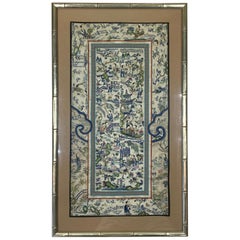
Framed Antique Chinese Textile
Located in Delray Beach, FL
A spectacular antique Chinese embroidery panel dated from (circa 19th century), professionally framed with linen mat, purchased from A...
Category
19th Century Chinese Antique Textiles
Materials
Bamboo, Silk

$1,600 Sale Price
33% Off
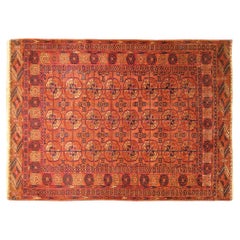
Antique Turkman Bokhara Rug, Small Size, W/ Symmetrical Design
Located in New York, NY
Antique Turkman Bokhara rug, small size
An antique Turkman Bokhara rug, size 4'7" x 3'10", circa 1900. This handsome hand-woven geometric rug features a symmetrical design allover...
Category
Early 1900s Uzbek Antique Textiles
Materials
Wool, Cotton, Silk
$1,916 Sale Price
20% Off
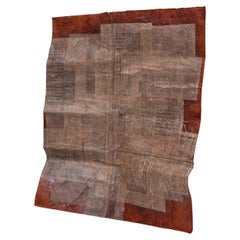
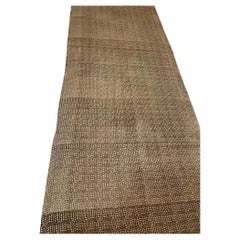
Japanese Persimmon-Dyed Washi Rug with Layered Repairs, 20th Century
Located in Tokyo, Tokyo
This rare persimmon tannin–dyed washi rug dates from the late Meiji to Taisho period (early 20th century) and was traditionally used to protect tatami mats from sunlight or serve as ...
Category
20th Century Japanese Textiles
Materials
Paper
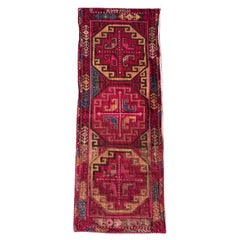
Central Asian Embroidered Textile, “Suzani”, Mid 20th Century
Located in Jimbaran, Bali
This textile is a “Suzani” from Central Asian nomadic peoples primarily from Kazakhstan, Tajikistan and Uzbekistan. Suzanis are embroidered textiles composed of mainly Cotton. They a...
Category
Mid-20th Century Central Asian Other Textiles
Materials
Cotton
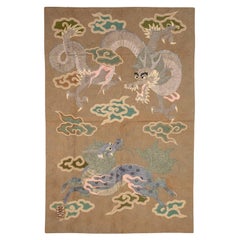
A silk tapestry embroidered in relief depicting a dragon and a kirin
Located in Milano, IT
Embroidered silk relief tapestry depicting a dragon and a kirin in the clouds.
A silk tapestry embroidered in relief with polychrome threads, depicting two mythological figures: a r...
Category
19th Century Japanese Antique Textiles
Materials
Silk
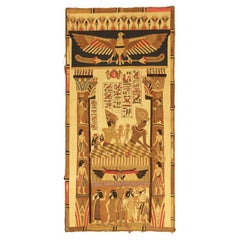
Antique Egyptian Textile Hieroglyphics Design, ca. 1920
Located in Ferrara, IT
This is an antique Egyptian textile woven during the first quarter of the 20th century circa 1920s and measures 184 x 90cm in size. this textile depicts ...
Category
Early 19th Century Egyptian Egyptian Antique Textiles
Materials
Cotton
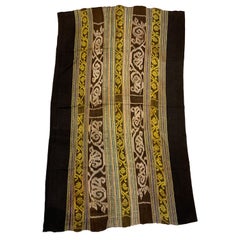
Ikat Textile from Timor Island with Stunning Naturally Coloured Dye, Indonesia
Located in Jimbaran, Bali
This Ikat textile originates from the Island of Timor, Indonesia. It is hand-woven using naturally dyed yarns via a method passed on through generations. A wonderful textile with dis...
Category
1950s Indonesian Other Vintage Textiles
Materials
Yarn
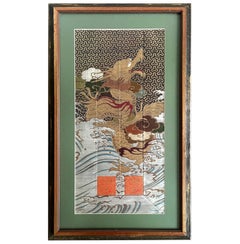
Framed Japanese Woven Textile Panel with Dragon Meiji Period
Located in Atlanta, GA
A framed Japanese woven textile circa late 19th century of Meiji Period. Likely a fragment of a priest robe or kesa, the multi-paneled textile was finely woven with gold foiled threads that depicts a five-clawed dragon slithering in the clouds and water...
Category
19th Century Japanese Meiji Antique Textiles
Materials
Silk, Wood
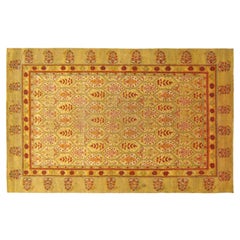
Vintage Spanish Double-Faced Rug, in Room Size, W/ Cartouches
Located in New York, NY
Antique Spanish rug, Room size, circa 1920
A one-of-a-kind antique Spanish Carpet, hand-knotted with short wool pile. This beautiful rug is a unique double-faced carpet...
Category
1920s Spanish Vintage Textiles
Materials
Wool, Cotton
$7,676 Sale Price
20% Off
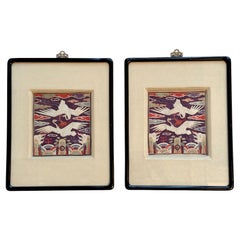
Rare Pair Korean Embroidery Civil Rank Badges Joseon Dynasty
Located in Atlanta, GA
A pair of fine Korean silk embroidered rank badge (Hyungbae in Korean) from Joseon Dynasty circa late 19th century. A matching pair of Hyungbae like these ...
Category
19th Century Korean Other Antique Textiles
Materials
Fabric, Silk, Wood
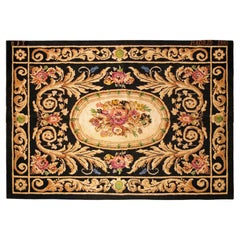
Vintage Spanish Savonnerie Rug, in Room Size, W/ Central Medallion
Located in New York, NY
Vintage Spanish Savonnerie rug, room size, circa 1930.
A one-of-a-kind vintage European Savonnerie Oriental carpet, hand-knotted with sh...
Category
1930s Spanish Vintage Textiles
Materials
Wool, Cotton
$6,396 Sale Price
20% Off
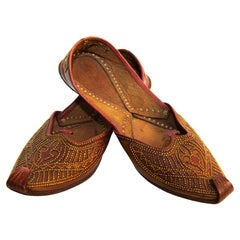
Vintage Arabian Mughal Leather Shoes with Gold Embroidered Curled Toe
Located in Moreno Valley, CA
Vintage Arabian Mughal leather shoes with gold embroidered curled toe.
Amazing vintage Mughal Middle Eastern Moorish gold embroidered shoes with gold t...
Category
Early 20th Century Indian Islamic Textiles
Materials
Leather
Antique Korean Embroidered Civil Rank Badge Joseon Dynasty
Located in Atlanta, GA
A fine Korean silk embroidered rank badge (Hyungbae in Korean) from Joseon Dynasty circa late 19th century. The badge features a design of double flying cr...
Category
19th Century Korean Other Antique Textiles
Materials
Fabric, Silk, Wood
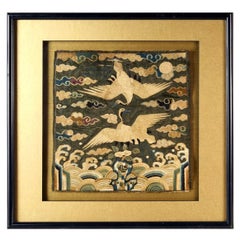
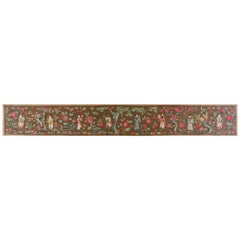
Late 19th Century Chinese Silk
Metal Embroidery ( 1
9
x 12
9
-53 x 387 )
Located in New York, NY
Late 19th Century Chinese Silk & Metal Embroidery
1' 9'' x 12' 9''-53 x 387
Category
1890s Chinese Qing Antique Textiles
Materials
Wool
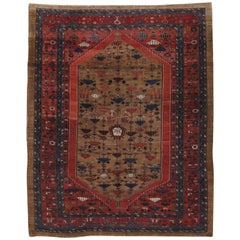
Antique Bakshaish Carpet, Oriental Persian Handmade in Brown, Blue and Red
Located in Port Washington, NY
Bakshaish is a town on the banks of the Talke Rud River in the Heriz region of Northwest Persia. Situated in the mountainous region 60 miles east of the large city of Tabriz, Bakshai...
Category
Late 19th Century Persian Bakshaish Antique Textiles
Materials
Wool
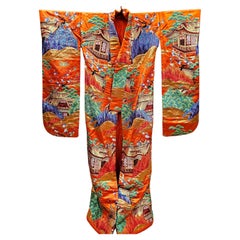
Vintage Japanese Silk Brocade Embroidery Ceremonial Kimono in Green, Red, Blue
Located in Barrington, IL
An exceptional and visually arresting vintage Uchikake wedding kimono from the late Meiji to early Taisho period (circa 1910s–1930s), originally designed for ceremonial bridal wear. ...
Category
Early 20th Century Japanese Textiles
Materials
Brocade, Silk
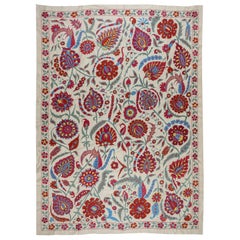
6.8x9 ft Traditional Bedspread, Silk Embroidery Tablecloth, New Wall Hanging
Located in Spring Valley, NY
In the most technical sense of the word, ""Suzani,"" in Central Asia and Iran, means needle and is used to describe this type of needlework, but to most people, such as decorators or...
Category
21st Century and Contemporary Uzbek Suzani Textiles
Materials
Cotton, Silk
$998 Sale Price
30% Off
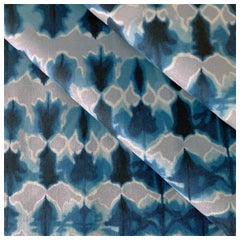
Wave Fabric in Silver and Indigo, Belgian Linen (Fabric by the Yard)
By ROUSSEAU
Located in New York, NY
Taking a cue from the undulating shapes of our indigo velvet pillows, Wave is a bold and artful design, seen here in Silver gray. Pigment printed on 100% Belgian Linen. Designed in N...
Category
2010s American Modern Textiles
Materials
Linen
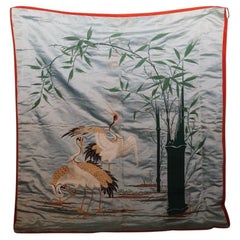
19th century silk decorative pillow case (Fukusa)
Located in Fukuoka, JP
Superb embroidered silk Fukusa, wedding gift wrapping silk cloth decorated with auspicious motive.
Condition : Fine original condition with only minor abrasions and very ...
Category
19th Century Japanese Edo Antique Textiles
Materials
Silk
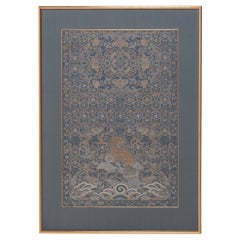
Chinese Silk Brocade Chair Panel with Fu Lion, c. 1850
Located in Chicago, IL
This framed silk brocade tapestry is one half of a magnificent Qing-dynasty chair panel, or chair strip. Because traditional Chinese seating was not upho...
Category
Mid-19th Century Chinese Qing Antique Textiles
Materials
Silk
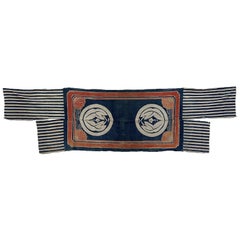
Japanese Horse Trapping, "Uma-No-Haragake", Tsutsugaki, Cotton, Meiji Period
Located in Point Richmond, CA
Japanese horse trapping, "Uma-No-Haragake", Tsutsugaki, cotton, Meiji period
This type of haragake is called yuiage ("tied up"). The central portion covered the belly of the horse an...
Category
20th Century Japanese Meiji Textiles
Materials
Cotton
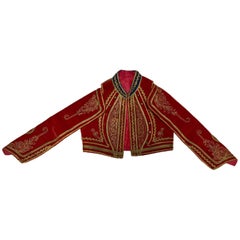
Antique Red Velvet Efe Zeybek Jacket Turkish Vest with Gold Embroidery
Located in Moreno Valley, CA
Early 20th child Middle Eastern Efe Zeybek Jacket.
Kid Efe Zeybek Costume Turkish authentic ethnic vest.
Dark brown red velvet with gold foliates and gold trim. Open sleeves, red cotton lining.
Antique collector red velvet jacket with gold Middle Eastern Moorish style embroidery.
Small tiny Turkish antique vest...
Category
1940s Turkish Moorish Vintage Textiles
Materials
Velvet
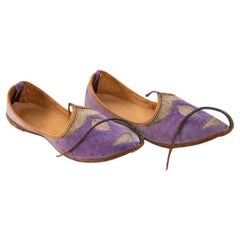
Antique Leather Purple Velvet Suede Mughal Raj Moorish Shoes Gold Embroidered
Located in Moreno Valley, CA
Antique Leather and purple velvet suede Mughal Moorish Turkish Shoes with Gold Embroidered.
A pair of rare late 19th century early 20th hand stitched and...
Category
Early 20th Century Turkish Moorish Textiles
Materials
Metallic Thread
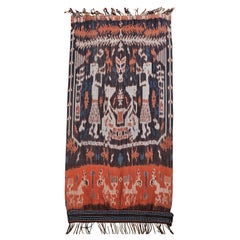
Vintage Hand Woven Indonesian Ikat Textile Panel
Located in Barrington, IL
A striking vintage hand-woven Ikat textile panel from Indonesia, dating to the mid-1900s. This artisanal piece features a bold abstract design, achieved through the meticulous process of warp ikat—a technique in which the threads are selectively tie-dyed before weaving to create complex, interlocking patterns.
Woven from natural cotton fibers, this panel likely originates from the Lesser Sunda Islands in eastern Indonesia, possibly from the culturally rich island of Sumba. The intricate craftsmanship and dynamic geometric forms reflect traditional Indonesian textile artistry while offering a timeless, global aesthetic.
Ideal for display as wall-mounted tribal art, this textile adds texture, heritage, and warmth to any interior, whether as a centerpiece in modern spaces or a complementary accent in eclectic or traditional décor.
Dimensions: 21” x 48”
Date of Manufacture: Mid 20th Century
Place of Origin: Indonesia
Material: Cotton
Condition: Good
The Persian Knot Gallery, SKU: 2250
vintage Indonesian Ikat, handwoven Ikat textile, tribal textile art, Sumba Ikat panel, mid-century Indonesian fabric, antique Ikat wall hanging, abstract woven textile, Lesser Sunda Islands textile, ethnic home decor, Indonesian cotton Ikat, tribal wall art, global decor textile, vintage woven panel, traditional Indonesian fabric, hand-dyed Ikat textile, Southeast Asian textile art, collector Ikat, woven abstract art, Indonesian heritage textile, bohemian wall hanging, Indonesian Ikat Textile...
Category
Mid-20th Century Indonesian Textiles
Materials
Cotton
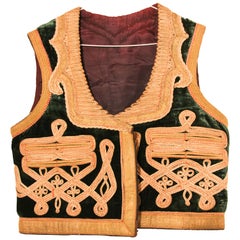
Antique Ottoman Emerald Green and Gold Thread Embroidered Vest
Located in Moreno Valley, CA
Antique Asian Ottoman style vest in emerald green velvet decorated with elaborate gold thread, trimmed with gold metallic thread.
Elegant vest handmade embroidery on green silk velve...
Category
Early 20th Century Turkish Folk Art Textiles
Materials
Velvet, Cotton, Silk
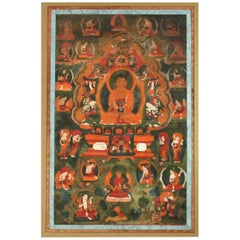
Framed Tibetan Thankga of Amitabha
Located in Atlanta, GA
An antique Tibetan Thankga depicting Amitabha and surrounding deities, circa late 19th century. The center Amitabha is in a meditation form holding a black beggar's bowl. In the Mahayana Tradition of Buddhism, Amitabha is a celestial Buddha: the Buddha of Infinite Light and the principal Buddha in Pure Land Buddhism, a branch of East Asian Buddhism...
Category
Late 19th Century Tibetan Tibetan Antique Textiles
Materials
Cotton, Silk, Wood, Paint
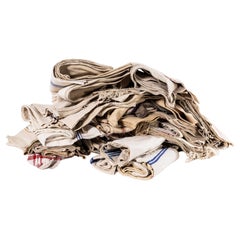
1950
s Vintage Kitchen Towels - Mixed Selection
Located in Hook, Hampshire
1950’s Vintage Kitchen Towels – Mixed Selection.
We have a large stock of these heavy weight kitchen towels from Hungary. Some are new old stock, some are well washed and loved. All...
Category
1950s Hungarian Vintage Textiles
Materials
Textile
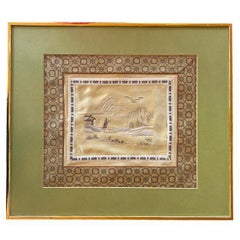
Antique Japanese Framed Embroidered Scene of Traditional Garden Life
Located in Oklahoma City, OK
A beautiful piece with an incredible history. This exquisite hand-embroidered tapestry was created in Japan and purchased by an American man who taught English. The scene depicts a t...
Category
20th Century Japanese Anglo-Japanese Textiles
Materials
Metal
$450 Sale Price
25% Off
6x6 Ft Vintage Silk Embroidery Bed Cover, Square Wall Hanging, Colorful Throw
Located in Spring Valley, NY
Suzani, a Central Asian term for a specific type of needlework, is also the broader name for the hugely popular decorative pieces of textile that feature this needlework in vivid col...
Category
1990s Uzbek Suzani Textiles
Materials
Cotton, Silk
$503 Sale Price
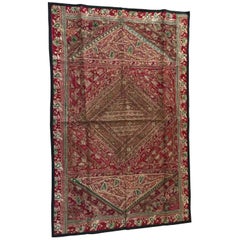
30% Off
Hand Embroidered Mughal silk and metal threaded tapestry, India
By Rajhastani
Located in Moreno Valley, CA
Hand embroidered and quilted textile from North India.
Large Mughal silk and metal threaded tapestry
Fanciful Asian folk designs this distinctive quilt wor...
Category
20th Century Indian Anglo Raj Textiles
Materials
Silk
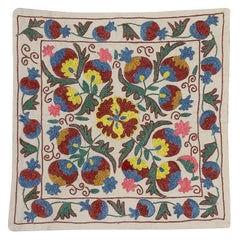
18"x19" Suzani Fabric Throw Pillow, Silk Embroidery Cushion Cover, Handmade Sham
Located in Spring Valley, NY
In the most technical sense of the word, "Suzani," in Central Asia and Iran, means needle and is used to describe this type of needlework, but to most people, such as decorators or c...
Category
21st Century and Contemporary Uzbek Suzani Textiles
Materials
Cotton, Silk, Linen
$59 Sale Price
70% Off
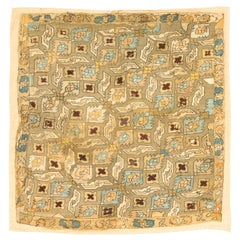
Embroidery Silk Azarbaijan
Located in Ferrara, IT
This is an antique silk Azerbaijan embroidery woven during the 18th century and measures 76 x 74CM in size. It has an all-over highly geometric floral design with muted pastel colors...
Category
18th Century Azerbaijani Other Antique Textiles
Materials
Textile, Silk
Moroccan Vintage Blue Caftan, 1970 Maxi Dress Kaftan by Glenn Boston Size M
Located in Moreno Valley, CA
Vintage Moorish Moroccan blue caftan, circa 1970s.
Vintage Moorish Maxi Dress kaftan in Excellent condition never worn.
Made in Morocco and imported for Mr...
Category
20th Century Moroccan Bohemian Textiles
Materials
Cotton

$368 Sale Price
20% Off
African Batik Cloth Natural Hand-woven Hand-Printed Cotton Fabric Ghana 10 Yards
Located in Moreno Valley, CA
African Batik Cloth Natural Hand-woven Hand-Printed Cotton Fabric Ghana 10 yards.
Colors are organic earth tone beige and light brown in geometric design.
Non waxed fabric circa 1950s.
Hand made in Ghana Africa.
Museum Quality Original Long Piece.
380 inches, (30 ft 10 yards Long) x 46 inches Inches Wide( 4ft).
Could be use to make pillows or upholstery.
History of Batik in Africa:
Batik, a traditional fabric art technique, has a rich history in Ghana, West Africa. The practice of batik involves using wax to create intricate patterns on fabric, which is then dyed to achieve the desired design. While batik has its origins in Asia, particularly in Indonesia, it has been embraced and adapted by various African countries, including Ghana.
In Ghana, batik-making can be traced back to the mid-20th century when it gained popularity as a form of traditional textile art. The craft was introduced by artists and artisans who were inspired by the vibrant and expressive nature of batik. These early practitioners experimented with different designs, colors, and patterns, infusing local themes and motifs into their creations.
Over time, batik became an important part of Ghanaian culture and identity. It is not only used for clothing but also for various decorative and functional items such as wall hangings, tablecloths, and accessories. The art form often reflects the rich cultural heritage of Ghana, incorporating symbols, proverbs, and traditional stories into the designs.
Ghanaian batik artists often employ a combination of traditional and contemporary elements, creating a unique fusion of styles. The process of making batik involves applying hot wax to the fabric using various tools to create the desired patterns. The wax acts as a resist, preventing dye from penetrating the waxed areas. After dyeing, the wax is removed, revealing the intricate designs on the fabric.
Today, batik-making in Ghana continues to thrive as both a traditional craft and a form of artistic expression. Many artisans and designers draw inspiration from Ghana's diverse cultural landscape, incorporating elements from different regions and ethnic groups into their batik creations. The art form has also gained international recognition, with Ghanaian batik products being sought after both locally and abroad.
In summary, the history of batik in Ghana is a testament to the creativity and adaptability of artists who have embraced and transformed this traditional technique into a vibrant and culturally significant art form within the country.
HISTORY OF BATIK
In the mid-nineteenth century, the Belanda Hitam, or "Black Dutchmen," are said to have introduced batik to West Africa after serving as indentured soldiers for the Dutch in Indonesia. Returning from their conscriptions with trunks of fine Javanese batik, the opulent patterns captured the imagination of their friends and relatives. However, textile history is complex, and only a handful of recruits returned to West Africa with batik due to delayed payments.
Batik, with roots traced to Egyptian mummies, is a tradition found globally, from Southeast Asia to Japan and India. Europeans, particularly the Dutch, played a significant role in industrializing batik from the seventeenth century onward.
In West Africa, Dutch Scholar Ineke van Kessel suggests that batik arrived from India over trans-Saharan routes. Local populations, like the Yoruba in Nigeria, incorporated wax printing into their textiles. European traders brought wax and non-wax fabrics to West Africa in the seventeenth century, targeting a population ready for their consumption. European designers adapted prints for the African market...
Category
Mid-20th Century Ghanaian Folk Art Textiles
Materials
Cotton
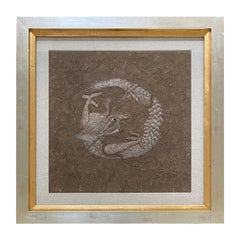
Framed Japanese Relief Embroidery Textile Art of Dragon
Located in Atlanta, GA
A beautiful Japanese textile art panel with an embroidered dragon on a swirling cloud background, nicely framed with a linen matt in an antique-fi...
Category
1890s Japanese Japonisme Antique Textiles
Materials
Silk, Wood
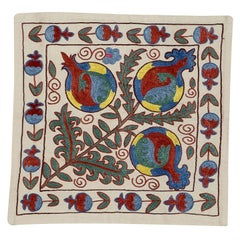
18"x24" Decorative Suzani Pillow Case, Silk Embroidered Sham, Silk Cushion Cover
Located in Spring Valley, NY
In the most technical sense of the word, "Suzani," in Central Asia and Iran, means needle and is used to describe this type of needlework, but to most people, such as decorators or c...
Category
21st Century and Contemporary Uzbek Suzani Textiles
Materials
Linen, Cotton, Silk
$68 Sale Price
70% Off
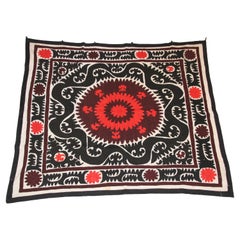
Vintage Samarkand Suzani, Uzbekistan Embroidered Textile Red and Black
Located in Moreno Valley, CA
Vintage Samarkand Suzani, Uzbekistan embroidered textile red and black
Tashkent Suzani from Samarkand Uzbekistan, 1950.
Overall good condition for its age and use some stains.
"Suzani" means needlework and these embroideries are some of the most characteristic forms of textile art from Central Asia. The mastery of color and the dynamic sense of movement they convey continue to add depth and joy to contemporary interiors. A high level of creative variation and the individuation of each flower are what make each piece unique.
Measures: 67.5" x 57".
The Silk Road Bukhara: Like scattered pearls along the vast expanse of the Great Silk Road, the cities of Uzbekistan glisten radiantly under the unforgiving sun. This nation, nestled in a picturesque oasis, holds a treasure trove of historical artifacts, owing to its advantageous position at the heart of the ancient Silk Road network. In the year 138 BC, a transformative era commenced as China graciously opened its borders to trade, giving rise to caravans that embarked upon this illustrious route. These trading pathways served as conduits not only for the exchange of goods and craftsmanship but also for the intermingling of cultures, beliefs, and wisdom. Even today, within the ancient walls of cities like Samarkand, one can still discern the echoes of bustling voices, the melodious jingle of camel harnesses...
Category
Early 20th Century Turkish Folk Art Textiles
Materials
Fabric
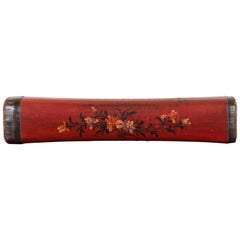
Chinese Qing Dynasty Cinnabar Lacquer Leather Pillow with Hand Painted Flowers
Located in Yonkers, NY
A Chinese Qing dynasty period cinnabar lacquer leather pillow from an antique opium bed, with hand painted floral motifs. Created in China during the...
Category
19th Century Chinese Antique Textiles
Materials
Leather
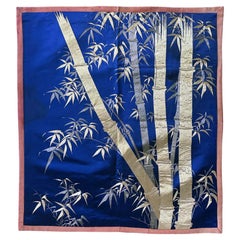
Japanese Embroidery Silk Bamboo Fukusa Meiji Period
Located in Atlanta, GA
A Japanese silk embroidery Fukusa panel circa 1890-1910s toward the end of Meiji Period. On the deep blue satin background, the artist showcases a clump of bamboos in a realistic sty...
Category
Early 20th Century Japanese Meiji Textiles
Materials
Silk
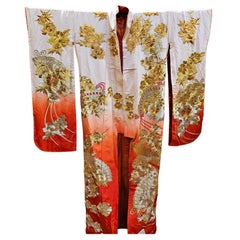
Vintage Japanese Silk Brocade Embroidery Ceremonial Kimono in Ivory, Red, Gold
Located in Barrington, IL
An exquisite and visually commanding vintage Uchikake wedding kimono from Japan, dating from the late Meiji to early Taisho period (circa 1910s–1930s). Traditionally worn by brides ...
Category
Early 20th Century Japanese Textiles
Materials
Gold
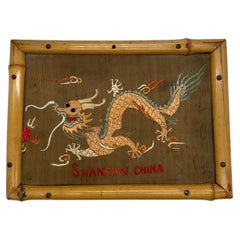
Post War Embroided Silk Art Imperial Chinese Dragon in Bamboo Frame
Located in Van Nuys, CA
Post War II Chinese silk embroidery of a five-clawed imperial dragon in rendered orange thread against a green background. The words "Shanghai China" are embroidered below the dragon...
Category
1940s Chinese Vintage Textiles
Materials
Silk, Bamboo
$165 Sale Price
40% Off
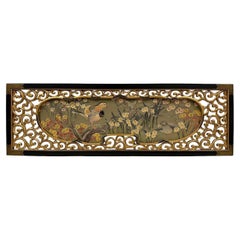
Antique Framed Chinese Embroidery Panel C.1920
Located in London, GB
Antique Framed Chinese Embroidery Panel C.1920
Embroidered with an exotic bird perched on a cherry blossom tree, a butterfly hovering above ...
Category
Early 20th Century Chinese Textiles
Materials
Fabric
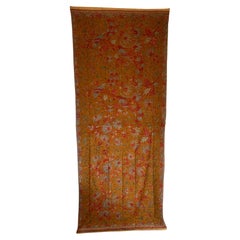
Hand-Drawn Batik Textile, from Java Indonesia
Located in Jimbaran, Bali
A fine example of a batik textile from Solo, Java, Indonesia. This textile features wonderful detailing & contrast. It features a wonderful array of flor...
Category
Early 2000s Indonesian Other Textiles
Materials
Cotton
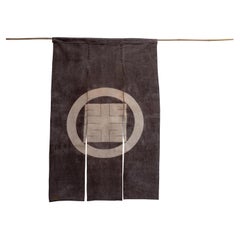
Fabric Divider, Cotton Noren with Kakumoji Character, Japan, Early 20th Century
Located in Tokyo, Tokyo
This is a traditional Japanese noren (fabric shop curtain) dating to the Taisho period (1912–1926), crafted from cotton dyed with persimmon tannin (kaki...
Category
Early 20th Century Japanese Textiles
Materials
Cotton
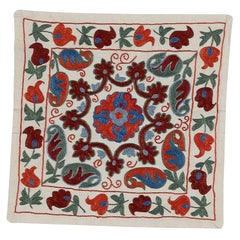
18"x24" Suzani Uzbek Lace Pillow, Embroidered Toss Pillow, Silk Cushion Cover
Located in Spring Valley, NY
In the most technical sense of the word, "Suzani," in Central Asia and Iran, means needle and is used to describe this type of needlework, but to most people, such as decorators or c...
Category
21st Century and Contemporary Uzbek Suzani Textiles
Materials
Linen, Cotton, Silk
$68 Sale Price
70% Off
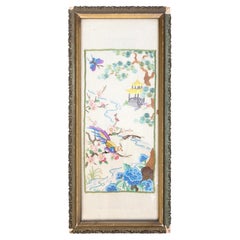
Antique Japanese Meiji era Framed Embroidery Wall Hanging
Located in Pomona, CA
Hand embroidered in Japan, this large framed silk embroidered wall art was made in Meiji era, approximated 1900s. Very detailed hand embroidere...
Category
Early 20th Century Chinese Chinese Export Textiles
Materials
Silk
$2,737 Sale Price
25% Off
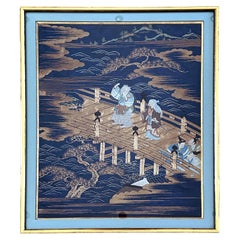
Framed Antique Japanese Embroidery Fukusa Panel Takasago Legend
Located in Atlanta, GA
A finely embroidered Japanese silk Fukusa panel presented in a beautiful silk-lined giltwood frame (newly framed and glazed), circa late 19th century of Meiji Period. Fukusa is a traditional Japanese textile art used to wrap and present gifts at important occasions. Depending on the occasion, the panel itself can be a very fine textile art on its own.
On the deep blue background, this elaborate textile art depicts an old couple standing on a bridge with three bystanders, flanked by pine trees with hills afar. The couple is Jotomba (Joo and Uba are their respective names), characters in the Legend of Takasago, one of the oldest Japanese mythologies, who are associated with old pines. The legend goes as: "At Takasago Shrine there is a very old pine tree, the trunk of which is bifurcated; in it dwells the spirit of the Maiden of Takasago who was seen once by the son of Izanagi who fell in love and wedded her. Both lived to a very great age, dying at the same hour on the same day, and since then their spirits abide in the tree, but on moonlight nights they return to human shape to revisit the scene of their earthly felicity and pursue their work of gathering pine needles. His pine tree is called “The Pine of Suminoe” while hers is "Takasago pine".
In Japan, Takasago couple...
Category
Late 19th Century Japanese Meiji Antique Textiles
Materials
Silk, Wood
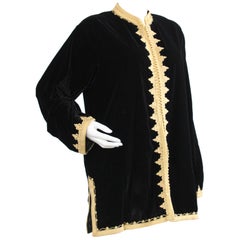
Moroccan Kaftan Black Velvet Vest with Gold Embroideries
Located in Moreno Valley, CA
Moroccan Kaftan Black Velvet Vest with Gold Embroideries
This Moroccan traditional kaftan is embroidered and embellished with gold trim.
Evening Moroccan ...
Category
20th Century Moroccan Moorish Textiles
Materials
Fabric, Textile, Velvet
$280 Sale Price / item
56% Off
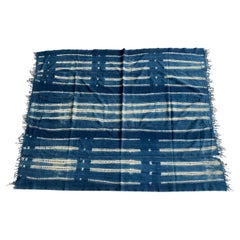
Antique Indigo Mali Textile
Located in New York, NY
African Mali indigo textile circa 1950. Handwoven, vegetable dyed cotton. We only select the best.
This soft textile was sourced in the spirit of Wabi-Sabi, a Japanese philosophy th...
Category
Mid-20th Century African Tribal Textiles
Materials
Cotton
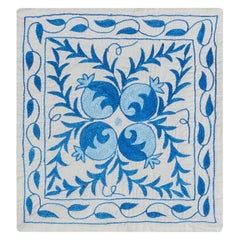
New Silk Hand Embroidery Suzani Textile Cushion Cover in Cream
Blue
Located in Spring Valley, NY
Decorative cushion cover made of hand embroidery silk on linen background, flowers and vine motifs, linen backing with zipper, no insert.
Delicate and specialised washing advised. M...
Category
21st Century and Contemporary Uzbek Suzani Textiles
Materials
Cotton, Silk, Linen
$44 Sale Price
75% Off
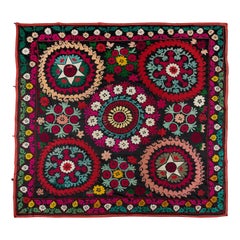
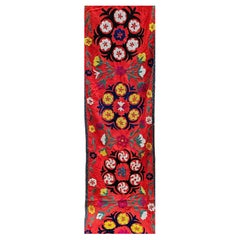
Vintage Uzbek Silk Embroidery Suzani – Red, Green, Ivory, Yellow, Blue
Located in Barrington, IL
A vibrant vintage silk Suzani embroidery from Uzbekistan, this hand-crafted textile showcases the rich cultural heritage of Central Asian artisanship. Originally created as a decorative tent panel, this piece features six large medallions intricately embroidered in silk threads on a bold red cotton ground. The floral motifs come alive in vivid hues of crimson, green, ivory, yellow, and purple, arranged in symmetrical, meditative patterns.
The intricate detailing and radiant palette highlight the traditional craftsmanship and ceremonial significance of Suzani textiles, often associated with blessings, protection, and prosperity. This visually captivating panel can be displayed as wall art, used as a table runner, or integrated into a layered textile arrangement for a touch of cultural sophistication.
A collectible and visually impactful textile that brings story, color, and artisan texture into refined interiors.
Dimensions: 24” x 128"
Date of Manufacture: 2nd Quarter of the 1900s
Place of Origin: Uzbekistan
Material: Silk embroidery on cotton
Condition: Wear consistent with age and use
The Persian Knot Gallery, SKU 1674
vintage Uzbek Suzani, silk embroidery Suzani, red background Suzani, Central Asian textile art, Suzani tent panel, hand-crafted Uzbek textile, embroidered medallion Suzani, floral silk embroidery, collectible Uzbek embroidery, traditional Suzani decor, Suzani wall hanging, Uzbek table...
Category
Mid-20th Century Uzbek Textiles
Materials
Cotton, Silk
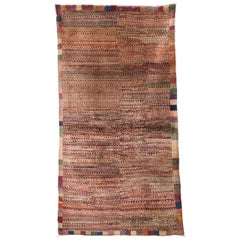
Minimalist Art Deco Chinese Rug 1930
s
Located in Milan, IT
The painterly effect obtained by mixing varying proportions of ivory and indigo wool is peculiar to this family of northern Chinese weavings. As most of them were sourced directly in...
Category
1930s Chinese Art Deco Vintage Textiles
Materials
Wool
Still Thinking About These?
All Recently ViewedMore Ways To Browse
Antique Chinese Embroidery Panel
Antique Japanese Indigo
Japanese Futon Cover
Lame Furniture
Bamboo Mat
Chinese Kesi
Kesi Silk Chinese
Antique Chinese Silk Robes
Ikat Timor
Japanese Fukusa Textile Art
Japanese Sashiko
Moorish Shoes
Vintage Japanese Wedding Kimono
Baby Carrier
Chinese Embroidered Collar
Kimono Meiji
Moroccan Robe
Moroccan Slippers