Revival Building and Garden Elements
to
55
237
232
470
18
3
Height
to
Width
to
2,985
2,172
1,640
1,383
981
828
817
808
528
508
469
317
306
248
210
155
137
121
13
283
174
21
71
38
26
13
1
12
6
2
7
5
10
3
252
139
134
108
91
372
120
103
84
80
491
478
479
4
3
2
2
2
Style: Revival
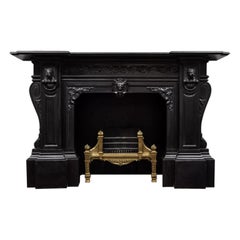
19th Century Black Marble Fireplace, circa 1860
Located in Tyrone, Northern Ireland
19th century black marble fireplace, circa 1860
An exceptional antique highly carved pure black marble fireplace dating to the 1860’s.
The jambs with scrolled acanthus consoles...
Category
19th Century English Antique Revival Building and Garden Elements
Materials
Belgian Black Marble
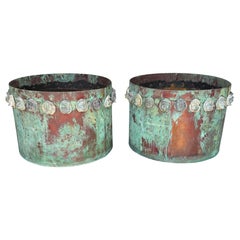
Pair Gothic Revival Verdigris Copper Planters Applied Medieval Heads, circa 1900
Located in West Palm Beach, FL
Pair of Gothic Revival Verdigris Copper Planters with Applied Medieval Heads, circa 1900
This extraordinary pair of Gothic Revival copper planters, dating to circa 1895–1915, is dis...
Category
Early 20th Century Revival Building and Garden Elements
Materials
Copper
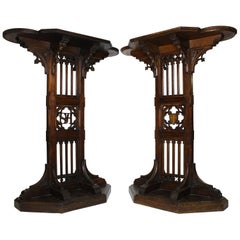
Pair of Tall French 19th Century Gothic Revival Style Carved Oak Church Pedestal
Located in Los Angeles, CA
A large pair of tall French 19th century Gothic Revival style carved oak and parcel-gilt Church pedestal stands. The slender body stands, each centred ...
Category
19th Century French Antique Revival Building and Garden Elements
Materials
Gold Leaf

$9,895 Sale Price / set
46% Off
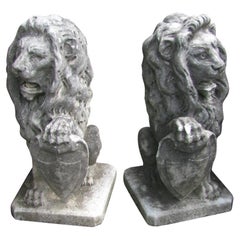
Pair of Hand-Carved 19th Century Italian Marble Lions
Located in Port Jervis, NY
Hand-carved pair of Carara marble, 19th century, Italy, darkened from age, very heavy weighing about 175lbs each. Some minor chips to marble. In good shape overall. Priced and sold a...
Category
Late 19th Century Italian Antique Revival Building and Garden Elements
Materials
Carrara Marble
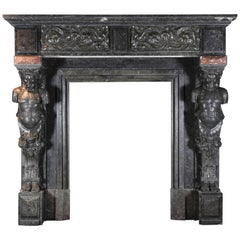
19th Century Belgian Antique Fireplace Mantel
Located in Beervelde, BE
This fireplace surround has been built in Belgian Bleu granite with Rouge de Rochefort marble details. The caricatures are very unique with strong impressions. This is one of a kind ...
Category
19th Century Belgian Antique Revival Building and Garden Elements
Materials
Stone
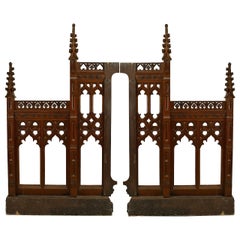
Pair of English Gothic Revival Oak Railings
Located in Queens, NY
Pair of English Gothic Revival style (19th Century) oak carved railing panels with open design and finial (PRICED AS Pair).
Category
19th Century British Antique Revival Building and Garden Elements
Materials
Oak
$7,500 / set
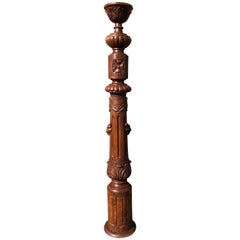
Impressive Wooden Stair Newel Post or Display Pedestal with Carved Lion Heads
Located in Lisse, NL
Great, sculptural stair newel post from the 1800s.
This unique newel post and pedestal is beautifully and richly carved all around. Most impressive ...
Category
Mid-19th Century European Antique Revival Building and Garden Elements
Materials
Wood
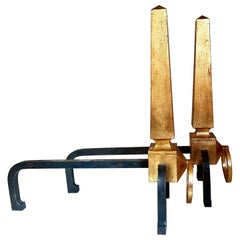
20th Century Pair of Gilt and Blackened Wrought Iron Andirons
Located in Madrid, ES
A striking pair of fire dogs (andirons) in Quinet style crafted in wrought iron with giltwood architectural uprights. The design features tall obelisk-form finials with faceted surf...
Category
Mid-20th Century Spanish Revival Building and Garden Elements
Materials
Iron, Wrought Iron
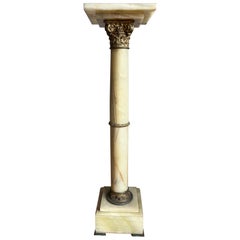
Great Antique Gothic Style Onyx and Bronze Column Pedestal Stand, Marked
Located in Lisse, NL
Wonderful column pedestal with a rotating top for perfectly displaying a work of art or otherwise.
This antique and gothic design pedestal is perfect for showcasing an antique sculp...
Category
Late 19th Century Italian Antique Revival Building and Garden Elements
Materials
Onyx, Bronze
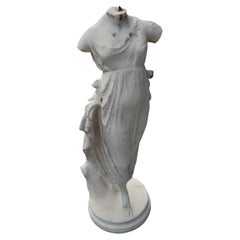
19th Century Hand Chilseled Marble Torso of a Victorian Maiden
Located in Port Jervis, NY
Fabulous clothed torso of a fair maiden from the victorian era
Two pieces, has a plinth base which is separate from the figure. Well worn as it has lived it's life in a garden. Str...
Category
1880s Italian Antique Revival Building and Garden Elements
Materials
Carrara Marble
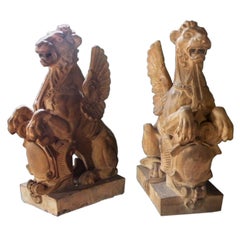
Pair of 19th Century Terra Cotta Winged Lions
Located in Troy, NY
Pair of 19th Century Terra Cotta Winged Lions. Well articulated, impressive pair of terra cotta winged lions, in seated position and holding heraldic shields between their front paws...
Category
19th Century Italian Antique Revival Building and Garden Elements
Materials
Terracotta
$16,500 / set
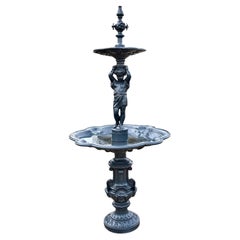
French Cast Iron Two Tiered Fountain with Cherub Baluster, Scalloped Pool
Located in Katonah, NY
A two-tier cast-iron fountain with two fountain bowls, the lower bowl larger, each bowl with scalloped edge and cherub masks on the underside, the smaller bowl surmounted by a founta...
Category
1870s French Antique Revival Building and Garden Elements
Materials
Iron
$25,600 Sale Price
20% Off
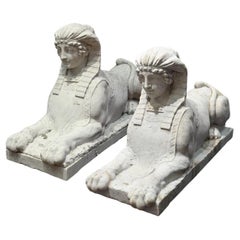
Pair of carved Carrara marble sphinxes
Located in SAINT-OUEN-SUR-SEINE, FR
Exceptional pair of white Carrara marble Sphinxes on rectangular bases. A very noble female bust combined with the powerful body of a lioness, recumbent with her tail lying flat on h...
Category
Early 20th Century French Revival Building and Garden Elements
Materials
Carrara Marble
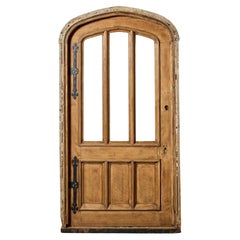
English Gothic Revival Oak Arched Exterior Door for Glazing
Located in Wormelow, Herefordshire
A substantial unglazed solid English oak arched exterior door in the gothic revival style. This door comes without glass, ready from custom-glazing as you desire, and includes a matc...
Category
Late 19th Century English Antique Revival Building and Garden Elements
Materials
Wood, Oak
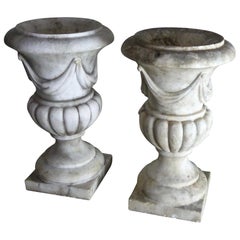
Neoclassical Revival Italian Marble Urns Garden Planters
Located in Surrey, BC
A matched pair of petite, hand carved, solid white marble garden urns/planters/jardinières. Neoclassical Revival Campana (bell-shaped) form with attached pedestal base. Dimensions 17...
Category
Early 20th Century Italian Revival Building and Garden Elements
Materials
Marble
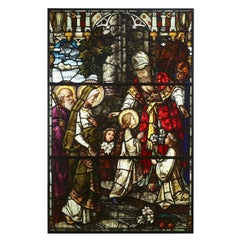
Large Italian Stained Glass Vitreaux Window *The Presentation of the Virgin Mary
Located in Los Angeles, CA
A Very Fine and Large Stained Glass and Hand-Painted Vitreaux Panel depicting "The Presentation of the Virgin Mary", also called Entry of the Most Holy Theotokos into the Temple, feast celebrated in the Roman Catholic and Eastern churches on November 21, depicts the Mother of God’s entrance into the Temple. It was held in the Eastern church in the 6th century but did not become widely accepted in the West until the 15th century. The finely executed colorful stained glass panel beautifully displays the presentation of the child Mary in the temple...
Category
Early 1900s Italian Antique Revival Building and Garden Elements
Materials
Stained Glass
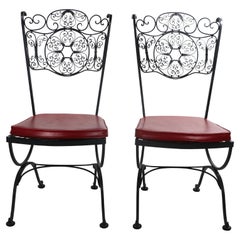
Pr. Ornate Wrought Iron Patio Garden Dining Chairs by Lee Woodard
Located in New York, NY
Pair ornate wrought iron dining chairs, with original vinyl seats. Both are in very fine, ready to use condition, retaining Lee Woodard labels. Offered and priced as a pair.
Category
Mid-20th Century American Revival Building and Garden Elements
Materials
Wrought Iron
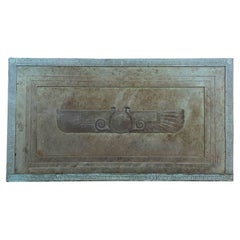
Monumental Egyptian Revival Bronze Wall Relief Sculpture
Located in Kent, CT
A large and impressive early 20th-century bronze relief sculpture in the Egyptian-Revival style. At the center of the relief is an orb flanked by mirrored cobras and radiating wings ...
Category
1920s Vintage Revival Building and Garden Elements
Materials
Bronze
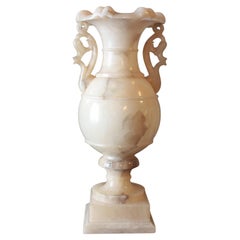
Single Alabaster Urn Lamp
Located in Barcelona, ES
Carved Alabaster Table Lamp with Urn Form and Light Inside, Italy, 1930s
Alabaster Urn Lamp.
Outstanding Neoclassical carved alabaster urn lamp with handles.Italy, 1930s Elegant neoc...
Category
Early 20th Century Italian Revival Building and Garden Elements
Materials
Alabaster
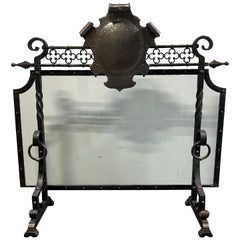
Vintage Medieval Gothic Fire Screen with Crest
Located in W Allenhurst, NJ
This Vintage Medieval Gothic Fire Screen with Crest and glass insert, is a unique and elegant piece perfect for adding a touch of historical charm to any fireplace. Made of wrought i...
Category
20th Century Unknown Revival Building and Garden Elements
Materials
Wrought Iron
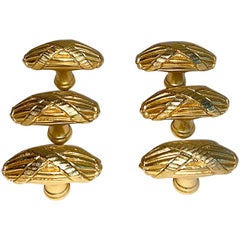
Set of Six Sherle Wagner Ribbon and Reed Cabinet Drawer Pulls
Located in Fort Lauderdale, FL
Set of six Sherle Wagner ribbon and reed cabinet drawer pulls in brass/bronze gold finish. Like new condition. Price is for the set of six. Sherle...
Category
Late 20th Century Revival Building and Garden Elements
Materials
Bronze
$1,225 Sale Price / set
30% Off
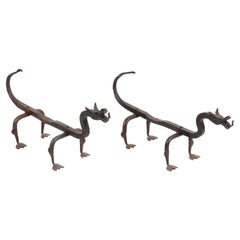
Pair of Vintage Hand Forged Wrought Iron Dragon Andirons from France
Located in San Francisco, CA
Uniquely French, these wrought iron "fire dragons" are great as decor in your fireplace, with or without the burning flames. With today's eclectic and layered interiors, the Gothic d...
Category
Early 20th Century French Revival Building and Garden Elements
Materials
Wrought Iron
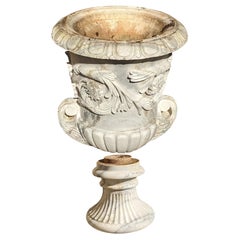
Monumental Vintage Italian Neoclassical Marble Garden Urn Planter Jardinière 42"
Located in Dayton, OH
An impressive Italian Neoclassical garden Urn. Features a massive stature with a lovely foliate motif. The urn showcases gadrooning at the bottom of the base and fluting over the p...
Category
20th Century Revival Building and Garden Elements
Materials
Marble
$3,150 Sale Price
30% Off
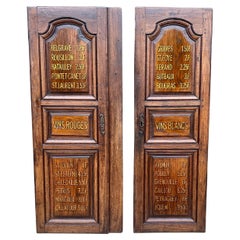
Antique French PAIR BUFFET WINE Doors Hand Painted Menus Bar Wine Cellar Oak 19C
Located in Tyler, TX
EXQUISTE Antique French PAIR of Oak WINE Buffet Doors~~Early 19th Century
Fabulous pair of painted wine doors can be hung on the wall of any bar or game roo...
Category
Early 19th Century French Antique Revival Building and Garden Elements
Materials
Oak
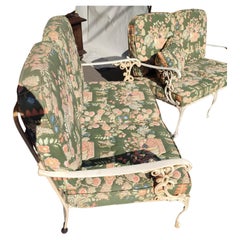
Cast Aluminum Settees by Molla
Full Embossed Pattern Cushions Pair Available
By Molla
Located in Port Jervis, NY
Fabulous pair ( priced and sold separately) of indoor outdoor patio settees by Molla. Cast Aluminum frames with embossed pattern cushions. Ball and ...
Category
1970s Italian Vintage Revival Building and Garden Elements
Materials
Aluminum
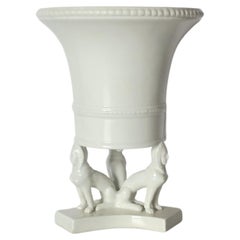
Italian Urn Vase Planter with Dogs Egyptian Revival Style
Located in New York, NY
An Italian white ceramic urn vase or cachepot planter in the Egyptian Revival style, circa late-20th century, Italy. A white urn vase or cachepot (flowe...
Category
Late 20th Century Italian Revival Building and Garden Elements
Materials
Ceramic
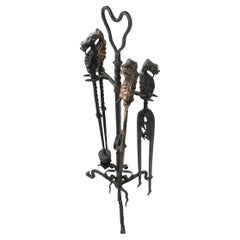
Wrought Iron and Cast Bronze Gothic Fireplace Tool Set c. 19th C.
By Samuel Yellin
Located in New York, NY
Exceptional 19th century set of wrought iron and cast bronze fireplace tools, with dragon, griffin handles. The set features inscribed line drawn decorative surfaces, with twisted an...
Category
19th Century French Antique Revival Building and Garden Elements
Materials
Bronze, Wrought Iron
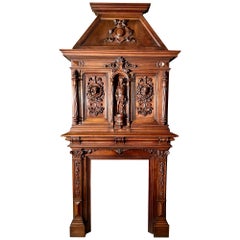
Antique French Renaissance Revival Carved Walnut Mantel, Circa 1880.
Located in New Orleans, LA
Antique French Renaissance Revival walnut mantel, circa 1880.
Category
Late 19th Century French Antique Revival Building and Garden Elements
Materials
Walnut
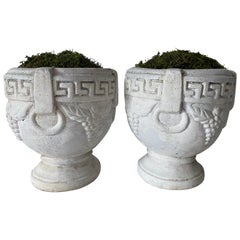
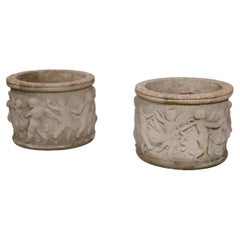
Pair of Vintage Concrete Planters
Located in Stockton, NJ
A pair of vintage concrete planters or urn with Greek key and grape motif decoration. Wonderful patina throughout.
Category
Mid-20th Century American Revival Building and Garden Elements
Materials
Concrete
$695 / set
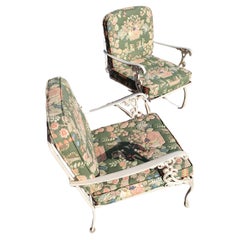
Pair of Molla Garden Lounge Chairs Cast Aluminum with Embossed Pattern Cushions
By Molla
Located in Port Jervis, NY
Fabulous pair of lightweight cast aluminum lounge chairs with full embossed cushions by Molla of Italy.
circa 1970 This set lived inside it's entirety....
Category
1970s Italian Vintage Revival Building and Garden Elements
Materials
Aluminum
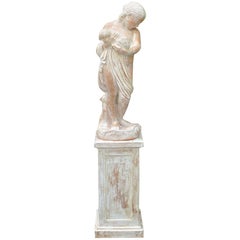
Terracotta Statue on Plinth of Girl Protecting Puppy after Odoardo Fantacchiotti
Located in Hanover, MA
20th century limed terracotta statue "Ragazza che protegge il suo cucciolo dal serpente" Girl Protecting Her Puppy From a Snake after Odoardo Fantacchiotti (1809-1877), supported by a square-form limed terracotta pedestal.
This work evokes a great deal of tenderness from the viewer. The girl, dressed in drapery that seems to want to slip off her body at any moment, holds in her arms a frightened puppy seeking protection.
The young girl's melancholy gaze and the little dog's frightened gaze are turned towards the snake which, at the height of her feet, raises its threatening head.
Pedestal 30...
Category
1970s Italian Vintage Revival Building and Garden Elements
Materials
Terracotta
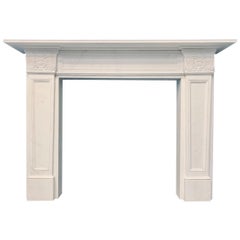
Large Egyptian Revival Manner Statuary Marble Fireplace Surround
Located in Edinburgh, GB
A large and handsome with good proportions-Egyptian revival manner lightly veined statuary marble fireplace surround.
A generous top shelf with double bull nose moulding, a seconda...
Category
1960s English Vintage Revival Building and Garden Elements
Materials
Statuary Marble
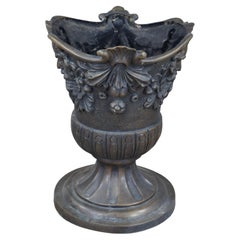
Lost Wax Cast Bronze Figural Zeus Urn Sculpture Planter Jardinière Pot 26"
Located in Dayton, OH
A beautiful figured bronze urn or planter. Features a traditional Grecian form with a lobed body and round fluted base. Decorated with a low relief depiction of Zeus flanking opposit...
Category
20th Century Revival Building and Garden Elements
Materials
Bronze
$822 Sale Price
30% Off
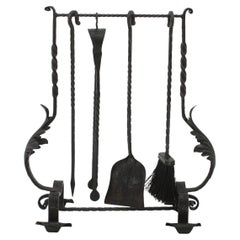
Gothic Revival Fireplace Tools Set in Wrought Iron with Foliage Motif, 1940s
Located in Barcelona, ES
Beautiful Gothic style hand forged antique fireplace tool set on stand. Italy, 1930-1940.
The rack stands up on a footed base with scroll ending feet and foliage accents at both side...
Category
20th Century Italian Revival Building and Garden Elements
Materials
Iron
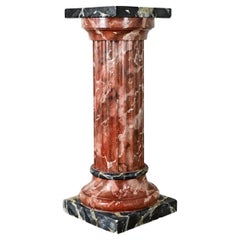
Vintage French Faux Finish Marble Column
Located in Baton Rouge, LA
A piece of sculpture on its own, this 20th century French precast concrete pedestal resembling an architectural column is artfully handpainted in a faux finish marbleized effect that...
Category
20th Century French Revival Building and Garden Elements
Materials
Concrete
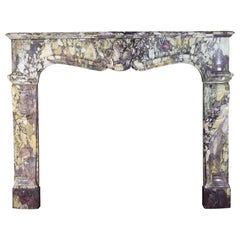
19th Century Parisian Breche Violet Marble Fireplace Surround For Luxury Living
Located in Beervelde, BE
Fabulous, rich in color, Royal Brêche Violet Marble chimney piece. It is a exceptional Regency style, 19th century. Unique historic fireplace mantel for a signature interior. This or...
Category
19th Century French Antique Revival Building and Garden Elements
Materials
Marble, Breccia Marble
Pr. Vintage Henri Studio Classical Style Cement Planters with Cherub Decoration
By Henri Studios
Located in New York, NY
Charming classical revival cement planters attributed to noted maker Henri Studios. The pair feature cupids executed in raised relief, which circle the outside of the planters. Bot...
Category
Late 20th Century American Revival Building and Garden Elements
Materials
Cement
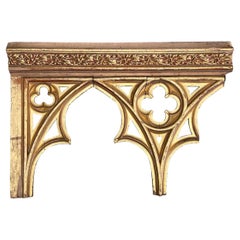
Large Belgian Neo-Gothic Painted and Giltwood Architectural Element
Located in San Francisco, CA
Of Neo-gothic style and large scale with a protruding cornice carved with a meandering foliate vine; above an openwork body with trefoil and quatrefoil pierced reserves over a pointe...
Category
1860s Belgian Antique Revival Building and Garden Elements
Materials
Wood
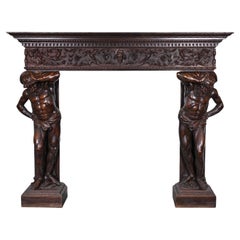
Monumental Italian carved walnut fireplace, Neo-Renaissance style, circa 1880
Located in SAINT-OUEN-SUR-SEINE, FR
Imposing architectural fireplace from Italy, finely carved in dark walnut and featuring two powerful antique-style atlantes supporting an elaborately decorated entablature. The beard...
Category
Late 19th Century Italian Antique Revival Building and Garden Elements
Materials
Walnut
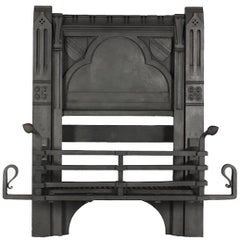
William Burges by Francis Skidmore, A Rare Gothic Revival Cast Iron Fire Insert
By William Burges
Located in London, GB
William Burges Made by Francis Skidmore. A rare and important Gothic Revival cast iron fire place insert.
Category
1860s English Antique Revival Building and Garden Elements
Materials
Iron
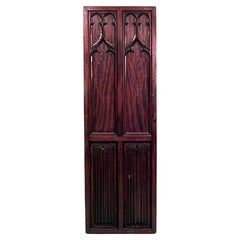
Pair of English Gothic Revival Mahogany Doors
Located in Queens, NY
Pair of English Gothic Revival style (19th Century) mahogany doors with linen fold base and Gothic style top (PRICED AS Pair).
Doors are 23.25" each
Category
19th Century British Antique Revival Building and Garden Elements
Materials
Mahogany
$3,500 / set
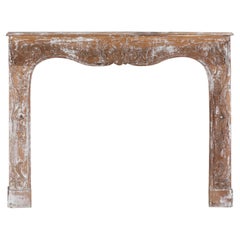
Authentic 19th Century French Rococo Fireplace Mantel - Floral Details - Antique
Located in Beervelde, BE
This authentic 19th-century Rococo-style wooden fireplace surround is a masterpiece of French artistry and craftsmanship.
Hand-carved from solid wood, the piece showcases the fluid e...
Category
19th Century French Antique Revival Building and Garden Elements
Materials
Wood
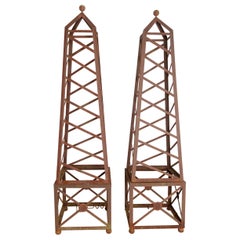
Pair of Neoclassical Revival Steel Garden Obelisks, France, 1980s
Located in Stamford, CT
A pair of monumental rusted steel classical obelisks with ball finial tops, trellised sides, rosettes on cross members of the bases, ball finial feet- some have been partially rusted...
Category
1980s French Vintage Revival Building and Garden Elements
Materials
Steel
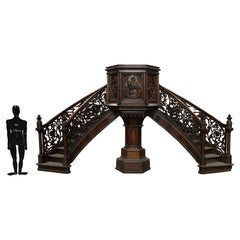
Neo-Gothic style preaching pulpit in oak
Located in SAINT-OUEN-SUR-SEINE, FR
Pulpit in oak with double flight of stairs richly carved with monsters.
Category
19th Century Belgian Antique Revival Building and Garden Elements
Materials
Oak
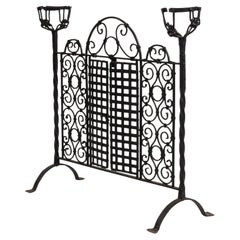
American Renaissance Style Wrought Iron Fire Screen
Located in Queens, NY
American Renaissance-style (1920s) wrought iron fire screen with scroll decorations and hinged doors flanked by warming pot holders.
Category
20th Century American Revival Building and Garden Elements
Materials
Iron
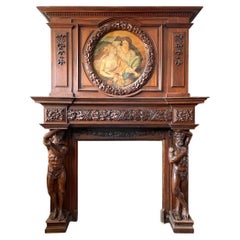
Monumental carved walnut fireplace with atlantes and painted medallion
Located in SAINT-OUEN-SUR-SEINE, FR
Monumental carved walnut fireplace with atlantes and painted medallion Imposing ceremonial fireplace in solid walnut, richly carved in a Neo-Renaissance style. It features two full-r...
Category
Late 19th Century French Antique Revival Building and Garden Elements
Materials
Walnut, Canvas
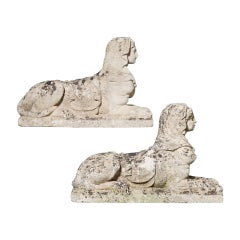
Pair of 19th Century Limestone Sphinx Statues
Located in Wormelow, Herefordshire
A pair of 19th century limestone sphinx statues presented in outstanding condition.
This handed pair of female headed lions are carved with exceptional detail. Natural weathering h...
Category
Mid-19th Century English Antique Revival Building and Garden Elements
Materials
Stone, Limestone
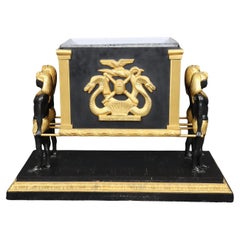
French Egyptian Revival Ebonized Gilt Metal Figural Planter Circa 1950s
Located in Swedesboro, NJ
This French Egyptian Revival ebonized and gilt metal figural planter from the 1950s is a striking example of mid-century neoclassical design inspired by the grandeur of ancient Egypt...
Category
1950s French Vintage Revival Building and Garden Elements
Materials
Metal
19th Century Neo-Classical Marble Fireplace Mantel From Antwerp
Located in Beervelde, BE
This is a beautiful and historically rich marble fireplace mantel. From its 19th-century origins and being reclaimed from an Antwerp merchant house, it holds a story of elegance and ...
Category
19th Century Belgian Antique Revival Building and Garden Elements
Materials
Marble
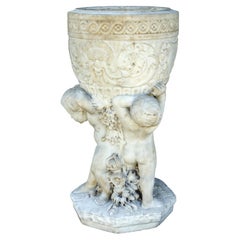
Italian Carrara Marble Garden Sculpture
Located in Essex, MA
With three cherubs on an octagonal base supporting a finely carved urn.
Category
Late 19th Century Italian Antique Revival Building and Garden Elements
Materials
Carrara Marble
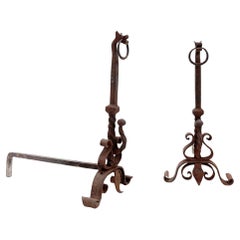
Italian Wrought Iron Dragon Andirons, Antique Fireplace Set, 1920s
Located in Linkebeek, BE
Italian wrought iron dragon andirons, 1920s
Fireplace set - Antique
Measures : 20x40cm H:42cm
Pair of wrought iron andirons in the shape of dragon bodies and ring handles.
The drago...
Category
Early 20th Century Italian Revival Building and Garden Elements
Materials
Iron
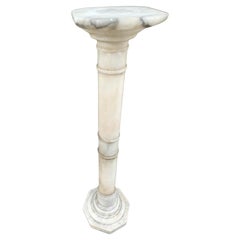
Early 20thc Carrara Marble Pedestal Italy
Located in Port Jervis, NY
Fabulous witt a lean profile. Marble is sectioned and assembled with an iron rod connector. Top lifts off for transport. In excellent antique condition with minimal wear.
Category
Early 1900s Italian Antique Revival Building and Garden Elements
Materials
Carrara Marble
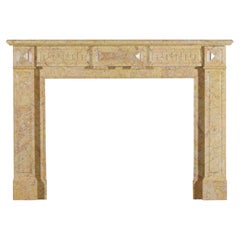
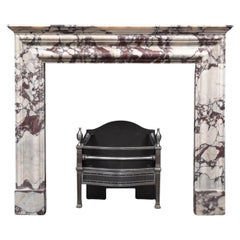
bolection fireplace produced in Italian Breccia Viola marble by Ryan
Smith
Located in Tyrone, Northern Ireland
A stylish and neatly proportioned bolection fireplace produced in Italian Breccia Viola marble
The fireplace has a moulded bolection frame on plain plinths, with a stepped cornice sh...
Category
21st Century and Contemporary Northern Irish Revival Building and Garden Elements
Materials
Breccia Marble
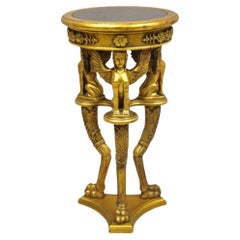
Egyptian Revivial Gold Giltwood Round Marble Top Figural Pedestal Plant Stand
Located in Philadelphia, PA
Egyptian Revival Style Gold Giltwood Round Marble Top Figural Pedestal Plant Stand. Item features tripod base with winged maiden figures and paw feet, very nice pedestal. Circa Late...
Category
19th Century Antique Revival Building and Garden Elements
Materials
Pottery
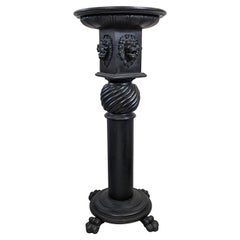
Gothic Revival Ebonized Lion
s Head Pedestal
Located in Riverdale, NY
Elegant Gothic Revival ebonized pedestal from the 19th century. Carved Lion heads are set on 4 sides with carved paw feet at base. Ebonized carved wood. 1870s USA.
Measures: top 14...
Category
1870s American Antique Revival Building and Garden Elements
Materials
Wood
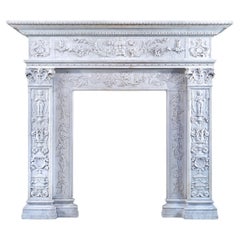
An Antique Italian Marble Renaissance Revival Fireplace Mantel
Located in London, GB
A substantial and elaborately carved Renaissance revival Italian chimneypiece executed in pale Carrara marble. The frieze with a central carving of the green man a symbol of rebirth...
Category
Late 19th Century Italian Antique Revival Building and Garden Elements
Materials
Carrara Marble
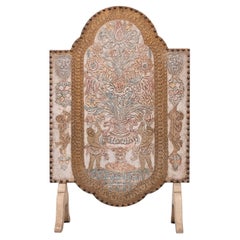
Stunning embossed Leather fire place screen 1950s Italy
Located in Den Haag, NL
Stunning fire place screen . Embossed Leather front . representing
a classic Greek image . Flowers Lions and Cherubs . Hand painted .
lovely colors .
Category
1950s European Vintage Revival Building and Garden Elements
Materials
Leather
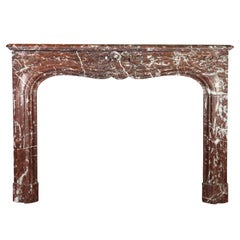
19th Century Antique Fireplace Mantel in Brown and Red Belgian Marble
Located in Beervelde, BE
This is a Belgian red marble Regency style fireplace surround.
Measures:
167 cm EW 65,75"
117 cm EH 46,06"
124 cm IW 48,81"
94 cm IH 37"
43 cm S 16,92"
Category
19th Century Belgian Antique Revival Building and Garden Elements
Materials
Marble
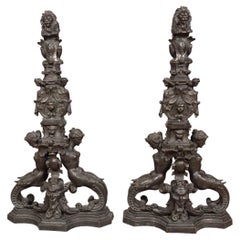
Pair Of Renaissance Revival Bronze Andirons
Located in Essex, MA
19th century copies of renaissance examples each with lions over cartouches and bracket legs with winged caryatids. The design of these is very reminiscent of Jacque I Androuet du C...
Category
1870s Italian Antique Revival Building and Garden Elements
Materials
Bronze
$5,800 / item
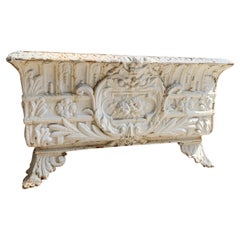
19th C Large French White Cast Iron Jardiniere
Located in Hastings, GB
Dove Grey large scale Jardiniere, dating to circa 1890-1900, deep and heavy, decorative cast iron construction, historically overpainted in an aged dove grey paint which has resulted...
Category
1880s French Antique Revival Building and Garden Elements
Materials
Iron
Revival building and garden elements for sale on 1stDibs.
Find a broad range of unique Revival building and garden elements for sale on 1stDibs. Many of these items were first offered in the 21st Century and Contemporary, but contemporary artisans have continued to produce works inspired by this style. If you’re looking to add vintage building and garden elements created in this style to your space, the works available on 1stDibs include building and garden elements, decorative objects, tables and other home furnishings, frequently crafted with metal, stone and other materials. If you’re shopping for used Revival building and garden elements made in a specific country, there are Europe, France, and United Kingdom pieces for sale on 1stDibs. While there are many designers and brands associated with original building and garden elements, popular names associated with this style include Maitland Smith, Molla, Henry Hobson Richardson, and Benham
Froud. It’s true that these talented designers have at times inspired knockoffs, but our experienced specialists have partnered with only top vetted sellers to offer authentic pieces that come with a buyer protection guarantee. Prices for building and garden elements differ depending upon multiple factors, including designer, materials, construction methods, condition and provenance. On 1stDibs, the price for these items starts at $119 and tops out at $721,205 while the average work can sell for $3,495.
More Ways To Browse
Antique Cast Iron Lions Head
Bronze Water Fountains
Brownstone Furniture
Cast Iron Lady
Cast Iron Swan
Cherub Fish
Chinese Rose Garden Seat
Deck Cannon
Fountain Surrounds
Garden Etagere
Greek Oil Jar
Iron Deer
Modern Iron Gate
Spanish Carved Panel
Stone Rams
Victorian French Doors
Vintage Fireplace Poker
Wm H Jackson