Sundials
Late 20th Century American Neoclassical Sundials
Iron
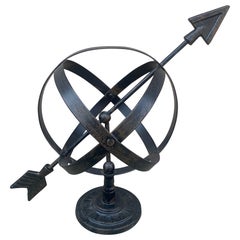
Late 20th Century American Country Sundials
Iron
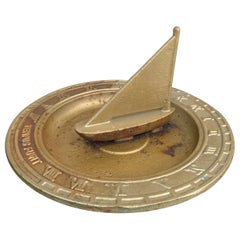
Late 18th Century French Antique Sundials
Slate
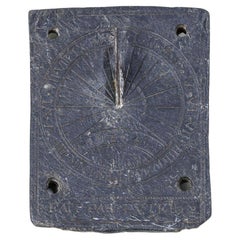
Late 20th Century American Neoclassical Sundials
Iron
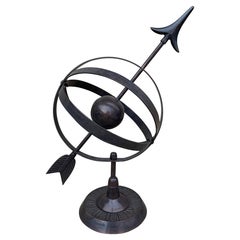
Late 20th Century American Arts and Crafts Sundials
Iron
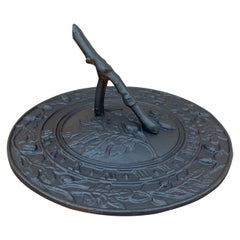
Late 20th Century American Neoclassical Sundials
Iron
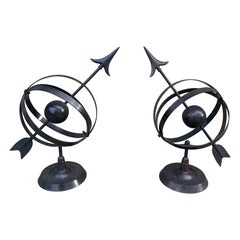
1890s French Antique Sundials
Copper, Iron
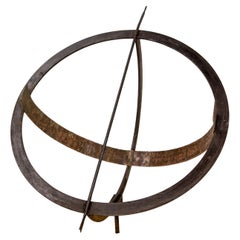

Early 20th Century British Arts and Crafts Sundials
Bronze
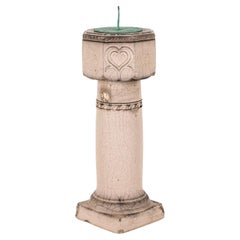
18th Century English Antique Sundials
Bronze
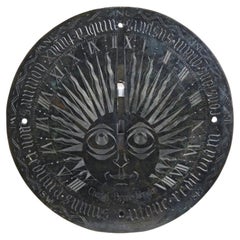
1950s Swedish Vintage Sundials
Brass
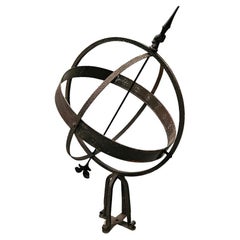
1840s British William IV Antique Sundials
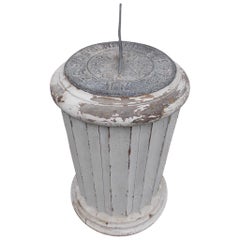
Late 19th Century English Victorian Antique Sundials
Stone, Marble, Iron
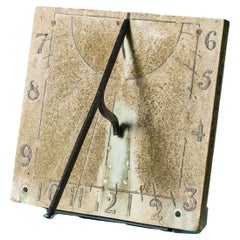
20th Century American Mid-Century Modern Sundials
Iron
Late 19th Century English Medieval Antique Sundials
Bronze
Late 19th Century English Victorian Antique Sundials
Stone, Limestone, Granite, Metal, Bronze
Early 19th Century English Georgian Antique Sundials
Marble, Siena Marble
1910s American Aesthetic Movement Vintage Sundials
Bronze
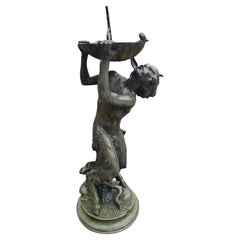
Mid-20th Century English Mid-Century Modern Sundials
Stone, Granite, Metal, Copper
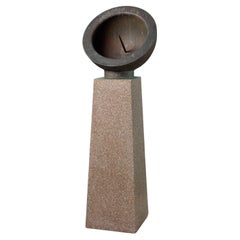
Early 20th Century English Georgian Sundials
Alabaster, Bronze
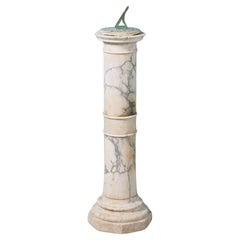
20th Century English Victorian Sundials
Stone, Metal
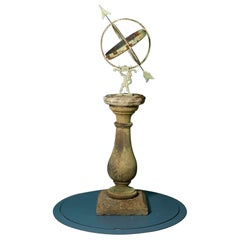
Early 20th Century English Georgian Sundials
Stone, Limestone, Metal, Steel
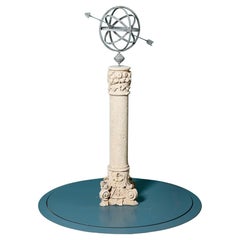
Late 19th Century English Georgian Antique Sundials
Marble, Carrara Marble
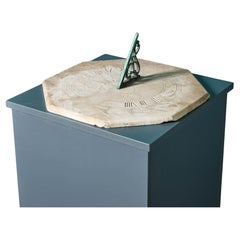
Early 20th Century English Victorian Sundials
Metal, Bronze
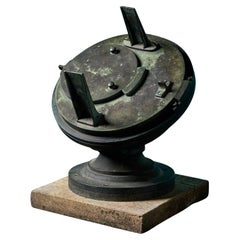
Mid-20th Century English Mid-Century Modern Sundials
Metal, Bronze
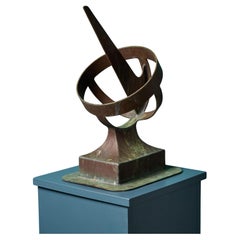
19th Century Scottish Antique Sundials
Sandstone
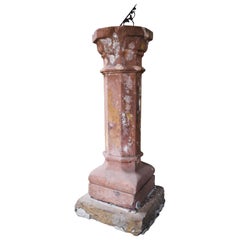
Early 2000s Industrial Sundials
Iron
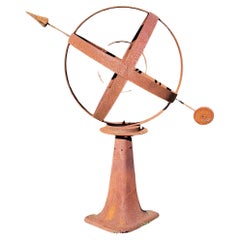
Mid-19th Century English Georgian Antique Sundials
Metal, Bronze
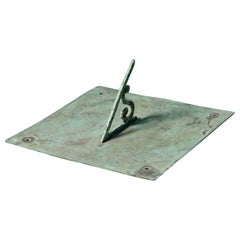
Antique and Vintage Sundials
Although typically decorative, antique and vintage sundials transport a guest in your home to a different era, their simple function a tether to the ancient world.
Humans have tracked time since the dawn of civilization. Before the invention of precise mechanical clocks, various materials including water and incense were used to mark the passage of time. The sundial was one of the earliest of these timekeeping devices.
The oldest known sundial dates back to 1,500 B.C. in Egypt. The very first sundials were simple stone blocks with markings and a vertical needle of wood or metal to indicate the hours with its shadow. Later Greek sundials had a gnomon parallel to the axis of the Earth. Some flat sundials from the Islamic world were directional objects for pointing the way to Mecca.
Mechanical clocks use a series of gears and springs to track time precisely; sundials rely on light and shadow. As sunlight crosses over a sundial, it casts a shadow that moves across the face of the dial as the Earth rotates.
There are now more accurate, easier and probably cooler ways to tell time, yet the sundial persists. It is not uncommon to find flat stone sundials among an assemblage of decorative elements in colorful gardens and standing sundials in expertly appointed outdoor spaces.
While garden sundials are among the most popular sundials today, sundials made of metal, stone, bronze and more can be found on 1stDibs to match any taste or setting. The collection also includes sundials of Scandinavian, British and North American origins.