Urns
1950s Italian Mid-Century Modern Vintage Urns
Terracotta
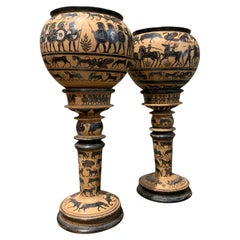
1960s Swiss Vintage Urns
Cement
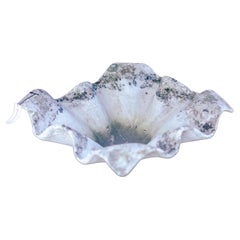
2010s Urns
Limestone
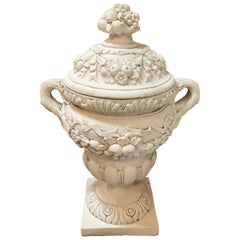
Early 19th Century Antique Urns
Porcelain
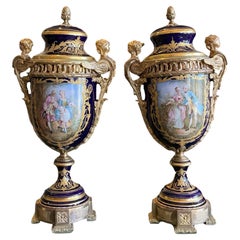
Early 20th Century Urns
Stone, Limestone
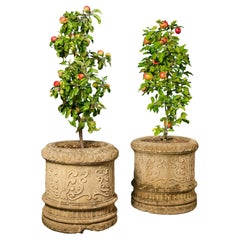
Late 20th Century North American Bohemian Urns
Terracotta

1930s Vintage Urns
Marble
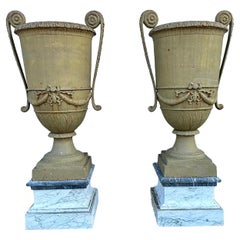
Late 19th Century Greek Antique Urns
Terracotta
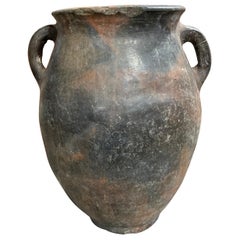
Mid-19th Century Greek Antique Urns
Terracotta
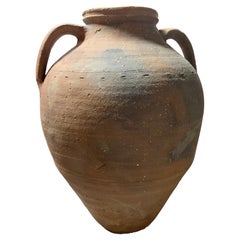
1840s Antique Urns
Terracotta
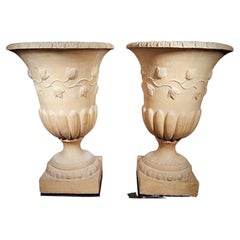
Early 2000s French Urns
Resin
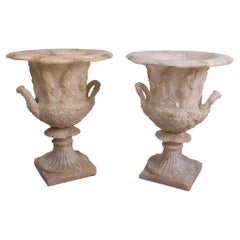
20th Century French Renaissance Urns
Iron
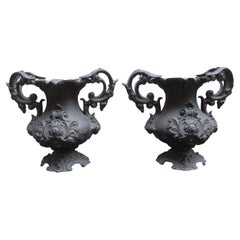
Mid-19th Century Greek Antique Urns
Terracotta
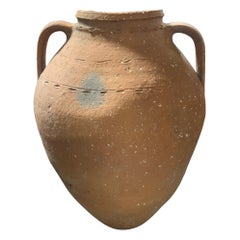
Late 19th Century English Gothic Antique Urns
Iron
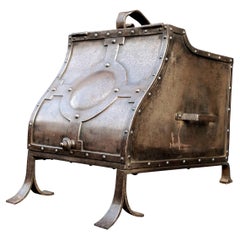
19th Century Italian Grand Tour Antique Urns
Marble, Serpentine, Ormolu
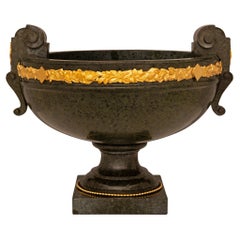
19th Century French Louis XVI Antique Urns
Marble, Ormolu
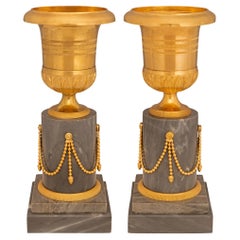
20th Century French Urns
Terracotta
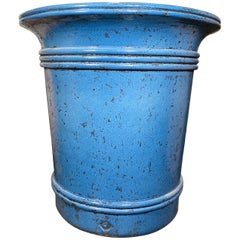

Late 19th Century Greek Antique Urns
Terracotta
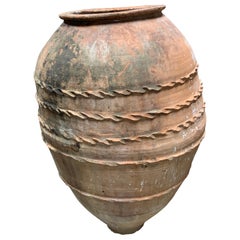
Early 19th Century Greek Antique Urns
Terracotta
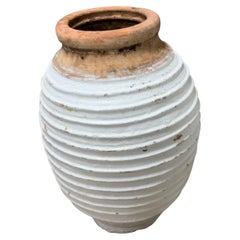
Mid-19th Century Greek Antique Urns
Terracotta
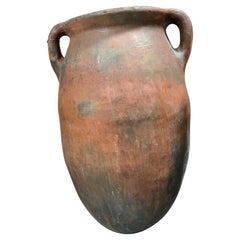
Late 19th Century French Louis Philippe Antique Urns
Belgian Black Marble, Bronze
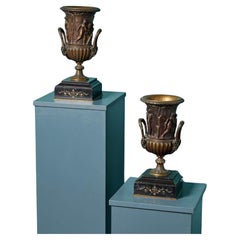
19th Century English Regency Antique Urns
Brass
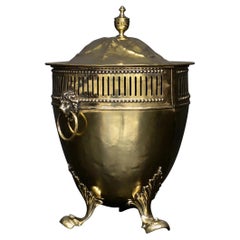
1820s Irish Neoclassical Antique Urns
Wood
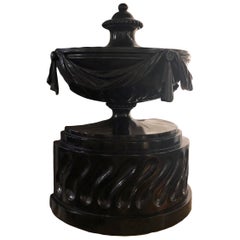
20th Century French Urns
Terracotta
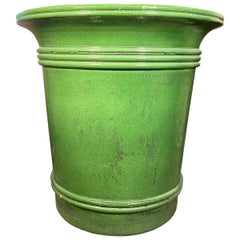
20th Century French Urns
Terracotta
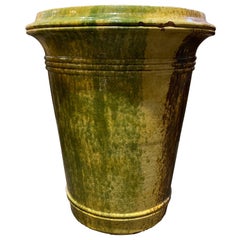
Late 19th Century French Belle Époque Antique Urns
Granite, Bronze
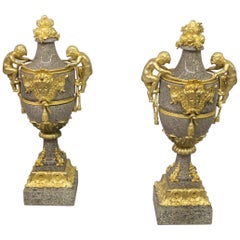
19th Century American Antique Urns
Iron
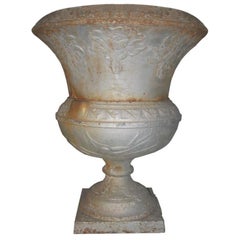
19th Century French Charles X Antique Urns
Bronze, Ormolu
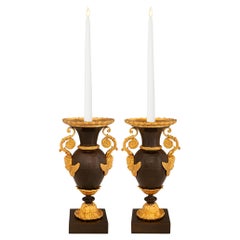
Early 20th Century French Other Urns
Stone

19th Century French Louis XVI Antique Urns
Belgian Black Marble, Ormolu
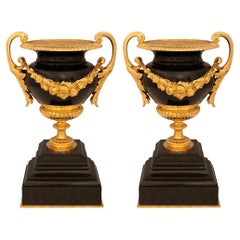
19th Century French Louis XVI Antique Urns
Granite, Bronze, Ormolu
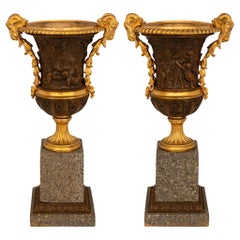
Mid-19th Century European Antique Urns
Porcelain
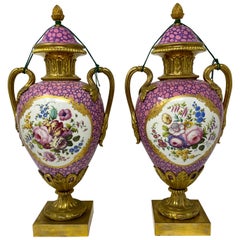
19th Century French Belle Époque Antique Urns
Marble, Bronze
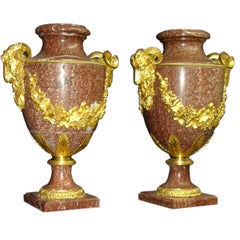
20th Century Italian Urns
Marble
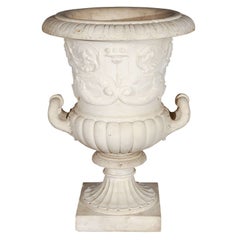
1840s Antique Urns
Terracotta
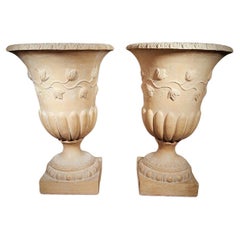
Vintage, New and Antique Urns
When people think of antique and vintage urns — a type of vase with a round body, narrow neck and integrated pedestal — they tend to imagine funerary urns. But all manner of urns have been made over the years, and these vessels can be used as decorative accents either inside your home or in your garden.
Garden urns became popular in early Greek and Roman gardens, where they complemented classical statues and other garden ornaments. Over the years, people have used urns as planters, fountain basins and stylish decorative elements in interiors as well as outdoors in gardens, patios and firepit areas.
Urns are typically made of stone, ceramics or metal. Stone urns are highly durable; while an antique stone urn will show wear with age, it can be used in any climate, and a neoclassical-style cast stone urn with natural world motifs carved in relief is guaranteed to make a statement in your garden. Position two stone urns with vibrant hibiscus bulbs or tulips at the bottom of an outdoor stairway to set it off from other exterior features. Elsewhere, place your urn in the middle of a garden bed to draw attention to your dazzling landscape design. A good concrete urn can easily make a good home for small trees or shrubs, but it will be very heavy to move around.
A ceramic urn is likely going to have thick, robust walls. A glazed terracotta urn, for example, is going to be ideal for potting plants. As glazing is part of the potter’s process for creating a terracotta urn, the urn itself can provide a pop of color to contrast with any low-maintenance plants such as moss or succulents that you have in mind for it.
Metal urns are best used as decor in your living room or foyer rather than outside, unless you’re partial to the alluring weathered patina that is expected to characterize an antique cast-iron garden urn. If you’re planning to use a metal urn as a planter, add a plant liner first. Metal may overheat and damage a plant’s roots if they are not protected, and urns made of certain metals may rust if they’re left outdoors.
But you don’t necessarily need to turn your urn into a planter.
A large urn can hold its own as an accent in any space and create a strong focal point. Browse the collection of decorative antique and vintage urns on 1stDibs today.