Cloissoné Decorative Objects
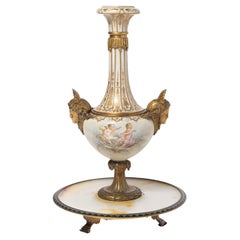
Late 19th Century French Neoclassical Antique Cloissoné Decorative Objects
Onyx, Bronze
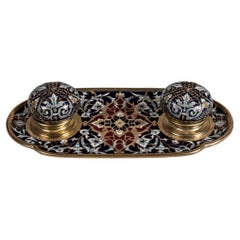
Late 19th Century French Belle Époque Antique Cloissoné Decorative Objects
Bronze, Enamel
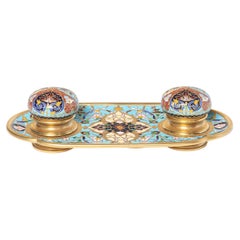
Late 19th Century French Belle Époque Antique Cloissoné Decorative Objects
Bronze, Enamel
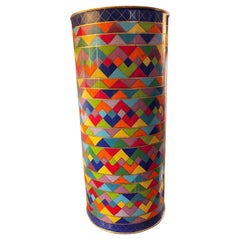
1990s Italian Modern Cloissoné Decorative Objects
Metal, Metallic Thread
Early 20th Century Chinese Chinese Export Cloissoné Decorative Objects
Bronze, Enamel, Ormolu
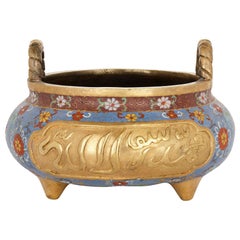

Late 19th Century French Neoclassical Antique Cloissoné Decorative Objects
Enamel
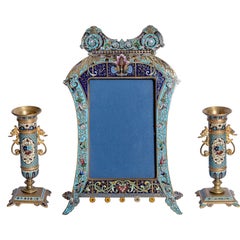
Late 19th Century French Neoclassical Antique Cloissoné Decorative Objects
Marble, Bronze
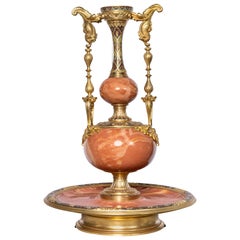
Early 20th Century Chinese Qing Cloissoné Decorative Objects
Bronze
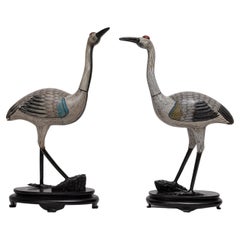
Early 20th Century Chinese Chinese Export Cloissoné Decorative Objects
Bronze, Ormolu, Enamel
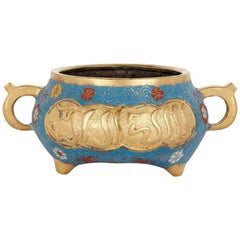
Late 19th Century French Antique Cloissoné Decorative Objects
Metal, Bronze
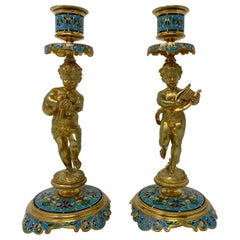
19th Century French Antique Cloissoné Decorative Objects
Marble, Enamel, Ormolu
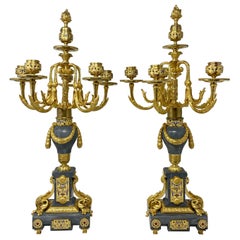
Mid-20th Century Chinese Cloissoné Decorative Objects
Brass
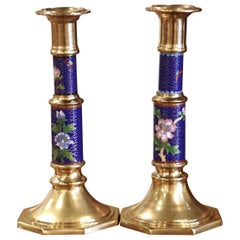
Early 20th Century Chinese Chinese Export Cloissoné Decorative Objects
Bronze, Ormolu, Enamel
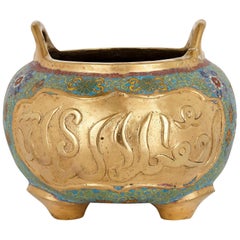
Shop Cloisonné Vases, Boxes, Table Lamps and Other Enameled Objects on 1stDibs
Liven your home with cloisonné vases, bowls, lamps and other objects and furnishings ornamented with lustrous enamel. Technically, enamel is colored glass fused to metal. But that simple description greatly understates the case. Applied using an array of techniques to a wide range of objects, it is one of the most dynamic, and alluring, mediums in the world.
No one knows for sure when or where enameling originated. But, according to the Encyclopedia Britannica, it is widely believed that the decoration on a gold scepter found in a royal Mycenaean tomb at Kourion Kaloriziki, in Cyprus, and dating to the 11th century BC, is a true, early example of the technique.
Between the 6th and 12th centuries AD, cloisonné — in which tiny compartments (cloisons) made by soldering copper filaments to a metal surface are filled with vibrantly hued enamel — had a huge vogue in the Byzantine Empire. By the 7th century, Lombard craftsmen in northern Italy were using enamel to emulate Byzantine objects. In the 12th and 13th centuries, artisans in China imported the technique and made it so much their own that enameled objects have long been associated with Eastern aesthetics and motifs rather than Western ones.
Collectors of authentic antique Chinese furniture and decorative objects know that Ming dynasty-era cloisonné objects are particularly coveted. Although ornamentation was minimal at the time, Ming dynasty furniture often featured carved or painted details of flowers, insects, dragons, fruits and other motifs. As overseas trade expanded, techniques from the West, like cloisonné enamel painting, adorned table screens and other pieces.
Elaborately decorated Ming-era cloisonné objects and furnishings — vessels and other items featuring lots of vibrant colors and details — are likely to fetch considerable sums at auction, as Chinese cloisonné vases created during the Ming and Qing eras represent a golden age of the country’s furniture design. (Victorian cloisonné is also popular with design enthusiasts.)
Cloisonné wasn’t adopted in Japan until the 1800s. Back then, amid an era of societal and cultural shifts, a bolstered interest in art and design elevated Japanese craft traditions during the Meiji period. European styles like Japonisme appropriated Japanese design while craftsmen in places like Wales and England employed japanning, a varnishing technique that approximated the appearance of lacquer for the surfaces of furnishings.
Today, Meiji-era cloisonné vases or incense burners in good condition are of great interest to collectors of Asian art and furniture produced by the period’s Japanese cloisonné workshops.
Find cloisonné vases, table lamps, decorative bowls and other objects for sale on 1stDibs.
Read More
How a Craving for Color Revolutionized Glass
After synthetic dyes changed fashion, home goods and printed matter, it was only a matter of time till glass caught up.
Kazuyo Sejima’s Flowering Tree Blooms Year-Round
The brilliantly simple design turns a modest bouquet into a major statement.
He Wrote ‘Oedipus Rex,’ but Do You Know What He Looked Like?
The Greek tragedian is said to have been handsome in his day.
Cigar Culture Was Once the Peak of Masculinity. Now, It’s a Compelling Curiosity
Even for those who don’t indulge, elegant smoking accessories and audacious art portraying cigar enthusiasts hold a nostalgic allure.
African Travel Plans on Hold? This Ardmore Leopard Vase Brings the Beauty of the Savanna to You
It’s an excellent example of the sought-after ceramics coming out of South Africa’s KwaZulu-Natal province.
With a High-Tech Flagship and Cool Collabs, Lladró Is Breaking the Mold for Porcelain Production
Thanks to its new leadership, the Spanish maker of figurines, busts and lighting is on a mission to update the art of porcelain for the 21st century.
Zoë Powell’s Magnolia 05 Vessel Is Handmade from Clay She Unearthed Herself
The free-form stoneware piece is inspired by the magnolia tree and its associations with home.
8 Ways to Breathe New Life into a Space with Plants
The pair behind the Instagram account @houseplantclub share their tips for making any room of the house gloriously green.