Caucasian Folk Art

to
268
158
29
387
142
2
29
7
6
2
1
1
4
69
314
144
110
126
62
2
3
3
2
3
16
1
476
470
318
131
35
37,025
4,619
4,082
3,542
1,623
531
515
527
84
23
2
1
Place of Origin: Caucasian
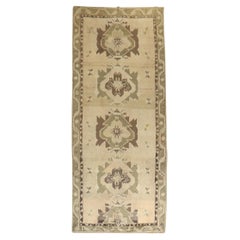
Zabihi Collection Soft Pink Vintage Turkish Oushak Gallery Size Rug
Located in New York, NY
A mid-20th century Turkish Oushak gallery size rug Measures: 5'6'' x 13'2''.
Category

Mid-20th Century Country Caucasian Folk Art

Materials

Wool

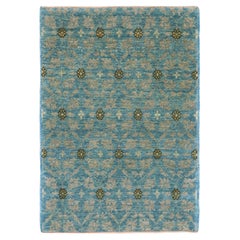
Ararat Rugs Mamluk Modern Rug with Leaf Lattice Design, Revival Rug Natural Dyed
By Ararat Rugs
Located in Tokyo, JP
The source of the rug comes from the book Völker, Angela, Die orientalischen Knüpfteppiche das MAK, Vienna: Böhlau, 2001: 42–5. This rug with the central star was designed in the ear...
Category

21st Century and Contemporary Revival Caucasian Folk Art

Materials

Wool, Natural Fiber, Organic Material

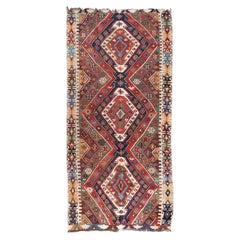
Antique Malatya Kilim Rug Old South Eastern Anatolian Turkish Carpet
Located in Tokyo, JP
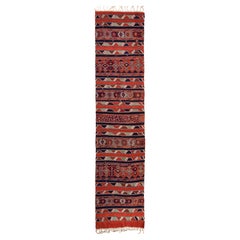
This is a South Eastern Anatolian antique Kilim from the Malatya region with a rare and beautiful color composition. Malatya is Turkey's main kilim production area, and there are many variations. This is one of them, a runner-type kilim. The thread is thin, and the weave is very fine and dense. Some metallic threads are used in this antique kilim, which is rarely seen in Anatolian kilims. Red, navy blue, and gray are the colors that determine the impression of this kilim. Other colors, such as brown, yellow, and light blue, are also used in the patterns. The wavy horizontal striped pattern, plain pattern, and lined motif pattern are woven together to create a kilim that looks like an obi. The pattern of the motif and the pattern of the wave are about the same amounts, giving a lively impression without getting busy. The deep shades of colors and patterns that are familiar to each other are unique to antiques. However, it still retains good coloring, which makes it hard to believe that it is an antique. The runner type is a good type to make this kilim unique. Also, for those who want to create a different kind of home, the use of runners is very effective. Malatya is a town built on one main street that continues for several miles. It is situated in the Tohmasuyu River basin, which is encircled by the high peaks of the eastern Taurus Mountains. This is a fertile agricultural region, particularly for apricots, and has been a prolific weaving area for many years. The modern town was established in 1838; old Malatya, which is close by, was once an important city in Armenia Minor. In Roman times it was important as a garrison town on the eastern frontier, and the settlement came under Ottoman rule in the early fifteenth century. Considering the number of kilims woven in this region there is a surprising lack of diversity in design, especially in the larger kilims; this is possibly a direct result of the Kurdish tribal tradition of weaving only one type of design. Small prayer rugs...
Category

Early 20th Century Kilim Caucasian Folk Art

Materials

Wool, Natural Fiber

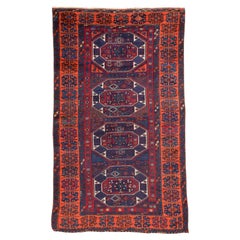
Ararat Rugs Bidjov Kazak Rug Caucasian Antique Revival Carpet Natural Dye
By Ararat Rugs
Located in Tokyo, JP
This is a Bidjov Kazak rug, designed late 19th century, is a type of handwoven rug that originated from the Caucasus region, specifically from the town of Bidjov, a few miles north o...
Category

21st Century and Contemporary Revival Caucasian Folk Art

Materials

Wool, Natural Fiber, Organic Material

Vintage Old Kagizman Kars Kilim Eastern Anatolian Rug Turkish Wool Carpet
Located in Tokyo, JP
This beautiful old kilim with unique coloring is from the town of Kagzizman in the Kars region, eastern Turkey. It is a masterpiece that is over 4 meters long. However, the pattern ...
Category

Mid-20th Century Kilim Caucasian Folk Art

Materials

Wool, Natural Fiber

Vintage Old Antep Cecim Jijim Kilim Eastern Anatolia Turkish Rug Wool Carpet
Located in Tokyo, JP
This is an Eastern Anatolian vintage old Cecim ( Cicim or Jijim) Kilim from the Gaziantep region with a rare and beautiful color composition. This town lies in south-eastern Turkey,...
Category

Mid-20th Century Kilim Caucasian Folk Art

Materials

Wool, Natural Fiber

Old Marash Cecim Cicim Jijim Kilim Eastern Anatolian Rug Turkish Carpet
Located in Tokyo, JP
This is a South Eastern Anatolian Old Jijim (Cecim, Cicim) Kilim from the Maras region with a rare and beautiful color composition. Marash Jijim Kilim – A Tapestry of Tradition and ...
Category

Mid-20th Century Kilim Caucasian Folk Art

Materials

Natural Fiber, Wool

Old Caucasus Soumak Sumac Kilim Rug, Caucasian Natural Sumak Carpet
Located in Tokyo, JP
This is an old Soumak ( Sumak, Sumac ) Kilim from the Caucasus region with a rare and beautiful color composition. Of the four countries that make up the Caucasus, Azerbaijan produces the most kilims, and the land has a long history of weaving. The nomadic tribes wove kilims and carpets as well as a wide range of storage bags and sacks, such as saffrash, khurgin and chula, and donkey and horse trappings. Smaller bags for salt, utensils, and other items are also common. Not only are the Azerbaijani weavers prolific, but they also employ many techniques at the loom. These include slitweave- known locally by the word kilim, warp-faced patterning (jajim), supplementary weft (zili), weft wrapping (popularly known as soumak), and extra weft wrapping (verneh). Furthermore, flatweaves are defined by regional names such as palas and shadda, so it is possible to ascribe a variety of weaving names to particular provenances as follows: soumaks are made in Kuba, palas, and kilims in Hajikabul, zili in Khizy, verneh and zili in Kazakh, shadda, verneh and zili in Barda, jajim in Agjabedi, and palas and kilims in Jabrail. Soumak weave is a technique in which weft threads are added to a plain weave fabric, and one or two warp threads are wound from the front to the back. The resulting kilim is denser and firmer, giving it a unique feel and look. This technique is commonly used in the Caucasus region. Soumak has a very beautiful contrast between orange that shines like the sun, deep purple-tinged indigo, and astringent dark red. You can also see the unevenly dyed abrage in this Soumak, which is like a magic carpet with an oriental atmosphere. Features of the Caucasian kilim, such as the unique cosmic geometric floral pattern, are also found in this Soumak which has a bright look, but it also has a faded and textured feel, so it can be used in a good old atmosphere. The woven fabric is particularly solid, so it is recommended for use in a solid living room or under a dining table without moving or twisting. A nice kilim under a long wooden dining table.
Category

Mid-20th Century Kilim Caucasian Folk Art

Materials

Natural Fiber, Wool

Antique Kurdish Runner Rug, Eastern Anatolian Turkish Carpet
Located in Tokyo, JP
This is an Antique Kurdish Runner Rug from the Eastern Anatolia region with a rare and beautiful color composition. Anatolian Kurdish rugs are handwoven rugs that originate from t...
Category

Mid-20th Century Oushak Caucasian Folk Art

Materials

Wool, Natural Fiber

Ararat Rugs Mamluk Wagireh Rug with Flower Lattice Design DoorMat Entrance Mat
By Ararat Rugs
Located in Tokyo, JP
The design source of carpet comes from the book Völker, Angela, Die orientalischen Knüpfteppiche das MAK, Vienna: Böhlau, 2001: 42–5. This rug with the central star was designed in the early 16th-century rug by Mamluk Sultane of Cairo, Egypt. It is exhibited at MAK – Museum of Applied Arts, Vienna Austria. The interpreted design is composed of a flower lattice pattern taken from a part of the MAK Museum’s rug...
Category

21st Century and Contemporary Revival Caucasian Folk Art

Materials

Wool, Natural Fiber, Organic Material

Ararat Rugs Mamluk Wagireh Rug Lattice Pattern Revival Carpet Natural Dyed
By Ararat Rugs
Located in Tokyo, JP
This lattice pattern is composed of palmettes and leaves filling the various compartments against the imposing ground. One has the impression that it is only part of a larger scheme designed 15th-century rug from the Mamluk era, Cairo region, Eygpt. These designs have often been described as wagirehs or samplers and were said to have been used as weaver`s aids, or for demonstration purposes, made as a template or pattern for the carpet design and production of larger rugs, they are generally small pieces of the size of a scatter rug or mat. Mamluk carpets originated in a physical environment that lacked the combination of abundant marginal grazing land and a temperate climate with cool winters that were common to most carpet-weaving areas in the Islamic world. While related to a broader tradition of Turkish weaving centered in Anatolia, far to the north, the designs of these carpets include atypical elements, such as stylized papyrus plants, that are deeply rooted in Egyptian tradition. Their unusual composition and layout probably represent an attempt to develop a distinctive product that could in effect establish a “Mamluk brand” in the lucrative European export market. The uncharacteristic color scheme—devoid of the undyed white pile and employing a limited range of three or five hues in much the same value—also suggests a conscious attempt to create a particular stylistic identity. Also virtually unique in the world of Islamic carpets is the S-spun wool. It has been argued that the tradition of clockwise wool spinning originated in Egypt because of the earlier Egyptian tradition of spinning flax into linen thread. Details of the plant’s botanical structure make it impossible to spin flax fiber in the more common counterclockwise direction utilized throughout the Middle East for wool and cotton. Mamluk carpets with the color combinations seen in the Simonetti are now generally accepted as part of an earlier tradition that has many links to the weaving of Anatolia, Iran, and Syria. The “three-color” Mamluk carpets, well represented in the Metropolitan’s collection, represent a later development that continued well after the Ottoman conquest of Egypt in 1517. Many such carpets may have been produced well into the seventeenth century, and possibly even later. (Walter B. Denny in [Ekhtiar, Soucek, Canby, and Haidar 2011]). The design of the rug is interpreted by our designers from our Mamlouk-type rugs collection and soft colors are used for this rug. Color summary: 3 colors in total; Moss Green 27 (Spurge – Indigo) Mount Olive...
Category

21st Century and Contemporary Revival Caucasian Folk Art

Materials

Wool, Natural Fiber, Organic Material

Antique Corum Kilim Natural Rug Wool Old Central Anatolian Chorum Turkish Carpet
Located in Tokyo, JP
This is Central Anatolian Antique Kilim from the Corum region with a rare and beautiful color composition. Corum has a long history as a base for Hittite ruins such as Hattusa, the ...
Category

Early 20th Century Kilim Caucasian Folk Art

Materials

Wool, Natural Fiber

Antique Malatya Kilim Door Mat Rug Wool Vintage Eastern Anatolian Turkish Carpet
Located in Tokyo, JP
This is Eastern Anatolian Antique Small Entrance Mat Size Kilim from the Malatya region with a rare, beautiful color composition. This highly collectible antique kilim has wonderful...
Category

Early 20th Century Kilim Caucasian Folk Art

Materials

Wool, Natural Fiber

Ararat Rugs Mamluk Wagireh Rug with Flower Lattice Design Natural Dyed Carpet
By Ararat Rugs
Located in Tokyo, JP
The source of carpet comes from the book Völker, Angela, Die orientalischen Knüpfteppiche das MAK, Vienna: Böhlau, 2001: 42–5. This rug with the central star was designed in the early 16th-century rug by Mamluk Sultane of Cairo, Egypt. It is exhibited at MAK – Museum of Applied Arts, Vienna Austria. The interpreted design is composed of a flower lattice pattern taken from a part of the MAK Museum’s rug...
Category

21st Century and Contemporary Revival Caucasian Folk Art

Materials

Wool, Natural Fiber, Organic Material

Antique Kayseri Kilim Central Anatolian Rug Turkish Natural Carpet
Located in Tokyo, JP
This is a large antique Central Anatolian Kilim from the Kayseri region with a rare and beautiful color composition. It has a Kayseri-like medallion pattern, but it is characteriz...
Category

Early 20th Century Kilim Caucasian Folk Art

Materials

Wool, Natural Fiber

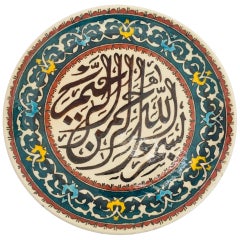
Polychrome Hand Painted Ceramic Decorative Plate with Islamic Calligraphy
Located in Moreno Valley, CA
Polychrome hand painted and handcrafted ceramic wall decorative plate with polychrome Ottoman floral design and Islamic calligraphy writing in the ce...
Category

Mid-20th Century Islamic Caucasian Folk Art

Materials

Ceramic

Antique Kurdish Herki Rug Eastern Anatolian Turkish Rug Handwoven Natural Dye
Located in Tokyo, JP
This is an Antique Kurdish Herki Rug from the Eastern Anatolia and Northern Iraqi region with a rare and beautiful color composition. Iraqi Kurds are mainly concentrated within a mo...
Category

Early 20th Century Oushak Caucasian Folk Art

Materials

Wool, Natural Fiber

Ararat Collection, Mamluk Wagireh Rug with Flower Lattice Natural Dye Mat Carpet
By Ararat Rugs
Located in Tokyo, JP
The source of carpet comes from the book Völker, Angela, Die orientalischen Knüpfteppiche das MAK, Vienna: Böhlau, 2001: 42–5. This rug with the central star was designed in the early 16th-century rug by Mamluk Sultane of Cairo, Egypt. It is exhibited at MAK – Museum of Applied Arts, Vienna Austria. The interpreted design is composed of a flower lattice pattern taken from a part of the MAK Museum’s rug...
Category

21st Century and Contemporary Revival Caucasian Folk Art

Materials

Wool, Natural Fiber, Organic Material

Ararat Rugs Rows of Rosettes Rug, Antique Anatolian Revival Carpet Natural Dyed
By Ararat Rugs
Located in Tokyo, JP
The source of the rug comes from the book Orient Star – A Carpet Collection, E. Heinrich Kirchheim, Hali Publications Ltd, 1993 nr.173. This classical shape of a rosette design 16th ...
Category

21st Century and Contemporary Oushak Caucasian Folk Art

Materials

Wool, Natural Fiber, Organic Material

Ararat Rugs Diamond and Flowers Lattice Wagireh Rug Modern Turkish Carpet
By Ararat Rugs
Located in Tokyo, JP
This rug’s design is composed of diamond and flower rows pattern, filling the field elegantly. These kinds of rugs have often been described as wagirehs or samplers and were said to ...
Category

21st Century and Contemporary Oushak Caucasian Folk Art

Materials

Wool, Natural Fiber, Organic Material

Antique Cankiri Kilim Rug Wool Vintage Central Anatolian Turkish Mighrab Carpet
Located in Tokyo, JP
This is a Central Anatolian Antique Mighrab (Mihrab) Kilim, from the Cankiri region, with a rare and beautiful color composition. This highly collectible antique kilim has wonderful...
Category

Early 20th Century Kilim Caucasian Folk Art

Materials

Wool, Natural Fiber

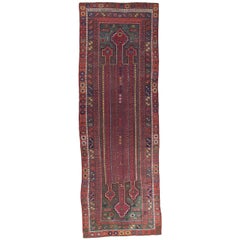
Antique East Anatolian Long Rug
Located in New York, NY
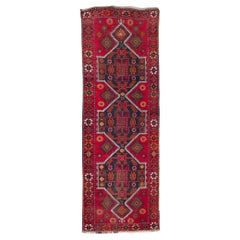
Antique East Anatolian long runner rug. A great antique village rug from Eastern Turkey with considerable age and a highly unusual and intriguing design. The pile of the rug is knotted in angora (mohair), rather than wool, another unusual feature. Fantastic color palette with superb natural dyes. A top-flight collectible item that should be of interest even for the seasoned connoisseurs. Well preserved and complete after minimal professional repairs. As a valuable antique...
Category

Mid-19th Century Tribal Antique Caucasian Folk Art

Materials

Wool, Angora

Antique East Anatolian Long Rug
$14,000 Sale Price
20% Off
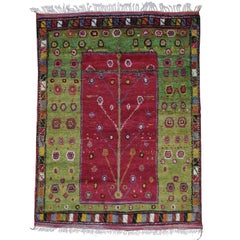
Festive "Tree-of-Life" Rug
Located in New York, NY
Festive "Tree-of-Life" rug. A very charming village rug from Western Turkey, woven in the shaggy "Tulu" style, featuring a highly stylized and festive rendition of the well-known "tr...
Category

Late 20th Century Tulu Caucasian Folk Art

Materials

Wool

Festive "Tree-of-Life" Rug
$1,400 Sale Price
28% Off
Antique Corum Mihrab Kilim Rug Wool Old Central Anatolian Chorum Turkish Carpet
Located in Tokyo, JP
This is a Central Anatolian Antique Kilim from the Corum (Chorum), featuring a rare and beautiful color composition. This highly collectible antique kilim has wonderful, special col...
Category

Late 19th Century Kilim Antique Caucasian Folk Art

Materials

Wool, Natural Fiber

Rashwan Malatya Kilim Rug Wool Old Vintage Eastern Anatolian Turkish Carpet
Located in Tokyo, JP
This is Eastern Anatolian Antique Kilim from the Rashwan, Malatya region with a rare and beautiful color composition. The difference in dyeing on the left and right sides is proof t...
Category

Mid-20th Century Kilim Caucasian Folk Art

Materials

Wool, Natural Fiber

Vintage Bayburt Kilim Rug Wool Old Eastern Anatolian Turkish Carpet
Located in Tokyo, JP
This is Eastern Anatolian Old Vintage Kilim from the Bayburt region with a rare and beautiful color composition. This highly collectible antique kilim has wonderful special colors ...
Category

Mid-20th Century Kilim Caucasian Folk Art

Materials

Natural Fiber, Wool

Ararat Rugs Mamluk Wagireh Rug with Flower Lattice Design Natural Dyed Carpet
By Ararat Rugs
Located in Tokyo, JP
The design source of the carpet comes from the book Völker, Angela, Die orientalischen Knüpfteppiche das MAK, Vienna: Böhlau, 2001: 42–5. This rug with the central star was designed ...
Category

21st Century and Contemporary Revival Caucasian Folk Art

Materials

Wool, Natural Fiber, Organic Material

Ararat Rugs Modern Design Gabbeh Rug, Persian Mid-Century Design Natural Dyed
By Ararat Rugs
Located in Tokyo, JP
This Gabbeh rug, designed in the 1930s, is a type of handwoven rug that originated from Iran, specifically from the southwestern region known as Fars. The word “Gabbeh” itself means ...
Category

21st Century and Contemporary Oushak Caucasian Folk Art

Materials

Wool, Natural Fiber, Organic Material

Hereke Wool Cotton Carpet - Turkish Anatolian Rug - Beige Khaki Green Colors
Located in Tokyo, JP
This unique Wool Hereke Carpet is among the highest-quality carpets in the Hereke workshop. There is a flower lattice on a beige background and light khaki green with the fineness of...
Category

21st Century and Contemporary Oushak Caucasian Folk Art

Materials

Organic Material, Natural Fiber, Wool

Antique Erzurum Kilim Rug Old Eastern Anatolian Turkish Natural Carpet
Located in Tokyo, JP
This is an Eastern Anatolian Antique Kilim from the Erzurum region with a rare and beautiful color composition. Erzurum was once a key frontier town, used to defend Anatolia against...
Category

Early 20th Century Kilim Caucasian Folk Art

Materials

Natural Fiber, Wool

Ararat Rugs Memling Gul Kazak Rug, 19th C. Caucasian Revival Carpet Natural Dyed
By Ararat Rugs
Located in Tokyo, JP
The source of the rug comes from the book Tapis du Caucase – Rugs of the Caucasus, Ian Bennett & Aziz Bassoul, The Nicholas Sursock Museum, Beirut, Lebanon 2003, nr.24 and Oriental R...
Category

21st Century and Contemporary Revival Caucasian Folk Art

Materials

Wool, Natural Fiber, Organic Material

Ararat Rugs Mamluk Wagireh Rug with Palmette Lattice Revival Carpet Natural Dyed
By Ararat Rugs
Located in Tokyo, JP
This rug has an interpreted design composed of a palmette lattice pattern taken from a part of the Mamluk rug, filling the field elegantly. These kinds of rugs have often been descri...
Category

2010s Revival Caucasian Folk Art

Materials

Wool, Natural Fiber, Organic Material

Antique Kula Prayer Rug Western Anatolian Turkish Mihrab Carpet Rare Design
Located in Tokyo, JP
This is an antique prayer (mihrab) rug from Western Anatolia, Kula region with a very rare and beautiful color composition. Kula rugs, also known as Kula prayer kilims, are handwoven rugs that originated in the Kula region of western Turkey. Kula is a town known for its rug-weaving tradition and is renowned for producing high-quality prayer rugs. Kula prayer rugs...
Category

Late 19th Century Oushak Antique Caucasian Folk Art

Materials

Wool, Natural Fiber, Organic Material

Ararat Rugs Cairene Ottoman Carpet, Turkish Court Manufactury Rug, Natural Dyed
By Ararat Rugs
Located in Tokyo, JP
Turkish Court Manufactury Rugs were woven in the Egyptian workshops founded by Ottoman Empire in the 16th century. Those carpets were woven in Egypt, following the paper cartoons pro...
Category

21st Century and Contemporary Oushak Caucasian Folk Art

Materials

Natural Fiber, Organic Material, Wool

Ararat Rugs Gerous Bidjar Wagireh Pendant Rug Revival Carpet Natural Dyed
By Ararat Rugs
Located in Tokyo, JP
The most dramatic of the Gerous ( Garrus, Gerus, Garus ) carpets are those with an “asymmetric” design. Only a section of the original is shown, in the same way, many Lotto carpets w...
Category

21st Century and Contemporary Revival Caucasian Folk Art

Materials

Wool, Organic Material, Natural Fiber

Hereke Wool Cotton Carpet, Turkish Anatolian Rug, Beige Khaki Green Colors
Located in Tokyo, JP
This unique Wool Hereke Carpet is among the highest-quality carpets in the Hereke workshop. There is a flower lattice on a white background with the fineness of the weave, the use of...
Category

21st Century and Contemporary Oushak Caucasian Folk Art

Materials

Wool, Natural Fiber, Organic Material

Antique Konya Obruk Kilim Central Anatolian Rug Turkish Carpet Rare Purple Color
Located in Tokyo, JP
This is a Central Anatolian High-grade Antique Kilim from the Konya - Obruk region with a rare and beautiful color composition. This highly collectible antique kilim has a wonderfu...
Category

Early 20th Century Kilim Caucasian Folk Art

Materials

Wool, Natural Fiber

Ararat Rugs Palmettes and Flowers Lattice Rug Antique Revival Carpet Natural Dye
By Ararat Rugs
Located in Tokyo, JP
This offset pattern is composed of palmettes and flowers, one has the impression that it is only part of a larger scheme designed for 19th-century rugs from the Bidjar region, Easter...
Category

21st Century and Contemporary Revival Caucasian Folk Art

Materials

Wool, Natural Fiber, Organic Material

Vintage Turkish Oushak Gallery Size Rug
Located in New York, NY
A mid 20th century Turkish Oushak wide Runner Measures: 4'10'' x 12'9''.
Category

Mid-20th Century Country Caucasian Folk Art

Materials

Wool

Ararat Rugs Mamluk Wagireh Rug Lattice Pattern Revival Carpet Natural Dyed
By Ararat Rugs
Located in Tokyo, JP
This lattice pattern is composed of palmettes and leaves filling the various compartments against the imposing ground. One has the impression that it is only part of a larger scheme ...
Category

21st Century and Contemporary Revival Caucasian Folk Art

Materials

Wool, Natural Fiber, Organic Material

Ararat Rugs Mamluk Wagireh Rug with Palmette Lattice Revival Carpet Natural Dyed
By Ararat Rugs
Located in Tokyo, JP
This rug has an interpreted design composed of a palmette lattice pattern taken from a part of the Mamluk rug, filling the field elegantly. These kinds of rugs have often been descri...
Category

21st Century and Contemporary Revival Caucasian Folk Art

Materials

Wool, Natural Fiber, Organic Material

Antique Kurdish Herki Rug Eastern Turkish Anatolian Carpet Handwoven Natural Dye
Located in Tokyo, JP
This is an antique Kurdish Herki runner rug from the Eastern Anatolia and Northern Iraqi region with a rare and beautiful color composition. Iraqi Kurds ...
Category

Early 20th Century Oushak Caucasian Folk Art

Materials

Wool, Natural Fiber

Ararat Rugs Konagkend Kuba Rug, Antique Caucasian Revival Carpet, Natural Dyed
By Ararat Rugs
Located in Tokyo, JP
The source of the rug comes from the book Oriental Rugs Volume 1 Caucasian, Ian Bennett, Oriental Textile Press, Aberdeen 1993, nr.332. This is a sp...
Category

21st Century and Contemporary Revival Caucasian Folk Art

Materials

Wool, Natural Fiber, Organic Material

Antique Malatya Runner Kilim Rug Anatolia Turkish Natural Carpet
Located in Tokyo, JP
This is a South Eastern Anatolian Antique runner Kilim from the Malatya region with a rare and beautiful color composition. Malatya is Turkey's main kilim production area, and the...
Category

Early 20th Century Kilim Caucasian Folk Art

Materials

Wool, Natural Fiber

Antique Konya Kilim Central Anatolian Rug Turkish Natural Carpet
Located in Tokyo, JP
This is a large size, Central Anatolian Antique Kilim from the Konya region with a rare and beautiful color composition. As early as the 13th century Marco Polo noted, in his acco...
Category

Late 19th Century Kilim Antique Caucasian Folk Art

Materials

Wool, Natural Fiber

Anatolian Ornate Design Handwoven Wool Kilim Rug
Located in New York, NY
Ornate handwoven flat-weave kilim rug with natural pigment dyed wool. The designs woven in to the rug are all symbolic that have been passed done through generations of weavers for h...
Category

20th Century Caucasian Folk Art

Materials

Wool

Vintage Sarkisla Sivas Kilim Central Anatolian Rug Sharkisla Turkish Carpet
Located in Tokyo, JP
This is a Central Anatolian Old Kilim from the Sarkisla - Sivas region with a rare and beautiful color composition. Sivas In the third century, Sivas was a Roman city known as Sebastea, the capital of Armenia Minor. Flourishing under Byzantine rule, Sivas reached a peak of prosperity under the Seljuks, only to be plundered in the fourteenth century by Tamerlane, as it was an important venue on the Persian and Iraqi trade routes. The Sivas region is inhabited by Turkish and Kurdish people, and until the genocide wrought by the Turks early this century, many Armenians dwelt there as well. Sivas gained certain fame as the site for the Sivas Congress of September 1919, convened by Mustafa Kemal...
Category

Late 20th Century Kilim Caucasian Folk Art

Materials

Wool, Natural Fiber

Caucasia Kuba Old Kilim Rug, Vintage Caucasian Carpet
Located in Tokyo, JP
This is a large, Caucasian Old Kilim from the Kuba region with a red background and beautiful color composition. Kuba kilims are often decorated with large abstract indented medal...
Category

Mid-20th Century Kilim Caucasian Folk Art

Materials

Wool, Natural Fiber, Cotton

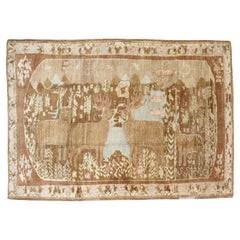
Zabihi Collection Reindeer Vintage Turkish Rug
Located in New York, NY
Mid-20th Century Turkish Pictorial Rug depicting 4 deers predominantly in brown 5' x 7'9''
Category

Mid-20th Century Agra Caucasian Folk Art

Materials

Wool

Ararat Rugs the Barbieri Tree Design Carpet, Persian Revival Rug, Natural Dyed
By Ararat Rugs
Located in Tokyo, JP
The source of carpet comes from the book Orient Star – A Carpet Collection, E. Heinrich Kirchheim, Hali Publications Ltd, 1993 nr.64 and Islamic Carpets, Joseph V. McMullan, Near Eastern Art Research Center Inc., New York 1965 nr.26. This is a long Khorassan Compartment and tree design 17th-century carpet from Khorasan, Eastern Persia. The name of this carpet comes from the provenance of Piero Barbieri, Genoa. The basic design of this rug is essentially quite simple. The field is organized by alternate rows of smaller multilobed medallions and larger reciprocal cartouches. The medallions alternate in width and color; from the wider ones, four trees...
Category

21st Century and Contemporary Revival Caucasian Folk Art

Materials

Organic Material, Natural Fiber, Wool

Yuntdag Rug with Cloudband Border
Located in New York, NY
Yuntdag rug with Cloudband border. A great example of Western Anatolian weaving by tribal groups settled in the Manisa - Bergama region, attributed to the highland pastures of Yuntda...
Category

Mid-20th Century Tribal Caucasian Folk Art

Materials

Wool

Ararat Rugs Mamluk Wagireh Rug with Geometric Design Revival Carpet Natural Dyed
By Ararat Rugs
Located in Tokyo, JP
This geometric lattice pattern rug has the impression that it is only part of a larger scheme designed 15th-century rug from the Mamluk era, Cairo region, Eygpt. These designs have o...
Category

21st Century and Contemporary Revival Caucasian Folk Art

Materials

Wool, Natural Fiber, Organic Material

Vintage Turkish Pictorial Anatolian Runner
Located in New York, NY
A decorative one of a kind colorful mid 20th-century turkish runner featuring animals and humans Measures: 3' x 10'11''
Category

20th Century Georgian Caucasian Folk Art

Materials

Wool

Ararat Rugs Turkish Court Manufactury Rug Ottoman Revival Rug Natural Dyed
By Ararat Rugs
Located in Tokyo, JP
Turkish Court Manufactury Rugs were woven in the Egyptian workshops founded by the Ottoman Empire in the 16th century. Those carpets were woven in Egypt, following the paper cartoons...
Category

21st Century and Contemporary Revival Caucasian Folk Art

Materials

Wool, Natural Fiber, Organic Material

Antique Grain Sack Open Rug
Located in New York, NY
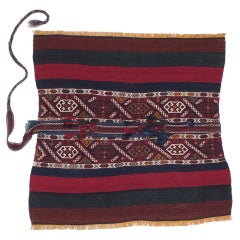
Antique grain sack 'open' rug. An old tribal cargo bag or rug from SW Turkey, opened up, still retaining its original carrying band. Can be a wall-hanging, a...
Category

Early 20th Century Caucasian Folk Art

Materials

Cotton, Goat Hair, Wool

Antique Grain Sack 
Open
 Rug
Antique Grain Sack 
Open
 Rug
$1,240 Sale Price
20% Off
Vintage Kurdish Runner Rug Eastern Anatolian Old Traditional Turkish Carpet
Located in Tokyo, JP
This is an Old Vintage Kurdish Runner Rug from the Eastern Anatolia region with a rare and beautiful color composition. Anatolian Kurdish rugs are handwoven rugs that originate from...
Category

Mid-20th Century Oushak Caucasian Folk Art

Materials

Wool, Natural Fiber

"Five Bouquet" Tulu Rug
Located in New York, NY
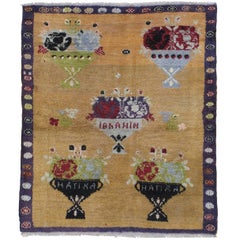
"Five Bouquet" Tulu rug. A lovely old village rug from Central Turkey, woven in the "Tulu" tradition, with a rare and interesting design featuring five bouquets of flowers, with the ...
Category

Mid-20th Century Tulu Caucasian Folk Art

Materials

Wool

"Five Bouquet" Tulu Rug
$1,240 Sale Price
20% Off
Ararat Rugs Divrigi Ulu Mosque Wagireh Carpet Seljuk Rug Entrance Mat Doormat
By Ararat Rugs
Located in Tokyo, JP
The source of carpet comes from the book Turkish Carpets from the 13th – 18th centuries, Ahmet Ertug, 1996 pl.16. This 15th-century carpet is from Ulu Mosque, Divrigi Sivas region, c...
Category

2010s Revival Caucasian Folk Art

Materials

Wool, Organic Material, Natural Fiber

Ararat Rugs the Alaeddin Mosque Clouds Carpet Seljuk Wagireh Rug Natural Dyed
By Ararat Rugs
Located in Tokyo, JP
The source of carpet comes from the book Orient Stars Collection, Anatolian Tribal Rugs 1050-1750, Michael Franses, Hali Publications Ltd, 2021 fig.27. This 13th-century carpet is fr...
Category

21st Century and Contemporary Revival Caucasian Folk Art

Materials

Wool, Natural Fiber, Organic Material

Eastern Anatolia Old Antep Cecim Jijim Kilim Eastern Anatolia Turkish Rug
Located in Tokyo, JP
This is an Eastern Anatolian vintage made in two halves of old Cecim ( Cicim or Jijim) Kilim from the Gaziantep region with a rare and beautiful color composition. This town lies ...
Category

Mid-20th Century Kilim Caucasian Folk Art

Materials

Wool, Natural Fiber

Still Thinking About These?

All Recently Viewed