Taxidermy
Mid-20th Century Unknown Taxidermy
Animal Skin
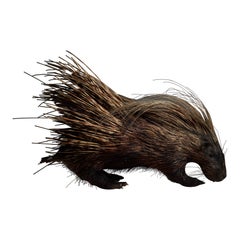
Early 19th Century English Regency Antique Taxidermy
Brass
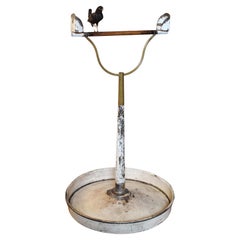
Late 20th Century Rustic Taxidermy
Hide, Wood
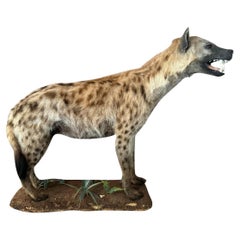
21st Century and Contemporary American Taxidermy
Feathers
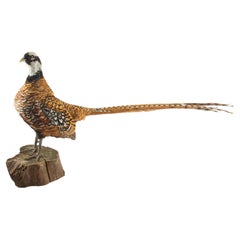
20th Century South African Modern Taxidermy
Animal Skin
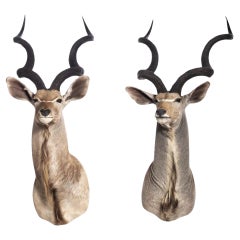
21st Century and Contemporary European Taxidermy
Leather
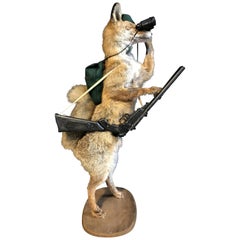
21st Century and Contemporary African Taxidermy
Feathers
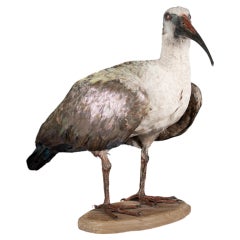

21st Century and Contemporary Taxidermy
Wood, Feathers
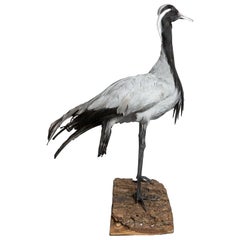
19th Century English Late Victorian Antique Taxidermy
Other
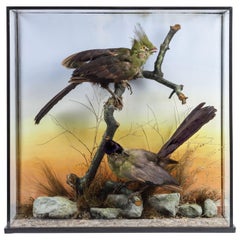
21st Century and Contemporary Hungarian Taxidermy
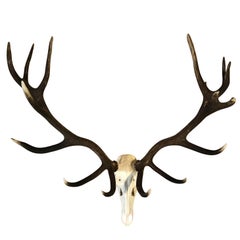
1990s French Taxidermy
Horn
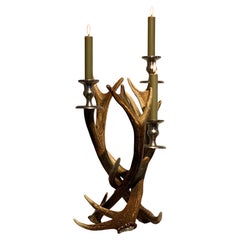
20th Century French Taxidermy
Horn, Wood
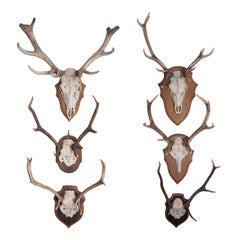
Early 1900s American Antique Taxidermy
Antler
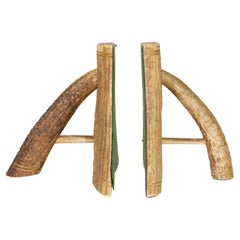
1960s African Vintage Taxidermy
Horn

Early 19th Century Austrian Antique Taxidermy
Antler
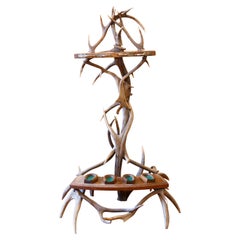
Mid-20th Century Taxidermy
Wood
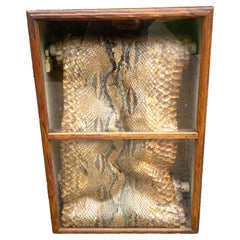
20th Century British Taxidermy
Silver Plate
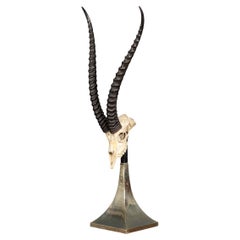
15th Century and Earlier Indonesian Antique Taxidermy
Bone
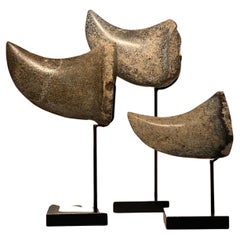
1950s German Vintage Taxidermy
Rubber
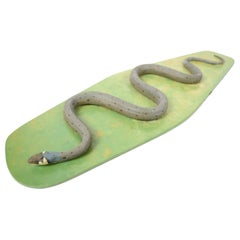
Mid-19th Century American Early Victorian Antique Taxidermy
Animal Skin, Wool
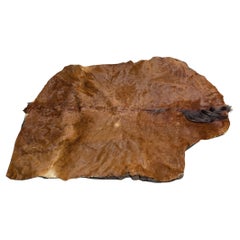
1930s German Vintage Taxidermy
Parchment Paper
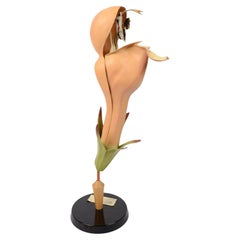
21st Century and Contemporary European Taxidermy
Polyester
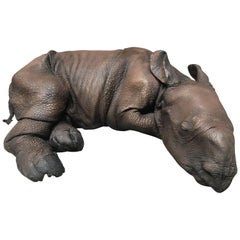
Late 19th Century English Antique Taxidermy
Natural Fiber, Glass, Pine
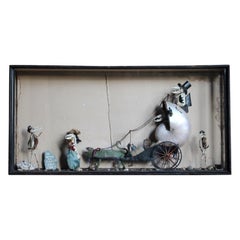
1960s German Black Forest Vintage Taxidermy
Antler, Wood
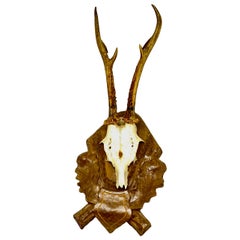
Early 20th Century German Black Forest Taxidermy
Antler, Wood
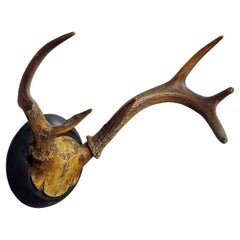
20th Century American Folk Art Taxidermy
Organic Material
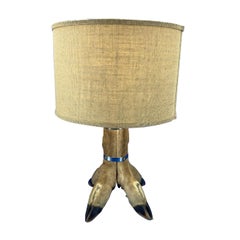
1920s German Vintage Taxidermy
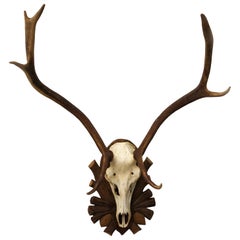
19th Century English Antique Taxidermy
Natural Fiber, Glass, Pine
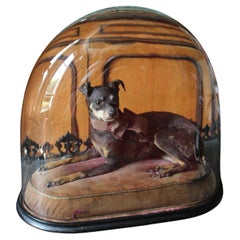
Late 20th Century American Rustic Taxidermy
Horn, Wood
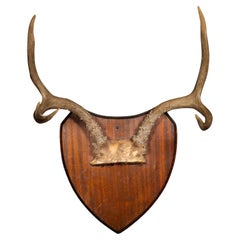
Late 20th Century American Rustic Taxidermy
Horn, Wood
1870s Austrian Sporting Art Antique Taxidermy
Horn
Mid-19th Century British Antique Taxidermy
Natural Fiber
1960s French Country Vintage Taxidermy
Antler
1960s Vintage Taxidermy
Hardwood, Feathers
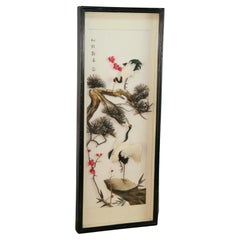
1950s Vintage Taxidermy
Plastic
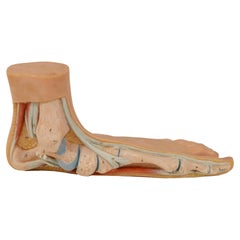
Late 19th Century English Victorian Antique Taxidermy
Brass
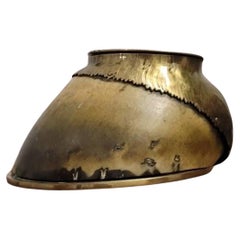
20th Century Art Deco Taxidermy
Crocodile
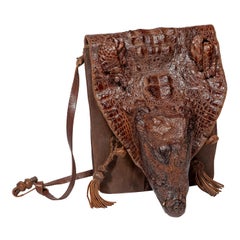
Late 20th Century American Taxidermy
Metal
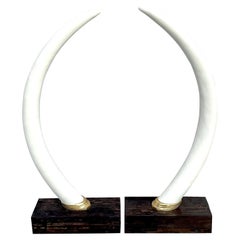
Late 20th Century American Rustic Taxidermy
Metal
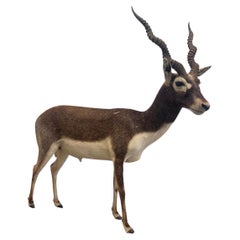
Early 1900s British Edwardian Antique Taxidermy
Velvet, Glass
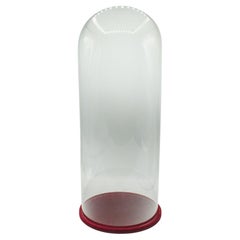
Early 20th Century German Rustic Taxidermy
Glass, Wood
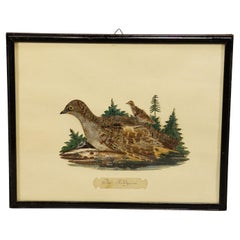
21st Century and Contemporary British Taxidermy
Feathers
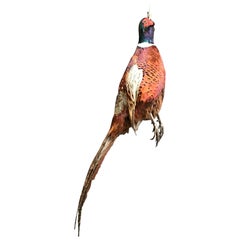
Late 19th Century German Folk Art Antique Taxidermy
Antler, Wood
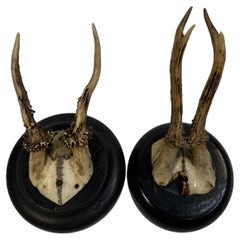
Mid-20th Century Unknown Rustic Taxidermy
Feathers
1940s English Vintage Taxidermy
Animal Skin
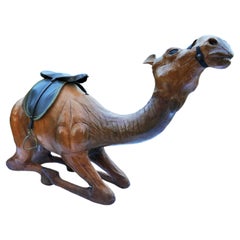
1920s German Vintage Taxidermy
Wood
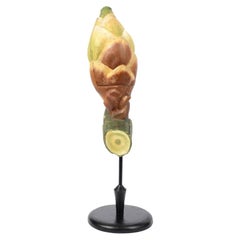
1930s African Vintage Taxidermy
Horn
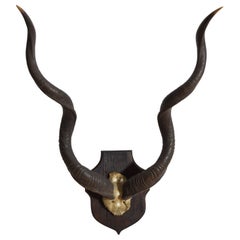
1970s American Mid-Century Modern Vintage Taxidermy
Antler, Leather, Wood
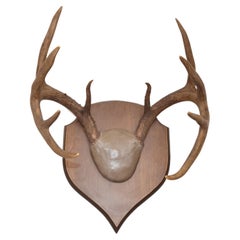
Late 19th Century British Victorian Antique Taxidermy
Glass, Wood
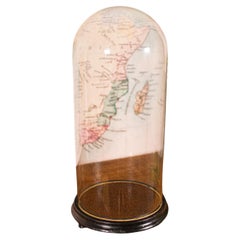
Mid-19th Century British Victorian Antique Taxidermy
Glass
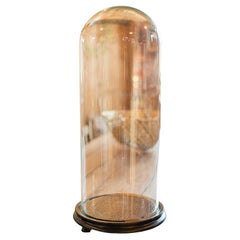
Late 20th Century Folk Art Taxidermy
Fabric, Resin, Wood, Lacquer
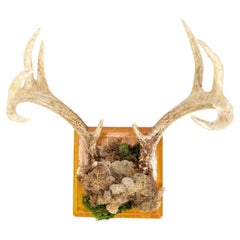
Late 19th Century British Late Victorian Antique Taxidermy
Glass, Wood

1840s Antique Taxidermy
Paper
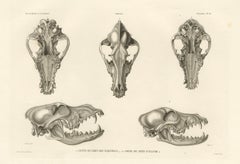
Early 20th Century African Taxidermy
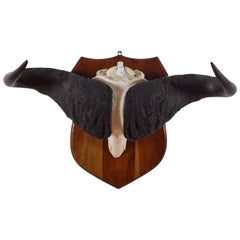
Late 19th Century British Late Victorian Antique Taxidermy
Glass, Wood
Late 20th Century German Black Forest Taxidermy
Wood, Antler
Late 19th Century British Late Victorian Antique Taxidermy
Glass
Late 19th Century German Black Forest Antique Taxidermy
Antler, Wood
Early 20th Century German Rustic Taxidermy
Wood, Glass
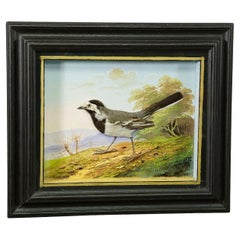
Late 19th Century British Victorian Antique Taxidermy
Glass, Pine
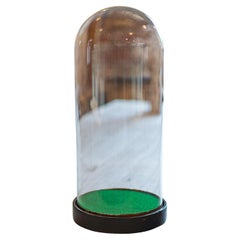
Decorating with Antique, New and Vintage Taxidermy
The centuries-old practice of taxidermy continues to enjoy remarkable longevity, with today's top designers making mounted and preserved animals key elements of their decor.
Taxidermy captures animals in an eternal moment of animation, so perhaps it’s fitting that the deployment of these preternaturally preserved creatures — and other natural specimens — as decorative accents has endured far longer than the sell-by-date for most design trends. Certainly, the style-setting enthusiasts of tasteful decorating with taxidermy are as passionate as they are many.
Martha Stewart is a lifelong lover of the preservationist’s art, and she has proudly posed with the vintage game birds, foxes and bears that adorn Skylands, her 1920s retreat in Seal Harbor, Maine. Angelina Jolie began an avian menagerie when her daughter Shiloh brought home a dead bird she wanted to keep as a pet. Danielle Steel has an elegant Paris residence packed with exotic specimens, including a giraffe in the foyer. Over-the-top taxidermy remains the flashy signature of party planner and decorator extraordinaire Ken Fulk.
For Chicago decorator Summer Thornton, the reason for taxidermy’s persistent appeal is obvious: “There’s nothing more beautiful than natural creation.” New York designer Ryan Korban agrees: “They add a layer of whimsy to a room that no other decorative arts element can give.” Patrick Mele, another New York designer, thinks there’s a spiritual component to this attraction. These creatures, he says, “are a special gift to be around. Birds, especially, are so colorful they look hyper-real. They remind us that those crazy colors are right there in nature.”
In the vast inventory of collectibles and curiosities on 1stDibs, find antique, new and vintage preserved and mounted taxidermy specimens for your Wunderkammern, mantle or carefully curated home library.