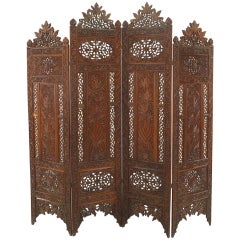
Moorish Home Accents
After the Muslim conquest of the Iberian Peninsula in the eighth century, Islamic Spain became a cultural mix of influences that shaped both private homes and religious spaces. Moorish design was the name given to this style, which evolved through the 15th century with vibrant tile work, horseshoe arches and lavish ornamentation, most visible at sites such as Granada’s Alhambra and the Mosque-Cathedral of Córdoba. Moorish furniture was often similarly ornate, and featured pieces inlaid with wood, ivory and bone.
When European designers began studying Moorish art and architecture in the early 19th century, it led to a Moorish Revival. Appropriating the style’s decorative flourishes and architectural elements, it promoted a romantic view of Islamic design. Travelers could bring home a memento of what they witnessed in the Middle East, a trend that aligned with a fad for themed interiors. Men’s smoking rooms arranged with ottomans, divans and settees and inlaid tables were especially popular, as were cafés where coffee was served amid bead curtains and colorful floor mats. (Handwoven rugs are a centerpiece of Moorish interiors.) Octagonal rooms with domed ceilings were created for wealthy homes, frequently with furnishings like pipe stands, filigree plasterwork and arched doorways. The horseshoe arch is an iconic attribute of Moorish architecture that, in addition to Spain, can be found in Sicily, Morocco and elsewhere.
Several late 19th to early 20th-century movements featured Moorish touches. The American and English Aesthetic Movement, for example, borrowed liberally from global decorating styles, as seen in furniture designed by Lockwood de Forest, a New York-born artist who mixed Eastern and Western forms. The visual vocabulary of Art Nouveau also references the elegant use of geometry in Moorish design, with Milanese Art Nouveau furniture designer Carlo Bugatti drawing inspiration from the style. The Arts and Crafts movement, which prized expressive yet simple design, incorporated Moorish influences; hand-painted furniture and tile work created by William De Morgan, a British designer and potter who made furnishings for the likes of Morris Co., were informed by techniques from Moorish Spain.
Find a collection of Moorish lighting, decorative objects, folk art and more furniture on 1stDibs.
19th Century Antique Moorish Home Accents
Upholstery, Teak
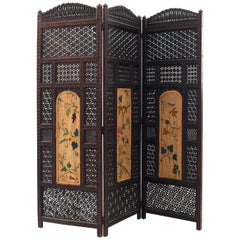
19th Century African Antique Moorish Home Accents
Marble
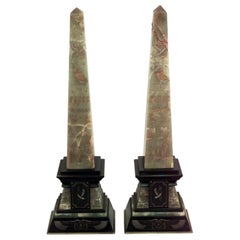
20th Century African Moorish Home Accents
Iron
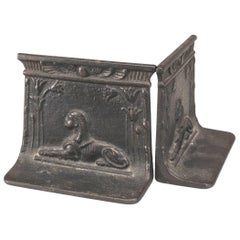
2010s Portuguese Moorish Home Accents
Oak
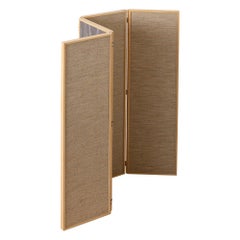

Mid-19th Century French Antique Moorish Home Accents
Silk, Wood
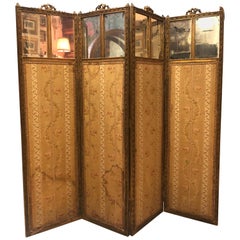
Early 19th Century English Antique Moorish Home Accents
Marble
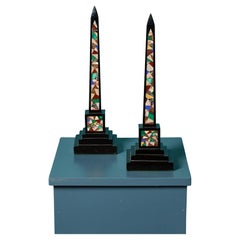
2010s American Moorish Home Accents
Hardwood
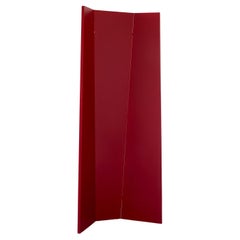
Mid-19th Century Antique Moorish Home Accents
Marble, Bronze

20th Century Southeast Asian Moorish Home Accents
Teak
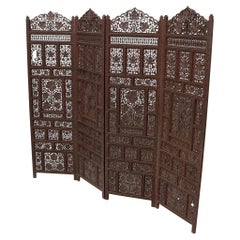
1940s French Vintage Moorish Home Accents
Wood
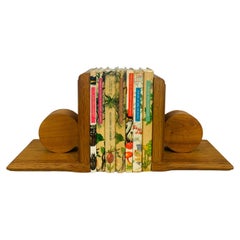
Early 20th Century Moorish Home Accents
Wood, Paper
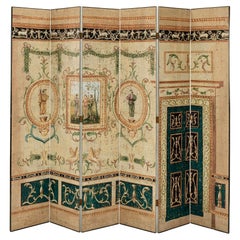
Early 20th Century European Moorish Home Accents
Wood
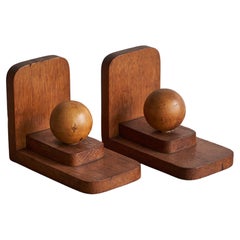
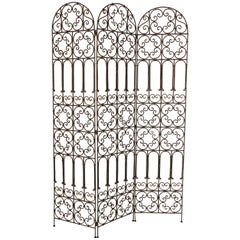
20th Century Moroccan Moorish Home Accents
Wrought Iron
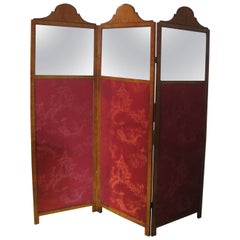
Early 1900s English Antique Moorish Home Accents
Fabric, Glass, Wood
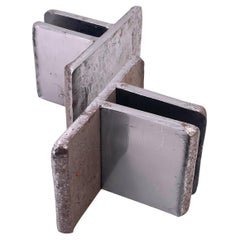
Early 20th Century American Moorish Home Accents
Steel
Early 2000s Moroccan Moorish Home Accents
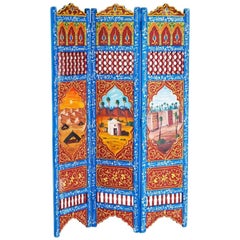
2010s Moroccan Moorish Home Accents
Wood
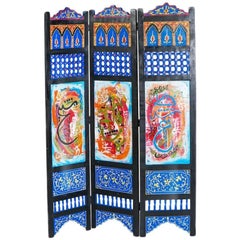
Late 20th Century North African Moorish Home Accents
Rope
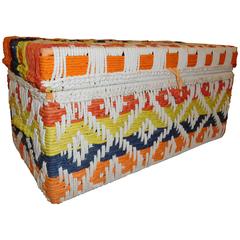
20th Century Moroccan Moorish Home Accents
Metal
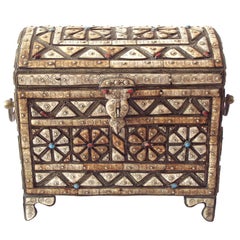
19th Century Asian Antique Moorish Home Accents
Oak