Meiji Furniture

MEIJI STYLE

From 1868 to 1912, Emperor Mutsuhito oversaw an era of transformation in Japan. Formerly a country of feudalism and isolation, Japan entered an age of modernization influenced by newly established trade and exchange with the West. The Meiji period, or period of “enlightened rule,” also saw the global impact of the East Asian country’s culture. Japanese Meiji furniture was exhibited at expositions from Paris to San Francisco and created for export.

Prior to the Meiji era, furniture was mostly made by commission for the ruling class; now there were new domestic and international markets. European styles like Japonisme appropriated Japanese design while craftsmen in places like Wales and England employed japanning, a varnishing technique that approximated the appearance of lacquer for the surfaces of furnishings.

Meiji furniture made for Japanese homes and buildings constructed in Western styles resulted in taller tables, chairs, cabinets with large drawers and other features. The government invested in areas such as transportation and communication, and because people could freely choose occupations after the restrictions of feudalism, industries of various types were energized by expressive new ideas during those years. Art schools were formed and, for the first time, design was an area of study in the country, leading to the evolution of professional design as a career by the 1890s.

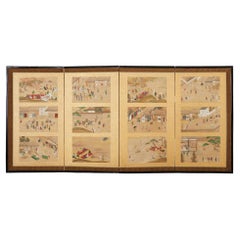
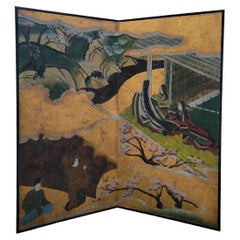
The work of Japanese designers was transmitted widely through lavishly illustrated pattern books that included designs for screens and lacquerware for the home. While screens today may be of use as decorative accents or partitions to ensure privacy in one’s space, Japanese screens were adorned with paintings and were featured in performing arts such as concerts, tea ceremonies and more. The color illustrations that characterize Meiji woodblock prints, a genre of Japanese art that grew out of 17th-century developments in printing and book publishing, depicted the sweeping changes that the era brought to East Asia.

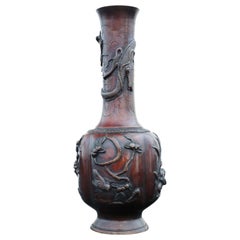
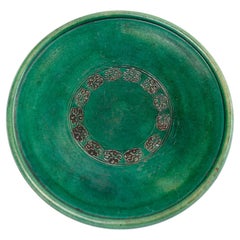
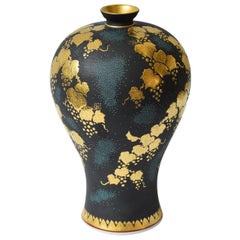
Although it was a time of societal and cultural shifts, a bolstered interest in art and design elevated Japanese craft traditions. From colorful porcelain table lamps with silk shades and hardwood tables decorated with dark lacquer to cabinets featuring iron hardware and inlaid with mother-of-pearl, Meiji furniture showcased Japan’s artistic heritage to the world.

Find a collection of antique Japanese Meiji period case pieces and storage cabinets, decorative objects, wall decorations and more furniture on 1stDibs.

to
651
1,130
636
2,039
373
4
198,259
115,254
44,182
33,238
16,612
12,240
10,882
10,819
9,986
8,958
7,348
6,662
6,500
6,392
6,224
6,159
4,909
3,744
22
1,406
611
377
478
30
7
90
12
5
6
2
1
1
1
1,221
914
706
462
401
2,349
2,331
2,302
27
12
2,416
2,398
2,398
22
21
13
10
10
Style: Meiji
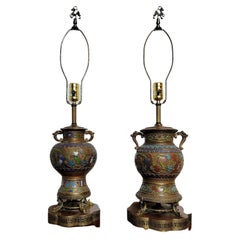
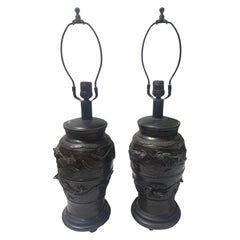
Pair of Antique Asian Champleve’ Enameled Bronze Urns Fashioned As Table Lamps
Located in Forney, TX
For your consideration, a most distinctive pair of similarly styled Japanese archaic style urns from the late 19th century, repurposed as highly decorative table lamps. Japan, Meij...
Category

Late 19th Century Japanese Antique Meiji Furniture

Materials

Brass, Bronze

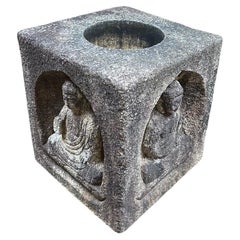
Japan Large Antique Stone Four Buddhas Water Purification Basin Chozu’bachi
Located in South Burlington, VT
Just discovered from an old southern Japanese area garden and now in our Vermont warehouse. Please view our video. Call or message us to reserve- now en route in our container fr...
Category

19th Century Japanese Antique Meiji Furniture

Materials

Granite

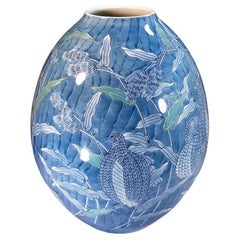
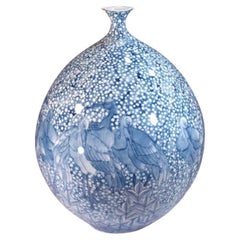
Japanese Contemporary Porcelain Vase in Blue and White by Master Artist
Located in Takarazuka, JP
Exquisite contemporary Japanese porcelain decorative vase, extremely intricately hand painted in underglaze cobalt blue on an elegant oval shape body, a signed piece by widely respec...
Category

21st Century and Contemporary Japanese Meiji Furniture

Materials

Porcelain

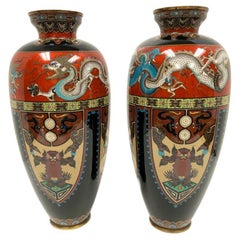
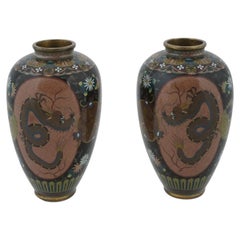
Pair Of Japanese Meiji Era Cloisonne Vases
Located in Bridgeport, CT
Pair of Japanese cloisonné vases with fine traditional form decorated with dragons and demons, geometric motifs and floral bands. Dimensions: 5" W x 12" H Condition: Please see detai...
Category

Late 19th Century Japanese Antique Meiji Furniture

Materials

Metal, Enamel

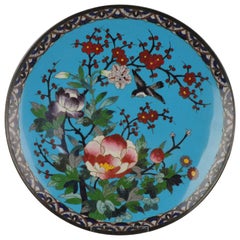
Lovely Antique Meiji Japanese Bronze Cloisonné Serving Plate Bird, Japan
Located in Amsterdam, Noord Holland
Lovely and very detailed piece. Condition: Overall condition, some age signs at the base and also a small chip. Front very good, only some crackle lines. Size: 240 mm Period: Mei...
Category

19th Century Japanese Antique Meiji Furniture

Materials

Bronze

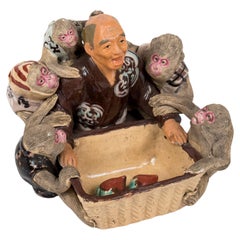
Japanese Sumida-Gawa sculpture of a man distributing peaches to its monkeys
Located in PARIS, FR
Polychrome sculpture in Sumida-gawa stoneware, also called Sumida-yaki, representing an old man surrounded by five monkeys in front of a basket containing two nuts. Glazed clothes an...
Category

Late 19th Century Japanese Antique Meiji Furniture

Materials

Enamel

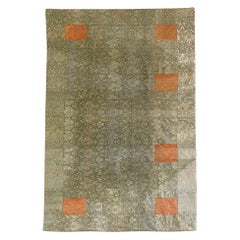
Antique Japanese Brocade Monk s Robe Kesa Meiji Period
Located in Atlanta, GA
A Japanese Kesa (Monk's Vestment) made from thirteen columns of patchworks of shimmering woven brocades. The elaborate motifs feature repetitive elaborat...
Category

Late 19th Century Japanese Antique Meiji Furniture

Materials

Brocade, Silk

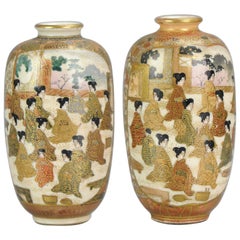
Antique 19th Century Satsuma Pair of Mini Vases Japan Figures Meiji Period
Located in Amsterdam, Noord Holland
Fabulous Japanese Satsuma vases. Marked base Condition Overall condition perfect. Measure: 80mm height Period Meiji Periode (1867-1912).    
Category

19th Century Japanese Antique Meiji Furniture

Materials

Earthenware

Large Japanese Imari Fluted Charger, Edo/Meiji Period, Mid 19th Century, Japan
Located in Austin, TX
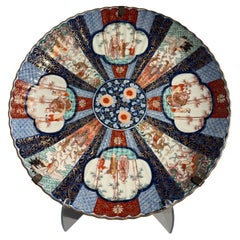
A large and impressive Japanese Imari porcelain fluted charger with scalloped rim, signed Kaji(chu?), Edo to Meiji Period, mid 19th century, Japan. The magnificent Japanese Imari charger measures 25" in diameter, and is decorated in the typical imari palette of underglaze blue with overglaze red, orange, blue, and green enamels with gilt highlights. The large charger also features fluted sides and a scalloped gilt rim. The design of the charger is centered on a central floral medallion with three large chrysanthemum blossoms and vegetal scrolls. Radiating out from the central medallion are various brocade patterned sections that roughly follow the shape of the fluting. Some larger sections feature images of cranes and minogame (turtles with long tails), both symbols of longevity, while other feature dragons and phoenix, symbols of authority and power. Four large reserves depict charming scenes of a scholar and his students within a bamboo grove having discourse and examining scrolls. The back of the charger decorated in underglaze blue with bold floral and vegetal scrolls. With a three character inscription in underglaze blue reading Kaji(chu?) Sei. The charger is fitted with an antique metal hanger...
Category

Mid-19th Century Japanese Antique Meiji Furniture

Materials

Porcelain

Antique Seiya-sei for Genryusai Seiya Bronze Man and Monkey Statue Japan Meij
Located in Amsterdam, Noord Holland
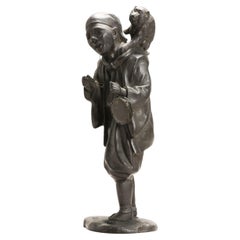
BRONZE Seiya-sei for Genryusai Seiya Man and Monkey figure. Marked on base Meiji era (1868-1912), 19th century Condition Condition is Perfect: Size 33.5 cm high Period 19th century ...
Category

19th Century Japanese Antique Meiji Furniture

Materials

Metal, Bronze

Large Meiji Period Japanese Bronze Sumo Wrestlers Lamp on Forged Bronze Base
Located in Kilmarnock, VA
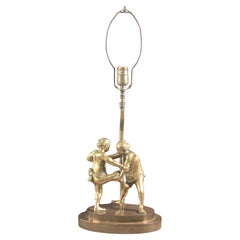
A heavy, solid-cast Japanese bronze of two sumo wrestlers, finely detailed with taut musculature, expressive faces, and traditional mawashi belts. The figures are mounted as a lamp o...
Category

Late 19th Century Japanese Antique Meiji Furniture

Materials

Bronze

1870s-1920s Japanese Antique paper covered wooden box wabi sabi primitive Meiji
Located in 常陸大宮市, JP
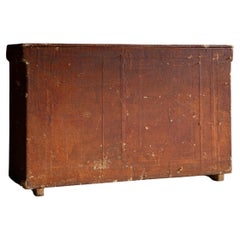
New finds from Tohoku area, Japan. Paper covered wooden box with lid - a product of Meiji to Taisho period (1868-1926) estimate from the style conditions. Can be displayed as ...
Category

Late 19th Century Japanese Antique Meiji Furniture

Materials

Wood, Paper

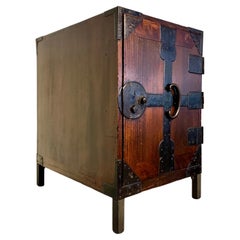
Japanese Sea Captain s Chest, Funa Tansu, Keyaki and Iron, Meiji Period, Japan
Located in Austin, TX
A simple and elegant Japanese sea chest, funa tansu, crafted of keyaki wood with iron fittings, mounted on a modern iron stand, Meiji Period, dated 1882, Japan. This Japanese sea ch...
Category

1880s Japanese Antique Meiji Furniture

Materials

Iron

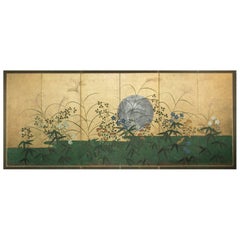
19th Century Japanese Six Panel Screen: Silver Moon Rising Over Summer Field
Located in Hudson, NY
Japanese Six Panel Screen: Silver Moon Rising Over Summer Field. Rimpa Style painting of a moon rising over summer flowers and grasses, including cockscomb and blue bellflowers. Pa...
Category

Late 19th Century Japanese Antique Meiji Furniture

Materials

Gold Leaf

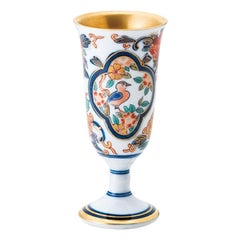
Japanese Contemporary Gilded Green Blue Porcelain Cup, 5
Located in Takarazuka, JP
Attractive contemporary Japanese Ko-Imari (old Imari) porcelain short stem cup, in bright red, blue and green colors and generous gold application that are characteristics of Ko-Imar...
Category

21st Century and Contemporary Japanese Meiji Furniture

Materials

Gold

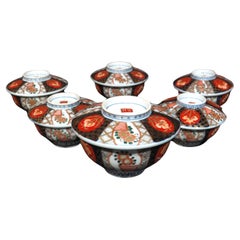
Six 19th Century Japanese Arita Hizen Imari Porcelain Lidded Bowls, Meiji Period
Located in Ottawa, Ontario
All six bowls are raised on a circular foot and richly decorated with hand painted enamels depicting floral designs in an Imari palette of cobalt, vermillion & gilt, against alternat...
Category

Late 19th Century Japanese Antique Meiji Furniture

Materials

Enamel

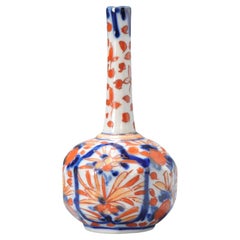
Antique Japanese Porcelain Meji Period Imari Vases Arita, Japan, 19th Century
Located in Amsterdam, Noord Holland
Sharing this lovely Japanese Imari bowl from the Meiji period. The intricate floral designs on the exterior, including the graceful chrysanthemums, symbolize longevity, resilience, a...
Category

19th Century Japanese Antique Meiji Furniture

Materials

Porcelain

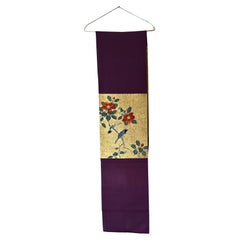
Antique Japanese Obi Textile Panel with Birds and Camellia Flowers, Meiji Period
Located in Fukuoka, JP
A magnificent antique Japanese silk obi fragment from the Meiji period (1868–1912), showcasing exceptional hand embroidery and gold leaf overlay. This refined textile features a pai...
Category

19th Century Japanese Antique Meiji Furniture

Materials

Silk

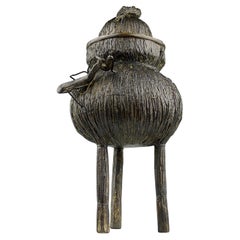
Incense Burner, Japan, 19th Century
Located in PARIS, FR
Beautiful incense burner in the shape of a straw basket with a praying mantis sitting on top. Bronze, Japan 19th century. Good condition, oxidation, one leg missing from the prayi...
Category

Mid-19th Century Japanese Antique Meiji Furniture

Materials

Bronze

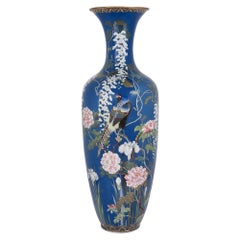
Very Large Japanese Meiji Period Cloisonne Enamel Vase
Located in London, GB
This stunning Meiji period vase is a wonderful example of the quality of craftsmanship during the late 19th century Japanese Meiji period. The Meiji era was famed for being the perio...
Category

Late 19th Century Japanese Antique Meiji Furniture

Materials

Enamel

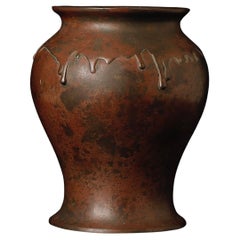
Japanese Bronze Vase with Drip Relief Design, Signed, Meiji–Taisho Period
Located in Fukuoka, JP
An elegant Japanese bronze vase from the late Meiji to early Taisho period, distinguished by its refined drip relief motif encircling the shoulder. The organic form and subtle textur...
Category

Early 20th Century Japanese Meiji Furniture

Materials

Bronze

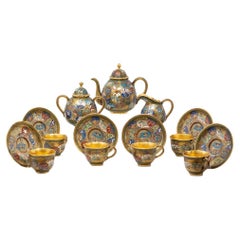
Japanese Meiji Period Cloisonne Enamel Tea Set
Located in Newark, England
Extensively Decorated with Traditional Japanese Images The Tea Set comprises of fifteen pieces including six cup and saucers, a lidded teapot, a lidded sugar pot and a milk jug. The...
Category

Early 20th Century Japanese Meiji Furniture

Materials

Metal, Enamel, Metallic Thread

Japanese Antique Paper Covered Basket / 1868-1912s / Wabi-sabi Mingei
Located in Iwate-gun Shizukuishi-cho, Iwate Prefecture
This is a basket with old Japanese paper pasted it. Japanese paper colored with Bengala is pasted on a bamboo basket. It is thought to be from the Meiji period. The technique of s...
Category

Late 19th Century Japanese Antique Meiji Furniture

Materials

Bamboo, Paper

19th Century Japanese Meiji Four Panel Screen Festival Scenes
Located in Rio Vista, CA
Colorful late 19th century late Meiji period four-panel byobu screen featuring 12 scenes of a festival preparation. The intricately painted scenes have vibrant natural color pigments...
Category

19th Century Japanese Antique Meiji Furniture

Materials

Brass

Antique Meiji Period Japanese Bronze Vase
Located in Wisbech, Cambridgeshire
Japanese Meiji period bronze vase. Would look amazing in the right location. The very best color and patina. Overall maximum dimensions: 31 cm high x 14 cm diameter (inner mouth 4....
Category

19th Century Antique Meiji Furniture

Materials

Bronze

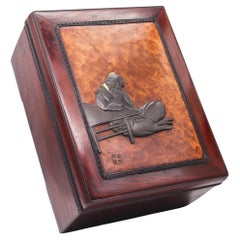
JAPAN Meiji Period 1890 Tebako Desk Box Made In Precious Woods, Bronze Gold
Located in Miami, FL
Presentation Tebako box from the Japanese Meiji period (1868-1912). Beautiful decorative presentation Tebako desk box from the Japanese Imperial Meiji period, circa 1880. This box h...
Category

1890s Japanese Antique Meiji Furniture

Materials

Gold, Bronze

Japanese Marquetry Hanging or Table Cabinet, Meiji Period, c. 1900, Japan
Located in Austin, TX
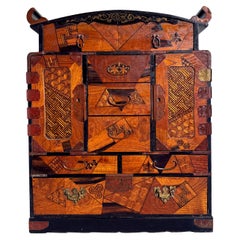
A large and remarkable Japanese lacquer and marquetry decorated table or hanging cabinet, Meiji Period, circa 1900, Japan. The cabinet of square form surmounted by an arched top with upturned scroll ends. Eight drawers of various shapes and sizes adorn the exterior of the cabinet. Doors on either side open to reveal interiors fitted with cubby holes over a single drawer. The front of the cabinet is decorated with scattered geometric marquetry patterns of various design utilizing contrasting woods, including hardwood and burl, all in the yosegi zaiku technique. The sides and top of the cabinet of black lacquer with maki-e lacquer painted designs of flowers and grasses. The back of plain black lacquer with two hoops for hanging. The interior of the cabinet doors and the interior drawers decorated in the wakasa lacquer technique, with gold rhomboid accents against a polished black lacquer ground. Overall a striking accent piece and nice example of Japanese yosegi...
Category

Early 1900s Japanese Antique Meiji Furniture

Materials

Metal, Brass, Copper

Wooden Low Table, Japanese Antique, Wabi-Sabi, Mingei
Located in Katori-Shi, 12
This is a wooden antique low table from the Meiji era. It was used as a working table for woodworkers of the time. It is made of high quality Japanese zelkova wood. The grain of zel...
Category

Early 20th Century Meiji Furniture

Materials

Wood

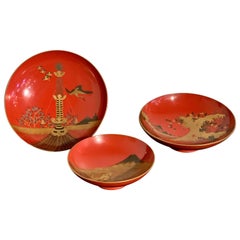
Japanese Lacquer Sake Cups, Set of 3, Meiji Period, Early 20th Century, Japan
Located in Austin, TX
A finely decorated set of 3 red lacquer sake cups, sakazuki, featuring views of Mt. Fuji, Meiji period, circa 1900, Japan. The lacquer sake cups, called sakazuki, of traditional p...
Category

Early 1900s Japanese Antique Meiji Furniture

Materials

Lacquer

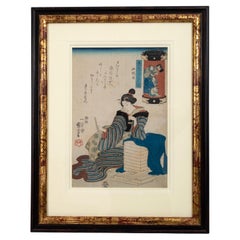
19th Century Japanese Woodblock Print, Meiji Period, After Utagawa Kuniyoshi
Located in London, GB
Dimension: Frame: 57 x 45 Picture: 34.5 x 23.5 19th Century Japanese Woodblock Print, Meiji Period, After Utagawa Kuniyoshi A J...
Category

19th Century Antique Meiji Furniture

Materials

Paper

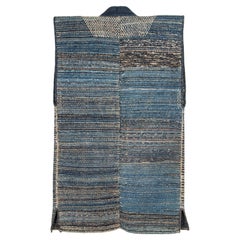
Antique Japanese Recycled Saki-Ori Farmer’s Vest
Located in Point Richmond, CA
Antique Japanese Recycled Saki-Ori Farmer’s Vest This late 19th C recycled farmer’s vest from northern Japan was strip woven from repurposed cotton scraps in a technique known as sa...
Category

Late 19th Century Japanese Antique Meiji Furniture

Materials

Cotton

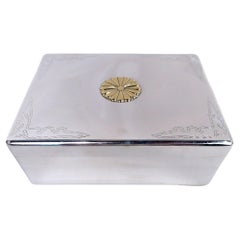
Japanese Modern Silver Box with Gilt Chrysanthemum
Located in New York, NY
Japanese Modern silver box, ca 1920. Rectangular with curved corners; corner bracket supports. Cover top has centrally applied gilt chrysanthemum flowerhead and engraved corner cloud...
Category

Early 20th Century Japanese Meiji Furniture

Materials

Silver

Pair of 19th Century Japanese Meiji Period Bronze Dragon Vase Table Lamps
Located in Studio City, CA
A pair of fabulous cylindrical forms Meiji Period (1868-1912) patinated bronze table lamps on carved wood bases with dragon, turtle, and mystical creatures motifs. Likely late 19th/Early 20th century. From a Los Angeles collection of fine Japanese vintage art...
Category

Early 20th Century Japanese Meiji Furniture

Materials

Bronze

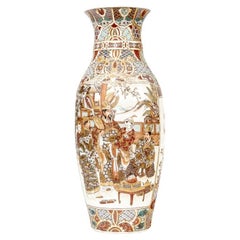
Tall Japanese Satsuma Style Glazed Porcelain Vase
Located in Bridgeport, CT
Ca. late 19th c. or later. With classic Aesthetic Movement motifs in different fragmented patterns in colors with gilt details, decorating the neck, shoulder, and base. With two figu...
Category

Early 20th Century Japanese Meiji Furniture

Materials

Porcelain

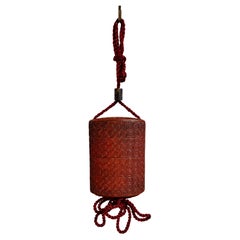
Japanese Carved Cinnabar Lacquer Inro, Meiji Period, late 19th c, Japan
Located in Austin, TX
A good Japanese carved cinnabar three case inro with mixed metal ojime, Meiji period, late 19th century, Japan. The three case inro of standard form, comprised of three container se...
Category

Late 19th Century Japanese Antique Meiji Furniture

Materials

Silver, Copper

Japanese Contemporary White Blue Porcelain Vase by Master Artist, 4
Located in Takarazuka, JP
Exquisite Japanese contemporary decorative porcelain vase, hand-painted in white and blue underglaze on a beautifully shaped ovoid porcelain body, a signed piece by highly acclaimed ...
Category

21st Century and Contemporary Japanese Meiji Furniture

Materials

Porcelain

JAPAN IMPERIAL 1900 Meiji Period Tripode Koro Censer In Cloisonné Enamel With
Located in Miami, FL
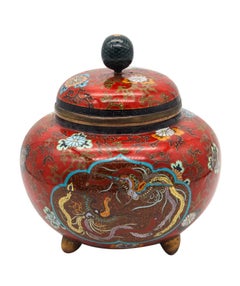
Japanese tripod Koro from the Meiji Period (1868-1912). This is a rare and beautiful antique koro censer, created in the imperial Japan during the Meiji period (1868-1912), circa 1900. It was carefully crafted in solid bronze and copper with silver wires and embellished with applications of polychromatic Cloisonné enamels and aventurine. The designs depict organics and natural motifs such mythological animals and flowers. The Chrysanthemum Symbol In Imperial Japan, the chrysanthemum (Kiku) was a potent symbol of the imperial family and the emperor himself, representing longevity, royalty, and divine power. The 16-petaled chrysanthemum is the Imperial Seal and crest, found on passports, coins, and the Chrysanthemum Throne. This association dates back to the Kamakura period (1185–1333), particularly with Emperor Go-Toba's fondness for the flower, establishing its link to imperial authority and lineage. The connection between the chrysanthemum and the imperial family began when Emperor Go-Toba adopted it as a personal emblem, aligning it with the strength and refinement of the emperor's rule. During the Meiji Period, the 16-petaled chrysanthemum crest, solidifying the association with the imperial family, was established during this time. The Meiji Imperial Period This is an era of Japanese history that extended from October 23, 1868 to July 30, 1912.The Meiji era was the first half of the Empire of Japan, when the Japanese people moved from being an isolated feudal society at risk of colonization by Western powers to the new paradigm of a modern, industrialized nation state and emergent great power, influenced by Western scientific, technological, philosophical, political, legal, and aesthetic ideas. As a result of such wholesale adoption of radically different ideas, the changes to Japan were profound, and affected its social structure, internal politics, economy, military, and foreign relations. The period corresponded to the reign of Emperor Meiji. It was preceded by the Keiō era and was succeeded by the Taishō era, upon the accession of Emperor Taishō. Country: Imperial Japan. Period: Meiji, 1890-1910. Technique: Silver Wire Cloisonné over copper and bronze. Weight: 416.80 Grams, (0.417 Kg). Measurements:118 mm by 115 mm (4.65 x 4.52 Inches). Koro This term refers to a Japanese censer, incense burner, perfume burner or pastille burner is a vessel made for burning incense or perfume in some solid form. They vary greatly in size, form, and material of construction, and have been in use since ancient times throughout the world. They may consist of simple earthenware bowls or fire pots to intricately carved silver or gold vessels, small tabletop objects a few centimeters tall to as many as several meters high. Many designs use openwork to allow a flow of air. In many cultures, burning incense has spiritual and religious connotations, and this influences the design and decoration of the censer. Cloisonné This is an enameling technique in which the pattern is formed by wires soldered to the surface of the object to be decorated, which is usually made from copper, forming cells or cloisons, each of which holds a single colour of enamel paste which is then fired, and ground and polished. The champleve technique also uses an enameling technique, but the cells are formed by carving into the surface of the object, or in the casting. The cloisonne technique has been in use since the 12th century BC in the west, but the technique did not reach China until the 13th or 14th century. It became popular in China in the 18th century. Initially bronze or brass bodies were used, and in the 19th century copper, at which time the quality of the items produced began to decline. Chinese cloisonné is the best-known enamel cloisonné, though the Japanese produced large quantities from the mid-19th century, of very high technical quality. In the west the cloisonne technique was revived in the mid-19th century following imports from China, and its use continued in the Art Nouveau and Art Deco periods. Condition: Basically, is in great antique condition, near mint, with insignificant and minimal usage, in great condition. All parts are secured in the settings. This Japanese Meiji Koro...
Category

Early 1900s Japanese Antique Meiji Furniture

Materials

Silver, Bronze, Copper, Enamel

19th Century Japanese Lotus Leaf Dish
Located in Chicago, IL
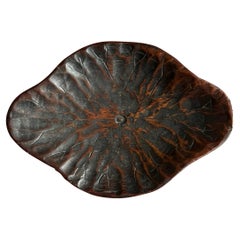
This exquisite petite carved wood dish from the Japanese Meiji period (1868-1912) masterfully depicts a lotus leaf in intricate detail. The top surface of the dish showcases the deli...
Category

19th Century Japanese Antique Meiji Furniture

Materials

Wood

A bronze sculpture of toad and a lizzard on a bamboo branch
Located in PARIS, FR
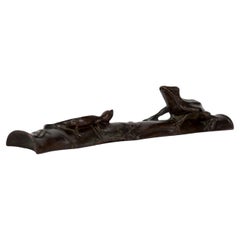
Bronze sculpture or Okimono of two toads facing each other, on a bamboo segment. These kinds of objects are traditionally used by calligraphs as a weight to stabilize the sheet of pa...
Category

19th Century Japanese Antique Meiji Furniture

Materials

Bronze

Japanese Bronze Bunchin or papper holder in the form of a fish
Located in PARIS, FR
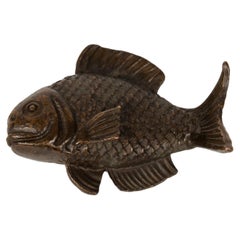
A small but interesting bronze in the form of a fish, with a chocolate-colored patina, probably intended to serve as a calligrapher's weight (bunchin). The treatment of the scales is...
Category

Late 19th Century Japanese Antique Meiji Furniture

Materials

Bronze

Japanese Two-Panel Kanō Screen -Tale of Genji Cherry Blossoms
Located in Greenwich, CT
Japanese Two-Panel Screen Kanō school, depicting a scene from the Tale of Genji , with various noble ladies and gentlemen in a landscape of cherry Blossoms - ink, colors and gold ...
Category

Late 19th Century Japanese Antique Meiji Furniture

Materials

Wood, Paper

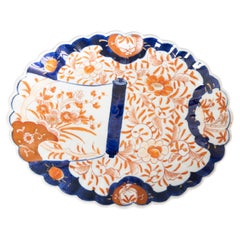
Antique 19th Century Japanese Meiji Period Imari Oval Scalloped Platter Dish
Located in Pearland, TX
A gorgeous 19th-Century Japanese Meiji Period Imari porcelain oval platter with a hand painted floral design in the traditional Imari colors. This fine dish has lovely scalloped edge...
Category

Late 19th Century Japanese Antique Meiji Furniture

Materials

Porcelain

Antique Pair Early Meiji Japanese Cloisonne Enamel Dragon Crane Vases Attributed
Located in Long Island City, NY
Antique Pair Early Meiji Japanese Cloisonne Enamel Dragon Crane Vases Attributed to Honda The exteriors of the wares are adorned with polychrome enamel medallions representing drago...
Category

19th Century Japanese Antique Meiji Furniture

Materials

Enamel

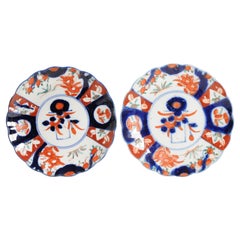
Set of 2 Antique Meji Period Imari Japanese Porcelain Dishes Arita, 19th/20th C.
Located in Amsterdam, Noord Holland
Sharing this lovely Japanese Imari dishes bowl from the Meiji period. With intricate floral designs. Additional information: Material: Porcelain & Pottery Region of Origin: Japan Pe...
Category

19th Century Japanese Antique Meiji Furniture

Materials

Porcelain

Antique Japanese Oribe Style Ceramic Abura-Zara
Located in Point Richmond, CA
apanese Oribe style ceramic Abura-zara, an oil plate used to catch the drippings from a suspended oil dish in a lantern, simple flat circular form with slightly raised beaded edge an...
Category

Late 19th Century Japanese Antique Meiji Furniture

Materials

Ceramic

Japanese Contemporary Blue Black Gold Porcelain Vase by Master Artist, 2
Located in Takarazuka, JP
Extraordinary meuseum quality signed Japanese contemporary porcelain vase, referred to by the artist as the “lady with a golden shawl,” a masterpiece by a celebrated award-winning th...
Category

21st Century and Contemporary Japanese Meiji Furniture

Materials

Gold

Japanese Huge Antique Captain Whale Fisherman Satsuma Charger, 18 Inches Box
Located in South Burlington, VT
Japanese Satsuma, a fine and monumental 18" Meiji period charger Ozara with rare motif: Captain fisherman and his fish. Depicting a tale of Urashima Tarō* (see below), Signed Jyukan pottery by Chinjyu Makoto, in a lovely gold gilt and red detailed hand-painted composition Age: 1880-1900. Dimensions: 18 inches diameter and includes owner's signed wooden presentation box, tomobako. Hand made and hand painted. Finest quality. Provenance: Old Southern Japanese collection. Urashima Tarō (浦島 太郎?) is a Japanese legend about a fisherman who holds a fishing pole and rescues a turtle and is rewarded for this with a visit to Ryūgū-jō, the palace of Ryūjin, the Dragon God, under the sea. He stays there for three days and upon his return to his village, finds himself 300 years in the future. Finest quality. Largest size. Original collector box tomobako included. Lifetime guarantee of authenticity: All of our Asian works of art come with our Lifetime Authenticity Guarantee. We are members of the North American Japanese Garden Association (NAJGA) specializing for ten years now in old and authentic Japanese stone...
Category

19th Century Japanese Antique Meiji Furniture

Materials

Ceramic

Pair of Japanese Gilt Bronze Komainu by Ishikawa Komei, Meiji Period
Located in Austin, TX
A striking pair of Japanese gilt bronze komainu by the renowned Japanese sculptor, Ishikawa Komei (1852-1913), Meiji period, Japan. The pair well cast, and robustly modeled. They ar...
Category

Late 19th Century Japanese Antique Meiji Furniture

Materials

Bronze

Impressive Pair 19th Century Japanese Meiji Period Export Blue Porcelain Vases
Located in Los Angeles, CA
A Large and Impressive 19th Century Pair of Japanese Meiji Period Export Blue-Celeste, White and Porcelain Vases. The ornately decorated bottle-shaped celadon vases, each with feline decorations amongst tree-branches and parcel-gilt and ruby-red painted flowers. The bottom of one signed in Japanese “Dai...
Category

19th Century Japanese Antique Meiji Furniture

Materials

Porcelain

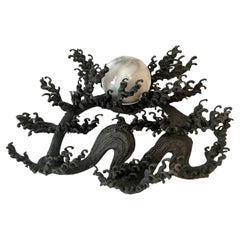
19th Century Signed Japanese Meiji Bronze Wave with Carrera Marble Sphere
Located in Los Angeles, CA
A wonderfully unique Meiji Bronze Wave - the details and techniques are very intricate. There are no missing pieces or damage. the piece is in very...
Category

Late 19th Century Japanese Antique Meiji Furniture

Materials

Carrara Marble, Bronze

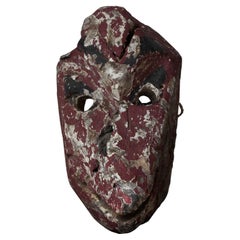
Japanese Antique Tengu s Face / Objet / 1868-1912s / Wabi-sabi Mingei
Located in Iwate-gun Shizukuishi-cho, Iwate Prefecture
This is the old Tengu surface that was used in the Kyushu region of Japan. It is thought to be from around the Meiji period. Tengu noodles are said to be an amulet, a blessing, and...
Category

Late 19th Century Japanese Antique Meiji Furniture

Materials

Wood

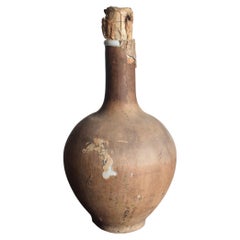
Japanese Antique Pottery Bottle 1860s-1900s/Flower Vase Wabisabi Jar Mingei
Located in Sammu-shi, Chiba
This is an old Japanese sake bottle. It is from the Meiji period (1860s-1900s). It is made of ceramic and covered with paper. It is slightly cracked and reinforced with paper. The pa...
Category

Early 20th Century Japanese Meiji Furniture

Materials

Pottery, Paper

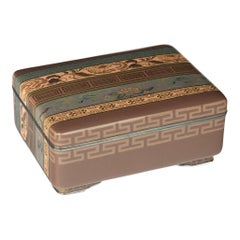
A very fine Meiji period cloisonné box and cover with brocade designs, by Hayash
Located in Lymington, Hampshire
A very fine Meiji period cloisonné box and cover with brocade designs, by Hayashi Tanigoro, worked in silver wire and coloured enamels with geometric and stylised dragon and phoenix ...
Category

Late 19th Century Japanese Antique Meiji Furniture

Materials

Ceramic

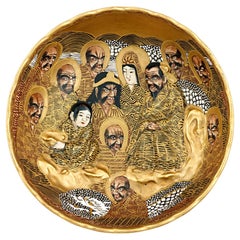
Satsuma Bowl of Immortals
Located in New Orleans, LA
This highly detailed Satsuma bowl is adorned with Buddhist monks and signed “Hododa” on the underside. The columns on the underside read, “Satsuma” and “Hododa.” This represents the ...
Category

19th Century Japanese Antique Meiji Furniture

Materials

Gold

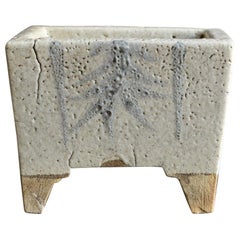
Japanese antique pottery small incense burner/bonsai pot/1868-1920
Located in Sammu-shi, Chiba
This is believed to be a small incense burner made in Japan during the Meiji and early Taisho periods (1868-1920). The design is very simple but b...
Category

Late 19th Century Japanese Antique Meiji Furniture

Materials

Pottery

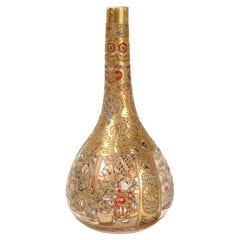
Antique Japanese Satsuma Pottery Bud Vase
Located in Philadelphia, PA
A fine antique Japanese Satsuma pottery vase. In the form of a bud vase with a round base and narrow, tapered neck. Decorated throug...
Category

Early 20th Century Japanese Meiji Furniture

Materials

Pottery

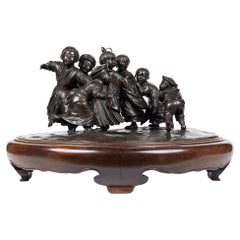
A Large and Exceptional Japanese Meiji Period Tokyo School Bronze Sculpture
Located in Queens, NY
Presenting an extraordinary Large and Exceptional Japanese Meiji Period Tokyo School Bronze Sculpture depicting a delightful ensemble of six energe...
Category

19th Century Japanese Antique Meiji Furniture

Materials

Bronze

Japanese Antique Bamboo Sliding Door, Object Mingei Art Panel, Wabisabi Door(2)
Located in Katori-Shi, 12
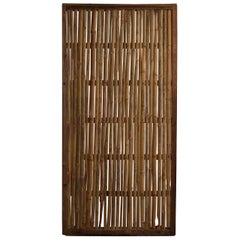
This is an antique Japanese bamboo door. It is from the Meiji period (1860s-1900s). It is made mainly of cedar and bamboo. It has a simple design that conveys the charm of the mater...
Category

Early 20th Century Japanese Meiji Furniture

Materials

Bamboo, Wood

19th Century Japanese Meiji Period Elmwood Chest with Iron Hardware
Located in Doylestown, PA
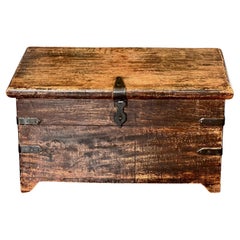
19th century Japanese elmwood blanket chest. Rustic Meiji period chest featuring hammered iron hardware, a flat hinged top and bracket feet with tw...
Category

Late 19th Century Japanese Antique Meiji Furniture

Materials

Iron

Set of famous Imari vases, phoenix flower design, late 19th century Meiji, Japan
Located in Wien, AT
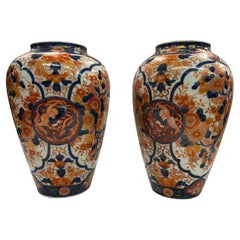
Impressive set of two vases, so-called Imari, made in the Meiji period - late 19th century, originals from Japan. These vases are in impressive original condition. They have the typ...
Category

Late 19th Century Japanese Antique Meiji Furniture

Materials

Ceramic

Meiji furniture for sale on 1stDibs.

Find a broad range of unique Meiji furniture for sale on 1stDibs. Many of these items were first offered in the 21st Century and Contemporary, but contemporary artisans have continued to produce works inspired by this style. If you’re looking to add vintage furniture created in this style to your space, the works available on 1stDibs include asian art and furniture, decorative objects, serveware, ceramics, silver and glass and other home furnishings, frequently crafted with metal, ceramic and other materials. If you’re shopping for used Meiji furniture made in a specific country, there are Asia, East Asia, and Japan pieces for sale on 1stDibs. While there are many designers and brands associated with original furniture, popular names associated with this style include Satsuma, Kinkozan, Ando Jubei, and Makuzu Kozan. It’s true that these talented designers have at times inspired knockoffs, but our experienced specialists have partnered with only top vetted sellers to offer authentic pieces that come with a buyer protection guarantee. Prices for furniture differ depending upon multiple factors, including designer, materials, construction methods, condition and provenance. On 1stDibs, the price for these items starts at $65 and tops out at $190,804 while the average work can sell for $2,112.

Still Thinking About These?

All Recently Viewed