Meiji Furniture

MEIJI STYLE

From 1868 to 1912, Emperor Mutsuhito oversaw an era of transformation in Japan. Formerly a country of feudalism and isolation, Japan entered an age of modernization influenced by newly established trade and exchange with the West. The Meiji period, or period of “enlightened rule,” also saw the global impact of the East Asian country’s culture. Japanese Meiji furniture was exhibited at expositions from Paris to San Francisco and created for export.

Prior to the Meiji era, furniture was mostly made by commission for the ruling class; now there were new domestic and international markets. European styles like Japonisme appropriated Japanese design while craftsmen in places like Wales and England employed japanning, a varnishing technique that approximated the appearance of lacquer for the surfaces of furnishings.

Meiji furniture made for Japanese homes and buildings constructed in Western styles resulted in taller tables, chairs, cabinets with large drawers and other features. The government invested in areas such as transportation and communication, and because people could freely choose occupations after the restrictions of feudalism, industries of various types were energized by expressive new ideas during those years. Art schools were formed and, for the first time, design was an area of study in the country, leading to the evolution of professional design as a career by the 1890s.

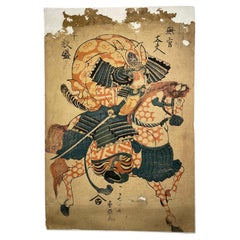
The work of Japanese designers was transmitted widely through lavishly illustrated pattern books that included designs for screens and lacquerware for the home. While screens today may be of use as decorative accents or partitions to ensure privacy in one’s space, Japanese screens were adorned with paintings and were featured in performing arts such as concerts, tea ceremonies and more. The color illustrations that characterize Meiji woodblock prints, a genre of Japanese art that grew out of 17th-century developments in printing and book publishing, depicted the sweeping changes that the era brought to East Asia.

Although it was a time of societal and cultural shifts, a bolstered interest in art and design elevated Japanese craft traditions. From colorful porcelain table lamps with silk shades and hardwood tables decorated with dark lacquer to cabinets featuring iron hardware and inlaid with mother-of-pearl, Meiji furniture showcased Japan’s artistic heritage to the world.

Find a collection of antique Japanese Meiji period case pieces and storage cabinets, decorative objects, wall decorations and more furniture on 1stDibs.

to
651
1,130
636
2,039
373
4
198,281
115,267
44,188
33,226
16,614
12,237
10,883
10,818
9,985
8,961
7,347
6,662
6,503
6,389
6,222
6,160
4,907
3,742
22
1,406
611
377
478
30
7
90
12
5
6
2
1
1
1
1,221
914
706
462
401
2,349
2,331
2,302
27
12
2,416
2,398
2,398
22
21
13
10
10
Style: Meiji
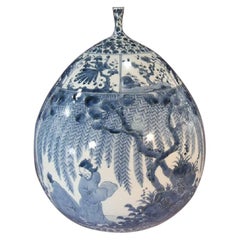
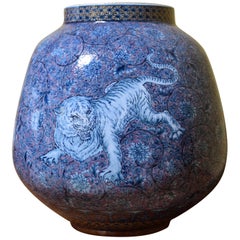
Japanese Contemporary Imari Blue White Porcelain Vase
Located in Takarazuka, JP
Exquisite Japanese contemporary decorative porcelain vase, hand painted in underglaze blue on a beautifully shaped body in pure white, a signed piece by widely acclaimed master porce...
Category

21st Century and Contemporary Japanese Meiji Furniture

Materials

Porcelain

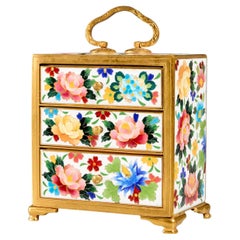
Late Meji Period Japanese Cloisonné Miniature 3 Drawer Chest by Inaba Nanaho
Located in Morristown, NJ
An exquisite Japanese miniature cloisonné chest by Inaba Nanaho of Nagoya, finely crafted in the early 20th century, bridging the Meiji and Taishō ...
Category

Early 20th Century Japanese Meiji Furniture

Materials

Metal, Enamel

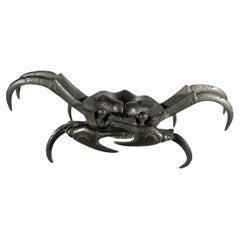
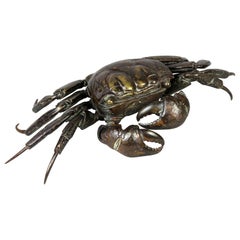
Large Japanese Meiji Period Bronze Crab (C) Okimono
Located in Chapel Hill, NC
Realistically modeled Japanese okimono of a crab raised on its toes. I of 5 designated by the (C) in the title.
Category

Late 19th Century Japanese Antique Meiji Furniture

Materials

Bronze

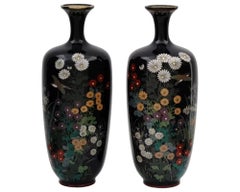
Pair Of High Quality Meiji Japanese Cloisonne Vases
Located in Long Island City, NY
A beautiful pair of high quality antique Japanese Meiji Era brass and enamel vases, 1868 to 1912. Both are of a baluster form with elegant narro...
Category

Late 19th Century Japanese Antique Meiji Furniture

Materials

Enamel

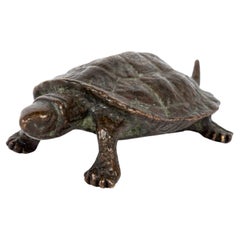
Japanese bronze sculpture or Okimono of a small yet realistic walking turtle
Located in PARIS, FR
Bronze turtle with brown patina. In Japan, the turtle (kame) is considered a symbol of wisdom, stability and luck. Tradition has it that it provides protection and 10,000 years of ha...
Category

Late 19th Century Japanese Antique Meiji Furniture

Materials

Bronze

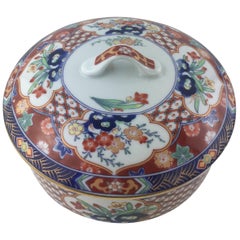
Japanese Hand-Painted Porcelain Lidded Serving Dish, Trinket or Jewelry Box
Located in Miami, FL
Beautiful Japanese hand painted porcelain decorative trinket, pill or jewelry box or serving dish of Meiji period. The decoration cons...
Category

Late 19th Century Japanese Antique Meiji Furniture

Materials

Porcelain

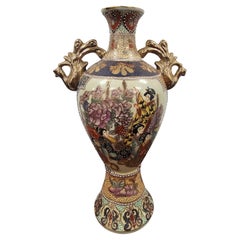
Antique 19/20C Japanese Satsuma Vase with rare red color. Japan
Located in Amsterdam, Noord Holland
Just wanted to share this new arrival with you. A Japanese satsuma vase The base has a mark which we didn't translate yet. Origin: Japan Age: 19th century Meiji Condition Perfec. ...
Category

19th Century Japanese Antique Meiji Furniture

Materials

Porcelain

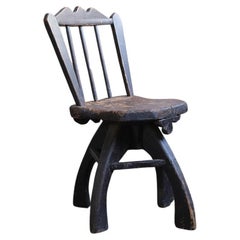
Primitive Wood Chair from Japan 1860s-1900s / Wabi Sabi Wooden Chair Mingei
Located in Sammu-shi, Chiba
This is an old primitive chair discovered in Japan. Details of this chair are unknown. It is also possible that it was not produced in Japan, but was brought over from East Asia or S...
Category

Early 20th Century Japanese Meiji Furniture

Materials

Wood

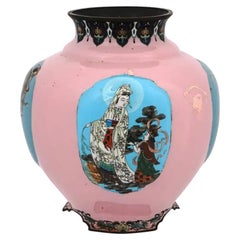
Extra Large Japanese Cloisonne Enamel Pink Vase Gonda
Located in Long Island City, NY
An extra large antique, late Meiji era, Japanese copper and enamel vase by Gonda Hirosuke, Japanese, 1865 to 1937. A sphere shaped body is covered with ...
Category

Late 19th Century Japanese Antique Meiji Furniture

Materials

Enamel, Copper

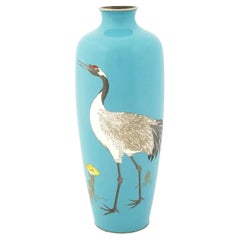
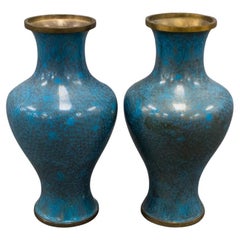
Antique Meiji Japanese Cloisonne Turquoise Enamel Crane Vase Signed OTA
Located in Long Island City, NY
A fine antique Japanese enamel brass vase featuring an elongated body with rounded shoulders and wide short neck. The surface is skillfully decorated with a polychrome cloisonne enam...
Category

Late 19th Century Japanese Antique Meiji Furniture

Materials

Enamel

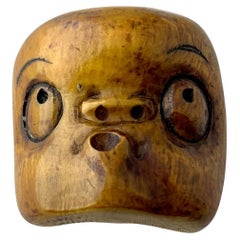
Japanese Netsuke of Hyottoko, Depicted through a Mask in Noh Play as an Idiot
Located in Point Richmond, CA
Playfully carved out of boxwood, this Meiji period hyottoko noh mask netsuke features a figure of a crouching man on the reverse. In Iwate Prefecture, there is a myth about the origi...
Category

Late 19th Century Japanese Antique Meiji Furniture

Materials

Boxwood

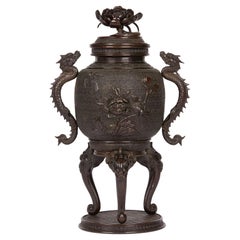
Large Japanese Meiji Bronze Lidded Urn, 19th Century
Located in Bishop s Stortford, Hertfordshire
A large and stylish antique Japanese Meiji bronze lidded twin handle urn standing on a rounded plinth base with tongue and grotesque head formed legs with dragon handles and a flat c...
Category

Early 20th Century Japanese Meiji Furniture

Materials

Bronze

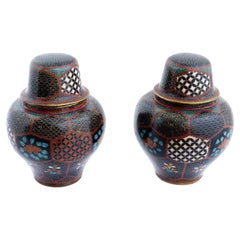
Pair of Japanese cloisonné enamel covered jars
Located in Long Island City, NY
A pair of Japanese enamel over gilt copper covered jars. The exteriors of the jars are adorned with polychrome enamel medallions representing floral, foliage, geometrical and foliate...
Category

Early 20th Century Japanese Meiji Furniture

Materials

Enamel, Copper

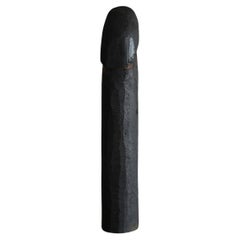
Japanese antique wooden large penis / folk belief / 1868-1920
Located in Sammu-shi, Chiba
This item is a giant wooden penis that was used in old Japanese houses from the late 19th century to the early 20th century (Meiji to Taisho eras). This i...
Category

Late 19th Century Japanese Antique Meiji Furniture

Materials

Cedar

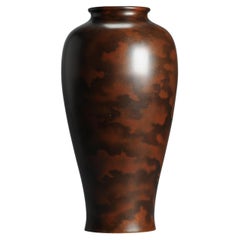
Large 31 cm Japanese Meiji Period Bronze Vase With Cloud Motiff Japan
Located in Amsterdam, Noord Holland
BRONZE top level Japanese vase Condition Perfect. Size 31cm Period 19th century Meiji Periode (1867-1912)
Category

Early 20th Century Japanese Meiji Furniture

Materials

Bronze

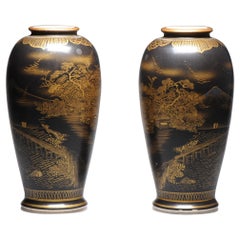
Antique Pair 19C Japanese Satsuma High Quality Black Vases Landscape Uchida
Located in Amsterdam, Noord Holland
Description A pair of Japanese Satsuma black-ground vases, Uchida marks, Meiji/Taisho period Of ovoid form with everted rims, painted in gilt with scenes of Mount Fuji against a bl...
Category

19th Century Japanese Antique Meiji Furniture

Materials

Porcelain

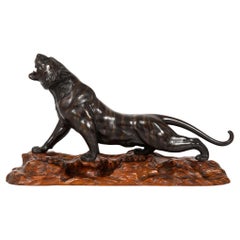
Fine Japanese Meiji Bronze Okimono Sculpture of Tiger by Mitani
Located in Shippensburg, PA
An exceedingly fine Japanese bronze okimono of a Roaring Tiger from the Meiji period, it exhibits the finest chiseling and articulating of detail. The sleek beast is cast in a way th...
Category

19th Century Japanese Antique Meiji Furniture

Materials

Bronze

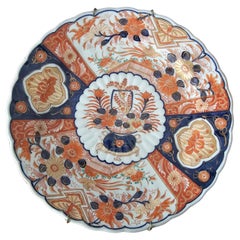
19th Century Japanese Pure Imari Decorative Platter
Located in Germantown, MD
A 19th Century Large Japanese Imari Decorative Platter in great antique construction . Measures 10" in diameter and 2" in height.
Category

19th Century Japanese Antique Meiji Furniture

Materials

Porcelain

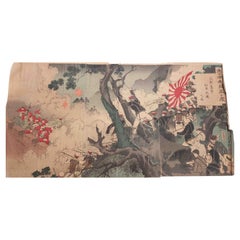
Antique 19th c Woodblock Print by Mizuno Toshikata - Sino Japan Battle_of_Son.
Located in Amsterdam, Noord Holland
A very strong woodblock print Long live the Great Japanese Empire! Our army's victorious attack on Seonghwan, Mizuno Toshikata 1866–1908 or Hurrah and Hurrah Again for the Great E...
Category

19th Century Chinese Antique Meiji Furniture

Materials

Bronze

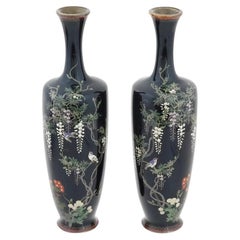
Pair of Japanese Cloisonne Silver Wire Meiji Golden Age Wisteria Vases
Located in Long Island City, NY
A matched pair of antique Japanese vases of elongated shape with long flared necks. Meiji period, 1868-1913. The pieces are decorated wi...
Category

Late 19th Century Japanese Antique Meiji Furniture

Materials

Enamel, Silver

Antique Japanese Printmaking Hanga of Mr. Taira no Atsumori 1900s
Located in Paris, FR
This is a printmaking called Hanga in Japanese. This Hanga was made around 1900s in Japan. As this is made with a paper and getting damaged, there is a new paper sticked on the back....
Category

Early 20th Century Japanese Meiji Furniture

Materials

Paper

Japanese Antique Door, Abstract Art Wabi Sabi, 1860s-1900s
Located in Katori-Shi, 12
Very old Japanese sliding door. The simple design conveys the charm of the material. You can feel the world of wabi and sabi. Recommended as a wall painting. It was made in the Mei...
Category

Early 20th Century Meiji Furniture

Materials

Wood

Hayashi School Cloisonné Vase Pair, Meiji Period with Tomobako
Located in Newark, England
Meiji Period (1868-1912)  From our Japanese collection, we are delighted to present this exceptional pair of Japanese Cloisonné Enamel Vases by the Hayashi School, dating to the Mei...
Category

Early 1900s Japanese Antique Meiji Furniture

Materials

Silver, Enamel

Large Antique Japanese Meiji Period Bronze Floor Vase with Foo Dog Handles
Located in Morristown, NJ
Late 19th/Early 20th c., large Japanese Meiji bronze floor urn. The principal decoration on both sides of the vase is rendered in beautiful and strong relief. One side depicts birds, possibly skylarks, in flight and on flowering cherry blossom branches. The opposite side depicts herons wading and alighting on a flowering tree. the upper and lower portions of urn are decorated with repeating arched lozenges detailed with scrolls and flora. The urn is adorned with foo dog handles, unmarked. This is an impressive and beautiful bronze urn. In bronze-working, Meiji period craftsmen were newly empowered to attempt distinctive, innovative, and complex pieces. Makers were influenced less by the West than by China, which had had a relationship with Japan stretching back thousands of years, far further than Japan’s recent association with Western powers. Artistry in bronze-work reached new heights in the Meiji period, as a number of metalworking schools developed, creating intricate pieces including vases, sculptures...
Category

Early 20th Century Japanese Meiji Furniture

Materials

Bronze

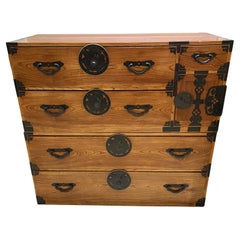
Meiji Two-Part Japanese Tansu in Cypress Kiriwood from the Yamagata Prefecture
Located in Milford, NH
A fine two part Japanese tansu chest in cypress and kiriwood, the upper part with oxblood stained top, two fitted large drawers, and a single fitted small drawer, over a single fitte...
Category

Early 20th Century Japanese Meiji Furniture

Materials

Metal, Iron

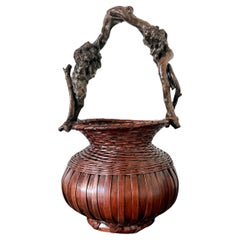
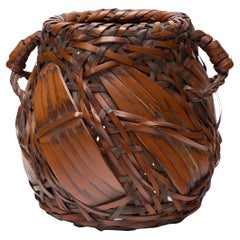
Japanese Bamboo Basket Ikebana Meiji Period
Located in Atlanta, GA
This lovely antique Japanese bamboo basket was from an unknown artist circa late Meiji Period (1868-1912), likely turn of the 20th century. It features a classic form that derived fr...
Category

Early 20th Century Japanese Meiji Furniture

Materials

Bamboo, Wood

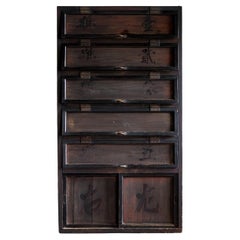
Japanese Antique Flap-Front Storage Cabinet with Kanji Markings, Late Meiji Era
Located in Hitachiomiya-shi, 08
This Japanese antique storage cabinet features traditional flap-front doors, commonly known as pata-pata doors, and dates to the Meiji period (late 19th–early 20th century). The mos...
Category

Early 20th Century Japanese Meiji Furniture

Materials

Cedar

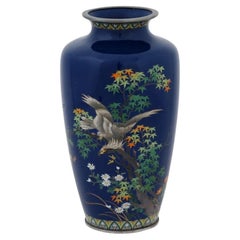
Antique Meiji Japanese Cloisonne Blue Enamel Silver Vase with Eagle Signed Inaba
Located in Long Island City, NY
A rare antique Japanese cloisonné enamel silver mounted and silver wire vase Late Meiji period circa 1895 . Elongated shape with pronounced neck. Cobalt blue ground color. The obvers...
Category

Late 19th Century Japanese Antique Meiji Furniture

Materials

Enamel

Antique Meiji Japanese Cloisonne Ginbari Enamel Green Double Handle Vase with Au
Located in Long Island City, NY
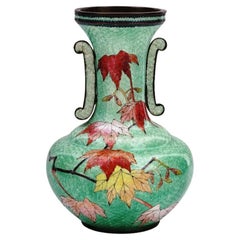
An antique Japanese copper vase with polychrome ginbari cloisonne enamel decor. Late Meiji period, Squat round shape, long neck and decorative side handles. Green body with red and y...
Category

Late 19th Century Japanese Antique Meiji Furniture

Materials

Copper, Enamel

Japanese Hand-Hammered Copper Vase by Gyokusendō — Signed, with Original Tomobak
Located in Fukuoka, JP
Dimensions: Height 18.7 cm Origin: Tsubame, Niigata, Japan Material: Pure copper (dōsei) A finely hand-hammered copper vase (tsuiki dōsei kabin) crafted by the renowned metalwork at...
Category

Early 20th Century Japanese Meiji Furniture

Materials

Copper

Japanese Contemporary Gold Orange Blue Green Porcelain Lucky Cat Sculpture
Located in Takarazuka, JP
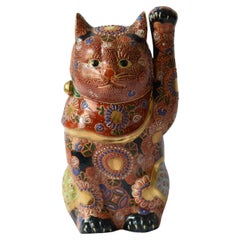
Japanese Contemporary porcelain beckoning cat, a uniquely and intricately gilded and hand painted porcelain piece from the Kutani region of Japan. The cat raising his left paw is adorned with multiple golden medallions and is covered with raised loops characteristic of the Kutani “mori” style. While the origins of the Japanese beckoning cat are unclear, contemporary woodblock...
Category

21st Century and Contemporary Japanese Meiji Furniture

Materials

Gold

Yoshitoshi Tsukioka Signed Japanese Woodblock Print Samurai Warrors on Horseback
Located in Studio City, CA
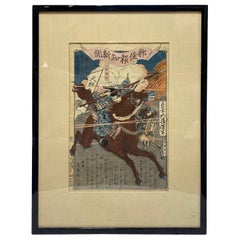
A wonderful, powerful, and visually striking Meiji Period woodblock print by revered Japanese artist/ printmaker Yoshitoshi Tsukioka (1839 - 1892 )...
Category

19th Century Japanese Antique Meiji Furniture

Materials

Paper

Japanese Contemporary Blue Pink Porcelain Vase by Master Artist Duo
Located in Takarazuka, JP
Exceptional Japanese Contemporary museum=quality extremely intricately hand painted decorative porcelain vase in blue elegantly featuring the four auspicious creatures of Chinese myt...
Category

21st Century and Contemporary Japanese Meiji Furniture

Materials

Gold

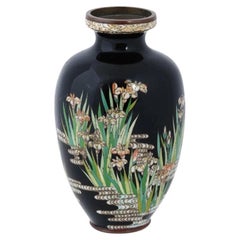
High Quality Antique Japanese Cloisonne Enamel Blossoming Iris’s Vase
Located in Long Island City, NY
A high quality antique Japanese, late Meiji period, enamel over gilt copper vase. The vase has an urn shaped body and a fluted neck. The ware is enameled with a polychrome image of b...
Category

Late 19th Century Japanese Antique Meiji Furniture

Materials

Copper, Enamel

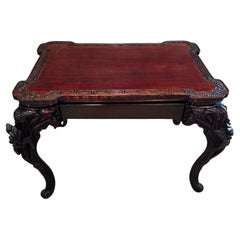
Antique Japanese Export Meiji Era Highly Carved Hongmu Library Table Desk
Located in Forney, TX
A superb Meiji Era (1867-1912) intricately hand carved Japanese hardwood writing table with beautifully aged patina, warm wood coloring, richly figured grain patterns, and interestin...
Category

Early 20th Century Japanese Meiji Furniture

Materials

Wood, Rosewood, Lacquer

Japanese Tansu, chest-on-chest (isho kasane-dansu), Yonezawa
Located in Point Richmond, CA
Japanese chest-on-chest for clothing storage (isho kasane-dansu) from Yonezawa, constructed of hinoki (Chaemaecyparis obtusa) and keyaki (Zelkova serrata) drawer fronts, traditional ...
Category

Late 19th Century Japanese Antique Meiji Furniture

Materials

Wood

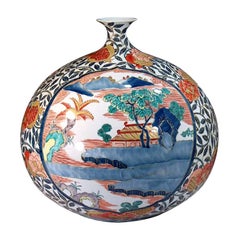
Japanese Contemporary Green Blue Red Porcelain Vase by Master Artist, 3
Located in Takarazuka, JP
Exceptional contemporary Japanese decorative porcelain vase, hand painted in red and blue depicting a beautiful scene from old rural Japan, a signed masterpiece by highly acclaimed m...
Category

21st Century and Contemporary Japanese Meiji Furniture

Materials

Gold

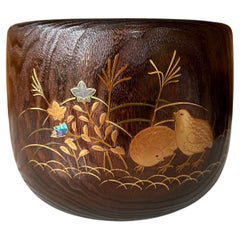
Fine Japanese Hibachi Lacquer with Inlays Meiji Period
Located in Atlanta, GA
A fine Japanese wood Hibachi with copper insert circa 1900-30s end of Meiji to Taisho Period. It can be used as a unique planter or to showcase a...
Category

Early 20th Century Japanese Meiji Furniture

Materials

Copper

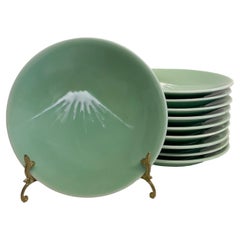
Antique Set of Ten Japanese Nabeshima Mt Fuji Celadon Pottery 8.5" Plates 1900
Located in Portland, OR
A fine set of ten antique Japanese celedon glazed Meiji period Mt. Fuji Plates, signed Nabeshima, circa 1900. Each circular plate is 8.5" in diameter, with a rich celadon green glaze...
Category

Early 1900s Japanese Antique Meiji Furniture

Materials

Pottery

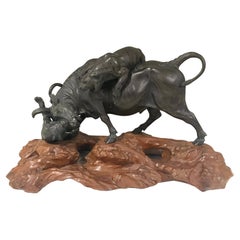
Large Artist Signed Japanese Bronze Tigers Attacking Bull Sculpture on Wood Base
Located in Ann Arbor, MI
Large Artist Signed Japanese Bronze Tigers attacking a Bull sculpture on wood base. Amazing original Patina and signed by the artist. The wood stand is or...
Category

1890s Japanese Antique Meiji Furniture

Materials

Bronze

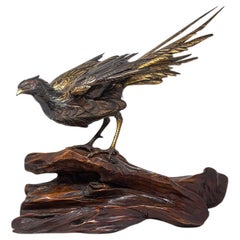
Japanese Bronze Pheasant Okimono Genryusai Seiya
Located in Newark, England
Unusual Casting of a Pheasant in Flight From our Japanese collection, we are delighted to offer this Japanese bronze okimono of a Pheasant upon a naturalistic root wood base. The Ph...
Category

Late 19th Century Japanese Antique Meiji Furniture

Materials

Bronze

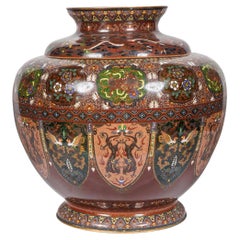
Meiji Masterpiece by Ando Jubei: A Maroon Cloisonné Vase with Dragons Phoenix
Located in Queens, NY
Meiji Masterpiece attributed to Ando Jubei: A Maroon Cloisonné Vase with Dragons Phoenix, circa 1895 This monumental Meiji period Japanese cloisonné vase, attributed to the es...
Category

19th Century Japanese Antique Meiji Furniture

Materials

Enamel

Japanese Antique Wooden Object/Craftsman s Workbench/Penis-Shaped Figurine
Located in Sammu-shi, Chiba
Introduce interesting items. This was once used as a workbench in Japan. It's shaped like a penis, but one side of the tip has a mark that looks like it was hit and is slightly scr...
Category

Late 19th Century Japanese Antique Meiji Furniture

Materials

Wood

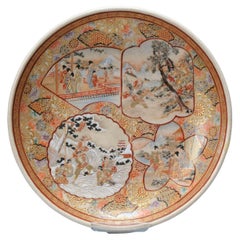
Antique Meiji Period Japanese Satsuma Plate Figures with Mark Japan 19th Century
Located in Amsterdam, Noord Holland
Fabulous Japanese earthenware Satsuma dish depicting Figures. Satsuma Ceramic with mark. Japan – Meiji period (1868-1912) Mark at the base: Made by Hotoda Additional information: M...
Category

19th Century Japanese Antique Meiji Furniture

Materials

Porcelain

Pair Antique Japanese Cloisonné Enamel Vases
Located in Germantown, MD
Pair Antique Japanese Cloisonné Enamel Vases Measures 5" in width, 5" in depth and 8" in height.  
Category

19th Century Japanese Antique Meiji Furniture

Materials

Enamel, Brass

19th Century Japanese Meiji Satsuna Enameled Porcelain Vase
Located in Germantown, MD
A 19th Century Japanese Meiji Satsuna Enameled Porcelain Vase. Measures 8" in width x 6" in depth x 14" in height.
Category

Late 19th Century American Antique Meiji Furniture

Materials

Enamel

Japanese Meiji Articulated Bronze Crab
Located in Essex, MA
Darker brown patina with fully articulated body. Purchased in London by previous owner.
Category

1870s Japanese Antique Meiji Furniture

Materials

Bronze

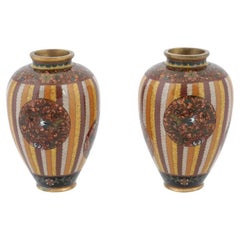
Antique Early Meiji Japanese Cloisonne Gold Stone Enamel Stripe Vases Attributed
Located in Long Island City, NY
Antique Early Meiji Japanese Cloisonne Gold Stone Enamel Stripe Vases Attributed to Honda A pair of antique Japanese, early Meiji era, enamel over gilt copper vases. The exteriors of...
Category

19th Century Japanese Antique Meiji Furniture

Materials

Copper, Enamel

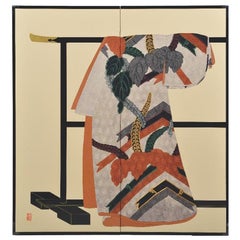
Japanese Contemporary Orange Black Silk Brocade Two-Panel Folding Screen, 3
Located in Takarazuka, JP
Extraordinary Japanese contemporary two panel "byobu" or folding screen featuring genryoku style handcrafted raised silk and brocade kimono in black, orange and gold on textured crea...
Category

21st Century and Contemporary Japanese Meiji Furniture

Materials

Gold

Japanese Meiji Twisted Ikebana Basket
Located in Chicago, IL
Wild and tumultuous, this sculptural bamboo form is an early 20th century flower basket (hanakago) designed especially for ikebana, the Japanese art of floral arrangement. Masterfull...
Category

Early 20th Century Japanese Meiji Furniture

Materials

Bamboo

Japanese Six-Panel Screen, a Garden for All Seasons
Located in Hudson, NY
An imaginary garden with flowers from all seasons including spring lilies, summer hibiscuses, autumn chrysanthemums, and winter berries. Wild autumn grasses move in a soft breeze wit...
Category

1890s Japanese Antique Meiji Furniture

Materials

Gold Leaf

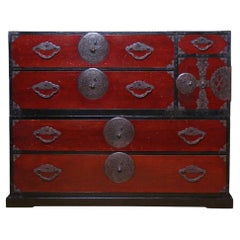
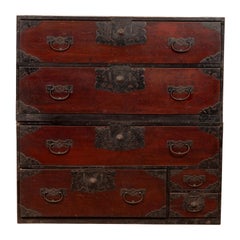
Japanese 19th Century Lacquered Sendai Clothing Tansu with Elaborate Hardware
Located in Yonkers, NY
A Japanese Meiji 19th century double-section Sendai clothing tansu (Isho-dansu) with drawers and elaborate hand cut iron hardware. Born during the 19th ...
Category

19th Century Japanese Antique Meiji Furniture

Materials

Iron

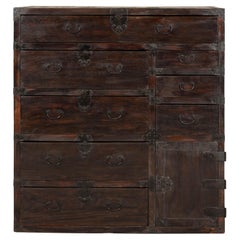
Early Meiji Keyaki Sendai Isho-Dansu Chest with Iron Hardware and Storage
Located in Yonkers, NY
An early Meiji period Sendai Isho-dansi chest from circa 1860-1880 with eight drawers, petite door and dark patina. This early Meiji-period Sendai Isho-dansu is a striking example of...
Category

Late 19th Century Japanese Antique Meiji Furniture

Materials

Iron

Japanese Meiji Period Bronze Monkey Group Sculpture Okimono Shosai
Located in Newark, England
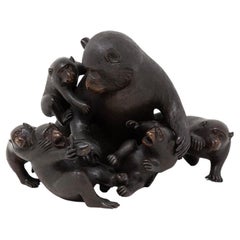
Featuring Seven Japanese Macaques Form our Japanese collection, we are delighted to offer this Japanese Bronze Monkey Group by Shosai. The Japanese Bronze Group displaying a male father monkey and his infants playing around and being mischievous with Persimmon fruit. The monkeys modelled as Japanese macaque monkeys (snow monkey). The bronze okimono is beautifully patinated with a highly lifelike and naturalistic casting signed to the underside Shosai 正齊鋳. The Bronze group dates to the Meiji Period (1868-1912) circa 1885. Japanese macaque (snow monkey) is a terrestrial Old World monkey species that is native to Japan. They are known as snow monkeys because some live in areas where snow covers the ground for long periods each year hence their nickname. No other non-human primate lives further north or in a colder climate than the snow monkey. Individuals have brownish grey fur, pinkish-red faces, and short tails. Two subspecies are known and their conservation Status is of least concern. In Japan, the species is known as Nihonzaru ニホンザル, 日本 (Japan/Nihon) and saru 猿 (monkey) to distinguish it from other primates, but the Japanese macaque is the only species of monkey in Japan. The Japanese macaque features heavily in the religion, folklore, and art of Japan, as well as in proverbs and idiomatic expressions in the Japanese language. They are often seen in paintings, block prints and represented in all manner of carvings from Okimono to netsuke. Many of these art forms reside in the world’s most famous museums and collections, some of the most prominent pieces by artists such as Mori Sosen and Kawanabe Kyosai. In Shinto belief (Japan’s indigenous religion/nature religion) legendary mythical beasts known as raiju sometimes appeared as monkeys and kept Raijin (the god of lightning/storms) company. In another well known tale the three wise monkeys who warn people to “see no evil, hear no evil and speak no evil” can be seen depicted in relief over the door of the famous Tosho-gu shrine in Nikko. Meiji Period was an era of Japanese history that spanned from 1868 to 1912. It was the first half of the Empire of Japan, when the Japanese people began to build a paradigm of a modern, industrialised nation state and emergent great power, influenced by Western countries and aesthetics. As a result of radically different ideas, the changes to Japan were profound and it affected the social structure, politics, economy, military, and foreign relations across the board. The period corresponded to the reign of Emperor Meiji and was preceded by the Keio era and was succeeded by the Taisho era. Cultural Art during the Meiji Period was of particular interest to the government and they overhauled the art export market which in turn promoted Japanese arts via various world’s fairs, beginning in Vienna at the world fair in 1873. The government heavily funded the fairs and took an active role organising how Japan’s culture was presented to the world including creating a semi-public company named Kiritsu Kosho Kaisha (First Industrial Manufacturing Company). The Kiritsu Kosho Kaisha was used to promote and commercialise exports of Japanese art and established the Hakurankai Jimukyoku (Exhibition Bureau) to maintain quality standards. For the 1876 Centennial International Exhibition in Philadelphia, the Japanese government created a Centennial Office and sent a special envoy to secure space for the 30,000 items that would be displayed. The Imperial Household also took an active interest in arts and crafts, commissioning works by select artists to be given as gifts for foreign dignitaries further emphasising the high quality and importance of Japanese art. Just before the end of the 19th century in 1890, the Teishitsu Gigeiin (Artist to the Imperial Household) system was created to recognise distinguished artists. These artists were selected for their exceptionally high quality wares and talent in their own industry. Over a period of 54 years Seventy artists were appointed, amongst these were ceramicist Makuzu Kozan and cloisonné enamel artist...
Category

Late 19th Century Japanese Antique Meiji Furniture

Materials

Bronze

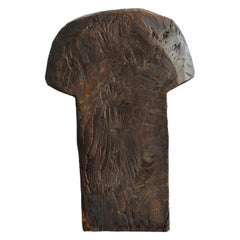
Antique Japanese wooden temple pillar object / 19th century / large decoration
Located in Sammu-shi, Chiba
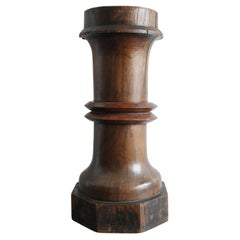
We are pleased to present an extremely rare, one-of-a-kind item. This is a wooden pedestal used in Japanese temples, and is said to have originally been made to support a large bronz...
Category

19th Century Japanese Antique Meiji Furniture

Materials

Wood

Large Old or Antique Japanese Imari Porcelain Platter or Tray
Located in Philadelphia, PA
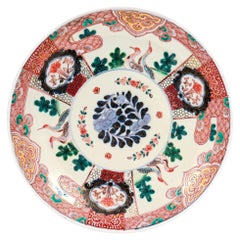
A fine old or antique Japanese Imari porcelain tray. With red, blue and green painted decoration and gilt accents throughout. The bowl has three panels depicting a pair of mandarin...
Category

20th Century Japanese Meiji Furniture

Materials

Porcelain

Four Fine quality "Nippon" Vases (Moriage); Meiji Dynasty, Japan. Circa 1910.
Located in Incline Village, NV
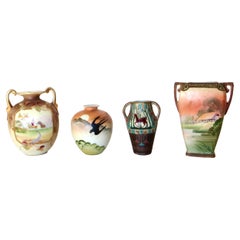
Four fine quality "Nippon" AUTHENTIC vases from the Meiji dynasty; Japan, Circa 1910. They are all hand painted with moriage accents to three of them; indicative and representative ...
Category

1910s Japanese Vintage Meiji Furniture

Materials

Porcelain

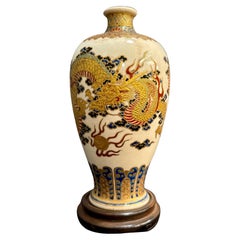
Japanese Satsuma Dragon Vase, Meiji Period, c 1900, Japan
Located in Austin, TX
A fantastic small Japanese Satsuma vase with image of writhing dragons, Meiji Period, circa 1900, Japan. The vase of elegant baluster form, with a slightly flared foot, slender body...
Category

Early 1900s Japanese Antique Meiji Furniture

Materials

Ceramic, Porcelain, Pottery, Stoneware, Hardwood
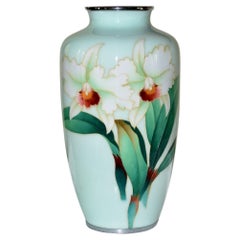
Large Signed Ando Jubei Japanese Cloisonné Vase Orchids 10"
Located in Somis, CA
A large, rare masterpiece of Ando Jubei's wireless cloisonné artistry in excellent condition, depicting two orchids in full bloom, capturing their delicate beauty and verdant vitalit...
Category

20th Century Japanese Meiji Furniture

Materials

Metal, Enamel

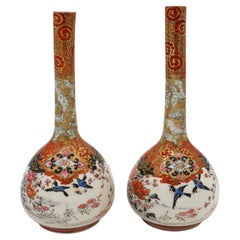
Circa 1860-80 Japanese Pair of Kutani Porcelain Bottle Vases
Located in Chapel Hill, NC
Pair of Kutani porcelain bottle vases, circa 1860-80, Japanese. Well decorated with pair of birds flying through a landscape surround. Note the group of butterflies around the neck. ...
Category

Late 19th Century Japanese Antique Meiji Furniture

Materials

Porcelain

Meiji furniture for sale on 1stDibs.

Find a broad range of unique Meiji furniture for sale on 1stDibs. Many of these items were first offered in the 21st Century and Contemporary, but contemporary artisans have continued to produce works inspired by this style. If you’re looking to add vintage furniture created in this style to your space, the works available on 1stDibs include asian art and furniture, decorative objects, serveware, ceramics, silver and glass and other home furnishings, frequently crafted with metal, ceramic and other materials. If you’re shopping for used Meiji furniture made in a specific country, there are Asia, East Asia, and Japan pieces for sale on 1stDibs. While there are many designers and brands associated with original furniture, popular names associated with this style include Satsuma, Kinkozan, Ando Jubei, and Makuzu Kozan. It’s true that these talented designers have at times inspired knockoffs, but our experienced specialists have partnered with only top vetted sellers to offer authentic pieces that come with a buyer protection guarantee. Prices for furniture differ depending upon multiple factors, including designer, materials, construction methods, condition and provenance. On 1stDibs, the price for these items starts at $65 and tops out at $190,804 while the average work can sell for $2,112.

Still Thinking About These?

All Recently Viewed