Early 20th Century Decorative Art

to
350
907
629
1,611
Height
to
Width
to
129
104
48
35
22
19
17
10
9
5
4
4
3
2
1
1,799
6,052
6,777
2,324
2,085
1,411
380
96
255
195
162
467
434
489
262
140
661
300
285
283
166
904
329
245
243
167
1,611
1,611
1,611
26
16
14
9
8
Period: Early 20th Century
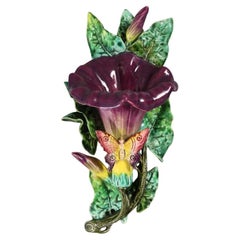
Fives-Lille Majolica Butterfly Wall pocket
Located in Chelmsford, Essex
Fives-Lille Majolica wall pocket which features a large trumpet flower on a bed of leaves. A butterfly sits on the flower. Purple ground version. Colouration: purple, green, yellow, ...
Category

Antique Early 20th Century Decorative Art

Materials

Majolica

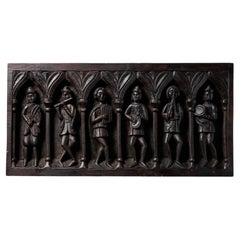
Antique Medieval Carved Pine Panel of Musical Figures
Located in Wormelow, Herefordshire
An impressive antique early medieval carved pine panel, originating from England's 19th century north country. Dating to circa 1900, this handsome decorative wall hanging is handcar...
Category

English Country Early 20th Century Decorative Art

Materials

Wood, Pine

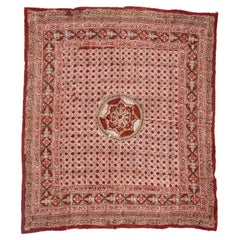
Antique Block Printed Quilt Top, Uzbekistan, Early 20th C.
Located in Istanbul, TR
These quilt tops are supposed to be from Tashkent of Uzbekistan and mostly used for the purpose along with as lining for a group of chapans from the area. This is for sure is a pro...
Category

Uzbek Folk Art Early 20th Century Decorative Art

Materials

Cotton

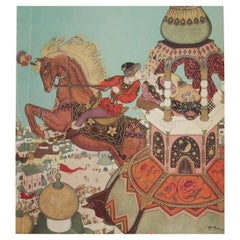
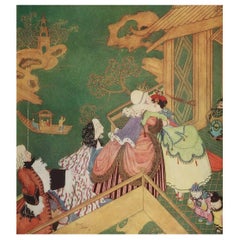
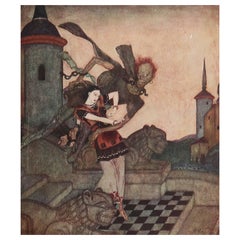
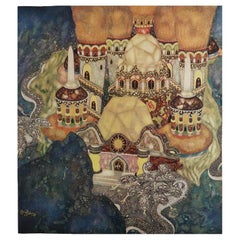
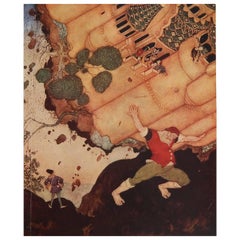
Original Vintage Print by Edmund Dulac, C.1920
Located in St Annes, Lancashire
Wonderful image by Edmund Dulac Tipped in plate onto paper Lithograph. Published C.1930 The measurement given is the paper size not the actual coloured printed image. The white...
Category

British Moorish Vintage Early 20th Century Decorative Art

Materials

Paper

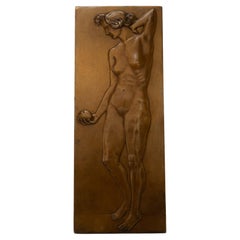
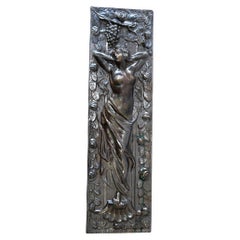
Art Deco Bronze Relief with nude women motiv original patina around 1920
Located in Wien, AT
Bronze Relief with nude women motiv original patina around 1920 Original Patina Original condition
Category

Austrian Art Deco Vintage Early 20th Century Decorative Art

Materials

Bronze

Original Vintage Print by Edmund Dulac, C.1920
Located in St Annes, Lancashire
Wonderful image by Edmund Dulac Tipped in plate onto paper Lithograph. Published C.1930 The measurement given is the paper size not the actual coloured printed image. The white...
Category

British Moorish Vintage Early 20th Century Decorative Art

Materials

Paper

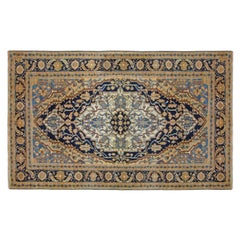
Antique Ferahan Sarouk Oriental Rug, in Small Size, with Central Medallion
Located in New York, NY
Antique Ferahan Sarouk oriental rug, circa 1910, small size An antique Ferahan Sarouk oriental rug, size 6'8" x 4'2", circa 1910. This lovely...
Category

Persian Vintage Early 20th Century Decorative Art

Materials

Wool

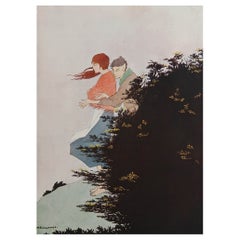
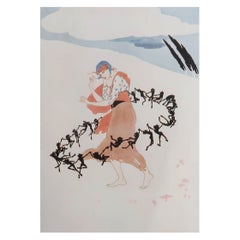
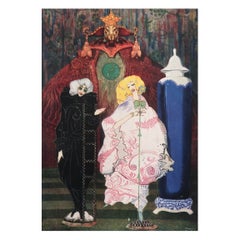
Original Vintage Art Deco Print by Margery Lawrence, 1921.
Located in St Annes, Lancashire
Wonderful image by Margery Lawrence Tipped in plate. On green card Lithograph. Published 1921 The measurement given is the card size not the actual printed image.
Category

British Art Deco Vintage Early 20th Century Decorative Art

Materials

Paper

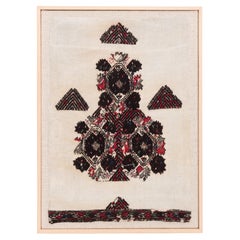
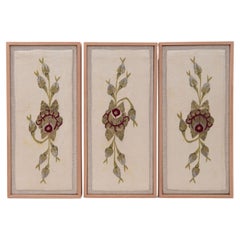
Framed Antique Eastern European Embroidery Fragment , Early 20th Century.
Located in Istanbul, TR
First the fragment has been hand backed on a linen fabric, then stretched over a wooden stretcher and finished with a wooden frame. Early 20th Century. Bulgaria Ready to go on a wall...
Category

Bulgarian Folk Art Early 20th Century Decorative Art

Materials

Wool

Original Vintage Print by Edmund Dulac, C.1920
Located in St Annes, Lancashire
Wonderful image by Edmund Dulac Tipped in plate onto paper Lithograph. Published C.1930 The measurement given is the paper size not the actual coloured printed image. Free ship...
Category

British Moorish Vintage Early 20th Century Decorative Art

Materials

Paper

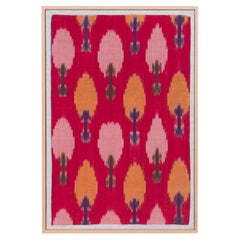
Professionally Framed Silk and Cotton Ikat Fragment, Uzbekistan, E 20th C.
Located in Istanbul, TR
First the fragment has been hand backed on a linen fabric, then stretched over a wooden stretcher and finished with a wooden frame. E 20th C. Uzbekistan. Ready to go on a wall. Fram...
Category

Uzbek Folk Art Early 20th Century Decorative Art

Materials

Silk

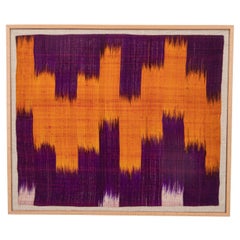
Professionally Framed Silk and Cotton Ikat Fragment, Uzbekistan, E 20th C.
Located in Istanbul, TR
First the fragment has been hand backed on a linen fabric, then stretched over a wooden stretcher and finished with a wooden frame. E 20th C. Uzbekistan. Ready to go on a wall. Fram...
Category

Uzbek Folk Art Early 20th Century Decorative Art

Materials

Silk

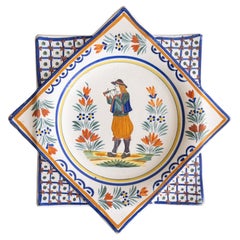
Antique French Faience Quimper Star Shaped Plate
Located in Pearland, TX
A rare antique French faience Quimper star shaped plate, circa 1920. Maker's mark on reverse. This charming plate is decorated with a hand painted Breton musician surrounded by geome...
Category

French Vintage Early 20th Century Decorative Art

Materials

Ceramic, Faience

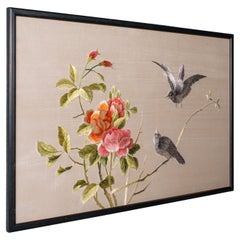
Vintage Framed Bird Scene, Japanese, Silk Cotton Embroidery, Art Deco, C.1940
Located in Hele, Devon, GB
This is a vintage framed bird scene. A Japanese, silk cotton embroidery display, dating to the Art Deco period, circa 1940. Attractive Oriental ...
Category

Japanese Art Deco Early 20th Century Decorative Art

Materials

Silk

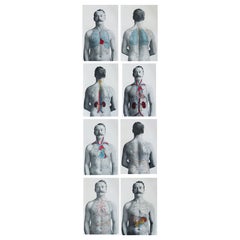
Set of 8 Original Vintage Medical Prints, circa 1900
Located in St Annes, Lancashire
Fabulous set of 8 figural medical prints. Unframed. Published, circa 1900. The measurement given below is for one of the prints. Free shipping
Category

English Edwardian Antique Early 20th Century Decorative Art

Materials

Paper

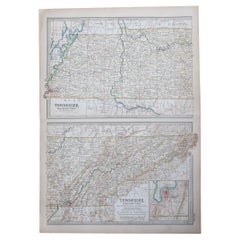
Original Antique Map of the American State of Tennessee, 1903
Located in St Annes, Lancashire
Antique map of Tennessee Published By A & C Black. 1903 Original colour Good condition Unframed. Free shipping
Category

English Antique Early 20th Century Decorative Art

Materials

Paper

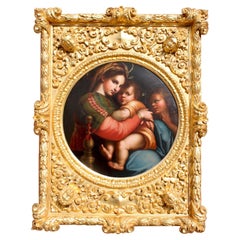
After Raffaello Sanzio 1483-1520 Raphael La Madonna della Seggiola Oil on Canvas
Located in Los Angeles, CA
A Fine Italian 19th Century Oil Painting on Canvas "La Madonna della Seggiola" after Raphael (Raffaello Sanzio da Urbino 1483-1520). The circular painted canvas depicting a seated Madonna holding an infant Jesus Christ next to a child Saint John the Baptist, all within a massive carved gilt wood and gesso frame, which is identical to the frame on Raphael's original artwork. This painting is a 19th Century copy of Raphael's Madonna della Seggiola painted in 1514 and currently exhibited and part of the permanent collection at the Palazzo Pitti, Galleria Palatina, Florence, Italy. The bodies of the Virgin, Christ, and the boy Baptist fill the whole picture. The tender, natural looking embrace of the Mother and Child, and the harmonious grouping of the figures in the round, have made this one of Raphael's most popular Madonnas. The isolated chair leg is reminiscent of papal furniture, which has led to the assumption that Leo X himself commissioned the painting. A retailer's label reads " Fred K/ Keer's Sons - Framers and Fine Art Dealers - 917 Broad St. Newark, N.J." - Another label from the gilder reads "Carlo Bartolini - Doratore e Verniciatori - Via Maggio 1924 - Firenze". Circa: 1890-1900. Subject: Religious painting Canvas diameter: 28 inches (71.1 cm) Frame height: 54 inches (137.2 cm) Frame width: 42 1/2 inches (108 cm) Frame depth: 5 1/2 inches (14 cm) Raffaello Sanzio da Urbino (Italian, March 28 or April 6, 1483 - April 6, 1520), known as Raphael, was an Italian painter and architect of the High Renaissance. His work is admired for its clarity of form, ease of composition, and visual achievement of the Neoplatonic ideal of human grandeur. Together with Michelangelo and Leonardo da Vinci, he forms the traditional trinity of great masters of that period. Raphael was enormously productive, running an unusually large workshop and, despite his death at 37, leaving a large body of work. Many of his works are found in the Vatican Palace, where the frescoed Raphael Rooms were the central, and the largest, work of his career. The best known work is The School of Athens in the Vatican Stanza della Segnatura. After his early years in Rome much of his work was executed by his workshop from his drawings, with considerable loss of quality. He was extremely influential in his lifetime, though outside Rome his work was mostly known from his collaborative printmaking. After his death, the influence of his great rival Michelangelo was more widespread until the 18th and 19th centuries, when Raphael's more serene and harmonious qualities were again regarded as the highest models. His career falls naturally into three phases and three styles, first described by Giorgio Vasari: his early years in Umbria, then a period of about four years (1504–1508) absorbing the artistic traditions of Florence, followed by his last hectic and triumphant twelve years in Rome, working for two Popes and their close associates. Raphael was born in the small but artistically significant central Italian city of Urbino in the Marche region, where his father Giovanni Santi was court painter to the Duke. The reputation of the court had been established by Federico III da Montefeltro, a highly successful condottiere who had been created Duke of Urbino by the Pope - Urbino formed part of the Papal States - and who died the year before Raphael was born. The emphasis of Federico's court was rather more literary than artistic, but Giovanni Santi was a poet of sorts as well as a painter, and had written a rhymed chronicle of the life of Federico, and both wrote the texts and produced the decor for masque-like court entertainments. His poem to Federico shows him as keen to show awareness of the most advanced North Italian painters, and Early Netherlandish artists as well. In the very small court of Urbino he was probably more integrated into the central circle of the ruling family than most court painters. Federico was succeeded by his son Guidobaldo da Montefeltro, who married Elisabetta Gonzaga, daughter of the ruler of Mantua, the most brilliant of the smaller Italian courts for both music and the visual arts. Under them, the court continued as a centre for literary culture. Growing up in the circle of this small court gave Raphael the excellent manners and social skills stressed by Vasari. Court life in Urbino at just after this period was to become set as the model of the virtues of the Italian humanist court through Baldassare Castiglione's depiction of it in his classic work The Book of the Courtier, published in 1528. Castiglione moved to Urbino in 1504, when Raphael was no longer based there but frequently visited, and they became good friends. He became close to other regular visitors to the court: Pietro Bibbiena and Pietro Bembo, both later cardinals, were already becoming well known as writers, and would be in Rome during Raphael's period there. Raphael mixed easily in the highest circles throughout his life, one of the factors that tended to give a misleading impression of effortlessness to his career. He did not receive a full humanistic education however; it is unclear how easily he read Latin. Early Life and Works His mother Màgia died in 1491 when Raphael was eight, followed on August 1, 1494 by his father, who had already remarried. Raphael was thus orphaned at eleven; his formal guardian became his only paternal uncle Bartolomeo, a priest, who subsequently engaged in litigation with his stepmother. He probably continued to live with his stepmother when not staying as an apprentice with a master. He had already shown talent, according to Vasari, who says that Raphael had been "a great help to his father". A self-portrait drawing from his teenage years shows his precocity. His father's workshop continued and, probably together with his stepmother, Raphael evidently played a part in managing it from a very early age. In Urbino, he came into contact with the works of Paolo Uccello, previously the court painter (d. 1475), and Luca Signorelli, who until 1498 was based in nearby Città di Castello. According to Vasari, his father placed him in the workshop of the Umbrian master Pietro Perugino as an apprentice "despite the tears of his mother". The evidence of an apprenticeship comes only from Vasari and another source, and has been disputed—eight was very early for an apprenticeship to begin. An alternative theory is that he received at least some training from Timoteo Viti, who acted as court painter in Urbino from 1495.Most modern historians agree that Raphael at least worked as an assistant to Perugino from around 1500; the influence of Perugino on Raphael's early work is very clear: "probably no other pupil of genius has ever absorbed so much of his master's teaching as Raphael did", according to Wölfflin. Vasari wrote that it was impossible to distinguish between their hands at this period, but many modern art historians claim to do better and detect his hand in specific areas of works by Perugino or his workshop. Apart from stylistic closeness, their techniques are very similar as well, for example having paint applied thickly, using an oil varnish medium, in shadows and darker garments, but very thinly on flesh areas. An excess of resin in the varnish often causes cracking of areas of paint in the works of both masters. The Perugino workshop was active in both Perugia and Florence, perhaps maintaining two permanent branches. Raphael is described as a "master", that is to say fully trained, in December 1500. His first documented work was the Baronci altarpiece for the church of Saint Nicholas of Tolentino in Città di Castello, a town halfway between Perugia and Urbino. Evangelista da Pian di Meleto, who had worked for his father, was also named in the commission. It was commissioned in 1500 and finished in 1501; now only some cut sections and a preparatory drawing remain. In the following years he painted works for other churches there, including the Mond Crucifixion (about 1503) and the Brera Wedding of the Virgin (1504), and for Perugia, such as the Oddi Altarpiece. He very probably also visited Florence in this period. These are large works, some in fresco, where Raphael confidently marshals his compositions in the somewhat static style of Perugino. He also painted many small and exquisite cabinet paintings in these years, probably mostly for the connoisseurs in the Urbino court, like the Three Graces and St. Michael, and he began to paint Madonnas and portraits. In 1502 he went to Siena at the invitation of another pupil of Perugino, Pinturicchio, "being a friend of Raphael and knowing him to be a draughtsman of the highest quality" to help with the cartoons, and very likely the designs, for a fresco series in the Piccolomini Library in Siena Cathedral. He was evidently already much in demand even at this early stage in his career. Influence of Florence Raphael led a "nomadic" life, working in various centres in Northern Italy, but spent a good deal of time in Florence, perhaps from about 1504. Although there is traditional reference to a "Florentine period...
Category

Italian Baroque Antique Early 20th Century Decorative Art

Materials

Canvas, Giltwood

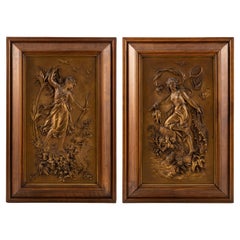
Pair Art Nouveau Bronze Relief Wall Plaques
Located in Kastrup, DK
Pair of fine Art Nouveau / Jugendstyl gilt bronze relief wall plaques, with wonderful details, mounted in walnut frames. The reliefs depict Diana, ...
Category

German Art Nouveau Early 20th Century Decorative Art

Materials

Bronze

Framed Antique Lebanese Tapestry Fragment , Early 20th Century.
Located in Istanbul, TR
First the fragment has been hand backed on a linen fabric, then stretched over a wooden stretcher and finished with a wooden frame. Early 20th Century. Lebanon Ready to go on a wall....
Category

Early 20th Century Decorative Art

Materials

Silk

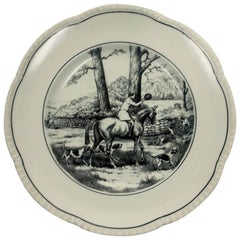
English Porcelain Plate or Wall Art with Horse Scence
Located in New York, NY
A beautiful black and off-white English porcelain plate depicting a country scene with horse, hunting dogs, and fowl birds. With maker's mark: Royal Caultron, England, est. 1774. Ver...
Category

English Early 20th Century Decorative Art

Materials

Faience, Pottery, Ceramic, Delft, Porcelain

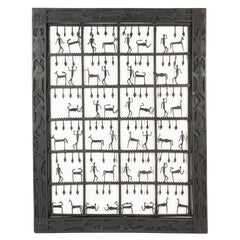
Dogon tribal hand forged rope twist iron window pane grill with figures, 1900-25
Located in Kenilworth, IL
Dogon tribal hand forged iron rope twist grill with hand forged silhouette figures within a grid of 24 squares. The work is framed in its original shallow carved & painted hardwood frame. The frame is carved with fish, birds, and reptiles, all characteristic Dogon subjects. Believed to have been fabricated for the European market...
Category

African Early 20th Century Decorative Art

Materials

Iron

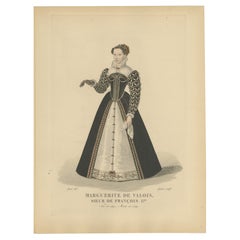
Hand-Colored Engraving of Marguerite de Valois, Sister of François I, ca. 1900
Located in Langweer, NL
Hand-Colored Engraving of Marguerite de Valois, Sister of François I, ca. 1900 edition This hand-colored engraving portrays Marguerite de Valois (1492–1549), Duchess of Alençon and ...
Category

French Early 20th Century Decorative Art

Materials

Paper

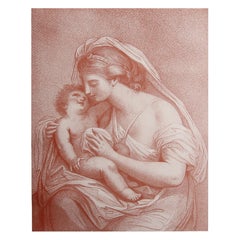
Antique Neo-Classical Bartolozzi Print. 1907
Located in St Annes, Lancashire
Wonderful red ochre print of an 18th Century Francesco Bartolozzi engraving after Cipriani. Publshed by Otto Limited, London 1907 Text on verso ...
Category

English Neoclassical Antique Early 20th Century Decorative Art

Materials

Paper

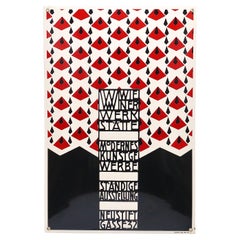
Josef Hoffmann Wiener Werkstätte Vienna Art Nouveau Enamel Advertising Sign
Located in Vienna, AT
A rare, domed, black, white and red enameled Art Nouveau advertising plate designed by Josef Hoffmann in 1905 for Wiener Werkstätte. The Wiener Werkstätte, founded by Josef Hoffmann,...
Category

Austrian Art Nouveau Antique Early 20th Century Decorative Art

Materials

Metal, Enamel, Iron

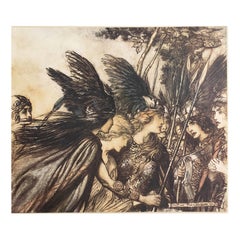
Original Vintage Print by Arthur Rackham, 1910.
Located in St Annes, Lancashire
Wonderful image by Arthur Rackham. It is one of the illustrations for Wagner's " The Rhinegold & The Valkyrie " Tipped in plate. On card Lithograph. Published 1910 The measurem...
Category

British Romantic Vintage Early 20th Century Decorative Art

Materials

Paper

Jugendstil Brass Relief with floral motiv brass original patina around 1908
Located in Wien, AT
Jugendstil Brass Relief with floral motiv brass original patina around 1908 Original condition Original patina
Category

Austrian Jugendstil Antique Early 20th Century Decorative Art

Materials

Brass

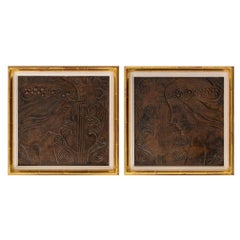
Secessionist Pair of Reliefs "Sappho" Georg Klimt ca. 1900 Patinated Copper
Located in Klosterneuburg, AT
Pair of Reliefs, "Allegory of Sappho", Georg Klimt (1867 - 1931), patinated copper, ca. 1900, Jugendstil, Vienna, Secessionist Art, Art Nouveau Georg Klimt's excellent craftsmanshi...
Category

Austrian Vienna Secession Antique Early 20th Century Decorative Art

Materials

Copper

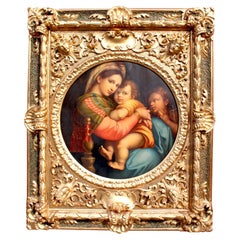
After Raffaello Sanzio 1483-1520 Raphael La Madonna della Seggiola Oil on Canvas
Located in Los Angeles, CA
A Fine Italian 19th Century Oil Painting on Canvas "La Madonna della Seggiola" after Raphael (Raffaello Sanzio da Urbino 1483-1520). The circular painted canvas depicting a seated Madonna holding an infant Jesus Christ next to a child Saint John the Baptist, all within a massive carved two-tone gilt wood, gilt-patinated and gesso frame, which is identical to the frame on Raphael's original artwork. This painting is a 19th Century copy of Raphael's Madonna della Seggiola painted in 1514 and currently exhibited and part of the permanent collection at the Palazzo Pitti, Galleria Palatina, Florence, Italy. The bodies of the Virgin, Christ, and the boy Baptist fill the whole picture. The tender, natural looking embrace of the Mother and Child, and the harmonious grouping of the figures in the round, have made this one of Raphael's most popular Madonnas. The isolated chair leg is reminiscent of papal furniture, which has led to the assumption that Leo X himself commissioned the painting. Circa: 1890-1900. Subject: Religious painting Painting diameter: 28 inches (71.1 cm) Frame height: 55 1/8 inches (140 cm) Frame width: 46 inches (116.8 cm) Frame depth: 5 1/8 inches (13 cm) Raffaello Sanzio da Urbino (Italian, March 28 or April 6, 1483 - April 6, 1520), known as Raphael, was an Italian painter and architect of the High Renaissance. His work is admired for its clarity of form, ease of composition, and visual achievement of the Neoplatonic ideal of human grandeur. Together with Michelangelo and Leonardo da Vinci, he forms the traditional trinity of great masters of that period. Raphael was enormously productive, running an unusually large workshop and, despite his death at 37, leaving a large body of work. Many of his works are found in the Vatican Palace, where the frescoed Raphael Rooms were the central, and the largest, work of his career. The best known work is The School of Athens in the Vatican Stanza della Segnatura. After his early years in Rome much of his work was executed by his workshop from his drawings, with considerable loss of quality. He was extremely influential in his lifetime, though outside Rome his work was mostly known from his collaborative printmaking. After his death, the influence of his great rival Michelangelo was more widespread until the 18th and 19th centuries, when Raphael's more serene and harmonious qualities were again regarded as the highest models. His career falls naturally into three phases and three styles, first described by Giorgio Vasari: his early years in Umbria, then a period of about four years (1504–1508) absorbing the artistic traditions of Florence, followed by his last hectic and triumphant twelve years in Rome, working for two Popes and their close associates. Raphael was born in the small but artistically significant central Italian city of Urbino in the Marche region, where his father Giovanni Santi was court painter to the Duke. The reputation of the court had been established by Federico III da Montefeltro, a highly successful condottiere who had been created Duke of Urbino by the Pope - Urbino formed part of the Papal States - and who died the year before Raphael was born. The emphasis of Federico's court was rather more literary than artistic, but Giovanni Santi was a poet of sorts as well as a painter, and had written a rhymed chronicle of the life of Federico, and both wrote the texts and produced the decor for masque-like court entertainments. His poem to Federico shows him as keen to show awareness of the most advanced North Italian painters, and Early Netherlandish artists as well. In the very small court of Urbino he was probably more integrated into the central circle of the ruling family than most court painters. Federico was succeeded by his son Guidobaldo da Montefeltro, who married Elisabetta Gonzaga, daughter of the ruler of Mantua, the most brilliant of the smaller Italian courts for both music and the visual arts. Under them, the court continued as a centre for literary culture. Growing up in the circle of this small court gave Raphael the excellent manners and social skills stressed by Vasari. Court life in Urbino at just after this period was to become set as the model of the virtues of the Italian humanist court through Baldassare Castiglione's depiction of it in his classic work The Book of the Courtier, published in 1528. Castiglione moved to Urbino in 1504, when Raphael was no longer based there but frequently visited, and they became good friends. He became close to other regular visitors to the court: Pietro Bibbiena and Pietro Bembo, both later cardinals, were already becoming well known as writers, and would be in Rome during Raphael's period there. Raphael mixed easily in the highest circles throughout his life, one of the factors that tended to give a misleading impression of effortlessness to his career. He did not receive a full humanistic education however; it is unclear how easily he read Latin. Early Life and Works His mother Màgia died in 1491 when Raphael was eight, followed on August 1, 1494 by his father, who had already remarried. Raphael was thus orphaned at eleven; his formal guardian became his only paternal uncle Bartolomeo, a priest, who subsequently engaged in litigation with his stepmother. He probably continued to live with his stepmother when not staying as an apprentice with a master. He had already shown talent, according to Vasari, who says that Raphael had been "a great help to his father". A self-portrait drawing from his teenage years shows his precocity. His father's workshop continued and, probably together with his stepmother, Raphael evidently played a part in managing it from a very early age. In Urbino, he came into contact with the works of Paolo Uccello, previously the court painter (d. 1475), and Luca Signorelli, who until 1498 was based in nearby Città di Castello. According to Vasari, his father placed him in the workshop of the Umbrian master Pietro Perugino as an apprentice "despite the tears of his mother". The evidence of an apprenticeship comes only from Vasari and another source, and has been disputed—eight was very early for an apprenticeship to begin. An alternative theory is that he received at least some training from Timoteo Viti, who acted as court painter in Urbino from 1495.Most modern historians agree that Raphael at least worked as an assistant to Perugino from around 1500; the influence of Perugino on Raphael's early work is very clear: "probably no other pupil of genius has ever absorbed so much of his master's teaching as Raphael did", according to Wölfflin. Vasari wrote that it was impossible to distinguish between their hands at this period, but many modern art historians claim to do better and detect his hand in specific areas of works by Perugino or his workshop. Apart from stylistic closeness, their techniques are very similar as well, for example having paint applied thickly, using an oil varnish medium, in shadows and darker garments, but very thinly on flesh areas. An excess of resin in the varnish often causes cracking of areas of paint in the works of both masters. The Perugino workshop was active in both Perugia and Florence, perhaps maintaining two permanent branches. Raphael is described as a "master", that is to say fully trained, in December 1500. His first documented work was the Baronci altarpiece for the church of Saint Nicholas of Tolentino in Città di Castello, a town halfway between Perugia and Urbino. Evangelista da Pian di Meleto, who had worked for his father, was also named in the commission. It was commissioned in 1500 and finished in 1501; now only some cut sections and a preparatory drawing remain. In the following years he painted works for other churches there, including the Mond Crucifixion (about 1503) and the Brera Wedding of the Virgin (1504), and for Perugia, such as the Oddi Altarpiece. He very probably also visited Florence in this period. These are large works, some in fresco, where Raphael confidently marshals his compositions in the somewhat static style of Perugino. He also painted many small and exquisite cabinet paintings in these years, probably mostly for the connoisseurs in the Urbino court, like the Three Graces and St. Michael, and he began to paint Madonnas and portraits. In 1502 he went to Siena at the invitation of another pupil of Perugino, Pinturicchio, "being a friend of Raphael and knowing him to be a draughtsman of the highest quality" to help with the cartoons, and very likely the designs, for a fresco series in the Piccolomini Library in Siena Cathedral. He was evidently already much in demand even at this early stage in his career. Influence of Florence Raphael led a "nomadic" life, working in various centres in Northern Italy, but spent a good deal of time in Florence, perhaps from about 1504. Although there is traditional reference to a "Florentine period...
Category

Italian Baroque Antique Early 20th Century Decorative Art

Materials

Canvas, Giltwood

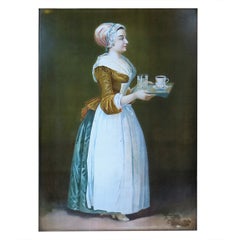
Advertising Sign La Belle Chocolatiere Walter Baker Co. Ltd., circa 1900
Located in Incline Village, NV
This is a very rare and iconic piece of early advertising, branding the Walter Baker Chocolate Company and standing over 4 feet tall. Much history surroun...
Category

American Victorian Early 20th Century Decorative Art

Materials

Tin

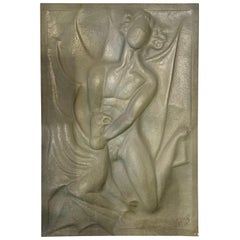
Art Deco Embossed Pewter Panel Sculpture, 1920s
Located in Florence, IT
Art Deco metal embossed pewter panel sculpture representing a naked boy with eagle, signed by Foma.
Category

Italian Art Deco Early 20th Century Decorative Art

Materials

Pewter

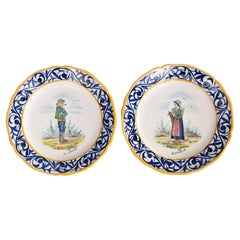
Pair of Antique French Faience Quimper Plates, circa 1920
Located in Pearland, TX
A charming pair of antique French faience Quimper plates, circa 1920. Maker's mark on front and reverse. These collectible hand painted plates feature the classic Breton man smoking ...
Category

French Vintage Early 20th Century Decorative Art

Materials

Faience

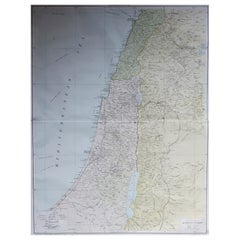
Large Original Vintage Map of Israel, circa 1920
Located in St Annes, Lancashire
Great map of Israel Original color. Good condition Published by Alexander Gross Unframed.
Category

English Edwardian Vintage Early 20th Century Decorative Art

Materials

Paper

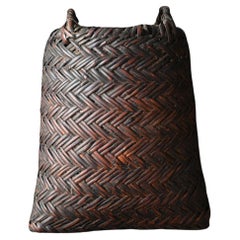
Japanese antique bamboo woven basket/wall hanging vase/1868-1920/Mingei
Located in Sammu-shi, Chiba
This is a woven bamboo basket made in Japan from the Meiji to Taisho periods (1868-1920). I don't know if the baskets actually used by farmers were repurposed as flower vases, or if ...
Category

Japanese Meiji Early 20th Century Decorative Art

Materials

Bamboo

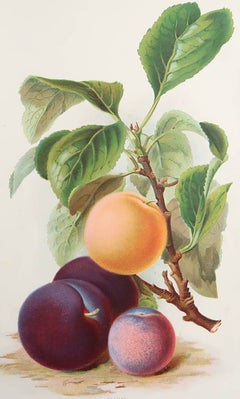
Original Antique Print of Plums, C. 1900
Located in St Annes, Lancashire
Great image of plums Lithograph with original color. Published, circa 1900 Unframed.  
Category

English Other Antique Early 20th Century Decorative Art

Materials

Paper

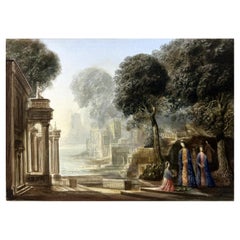
Antique English Italianate Framed Watercolor attr Harold Hitchcock George Stubbs
Located in Dublin, Ireland
ERROR IN LISTING: This listing is for ONE Painting, we are trying to fix this currently. Stunning Continental View possibly Venice, Italy. Watercolour on Artists board, first quarter of the Twentieth Century. Allthough not signed this beautiful Watercolour is firmly attributed to the work of English Artist Harold Hitchcock, who did not always add signature. Depicting Mountainous and Landscape views with three ladies...
Category

Italian Edwardian Early 20th Century Decorative Art

Materials

Canvas, Giltwood

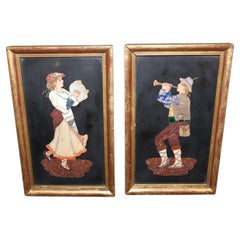
Pair of Antique Pietra Dura Marble Inlay Figural Plaques With Malachite
Located in Swedesboro, NJ
Dimensions: Height: 9 1/4 in Width: 5 3/4 in Depth: 3/4 in This vintage pair of Pietra Dura framed plaques is bound to bring a sense of sophisticat...
Category

Italian Neoclassical Early 20th Century Decorative Art

Materials

Lapis Lazuli, Malachite, Marble

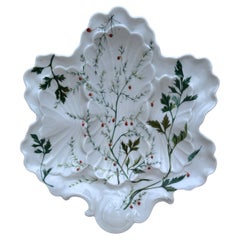
Porcelain Oyster Botanical Plate Limoges, circa 1900
Located in Austin, TX
Porcelain Oyster Botanical Plate Limoges, circa 1900.
Category

French Aesthetic Movement Antique Early 20th Century Decorative Art

Materials

Porcelain

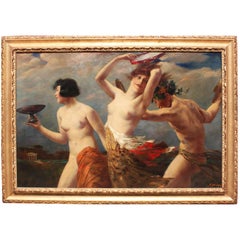
19th Century Oil on Canvas Bacchante Group Attributed to Leopold Schmutzler
Located in Los Angeles, CA
A large 19th century oil on canvas Bacchante group depicting two allegorical young semi-nude maidens dancing with pan, attributed to Leopold Schmutzler...
Category

German Greco Roman Early 20th Century Decorative Art

Materials

Canvas, Giltwood

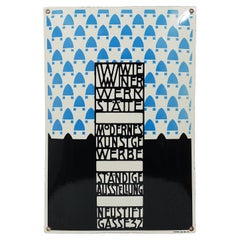
Josef Hoffmann Wiener Werkstätte Vienna Art Nouveau Enamel Advertising Sign
Located in Vienna, AT
A rare, domed, black, white & blue enameled Art Nouveau advertising plate. Designed by Josef Hoffmann in 1905 for Wiener Werkstatte (founded by Josef Hoffmann, Koloman Moser and Frit...
Category

Austrian Art Nouveau Antique Early 20th Century Decorative Art

Materials

Metal, Enamel, Iron

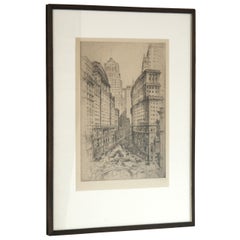
1927 Etching of Bowling Green Park New York by Anton Schutz
By Anton Schutz
Located in Chicago, IL
This signed etching of Bowling Green Park was done by Anton Schutz. It is dated 1927. It depicts a bustling scene in the Financial District of Lower Manh...
Category

American Art Deco Early 20th Century Decorative Art

Materials

Glass, Wood, Paper

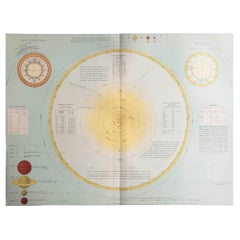
Original Antique Astronomy Print. C.1900
Located in St Annes, Lancashire
Great image of the solar system Unframed. Chromo-lithograph Published, C.1900 The measurement is the paper size of the print Free shipping.
Category

English Folk Art Antique Early 20th Century Decorative Art

Materials

Paper

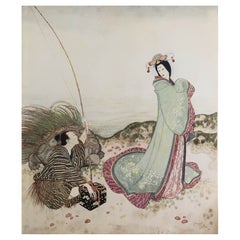
Original Vintage Print by Edmund Dulac, C.1920
Located in St Annes, Lancashire
Wonderful image by Edmund Dulac Tipped in plate onto paper Lithograph. Published C.1930 The measurement given is the paper size not the actual coloured printed image. Free ship...
Category

British Japonisme Vintage Early 20th Century Decorative Art

Materials

Paper

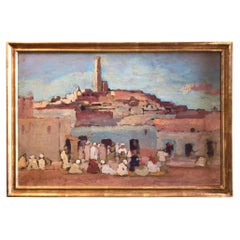
Orientalist Painting Wall Art Arab Market Scene Dutch G. Huijsser Antique Frame
Located in West Hollywood, CA
Orientalist Painting Wall Art Arab Market Scene Dutch G. Huijsser Antique Frame. Very nice oil on cardboard by Gerard Huijsser, Dutch painter, depicting a gathering of people in a or...
Category

Dutch Early 20th Century Decorative Art

Materials

Wood, Giltwood

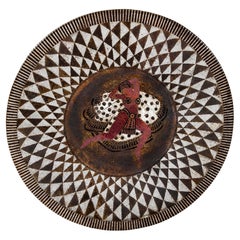
Claudius Linossier Dinanderie "Maenad" Charger
Located in New York, NY
This French Art Deco Charger, by Claudius Linossier, was created using the technique known as dinanderie, which involved decorating hammering out copper vessels to produce subtle but beautiful gradations of color. The charger features a Maenad, a female follower of Dionysus. During the orgiastic rites of Dionysus, maenads roamed the mountains possessed by the god, performing frenzied, ecstatic dances. These Maenads were often depicted on attic pottery...
Category

French Art Deco Vintage Early 20th Century Decorative Art

Materials

Silver, Copper

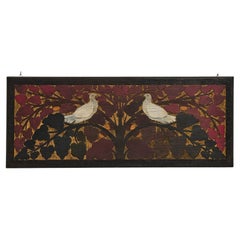
Pannello in legno con colombe, Gino Maggioni per Atelier di Varedo, Italia, 1920
Located in Milano, Lombardia
Pregiato pannello in legno intagliato e dipinto, raffigurante due colombe posate sui rami di un albero rigoglioso. L’opera fu concepita dall’architetto Gino Maggioni, che svolgeva u...
Category

Italian Art Deco Vintage Early 20th Century Decorative Art

Materials

Wood

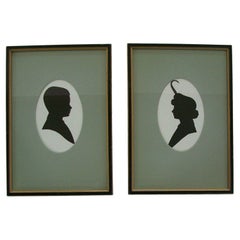
Vintage Pair Framed Cut Paper Cameo Silhouette Portraits, U.S., Early 20th C.
Located in Chatham, ON
Vintage pair cut paper cameo silhouette portraits - the hand cut portraits glued down to a cream color background - featuring facing profiles of a young man and woman - fine quality ...
Category

American American Classical Early 20th Century Decorative Art

Materials

Gold Leaf

Original Vintage Art Deco Print by Margery Lawrence, 1921.
Located in St Annes, Lancashire
Wonderful image by Margery Lawrence Tipped in plate. On green card Lithograph. Published 1921 The measurement given is the card size not the actual printed image.
Category

British Art Deco Vintage Early 20th Century Decorative Art

Materials

Paper

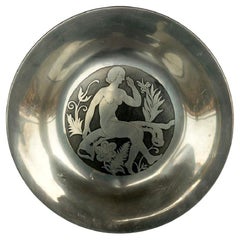
1920 Just Andersen Design Denmark Art Deco Pewter Woman Plate
Located in Brescia, IT
Art Deco Plate Just Andersen Denmark, 1920 Pewter plate Decoration engraved Very good condiction Slight surface Scratches "JUST" signed under the plate base
Category

Danish Art Deco Vintage Early 20th Century Decorative Art

Materials

Pewter

Original Vintage Print by Edmund Dulac, C.1920
Located in St Annes, Lancashire
Wonderful image by Edmund Dulac Tipped in plate onto paper Lithograph. Published C.1930 The measurement given is the paper size not the actual coloured printed image. Free ship...
Category

British Moorish Vintage Early 20th Century Decorative Art

Materials

Paper

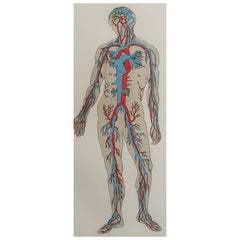
Original Vintage Medical Print-Blood Vessels, circa 1900
Located in St Annes, Lancashire
Great image of medical interest. Unframed. Published, circa 1900.
Category

English Edwardian Antique Early 20th Century Decorative Art

Materials

Paper

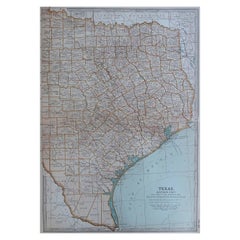
Original Antique Map of the American State of Texas ( Eastern Part ), 1903
Located in St Annes, Lancashire
Antique map of Texas ( Eastern part ) Published By A & C Black. 1903 Original colour Good condition Unframed. Free shipping
Category

English Antique Early 20th Century Decorative Art

Materials

Paper

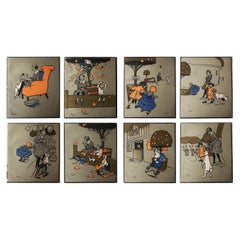
Set of 8 Original Vintage Prints After Cecil Aldin, Dogs and Rabbits, C.1920
Located in St Annes, Lancashire
Wonderful set of 8 Cecil Aldin prints Lovely colours Published C.1920 Unframed. The measurement given is the paper size of one print Some with minor chips to the edges.
Category

English Early 20th Century Decorative Art

Materials

Paper

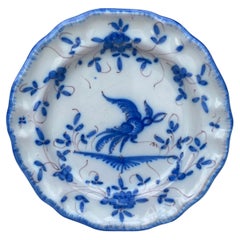
French Faience Blue White Bird Plate Moustiers Style
Located in Austin, TX
French Faience Blue & White Bird Plate Moustiers Style Moustiers style Martres Tolosane, circa 1900.  
Category

French French Provincial Antique Early 20th Century Decorative Art

Materials

Faience

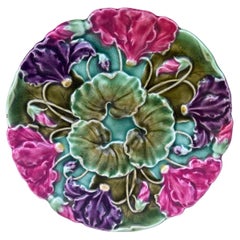
Majolica Cyclamens Plate Schultz Cilli, circa 1900
Located in Austin, TX
Lovely Majolica pink & purple cyclamens plate signed Schultz Cilli, circa 1900, Art Nouveau. Diameter / 6.7 inches.
Category

Art Nouveau Antique Early 20th Century Decorative Art

Materials

Ceramic

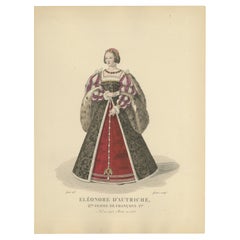
Éléonore d’Autriche, Queen of France – Hand-Colored Portrait Print, c.1900
Located in Langweer, NL
Hand-Colored Engraving of Éléonore d’Autriche, Queen of France, ca. 1900 edition This hand-colored engraving represents Éléonore d’Autriche (1498–1558), also known as Eleanor of Aus...
Category

French Early 20th Century Decorative Art

Materials

Paper

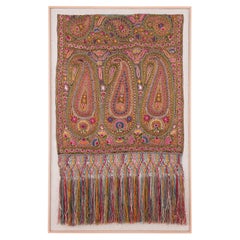
Framed Antique silk Embroidered Delhi Shawl Half, early 20th Century.
Located in Istanbul, TR
It is finely embroidered in silk on a cotton background. It is lucky to have the tassels intact.
Category

Indian Folk Art Early 20th Century Decorative Art

Materials

Silk

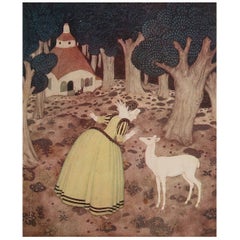
Original Vintage Print by Edmund Dulac, C.1920
Located in St Annes, Lancashire
Wonderful image by Edmund Dulac Tipped in plate onto paper Lithograph. Published C.1930 The measurement given is the paper size not the actual coloured printed image. Free ship...
Category

British Moorish Vintage Early 20th Century Decorative Art

Materials

Paper

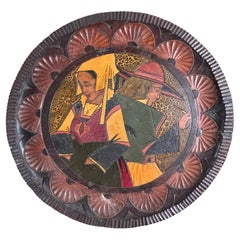
France Antique Paul Fouillen Arts Crafts Pyrography Platter Signed
Located in South Burlington, VT
From an old New England collection of fine Arts & Crafts furnishings. A handsome original deeply carved , pyrography, and stained round platter work of art, circa 1920 Signed rever...
Category

French Arts and Crafts Early 20th Century Decorative Art

Materials

Wood, Pine

Original Vintage Print by Edmund Dulac, C.1920
Located in St Annes, Lancashire
Wonderful image by Edmund Dulac Tipped in plate onto paper Lithograph. Published C.1930 The measurement given is the paper size not the actual coloured printed image. The white...
Category

British Moorish Vintage Early 20th Century Decorative Art

Materials

Paper

Original Vintage Print by Harry Clarke. C.1920
Located in St Annes, Lancashire
Wonderful image by Harry Clarke Lithograph. Published C.1920 Unframed Free shipping
Category

British Art Nouveau Vintage Early 20th Century Decorative Art

Materials

Paper