Early 19th Century Wall Decorations

to
607
1,636
413
2,107
Height
to
Width
to
76
71
48
47
26
23
20
10
6
6
4
2
1
1
8,453
17,949
37,957
11,117
5,784
14,970
10,702
965
454
1,303
1,865
1,537
2,996
3,770
3,840
2,186
1,348
1,548
331
236
127
123
978
293
257
220
142
2,107
2,107
2,107
36
35
17
4
4
Period: Early 19th Century
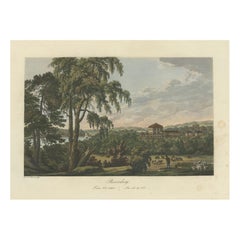
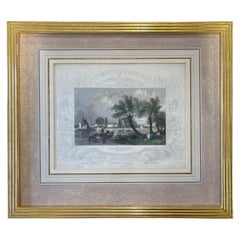
Pastoral Elegance: Ulrik Thersner s 1824 Aquatint of Djursholm Castle
Located in Langweer, NL
This beautiful original hand-colored antique print, made by Ulrik Thersner in 1824, is a fine example of his work. Thersner, known for his detailed and atmospheric landscapes, would have drawn this view of Djursholm Castle with great care, capturing not only the architectural features of the castle but also the surrounding natural landscape and pastoral life, as seen in the foreground with figures and livestock. The aquatint technique allowed Thersner to produce gradations of tone that give the print a remarkable depth and a lifelike quality, a characteristic that was particularly prized in the early 19th century for the way it mimicked the subtleties of watercolor paintings. The composition of the print, with the castle situated amidst the verdant trees and the inclusion of human and animal figures, creates a harmonious balance between the built environment and the natural world, reflecting the romantic sensibilities of the time. The view "from the S.E. angle" provides a unique perspective of the castle, emphasizing its prominence and setting within the landscape. As a historical document, the print serves as a valuable visual record of Djursholm Castle and its environs in the early 1800s. As an artwork, it stands as a testament to Thersner's skill as an artist and his contribution to the tradition of Swedish topographical art. More about the maker: Ulrik Thersner was a multifaceted individual, having an impactful military career alongside his work as a draftsman and topographer. Born on April 2, 1779, in Kyrkslätt parish in Finland, Thersner began his military service early, becoming a ship's boy in the Swedish navy at the tender age of seven. His naval service during Gustav III's Russian War...
Category

Antique Early 19th Century Wall Decorations

Materials

Paper

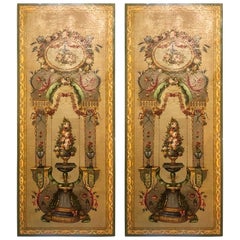
Pair of Antique 19th Century Tromp L oeil Painted Panels
Located in New Orleans, LA
These painted panels are very pretty with their floral elements and soft colors. At nearly 7 feet high, they would do well next to a sideboard or in an entryway.
Category

French Antique Early 19th Century Wall Decorations

Materials

Paint

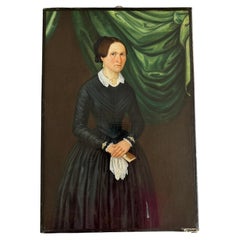
Finely Painted Biedermeier Portrait of a Lady, Germany circa 1820
Located in Hamburg, DE
This exquisite Biedermeier portrait from around 1820 is a true gem of early 19th-century German painting. Executed with remarkable finesse, the painting captures a seated lady in a s...
Category

German Biedermeier Antique Early 19th Century Wall Decorations

Materials

Canvas

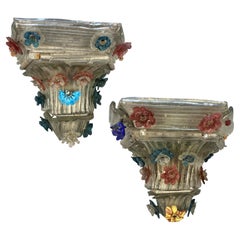
Pair Of Venetian Wall Brackets
Located in Kent, Dover
A pair of Venetian wall brackets in hand blown glass, with floral designs. Some losses.
Category

Italian Antique Early 19th Century Wall Decorations

Materials

Brass

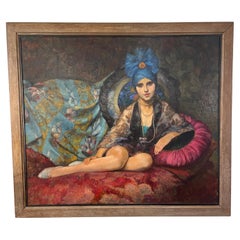
Early 20th Century Orientalist Painting
Located in IT
Oil painting on canvas in Orientalist style, relined and framed in wood, made in France in the early 20th century. Measurements: 130 cm x H 114 cm x D 3 cm. Price INCLUDES the cost...
Category

French Antique Early 19th Century Wall Decorations

Materials

Cane, Wood

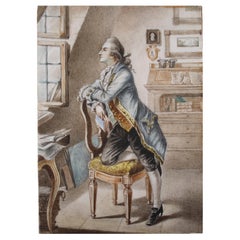
Antique German Prussian miniature Painting Portrait of J.W. von Goethe
Located in Malmö, SE
Ca. late 19th century framed German miniature hand - painted tempera painting of Johann Wolfgang von Goethe ( 28 August 1749 – 22 March 1832 ). Initials of artist present. Last ow...
Category

German Regency Antique Early 19th Century Wall Decorations

Materials

Gold, Bronze

Early 19th Century French Portrait of Commander in Legion of Honor
Located in Scottsdale, AZ
Early 19th Century French Portrait of Commander in Legion of Honor By Alexandre Bailly (1764-1835) Beautiful painting purchased in France. Age appropriate wear, see detailed photos ...
Category

French Neoclassical Antique Early 19th Century Wall Decorations

Materials

Wood, Paint

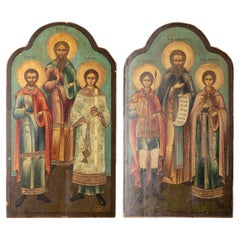
Antique Original Painted Russian Icons Painted on Wood Panels, circa 1900 s
Located in Round Top, TX
Pair, original painted Russian icons on wood. Portrayal of Saint George, Saint Simon and Saint Aviva Age related crackles, dings/scratches, scuffs/nick...
Category

Russian Antique Early 19th Century Wall Decorations

Materials

Wood, Paint

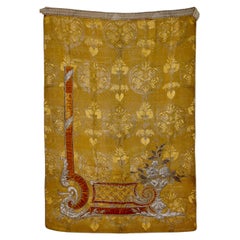
Adrian Karbowsky attributed Belle Epoque Art Nouveau Tapestry
Located in Sharon, CT
Intricately embroidered with 'turn of century' motifs in silk and velvet on golden yellow moire silk.
Category

French Art Nouveau Antique Early 19th Century Wall Decorations

Materials

Silk, Velvet

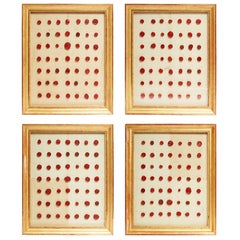
Rare Set of Four Framed Collections of Wax Seals
Located in Lyndhurst, NJ
Framed in giltwood, the collection of red wax seals date from the late 18th - early 19th century. Each seal is mounted on a wood pin, and then the group is mounted on paper. NOTE:...
Category

French Neoclassical Antique Early 19th Century Wall Decorations

Materials

Glass, Giltwood

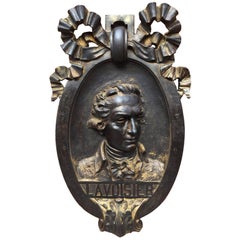
French 18th-19th Century Copper Overlaid Relief Medallion of Antoine Lavoisier
Located in Los Angeles, CA
A large and Rare French 18th-19th century Copper Overlaid Portrayal Relief Medallion of The Renown French Chemist ANTOINE LAVOISIER (1743-1794). The ...
Category

French Directoire Antique Early 19th Century Wall Decorations

Materials

Copper

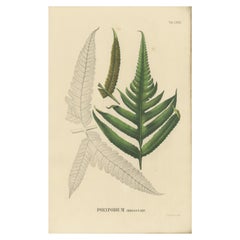
Rare, Artfully Handcolored Lithograph of Ferns of Indonesia (Polypodium), 1829
Located in Langweer, NL
Original 1829 Hand-Colored Fern Lithograph from Flora Javae (Indonesia). This one depicts a variant of Polypodium (tropical fern), in particular P. Irregulare. By Carolo Ludovico Blu...
Category

European Antique Early 19th Century Wall Decorations

Materials

Paper

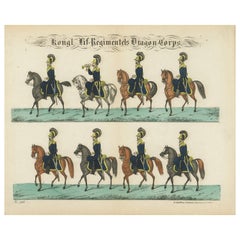
Royal Swedish Dragoon Corps – Cavalry Uniforms, Stockholm, c.1800
Located in Langweer, NL
Royal Swedish Dragoon Corps – Cavalry Uniforms, Stockholm, c.1800 This finely executed hand-colored military print depicts mounted soldiers of the Royal Swedish Dragoon Corps, shown...
Category

French Antique Early 19th Century Wall Decorations

Materials

Paper

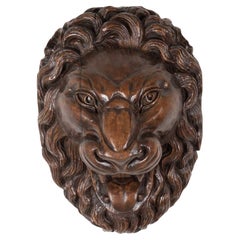
Large 19th Century Italian Carved Lion Wall Mask
Located in Gloucestershire, GB
Large early 19th Century Italian carved pine wall mask in the form of a lions face. Boldly carved with flowing mane and alert expression with mouth wide and exposing his tongue. Cir...
Category

Italian Country Antique Early 19th Century Wall Decorations

Materials

Pine

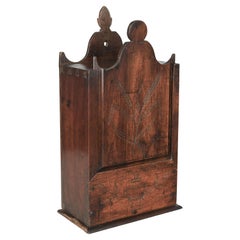
19th Century French Provençal Walnut Fariniere, or Flour Box
Located in Winter Park, FL
An early 19th century French Provençal fariniere, or decorative flour box made of walnut with simple linear decoration of wheat and a flower urn. Waxed patina. This beautifully craft...
Category

French French Provincial Antique Early 19th Century Wall Decorations

Materials

Walnut

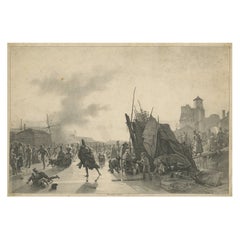
Old Lithograph of an Ice Skating Scene after a Painting by Xavier Leprince, 1823
Located in Langweer, NL
Antique print titled 'Les Patineurs'. Old lithograph of an ice skating scene made after a painting by Xavier Leprince. Artists and Engravers: L...
Category

Antique Early 19th Century Wall Decorations

Materials

Paper

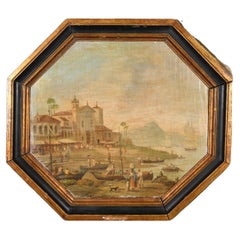
Early 19th century Capriccio Brazil School Painting
Located in Seaford, GB
Rare Early 19th century Capriccio view of Rio de Janeiro Painting Probably painted circa 1810 by one of Jean-Baptiste Debret, Italian Students. Painted on Sailcloth. Historical Context of Early 19th Century Portuguese Colonial Brazil 1.1 Transition from Colony to Empire During the early 19th century, Brazil underwent a seismic shift in its political status. Originally a colony under the Portuguese Empire, the arrival of the Portuguese Royal Court in Rio de Janeiro in 1808 rapidly elevated the city’s cultural and political importance. By 1815, Brazil was declared a kingdom united with Portugal, setting the stage for the emergence of the Empire of Brazil in 1822. This period of transformation—often termed the transitional period from colony to empire—fueled a wave of artistic production in cities like Rio de Janeiro. 1.2 European Artistic Influence in Brazil With the French Artistic Mission in Rio (initiated in 1816) and the presence of various Portuguese and European artists, Brazilian art of the early 1800s began to reflect diverse influences, from neoclassical painting to the early rumblings of romanticism. Painters such as Jean-Baptiste Debret, and Nicolas-Antoine Taunay, and local luminaries like Manuel de Araújo Porto-Alegre contributed to the fine arts tradition in Brazil. Their works featured scenes of local life, portraits of Brazilian society, and imaginative vistas—sometimes referred to as “capriccios,” in which real elements were combined with artistic liberties to create an idealized panorama. 1.3 Rio de Janeiro as Cultural and Political Hub Rio de Janeiro, often called the Imperial capital after Brazil’s independence, was home to foundational institutions like the Imperial Academy of Fine Arts (Academia Imperial de Belas Artes). Later evolving into the Escola de Belas Artes (School of Fine Arts in Rio), these academies nurtured the talents of emerging painters, who found patronage under the Royal Court and, subsequently, the Imperial Court. The city’s significance was further enhanced by the construction of significant buildings, the modernization of infrastructure, and the mingling of European courtly customs with the traditions of local inhabitants. . Description of the Octagonal Oil on Canvas: A Capriccio View of Rio de Janeiro 2.1 Composition and Layout The most striking characteristic of this 19th-century Brazilian art piece is its octagonal shape, a relatively unusual format that draws the viewer’s gaze toward its centre. The composition showcases Rio de Janeiro’s shoreline in the early 1800s, brimming with merchant ships and smaller boats anchored near the shore. On the sand, there is a bustling crowd of local people—men and women carrying food and goods on their heads, loading and unloading boats, and engaging in everyday commerce. The backdrop of soaring mountains suggests Rio’s iconic topography, embodying the landscape that famously defines the city. 2.2 Architectural and Religious Landmarks On the left side, one can discern the silhouette of a church believed to be Santa Lucia, a significant religious structure in the heart of early 19th-century Rio. This element provides viewers with a tangible reference point, linking the scene to an actual location. However, because this painting is labelled as a “capriccio,” the artist might have taken creative liberties by rearranging or amplifying certain features of the city. The melding of real and idealized elements is characteristic of these imaginative vistas. 2.3 Evoking Daily Life in Colonial Rio One of the painting’s greatest appeals lies in its portrayal of daily life during the colonial era. Men and women from various backgrounds populate the scene. Some appear to be carrying goods on their heads, a common practice in Brazil that has persisted through different centuries. Others appear to be haggling or trading near small vessels, revealing the commercial pulse of an active port city. This focus on local people, combined with the grandeur of merchant ships, captures the tension and synergy between the every day and the extraordinary—a hallmark of Brazilian colonial painting that balances the grand narratives of empire with the rhythms of ordinary life. 2.4 An Amalgamation of Neoclassical and Romantic Influences Although academic art in early 19th century Brazil was highly influenced by neoclassicism, the onset of romanticism can be spotted in the emotional portrayal of the sky, the lively palette, and the dramatic emphasis on nature’s beauty (the mountains, in particular). This duality reflects the fine arts tradition in Brazil during the transitional phase when artists were embracing multiple styles. As part of the School of Rio or the Rio de Janeiro school, painters often integrated academic techniques learned from European masters with emerging local subjects and influences. 3. Institutions and Artistic Movements 3.1 Imperial Academy of Fine Arts Originally known as the Royal School of Sciences, Arts, and Crafts, the Imperial Academy of Fine Arts in Rio de Janeiro was instrumental in shaping 19th-century Brazilian art. Influential artists and teachers from Portugal, France, and other European nations congregated at the Academy, imparting their expertise to native students. As the monarchy consolidated power, the Academy enjoyed royal patronage, leading to the creation of Imperial Academy-style works that combined European academic rigour with Brazilian-themed subject matter. 3.2 Impact of the French Artistic Mission The French Artistic Mission, which arrived in 1816, played a pivotal role in introducing advanced European artistic techniques, thereby elevating the overall quality of painting in Brazil. Artists like Jean-Baptiste Debret not only documented Brazilian society but also spearheaded the development of a local visual identity that aligned with both academicism and the national context of a blossoming empire. Debret, alongside others such as Nicolas-Antoine Taunay, mentored Brazilian artists, sowing the seeds of what would become the Brazilian academic art movement. 3.3 Religious, Historical, and Landscape Paintings In addition to everyday scenes and historical compositions, religious iconography remained crucial throughout Portuguese colonial and imperial Brazil. Churches were omnipresent in cityscapes like Rio de Janeiro. Many colonial-era Brazilian portraits...
Category

Brazilian Spanish Colonial Antique Early 19th Century Wall Decorations

Materials

Canvas

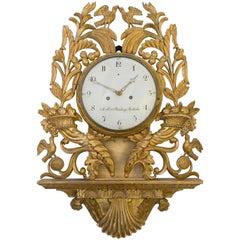
Swedish Neoclassical Giltwood Cartel
Located in Kittery Point, ME
The Arabic numeral dial signed A.M. Blomberg, Stockholm, the case elaborately carved with opposing cornucopias, birds and branches, raised on a bracket decorated with shells and acan...
Category

Swedish Neoclassical Antique Early 19th Century Wall Decorations

Materials

Giltwood

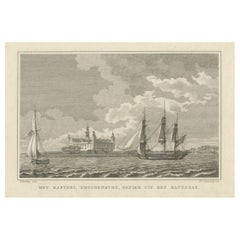
Original Antique Print with a View of Kronborg Castle, Seeland, Denmark, 1826
Located in Langweer, NL
Antique print titled 'Het Kasteel Kroonenburg, gezien uit het Kattegat'. View of Kronborg Castle, Seeland, Denmark. This print originates from 'Denemarken in tafereelen' by Andre...
Category

Antique Early 19th Century Wall Decorations

Materials

Paper

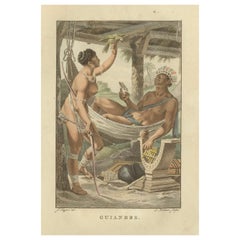
Guiana Indigenous People – Antique Hand-Colored Ethnographic Print c.1805
Located in Langweer, NL
Guiana Indigenous People – Antique Hand-Colored Ethnographic Print c.1805 A striking and beautifully hand-colored ethnographic print titled “Guianers,” depicting Indigenous people f...
Category

Dutch Antique Early 19th Century Wall Decorations

Materials

Paper

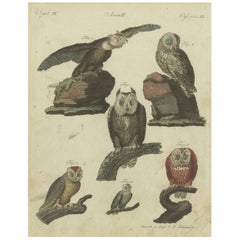
Antique Animal Print of various Owl Species by Bertuch, circa 1800
Located in Langweer, NL
Original antique print of various owl species. This print originates from 'Bilderbuch fur Kinder' by F.J. Bertuch. Published circa 1800.
Category

Antique Early 19th Century Wall Decorations

Materials

Paper

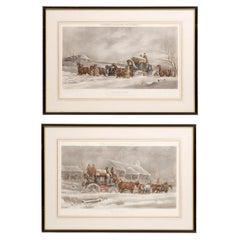
Pair 19th Century Hand-Coloured Scenes from Fores’s Coaching Incidents
By C.C. Henderson
Located in Dublin 8, IE
Pair 19th century hand-coloured aquatint etchings depicting scenes from the “Fores’s Coaching Incidents” series. Mounted behind glass in gilt and ebonized frames, this pair were pain...
Category

English Early Victorian Antique Early 19th Century Wall Decorations

Materials

Paper

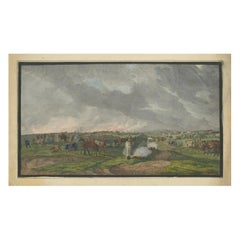
Napoleonic Military Encampment - Hand-Coloured Panoramic Aquatint, c1810
Located in Langweer, NL
Napoleonic Military Encampment Hand-Coloured Aquatint Panoramic c1810 A large early 19th-century hand-coloured aquatint depicting a military encampment during the Napoleonic era. Th...
Category

French Antique Early 19th Century Wall Decorations

Materials

Paper

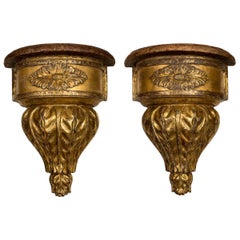
Pair of Italian Neoclassical Giltwood Brackets
Located in Kittery Point, ME
Each demilune shaped marbleized top above a conforming frieze decorated with a stylized leaf above a marbleized shelf.
Category

Italian Neoclassical Antique Early 19th Century Wall Decorations

Materials

Wood

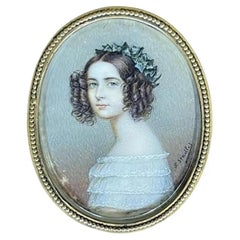
Portrait Miniature of Princess Alexandra V. Bayern, by Stieler
Located in Charlottesville, VA
Portrait miniature of Princess Alexandra V. Bayern in a bronze frame, by Joseph Karl Stieler, Germany (1781-1858), signed on the front, titled, and...
Category

Antique Early 19th Century Wall Decorations

Materials

Bronze

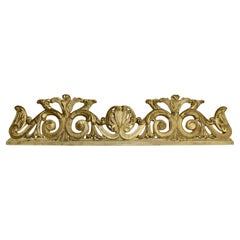
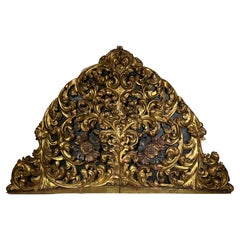
Long Antique Frieze in Lacquered and Gilded Wood
Located in Alessandria, Piemonte
This large frieze in lacquered and gilded wood matches the pair of large antique candlesticks published on 1stdibs: but I cannot write their refer number because 1stdibs deletes. The...
Category

French Other Antique Early 19th Century Wall Decorations

Materials

Fruitwood

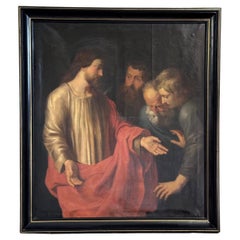
"The Incredulity Of Saint Thomas” Oil On Canvas After Rubens Triptych, Circa 18
Located in Honnelles, WHT
Large oil on canvas, "Jesus presents his wounds to Saint Thomas" or "the disbelief of Saint Thomas" after the triptych of Rockos by Rubens, Copy circa 1800 Modern frame
Category

European Louis XIII Antique Early 19th Century Wall Decorations

Materials

Canvas

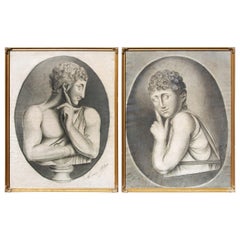
Early 19th Century, French, Salon Portrait Drawings, a Pair
Located in Rochester, NY
Pair of antique classical French salon drawings. Charcoal on paper. Illegibly signed. In giltwood frames, early 19th century.  
Category

European Antique Early 19th Century Wall Decorations

Materials

Giltwood, Paper

Early 19th Century French Portrait of Hubert Robert Papal Ambassador of France
Located in Scottsdale, AZ
Early 19th Century French Portrait of Hubert Robert Papal Ambassador of France. Beautiful painting purchased in France. Age appropriate wear, see detailed photos or message us with d...
Category

French Louis XVI Antique Early 19th Century Wall Decorations

Materials

Wood, Paint

18th-19th Century Old Master "The Holy Family" After Anthonius van Dyck
By Anthony van Dyck
Located in San Francisco, CA
18th-19th century Old Master "The Holy Family" After Anthonius van Dyck Fine old master painting depicting The Holy Family after a painting by Flemish artist van Dyck. Original...
Category

Danish Other Antique Early 19th Century Wall Decorations

Materials

Canvas

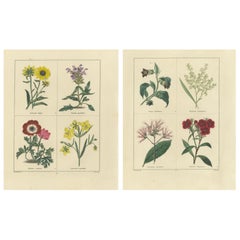
Elegant Garden Flower Engravings – Antique Botanical Prints, London 1828
Located in Langweer, NL
Pair of Hand-Colored Botanical Engravings of Garden Flowers, London 1828 Description: This beautifully preserved pair of early 19th-century botanical engravings exemplifies the arti...
Category

British Antique Early 19th Century Wall Decorations

Materials

Paper

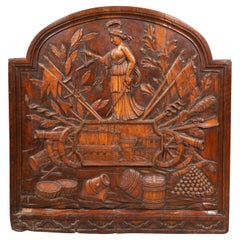
French Carved Walnut Panel Commemorating The French Revolution
Located in Essex, MA
Possibly made to be used as a model or mold to cast an iron fireback. Depicting the Bastille and a woman with the sword and the scales. Also cannons, flags, cannon balls.
Category

French Directoire Antique Early 19th Century Wall Decorations

Materials

Walnut

Italian Early 19th Century “Boisserie” In Gilded Wood
Located in Round Top, TX
A very impressive panel constructed from Northern Italian early 19th century boisserie fragments - now mounted on a wooden panel. Wonderful as a headboard.
Category

Italian Antique Early 19th Century Wall Decorations

Materials

Giltwood

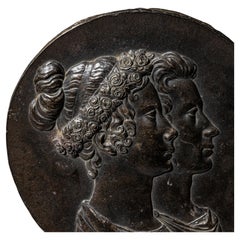
Double Portrait Relief in Medal Form, Berlin Iron, Early 19th Century
Located in Greding, DE
Finely crafted relief medallion in Berlin iron, depicting a double portrait of a young couple in profile. The lady is shown with an elaborate updo and floral wreath, while the gentle...
Category

Antique Early 19th Century Wall Decorations

Materials

Berlin Iron

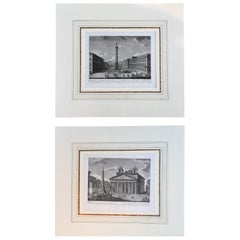
Pair of Fine Engravings of City of Rome, Italy, Matted, Printed in 1816
Located in Palm Springs, CA
A pair of rare and quite beautiful pair of engravings of the city of Rome, printed in 1816. Both are printed from original copper plate. Custom handmade French mat in the 18th centu...
Category

Italian Classical Roman Antique Early 19th Century Wall Decorations

Materials

Paper

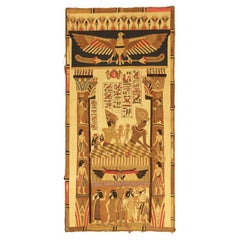
Antique Egyptian Textile Hieroglyphics Design, ca. 1920
Located in Ferrara, IT
This is an antique Egyptian textile woven during the first quarter of the 20th century circa 1920s and measures 184 x 90cm in size. this textile depicts ...
Category

Egyptian Egyptian Antique Early 19th Century Wall Decorations

Materials

Cotton

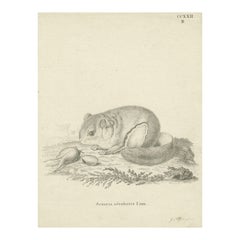
Flying Squirrel – Antique Zoological Engraving by Johann Nußbiegel, c.1800
Located in Langweer, NL
Antique Engraving of a Flying Squirrel (Sciurus aërobates Linn.), engraved by Johann Nußbiegel, circa 1800 This fine zoological engraving depicts the flying squirrel (Sciurus aëroba...
Category

German Antique Early 19th Century Wall Decorations

Materials

Paper

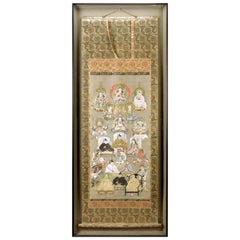
Japanese Silk Suijaku Scroll Nyorai-Kojin with Mixed Buddhism and Shinto Deities
Located in Atlanta, GA
A Japanese silk Suijaku hanging scroll beautifully presented in a custom wood shadow box frame from Edo period (circa 18-19th century). The scroll, surmounted on golden brocade was painted in fine details with gouache, ink and gold powder highlight, served as a Suijaku mandala for the worshippers. Honji Suijaku is a complicated religious concept uniquely developed in Japan. It mixed and hybrid the Buddism deities with native shinto spirits (known as Kami), which were seen as local manifestations (the suijaku, literally means a "trace") of Buddhist deities (the honji literally the original ground). The original idea may lie with the synergetic strategy to spread Buddism by making it more relatable to the local population who had already worshiped Shinto gods. The paradigm, adopted in the 10th century from an orignal Chinese concept, remained a defining feature of Japanese religious life up to the end of the Edo period (1868). Instead of being confined to deities, its application was often extended to historical figures as shown on this scroll. This long hanging scroll depicts an arrangement of 21 figures including Buddhism and Shinto deities as well as two historical figures on the bottom. Each figure was name-tagged in Kanji for easy identification by the worshippers. It was used in the temple or shrine so that when the worshipper prayed in front the mandala, they prayed simultaneously to all the deities. On the very top, sits Nyorai-Kojin, a hybrid deity of Nyorai Buddha and Kojin, the kaki for fire, stove and kitchen. From the top to bottom and left to right, here is the list of the deities: Kanon with Thousand Hands, Kanon with Willow Branch, Monju Bosatsu...
Category

Japanese Edo Antique Early 19th Century Wall Decorations

Materials

Silk, Wood

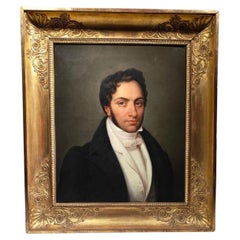
Magnificent Empire Period Portrait
Located in Madrid, ES
Magnificent Empire Period Portrait VERY DECORATIVE OIL PORTRAIT PAINTED WITH EXCELLENT QUALITY OF THE IMPERIAL TIME. ORIGINAL FRAME OF THE TIME GOLDEN...
Category

Antique Early 19th Century Wall Decorations

Materials

Canvas

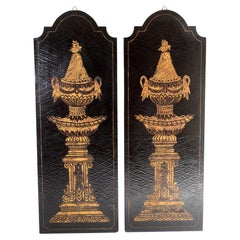
Pair of Large Decorative Wall Panels Gold Empire Urns on Black Lacquered Gesso
Located in Llanbrynmair, GB
A large elegant pair of decorative wooden wall panels, black lacquered with gold gilt on gesso backing. Both matching with gilt Empire Urns, the gesso surf...
Category

British Empire Revival Antique Early 19th Century Wall Decorations

Materials

Gesso, Softwood

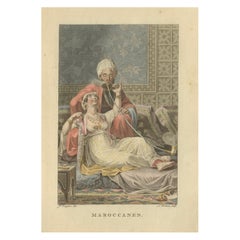
Moroccans – Antique Hand-Colored Ethnographic Engraving (c.1810)
Located in Langweer, NL
Moroccans – Antique Hand-Colored Ethnographic Engraving (c.1810) Elegant early 19th-century hand-colored copperplate engraving depicting two figures from Morocco in an opulent inter...
Category

Dutch Antique Early 19th Century Wall Decorations

Materials

Paper

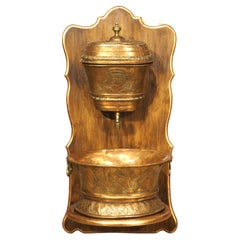
Circa 1800 French Copper Coat of Arms Lavabo with Wooden Mounting
Located in Dallas, TX
Hand-worked in circa 1800, this French copper lavabo has been mounted more recently to a shaped wooden board with edges painted in a matching copper hue. The upper receptacle, which ...
Category

French Antique Early 19th Century Wall Decorations

Materials

Brass, Copper

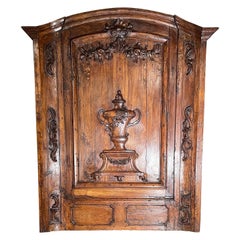
Antique French Walnut Wall-Panel, circa 1800-1820
Located in New Orleans, LA
Magnificent Antique French Walnut Wall-Panel, circa 1800-1820.
Category

French Antique Early 19th Century Wall Decorations

Materials

Walnut

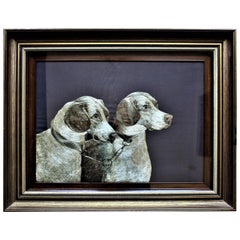
American Arts Crafts Framed Silk Embroidery of Two Dogs
Located in Hamilton, Ontario
Presumed to having its origins in the United States and done in the Arts & Crafts period, this extremely intricate and realistic depiction of two hound dogs bridled together is done ...
Category

American American Craftsman Antique Early 19th Century Wall Decorations

Materials

Silk

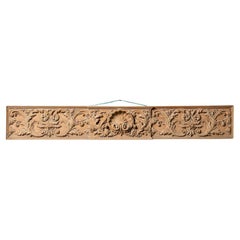
Antique Carved Pine Frieze Wall Panel with Scallop Shell
Located in Wormelow, Herefordshire
An original antique Georgian architectural pine frieze wall panel c.1800, handcarved with scallop shell to the centre and scrolling foliage. Fitted with string for hanging, this anti...
Category

English Georgian Antique Early 19th Century Wall Decorations

Materials

Wood, Pine

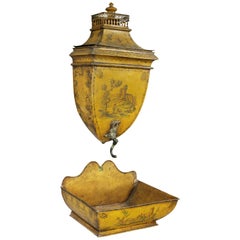
French Empire Yellow Tole Lavabo
Located in Essex, MA
With a removable cover with gallery and finial, tapered body with spigot lacking handle, all above the rectangular basin.
Category

French Empire Antique Early 19th Century Wall Decorations

Materials

Tin

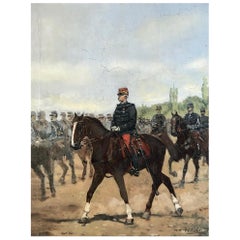
Stunning Painting of Mounted Horsemen by Listed French Artist Pierre Peti Gerard
Located in Hopewell, NJ
Wonderful painting by renowned French listed artist Pierre Peti-Gerard (1852-1933) depicting horsemen marching in a group, possibly getting ready for battle. In the background are be...
Category

French Antique Early 19th Century Wall Decorations

Materials

Canvas

Antique Engraving “Chelsea Hospital, Middlesex” Giltwood Frame Circa 1834
Located in Atlanta, GA
Antique Engraving “Chelsea Hospital, Middlesex” Giltwood Frame Circa 1834 William Tombleson (l. 18th - 19th c) & Samuel Lacey (1786-1859) engravers. The print has an elaborate sepa...
Category

Antique Early 19th Century Wall Decorations

Materials

Giltwood, Paper

Late 18th/Early 19th Century Copy of Rembrandt Self Portrait
Located in Pasadena, CA
This is a very good copy of an early Rembrandt self-portrait, the painting was executed by a very competent early 19th century romantic artist. ...
Category

French Romantic Antique Early 19th Century Wall Decorations

Materials

Canvas, Wood, Paint

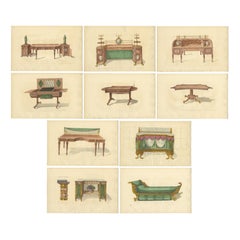
Set of 10 Antique Prints of Various Furniture by Sheraton 1805
Located in Langweer, NL
Set of ten antique prints of various furniture. These prints originate from 'The General Artist's Encyclopaedia' by Thomas Sheraton. Published 1803-1805.
Category

Antique Early 19th Century Wall Decorations

Materials

Paper

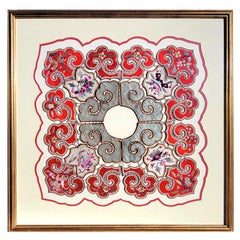
Framed Chinese Embroidered Silk Collar Qing Dynasty
Located in Atlanta, GA
An embroidered silk collar from China dated to late Qing Dynasty circa 19th century. Known as Yunjian (Cloud Shoulder or Cloud Collar), this multi-lobed t...
Category

Chinese Qing Antique Early 19th Century Wall Decorations

Materials

Silk

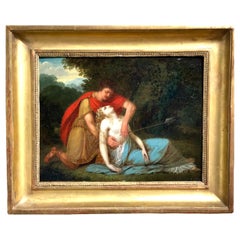
19th Century Oil Painting Attributed to Charles Meynier - The Death of Procris
Located in London, GB
Charles Meynier Oil Painting, 19th Century Oil Painting, Antique Erotic Oil Painting, The Death of Procris Painting, La Morte de Procris Pa...
Category

French Neoclassical Antique Early 19th Century Wall Decorations

Materials

Wood, Paint, Paper

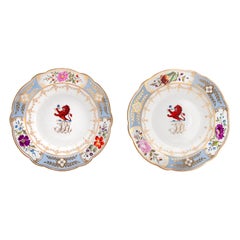
Pair of Chamberlains Worcester English Porcelain Armorial Dishes
Located in Fort Lauderdale, FL
A pair of English porcelain soup dishes made by Chamberlains Worcester circa 1825. Made circa 1825, this pair of porcelain soup dishes is an excellent example of the stunning qual...
Category

British Rococo Revival Antique Early 19th Century Wall Decorations

Materials

Porcelain

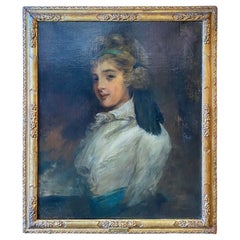
Regency Portrait of a Dandy, circa 1800-1815
Located in Pasadena, CA
This is a very good period Regency portrait of a young Regency-era dandy. The features of the subject match those of published Beau (George) Brumme...
Category

English Regency Antique Early 19th Century Wall Decorations

Materials

Canvas, Wood, Paint

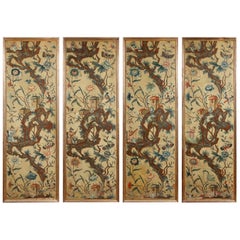
Set of Four Italian Chinoiserie Painted Panels
Located in New York, NY
A set of four Italian chinoiserie painted panels, each within frames, depicting fanciful chinoiserie birds, vegetation, pagodas and figures at leisure, circa 1820. Possibly from Piem...
Category

Italian Antique Early 19th Century Wall Decorations

Materials

Canvas, Wood, Paint

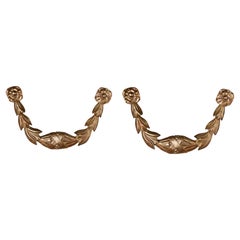
Garland Friezes in Gilded Wood
Located in Alessandria, Piemonte
Pair of Italian garland friezes in gilded wood. They can be hung under to wall-sconces, for decoration also for mirror or other idea. They used to be thicker, but someone made th...
Category

Italian Louis XVI Antique Early 19th Century Wall Decorations

Materials

Fruitwood

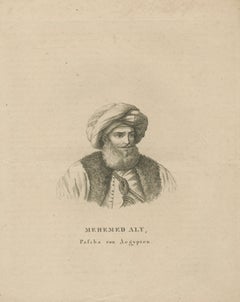
Mehmed Ali Pasha of Egypt – Early 19th Century Portrait Engraving, circa 1830
Located in Langweer, NL
Portrait of Mehmed Ali Pasha of Egypt – Early 19th Century Engraving Description: This finely detailed antique engraving portrays Mehmed Ali Pasha (c.1769–1849), the Ottoman Albania...
Category

European Antique Early 19th Century Wall Decorations

Materials

Paper

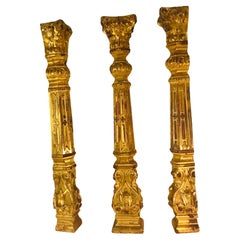
3 Antique Carved Wood Gold Gesso Half Columns
Located in Boca Raton, FL
Set of 3 antique gilded gesso handcarved wood half columns. Great as any wall room decor or bases for floor lamps.
Category

Russian Classical Greek Antique Early 19th Century Wall Decorations

Materials

Wood

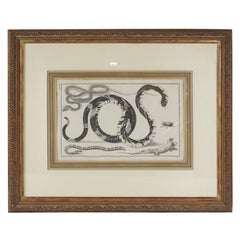
Four Framed Early 19th Century Large Folio Engravings of Lizards, Snakes Bats
Located in Hudson, NY
This set of four engravings in detail with compendium landscape details and related prey animals are done in steel engraved plates and come from the first quarter of the 19th century...
Category

Antique Early 19th Century Wall Decorations

Materials

Glass, Wood, Paper

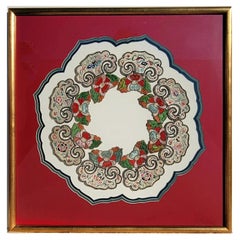
Framed Chinese Embroidered and Appliqued Silk Collar Qing Dynasty
Located in Atlanta, GA
A silk collar from China dated to late Qing Dynasty circa 19th century. Known as Yunjian (Cloud Shoulder or Cloud Collar), this multi-lobed textile piece was a detachable collar worn around the shoulders as part of the traditional Chinese garment accessory. With its origin dated back to the Han Dynasty and being used until the end of Qing Dynasty, the form evolves with time, but much of the ornamentation and fundamental symbolism remains the same. This striking example features a two-tiered design with eight lobes on each circle, all of which are variations of the shape of auspicious "ruyi", which represents the head of Lingzhi mushroom, a symbol of longevity. The inner lobes were made with appliqued patchwork of colorful silk. The outer lobes feature elaborate embroidery of assortment of colorful flowers, scrolling ribbons and butterfly, using mostly long and short satin stitches. The borders and outlines of the designs were lineated with metallic threads buddled in chain stitches. Small black pearls were used to link the piece together and most of them still remain. In Qing Dynasty, the silk collar with high quality was worn by noble or aristocratic women. The red color and the lotus boy symbol indicate that it was most likely part of the fashion accouterment worn during wedding ceremony. The collar is beautifully float mounted within a double conforming mat in a giltwood frame and wood backing. A stunningly presented period piece with story to tell. Reference: For a collection of Chinese embroidered collars...
Category

Chinese Qing Antique Early 19th Century Wall Decorations

Materials

Silk

Read More

Punk Rock and Rebellion Animate London’s Hit Yoshitomo Nara Show

The exhibition includes his portraits of wide-eyed kids with mayhem on their minds, as well as some of the artist’s personal belongings.

Whether Painted or Papered, Muraled Walls Make Bold Statements in the Home

The ancient practice of covering walls in artistic scenery is back.

In Francks Deceus’s ‘Mumbo Jumbo #5,’ the Black Experience Is . . . Complicated

Despite the obstacles, the piece’s protagonist navigates the chaos without losing his humanity.

12 Floral-Accented Rooms with a Handmade, Folkloric Feel

Who needs a flower garden? Just use your imagination — and some beautifully patterned wallpaper or fabric — to bring the outdoors in.

This Wolf Kahn Pastel Is the Epitome of Beauty at Its Most Essential

A longtime admirer of Kahn’s work, 1stDibs editorial director Anthony Barzilay Freund explores why it’s relevant now more than ever.

Why Jules Chéret Was the King of the Modern Poster

The streets of fin-de-siècle Paris were set aglow with colorful poster ads, thanks to the printing techniques invented by Jules Chéret. Now, the Milwaukee Art Museum is celebrating this undersung talent in America's first solo show dedicated his exuberant works.

Anna Condo’s Multifaceted Career Spans Film, Photography and NFTs

From her historic Manhattan townhouse, the talented creator and curator of 1stDibs' latest NFT exhibition tells us about the art in her home and how she got involved with cryptoart.

How Keith Rivers Went from NFL Linebacker to Blue-Chip Art Aficionado

The former football player is as serious about becoming a great contemporary-art patron as he once was about making tackles. Here, Rivers tells us how he got the collecting bug and how his tastes have evolved over the years.

Still Thinking About These?

All Recently Viewed