Geneva - Art
to
523
1,409
588
687
227
141
Overall Width
to
Overall Height
to
15
131
2,599
307
20
35
80
92
184
269
418
274
111
117
14
891
442
227
109
108
91
52
48
31
19
17
4
1
1
1,653
1,175
90
1,101
583
439
333
321
307
292
252
208
140
121
111
97
93
87
86
81
78
69
67
1,709
1,423
617
248
234
187
118
82
79
60
1,050
244
228,993
155,661
Item Ships From: Geneva
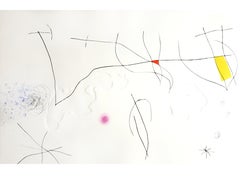
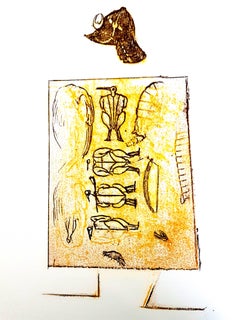
Joan Miro - L
Issue Dérobée: one plate - Original Aquatint
By Joan Miró
Located in Collonge Bellerive, Geneve, CH
Joan Miro - L'Issue Dérobée - Original Aquatint
One plate from Jacques Dupin, L'Issue Dérobée, Maeght Editeur, Paris, 1974 (D. 687-706; C. books 187)
1974
Dimensions: 36 x 54 cm
Ed...
Category
1970s Modern Geneva - Art
Materials
Drypoint, Aquatint

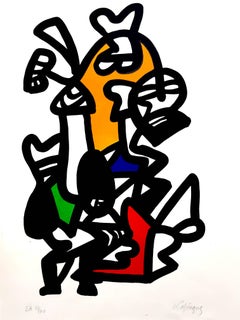
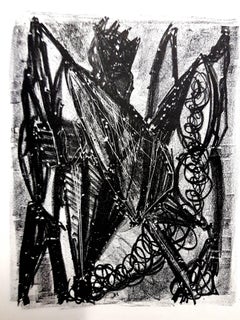
Charles Lapicque - Original Handsigned Lithograph - Ecole de Paris
By Charles Lapicque
Located in Collonge Bellerive, Geneve, CH
Charles Lapicque
Original Handsigned Lithograph
Dimensions: 56 x 38 cm
Edition: EA 14/20
Hand Signed and Numbered
Charles Lapicque was one of the great painters of the “Ecole de Paris...
Category
1960s Abstract Expressionist Geneva - Art
Materials
Lithograph
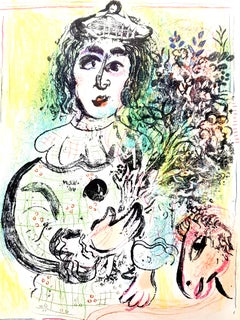
Marc Chagall - Flowered Clown - Original Lithograph
By Marc Chagall
Located in Collonge Bellerive, Geneve, CH
Marc Chagall
Original Lithograph
1963
Dimensions: 32 x 24 cm
From Chagall Lithograph II
Reference: Mourlot 399
Condition : Excellent
Unsigned and unumbered as issued
Category
1960s Surrealist Geneva - Art
Materials
Lithograph
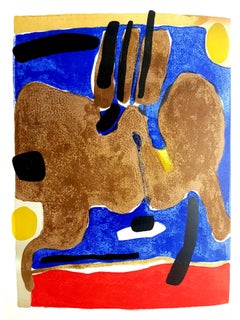
Maurice Estève - Composition - Original Lithograph
By Maurice Estève
Located in Collonge Bellerive, Geneve, CH
Maurice Estève - Composition - Original Lithograph
1964
Dimensions: 30 x 20 cm
Edition of 200 (one of the 200 on Vélin de Rives)
Mourlot Press, 1964
Category
1960s Modern Geneva - Art
Materials
Lithograph
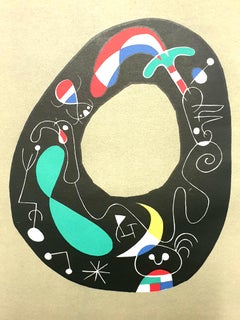
Joan Miro -
By Joan Miró
Located in Collonge Bellerive, Geneve, CH
From Joan Miro by Jacques Prévert and Georges Ribemont-Dessaignes.
Unknown publication size
Plate I, from Joan Miro by Jacques Prévert and Georges Ribemont...
Category
1950s Abstract Geneva - Art
Materials
Lithograph
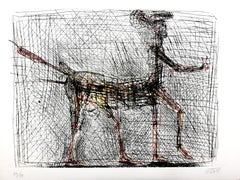
César - Centaur - Picasso
s Homage - Original Signed Etching
By César Baldaccini
Located in Collonge Bellerive, Geneve, CH
César Baldaccini
Original Etching
Dimensions: 56.5 x 40 cm
Signed and Numbered
Edition of 99
It is the only original etching ever made by César.
César Baldaccini was born in Marseille in 1921. At the age of 12, he left the school to help his father, cooper. At 15 years old, he studied at the Art college of Marseille. He took evening drawing teachings, and then was interested in sculpture until 1939.
In 1942, César received a scholarship and went to Paris. He studied ten years at the School of Beaux-Arts; he worked in the studios of Gaumont and Alfred Jeanniot and was named “Grand Massier” (teacher) of this school. At that time, he was living in the same house as Alberto Giacometti.
In 1944, short of resources, he went to Marseille, then return to Paris, next year. With the 50s, he made discovered his work through his first exhibitions. One of its works (« The fish ») obtained a place in the Museum of Modern Art in Paris (1955). Henceforth, he exhibited ceaselessly, participating in numerous “Salons” in France and abroad. César received numerous prices there. He got personal exhibitions everywhere (Japan, the United States, Holland, France, Italy, etc.). Important retrospectives came, later. In 1970, he was named professor a foreman to the School of Beaux-Arts in Paris.
During his all life, Caesar was stimulated by « the love of the profession » and by an extraordinary will to innovate. The humor of the man did not miss and was noticed through his work. Pablo Picasso was his major reference, also Alberto Giacometti, Germaine Richier, Pablo Gargallo and Julio Gonzales...
Category
1980s Realist Geneva - Art
Materials
Etching
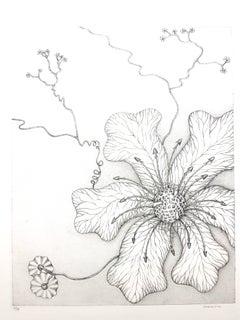
Gochka Charewicz - Herbarium - Original Signed Lithograph
By Gochka Charewicz
Located in Collonge Bellerive, Geneve, CH
CHAREWICZ Gochka (XXe)
Michel Butor's Herbarium
Signed and numbered 2/29
Dimensions: 42 x 32 cm. Toutes marges.
Category
1980s Modern Geneva - Art
Materials
Lithograph
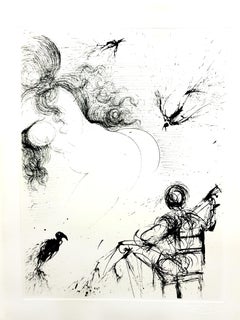
Salvador Dali - Nude with Parrots
By Salvador Dalí
Located in Collonge Bellerive, Geneve, CH
Salvador Dali - Nude with Parrots - Original Etching
Dimensions: 38 x 28 cm
Edition: 235
1967
Embossed signature
On Arches Vellum
References : Field 67-10 (p. 34-35)
Salvador Dali
Salvador Dali was born as the son of a prestigious notary in the small town of Figueras in Northern Spain. His talent as an artist showed at an early age and Salvador Felipe Jacinto Dali received his first drawing lessons when he was ten years old. His art teachers were a then well known Spanish impressionist painter, Ramon Pichot and later an art professor at the Municipal Drawing School. In 1923 his father bought his son his first printing press.
Dali began to study art at the Royal Academy of Art in Madrid. He was expelled twice and never took the final examinations. His opinion was that he was more qualified than those who should have examined him.
In 1928 Dali went to Paris where he met the Spanish painters Pablo Picasso and Joan Miro. He established himself as the principal figure of a group of surrealist artists grouped around Andre Breton, who was something like the theoretical "schoolmaster" of surrealism. Years later Breton turned away from Dali accusing him of support of fascism, excessive self-presentation and financial greediness.
By 1929 Dali had found his personal style that should make him famous the world of the unconscious that is recalled during our dreams. The surrealist theory is based on the theories of the psychologist Dr. Sigmund Freud. Recurring images of burning giraffes and melting watches...
Category
1960s Surrealist Geneva - Art
Materials
Etching
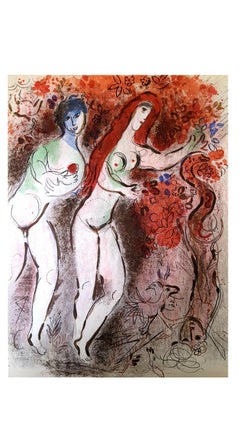
Marc Chagall - The Bible - Adam and Eve - Original Lithograph
By Marc Chagall
Located in Collonge Bellerive, Geneve, CH
Marc Chagall, Original Lithograh depicting an instant of the Bible.
Technique: Original lithograph in colours (Mourlot no. 234)
On the reverse: another black and white original litho...
Category
1960s Modern Geneva - Art
Materials
Lithograph
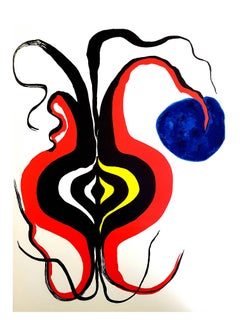
Alexander Calder - Original Lithograph - Behind the Mirror
By Alexander Calder
Located in Collonge Bellerive, Geneve, CH
Alexander Calder - Original Lithograph - Behind the Mirror
1 Original lithograph created in 1976
Dimensions: 38 x 28 cm
Source: Derrière le miroir (...
Category
1970s Modern Geneva - Art
Materials
Lithograph
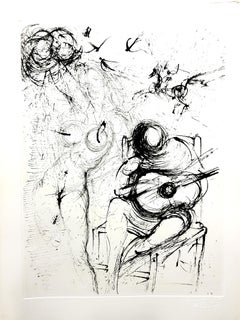
Salvador Dali - Nude with Guitar - Original Etching
By Salvador Dalí
Located in Collonge Bellerive, Geneve, CH
Salvador Dali - Nude with Guitar - Original Etching
Dimensions: 38 x 28 cm
Edition: 235
1967
embossed signature
On Arches Vellum
References : Field 67-10 (p. 34-35)
Category
1960s Surrealist Geneva - Art
Materials
Etching
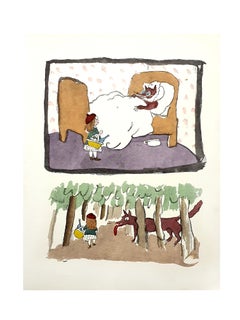
Jules Pascin - Little Red Riding Hood - Original Lithograph
By Jules Pascin
Located in Collonge Bellerive, Geneve, CH
Jules Pascin - Little Red Riding Hood - Original Lithograph
Conditions: excellent
32 x 24 cm
1938
From the art review XXe siècle, San Lazzaro
Un...
Category
1930s Contemporary Geneva - Art
Materials
Lithograph
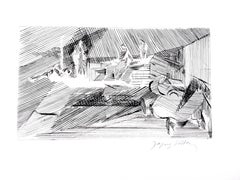
Jacques Villon - Cubist Landscape - Original Etching
By Jacques Villon
Located in Collonge Bellerive, Geneve, CH
Jacques Villon - Cubist Landscape - Original Etching
Circa 1950
Signed in pencil
Jacques Villon (1875 - 1963)
Jacques Villon was born Gaston Duchamp on July 31, 1875, in Damville,...
Category
1950s Modern Geneva - Art
Materials
Etching
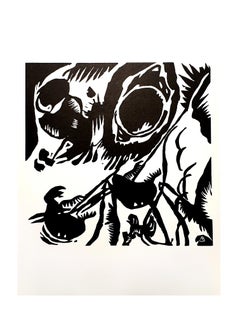
Wassily Kandinsky - Composition - Woodcut
By Wassily Kandinsky
Located in Collonge Bellerive, Geneve, CH
Wassily Kandinsky - Composition - Original Woodcut
Condition: excellent
32 x 24 cm
1959
Published by XXe siècle, San Lazzaro
Printed signature (monogram) in the plate
Unnumbered as i...
Category
1960s Abstract Geometric Geneva - Art
Materials
Woodcut
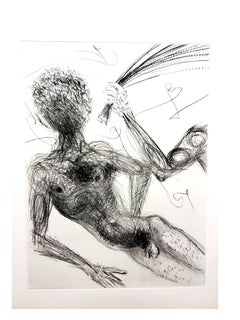
Salvador Dali - Woman with a Whip - Original Stamp-Signed Etching
By Salvador Dalí
Located in Collonge Bellerive, Geneve, CH
Salvador Dali - Woman with a Whip - Original Stamp-Signed Etching
Stamp signed by Dali
Edition of 294 copies.
Paper : Arches vellum.
Dimensions : 16x12".
Catalogue Raisonné : Fiel...
Category
1960s Surrealist Geneva - Art
Materials
Etching
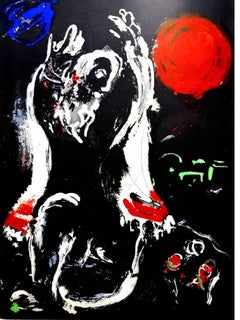
Marc Chagall - The Bible - Original Lithograph
By Marc Chagall
Located in Collonge Bellerive, Geneve, CH
Marc Chagall, Original Lithograph depicting an instant of the Bible.
Technique: Original lithograph in colours
Year: 1956
Sizes: 35,5 x 26 cm / 14" x 10.2" (...
Category
1950s Modern Geneva - Art
Materials
Lithograph
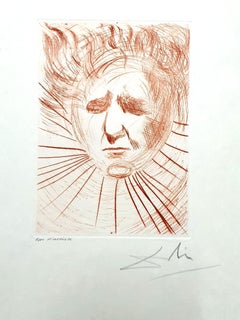
Salvador Dali - David Ben Gurion - Original Handsigned Etching
By Salvador Dalí
Located in Collonge Bellerive, Geneve, CH
Salvador Dali - David Ben Gurion - Original Handsigned Etching
Dimensions: 38 x 28 cm
1968
Signed in pencil
EA in Sanguine
Jean Schneider, Basel
References ...
Category
1960s Surrealist Geneva - Art
Materials
Etching
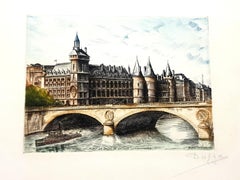
Dufza - Paris - Conciergerie - Original Handsigned Etching
Located in Collonge Bellerive, Geneve, CH
Dufza - Paris - Conciergerie - Original Handsigned Etching
Circa 1940
Handsigned in pencil
Dimensions: 20 x 25 cm
Category
1940s Modern Geneva - Art
Materials
Etching
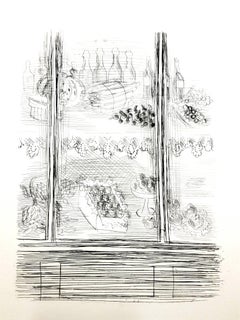
Raoul Dufy - Plates - Original Etching
By Raoul Dufy
Located in Collonge Bellerive, Geneve, CH
Raoul Dufy - Plates - Original Etching
Dimensions: 13 x 10".
Edition of 200
1940
Edition Les Bibliophiles du Palais, Paris
Unsigned and unumbered as issued
Category
1940s Modern Geneva - Art
Materials
Etching
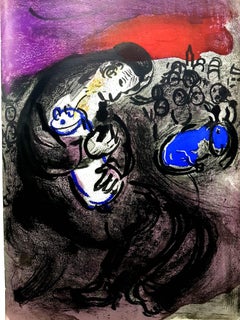
Marc Chagall - The Bible - Original Lithograph
By Marc Chagall
Located in Collonge Bellerive, Geneve, CH
Marc Chagall, Original Lithograph depicting an instant of the Bible.
Technique: Original lithograph in colours
Year: 1956
Sizes: 35,5 x 26 cm / 14" x 10.2" (sheet)
Published by: Éditions de la Revue Verve, Tériade, Paris
Printed by: Atelier Mourlot, Paris
Documentation / References: Mourlot, F., Chagall Lithograph [II] 1957-1962, A. Sauret, Monte Carlo 1963, nos. 234 and 257
Marc Chagall (born in 1887)
Marc Chagall was born in Belarus in 1887 and developed an early interest in art. After studying painting, in 1907 he left Russia for Paris, where he lived in an artist colony on the city’s outskirts. Fusing his own personal, dreamlike imagery with hints of the fauvism and cubism popular in France at the time, Chagall created his most lasting work—including I and the Village (1911)—some of which would be featured in the Salon des Indépendants exhibitions. After returning to Vitebsk for a visit in 1914, the outbreak of WWI trapped Chagall in Russia. He returned to France in 1923 but was forced to flee the country and Nazi persecution during WWII. Finding asylum in the U.S., Chagall became involved in set and costume design before returning to France in 1948. In his later years, he experimented with new art forms and was commissioned to produce numerous large-scale works. Chagall died in St.-Paul-de-Vence in 1985.
The Village
Marc Chagall was born in a small Hassidic community on the outskirts of Vitebsk, Belarus, on July 7, 1887. His father was a fishmonger, and his mother ran a small sundries shop in the village. As a child, Chagall attended the Jewish elementary school, where he studied Hebrew and the Bible, before later attending the Russian public school. He began to learn the fundamentals of drawing during this time, but perhaps more importantly, he absorbed the world around him, storing away the imagery and themes that would feature largely in most of his later work.
At age 19 Chagall enrolled at a private, all-Jewish art school and began his formal education in painting, studying briefly with portrait artist Yehuda Pen. However, he left the school after several months, moving to St. Petersburg in 1907 to study at the Imperial Society for the Protection of Fine Arts. The following year, he enrolled at the Svanseva School, studying with set designer Léon Bakst, whose work had been featured in Sergei Diaghilev's Ballets Russes. This early experience would prove important to Chagall’s later career as well.
Despite this formal instruction, and the widespread popularity of realism in Russia at the time, Chagall was already establishing his own personal style, which featured a more dreamlike unreality and the people, places and imagery that were close to his heart. Some examples from this period are his Window Vitebsk (1908) and My Fianceé with Black Gloves (1909), which pictured Bella Rosenfeld, to whom he had recently become engaged.
The Beehive
Despite his romance with Bella, in 1911 an allowance from Russian parliament member and art patron Maxim Binaver enabled Chagall to move to Paris, France. After settling briefly in the Montparnasse neighborhood, Chagall moved further afield to an artist colony known as La Ruche (“The Beehive”), where he began to work side by side with abstract painters such as Amedeo Modigliani and Fernand Léger as well as the avant-garde poet Guillaume Apollinaire. At their urging, and under the influence of the wildly popular fauvism and cubism, Chagall lightened his palette and pushed his style ever further from reality. I and the Village (1911) and Homage to Apollinaire (1912) are among his early Parisian works, widely considered to be his most successful and representative period.
Though his work stood stylistically apart from his cubist contemporaries, from 1912 to 1914 Chagall exhibited several paintings at the annual Salon des Indépendants exhibition, where works by the likes of Juan Gris, Marcel Duchamp and Robert Delaunay were causing a stir in the Paris art world. Chagall’s popularity began to spread beyond La Ruche, and in May 1914 he traveled to Berlin to help organize his first solo exhibition, at Der Sturm Gallery. Chagall remained in the city until the highly acclaimed show opened that June. He then returned to Vitebsk, unaware of the fateful events to come.
War, Peace and Revolution
In August 1914 the outbreak of World War I precluded Chagall’s plans to return to Paris. The conflict did little to stem the flow of his creative output, however, instead merely giving him direct access to the childhood scenes so essential to his work, as seen in paintings such as Jew in Green (1914) and Over Vitebsk (1914). His paintings from this period also occasionally featured images of the war’s impact on the region, as with Wounded Soldier (1914) and Marching (1915). But despite the hardships of life during wartime, this would also prove to be a joyful period for Chagall. In July 1915 he married Bella, and she gave birth to a daughter, Ida, the following year. Their appearance in works such as Birthday (1915), Bella and Ida by the Window (1917) and several of his “Lovers” paintings give a glimpse of the island of domestic bliss that was Chagall’s amidst the chaos.
To avoid military service and stay with his new family, Chagall took a position as a clerk in the Ministry of War Economy in St. Petersburg. While there he began work on his autobiography and also immersed himself in the local art scene, befriending novelist Boris Pasternak, among others. He also exhibited his work in the city and soon gained considerable recognition. That notoriety would prove important in the aftermath of the 1917 Russian Revolution when he was appointed as the Commissar of Fine Arts in Vitebsk. In his new post, Chagall undertook various projects in the region, including the 1919 founding of the Academy of the Arts. Despite these endeavors, differences among his colleagues eventually disillusioned Chagall. In 1920 he relinquished his position and moved his family to Moscow, the post-revolution capital of Russia.
In Moscow, Chagall was soon commissioned to create sets and costumes for various productions at the Moscow State Yiddish Theater, where he would paint a series of murals titled Introduction to the Jewish Theater as well. In 1921, Chagall also found work as a teacher at a school for war orphans. By 1922, however, Chagall found that his art had fallen out of favor, and seeking new horizons he left Russia for good.
Flight
After a brief stay in Berlin, where he unsuccessfully sought to recover the work exhibited at Der Sturm before the war, Chagall moved his family to Paris in September 1923. Shortly after their arrival, he was commissioned by art dealer and publisher Ambroise Vollard to produce a series of etchings for a new edition of Nikolai Gogol's 1842 novel Dead Souls. Two years later Chagall began work on an illustrated edition of Jean de la Fontaine’s Fables, and in 1930 he created etchings for an illustrated edition of the Old Testament, for which he traveled to Palestine to conduct research.
Chagall’s work during this period brought him new success as an artist and enabled him to travel throughout Europe in the 1930s. He also published his autobiography, My Life (1931), and in 1933 received a retrospective at the Kunsthalle in Basel, Switzerland. But at the same time that Chagall’s popularity was spreading, so, too, was the threat of Fascism and Nazism. Singled out during the cultural "cleansing" undertaken by the Nazis in Germany, Chagall’s work was ordered removed from museums throughout the country. Several pieces were subsequently burned, and others were featured in a 1937 exhibition of “degenerate art” held in Munich. Chagall’s angst regarding these troubling events and the persecution of Jews in general can be seen in his 1938 painting White Crucifixion.
With the eruption of World War II, Chagall and his family moved to the Loire region before moving farther south to Marseilles following the invasion of France. They found a more certain refuge when, in 1941, Chagall’s name was added by the director of the Museum of Modern Art (MOMA) in New York City to a list of artists and intellectuals deemed most at risk from the Nazis’ anti-Jewish campaign. Chagall and his family would be among the more than 2,000 who received visas and escaped this way.
Haunted Harbors
Arriving in New York City in June 1941, Chagall discovered that he was already a well-known artist there and, despite a language barrier, soon became a part of the exiled European artist community. The following year he was commissioned by choreographer Léonide Massine to design sets and costumes for the ballet Aleko, based on Alexander Pushkin’s “The Gypsies” and set to the music of Pyotr Ilyich Tchaikovsky.
But even as he settled into the safety of his temporary home, Chagall’s thoughts were frequently consumed by the fate befalling the Jews of Europe and the destruction of Russia, as paintings such as The Yellow Crucifixion...
Category
1950s Modern Geneva - Art
Materials
Lithograph
Dufza - Paris - Saint Michel - Original Handsigned Etching
Located in Collonge Bellerive, Geneve, CH
Dufza - Paris - Saint Michel - Original Handsigned Etching
Circa 1940
Handsigned in pencil
Dimensions: 20 x 25 cm
Unumbered as issued
Category
1940s Modern Geneva - Art
Materials
Etching
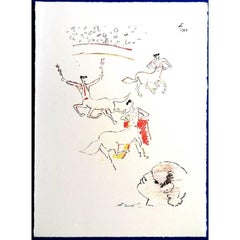
Jean Cocteau - The Arena - Original Lithograph
By Jean Cocteau
Located in Collonge Bellerive, Geneve, CH
Original Lithograph by Jean Cocteau
Title: The Arena
1961
Dimensions: 38 x 28 cm
printed signature
Lithograph made for the portfolio "Gitans et Corridas" published by Socié...
Category
1960s Modern Geneva - Art
Materials
Lithograph
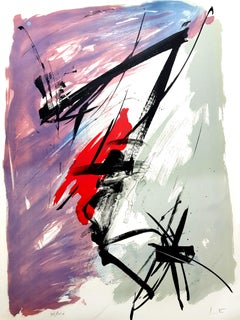
Jean Miotte - Abstract Composition - Original Signed Lithograph
By Jean Miotte
Located in Collonge Bellerive, Geneve, CH
Jean Miotte - Rare Original Signed Lithograph
Title: Abstract Composition
Dimensions: 76 x 56 cm
Edition: 98/150
Signed and Numbered in pencil
Jean Miotte, 1926 - 2016
Miotte came ...
Category
1970s Abstract Expressionist Geneva - Art
Materials
Aquatint
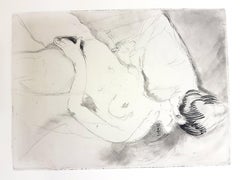
Jean Gabriel Domergue - Women
s Love - Original Etching
By Jean-Gabriel Domergue
Located in Collonge Bellerive, Geneve, CH
Original Etching by Jean-Gabriel Domergue
Dimensions: 33 x 25 cm
1924
Edition of 100
This artwork is part of the famous portfolio The Afternoon of a Faun.
Unsigned and unnumbered as ...
Category
1920s Impressionist Geneva - Art
Materials
Lithograph
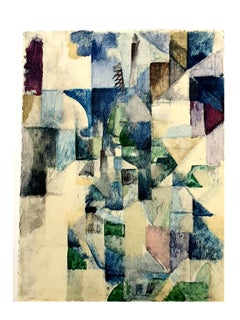
(after) Robert Delaunay - La fenêtre no. 2 - Pochoir
Located in Collonge Bellerive, Geneve, CH
(after) Robert Delaunay - La fenêtre no. 2 - Pochoir
From the literary review "XXe Siècle"
1957
Dimensions: 32 x 24 cm
Publisher: G. di San Lazzaro.
Category
1950s Abstract Geometric Geneva - Art
Materials
Stencil
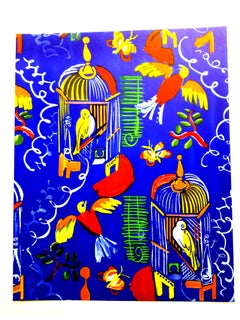
After Raoul Dufy - Birds - Lithograph
By (after) Raoul Dufy
Located in Collonge Bellerive, Geneve, CH
(after) Raoul Dufy
Lithograph after a watercolor, published in the book "Lettre à mon peintre Raoul Dufy." Paris, Librairie Académique Perrin, 1965.
Printed signature
Di...
Category
1940s Fauvist Geneva - Art
Materials
Lithograph
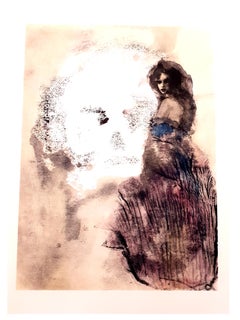
Leonor Fini - Road to Death - Original Lithograph
By Leonor Fini
Located in Collonge Bellerive, Geneve, CH
Leonor Fini - Road to Death - Original Lithograph
The Flowers of Evil
1964
Conditions: excellent
Edition: 500
Dimensions: 46 x 34 cm
Editions: Le Cercle du Livre Précieux, Paris
Un...
Category
1960s Modern Geneva - Art
Materials
Lithograph
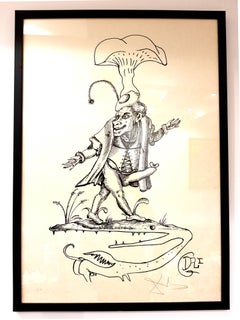
Salvador Dali - Les Songes Drolatiques - Handsigned Lithograph
By Salvador Dalí
Located in Collonge Bellerive, Geneve, CH
Hand-Signed Lithograph by Salvador Dali
Japan Paper
Title: Pantagruel's Dreams
Signed in Pencil by Salvador Dali
Dimensions: 76 x 56 cm
Edition: EA
1973
References : Field 73-7 (p. 1...
Category
1970s Surrealist Geneva - Art
Materials
Etching
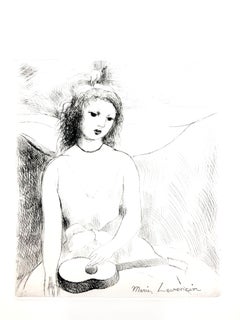
Marie Laurencin - Woman Angel - Original Etching
By Marie Laurencin
Located in Collonge Bellerive, Geneve, CH
Marie Laurencin - Woman Angel - Original Etching
Paris, Le Gerbier, 1946
Edition of 340
Signed in the plate
Category
1940s Modern Geneva - Art
Materials
Etching
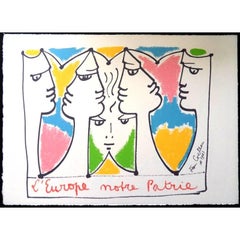
Jean Cocteau (after) - Europe Bridge of Civlizations - Lithograph
By Jean Cocteau
Located in Collonge Bellerive, Geneve, CH
Lithograph after Jean Cocteau
Title: Europe Bridge of Civlizations
Signed in the stone
Dimensions: 33 x 46 cm
Edition: 200
Luxury print edition from th...
Category
1960s Modern Geneva - Art
Materials
Lithograph
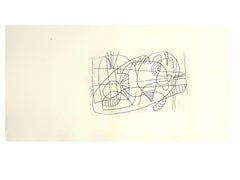
André Lanskoy - Composition - Original Etching
By André Lanskoy
Located in Collonge Bellerive, Geneve, CH
André Lanskoy - Composition - Original Etching
From Dédale
Edition: 190
Dimensions: 32 x 18 cm
This etching is from the first series of etching Lanskoy m...
Category
1960s Abstract Expressionist Geneva - Art
Materials
Etching
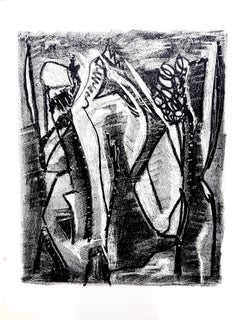
Jean-Michel Atlan - Kafka - Original Lithograph
Located in Collonge Bellerive, Geneve, CH
Original lithograph by Jean-Michel Atlan
For Description of a Struggle by Franz Kafka
Paris, Maeght Publisher, 1946.
Dimensions: 30.5 x 24.5
Edition: 300 on vellum
Mourlot
JEAN-MI...
Category
1940s Abstract Expressionist Geneva - Art
Materials
Lithograph
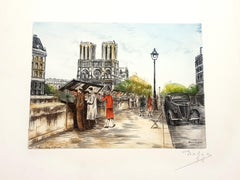
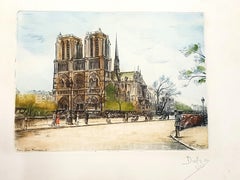
Dufza - Paris Notre Dame - Original Handsigned Etching
Located in Collonge Bellerive, Geneve, CH
Dufza - Paris Notre Dame - Original Handsigned Etching
Circa 1940
Handsigned in pencil
Dimensions: 20 x 25 cm
Unumbered as issued
Category
1940s Modern Geneva - Art
Materials
Etching
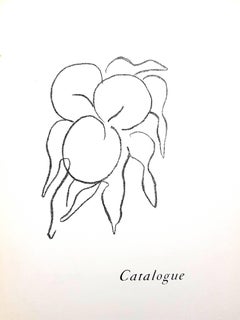
Henri Matisse - Fruits - Original Lithograph
By Henri Matisse
Located in Collonge Bellerive, Geneve, CH
Henri Matisse - Fruits - Original Lithograph
1964
Dimensions: 30 x 20 cm
Edition of 200 (one of the 200 on Vélin de Rives)
Mourlot Press, 1964
Unsigned and unumbered as issued
Category
1960s Modern Geneva - Art
Materials
Lithograph
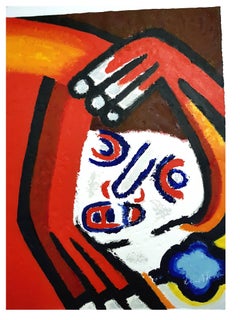
Bengt Lindstrom - Original Handsigned Engraving
By Bengt Lindström
Located in Collonge Bellerive, Geneve, CH
Bengt Lindström - Original Handsigned Engraving
The Seven Deadly Sins.
76 x 56 cm
Signed in pencil by Bengt Lindström
Paris, ABCD, 1976.
Original etching in color
Limited edition 90 ex.
This is the unique copy offered to Claude Manesse,
The story of B. Lindström was collected by Frederick Towarnicki, assisted by Agathe Malet-Buisson. The engravings were drawn on the presses of Claude Manesse.
Bengt Lindström (1925-2008)
Bengt Lindström was born on September 3rd, 1925 in Storsjökapell, a small isolated village in the Swedish province of Norrland. The young child thus grew up in that vast, mythical and harsh expanse of mounts, glistening lakes and endless forests known as Lapland. His father was a primary school teacher who was fond of Lapps and who showed great interest in their ethnic group and culture. The child was only three days old when Lapp King Kroik, his godfather, administered the Baptism of the Earth, where the child is conveyed between two roots of a tree to grant him protection from the Gods. Lapps as well as local lumberjacks would occasionally abandon their silent ways to tell him and reveal the tales, legends and mysteries of the Great White North.
1935-1945 : He left Storsjökapell and headed to Härnösand, where he wrote short science-fiction novellas, became a renowned athlete and began to paint.
1944-1946 : Isaac Grünewald Art School in Stockholm, Sweden. Study drawing with Aksel Jörgensen at the Copenhagen Fine Arts School in Denmark. He realized his first two lithographs, Meditation and Le Modèle Etendu (The Stretched Model).
1947-1952 : He arrived in Paris. He travelled to Italy, where he visited Florence and Assisi, developing a deep fascination for Giotto and Cimabue. He was granted a scholarship by Swedish magazine Aftontidningen, which helped him move into a workshop in Arcueil, France. He began working on mosaics.
1953-1967 : He returned to Paris, once again taking up lithography and engraving, which holds a vital position in his work. He moved into a workshop in Rueil-Malmaison. This was the start of his collaboration with the Rive Gauche Gallery in Paris. London Tooth
Sons Gallery Director M. Cochrane purchased a large number of his works. He left the workshop in Rueil-Malmaison to settle in Savigny-sur-Orge, France. He began taking to figurative art with Masks, Gods and Monsters. He exhibited with the Nouvelle Figuration Group at the Mathias Feld Gallery. He also began working with the Ariel Gallery in Paris.
1968-1978 : Lindström completed a series of 10 lithographs about Scandinavian mythology. He also completed a series of drypoint works. An association with the Protée Gallery in Toulouse, France, led to exhibitions at the Protée Gallery II in Paris starting in 1984. He executed a large mural painting the Grand Hotel in Härnösand, Sweden. He also made two large frescoes for the Nacksta-Sundsvall covered market in Sweden. He took to sharing his working time between the workshop in Savigny-sur-Orge and the one in Sundsvall. He began collaboration that was to last several years with the ABCD Gallery in Paris, which provided exclusive publication for his engravings and strong ink work. Les Hommes du Nord (Men of the North) was the first of the major tapestries. He published a boxed set album, Eddan, Eddan, Eddan, illustrating Scandinavian mythology. Together with Jacques Putman, he completed two editions of bronze sculptures, Les Enfants Sauvages (The Wild Children).
1979-1982 : He worked on glass, making thirty dishes and goblets for renowned Swedish glassmaker Kosta Boda. He painted a car for Volvo, Sweden’s leading car manufacturer. Then, close to his birthplace, he painted gigantic tarpaulins over forty metres high, covering the slopes of the neighbouring Våladalen Mountain, as a protest against the building of a dam. This action caused a sensation and provoked fierce reactions. He also created small painted papier mâché sculptures, Têtes (Heads), as well as some gold and silver jewellery.
1983 : He exhibited seven monumental 3x2.5m works at the Art and History Museum in Stockholm: Les Grands Dieux Ase (The Great Aesir Gods), depicting the gods from Scandinavian mythology: Thor, Odin, Frej, Balder, Ymer, Loki and Unknown God, as well as acrylic paintings about the Valkyries. Les Grands Dieux was ultimately exhibited in a purpose-built chapel adjoining the Midlanda Contemporary Arts Centre in 1996. He completed Thor’s Hammer, a monumental sculpture.
1985-1990 : He lived also in the Alicante region, where Spanish friends found him a new workshop. While there he completed Novelda, an album of lithographs featuring poems by Spanish poet Paco Pastor. He completed a new mural, 5mx5m, for the Västeras Science Institute in Sweden. He then started working with the San Carlo Gallery in Milan, Italy, which coordinated all of the Italian events. Major exhibitions and retrospectives were held in Italy, Belgium, Luxembourg, Germany and Spain. He created two boxed set albums, containing series of 10 aquatints, Monde Autre et Chamanes (Otherworld and Shamans), featuring poems by Michel Perrin.
1991-1994 : He went back to working in black and white, completing some very-large-format works. In Murano, in association with the San Carlo Gallery, he created Grands Verres (Large Glasses), a series of large vases and sculptures made of crystal. He painted Kåtan Mimi, an 8x9m Lapp tent, for the town of Arjeplog in Swedish Lapland. He completed a couple of 2m-high painted polyester sculptures, Lui et Elle (Him and Her). He then made a new series of crystal glasses and sculptures in Murano, Italy. He completed Présence (Presence), a new 3.5x2.7m tapestry for the municipality of Timrå, Sweden. He started on the Grands Initiés (Great Insiders) series, all large format and mixed black and white techniques. He finished the strong series about Norse gods.
1995-1996 : He moved into a new workshop in Paris. A retrospective was held at the Sundsvall Museum in Sweden, and on that occasion he painted a monumental 700-m² canvass, Le Géant sur la montagne (The Giant on the Mountain), which was hung all summer long on the mountain slope facing the town. He went on to complete a suite of six silkscreen prints on the same theme. Then he inaugurated the Y, a monumental sculpture. Lindström then completed Temps Zéro (Zero Time), a watch made for Swatch. One of his works, L’hiver (Winter), made the cover of the first 1996 issue of Telerama, the leading French weekly. In association with Sydkraft Sweden, he painted a fresco for the municipality of Örebro on a 17m-high tank with a surface area of 3,000 m², located at the crossroads of major Swedish motorways, by the entrance to the Åbyverket industrial estate. He also created a 6.5m-high Tången sculpture made of painted concrete in Ånge, which was inaugurated on September 3rd in the presence of their Majesties the King and Queen of Sweden.
1997-1999 : He began working on ceramics in Albisolla, Italy. He also completed a new 30m-high fresco for the town of Örebro, located close to the tank he had painted in 1996 near Åbyverket. The year saw the inauguration of the Midlanda Contemporary Arts Centre in Sweden, which harbours the collection of the Bengt and Michèle Lindström Foundation, featuring the entire engravings collection (about 800 works), as well as a selection of paintings and sculptures. He completed a 4x10m mural in the lobby of the University of Eskilstuna, Sweden, and also completed two monumental frescoes on the Akkats dam and a mural on the power station facing Jokkmokk in Swedish Lapland.
2000-2003 : He painted all of the sides of a semi-articulated lorry for Scania, Sweden’s main truck manufacturer. In Italy, he completed a new series of crystal sculptures with Adriano Bérengo. He finished the Great Prophets, a series of 2x2m oil on canvass works. Swiss publisher Ides et Calendes published a small but luxurious monograph, with text by Françoise Monnin. A notebook was also published, Le Visage dans l’Art de Bengt Lindström (Faces in the Art of Bengt Lindström). He completed a substantial series of large blue acrylic paintings, Femmes (Women).
2003 : Bengt fell ill and was unable to paint, but the exhibitions went on.
2004 : Saw the release of the film by Dag Jonzon and Hans Östbom, produced by Dell’arte AB and Östbom Filmbild, about the life of Bengt Lindström. Entitled Lindström - Le Diable de la couleur et de la forme (Lindström – The Colour and Form Devil), the film was produced thanks to support from Film Västernorrland, Länsstyrelsen Västernorrland and Sveriges Television. It was broadcast on Swedish television channels. That same year, the Midlanda Contemporary Arts Centre was closed as a result of municipal policy.
2005-2007 : The 6m-high sculpture Le Loup (The Wolf), made for PEAB, was inaugurated in Botkyrka-Stockholm. Lindström – The Colour and Form Devil was screened at the Paris Swedish Cultural Centre and released on DVD. The Michèle and Bengt Lindström Foundation was donated and transferred to the Länsmuseet i Västernorrland in Härnösand, Sweden, where a special room was prepared to host Les Grands Dieux Ase. Edition of the 1998 Ceramics, created in association with Francis Dellile’s ”La Tuilerie” workshop. The Bengt Lindström Collection was inaugurated at, Murberget, the Länsmuseet i Västernorrland in Härnösand, Sweden. He illustrated Sinfonietta för Juliana, a collection of poems by Italian poet and art critic Sebastiano Grasso. On January 29th, 2008, Bengt Lindström passed away at his home in Sweden.
2008-2012 : The Fondation Krimaro presents the first volume of the works of Bengt Lindström in his collection. Numerous exhibitions-tribute to the work are presented in major cities in Europe.
2012 : Retrospective - Black and White in the engravings - Museum of Härnösand, Murberget, Sweden.
Main exhibitions
1952 Fair Réalités Nouvelles – New realities, Paris, France.
1953 Craven Gallery, Paris, France.
1954 Gummeson Gallery, Stockholm, Sweden. Fair Salon d’Octobre, Paris, France.
1958 Breteau Gallery, Paris, France.
1959 Autour du Spontanéisme – Around the sontaneity, Stockholm, Sweden. L’Europe Nouvelle – The new Europe, LaUnited Statesnne, Switzerland.
1960 Rive Gauche Gallery, Paris, France.
1961 Tooth Gallery, London, England. Le Zodiaque Gallery, Brussels, Belgium. Fair Salon de Mai, Paris, France.
1962 Nouvelle Figuration – New Figuration , Mathias Fels Gallery, Paris, France,
1964 Nord-Sud – North-South, in several cities in Sweden. Ariel Gallery, Paris, France, 15 artists of my generation. Museum of Fine Arts in Gent, Belgium, Figuration-Défiguration – Figuration – Disfigurement.
1965 Rive Gauche Gallery. Paris, France. Nord Gallery, Lille, France. Birch Gallery, Copenhagen, Denmark.
1966 Museum of Modern Art, Gothenburg, Sweden.
1967 Veranneman Gallery, Brussels, Belgium. Carnegie Institute, Pittsburgh, United States. Seibu Gallery, Tokyo, Japan, 23 peintres in Paris.
1968 Ariel Gallery, Paris, France, followed by six exhibitions until 1976.
1969 La Pochade Gallery, Paris, France. Protée Gallery, Toulouse, France, who exhibited him in Paris, Gallery Protée II, from 1984.
1973 Galliera Museum, Paris, France.
1974 Gallery 111, Lisbon, Portugal.
1982 Gallery Protée-Arco, Madrid, Spain and Fair Foire de Cologne, Germany.
1983 Historia Museum, Stockholm, Sweden, The Ase gods and the Valkyries.
1984 Gallery Arcano XXI, Lisbon, Portugal. Gallery Christian Cheneau, Paris, France. Museum Château comtal, Carcassonne, France.
1985 Gallery Italia, Alicante, Spain.
1986 Gallery Sala Gaspar, Barcelona, Spain. Gallery Juan Mordo-Arco, Madrid, Spain. Gallery Italia, Alicante, Spain. Museum of Salamanca, Salamanca, Spain. Gallery Three Continents, New-York, United States. Gallery Protée, Toulouse France, Autour du Roi Lear – Around King Lear.
1987 Gallery Kostel, Paris, France. Gallery Zwirner, Cologne, Germany. Gallery Leu, Rottach-Egern, Germany.
1988 Maison du Lot, Figeac, France. Gallery Protée, Paris, France. Gallery Michèle Sadoun, Paris, France
1989 Gallery Michèle Sadoun, Paris, France, La terre des ancêtres - The Land pf the ancestors. Gallery Protée, Paris, France, Nomads. Gallery Raab, London, England.
1990 Gallery Michèle Sadoun, Paris, France. Centre Culturel de Brest, France.
1991 Gallery Michèle Sadoun, Paris, France.
1992 Archotèque, Saint-Denis, La Réunion, France. Museum of Vesoul, Vesoul, France. Gallery San Carlo, Milan, Italy.
1993 Gallery 111, Lisbon, Portugal. Tonnellerie du Cognac Monnet...
Category
1970s Modern Geneva - Art
Materials
Engraving
Henri Laurens - Ocean - Original Color Linoleum Cut
By Henri Laurens
Located in Collonge Bellerive, Geneve, CH
Henri Laurens - Ocean - Original Color Linoleum Cut
1938/1959
Medium : Color Linoleum Cut on Montgolfier Canson vellum
Dimensions: 32 x 24 cm
XXe siècle
Henri Laurens was born in Paris in 1885. Impaired by tuberculosis when he was only 17, he is leg-amputated seven years later. First a stone cutter, he then becomes sculptor. In 1899, he studies drawing. Henry Laurens...
Category
1930s Surrealist Geneva - Art
Materials
Etching

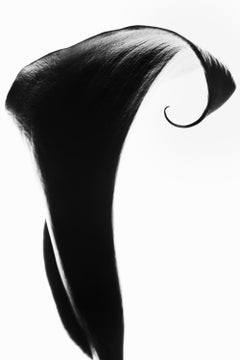
Original Photography by Cyrille Druart
By Cyrille Druart
Located in Collonge Bellerive, Geneve, CH
Black and white original photography by Cyrille Druart.
Edition: I/V
It is the last available.
Dimensions: 120 x 90 cm
Cyrille Druart is a Fre...
Category
2010s Geneva - Art
Jean-Michel Atlan - Kafka - Original Lithograph
Located in Collonge Bellerive, Geneve, CH
Original lithograph by Jean-Michel Atlan
For Description of a Struggle by Franz Kafka
Paris, Maeght Publisher, 1946.
Dimensions: 30.5 x 24.5
Edition: 300 on vellum
Mourlot
JEAN-MI...
Category
1940s Abstract Expressionist Geneva - Art
Materials
Lithograph
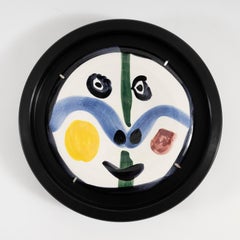
Visage no.0 (A.R. 458), Pablo Picasso, Design, Ceramic, Madoura
By Pablo Picasso
Located in Geneva, CH
PABLO PICASSO
Visage no.0 (A.R. 458), 1963
Ed. 235/500 pcs
White earthenware clay, decoration in engobes and enamel under glaze
D. 25.5 cm I D. 10 in
D. 34 cm I D. 13 3/8 in (with f...
Category
20th Century Modern Geneva - Art
Materials
Ceramic, Earthenware
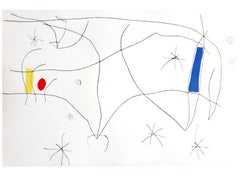
Joan Miro - L
Issue Dérobée - Original Aquatint
By Joan Miró
Located in Collonge Bellerive, Geneve, CH
Joan Miro - L'Issue Dérobée - Original Aquatint
1974
Dimensions: 36 x 54 cm
Edition: 220
Jacques Dupin, L'Issue Dérobée, Maeght Editeur, Paris, 1974 (C. books 187)
Biography
Joa...
Category
1970s Modern Geneva - Art
Materials
Lithograph
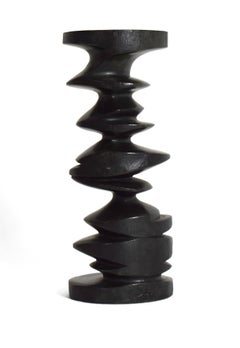
Samuel Latour - Collision n°1 - Original Bronze Sculpture
By Samuel Latour
Located in Collonge Bellerive, Geneve, CH
Samuel Latour - Collision n°1 - Original Bronze Sculpture
19 x 8 x 8 cm
Edition of 8
Signed
Samuel LATOUR
Formed at Boulle arts and craft school in Pa...
Category
2010s Modern Geneva - Art
Materials
Bronze
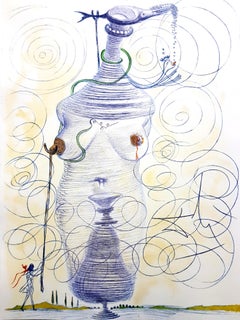
Salvador Dali - Large Flask
By Salvador Dalí
Located in Collonge Bellerive, Geneve, CH
Salvador Dali - Large Flask - Original Etching
Dimensions: 38 x 28 cm
Edition: 390
1967
On Rives Vellum
References : Field 67-4 (p. 32-33) / Michler & Lops...
Category
1960s Surrealist Geneva - Art
Materials
Etching
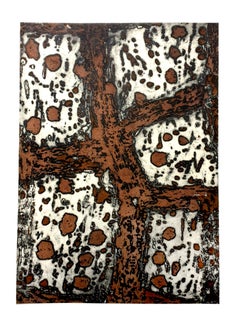
Zoran Music (after) - Composition - Pochoir
Located in Collonge Bellerive, Geneve, CH
Zoran Music (after)- Composition - Pochoir
1959
Dimensions: 32 x 24 cm
From the art review XXe siècle
Unsigned and unumbered as issued
Category
1950s Surrealist Geneva - Art
Materials
Etching
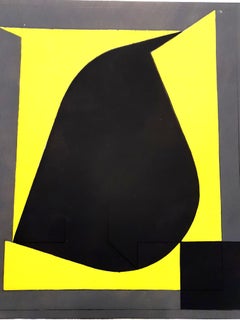
Victor Vasarely (after) - Stencil
By Victor Vasarely
Located in Collonge Bellerive, Geneve, CH
Victor Vasarely (after) - pochoir print by Daniel Jacomet
Published in the deluxe art review, XXe Siecle
1958
Dimensions: 32 x 25 cm
Publisher: G. di San Lazzaro.
Victor Vasarely...
Category
1950s Kinetic Geneva - Art
Materials
Stencil
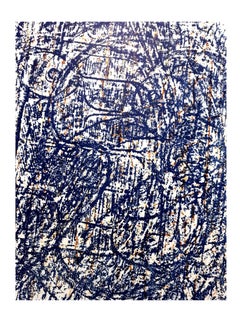
Max Ernst - Abstract Birds - Original Lithograph
By Max Ernst
Located in Collonge Bellerive, Geneve, CH
Max Ernst - Birds - Original Lithograph
Birds, 1962
Dimensions: 32 x 24 cm
From the art review XXe siècle
Unsigned and unumbered as issued
Category
1960s Surrealist Geneva - Art
Materials
Lithograph
Marc Chagall - The Bible - Job - Original Lithograph
By Marc Chagall
Located in Collonge Bellerive, Geneve, CH
Marc Chagall, Original Lithograh depicting an instant of the Bible.
Technique: Original lithograph in colours (Mourlot no. 234)
On the reverse: another black and white original litho...
Category
1960s Modern Geneva - Art
Materials
Lithograph
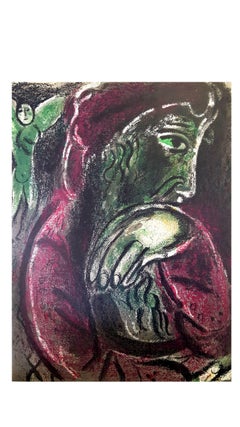
Jean Miotte - Abstract Composition - Original Etching
By Jean Miotte
Located in Collonge Bellerive, Geneve, CH
Jean Miotte - Original Etching
1998
Dimensions: 41 x 33 cm
Edition: /40
From La Déchirure
Jean Miotte, 1926 - 2016
Miotte came of artistic age in the decade after World War II when non-figurative gestural abstraction was emerging on both sides of the Atlantic as the contemporary artistic language. The term, "L'Art Informel," was coined by the French critic, Michel Tapi, to connote "without form." The negation of traditional form, a radical break from established notions of order and composition, was particularly suited to a cultural environment born out of the circumstances of post war Europe where abuse of morals and fascist ideology had led to such horror and destruction.
While Informel is often regarded as the European equivalent of Abstract Expressionism, it is distinguished from its American counterpart, by a loss of faith in progress and the collective possibilities of an avant garde. Rather the artists who came to be grouped as Informel, Jean Miotte, Jean-Paul Riopelle, Emil Schumacher...
Category
1990s Abstract Expressionist Geneva - Art
Materials
Etching
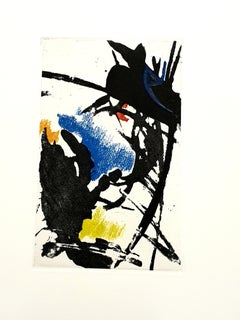
The Human Comedy - Lithograph
By (after) Pablo Picasso
Located in Collonge Bellerive, Geneve, CH
After Pablo Picasso
The Human Comedy - Lithograph after an original drawing, as published in the journal "Verve"
Printed signature and date
Dimensions: 32...
Category
1950s Modern Geneva - Art
Materials
Lithograph

Jean Cocteau - Profil - Original Lithograph
By Jean Cocteau
Located in Collonge Bellerive, Geneve, CH
Original Lithograph by Jean Cocteau
Title: Profil
Signed
Dimensions: 60 x 44 cm
Category
1950s Modern Geneva - Art
Materials
Lithograph
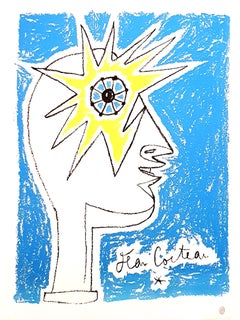
Sonia Delaunay - Composition - Original Lithograph
By Sonia Delaunay
Located in Collonge Bellerive, Geneve, CH
Sonia Delaunay - Composition
Original Lithograph
1969
Dimensions: 32 x 25 cm
Revue XXe Siècle
Cahiers d'art published under the direction of G. di San Lazzaro.
Sonia Delaunay was known for her vivid use of color and her bold, abstract patterns, breaking down traditional distinctions between the fine and applied arts as an artist, designer and printmaker.
Born Sarah Stern on November 14, 1885 in Gradizhsk, Ukraine, she was adopted in 1890 by her maternal uncle, Henri Terk, a lawyer in St. Petersburg, where she grew up, exposed to music and art, and learning several foreign languages. In 1903, she moved to Germany to study drawing with Ludwig Schmidt-Reutler (1863–1909) at the Karlsruhe academy of fine arts; Arnold Schoenberg (1874–1951), composer-to-be, was among her classmates there. In 1905, she traveled to Paris where she attended art classes at the Académie de la Palette, learned printmaking from Rudolf Grossman (1889–1941), and met Amédée Ozenfant (1886–1966), André Dunoyer de Segonzac (1884–1974), and Jean-Louis Boussingault (1883–1943). Sonia spent much of her time at exhibitions and galleries in Paris, which showed works by Paul Cézanne, Vincent Van Gogh, Pierre Bonnard, and Edouard Vuillard, as well as Les Fauves, Henri Matisse and André Derain. She did, however, maintain contact with Germany, exhibiting at the Galerie Der Sturm, Berlin, in 1913, 1920 and 1921.
During her first year in Paris, Sonia met the German collector and art-dealer, Wilhelm Uhde (1874–1947), whom she married on December 5, 1908, and whose Montparnasse gallery, the Galerie Notre-Dame des Champs, showed her first solo exhibition. Through Uhde, Sonia encountered many painters, including Pablo Picasso, Georges Braque, Maurice de Vlaminck, and Robert Delaunay (1885–1941). In 1910, Sonia divorced Uhde by mutual agreement, married Delaunay that same year, and gave birth to their son, Charles, in January 1911.
Together Sonia and Robert Delaunay pursued the study of color, influenced by theories of Michel-Eugène Chevreul (1786–1889). Sonia’s interest in simultaneous contrast, as evidenced in her early collages, book bindings, small painted boxes, cushions, waistcoats and lampshades, led to one of her first large-scale works, the painting of the Bal Bullier (1912–1913), a popular Parisian dance-hall. Sonia’s first “simultaneous dresses,” a mix of squares and triangles of taffeta, tulle, flannelette, moiré, and corded silk, date from this period.
Friendship with the poet Blaise Cendrars...
Category
1970s Abstract Geometric Geneva - Art
Materials
Lithograph
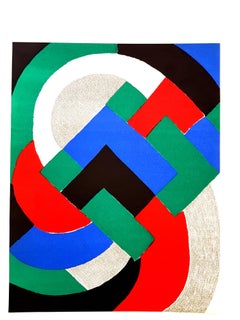
Salvador Dali - George Washington - Original Handsigned Etching
By Salvador Dalí
Located in Collonge Bellerive, Geneve, CH
Salvador Dali - George Washington - Original Handsigned Etching
Dimensions: 38 x 28 cm
1967
Signed in pencil
EA in Sanguine
Jean Schneider, Basel
References : Field 67-3
Category
1960s Surrealist Geneva - Art
Materials
Etching
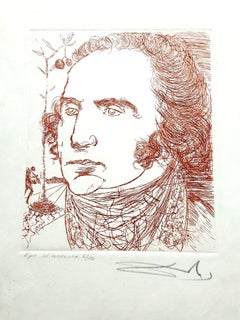
Antoni Clavé - Original Lithograph - For Pushkin
s Queen of Spades
By Antoni Clavé
Located in Collonge Bellerive, Geneve, CH
Antoni Clavé - Original Lithograph - For Alexander Pushkin's Queen of Spades
Dimensions: 325 x 247 mm.
1946
Original lithograph of Antoni Clavé
Edit...
Category
1940s Modern Geneva - Art
Materials
Lithograph
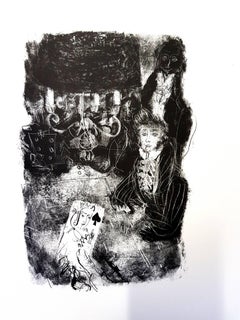
Max Ernst - Composition - Original Lithograph
By Max Ernst
Located in Collonge Bellerive, Geneve, CH
Max Ernst - Composition - Original Lithograph
1958
Dimensions: 32 x 24 cm
XXe siècle
Unsigned and unnumbered, as issued
Max Ernst was born in Bruhl, a place near Cologne, in Germany. He was raised in a strict Catholic family, and both of his parents were disciplinarians who were dedicated to training their children into God-fearing and talented individuals. Although his father was deaf, Ernst learned so much from him, particularly when it comes to painting. In fact, much of his early years were lived under the inspiration of his father who was also a teacher. He was the one who introduced painting to Ernst at an early age.
In 1914, Ernst attended the University of Bonn where he studied philosophy. However, he eventually dropped out of school because he was more interested in the arts. He claimed that his primary sources of interest included anything that had something to do with painting. Moreover, he became fascinated with psychology, among other subjects in school.
Primarily, Ernst's love for painting was the main reason why he became deeply interested with this craft and decided to pursue it later on in his life. During his early years, he became familiar with the works of some of the greatest artists of all time including Claude Monet, Paul Cezanne and Vincent van Gogh. He was also drawn to themes such as fantasy and dream imagery, which were among the common subjects of the works of Giorgio de Chirico.
During World War I, Ernst was forced to join the German Army, and he became a part of the artillery division that exposed him greatly to the drama of warfare. A soldier in the War, Ernst emerged deeply traumatized and highly critical of western culture. These charged sentiments directly fed into his vision of the modern world as irrational, an idea that became the basis of his artwork. Ernst's artistic vision, along with his humor and verve come through strongly in his Dada and Surrealists works; Ernst was a pioneer of both movements.
It was Ernst's memories of the war and his childhood that helps him create absurd, yet interesting scenes in his artworks. Soon, he took his passion for the arts seriously when he returned to Germany after the war. With Jean Arp, a poet and artist, Ernst formed a group for artists in Cologne. He also developed a close relationship with fellow artists in Paris who propagated Avant-Garde artworks.
In 1919, Ernst started creating some of his first collages, where he made use of various materials including illustrated catalogs and some manuals that produced a somewhat futuristic image. His unique masterpieces allowed Ernst to create his very own world of dreams and fantasy, which eventually helped heal his personal issues and trauma. In addition to painting and creating collages, Ernst also edited some journals. He also made a few sculptures that were rather queer in appearance.
In 1920s, influenced by the writings of psychologist Sigmund Freud, the literary, intellectual, and artistic movement called Surrealism sought a revolution against the constraints of the rational mind; and by extension, they saw the rules of a society as oppressive. Surrealism also embraces a Marxist ideology that demands an orthodox approach to history as a product of the material interaction of collective interests, and many renown Surrealism artists later on became 20th century Counterculture symbols such as Marxist Che Guevara. In 1922 Ernst moved to Paris, where the surrealists were gathering around Andre Breton. In 1923 Ernst finished Men Shall Know Nothing of This, known as the first Surrealist painting. Ernst was one of the first artists who apply The Interpretation of Dreams by Freud to investigate his deep psyche in order to explore the source of his own creativity. While turning inwards unto himself, Ernst was also tapping into the universal unconscious with its common dream imagery.
Despite his strange styles, Ernst gained quite a reputation that earned him some followers throughout his life. He even helped shape the trend of American art during the mid-century, thanks to his brilliant and extraordinary ideas that were unlike those of other artists during his time. Ernst also became friends with Peggy Guggenheim, which inspired him to develop close ties with the abstract expressionists.
When Ernst lived in Sedona, he became deeply fascinated with the Southwest Native American navajo art. In fact, the technique used in this artwork inspired him and paved the way for him to create paintings that depicted this style. Thus, Ernst became a main figure of this art technique, including the rituals and spiritual traditions included in this form of art. Pollock, aside from the other younger generations of abstract expressionists, was also inspired by sand painting of the Southwest...
Category
1960s Surrealist Geneva - Art
Materials
Lithograph
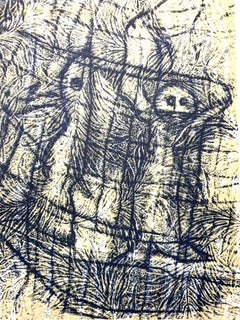
Jean Cocteau - Marine Mountains - Original Lithograph
By Jean Cocteau
Located in Collonge Bellerive, Geneve, CH
Jean Cocteau - Marine Mountains - Original Lithograph
Dimensions: 38 x 28 cm
Edition: 200
In Rives
From: COCTEAU. — VERDET (André). Montagnes marines. S. l. (Paris), Les Messagers du...
Category
1960s Modern Geneva - Art
Materials
Lithograph
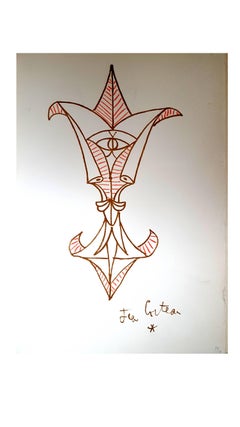
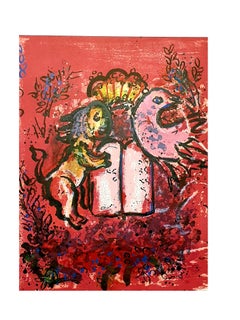
Marc Chagall - The Tables of the Law - Original Lithograph
By Marc Chagall
Located in Collonge Bellerive, Geneve, CH
Marc Chagall
The Tables of the Law
Lithograph from Vitraux pour Jerusalem
1962
Printed by Mourlot
Dimensions: 32.5 x 24.5 cm
Publisher: André Sauret, Monte-Carlo
Reference: Mourlo...
Category
1960s Surrealist Geneva - Art
Materials
Lithograph
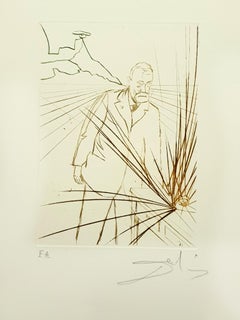
Salvador Dali - Pierre Curie - Original Handsigned Engraving
By Salvador Dalí
Located in Collonge Bellerive, Geneve, CH
Salvador Dali - Pierre Curie - Original Handsigned Engraving
Dimensions: 17.5 x 12.5 cm
1970
Signed in pencil
EA
Jean Schneider, Basel
References : Field 70-5
Provenance : Schneider ...
Category
1960s Surrealist Geneva - Art
Materials
Engraving
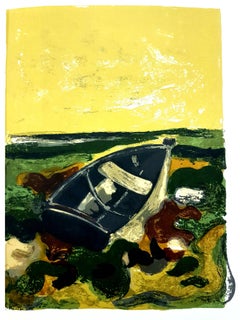
André Minaux - Abandoned Boat - Original Lithograph
By Andre Minaux
Located in Collonge Bellerive, Geneve, CH
André Minaux - Abandoned Boat - Original Lithograph
1964
Dimensions: 30 x 20 cm
Edition of 200 (one of the 200 on Vélin de Rives)
Mourlot Press, 1964
And...
Category
1960s Modern Geneva - Art
Materials
Lithograph
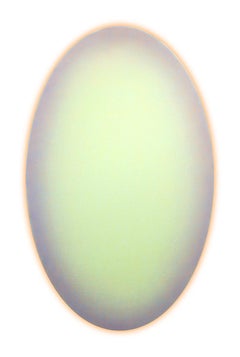
Eberhard Ross - Mandorla - Original Painting
By Eberhard Ross
Located in Collonge Bellerive, Geneve, CH
Eberhard Ross - Mandorla - Original Painting
Dimensions: 130 x 80 cm
Medium: Oil on Wood
Eberhard Ross
Born 1959 in Krefeld Germany
Studied at Folkwang-University Of Arts Essen wi...
Category
2010s Contemporary Geneva - Art
Materials
Wood, Oil
Max Ernst - The Soldier - Original Lithograph
By Max Ernst
Located in Collonge Bellerive, Geneve, CH
Max Ernst (1891-1976)
Georges Ribemont-Dessaignes, La Ballade du Soldat, Pierre Chave, Vence, 1972
Colour lithographs on Arches paper
1972
Dimensions: 40 x 30 cm
Reference: Spies &...
Category
1970s Modern Geneva - Art
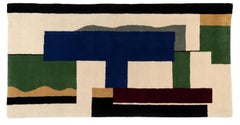
Tapis Blanc, Fernand Léger, 1920
s, Tapestry, Wool, Rug, Design
By Fernand Léger
Located in Geneva, CH
Tapis blanc
circa 1927
Hand-knotted wool
260.4 x 146.1 cm
Signed and embroidered on the back : LEGER
Marie Cuttoli and Lucie Weill Edition.
Provenance:
Private collection, USA (acquired from Madoura Workshop, Antibes in 1982)
Exhibited:
Fernand Léger . Peinture dans l'espace, Museum Ludwig of Cologne, from April 9th to July 3rd, 2016, another similar piece exhibited.
Literature:
Encyclopédie des métiers de l'art : Décoration Moderne Vol.I, Paris, 1930, gouache study illustrated in color under no.10, pl.97.
An Exhibition of Contemporary French Tapestries, by Albert Chatelet Constantine, Charles E.Slatkin Galleries, 1965, illustrated in color p.
Rob Mallet-Stevens, by S.Day, Paris, 1980, picture of a similar piece in the living room of Robert Mallet-Stevens in Paris, illustrated p.280.
Marie Cuttoli, Myrbor et l'invention de la tapisserie moderne, by D.Paulvé, Paris, 2010, similar piece on the archive picture of the the office of Paul du Bousquet decorated by Pierre Barbe...
Category
1920s Art Deco Geneva - Art
Materials
Wool
Still Thinking About These?
All Recently ViewedMore Ways To Browse
Woodstock Ny Paintings
Zane Gray
1970s Seascape Oil Painting
A Grimshaw
Adam Barland
Air France Afrique
Alden Bryan
Amanda Acker
Antique Chinese Watercolor Landscape
Anton Genberg
Anton Sipos
Art Contemporary Fuschia
Bauer Canvas Oil
Beach Cottage Paintings
Beatles Lithograph
Ben Avram
Bernard Martin
Black And Tan Terrier