Los Angeles - Decorative Art

to
72
11,141
5,059
213
6
4
Height
to
Width
to
30
20
20
11
5
5
5
4
3
2
17
59
137
10
28
58
40
9
5
1
7
4
5
14
22
6
4
123
78
64
48
43
136
65
54
50
36
223
220
222
3
3
3
2
2
Item Ships From: Los Angeles
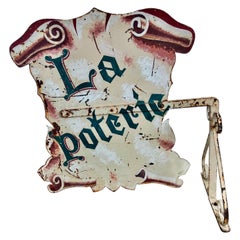
Two Side Enamel painted French Sign
Located in Los Angeles, CA
Great 1930's European French hand painted Pottery Store Sign. The sign is painted on both sides. Some paint is missing and the sign had wear from years of use.
Category

1930s French French Provincial Vintage Los Angeles - Decorative Art

Materials

Metal

Two Side Enamel painted French Sign
$1,200 Sale Price
33% Off
Fiber Wall Hanging by Margo Farrin O’Connor for Ted Morris Associates, 1970s
By Ted Morris, Margo Farrin O Connor
Located in Los Angeles, CA
Large scale fiber wall sculpture by Margo Farrin O’Connor for Ted Morris & Associates, crafted in the 1970s. Composed of tonal bands of wool and jute in ivory, sand, rust, and ochre,...
Category

1970s American Bohemian Vintage Los Angeles - Decorative Art

Materials

Wool, Jute

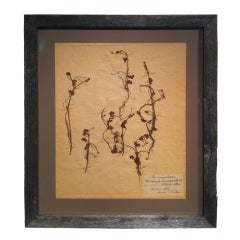
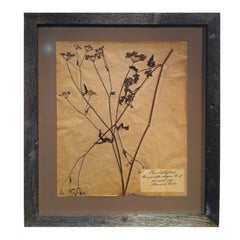
Framed Botanical. Study #3
Located in Los Angeles, CA
French Botanical study of various flora from the end of the 19th century and beginning of 20th century, plate includes species identification. The frame is from reclaimed wood. Part ...
Category

19th Century French Antique Los Angeles - Decorative Art

Materials

Wood

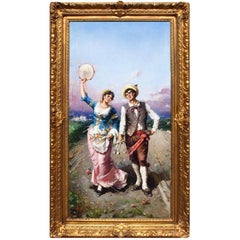
Francesco Peluso (Italian, 1836-1916) An Oil on Canvas "The Village Celebration"
By Francesco Peluso
Located in Los Angeles, CA
Francesco Peluso (Italian, 1836-1916) a fine Italian 19th-20th century oil on canvas "The Village Celebration" depicting a young couple of villagers dressed for Spring festivities and walking through a dirt road while playing musical instruments. The girl playing a tambourine and the boy a wooden noise maker...
Category

Late 19th Century Italian Country Antique Los Angeles - Decorative Art

Materials

Gesso, Canvas, Wood

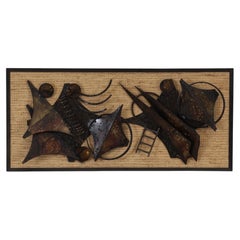
Heavily Textured Framed Brutalist Metal Wall Sculpture by Henrik Horst, 1970 s
By Hendrik Horst
Located in Los Angeles, CA
Brutalist mixed metal wall sculpture by Henrik Horst, 1970's. In original condition with a great patina. There is some wear to the corners of the frame, consistent with its age and u...
Category

1970s Danish Mid-Century Modern Vintage Los Angeles - Decorative Art

Materials

Metal

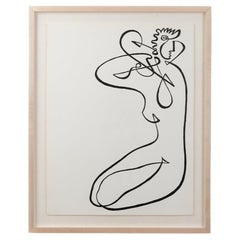
Line Drawing by Jean Negulesco
By Jean Negulesco
Located in Los Angeles, CA
Beautiful continuous black line drawing of a woman by Jean Negulesco. Vintage color serigraph print with blind stamp in corner. New custom maple frame with UV plexi.
Category

Mid-20th Century North American Los Angeles - Decorative Art

Materials

Maple, Paper

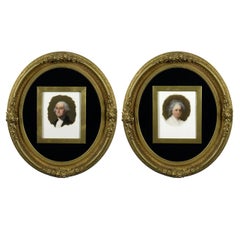
Fine Pair of 19th Century Porcelain Plaques of George and Martha Washington
By KPM Porcelain
Located in Los Angeles, CA
A fine pair of Continental 19th century porcelain plaques each depicting George Washington, the first President of the United States and his wife Martha Washington within an ornate V...
Category

Late 19th Century German American Colonial Antique Los Angeles - Decorative Art

Materials

Porcelain, Gesso, Giltwood

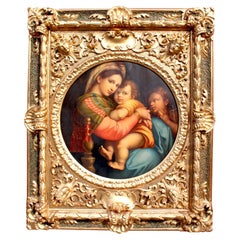
After Raffaello Sanzio 1483-1520 Raphael La Madonna della Seggiola Oil on Canvas
By (after) Raphael (Raffaello Sanzio da Urbino)
Located in Los Angeles, CA
A Fine Italian 19th Century Oil Painting on Canvas "La Madonna della Seggiola" after Raphael (Raffaello Sanzio da Urbino 1483-1520). The circular painted canvas depicting a seated Madonna holding an infant Jesus Christ next to a child Saint John the Baptist, all within a massive carved two-tone gilt wood, gilt-patinated and gesso frame, which is identical to the frame on Raphael's original artwork. This painting is a 19th Century copy of Raphael's Madonna della Seggiola painted in 1514 and currently exhibited and part of the permanent collection at the Palazzo Pitti, Galleria Palatina, Florence, Italy. The bodies of the Virgin, Christ, and the boy Baptist fill the whole picture. The tender, natural looking embrace of the Mother and Child, and the harmonious grouping of the figures in the round, have made this one of Raphael's most popular Madonnas. The isolated chair leg is reminiscent of papal furniture, which has led to the assumption that Leo X himself commissioned the painting. Circa: 1890-1900. Subject: Religious painting Painting diameter: 28 inches (71.1 cm) Frame height: 55 1/8 inches (140 cm) Frame width: 46 inches (116.8 cm) Frame depth: 5 1/8 inches (13 cm) Raffaello Sanzio da Urbino (Italian, March 28 or April 6, 1483 - April 6, 1520), known as Raphael, was an Italian painter and architect of the High Renaissance. His work is admired for its clarity of form, ease of composition, and visual achievement of the Neoplatonic ideal of human grandeur. Together with Michelangelo and Leonardo da Vinci, he forms the traditional trinity of great masters of that period. Raphael was enormously productive, running an unusually large workshop and, despite his death at 37, leaving a large body of work. Many of his works are found in the Vatican Palace, where the frescoed Raphael Rooms were the central, and the largest, work of his career. The best known work is The School of Athens in the Vatican Stanza della Segnatura. After his early years in Rome much of his work was executed by his workshop from his drawings, with considerable loss of quality. He was extremely influential in his lifetime, though outside Rome his work was mostly known from his collaborative printmaking. After his death, the influence of his great rival Michelangelo was more widespread until the 18th and 19th centuries, when Raphael's more serene and harmonious qualities were again regarded as the highest models. His career falls naturally into three phases and three styles, first described by Giorgio Vasari: his early years in Umbria, then a period of about four years (1504–1508) absorbing the artistic traditions of Florence, followed by his last hectic and triumphant twelve years in Rome, working for two Popes and their close associates. Raphael was born in the small but artistically significant central Italian city of Urbino in the Marche region, where his father Giovanni Santi was court painter to the Duke. The reputation of the court had been established by Federico III da Montefeltro, a highly successful condottiere who had been created Duke of Urbino by the Pope - Urbino formed part of the Papal States - and who died the year before Raphael was born. The emphasis of Federico's court was rather more literary than artistic, but Giovanni Santi was a poet of sorts as well as a painter, and had written a rhymed chronicle of the life of Federico, and both wrote the texts and produced the decor for masque-like court entertainments. His poem to Federico shows him as keen to show awareness of the most advanced North Italian painters, and Early Netherlandish artists as well. In the very small court of Urbino he was probably more integrated into the central circle of the ruling family than most court painters. Federico was succeeded by his son Guidobaldo da Montefeltro, who married Elisabetta Gonzaga, daughter of the ruler of Mantua, the most brilliant of the smaller Italian courts for both music and the visual arts. Under them, the court continued as a centre for literary culture. Growing up in the circle of this small court gave Raphael the excellent manners and social skills stressed by Vasari. Court life in Urbino at just after this period was to become set as the model of the virtues of the Italian humanist court through Baldassare Castiglione's depiction of it in his classic work The Book of the Courtier, published in 1528. Castiglione moved to Urbino in 1504, when Raphael was no longer based there but frequently visited, and they became good friends. He became close to other regular visitors to the court: Pietro Bibbiena and Pietro Bembo, both later cardinals, were already becoming well known as writers, and would be in Rome during Raphael's period there. Raphael mixed easily in the highest circles throughout his life, one of the factors that tended to give a misleading impression of effortlessness to his career. He did not receive a full humanistic education however; it is unclear how easily he read Latin. Early Life and Works His mother Màgia died in 1491 when Raphael was eight, followed on August 1, 1494 by his father, who had already remarried. Raphael was thus orphaned at eleven; his formal guardian became his only paternal uncle Bartolomeo, a priest, who subsequently engaged in litigation with his stepmother. He probably continued to live with his stepmother when not staying as an apprentice with a master. He had already shown talent, according to Vasari, who says that Raphael had been "a great help to his father". A self-portrait drawing from his teenage years shows his precocity. His father's workshop continued and, probably together with his stepmother, Raphael evidently played a part in managing it from a very early age. In Urbino, he came into contact with the works of Paolo Uccello, previously the court painter (d. 1475), and Luca Signorelli, who until 1498 was based in nearby Città di Castello. According to Vasari, his father placed him in the workshop of the Umbrian master Pietro Perugino as an apprentice "despite the tears of his mother". The evidence of an apprenticeship comes only from Vasari and another source, and has been disputed—eight was very early for an apprenticeship to begin. An alternative theory is that he received at least some training from Timoteo Viti, who acted as court painter in Urbino from 1495.Most modern historians agree that Raphael at least worked as an assistant to Perugino from around 1500; the influence of Perugino on Raphael's early work is very clear: "probably no other pupil of genius has ever absorbed so much of his master's teaching as Raphael did", according to Wölfflin. Vasari wrote that it was impossible to distinguish between their hands at this period, but many modern art historians claim to do better and detect his hand in specific areas of works by Perugino or his workshop. Apart from stylistic closeness, their techniques are very similar as well, for example having paint applied thickly, using an oil varnish medium, in shadows and darker garments, but very thinly on flesh areas. An excess of resin in the varnish often causes cracking of areas of paint in the works of both masters. The Perugino workshop was active in both Perugia and Florence, perhaps maintaining two permanent branches. Raphael is described as a "master", that is to say fully trained, in December 1500. His first documented work was the Baronci altarpiece for the church of Saint Nicholas of Tolentino in Città di Castello, a town halfway between Perugia and Urbino. Evangelista da Pian di Meleto, who had worked for his father, was also named in the commission. It was commissioned in 1500 and finished in 1501; now only some cut sections and a preparatory drawing remain. In the following years he painted works for other churches there, including the Mond Crucifixion (about 1503) and the Brera Wedding of the Virgin (1504), and for Perugia, such as the Oddi Altarpiece. He very probably also visited Florence in this period. These are large works, some in fresco, where Raphael confidently marshals his compositions in the somewhat static style of Perugino. He also painted many small and exquisite cabinet paintings in these years, probably mostly for the connoisseurs in the Urbino court, like the Three Graces and St. Michael, and he began to paint Madonnas and portraits. In 1502 he went to Siena at the invitation of another pupil of Perugino, Pinturicchio, "being a friend of Raphael and knowing him to be a draughtsman of the highest quality" to help with the cartoons, and very likely the designs, for a fresco series in the Piccolomini Library in Siena Cathedral. He was evidently already much in demand even at this early stage in his career. Influence of Florence Raphael led a "nomadic" life, working in various centres in Northern Italy, but spent a good deal of time in Florence, perhaps from about 1504. Although there is traditional reference to a "Florentine period...
Category

Early 1900s Italian Baroque Antique Los Angeles - Decorative Art

Materials

Canvas, Giltwood

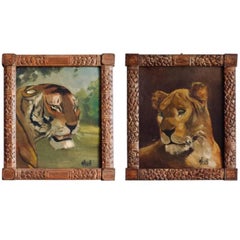
Pair of Tiger and Lion Art Deco Framed Paintings
Located in Los Angeles, CA
Pair of tiger and lion Art Deco framed paintings. Oil on panel. Beautiful carved wood frames.
Category

1930s French Art Deco Vintage Los Angeles - Decorative Art

Materials

Paint, Hardwood

Framed Botanical. Study #4
Located in Los Angeles, CA
French Botanical study of various flora from the end of the 19th century and beginning of 20th century, plate includes species identification. The frame is from reclaimed wood. Part ...
Category

19th Century French Antique Los Angeles - Decorative Art

Materials

Wood

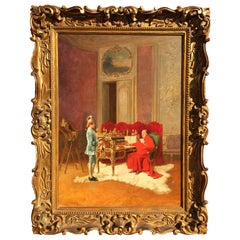
Charles Edouard Edmond Delort Oil on Canvas "Game for the Cardinal"
By Charles Edouard Edmond Delort
Located in Los Angeles, CA
Charles Edouard Edmond Delort (French, 1841-1895) oil on canvas "Game for the Cardinal", depicting a seated cardinal behind an ornate French Louis XV roll-top Bureau du Roi, after the model by Jean-François Oeben currently at Versailles, a young boy delivering a game bird as a gift, all inside an ornately paneled and upholstered wall room with parquet floors and centred with a white bear skin rug...
Category

19th Century French Rococo Antique Los Angeles - Decorative Art

Materials

Canvas, Wood

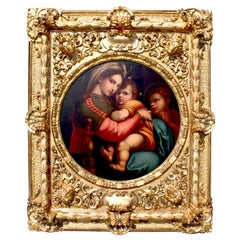
After Raffaello Sanzio 1483-1520 Raphael La Madonna della Seggiola Oil on Canvas
By Raphael (Raffaello Sanzio da Urbino)
Located in Los Angeles, CA
A fine Italian 19th century oil painting on canvas "La Madonna della Seggiola" after Raphael (Raffaello Sanzio da Urbino 1483-1520) The circular canvas depicting a seated Madonna holding an infant Jesus Christ next to a child Saint John the Baptist, all within a massive carved gilt wood and gesso frame (all high quality gilt is original) which is identical to the frame on Raphael's original artwork. This painting is a 19th Century copy of Raphael's Madonna della Seggiola painted in 1514 and currently exhibited and part of the permanent collection at the Palazzo Pitti, Galleria Palatina, Florence, Italy. The bodies of the Virgin, Christ, and the boy Baptist fill the whole picture. The tender, natural looking embrace of the Mother and Child, and the harmonious grouping of the figures in the round, have made this one of Raphael's most popular Madonnas. The isolated chair leg is reminiscent of papal furniture, which has led to the assumption that Leo X himself commissioned the painting, circa 1890-1900. Subject: Religious painting Measures: Canvas height: 29 1/4 inches (74.3 cm) Canvas width: 29 1/4 inches (74.3 cm) Painting diameter: 28 1/4 inches (71.8 cm) Frame height: 57 7/8 inches (147 cm) Frame width: 45 1/2 inches (115.6 cm) Frame depth: 5 1/8 inches (13 cm).   Raffaello Sanzio da Urbino (Italian, March 28 or April 6, 1483 - April 6, 1520), known as Raphael, was an Italian painter and architect of the High Renaissance. His work is admired for its clarity of form, ease of composition, and visual achievement of the Neoplatonic ideal of human grandeur. Together with Michelangelo and Leonardo da Vinci, he forms the traditional trinity of great masters of that period. Raphael was enormously productive, running an unusually large workshop and, despite his death at 37, leaving a large body of work. Many of his works are found in the Vatican Palace, where the frescoed Raphael Rooms were the central, and the largest, work of his career. The best known work is The School of Athens in the Vatican Stanza della Segnatura. After his early years in Rome much of his work was executed by his workshop from his drawings, with considerable loss of quality. He was extremely influential in his lifetime, though outside Rome his work was mostly known from his collaborative printmaking. After his death, the influence of his great rival Michelangelo was more widespread until the 18th and 19th centuries, when Raphael's more serene and harmonious qualities were again regarded as the highest models. His career falls naturally into three phases and three styles, first described by Giorgio Vasari: his early years in Umbria, then a period of about four years (1504–1508) absorbing the artistic traditions of Florence, followed by his last hectic and triumphant twelve years in Rome, working for two Popes and their close associates. Raphael was born in the small but artistically significant central Italian city of Urbino in the Marche region, where his father Giovanni Santi was court painter to the Duke. The reputation of the court had been established by Federico III da Montefeltro, a highly successful condottiere who had been created Duke of Urbino by the Pope - Urbino formed part of the Papal States - and who died the year before Raphael was born. The emphasis of Federico's court was rather more literary than artistic, but Giovanni Santi was a poet of sorts as well as a painter, and had written a rhymed chronicle of the life of Federico, and both wrote the texts and produced the decor for masque-like court entertainments. His poem to Federico shows him as keen to show awareness of the most advanced North Italian painters, and Early Netherlandish artists as well. In the very small court of Urbino he was probably more integrated into the central circle of the ruling family than most court painters. Federico was succeeded by his son Guidobaldo da Montefeltro, who married Elisabetta Gonzaga, daughter of the ruler of Mantua, the most brilliant of the smaller Italian courts for both music and the visual arts. Under them, the court continued as a centre for literary culture. Growing up in the circle of this small court gave Raphael the excellent manners and social skills stressed by Vasari. Court life in Urbino at just after this period was to become set as the model of the virtues of the Italian humanist court through Baldassare Castiglione's depiction of it in his classic work The Book of the Courtier, published in 1528. Castiglione moved to Urbino in 1504, when Raphael was no longer based there but frequently visited, and they became good friends. He became close to other regular visitors to the court: Pietro Bibbiena and Pietro Bembo, both later cardinals, were already becoming well known as writers, and would be in Rome during Raphael's period there. Raphael mixed easily in the highest circles throughout his life, one of the factors that tended to give a misleading impression of effortlessness to his career. He did not receive a full humanistic education however; it is unclear how easily he read Latin. Early Life and Works His mother Màgia died in 1491 when Raphael was eight, followed on August 1, 1494 by his father, who had already remarried. Raphael was thus orphaned at eleven; his formal guardian became his only paternal uncle Bartolomeo, a priest, who subsequently engaged in litigation with his stepmother. He probably continued to live with his stepmother when not staying as an apprentice with a master. He had already shown talent, according to Vasari, who says that Raphael had been "a great help to his father". A self-portrait drawing from his teenage years shows his precocity. His father's workshop continued and, probably together with his stepmother, Raphael evidently played a part in managing it from a very early age. In Urbino, he came into contact with the works of Paolo Uccello, previously the court painter (d. 1475), and Luca Signorelli, who until 1498 was based in nearby Città di Castello. According to Vasari, his father placed him in the workshop of the Umbrian master Pietro Perugino as an apprentice "despite the tears of his mother". The evidence of an apprenticeship comes only from Vasari and another source, and has been disputed—eight was very early for an apprenticeship to begin. An alternative theory is that he received at least some training from Timoteo Viti, who acted as court painter in Urbino from 1495.Most modern historians agree that Raphael at least worked as an assistant to Perugino from around 1500; the influence of Perugino on Raphael's early work is very clear: "probably no other pupil of genius has ever absorbed so much of his master's teaching as Raphael did", according to Wölfflin. Vasari wrote that it was impossible to distinguish between their hands at this period, but many modern art historians claim to do better and detect his hand in specific areas of works by Perugino or his workshop. Apart from stylistic closeness, their techniques are very similar as well, for example having paint applied thickly, using an oil varnish medium, in shadows and darker garments, but very thinly on flesh areas. An excess of resin in the varnish often causes cracking of areas of paint in the works of both masters. The Perugino workshop was active in both Perugia and Florence, perhaps maintaining two permanent branches. Raphael is described as a "master", that is to say fully trained, in December 1500. His first documented work was the Baronci altarpiece for the church of Saint Nicholas of Tolentino in Città di Castello, a town halfway between Perugia and Urbino. Evangelista da Pian di Meleto, who had worked for his father, was also named in the commission. It was commissioned in 1500 and finished in 1501; now only some cut sections and a preparatory drawing remain. In the following years he painted works for other churches there, including the Mond Crucifixion (about 1503) and the Brera Wedding of the Virgin (1504), and for Perugia, such as the Oddi Altarpiece. He very probably also visited Florence in this period. These are large works, some in fresco, where Raphael confidently marshals his compositions in the somewhat static style of Perugino. He also painted many small and exquisite cabinet paintings in these years, probably mostly for the connoisseurs in the Urbino court, like the Three Graces and St. Michael, and he began to paint Madonnas and portraits. In 1502 he went to Siena at the invitation of another pupil of Perugino, Pinturicchio, "being a friend of Raphael and knowing him to be a draughtsman of the highest quality" to help with the cartoons, and very likely the designs, for a fresco series in the Piccolomini Library in Siena Cathedral. He was evidently already much in demand even at this early stage in his career. Influence of Florence Raphael led a "nomadic" life, working in various centres in Northern Italy, but spent a good deal of time in Florence, perhaps from about 1504. Although there is traditional reference to a "Florentine period...
Category

19th Century Italian Baroque Antique Los Angeles - Decorative Art

Materials

Gesso, Canvas, Wood

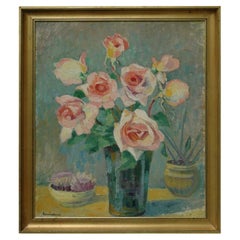
Bouquet of Roses by Hermine David, Oil on Cardboard Linen, Signed
By Jules Pascin, Hermine David
Located in Los Angeles, CA
Bouquet of roses by Hermine David, oil on cardboard linen, signed. Framed. Hermine Lionette Cartan David (19 April 1886 in Paris – 1 December 1970 in ...
Category

1930s European Art Deco Vintage Los Angeles - Decorative Art

Materials

Canvas, Wood, Paint

Oil on Canvas by José Herrera
By José Herrera
Located in Los Angeles, CA
Oil on Canvas by José Herrera (Spanish, 1943-). Signed and dated 1973. Original stainless steel frame. A beautiful piece.
Category

1970s Spanish Modern Vintage Los Angeles - Decorative Art

Materials

Stainless Steel

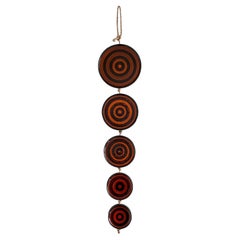
Mid Century Ceramic Wall Art Sculpture
Located in Los Angeles, CA
Ceramic disc wall sculpture Germany, circa 1960’s Five unique ceramic discs with concentric rings Bold and contrasting color palette ranging from d...
Category

1960s German Vintage Los Angeles - Decorative Art

Materials

Ceramic

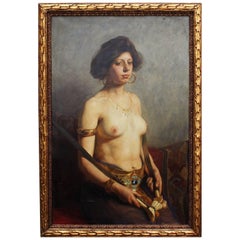
Karl Viktor Mayr, Austrian Oil on Canvas "An Exotic Nude Girl"
By Karl Viktor Mayr
Located in Los Angeles, CA
Karl Viktor Mayr (Austrian, 1882-1974) a very fine Austrian oil on canvas "An Exotic Nude Girl" depicting a young semi-nude woman, revealing her breast...
Category

Early 1900s Austrian Folk Art Antique Los Angeles - Decorative Art

Materials

Canvas, Giltwood

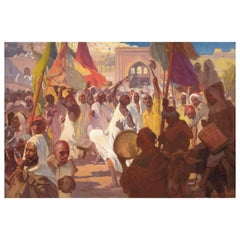
Very Fine and Large Orientalist Oil on Canvas Titled "Ashura Rituals, Tangier"
By Gordon B. Coutts 1
Located in Los Angeles, CA
Gordon B. Coutts (Scottish/American, 1868-1937) A very fine and large orientalist oil on canvas titled "Ashura Rituals, Tangier" (Arabic: عاشوراء‎ ʻĀshūrā’ - Urdu: عاشورا‎ - Persian: عاشورا‎ - Turkish: Aşure Günü). Signed and inscribed: 'Gordon Coutts/TANGIER' (lower right), circa 1920. Provenance: The Fisher Art Museum, University of Southern California. Gordon Coutts led a peripatetic career, born in Aberdeen, Scotland, he then studied and travelled to Glasgow, London, Paris and Rome before settling in Melbourne, Australia in 1891. In 1896 he moved to Sydney, where he taught at the Art Society of New South Wales, before returning back to Europe in 1899. With the climate of northern Europe detrimental to Coutts' poor health, he moved with his wife, Alice Grey, to the United States where he became a frequent exhibitor at the Bohemian Club in San Francisco. In 1920 he travelled to Tangiers, Morocco where, dressed as an Arab, he passed from tribe to tribe observing the lifestyle, customs and practices of the the village people and Bedouins. The present work depicts the celebration of Ashura. The day of Ashura is commemorated by Shi'ite Muslims; "A day of pain, pilgrimage and pageantry, it is one of the holiest in their religion. The word Ashura means 10, and refers to the tenth day of Muharram, the first month of the Islamic calendar. This is a period of mourning and cleansing, which marks the martyrdom of Hussein, grandson of the Prophet Muhammad...
Category

Early 20th Century Moroccan Other Los Angeles - Decorative Art

Materials

Canvas

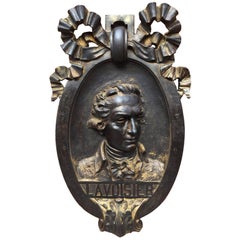
French 18th-19th Century Copper Overlaid Relief Medallion of Antoine Lavoisier
Located in Los Angeles, CA
A large and Rare French 18th-19th century Copper Overlaid Portrayal Relief Medallion of The Renown French Chemist ANTOINE LAVOISIER (1743-1794). The ...
Category

Early 1800s French Directoire Antique Los Angeles - Decorative Art

Materials

Copper

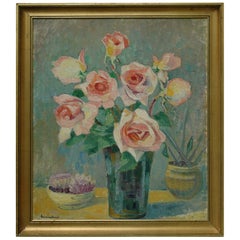
Bouquet of Roses by Hermine David, Oil on Cardboard Linen, Signed
By Jules Pascin, Hermine David
Located in Los Angeles, CA
Bouquet of Roses by Hermine David, oil on cardboard linen, signed. Framed. Hermine Lionette Cartan David (19 April 1886 in Paris – 1 December 1970 in Bry-sur-Marne) was a French painter and the wife of Jules Pascin, also a painter. She became one of the Ecole de Paris artists...
Category

1930s European Art Deco Vintage Los Angeles - Decorative Art

Materials

Canvas, Wood, Paint

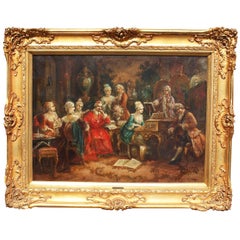
Heinz Pinggera, "Music Recital for the Cardinal" Oil on Canvas
By Heinz Pinggera
Located in Los Angeles, CA
Heinz Pinggera (Italian, b 1900) "A Recital for the Cardinal" oil on canvas within a gilt-wood and gesso frame. The interior 18th century rococo scene depicting a seated Cardinal or ...
Category

Early 20th Century Italian Rococo Los Angeles - Decorative Art

Materials

Canvas, Giltwood

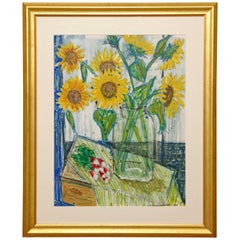
Sunflower Painting by French Artist Nicolas Hammel
By Nicolas Hammel
Located in New York, NY
Beautiful mixed media still life of Sunflowers and Radishes by listed South of France Artist Nicolas Hammel. This painting on paper is a mix of gouache, oil crayons and watercolors ...
Category

1990s French Los Angeles - Decorative Art

Materials

Wood, Paint, Paper, Crayon

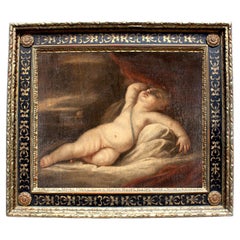
Manner Titian, Oil on Canvas Sleeping Cupid
Located in Los Angeles, CA
Manner of Titian (Tiziano Vecelli - Italian, 1485-1576) An Oil on Canvas "Sleeping Cupid" within a gilt and black decorated gesso frame. A label on reve...
Category

17th Century Italian Renaissance Antique Los Angeles - Decorative Art

Materials

Gesso, Canvas, Giltwood

Max Thalmann Pastel . painting / drawing . Framed Signed LL .
By Max Thalmann
Located in Los Angeles, CA
This is a pastel drawing by the well known artist / Designer illustrator Max Thalami , student under painter and architect Henry van de Verde .This work measures by itself 14.5 x 11...
Category

Early 20th Century German Art Nouveau Los Angeles - Decorative Art

Materials

Paper

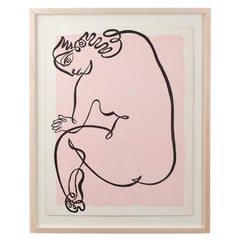
Line Drawing by Jean Negulesco
By Jean Negulesco
Located in Los Angeles, CA
Beautiful continuous black line drawing of a woman by Jean Negulesco. Vintage color serigraph print with pink background and blind stamp in corner....
Category

Mid-20th Century North American Los Angeles - Decorative Art

Materials

Maple, Paper

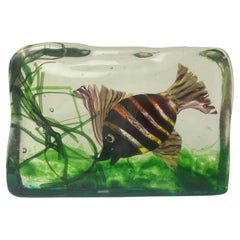
Cenedese Aquarium /Fish Tank Murano Glass, Sculpture/Paperweight Attr Licata
By Cenedese, Riccardo Licata
Located in Los Angeles, CA
Great aquarium, fish tank in Murano Glass, by Cenedese and attributed to Riccardo Licata, well known Murano artist. This is an early piece with a big fish, t...
Category

Mid-20th Century Italian Modern Los Angeles - Decorative Art

Materials

Glass

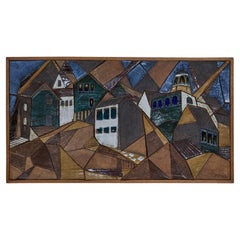
Frank Matranga Mosaic Tile Cityscape Wall Art
By Frank Matranga
Located in Los Angeles, CA
Mosaic tile art piece by California ceramicist Frank Matranga, c.1960s, USA. This piece is composed of varying shaped glazed ceramic tiles to create a mosaic cityscape. The colors ra...
Category

1960s American Mid-Century Modern Vintage Los Angeles - Decorative Art

Materials

Ceramic

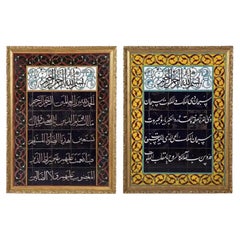
Exceptional Pair of Islamic Middle Eastern Ceramic Tiles with Quran Verses
Located in Long Island City, NY
An exceptional and large pair of Islamic Middle Eastern ceramic tiles with Quran verses, 20th century. Each set with 35 ceramic tiles, measuring 6? x ...
Category

20th Century Egyptian Islamic Los Angeles - Decorative Art

Materials

Ceramic

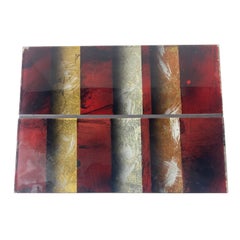
Judy Stabile wall acrylic on glass geometric, abstract reverse painting.
By Judy Stabile
Located in Los Angeles, CA
Judy's work was originally influenced by the light and space movement . Her work was inspired by well known artists in downtown Los Angeles, like Ed Ruscha and Larry Bell.Marked , st...
Category

Late 20th Century American Post-Modern Los Angeles - Decorative Art

Materials

Acrylic

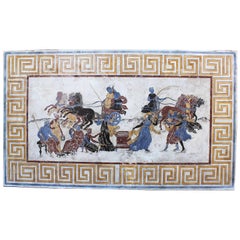
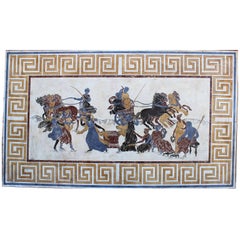
Italian 19th-20th Century Neoclassical Greco-Roman Style Scagliola Wall Plaque
Located in Los Angeles, CA
A large Italian 19th-20th century neoclassical and Greco-Roman style architectural scagliola wall plaque depicting chariots, horses, allegorical maidens and gods, inlaid and painted ...
Category

Early 1900s Italian Greco Roman Antique Los Angeles - Decorative Art

Materials

Other

Italian 19th-20th Century Neoclassical Greco-Roman Style Scagliola Wall Plaque
Located in Los Angeles, CA
A large Italian 19th-20th century neoclassical and Greco-Roman style architectural Scagliola wall plaque depicting chariots, horses, allegorical maidens and gods, inlaid and painted ...
Category

Early 1900s Italian Greco Roman Antique Los Angeles - Decorative Art

Materials

Other

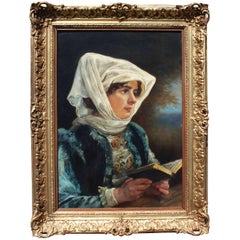
Marie Philips-Weber Oil on Canvas "Young Girl Reading a Book"
By Marie (Maria) Philips-Weber
Located in Los Angeles, CA
Marie Philips-Weber (German, 1845-1942) oil on canvas "Reading a Book" depicting a young maiden reading a book, within an ornate gilt and gesso frame. Signed: M. Weber Philips (l/r),...
Category

19th Century German Victorian Antique Los Angeles - Decorative Art

Materials

Gesso, Canvas, Giltwood

1959 California Highway Signal Ahead Sign with Reflectors
Located in Los Angeles, CA
Rare 'Signal Ahead' yellow sign from a California Highway. Letters are made of reflectors. Stamped 'State of California' on the back with the date, 1959. Almost 4 feet wide. Extremel...
Category

1950s American Vintage Los Angeles - Decorative Art

Materials

Steel

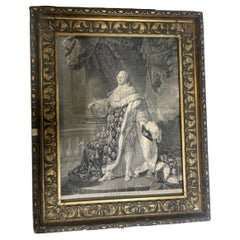
Portrait of King Louis XVI in Coronation Regalia
Located in Los Angeles, CA
Engraved by Charles-Clément Bervic (1756-1822). After Charles Clement "Bervic" Balvay (French, 1756-1822), "Marie Antoinette de Lorraine - D'Autriche, Reine de France" and "Louis Sei...
Category

17th Century French French Provincial Antique Los Angeles - Decorative Art

Materials

Other

Max Walter Svanberg Painted Ceramic Tile, for Rorstrand, Signed Titled in Bac
By Rörstrand, Max Walter Svanberg
Located in Los Angeles, CA
Nice painted tile by the well-known artist, Max Walter Svanberg for Rorstrand.
Category

1970s Swedish Modern Vintage Los Angeles - Decorative Art

Materials

Ceramic

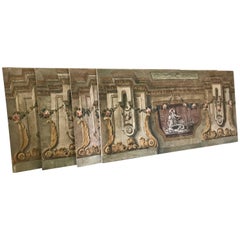
Rare Set of Four Italian 18th Century Panels, Gouache on Canvas
Located in Los Angeles, CA
A rare set of four Italian 18th century panels, gouache on canvas from the music room of an historical Villa in the Lucca region. Depicting biblical scenes in airy composition and d...
Category

Late 18th Century Italian Antique Los Angeles - Decorative Art

Materials

Canvas

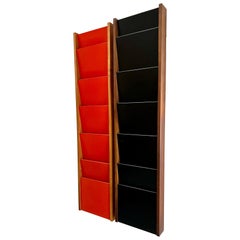
Tall Architectural Magazine / Newspaper Holders Peter Pepper Products
By Peter Pepper Products
Located in Los Angeles, CA
California design. Form + function. Ephemera holder. Natural walnut with powder coated masonite panels. Original vintage condition -minor wear consistent with age and use. No damage ...
Category

Mid-20th Century American Mid-Century Modern Los Angeles - Decorative Art

Materials

Wood, Masonite

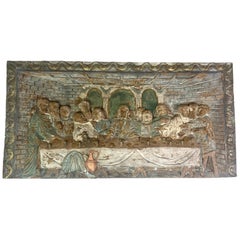
Italian Carved Wood Depiction of "The Last Supper"
Located in Los Angeles, CA
19th C. bas-relief panel which is a type of sculpture where the design in only slightly raised from the background surface, creating a shallow, low-relief effect. The relief depicts...
Category

19th Century Italian Renaissance Antique Los Angeles - Decorative Art

Materials

Wood, Paint

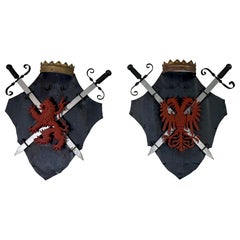
Pair of Vintage Iron Heraldic Wall Plaques
Located in Los Angeles, CA
Striking pair of vintage heraldic wall plaques, each featuring a blackened shield adorned with a bold, red relief crest—one with a rampant lion and the other with a double-headed eag...
Category

1930s Spanish Medieval Vintage Los Angeles - Decorative Art

Materials

Iron

Pair of Vintage Iron Heraldic Wall Plaques
$2,400 Sale Price / set
31% Off
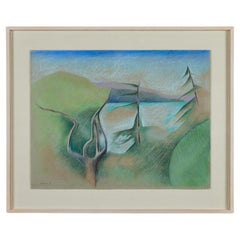
Landscape Pastel Painting by Linda Jacobson
Located in Los Angeles, CA
Framed pastel painting by American artist, Linda Jacobson, c.1980. The landscape artwork portrays trees, water and green rolling hills. The mood of Jacobson's work is often peaceful ...
Category

Mid-20th Century American Mid-Century Modern Los Angeles - Decorative Art

Materials

Crayon

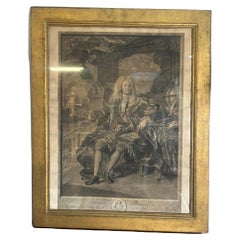
Portrait of Samuel Bernard 1729
Located in Los Angeles, CA
Samuel Bernard, Chevalier de l'ordre de Saint Michel, comte de Coubert Portrait of Samuel Bernard, Counselor of State by Pierre Imbert Drevet.  1729
Category

18th Century French French Provincial Antique Los Angeles - Decorative Art

Materials

Other

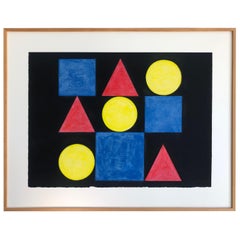
Oil and Acrylic on Paper
Located in Los Angeles, CA
Combination of oil and acrylic on paper. From Bauhaus but unknown artist, c.1950s. Framed Dimensions without the frame are 30" W x 22.25"H".
Category

Mid-20th Century Mid-Century Modern Los Angeles - Decorative Art

Materials

Acrylic

Oil and Acrylic on Paper
$2,880 Sale Price
20% Off
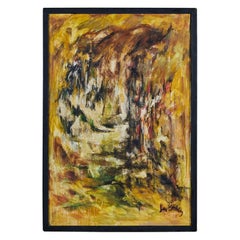
Jon Staley Abstract Acrylic Painting
Located in Los Angeles, CA
Framed acrylic abstract painting on canvas by artist, Jon Staley featuring a range of earth tones. Signed by the artist. Dimensions 25.75" width x .5" depth x 37.5" height. Condit...
Category

Mid-20th Century American Mid-Century Modern Los Angeles - Decorative Art

Materials

Canvas, Paint, Acrylic

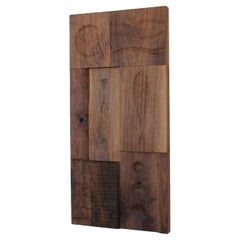
Hand Carved Wall Panel in Walnut
By Greg Mitchell
Located in Los Angeles, CA
On a road trip from LA to Seattle, while passing through a small village on the Oregon coast, my fiance and I decided to stop by the Salishan Lodge to view the architecture and the a...
Category

2010s North American Bauhaus Los Angeles - Decorative Art

Materials

Walnut

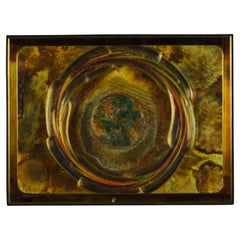
Bernhard E. Rhone Oxidized Metal Etching
By Bernhard Rohne
Located in Los Angeles, CA
Bernhard Rhone Oxidized Metal Etching c.1970s, Canada. Rhone, a German born artist began experimenting with metal oxidation and acid etching in the late 1960s to create a body of wor...
Category

1970s Canadian Mid-Century Modern Vintage Los Angeles - Decorative Art

Materials

Metal

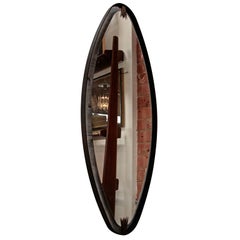
Ma+39 s Oversized Iron, Brass Oval Mirror
Located in Los Angeles, CA
Ma+39's oversized iron, brass oval mirror.
Category

21st Century and Contemporary Italian Los Angeles - Decorative Art
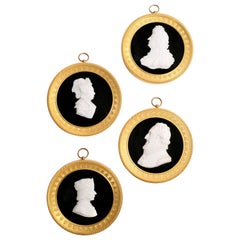
1900s French Bronze Medallions
Located in Los Angeles, CA
Set of four. Dore bronze. Profiles are bisque on velvet. Finely chased details. Possibly 19th century.
Category

Early 20th Century French Neoclassical Los Angeles - Decorative Art

Materials

Bronze

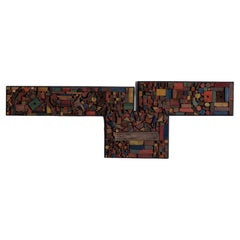
Mabel Hutchinson Style Wood Mosaic Collage
By Mabel Hutchinson
Located in Los Angeles, CA
Mosaic wood assemblage in the style of Mabel Hutchinson. This large scale wall piece features a mix of earth tone and bright primary colored wood shap...
Category

Mid-20th Century American Mid-Century Modern Los Angeles - Decorative Art

Materials

Wood

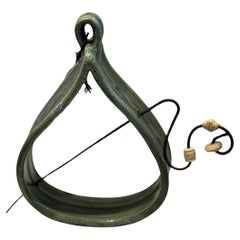
Signature J.S. Hanging Decor Piece with Rod – Decorative Ceramic Wall Planter
Located in West Hollywood, CA
This Signature J.S. Hanging Decor Piece is a beautifully crafted ceramic wall pocket planter with a rich green glaze and an elegant curved shape. Featuring an integrated hanging loop...
Category

Mid-20th Century American Mid-Century Modern Los Angeles - Decorative Art

Materials

Metal

Multicolored Geometric Screen Print
Located in Los Angeles, CA
Mid-century screen print formed of blocks of garnet, sky blue, and carob. The blocks of colors build onto each other against a warm, ivory background. A lined coat on top of the base...
Category

Mid-20th Century American Modern Los Angeles - Decorative Art

Materials

Metal

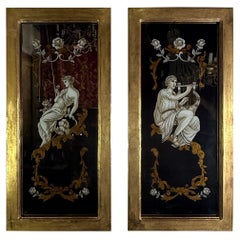
Pair of Reverse Painted Framed Mirror Panels
Located in Los Angeles, CA
A refined pair of reverse-painted mirrored panels, exquisitely detailed with classical female figures draped in flowing robes. Each figure is surrounded by ornate gilt foliate scroll...
Category

Early 20th Century Neoclassical Los Angeles - Decorative Art

Materials

Gold Leaf

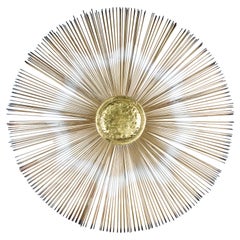
Casa Devall Sunburst Wall Sculpture
By Casa Devall
Located in Los Angeles, CA
Sunburst wall sculpture with a hammered brass center and two layers of painted rods creating a sunburst effect. The artist hand signed the sculpture on the verso.
Category

1970s American Mid-Century Modern Vintage Los Angeles - Decorative Art

Materials

Brass

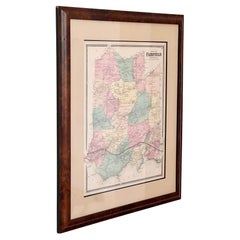
A vintage map of Fairfield Connecticut, framed in burlwood, early 20th century
Located in View Park, CA
An antique map featuring Fairfield, Connecticut, framed in rich burlwood, behind glass and ready to hang, early to mid 20th century. Featuring tones of rose, butter, and mint - a lov...
Category

Early 20th Century American American Classical Los Angeles - Decorative Art

Materials

Glass, Burl, Paper

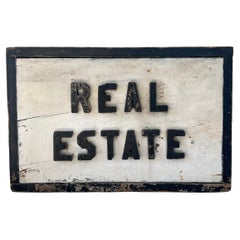
Double Sided Wood Real Estate Sign, 1940s USA
Located in Los Angeles, CA
Own a piece of the market, no mortgage required. This bold black and white “REAL ESTATE” sign has the perfect mix of grit, irony, and charm. The hand-crafted wood shows just the righ...
Category

1940s American Vintage Los Angeles - Decorative Art

Materials

Wood

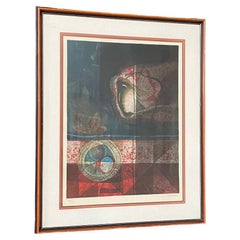
“Miranda Mon Amour” – Limited Edition Signed Lithograph by Alvar Suñol (43/99)
Located in Los Angeles, CA
Condition: Original Vintage Condition Designer: Alvar Suñol Manufacturer: Alvar Suñol Materials: Original Signed Lithograph Style: Modern Surrealism “Miranda Mon Amour” is a striki...
Category

1970s Spanish Other Vintage Los Angeles - Decorative Art

Materials

Other

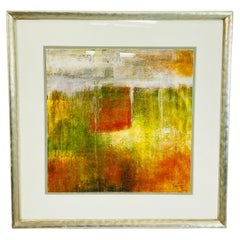
Soicher-Marin Original Painting titled " Ultra Sonic Flow Meter II" Signed
By Soicher Marin
Located in Los Angeles, CA
Original art piece sold through Soicher-Marin titled "Ultra Sonic Flow Meter II" and originally purchased by the interior design firm Jenkins Baer Associates. The painting features ...
Category

21st Century and Contemporary American Modern Los Angeles - Decorative Art

Materials

Wood, Paper

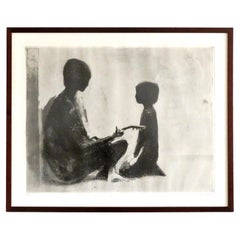
Louis Bastin Untitled Lithography, signed, numbered 24/260, 1970
By Louis Bastin
Located in Los Angeles, CA
wonderful, figural etching 'Untitled' by Louis Bastin (1912-1979), limited edition, signed and numbered in pencil, Bastin 24/260, newly framed in dark wood with UV resistent, non gla...
Category

1970s Swedish Mid-Century Modern Vintage Los Angeles - Decorative Art

Materials

Wood, Paper

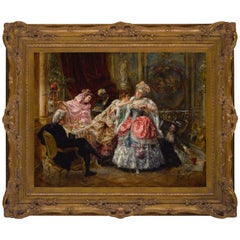
Eduardo León Garrido (Spanish, 1856-1949) Oil on Panel "Dressing for the Ball"
By Eduardo Leon Garrido
Located in Los Angeles, CA
Eduardo León Garrido (Spanish, 1856-1949) A very Fine oil on panel "Dressing for the Ball" depicting 18th century interior scene of a young 'High Society' maiden getting dressed for ...
Category

Early 1900s Spanish Rococo Antique Los Angeles - Decorative Art

Materials

Wood, Paint

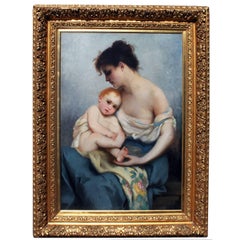
Attributed to Charles Edward Hallé "Mother and Child" Oil on Canvas
By Charles Edward Hallé
Located in Los Angeles, CA
Attributed to Charles Edward Hallé (British, 1846-1914) "Mother and Child" oil on canvas. The Victorian era artwork depicting a young mother holding her joyful infant child, within a carved gildwood and gesso frame. (Relined). Signed (l/r): C.E. Hallé, circa 1870. Charles Edward Hallé (British, 1846-1914) Born in Paris, the son of Sir Charles Hallé...
Category

19th Century English Late Victorian Antique Los Angeles - Decorative Art

Materials

Gesso, Canvas, Giltwood

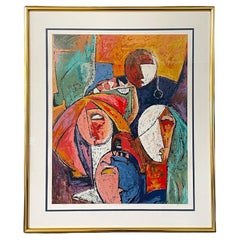
Mid-Century Modern “And Together We Rise” Abstract Serigraph Artwork
Located in Los Angeles, CA
Condition: Original Vintage Condition Designer: Muraina Oyelami Manufacturer: Muraina Oyelami Materials: Serigraph Vibrant and emotionally evocative, this original serigraph title...
Category

1960s Nigerian Mid-Century Modern Vintage Los Angeles - Decorative Art

Materials

Other

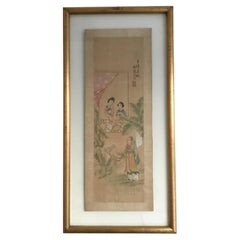
Chinese Watercolor Painting
Located in Los Angeles, CA
Antique Chinese watercolor painting on paper, enclosed in glass and gilt wood frame, early 20th century. Measures: height 27.5 inc...
Category

Early 20th Century Chinese Los Angeles - Decorative Art

Materials

Glass, Wood, Paper

Chinese Watercolor Painting
$450 Sale Price
40% Off

Still Thinking About These?

All Recently Viewed