New York - Art

to
11,408
19,562
13,201
12,256
9,896
13,530
Overall Width
to
Overall Height
to
376
1,699
32,624
34,161
197
245
948
1,023
1,423
3,247
5,692
6,969
6,067
3,471
235
17,859
10,348
9,318
3,769
3,181
1,922
1,065
847
596
503
361
344
269
147
31,666
25,426
7,607
23,750
12,266
7,992
6,852
5,709
4,898
4,715
3,695
3,601
3,598
3,392
2,693
2,598
2,590
2,288
1,861
1,813
1,576
1,563
1,520
22,958
13,169
11,458
10,914
10,176
3,113
954
711
324
291
13,399
18,781
69,259
229,083
155,749
Item Ships From: New York
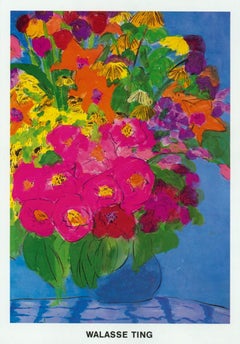
Walasse Ting-Flowers-
By Walasse Ting
Located in Brooklyn, NY
In The Colorful Bouquet of Flowers, Walasse Ting presents a vibrant explosion of multicolored flowers, bursting upwards like fireworks on the 4th of July. Set against a soft light bl...
Category

20th Century Contemporary New York - Art

Materials

Offset

Walasse Ting-Flowers-
$200 Sale Price
20% Off
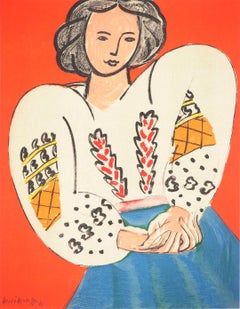
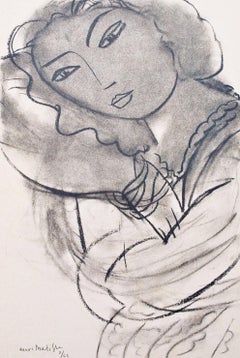
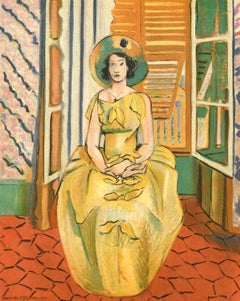
Henri Matisse, Mrs. M.P., from Portraits by Henri Matisse, 1954 (after)
By Henri Matisse
Located in Southampton, NY
This exquisite lithograph after Henri Matisse (1869–1954), titled Madame M.P. (Mrs. M.P.), from the album Portraits par Henri Matisse (Portraits by Henri Matisse), originates from th...
Category

1950s Fauvist New York - Art

Materials

Lithograph

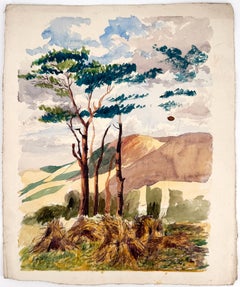
Wheat stooks, English countryside
Located in Middletown, NY
Watercolor and pencil on heavy gauge watercolor paper, 11 3/4 x 9 3/4 inches, (298 x 248 mm) the full sheet. In good condition with fresh, detailed brushwork and saturated pigments. ...
Category

Late 19th Century English School New York - Art

Materials

Watercolor, Pencil

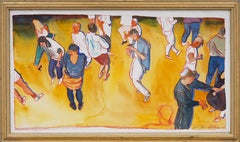
Vintage American School Signed Watercolor 80s Dance Party Scene Framed Painting
Located in Buffalo, NY
Vintage American school modernist interior dance party painting. Watercolor and on paper. Signed. Framed. Measuring 12" x 21" framed and 11" x 20" painting alone.
Category

1980s New York - Art

Materials

Canvas, Oil, Paper, Watercolor

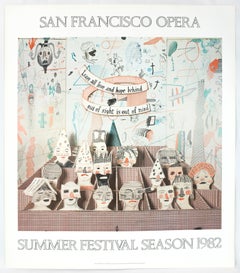
Vintage David Hockney Poster San Francisco Opera 1982, whimsical color drawings
By David Hockney
Located in New York, NY
Vintage poster for the 1982 Summer Festival season of the San Francisco Opera. David Hockney designed the whimsical sets and costumes for the San Francisco Opera's production of Igor...
Category

1980s Neo-Expressionist New York - Art

Materials

Lithograph

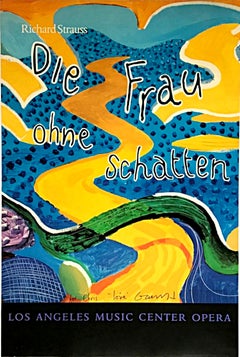
The Golden Road, Los Angeles Music Center Opera print (Hand Signed inscribed)
By David Hockney
Located in New York, NY
David Hockney Richard Strauss: Los Angeles Music Center Opera (Hand Signed and Inscribed), 1993 Offset Lithograph (hand signed and inscribed by David Hockney) 30 × 20 inches Signed a...
Category

1990s Pop Art New York - Art

Materials

Lithograph, Offset

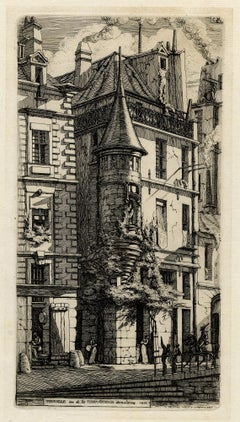
Tourelle, Rue de la Tixéranderie démolie en 1851
By Charles Meryon
Located in Middletown, NY
Etching and drypoint on watermarked Hudelist laid paper, 9 5/8 x 5 inches (245 x 129mm) full margins. Second state (of five) after lettering. A superb condition with a pencil inscrip...
Category

Mid-19th Century French School New York - Art

Materials

Laid Paper, Etching, Drypoint

Caravaggio
By Marc Dennis
Located in New York, NY
ABOUT THE ARTIST: Marc Dennis is an American artist renowned for his paintings of subtly staged and slightly voyeuristic images of contemporary American culture. Interested in the tr...
Category

2010s New York - Art

Materials

Photographic Paper

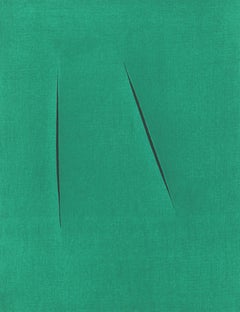
Lucio Fontana, Concetto Spaziale, from XXe siecle, 1959
By Lucio Fontana
Located in Southampton, NY
This exquisite lithograph and pochoir by Lucio Fontana (1899–1968), titled Concetto Spaziale (Spatial Concept), from the album XXe siecle, Nouvelle serie, XXIe Annee, No. 12, Mai-Jui...
Category

1950s Modern New York - Art

Materials

Lithograph

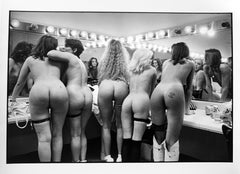
Female Nudes, Dancers Atlanta USA 1990s, Vintage Photograph, Stripper Performers
By Leonard Freed
Located in New york, NY
Stripper Performers, Atlanta, 1996 by Leonard Freed is an 11" x 14" vintage print, stamped on verso (back of photo) with Freed's copyright stamp and...
Category

1990s Contemporary New York - Art

Materials

Photographic Film, Photographic Paper, Silver Gelatin

Lucio Fontana, Concetto Spaziale, from San Lazzaro et ses Amis, 1975 (after)
By Lucio Fontana
Located in Southampton, NY
This exquisite lithograph after Lucio Fontana (1899–1968), titled Concetto Spaziale (Spatial Concept), from the album San Lazzaro et ses Amis, Hommage au fondateur de la revue XXe si...
Category

1970s Modern New York - Art

Materials

Lithograph

Mezza Luna
By Julio Larraz
Located in New York, NY
ABOUT THIS PIECE: Julio Larraz is an expert draftsman, adroitly sketching his subjects and enlivening them with vibrant color. Larraz is recognized for his precise and detailed techn...
Category

Early 2000s New York - Art

Materials

Photographic Paper

Vintage American Impressionist Landscape Signed Lake Scene Framed Oil Painting
Located in Buffalo, NY
Vintage American impressionist landscape oil painting. Oil on board. Framed. Signed. Measuring: 17 by 20 inches overall, and 12 by 16 painting alone. Handsomely framed in wide moder...
Category

1950s Impressionist New York - Art

Materials

Oil, Board

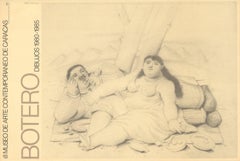
Fernando Botero Drawings 1980-1985 1986- Offset Lithograph
By Fernando Botero
Located in Brooklyn, NY
This original exhibition poster was created for Drawings 1980–1985, an early showcase of Fernando Botero’s works on paper, held at the Caracas Museum of Contemporary Art in 1986. The...
Category

1980s New York - Art

Materials

Offset

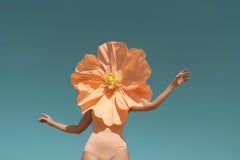
Harmony
By Carla Sutera Sardo
Located in New York, NY
ABOUT THIS ARTIST: Carla Sutera Sardo was born in Agrigento in 1983. She studied law and graduated in 2011. During her university career, she became interested in photography, thus s...
Category

2010s New York - Art

Materials

Photographic Paper

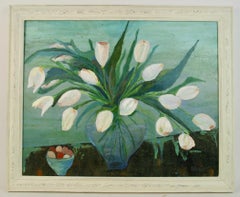
Vintage Modernist White Tulips Flower Still Life by P.Russo
Located in Douglas Manor, NY
#5-3333 A white tulips still life ,oil on canvas applied on board, set in a vintage curved white painted wood frame .Signed lower left by P.Russo Neapolitan artist
Category

1990s New York - Art

Materials

Oil

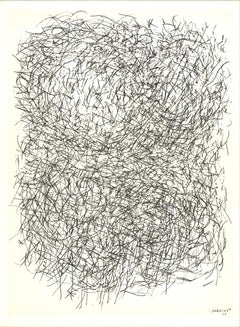
Jean Rene Bazaine Composition VIII 1968- Lithograph Vintage
By Jean Bazaine
Located in Brooklyn, NY
This lithograph page titled Composition VIII is part of the Derrière le Miroir (DLM) No. 170 series, showcasing the work of the French artist René Bazaine. Known for his contribution...
Category

1960s Contemporary New York - Art

Materials

Lithograph

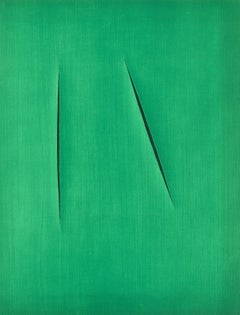
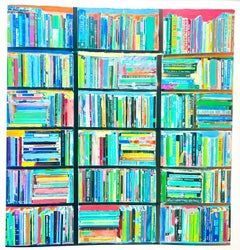
Tell Me A Story II, Paris, Books, Art and Photography, Emerald Aqua
By Roberta Fineberg
Located in New york, NY
The contemporary work on paper is both art and photography, highlighting color fields. 16 x 16in photography and oil pastels on paper Tell Me a Story II, 2025 by Roberta Fineberg (RF...
Category

2010s Contemporary New York - Art

Materials

Archival Ink, Archival Paper, Rag Paper, Archival Pigment, Oil Pastel, Oil

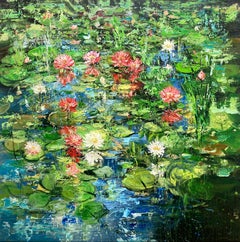
"Pond With Lotus Flowers" Monet s Water Garden in Giverny Painting on Canvas
Located in New York, NY
From Monet's sanctuary in Giverny, we are transported effortlessly through bold brushwork and impasto paint. Alfaro diligently layers the canvas with acrylic paint creating a truly b...
Category

2010s Abstract Impressionist New York - Art

Materials

Canvas, Acrylic

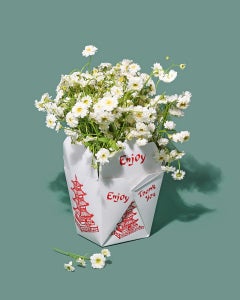
Takeout Florals
By Natasha Martin
Located in New York, NY
THIS PIECE IS AVAILABLE FRAMED. Please reach out to the gallery for more information. ABOUT THIS ARTIST: Natasha Martin is an LA-based photographer who loves color and infusing dre...
Category

2010s New York - Art

Materials

Photographic Paper

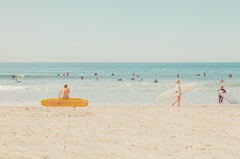
Los Angeles Surf
By Ludwig Favre
Located in New York, NY
THIS PIECE IS AVAILABLE FRAMED. Please reach out to the gallery for additional information. ABOUT THIS PIECE: French photographer Ludwig Favre recently road tripped to California....
Category

2010s New York - Art

Materials

Photographic Paper

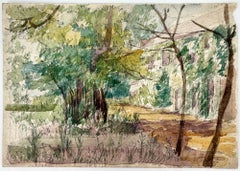
Woods and Country Manor
Located in Middletown, NY
A bucolic woods landscape with an ivy-covered country manor. Watercolor and graphite on heavy gauge watercolor paper, 4 7/8 x 7 inches (125 x 178 mm), the full sheet. In very good c...
Category

Late 19th Century English School New York - Art

Materials

Watercolor, Graphite

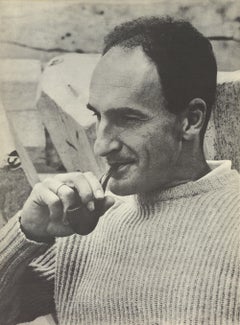
Eduardo Chillida
By Eduardo Chillida
Located in Brooklyn, NY
This is an offset lithograph portrait of Eduardo Chillida, published in Derrière le Miroir (DLM) No. 143. Known for its high-quality reproductions, Derrière le Miroir featured works ...
Category

1960s Contemporary New York - Art

Materials

Offset

Eduardo Chillida
$20 Sale Price
20% Off
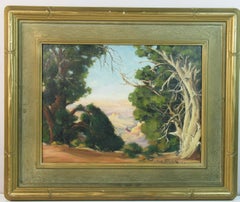
Antique American Realist Framed Summer Lake Landscape by Horlstone Fairchild
Located in Douglas Manor, NY
6040 Antique American realist landscape Impressionist landscape .Set in a period frame. Signed Horlstone Fairchild 1947. Ready to hang and enjoy, Image size 11.5x15/5"
Category

1940s New York - Art

Materials

Oil

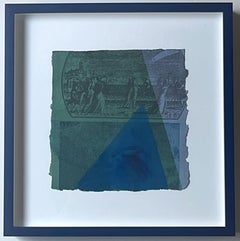
Snowflake Crime XIX, ACE Gallery Collection, unique signed acrylic painting
By Robert Rauschenberg
Located in New York, NY
Historic, institutional quality unique Rauschenberg signed work on paper, with storied provenance: a real gem: Robert Rauschenberg 'Snowflake Crime XIX', from the ACE Gallery Collec...
Category

1980s Pop Art New York - Art

Materials

Fabric, Mixed Media, Acrylic, Handmade Paper, Permanent Marker

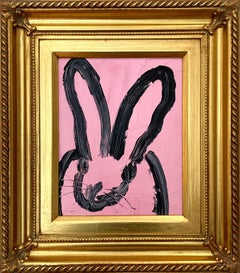
"Pink Pleasure" Black Outline Bunny on Soft Pink Background Oil Painting Framed
By Hunt Slonem
Located in New York, NY
A wonderful composition of one of Slonem's most iconic subjects, Bunnies. This piece depicts a gestural figure of a black bunny on a soft Pink background with thick use of paint. It ...
Category

2010s Neo-Expressionist New York - Art

Materials

Oil, Wood Panel

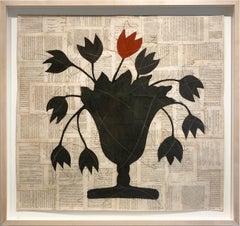
One Red One (Abstract Still Life Drawing of Black Red Flowers in a Vase)
Located in Hudson, NY
Figurative, still life chalk drawing of flowers in a vase against collaged vintage book pages 'One Red One' by Louise Laplante in 2024 pastel on collaged vintage book pages 27.5 x 29...
Category

2010s Modern New York - Art

Materials

Paper, Chalk

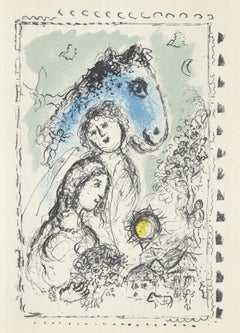
Marc Chagall, Blue Horse with Couple, from Derriere le Miroir, 1982
By Marc Chagall
Located in Southampton, NY
This exquisite lithograph by Marc Chagall (1887–1985), titled Cheval bleu au couple (Blue Horse with Couple), originates from the historic 1982 folio Derriere le Miroir, No. 250, Hommage a Aime et Marguerite Maeght (Tribute to Aime and Marguerite Maeght). Published by Maeght Editeur, Paris, under the direction of Aime Maeght, and printed by Imprimerie Moderne du Lion, Paris, this vibrant composition reflects Chagall’s lyrical fusion of color, dream, and devotion. In Cheval bleu au couple, ethereal figures and a radiant blue horse float within a luminous space of poetic imagination, evoking love, memory, and transcendence. The image captures the artist’s timeless ability to unite fantasy and emotion within the expressive language of modernism. Executed on velin paper, this lithograph measures 15 x 11 inches (38.1 x 27.9 cm). As issued, it is unsigned and unnumbered, consistent with the authorized publication format. The edition exemplifies Chagall’s mastery of color lithography and his lifelong exploration of faith, folklore, and the human spirit. Artwork Details: Artist: Marc Chagall (1887–1985) Title: Cheval bleu au couple (Blue Horse with Couple), from Derriere le Miroir, No. 250, Hommage a Aime et Marguerite Maeght (Tribute to Aime and Marguerite Maeght), 1982 Medium: Lithograph on velin paper Dimensions: 15 x 11 inches (38.1 x 27.9 cm) Inscription: Unsigned and unnumbered, as issued Date: 1982 Publisher: Maeght Editeur, Paris Printer: Imprimerie Moderne du Lion, Paris Catalogue raisonne references: Chagall, Marc, et al. Chagall Lithographe VI, 1980–1985. Andre Sauret, Editeur, 1986, illustration 993. Cramer, Patrick, and Meret Meyer. Marc Chagall: Catalogue Raisonne Des Livres Illustres. P. Cramer ed., 1995, illustration 113. Condition: Well preserved, consistent with age and medium Provenance: From the 1982 folio Derriere le Miroir, No. 250, published by Maeght Editeur, Paris Notes: Excerpted from the folio (translated from French), This special issue of Derriere le Miroir was designed and defined by Aime Maeght in the fall of 1980. He envisioned its publication as a celebration with which artists and writers published since 1946 were to be associated. He also chose Francois Chapon, president of the Reverdy Committee, to write the presentation. This Derriere le Miroir number 250 took the form, after its disappearance on September 5, 1981, of a tribute to Aime Maeght and his wife Marguerite Maeght who died four years earlier. 24 artists agreed to create an original graphic work for this issue which includes the general table of all issues as well as excerpts from texts by 32 writers. Finished printing on June 2, 1982 on the presses of the l'Imprimerie moderne du Lion in Paris. CL examples were printed on velin d'Arches, numbered from I to CL, and some non-commercial examples constituting the original edition. About the Publication: Derriere le Miroir (translated as "Behind the Mirror") was an iconic French art periodical published from 1946 to 1982 by Maeght Editeur, one of the most influential art publishers of the 20th century. Founded by Aime Maeght in Paris, the publication was conceived as a visual and literary collaboration between leading modern artists, poets, and critics. Each issue functioned as both an exhibition catalogue and a work of art in itself—featuring original lithographs printed directly from the artists' stones or plates, alongside essays, poems, and critical commentary. Over the course of 36 years, Derriere le Miroir produced more than 250 issues and showcased an extraordinary roster of artists including Henri Matisse, Marc Chagall, Joan Miro, Georges Braque, Alexander Calder, Fernand Leger, Pierre Bonnard, Alberto Giacometti, Eduardo Chillida, Ellsworth Kelly, Francis Bacon, Paul Rebeyrolle, Claude Garache, Antoni Tapies, Bram van Velde, Pierre Alechinsky, Pol Bury, Shusaku Arakawa, and Gerard Titus-Carmel. Printed in the ateliers of Mourlot, Arte, and Imprimerie Moderne du Lion, the periodical set new standards for quality in color lithography, combining fine art printing with elegant typography and poetic text. Beyond its visual brilliance, Derriere le Miroir also became a cultural chronicle of postwar European modernism. Each issue coincided with exhibitions held at Galerie Maeght, providing a collectible and widely accessible record of groundbreaking shows. Its integration of image, text, and philosophy created a dialogue between art and literature that elevated the modern art book to new aesthetic heights. Today, Derriere le Miroir remains one of the most sought-after and historically significant art publications, prized by collectors and scholars alike for its craftsmanship, influence, and its role in defining the visual language of 20th-century modernism. The Maeght Foundation in Saint-Paul-de-Vence continues to honor this legacy through exhibitions and archival preservation of the series, affirming Derriere le Miroir's enduring place in the history of modern art and fine art publishing. About the Artist: Marc Chagall (1887–1985) was a Belarus-born French painter, printmaker, and designer whose visionary use of color and poetic symbolism made him one of the most beloved and influential artists of the 20th century. Rooted in the rich imagery of his Jewish heritage and childhood in Vitebsk, Chagall’s dreamlike compositions fused memory, folklore, faith, and romance with the expressive innovations of modern art. His work evolved alongside and in dialogue with the great modern masters—Pablo Picasso, Henri Matisse, Alexander Calder, Salvador Dali, Joan Miro, Georges Braque, Wassily Kandinsky, Marcel Duchamp, and Man Ray—artists who, like Chagall, redefined artistic language for a new century. Spanning painting, printmaking, stained glass, ceramics, stage design, and illustration, Chagall’s career reflected both his deep spirituality and his boundless imagination. His works are held in major museum collections worldwide, including the Museum of Modern Art, the Guggenheim, the Tate, and the Centre Pompidou. The highest price ever paid for a Marc Chagall artwork is approximately $28.5 million USD, achieved in 2017 at Sotheby’s New York for Les Amoureux (1928). Marc Chagall Cheval bleu au couple, Marc Chagall lithograph, Chagall Derriere le Miroir, Chagall Maeght...
Category

1980s Expressionist New York - Art

Materials

Lithograph

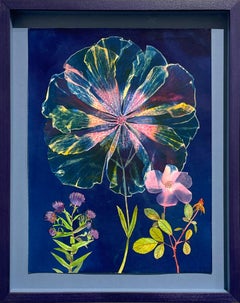
Nocturnal Nature: Painted Cyanotype Still Life of Hibiscus and Rose on Indigo
By Julia Whitney Barnes
Located in Hudson, NY
Hand-painted cyanotype still life of pink flowers on indigo with custom frame Nocturnal Nature (Double Hibiscus, Rose) — painted cyanotype by Julia Whitney Barnes 2024 watercolor, go...
Category

2010s Contemporary New York - Art

Materials

India Ink, Watercolor, Gouache, Archival Paper

Henri Matisse, Miss M.A., from Portraits by Henri Matisse, 1954 (after)
By Henri Matisse
Located in Southampton, NY
This exquisite heliogravure after Henri Matisse (1869–1954), titled Mademoiselle M.A. (Miss M.A.), from the album Portraits par Henri Matisse (Portraits by Henri Matisse), originates...
Category

1950s Fauvist New York - Art

Materials

Lithograph

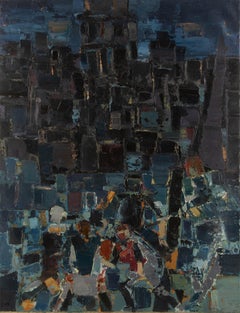
Naiyu Jiang Cubism Original Oil On Canvas "Nightlife"
Located in New York, NY
Title: Nightlife Medium: Oil on canvas Size: 35.5 x 27.5 inches Frame: Framing options available! Condition: The painting appears to be in fair condition. Year: 2000 Circa A...
Category

21st Century and Contemporary New York - Art

Materials

Canvas, Oil

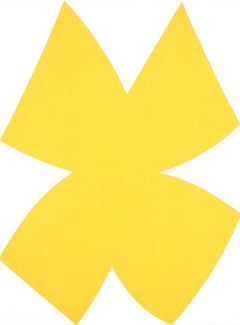
Ellsworth Kelly, Yellow Shape, from Derriere le Miroir, 1958
By Ellsworth Kelly
Located in Southampton, NY
This exquisite lithograph by Ellsworth Kelly (1923–2015), titled Forme Jaune (Yellow Shape), originates from the historic 1958 folio Derriere le Miroir, No. 110. Published by Maeght ...
Category

1950s Hard-Edge New York - Art

Materials

Lithograph

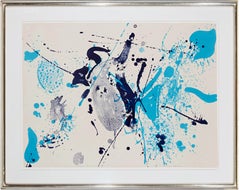
Sam Francis, Blue-Violet, Lithograph, Stanford University Museum, Signed, Framed
By Sam Francis
Located in New York, NY
Sam Francis Blue-Violet (Lembark, L, 32), exhibited at Stanford University Art Museum, 1963 Color lithograph on Rives BFK paper with deckled edges Lithograph in blue-violet on Rives ...
Category

1960s Abstract Expressionist New York - Art

Materials

Lithograph

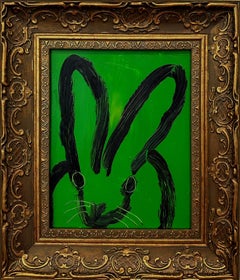
"Hey" Black Outline Bunny on Castleton Green Background Oil Painting Wood Framed
By Hunt Slonem
Located in New York, NY
A wonderful composition of one of Slonem's most iconic subjects, Bunnies. This piece depicts a gestural figure of a black bunny on a castleton green background with thick use of pain...
Category

2010s Neo-Expressionist New York - Art

Materials

Oil, Wood Panel

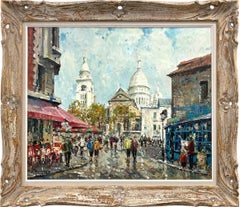
"Montmartre" Post-Impressionist Lively Paris Scene Oil Painting on Canvas Framed
By Jean Salabet
Located in New York, NY
A beautiful oil on canvas painting by the French artist, Jean Salabet. Salabet was a Parisian painter known for his colorful cityscapes depicting the times of his generation. His wor...
Category

1950s Post-Impressionist New York - Art

Materials

Canvas, Oil

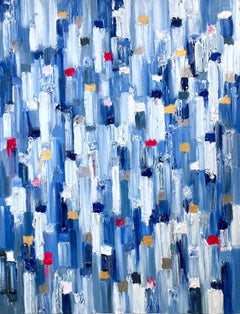
"Dripping Dots - Mallorca" Blue Gold Contemporary Oil Painting on Canvas
By Cindy Shaoul
Located in New York, NY
With layers of bright oils and whisking brush strokes, the paint is able to shine and shimmer in a very unique pattern. The artist uses gold leaf with thick textured oils and glass t...
Category

2010s Contemporary New York - Art

Materials

Silver

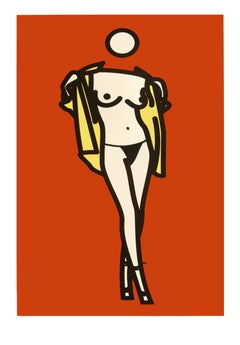
Opie-Woman Taking Off Man’s Shirt Pop Art
By Julian Opie
Located in Brooklyn, NY
This reproduction of Julian Opie's phenomenal image, titled Woman Taking Off Man’s Shirt, captures the striking and distinctive style for which the artist is renowned. Originally pri...
Category

Late 20th Century Contemporary New York - Art

Materials

Screen

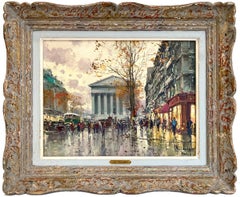
"La Madeleine" Impressionist Parisian Street Scene Oil Painting on Canvas Framed
By Jean Salabet
Located in New York, NY
A beautiful oil on canvas painting by the French artist, Jean Salabet. Salabet was a Parisian painter known for his colorful cityscapes depicting the times of his generation. His wor...
Category

20th Century Post-Impressionist New York - Art

Materials

Canvas, Oil

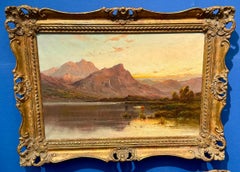
19th century Scottish Lock landscape scene with cows watering with sun setting
By Alfred Fontville de Breanski
Located in Woodbury, CT
Alfred Fontville de Breanski (British, 1877–1957) Scottish Loch Scene, oil on canvas, circa early 20th century This luminous Highland landscape by Alfred Fontville de Breanski captu...
Category

1880s Victorian New York - Art

Materials

Canvas, Oil

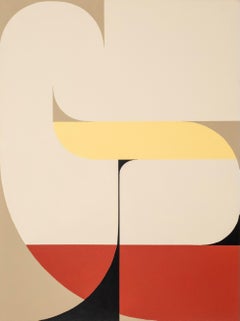
Figure 002, Geometric Abstraction in Red, Yellow Black, 48 x 36 in.
Located in New York, NY
Scott VanderVoort’s Figure 002 is a 48 x 36 inch contemporary abstract painting that can be installed vertically or horizontally (as shown in the accompanying images). In either orie...
Category

2010s Contemporary New York - Art

Materials

Canvas, Acrylic

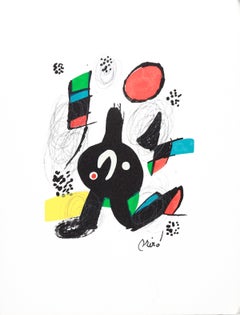
Joan Miro, The Acid Melody, from La Melodie acide, 1980
By Joan Miró
Located in Southampton, NY
This exquisite lithograph by Joan Miro (1893–1983), titled La Melodie acide (The Acid Melody), from the folio 14 original lithographs by Joan Miro "La Melodie acide" (The Acid Melody...
Category

1980s Modern New York - Art

Materials

Lithograph

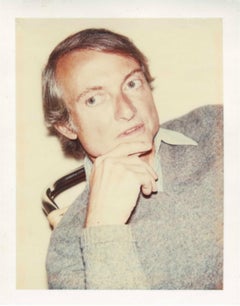
Unique portrait of Roy Lichtenstein, Authenticated by the Andy Warhol Foundation
By Andy Warhol
Located in New York, NY
Andy Warhol Portrait of Roy Lichtenstein, 1975 Polaroid dye-diffusion print Authenticated by the Andy Warhol Foundation for the Visual Arts, bears the Foundation stamp verso Frame included: Framed in white wood frame with UV plexiglass; with die-cut window in the back to show official Warhol Foundation authentication stamp and text Measurements: 9 9/16 x 8 9/16 x 9/16 inches (frame) 3 1/2 x 2 3/4 inches (window) 4.16 x 3.15 inches (Artwork) Authenticated and stamped by the Estate of Andy Warhol/Warhol Foundation for the Visual Arts An impressive piece of Pop Art history! A must-have for fans and collectors of both Andy Warhol and Roy Lichtenstein: This is a unique, authenticated color Polaroid taken by one Pop Art legend, Andy Warhol, of his most formidable contemporary and, in many respects, rival, Roy Lichtenstein. One of only a few portraits Andy Warhol took of Roy Lichtenstein, during one tense photo shoot. Both iconic artists, colleagues and, perhaps lesser known to the public, rivals, would be represented at the time by the renowned Leo Castelli Gallery. The truth is - they were really more rivals than friends. (the rivalry intensified when Warhol, who was working with Walt Disney, discovered that Lichtenstein painted Mickey Mouse before he did!!) Leo Castelli was committed to Roy Lichtenstein, and, it's easy to forget today, wasn't that interested in Warhol as he considered Lichtenstein the greater talent and he could relate better with Roy on a personal level. However, Ivan Karp, who worked at Castelli, was very interested in Warhol, as were some powerful European dealers, as well as many wealthy and influential American and European collectors. That was the start of Warhol's bypassing the traditional gallery model - so that dealers like Castelli could re-discover him after everybody else had. Warhol is known to have taken hundreds of self-portrait polaroid photographs - shoe boxes full - and he took many dozens of images of celebrities like Blondie and Farrah Fawcett. But only a small number of photographic portraits of fellow Pop Art legend Roy Lichtenstein -- each unique,- are known to have appeared on the market over the past half a century - all from the same photo session. This is one of them. There is another Polaroid - from this same (and only) sitting, in the permanent collection of the Getty Museum in California. There really weren't any other collaborations between these two titans, making the resulting portrait from this photo session extraordinary. It is fascinating to study Roy Lichtenstein's face and demeanor in this photograph, in the context of the great sense of competition, but perhaps even greater, albeit uneasy respect, these two larger than life Pop art titans had for each other: Like Leo Castelli, Roy Lichtenstein was Jewish of European descent; whereas Warhol was Catholic and quintessentially American, though also of European (Polish) descent. They were never going to be good friends, but this portrait, perhaps even arranged by Leo Castelli, represents an uneasy acknowledgement there would be room at the top for both of them. Floated, framed with die cut back revealing authentication details, and ready to hang. Measurements: 9 9/16 x 8 9/16 x 9/16 inches (frame) 3 1/2 x 2 3/4 inches (window) 4.16 x 3.15 inches (sheet) Authenticated by the Estate of Andy Warhol/The Andy Warhol Foundation for the Visual Arts. Estate Stamped: Stamped with the Andy Warhol Estate, Warhol Foundation for the Visual Arts stamp, numbered "B 512536P", with the Estate of Andy Warhol stamp and inscribed UP on the reverse. Bears the Warhol Foundation unique inventory number. Roy Lichtenstein Biography Roy Lichtenstein was one of the most influential and innovative artists of the second half of the twentieth century. He is preeminently identified with Pop Art, a movement he helped originate, and his first fully achieved paintings were based on imagery from comic strips and advertisements and rendered in a style mimicking the crude printing processes of newspaper reproduction. These paintings reinvigorated the American art scene and altered the history of modern art. Lichtenstein’s success was matched by his focus and energy, and after his initial triumph in the early 1960s, he went on to create an oeuvre of more than 5,000 paintings, prints, drawings, sculptures, murals and other objects celebrated for their wit and invention. Roy Fox Lichtenstein was born on October 27, 1923, in New York City, the first of two children born to Milton and Beatrice Werner Lichtenstein. Milton Lichtenstein (1893–1946) was a successful real estate broker, and Beatrice Lichtenstein (1896–1991), a homemaker, had trained as a pianist, and she exposed Roy and his sister Rénee to museums, concerts and other aspects of New York culture. Roy showed artistic and musical ability early on: he drew, painted and sculpted as a teenager, and spent many hours in the American Museum of Natural History and the Museum of Modern Art. He played piano and clarinet, and developed an enduring love of jazz, frequenting the nightspots in Midtown to hear it. Lichtenstein attended the Franklin School for Boys, a private junior high and high school, and was graduated in 1940. That summer he studied painting and drawing from the model at the Art Students League of New York with Reginald Marsh. In September he entered Ohio State University (OSU) in Columbus in the College of Education. His early artistic idols were Rembrandt, Daumier and Picasso, and he often said that Guernica (1937; Museo Reina Sofía, Madrid), then on long-term loan to the Museum of Modern Art, was his favorite painting. Even as an undergraduate, Lichtenstein objected to the notion that one set of lines (one person’s drawings) “was considered brilliant, and somebody’s else’s, that may have looked better to you, was considered nothing by almost everyone.”i Lichtenstein’s questioning of accepted canons of taste was encouraged by Hoyt L. Sherman, a teacher whom he maintained was the person who showed him how to see and whose perception-based approach to art shaped his own. In February 1943, Lichtenstein was drafted, and he was sent to Europe in 1945. As part of the infantry, he saw action in France, Belgium and Germany. He made sketches throughout his time in Europe and, after peace was declared there, he intended to study at the Sorbonne. Lichtenstein arrived in Paris in October 1945 and enrolled in classes in French language and civilization, but soon learned that his father was gravely ill. He returned to New York in January 1946, a few weeks before Milton Lichtenstein died. In the spring of that year, Lichtenstein went back to OSU to complete his BFA and in the fall he was invited to join the faculty as an instructor. In June 1949, he married Isabel Wilson Sarisky (1921–80), who worked in a cooperative art gallery in Cleveland where Lichtenstein had exhibited his work. While he was teaching, Lichtenstein worked on his master’s degree, which he received in 1949. During his second stint at OSU, Lichtenstein became closer to Sherman, and began teaching his method on how to organize and unify a composition. Lichtenstein remained appreciative of Sherman’s impact on him. He gave his first son the middle name of “Hoyt,” and in 1994 he donated funds to endow the Hoyt L. Sherman Studio Art Center at OSU. In the late 1940s and early 1950s, Lichtenstein began working in series and his iconography was drawn from printed images. His first sustained theme, intimate paintings and prints in the vein of Paul Klee that poked lyrical fun at medieval knights, castles and maidens, may well have been inspired by a book about the Bayeux Tapestry. Lichtenstein then took an ironic look at nineteenth-century American genre paintings he saw in history books, creating Cubist interpretations of cowboys and Indians spiked with a faux-primitive whimsy. As with his most celebrated Pop paintings of the 1960s, Lichtenstein gravitated toward what he would characterize as the “dumbest” or “worst” visual item he could find and then went on to alter or improve it. In the 1960s, commercial art was considered beneath contempt by the art world; in the early 1950s, with the rise of Abstract Expressionism, nineteenth-century American narrative and genre paintings were at the nadir of their reputation among critics and collectors. Paraphrasing, particularly the paraphrasing of despised images, became a paramount feature of Lichtenstein’s art. Well before finding his signature mode of expression in 1961, Lichtenstein called attention to the artifice of conventions and taste that permeated art and society. What others dismissed as trivial fascinated him as classic and idealized—in his words, “a purely American mythological subject matter.”ii Lichtenstein’s teaching contract at OSU was not renewed for the 1951–52 academic year, and in the autumn of 1951 he and Isabel moved to Cleveland. Isabel Lichtenstein became an interior decorator specializing in modern design, with a clientele drawn from wealthy Cleveland families. Whereas her career blossomed, Lichtenstein did not continue to teach at the university level. He had a series of part-time jobs, including industrial draftsman, furniture designer, window dresser and rendering mechanical dials for an electrical instrument company. In response to these experiences, he introduced quirkily rendered motors, valves and other mechanical elements into his paintings and prints. In 1954, the Lichtensteins’ first son, David, was born; two years later, their second child, Mitchell, followed. Despite the relative lack of interest in his work in Cleveland, Lichtenstein did place his work with New York dealers, which always mattered immensely to him. He had his first solo show at the Carlebach Gallery in New York in 1951, followed by representation with the John Heller Gallery from 1952 to 1957. To reclaim his academic career and get closer to New York, Lichtenstein accepted a position as an assistant professor at the State University of New York at Oswego, in the northern reaches of the state. He was hired to teach industrial design, beginning in September 1957. Oswego turned out to be more geographically and aesthetically isolated than Cleveland ever was, but the move was propitious, for both his art and his career. Lichtenstein broke away from representation to a fully abstract style, applying broad swaths of pigment to the canvas by dragging the paint across its surface with a rag wrapped around his arm. At the same time, Lichtenstein was embedding comic-book characters figures such as Mickey Mouse and Donald Duck in brushy, expressionistic backgrounds. None of the proto-cartoon paintings from this period survive, but several pencil and pastel studies from that time, which he kept, document his intentions. Finally, when he was in Oswego, Lichtenstein met Reginald Neal, the new head of the art department at Douglass College, the women’s college of Rutgers University, in New Brunswick, New Jersey. The school was strengthening and expanding its studio art program, and when Neal needed to add a faculty member to his department, Lichtenstein was invited to apply for the job. Lichtenstein was offered the position of assistant professor, and he began teaching at Douglass in September 1960. At Douglass, Lichtenstein was thrown into a maelstrom of artistic ferment. With New York museums and galleries an hour away, and colleagues Geoffrey Hendricks and Robert Watts at Douglass and Allan Kaprow and George Segal at Rutgers, the environment could not help but galvanize him. In June 1961, Lichtenstein returned to the idea he had fooled around with in Oswego, which was to combine cartoon characters from comic books with abstract backgrounds. But, as Lichtenstein said, “[I]t occurred to me to do it by mimicking the cartoon style without the paint texture, calligraphic line, modulation—all the things involved in expressionism.”iii Most famously, Lichtenstein appropriated the Benday dots, the minute mechanical patterning used in commercial engraving, to convey texture and gradations of color—a stylistic language synonymous with his subject matter. The dots became a trademark device forever identified with Lichtenstein and Pop Art. Lichtenstein may not have calibrated the depth of his breakthrough immediately but he did realize that the flat affect and deadpan presentation of the comic-strip panel blown up and reorganized in the Sherman-inflected way “was just so much more compelling”iv than the gestural abstraction he had been practicing. Among the first extant paintings in this new mode—based on comic strips and illustrations from advertisements—were Popeye and Look Mickey, which were swiftly followed by The Engagement Ring, Girl with Ball and Step-on Can with Leg. Kaprow recognized the energy and radicalism of these canvases and arranged for Lichtenstein to show them to Ivan Karp, director of the Leo Castelli Gallery. Castelli was New York’s leading dealer in contemporary art, and he had staged landmark exhibitions of Jasper Johns and Robert Rauschenberg in 1958 and Frank Stella in 1960. Karp was immediately attracted to Lichtenstein’s paintings, but Castelli was slower to make a decision, partly on account of the paintings’ plebeian roots in commercial art, but also because, unknown to Lichtenstein, two other artists had recently come to his attention—Andy Warhol and James Rosenquist—and Castelli was only ready for one of them. After some deliberation, Castelli chose to represent Lichtenstein, and the first exhibition of the comic-book paintings was held at the gallery from February 10 to March 3, 1962. The show sold out and made Lichtenstein notorious. By the time of Lichtenstein’s second solo exhibition at Castelli in September 1963, his work had been showcased in museums and galleries around the country. He was usually grouped with Johns, Rauschenberg, Warhol, Rosenquist, Segal, Jim Dine, Claes Oldenburg, Robert Indiana and Tom Wesselmann. Taken together, their work was viewed as a slap in the face to Abstract Expressionism and, indeed, the Pop artists shifted attention away from many members of the New York School. With the advent of critical and commercial success, Lichtenstein made significant changes in his life and continued to investigate new possibilities in his art. After separating from his wife, he moved from New Jersey to Manhattan in 1963; in 1964, he resigned from his teaching position at Douglass to concentrate exclusively on his work. The artist also ventured beyond comic book subjects, essaying paintings based on oils by Cézanne, Mondrian and Picasso, as well as still lifes and landscapes. Lichtenstein became a prolific printmaker and expanded into sculpture, which he had not attempted since the mid-1950s, and in both two- and three-dimensional pieces, he employed a host of industrial or “non-art” materials, and designed mass-produced editioned objects that were less expensive than traditional paintings and sculpture. Participating in one such project—the American Supermarket show in 1964 at the Paul Bianchini Gallery, for which he designed a shopping bag—Lichtenstein met Dorothy Herzka (b. 1939), a gallery employee, whom he married in 1968. The late 1960s also saw Lichtenstein’s first museum surveys: in 1967 the Pasadena Art Museum initiated a traveling retrospective, in 1968 the Stedelijk Musem in Amsterdam presented his first European retrospective, and in 1969 he had his first New York retrospective, at the Solomon R. Guggenheim Museum. Wanting to grow, Lichtenstein turned away from the comic book subjects that had brought him prominence. In the late 1960s his work became less narrative and more abstract, as he continued to meditate on the nature of the art enterprise itself. He began to explore and deconstruct the notion of brushstrokes—the building blocks of Western painting. Brushstrokes are conventionally conceived as vehicles of expression, but Lichtenstein made them into a subject. Modern artists have typically maintained that the subject of a painting is painting itself. Lichtenstein took this idea one imaginative step further: a compositional element could serve as the subject matter of a work and make that bromide ring true. The search for new forms and sources was even more emphatic after 1970, when Roy and Dorothy Lichtenstein bought property in Southampton, New York, and made it their primary residence. During the fertile decade of the 1970s, Lichtenstein probed an aspect of perception that had steadily preoccupied him: how easily the unreal is validated as the real because viewers have accepted so many visual conceptions that they don’t analyze what they see. In the Mirror series, he dealt with light and shadow upon glass, and in the Entablature series, he considered the same phenomena by abstracting such Beaux-Art architectural elements as cornices, dentils, capitals and columns. Similarly, Lichtenstein created pioneering painted bronze sculpture that subverted the medium’s conventional three-dimensionality and permanence. The bronze forms were as flat and thin as possible, more related to line than volume, and they portrayed the most fugitive sensations—curls of steam, rays of light and reflections on glass. The steam, the reflections and the shadow were signs for themselves that would immediately be recognized as such by any viewer. Another entire panoply of works produced during the 1970s were complex encounters with Cubism, Futurism, Purism, Surrealism and Expressionism. Lichtenstein expanded his palette beyond red, blue, yellow, black, white and green, and invented and combined forms. He was not merely isolating found images, but juxtaposing, overlapping, fragmenting and recomposing them. In the words of art historian Jack Cowart, Lichtenstein’s virtuosic compositions were “a rich dialogue of forms—all intuitively modified and released from their nominal sources.”v In the early 1980s, which coincided with re-establishing a studio in New York City, Lichtenstein was also at the apex of a busy mural career. In the 1960s and 1970s, he had completed four murals; between 1983 and 1990, he created five. He also completed major commissions for public sculptures in Miami Beach, Columbus, Minneapolis, Paris, Barcelona and Singapore. Lichtenstein created three major series in the 1990s, each emblematic of his ongoing interest in solving pictorial problems. The Interiors, mural-sized canvases inspired by a miniscule advertisement in an Italian telephone...
Category

1970s Pop Art New York - Art

Materials

Polaroid

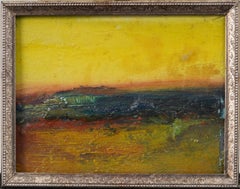
Vintage American Modernist Abstract Landscape Framed Original Oil Painting
Located in Buffalo, NY
Vintage American modernist abstract landscape oil painting. Oil on board. Framed. Measuring: 4 by 5 inches overall, and 3.5 by 4.5 painting alone.. In excellent original condition. ...
Category

1950s Abstract Expressionist New York - Art

Materials

Canvas, Oil

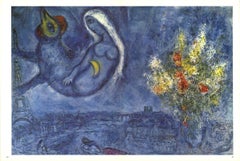
Marc Chagall Bouquet of Flowers Above Paris 1969- Vintage Offset
By Marc Chagall
Located in Brooklyn, NY
This double-page offset lithograph, printed on pages 20 and 21 of Derrière le Miroir (DLM) No. 182, features a fold line down the center, as originally issued. The artwork depicts a ...
Category

1960s New York - Art

Materials

Offset

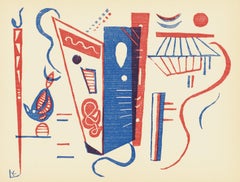
Wassily Kandinsky, Komposition, from XXe siecle, 1939
By Wassily Kandinsky
Located in Southampton, NY
This exquisite woodcut by Wassily Kandinsky (1866–1944), titled Komposition (Composition), from the album XXe siecle, Chroniques du jour, 13 rue Valette (5e), Directeur G. di San Laz...
Category

1930s Modern New York - Art

Materials

Woodcut

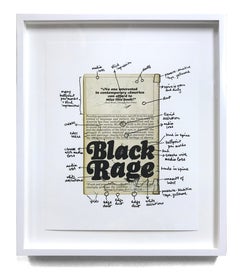
Black Rage, silkscreen print with COA Signed 53/100 by Glenn Ligon, Framed
By Glenn Ligon
Located in New York, NY
Renowned contemporary conceptual African American artist Glenn Ligon Black Rage (back cover), 2019 Silkscreen and digital print Edition number 53/100 Accompanied by an official Certi...
Category

2010s Contemporary New York - Art

Materials

Digital, Screen

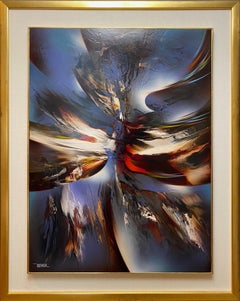
Moonlight, Abstract Expressionist Oil Painting on Board by Leonardo Nierman
By Leonardo Nierman
Located in Long Island City, NY
Leonardo Nierman, Mexican (1932 - 2023) - Moonlight, Medium: Oil on board, Size: 32 x 24 in. (81.28 x 60.96 cm), Frame Size: 40 x 32 inches
Category

Late 20th Century Abstract Expressionist New York - Art

Materials

Oil

Ellsworth Kelly, Orange Shape, from Derriere le Miroir, 1958
By Ellsworth Kelly
Located in Southampton, NY
This exquisite lithograph by Ellsworth Kelly (1923–2015), titled Forme Orange (Orange Shape), originates from the historic 1958 folio Derriere le Miroir, No. 110. Published by Maeght...
Category

1950s Hard-Edge New York - Art

Materials

Lithograph

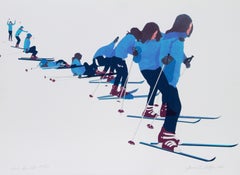
Don t Give Up, Skiing Lithograph by Joanne Seltzer
By Joanne Seltzer
Located in Long Island City, NY
Artist: Joanne Seltzer Title: Don't Give Up Year: 1980 Medium: Lithograph, signed and numbered in pencil Edition: 200 + AP's Paper Size: 22 x 30 inches
Category

1980s Contemporary New York - Art

Materials

Lithograph

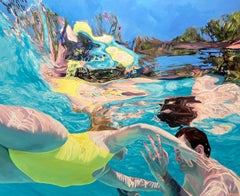
Summer Solstice: Photo-Realist Figurative Oil Paining of Two Swimmers in Aqua
By Samantha French
Located in Hudson, NY
"Summer Solstice", this photo-realist painting of a man and a woman swimming in a pool is painted by Hudson Valley artist, Samantha French made in 2024...
Category

2010s Photorealist New York - Art

Materials

Canvas, Oil

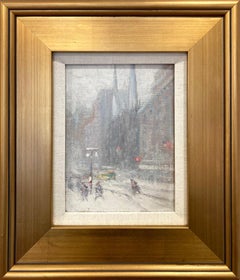
"St. Patrick s Cathedral" Impressionist Snow Street Scene Oil on Canvas Board
By Johann Berthelsen, 1883-1972
Located in New York, NY
A stunning and pertinent example of Berthelsen's charming New York City winter scenes depicting St. Patrick's Cathedral in the snow. St. Patrick’s Cathedral is the largest Roman Cath...
Category

Mid-20th Century American Impressionist New York - Art

Materials

Canvas, Oil, Board

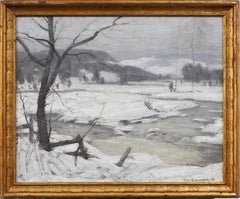
Antique American Winter Impressionist Snow Landscape Framed Rare Oil Painting
Located in Buffalo, NY
Antique American impressionist landscape oil painting by Cecil Chichester (1891 - 1963). Oil on canvas. Framed. Signed. Measuring: 19 by 23 inches overall, and 16 by 20 painting alo...
Category

1920s Impressionist New York - Art

Materials

Canvas, Oil

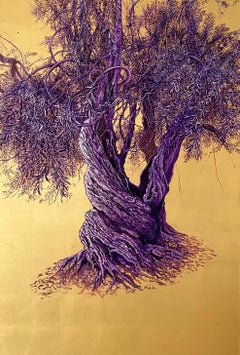
Grandiose - Realist purple lavender Olive Tree, golden background, nature
By Anastasia Gklava
Located in Dallas, TX
"Grandiose", Purple Olive Tree with Golden Background. Oil and gold leaf on canvas, black and gold silhouette frame 150h × 100w × 4d cm 59.06h × 39.37w × 1.57d inches Anastasia Gkl...
Category

2010s Contemporary New York - Art

Materials

Gold Leaf

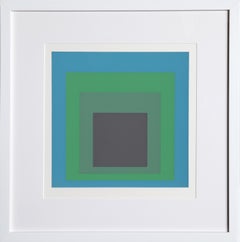
Homage to the Square - P2, F14, I1 - Geometric Screenprint by Josef Albers
By Josef Albers
Located in Long Island City, NY
"Homage to the Square - Portfolio 2, Folder 14, Image 1" from the portfolio “Formulation: Articulation” created by Josef Albers in 1972. This monumental series consists of 127 origin...
Category

1970s Abstract Geometric New York - Art

Materials

Screen

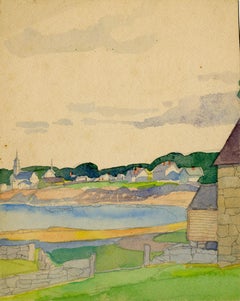
Chapel and houses along a lake, New England Landscape - American School, 19th C
Located in Middletown, NY
Watercolor and pencil on buff wove watercolor paper, 10 x 8 inches (255 x 203 mm). In good condition with overall minor toning. Some watercolor paint splatters on the verso, contem...
Category

Early 1900s American Modern New York - Art

Materials

Watercolor, Pencil

Henri Matisse, Miss L.L., from Portraits by Henri Matisse, 1954 (after)
By Henri Matisse
Located in Southampton, NY
This exquisite lithograph after Henri Matisse (1869–1954), titled Mademoiselle L.L. (Miss L.L.), from the album Portraits par Henri Matisse (Portraits by Henri Matisse), originates f...
Category

1950s Fauvist New York - Art

Materials

Lithograph

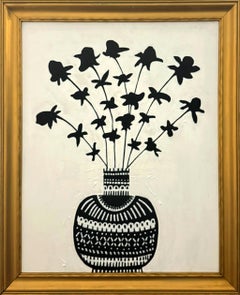
Bouquet of Love
Located in Brooklyn, NY
This painting, a symbol of spring and renewal, features a patterned vase that appeared almost instinctively as I worked. It's a quiet tribute to my mother, who filled our home with b...
Category

2010s Abstract New York - Art

Materials

Acrylic

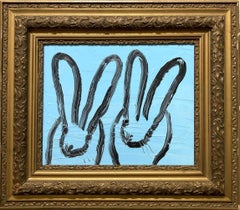
"Double Bunny" Double Bunnies on Light Sky Blue Oil Painting on Wood Framed
By Hunt Slonem
Located in New York, NY
A wonderful composition of one of Slonem's most iconic subjects, Bunnies. This piece depicts 2 gestural figures of back bunnies on a Light Sky Blue background with thick use of paint...
Category

2010s Neo-Expressionist New York - Art

Materials

Oil, Wood Panel

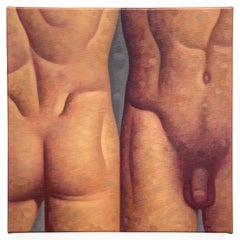
Anatomy Lesson, Segment 10 (Small Figure Painting of Two Muscular Nude Males)
By Robert Goldstrom
Located in Hudson, NY
Anatomy Lesson, Segment 10 (modern figurative oil painting of two nude men from upper thigh to chest) by Robert Goldstrom 2024 oil on linen 12 x 12 inches signed and in excellent con...
Category

2010s Contemporary New York - Art

Materials

Linen, Oil

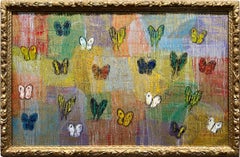
"Question Mark Comma" Butterflies on Silver and Gold Oil Painting on Canvas
By Hunt Slonem
Located in New York, NY
A wonderful composition of one of Slonem's most iconic subjects, Butterflies. This piece depicts delicate multicolor butterflies in ascension placed in a wonderful golden silver land...
Category

2010s Neo-Expressionist New York - Art

Materials

Canvas, Mixed Media, Oil

Still Thinking About These?

All Recently Viewed