Ohio - Art
to
44
884
387
312
153
289
Overall Width
to
Overall Height
to
52
196
1,257
518
53
57
146
130
71
106
189
168
140
55
34
445
327
279
129
55
34
29
24
20
16
8
7
1
949
801
129
567
254
198
192
139
101
99
92
83
80
73
70
55
49
44
38
37
29
28
27
812
300
272
221
221
95
62
57
49
46
558
147
229,081
155,592
Item Ships From: Ohio
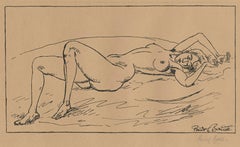
Reclining Nude on Bed
By Rudolf Bauer
Located in Fairlawn, OH
Reclining Nude on Bed
Lithograph, c. 1910
Signed in pencil lower right and in the plate, lower right
Image size: 7-1/4 x 13"
Sheet size: 12 1/2 x 19 inches
Condition: very good
Some aging to the tan paper
Provenance: Estate of the Artist
Borghi & Company, New York
Rudolph Bauer
1889-1953
Rudolf Bauer was born in Lindenwald near Bromberg, Silesia, in 1889 but his family moved only a few years later to Berlin. In 1905 Bauer began his studies at the Berlin Academy of Art but left the Academy only a few months later to educate himself. The upshot was paintings, caricatures and comical drawings which were published in 'Berliner Tageblatt', 'Ulk' and 'Le Figaro'.
From 1912 Bauer contributed to the magazine and Gallery 'Der Sturm' founded by Herwarth Walden and pivotal to German Expressionism and the international avant-garde. In 1915 Rudolf Bauer participated for the first time in a group show at Walden's gallery. There he met Hilla von Rebay, with whom he began a relationship of many years that was crucial to Bauer's later work. By 1922 Bauer had shown work at about eight exhibitions mounted by 'Der Sturm'. From 1918 he also taught at the 'Der Sturm' art school, where Georg Muche was the director. After the war ended, Bauer was a founding member of the 'November Group' although he did not collaborate closely with the group. In 1919 Bauer joined forces with the painter and architect Otto Nebel and with Hilla von Rebay to found the artists' association 'Die Krater'. Impressionist at the outset, Bauer's early work reveals Cubist and Expressionist influences. By 1915/16 Bauer had switched to an abstract pictorial idiom, which is markedly influenced by Kandinsky. In the early 1920s Bauer was also preoccupied with Russian Constructivism as well as the Dutch de Stijl group. Bauer's decided preference for non-representational painting culminated in 1929 with the foundation of a private museum, 'Das Geistreich', which he directed as a salon for abstract art.
Political developments in Germany forced Bauer to sell some of his work in America from 1932. His agent in America was Hilla von Rebay, who was by now director of the Guggenheim Collection. In 1936 she organized a touring exhibition of non-representational European art that included sixty Rudolf Bauer oil...
Category
1910s Jugendstil Ohio - Art
Materials
Lithograph
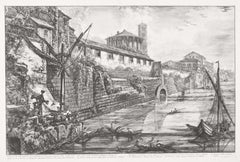
View of the Ancient Structure built by Tarquinius Superbus called the Bel Lido
By Giovanni Battista Piranesi
Located in Fairlawn, OH
View of the Ancient Structure built by Tarquinius Superbus called the Bel Lido, and like others built by Marcus Agrippa in the time of Augustus when he cleaned all the sewers leading...
Category
1750s Old Masters Ohio - Art
Materials
Etching
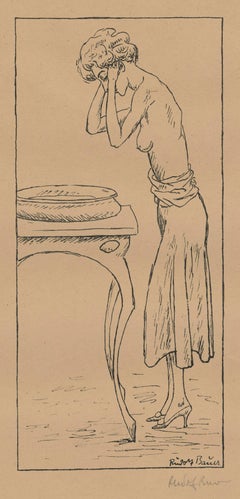
untitled (Young Woman Washing)
By Rudolf Bauer
Located in Fairlawn, OH
untitled (Young Woman Washing)
Lithograph, c. 1910
Signed in pencil lower right; signed in the plate lower right (see photo)
Image size: 11 x 5-1/8"
Sheet size: 18 7/8 x 12 5/8 inches
Condition: Very good
Aging to the tan paper it is printed on
Provenance: Estate of the Artist
Borghi & Company, NYC
Rudolph Bauer
1889-1953
Rudolf Bauer was born in Lindenwald near Bromberg, Silesia, in 1889 but his family moved only a few years later to Berlin. In 1905 Bauer began his studies at the Berlin Academy of Art but left the Academy only a few months later to educate himself. The upshot was paintings, caricatures and comical drawings which were published in 'Berliner Tageblatt', 'Ulk' and 'Le Figaro'.
From 1912 Bauer contributed to the magazine and Gallery 'Der Sturm' founded by Herwarth Walden and pivotal to German Expressionism and the international avant-garde. In 1915 Rudolf Bauer participated for the first time in a group show at Walden's gallery. There he met Hilla von Rebay, with whom he began a relationship of many years that was crucial to Bauer's later work. By 1922 Bauer had shown work at about eight exhibitions mounted by 'Der Sturm'. From 1918 he also taught at the 'Der Sturm' art school, where Georg Muche was the director. After the war ended, Bauer was a founding member of the 'November Group' although he did not collaborate closely with the group. In 1919 Bauer joined forces with the painter and architect Otto Nebel and with Hilla von Rebay to found the artists' association 'Die Krater'. Impressionist at the outset, Bauer's early work reveals Cubist and Expressionist influences. By 1915/16 Bauer had switched to an abstract pictorial idiom, which is markedly influenced by Kandinsky. In the early 1920s Bauer was also preoccupied with Russian Constructivism as well as the Dutch de Stijl group. Bauer's decided preference for non-representational painting culminated in 1929 with the foundation of a private museum, 'Das Geistreich', which he directed as a salon for abstract art.
Political developments in Germany forced Bauer to sell some of his work in America from 1932. His agent in America was Hilla von Rebay, who was by now director of the Guggenheim Collection. In 1936 she organized a touring exhibition of non-representational European art that included sixty Rudolf Bauer oil...
Category
1910s Jugendstil Ohio - Art
Materials
Lithograph
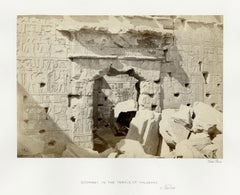
Doorway in the Temple of Kalabshe, Nubia
By Francis Frith
Located in Fairlawn, OH
Doorway in the Temple of Kalabshe, Nubia
Original gold toned albumin photograph, c. 1862
Unsigned as is usual
From: Upper Egypt and Ethiopia, c. 1862, Vol 1, (36 plates)
Published by...
Category
1860s Romantic Ohio - Art
Materials
Photographic Paper
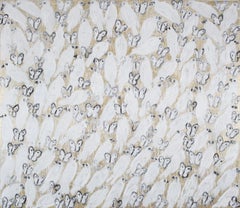
Abraham
s Peace Plan
By Hunt Slonem
Located in Woodmere, OH
Doves and Butterflies on Scored Gold...Peace Plan
Category
2010s Contemporary Ohio - Art
Materials
Oil
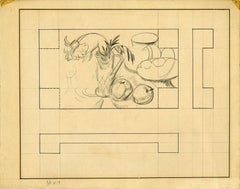
untitled (Still Life with Apples and Vase of Flowers)
By William Sommer
Located in Fairlawn, OH
[recto];untitled (Sketches for Still
Unsigned
9 1/2 x 12 inches (24.2 x 30.6 cm.)
Category
20th Century Ohio - Art
Materials
Graphite
The Garden of Love (after Peter Paul Rubens [1577-1640]
By Christoffel Jegher
Located in Fairlawn, OH
The Garden of Love (after Peter Paul Rubens [1577-1640])
Woodcut diptych, c. 1633-1636
Each of the two sheets is signed in the plate lower right
A posthumous impression with tiny wor...
Category
17th Century Old Masters Ohio - Art
Materials
Woodcut
![The Garden of Love (after Peter Paul Rubens [1577-1640]](https://a.1stdibscdn.com/christoffel-jegher-1596-1652-3-netherlands-prints-works-on-paper-the-garden-of-love-after-peter-paul-rubens-1577-1640-for-sale/a_140/a_147163221719706543029/FA1849_montage_master.jpg?width=240 "Christoffel Jegher - The Garden of Love (after Peter Paul Rubens [1577-1640]")
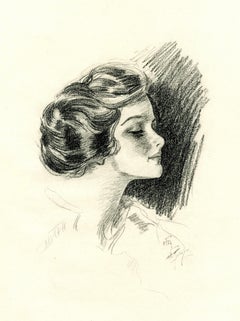
Young Lady in Profile
By Harrison M. Fisher
Located in Fairlawn, OH
Young Lady in Profile (Dorothy Gibson)
Graphite on paper, c. 1915
Signed lower right (see photo).
The sitter for this drawing, along with a huge number of Harrison Fisher’s works, i...
Category
1910s American Impressionist Ohio - Art
Materials
Graphite
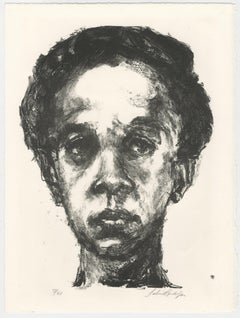
America
s Mom II (Small Leticia)
By Sedrick Huckaby
Located in Fairlawn, OH
America's Mom II (Small Leticia)
Lithograph, 2016
Signed and numbered in pencil by the artist
Series: America's Family II (Four images)
Edition: 40, of which 20 were retained by the ...
Category
2010s Contemporary Ohio - Art
Materials
Lithograph
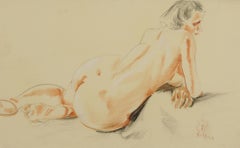
Reclining Female Nude
By Henry George Keller
Located in Fairlawn, OH
Reclining Female Nude
Charcoal and colored chalks with white highlights on tan laid paper, c. 1948
Signed and monogrammed by the artist lower right
(see photo)
A masterpiece dr...
Category
1940s American Modern Ohio - Art
Materials
Chalk
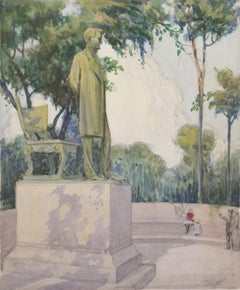
Standing Lincoln: The Man, Lincoln Park, Illinois
By Louis Oscar Griffith
Located in Fairlawn, OH
Standing Lincoln: The Man, Lincoln Park, Illinois
Watercolor and graphite on paper , c. 1895
Signed in script lower right (see photo)
The scene depicts the Augustus Saint-Gaudens bro...
Category
1890s American Impressionist Ohio - Art
Materials
Watercolor
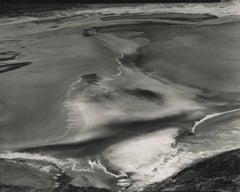
Dante
s View, Death Valley, printed later
By Edward Weston
Located in Fairlawn, OH
Dante's View, Death Valley
Gelatin silver print, (1938), printed in 1981
Unsigned
Signed with the estate stamp verso (see photo)
A lifetime printing by Brett Weston (1953-1954), supe...
Category
1980s American Modern Ohio - Art
Materials
Silver Gelatin
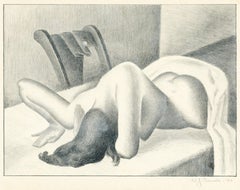
Untitled (Reclining nude, face down)
Located in Fairlawn, OH
Untitled (Reclining nude, face down)
Lithograph, 1944
Signed and dated lower right in pencil
Image size: 8 13/16 x 11 7/8 inches
Sheet Size: 11 1/8 x 18 3/4 inches
Condition: Aging ...
Category
1940s Art Deco Ohio - Art
Materials
Lithograph
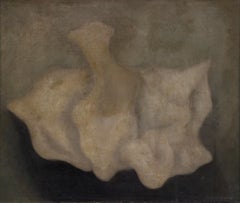
"Sand-Orange" Abstract Figural Amorphous Figure, Mid-century Isreali Artist
Located in Beachwood, OH
Jacques Mory-Katmor (Israeli, 1938-2001)
Sand-Orange, 1965
Oil on canvas
Signed lower right, titled verso
13 x 16 inches
14 x 17 inches, framed
Jacques Mory-Katmor was a 20th Centur...
Category
1960s Ohio - Art
Materials
Oil
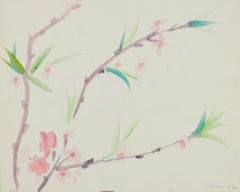
Plum Branches and Flowers
By Joseph O
Sickey
Located in Fairlawn, OH
Plum Branches and Flowers
watercolor on wove paper, 1985
Signed and dated in pencil lower right corner
From the artist's 1985 sketchbook
Inspired by O'Sickey's love of Japanese and Chinese art and calligraphy.
Provenance: Estate of the artist
Condition: Excellent
Image/Sheet size: 13 5/8 x 17 inches
Joseph B. O’Sickey, Painter
1974 CLEVELAND ARTS PRIZE FOR VISUAL ARTS
The title conferred on him by Plain Dealer art critic Steve Litt in a 1994 article, “the dean of painting in northeast Ohio,” must have pleased Joseph O'Sickey. It was more than 30 years since he had burst onto the local (and national) art scene. O’Sickey was already in his 40s in that spring of 1962 when he had his first one-man show at the Akron Art Museum and was signed by New York’s prestigious Seligmann Galleries, founded in 1888. In the decade and a half that followed, he would have seven one-man shows at Seligmann, which had showed the work of such trailblazing figures as Seurat, Vuilliard, Bonnard, Leger and Picasso, and appear in all of the group shows.
O’Sickey took the Best Painting award in the 1962 May Show at the Cleveland Museum of Art (CMA). He and would capture the same honor in back-to-back May Shows in 1964 and ’65, and again in 1967. The remarkable thing, noted the Plain Dealer’s Helen Borsick, was that he accomplished this sweep in a variety of painterly styles, even using that most hackneyed of subjects, flowers. “The subject doesn’t matter,” he told her, “what the artist brings to it is the important thing.” O’Sickey’s garden and landscape paintings were big and bold, eschewing delicate detail in favor of vitality and impact. The great art collector and CMA benefactor Katherine C. White, standing before one of O’Sickey’s vivid garden paintings, compared the sensation to “being pelted with flowers.”
Though he might represent an entire blossom with one or two smudged brush strokes or a stem with a simple sweep of green, O’Sickey rejected the moniker of Impressionist—or Pointillist or Abstract painter or Expressionist. “My work,” he said, “is a direct response to the subject. I believe in fervor and poetic metaphor. I try to make each color and shape visible and identifiable within the context of surrounding colors and shapes. A yellow must hold its unique quality from any another yellow or surrounding color, and yet read as a lemon or an object, by inference. It does not require shading or modeling—the poetic evocation is part of the whole.”
“The subject,” O’Sickey used to tell his students at Kent State University, where he taught painting from 1964 to 1989, “has to be seen as a whole and the painting has to be structured to be seen as a whole.” He liked to think of it as “a process of controlled rapture.”
When, in the 1960s, fond childhood memories drew him to the zoo, he found himself responding to the caged animals in their lonely dignity (or indignity) with sharp-edged, almost silhouette-like forms that evoked Matisse’s paintings and cut-paper assemblages. One observer was left with the impression that the artist had “looked at these animals, past daylight and into dusk when they lose their details in shadow and become pure shapes, with eyes that are seeing the viewer rather than the other way around. This is a world of shape and essence,” wrote Helen Borsick. “All is simplification.”
O’Sickey attributed his ability to capture his subjects with just a few strokes—in an almost iconographic way—to a rigorous exercise he had imposed upon himself over a period of several months. Limiting his tools to a large No. 6 bristle brush and black ink, he set himself the task of drawing his pet parakeet and the other small objects in its cage (cuttlebone, feeding dish, tinkling bell) hundreds of times. The exercise gave him “invaluable insights into painting. . . . Because of the crudity of the medium, every part of these drawings had to be an invention and every mark had to have its room and clarity.” Then he began adding one color at a time—“still with the same brush and striving for the same clarity”—and headed off to the zoo where “the world opened up to me. I learned how little it took to express the subject.”
Born in Detroit at the close of the First World War, O’Sickey grew up in St. Stanislaus parish near East 65th and Fleet on Cleveland’s southeast side. (The apostrophe was inserted into the family’s proud Polish name by a clerk at Ellis Island.) An early interest in drawing and painting may have been kindled by the presence on the walls of Charles Dickens Elementary School, one of only three grade schools in the district with a special focus on the arts, of masterful watercolors by such Cleveland masters as Paul Travis, Frank N. Wilcox and Bill Coombes.
As a youngster O’Sickey took drawing classes at the Cleveland Museum of Art, and he and his brother spent hours copying famous paintings; while a student at East Tech High School in the mid-’30s, he attended free evening classes in life drawing with Travis and Ralph Stoll at the John Huntington Art and Polytechnic Institute, and Saturday classes at the Cleveland School (later the Cleveland Institute) of Art, where he earned his degree in 1940 under the tutelage of Travis, Stoll and such other legendary figures as Henry Keller, Carl Gaertner, William Eastman, Kenneth Bates...
Category
1980s Contemporary Ohio - Art
Materials
Watercolor
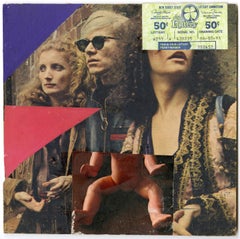
Viva, Warhol and Ultra Violet
By Jack Roth
Located in Fairlawn, OH
Viva, Warhol and Ultra Violet
Collage on board, 1973
Signed with estate stamp on reverse (see photo)
The original photograph used in this collage depicts Viva (Susan Hoffman, born 19...
Category
1970s Pop Art Ohio - Art
Materials
Other Medium
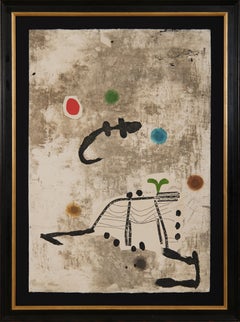
Personatge I Estels II, 1979
By Joan Miró
Located in Beachwood, OH
Joan Miró (Spanish, 1893-1983)
"Personatge I Estels II," 1979
Etching, aquatint in colors with embossing on Arches wove paper
Signed in pencil lower right, numbered 26/50 lower left
...
Category
1970s Abstract Ohio - Art
Materials
Etching, Aquatint
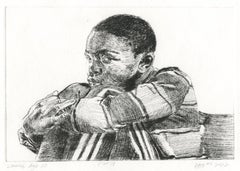
Darius at 10
By Darius Steward
Located in Fairlawn, OH
Darius at 10
Drypoint, 2022
Signed, titled and numbered in pencil
Printed by Rebekah Wilhelm
Her drystamp lower right
Published by the artist
Edition 14, plus proofs
Condition: Excel...
Category
2010s American Realist Ohio - Art
Materials
Drypoint
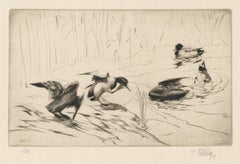
Lice
Located in Fairlawn, OH
Lice (Mallards grooming themselves)
Drypoint, 1927
Signed and dated lower right (see photo)
Titled lower left corner
Condition: Excellent
Image/Plate size: 6 7/8 x 10 3/4 inches
Shee...
Category
1920s American Realist Ohio - Art
Materials
Drypoint
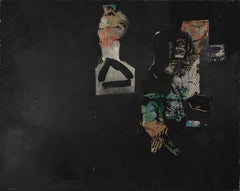
Large Black Figural Abstract 1960s Painting, Mexican American Artist
By Miguel Conde
Located in Beachwood, OH
Miguel Condé (Mexican/American, b. 1939)
Untitled, 1968-9
Oil on canvas
Signed and dated verso
44.25 x 55 inches
Miguel Condé is a Mexican figurative painter, draughtsman, and print...
Category
1960s Abstract Ohio - Art
Materials
Oil
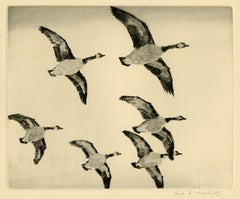
Canadian Geese in Flight
By Paul H. Winchell
Located in Fairlawn, OH
Canadian Geese in Flight
Drypoint printed with plate tone in the sky
c. 1940's
Signed in pencil lower right
Condition: Excellent
Image/Plate size: 8 3/8 x 10 1/4 inches
Provenanc...
Category
1940s American Realist Ohio - Art
Materials
Drypoint
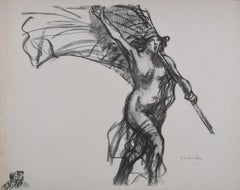
“La Rèpublique nous appelle…” (The Republic calls us…)
By Théophile Alexandre Steinlen
Located in Fairlawn, OH
La République Nous Appelle (The Republic Calls Us)
Transfer lithograph with an etching Remarque in the lower left corner, 1915
Signed in pencil lower right (see photo)
Edition: 100 (...
Category
1910s Ohio - Art
Materials
Lithograph
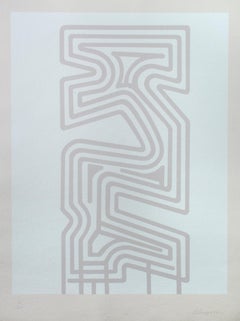
Untitled From: Gates to Times Square (20 screenprints
2 lithographs)
By Chryssa Vardea-Mavromichali
Located in Fairlawn, OH
Untitled
From: Gates to Times Square (20 screenprints, two with additional lithography)
Silkscreen, c. 1978
Signed in pencil (see photo)
Edition 100 (90/100) (see photo)
Publisher: P...
Category
1970s Abstract Ohio - Art
Materials
Screen
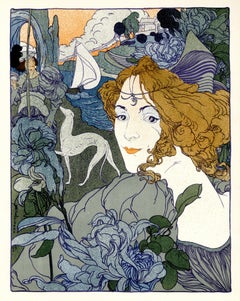
Retour (Homecoming)
By Georges De Feure
Located in Fairlawn, OH
Retour
Color lithograph, 1897
Signed in the stone lower left edge of the image (see photo)
As published in "L'Estampe Moderne"
L'Estampe Moderne appeared each month as a portfolio of...
Category
1890s Art Nouveau Ohio - Art
Materials
Lithograph
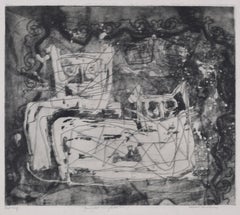
Animal Kingdom (Magnificent Jungle Cats)
By Louise Nevelson
Located in Fairlawn, OH
Animal Kingdom (Magnificent Jungle Cats)
Etching, 1953-1955
Signed and titled in pencil by the artist (see photos)
Annotated: "First Proof" (see photo)
Estate stamp verso (see photo)...
Category
1950s American Modern Ohio - Art
Materials
Etching
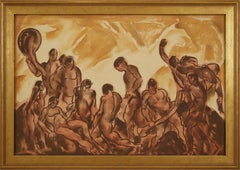
The Struggle, Early 20th Century Figural Group
Located in Beachwood, OH
August Frederick Biehle (1885-1979)
The Struggle, c. 1936
Pastel and graphite on illustration board
Unsigned
17 x 26 inches
20 x 28.5 inches, framed
Provenance: from the estate of Au...
Category
1930s American Modern Ohio - Art
Materials
Pastel, Graphite
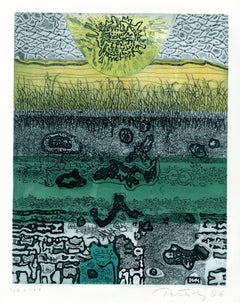
Tommy
s Pond
By Gabor F. Peterdi
Located in Fairlawn, OH
Tommy's Pond
Etching, aquatint and intaglio, 1966
Signed, dated and numbered in pencil
Image/Plate size: 13 7/8 x 10 7/8 inches
Sheet size: : 20 1/16 x 14 7/16 inches
From: The Portf...
Category
1960s American Modern Ohio - Art
Materials
Intaglio
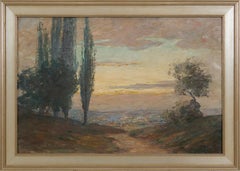
Early 20th Century European Landscape w/ Trees, Cleveland Woman Artist
By May Ames
Located in Beachwood, OH
May Lydia Ames (American, 1863-1943)
European Landscape, 1908
Oil on canvas
Signed and dated lower right
24.25 x 36.25 inches
27.75 x 39.75 inches, framed
May Ames was born in Cleve...
Category
Early 1900s Ohio - Art
Materials
Oil
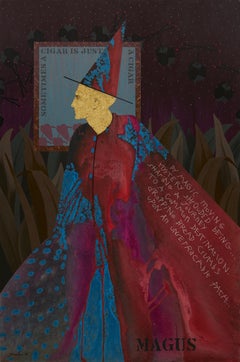
The Magus - Sometimes a Cigar is Just a Cigar, Large Magician Surreal Painting
Located in Beachwood, OH
Dean Drahos (American, 1937-2010)
Sometimes a Cigar is Just a Cigar, 1990
Oil on canvas
Signed and dated lower left
72 x 48 inches
Provenance: Estate of Mr. and Mrs. Dean Drahos, No...
Category
1990s Surrealist Ohio - Art
Materials
Oil
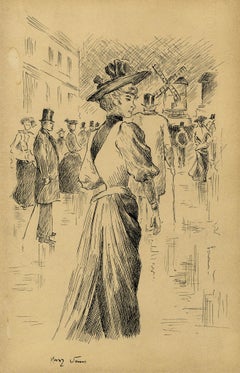
Night Life at the Moulin Rouge
By Henry Somm
Located in Fairlawn, OH
Night Life at the Moulin Rouge
Pen and ink drawing, c. 1890
Signed lower left (see photo)
A scene of the night life near the Moulin Rouge, Paris. The Moulin Rouge is the famous caba...
Category
Late 19th Century French School Ohio - Art
Materials
Ink
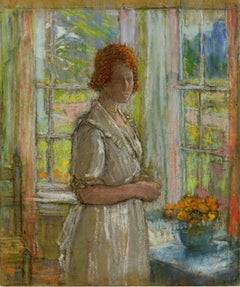
untitled Woman by the Windows
By Karl Albert Buehr
Located in Fairlawn, OH
Untitled (Woman by the Windows)
Unsigned.
Pastel on board, c. 1915
Created while the artist was in Giverny, France
Provenance:
Gift of the artist to his wife, Mary Hess Buehr
by Desc...
Category
1910s Abstract Impressionist Ohio - Art
Materials
Pastel
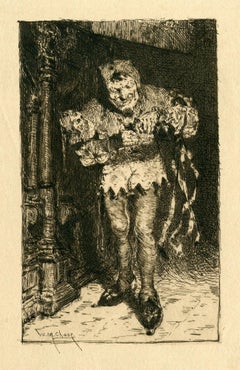
Keying Up - The Court Jester
By William Merritt Chase
Located in Fairlawn, OH
Keying Up - The Court Jester
Etching with drypoint, 1879
Signed in the plate lower left corner (see photos)
Proof before engraved title and engraved names
Printed on thin light golden Japanese tissue paper
In the final state, with engraved titled and typeface engraved artist’s signature below the image
Condition: excellent
Plate size: 6-5/8 x 4-1/4"
According to Pisano, this image was very popular during Chase’s life. It is based on his famous painting, Keying Up-The Court Jester, in the collection of the Pennsylvania Academy of Fine Arts. The painting was created in Munich during the artist’s studies there. It was exhibited in the 1876 Centennial Exhibition in Philadelphia where it won a Medal of Honor and helped establish the artist’s reputation as a leading American painter.
Chase, always conscious of self promotion, created the etching and had numerous impressions printed. He sold them for a modest price to increase his fame. The etching was later published in Sylvester R. Koehler, American Art Review, September 1878. It was for this American Art Review printing that the engraved titled and type face signature below the image were added to the plate.
This example was part of a group of impressions that came down in the Chase family via his daughter Dorothy Bremond Chase, his third daughter. They were acquired at auction in a single auction lot, housed in a paper board folder. The consignor was Associated American Artist’s as they were liquidating their stock prior to closing the gallery.
Dorothy was the subject of Chase’s painting, My Little Daughter Dorothy. C. 1894, in the collection of the Detroit Institute of Arts as well as numerous other portraits of her.
Reference: Pisano/Bake, Volume 1, Pr. 3, illustrates the rare 1st state, this being a 2nd state before any other the engraved title and Chase's name in the bottom margin which are found in the third state.
Artist bio in file (Chase)
In 1883 Chase was involved in the organization of an exhibition to help raise funds for a pedestal for the Statute of Liberty. The exhibition featured loans of three works by Manet and urban scenes by the Italian Impressionist Giuseppe de Nittis. Both artists influenced Chase's Impressionistic style that gave rise to a series of New York park scenes. It is also thought that he was influenced by John Singer Sargent's In the Luxembourg Gardens (1879) which was exhibited in New York at this time. Indeed, Chase had met Sargent in Europe in 1881, the two men becoming lifelong friends with Sargent painting Chase's portrait in 1902.
On another European trip in 1885, Chase met James McNeill Whistler in London. While Whistler had a reputation for being difficult, the two artists got along famously and agreed to paint one another's portrait. Eventually, however, Whistler's moods began to grate with Chase who wrote home stating "I really begin to feel that I never will get away from here". For his part, Whistler criticized Chase's finished portrait and, according to Hirshler, "complained about Chase for the rest of his life". While no record exists of Whistler's portrait of Chase; Chase's portrait of Whistler remains a well-known piece in his oeuvre.
In 1887 Chase married Alice Gerson, the daughter of the manager of a lithography company. Though some fifteen years his junior (Chase was 37), he had known Alice for some time through her family's devotion to the arts. The pair, who would enjoy a happy marriage with Alice in full support of her husband's career, settled initially in Brooklyn where their first child was born. The couple would parent six daughters and two sons and it was only his family that could rival his devotion to his art. Indeed, Chase often combined his two loves by painting several portraits of his wife and children in Brooklyn parks before the couple relocated to Manhattan.
Later Period
Between 1891 and 1902, Chase and his family spent their summers at a purpose-built home and studio in Shinnecock Hills, a close suburb of the upmarket town of Southampton on the south shore of Long Island (roughly 100 miles east of New York). Chase set up, and taught two days a week, at the nearby Shinnecock Hills Summer School of Art which benefitted from the financial backing of local art collectors. It was at Shinnecock that Chase, taken in by the region's striking natural surroundings, painted several Impressionistic landscapes. As Bettis put it, "There, among the dunes, in the bright sunlight and sea air his painterly impulse was given free sway, and he produced some of his freest and loveliest work". His passion for the area was so felt he even gave his daughter Hazel the middle name of Neamaug, in honor of the rich Native American history of Shinnecock. Chase was equally focused on the students that came to the School and who he encouraged to paint in the modern plein air style favored by the French Impressionists.
Although Chase was making a name for himself as an Impressionist, he never abandoned his commitment to the sombre tones and academic tropes he had learned in Munich, though these he reserved for his portraits, and for his series of striking still lifes featuring dead fish. Chase was in fact a successful society portraitist - he painted fashionable women for a fee of $2,000 - and would paint his students as "samples" which he then donated to leading art institutions (such as Lady in Black (1888) which he donated to the Metropolitan Museum in 1891).
In 1896, facing financial difficulties, Chase flirted with the idea of giving up his teaching in New York and traveled with his family to Madrid where he developed a passion for bullfighting. Chase returned however to Shinnecock in June to teach his yearly summer art class, and in the fall of that year, established his own art school in Manhattan: the Chase School which was modelled on the Académie Julian in Paris. Chase lacked business savvy, however, and the Chase School lasted only two years before it was placed under new management. It continued as the New York School of Art (changed to Parsons School of Design starting 1941) with Chase as head the School for eleven more years. Chase also taught during this period at the Pennsylvania Academy of Fine Arts.
In 1902, following the premature death of his friend John Twachtman, Chase was invited to join the Ten American Painters group (who included amongst its members, Frank Weston Benson, Thomas Wilmer Dewing...
Category
1870s American Impressionist Ohio - Art
Materials
Etching
The Arch of Constantine and the Colosseum
By Giovanni Battista Piranesi
Located in Fairlawn, OH
The Arch of Constantine and the Colosseum
Vedute dell' Arco di Costantino, e dell' Anfiteatro Flavio il Colosseo
From: "Vedute di Roma" (Roman Views), part II
An early Paris edition,...
Category
1760s Old Masters Ohio - Art
Materials
Etching

As We Were
By Art Werger
Located in Fairlawn, OH
As We Were
Mezzotint printed on Hannemuelle Copperplate paper, 2014
Signed and dated in pencil lower right (see photo)
Titled lower left (see photo)
Chop stamp of the publisher, The ...
Category
2010s Contemporary Ohio - Art
Materials
Mezzotint
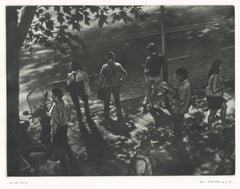
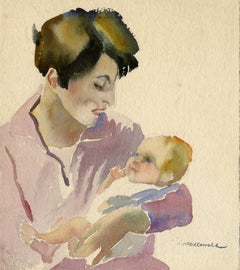
Woman with child
By Robert Hallowell
Located in Fairlawn, OH
Woman with child
Watercolor on paper, c. 1930
Signed with the estate stamp lower right (see photo)
Exhibited: Marbella Gallery, New York
Illustrated: Robert Hallowell: An Artist Redi...
Category
1930s American Impressionist Ohio - Art
Materials
Watercolor
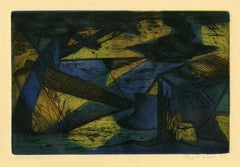
Debris
By Ray H. French
Located in Fairlawn, OH
Debris
Etching, engraving and color aquatint, 1947
Signed, dated, titled and number
Edition: 25 (1/25), never fully realized
Created in the artist's first year studying at the Univer...
Category
Mid-20th Century Abstract Geometric Ohio - Art
Materials
Engraving, Etching, Aquatint
Bull engaging the muleta (Bull Fight)
By Robert Hallowell
Located in Fairlawn, OH
Bull engaging the muleta (Bull Fight)
Signed with the Estate stamp lower left (See photo)
Provenance:
Estate of the Artist
Marbella Gallery Inc., NYC
Refer...
Category
Mid-20th Century American Modern Ohio - Art
Materials
Watercolor
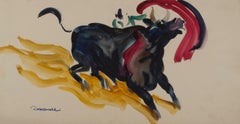
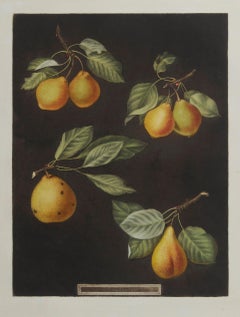
Plate LXXVIII Pears (Valley, Petit Russelet, Doyenne, or Saint Michael, ...
By George Brookshaw
Located in Fairlawn, OH
Plate LXXVIII Pears (Valley, Petit Russelet, Doyenne, or Saint Michael, and the Russselet de Rheims, or Gross Russelet varities).
Aquatint, engraving with some st...
Category
Early 1800s English School Ohio - Art
Materials
Aquatint
French Stacks
By Donald Sultan
Located in Fairlawn, OH
French Stacks
Linocut printed in color
Unsigned
Stamped verso “Imprimerie Arnera Archives/Non Signe”
Printer: Jaime Arnera, Vallarius, France (their stamp verso)
Condition: Printed ...
Category
1980s Abstract Expressionist Ohio - Art
Materials
Linocut
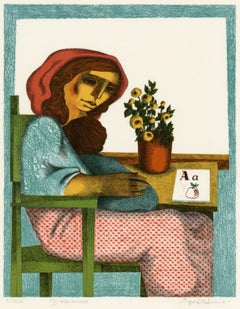
Descanso (Break)
By Jorge Dumas
Located in Fairlawn, OH
Signed, titled and numbered in pencil
Edition: 250 (5/250)
Signed, titled and numbered in pencil
Published by Circle Gallery Ltd.
Printer: Atelier Dumas, New York
Condition: Very good
Atelier Dumas opened in New York printing own work as well as
those of Peter Max, Agam, Romare Bearden, Dali, Erté, Peter Hurd,
Ting, Karl Appel...
Category
1970s Folk Art Ohio - Art
Materials
Lithograph
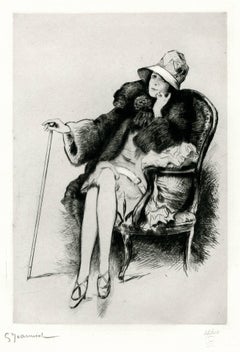
Femme Assie
By Pierre Georges Jeanniot
Located in Fairlawn, OH
Femme assise
Etching with drypoint, c. 1920
Signed in pencil lower left
publisher stamp lower right
Edition: 100 (88/100)
Condition: Excellent
Image size: 11 3/4 x 8 1/4 inches
Cou...
Category
1910s Ohio - Art
Materials
Drypoint, Etching
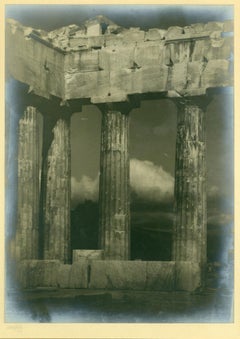
Columns of the Parthenon
By Arnold Genthe
Located in Fairlawn, OH
Columns of the Parthenon
vintage silver bromide print, 1929
Signed in pencil on mount: "Arnold Genthe, 1929"
Illustrated: Arnold Genthe, As I Remember, Reynal & Hitchcock, NY, 1936, ...
Category
1920s American Modern Ohio - Art
Materials
Silver Gelatin
The Mouth of Honey
By George Wesley Bellows
Located in Fairlawn, OH
The Mouth of Honey
Lithographic crayon and mixed media on paper mounted to support paper
Initialed by the artist "GB" bottom center on image. (see photo)
Titled in pencil in bottom m...
Category
1920s Ashcan School Ohio - Art
Materials
Crayon
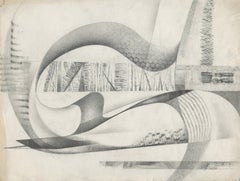
Untitled Abstraction
By Medard P. Klein
Located in Fairlawn, OH
Untitled Abstraction
Graphite on paper. c. 1946
Unsigned
Provenance: Estate of the Artist
Inherited by his neighbor/caregiver
Condition: Staining at corners
...
Category
1940s Abstract Ohio - Art
Materials
Graphite
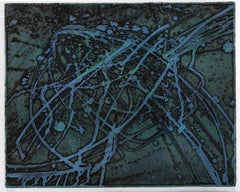
Meduse
By Stanley William Hayter
Located in Fairlawn, OH
Meduse
Etching and aquatint printed in colors, 1958
Signed, titled, numbered and dated in pencil
(see photos)
Edition: 50 (25/50)
Etching and aquatint printed in colors
...
Category
1950s Abstract Ohio - Art
Materials
Etching, Aquatint
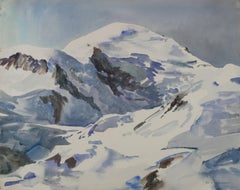
Snowy Peaks (Mont Blanc)
By Robert Hallowell
Located in Fairlawn, OH
Snowy Peaks (Mont Blanc)
Watercolor on paper, c. 1930
Signed "R. Hallowell" lower right (see photo)
The image depicts is of Mont Blanc in France.
Mont Blanc is the highest mountain i...
Category
1930s American Impressionist Ohio - Art
Materials
Watercolor
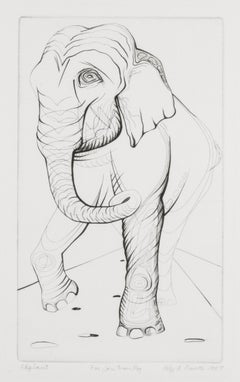
Elephant
By Ray H. French
Located in Fairlawn, OH
Elephant
Engraing, 1957, printed 1988
Signed, dated, and titled in pencil by the artist
Dedicated: "For Jon From Ray"
Edition: 100 in two printings
This is an artist's proof from th...
Category
1950s American Modern Ohio - Art
Materials
Engraving
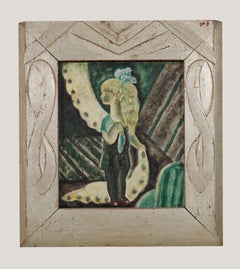
Were I a Great Lady, Portrait of Young Girl
By Nura Ulreich
Located in Beachwood, OH
Nura Woodson Ulreich (American 1899-1950)
Were I a Great Lady, 1927
Oil on board
Signed lower left, inscribed and dated verso
11.25 in. h. X 9.75 in. w., board
17.75 in. h. X 16 in. ...
Category
1920s Ohio - Art
Materials
Oil
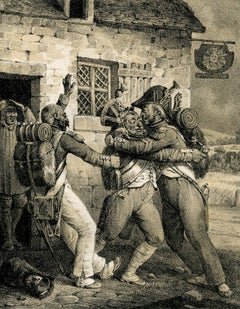
Vive le Vin
By Hippolyte Bellangé
Located in Fairlawn, OH
Medium: Lithograph with tint stone
Dimensions: Sheet: 13 3/4 x 10 1/2" (34.80 x 26.70 cm); Mat: 20 x 16"
Publisher: G. Engelmann
References And Exhibitions:
Published by G. Engelmann
Reference: Beraldi p. 17Medium: Lithograph with tint stone
Dimensions: Sheet: 13 3/4 x 10 1/2" (34.80 x 26.70 cm); Mat: 20 x 16"
Publisher: G. Engelmann
References And Exhibitions:
Published by G. Engelmann
Reference: Beraldi p. 17
Medium: Lithograph with tint stone
Dimensions: Sheet: 13 3/4 x 10 1/2" (34.80 x 26.70 cm); Mat: 20 x 16"
Publisher: G. Engelmann
References And Exhibitions:
Published by G. Engelmann
Reference: Beraldi p. 17
Joseph Louis Hippolyte Bellangé (17 January 1800 – 10 April 1866) was a French battle painter and printmaker. His art was influenced by the wars of the first Napoleon, and while a youth, he produced several military drawings...
Category
1820s Romantic Ohio - Art
Materials
Lithograph
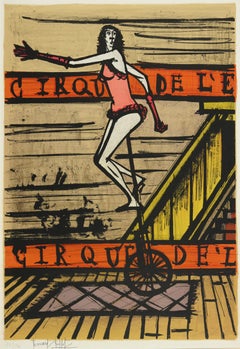
Le monocycle (Performer on a Unicycle)
By Bernard Buffet
Located in Fairlawn, OH
Le monocycle (Performer on a Unicycle)
Color lithograph, 1968
Signed and numbered in pencil lower left corner
From the portfolio "Mon Cirque" (My Circus)
Edition: 120 (12/120)
Refere...
Category
1960s French School Ohio - Art
Materials
Lithograph
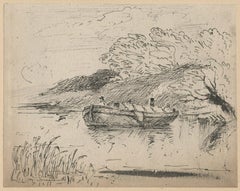
The River Barge
By David Cox
Located in Fairlawn, OH
The River Barge
Pen and ink on paper on laid paper, mounted in English drum mount , c. 1810
Unsigned
Condition: Slight sun staining to sheet and mount in the window (see photo)
Image/sheet size: 5 1/4 x 6 11/16 inches
Sight: : 5-3/4 x 7-1/4"
Frame: 13-3/8 x 14-3/8"
Provenance: Colnaghi, London (see photo of label)
David Cox (29 April 1783 – 7 June 1859) was an English landscape painter, one of the most important members of the Birmingham School of landscape artists and an early precursor of Impressionism.
He is considered one of the greatest English landscape painters, and a major figure of the Golden age of English watercolour.
Although most popularly known for his works in watercolour, he also painted over 300 works in oil towards the end of his career, now considered "one of the greatest, but least recognised, achievements of any British painter.
His son, known as David Cox the Younger (1809-1885), was also a successful artist.
Early life in Birmingham, 1783–1804
Cox's birthplace in Deritend, Birmingham, illustrated by Samuel Lines
Cox was born on 29 April 1783 on Heath Mill Lane in Deritend, then an industrial suburb of Birmingham. His father was a blacksmith and whitesmith about whom little is known, except that he supplied components such as bayonets and barrels to the Birmingham gun trade. Cox's mother was the daughter of a farmer and miller from Small Heath to the east of Birmingham. Early biographers record that "she had had a better education than his father, and was a woman of superior intelligence and force of character." Cox was initially expected to follow his father into the metal trade and take over his forge, but his lack of physical strength led his family to seek opportunities for him to develop his interest in art, which is said to have first become apparent when the young Cox started painting paper kites while recovering from a broken leg.
By the late 18th century Birmingham had developed a network of private academies teaching drawing and painting, established to support the needs of the town's manufacturers of luxury metal goods, but also encouraging education in fine art, and nurturing the distinctive tradition of landscape art of the Birmingham School. Cox initially enrolled in the academy of Joseph Barber in Great Charles Street, where fellow students included the artist Charles Barber and the engraver William Radclyffe, both of whom would become important lifelong friends.
At the age of about 15 Cox was apprenticed to the Birmingham painter Albert Fielder, who produced portrait miniatures and paintings for the tops of snuffboxes from his workshop at 10 Parade in the northwest of the town. Early biographers of Cox record that he left his apprenticeship after Fielder's suicide, with one reporting that Cox himself discovered his master's hanging body, but this is probably a myth as Fielder is recorded at his address in Parade as late as 1825. At some time during mid-1800 Cox was given work by William Macready the elder at the Birmingham Theatre, initially as an assistant grinding colours and preparing canvases for the scene painters, but from 1801 painting scenery himself and by 1802 leading his own team of assistants and being credited in plays' publicity.
London, 1804–1814
In 1804 Cox was promised work by the theatre impresario Philip Astley and moved to London, taking lodgings in 16 Bridge Row, Lambeth. Although he was unable to get employment at Astley's Amphitheatre it is likely that he had already decided to try to establish himself as a professional artist, and apart from a few private commissions for painting scenery his focus over the next few years was to be on painting and exhibiting watercolours. While living in London, Cox married his landlord's daughter, Mary Agg and the couple moved to Dulwich in 1808.
David Cox Travellers on a Path, pencil and brown wash.
In 1805 he made his first of many trips to Wales, with Charles Barber, his earliest dated watercolours are from this year. Throughout his lifetime he made numerous sketching tours to the Home Counties, North Wales, Yorkshire, Derbyshire and Devon.
Cox exhibited regularly at the Royal Academy from 1805. His paintings never reached high prices, so he earned his living mainly as a drawing master. His first pupil, Colonel the Hon.H. Windsor (the future Earl of Plymouth) engaged him in 1808, Cox went on to acquire several other aristocratic and titled pupils. He also went on to write several books, including: Ackermanns' New Drawing Book (1809); A Series of Progressive Lessons (1811); Treatise on Landscape Painting (1813); and Progressive Lessons on Landscape (1816). The ninth and last edition of his series Progressive Lessons, was published in 1845.
By 1810 he was elected President of the Associated Artists in Water Colour. In 1812, following the demise of the Associated Artists, he was elected as associate of the Society of Painters in Water Colour (the old Water Colour Society). He was elected a Member of the Society in 1813, and exhibited there every year (except 1815 and 1817) until his death.
Hereford, 1814–1827
In the summer of 1813 Cox was appointed as the drawing master of the Royal Military College in Farnham, Surrey, but he resigned shortly afterwards, finding little sympathy with the atmosphere of a military institution. Soon after that he applied to a newspaper advertisement for a position as drawing master for Miss Crouchers' School for Young Ladies in Hereford and in Autumn 1814 moved to the town with his family. Cox taught at the school in Widemarsh Street until 1819, his substantial salary of £100 per year requiring only two-day's work per week, allowing time for painting and the taking of private pupils.
Cox's reputation as both a painter and a teacher had been building over previous years, as indicated by his election as a member of the Society of Painters in Water Colours and his inclusion in John Hassell's 1813 book Aqua Pictura, which claimed to present works by "all of the most approved water coloured draftsmen". The depression that accompanied the end of the Napoleonic Wars had caused a contraction in the art market, however, and by 1814 Cox had been very short of money, requiring a loan from one of his pupils to pay even for the move to Hereford. Despite its financial advantages and its proximity to the scenery of North Wales and the Wye Valley, the move to Hereford marked a retreat in terms of his career as a painter: he sent few works to the annual exhibition of the Society of Painters in Water Colours during his first years away from London and not until 1823 would he again contribute more than 20 pictures.
Between 1823 and 1826 he had Joseph Murray Ince as a pupil.
London, 1827–1841
He made his first trip to the Continent, to Belgium and the Netherlands in 1826 and subsequently moved to London the following year.
He exhibited for the first time with the Birmingham Society of Artists in 1829, and with the Liverpool Academy in 1831. In 1839, two of Cox's watercolours were bought from the Old Water Colour Society exhibition by the Marquis of Conynha for Queen Victoria.
Birmingham, 1841–1859
Greenfield House in Harborne, Birmingham – where Cox lived from 1841 until his death in 1859 .
In May 1840 Cox wrote to one of his Birmingham friends: "I am making preparations to sketch in oil, and also to paint, and it is my intention to spend most of my time in Birmingham for the purpose of practice". Cox had been considering a return to painting in oils since 1836 and in 1839 had taken lessons in oil painting from William James Müller, to whom he had been introduced by mutual friend George Arthur Fripp. Hostility between the Society of Painters in Water Colours and the Royal Academy made it difficult for an artist to be recognised for work in both watercolour and oil in London, however, and it is likely that Cox would have preferred to explore this new medium in the more supportive environment of his home town. By the early 1840s his income from sales of his watercolours was sufficient to allow him to abandon his work as a drawing master, and in June 1841 he moved with his wife to Greenfield House in Harborne, then a village on Birmingham's south western outskirts. It was this move that would enable the higher levels of freedom and experimentation that were to characterise his later work.
The elderly Cox pictured by Samuel Bellin in 1855.
In Harborne, Cox established a steady routine – working in watercolour in the morning and oils in the afternoon. He would visit London every spring to attend the major exhibitions, followed by one or more sketching excursions, continuing the pattern that he had established in the 1830s. From 1844 these tours evolved into a yearly trip to Betws-y-Coed in North Wales to work outdoors in both oil and watercolour, gradually becoming the focus for an annual summer artists colony that continued until 1856 with Cox as its "presiding genius".
Cox's experience of trying to exhibit his oils in London was short and unsuccessful: in 1842 he made his only submission to the Society of British Artists; one oil painting was exhibited at each of the British Institution and the Royal Academy in 1843; and two oil paintings were exhibited at the Royal Academy in 1844 – the last that would be exhibited in London during his lifetime.
Cox showed regularly at the Birmingham Society of Arts and its successor, the Birmingham Society of Artists, becoming a member in 1842.
Cox suffered a stroke on 12 June 1853 that temporarily paralysed him, and permanently affected his eyesight, memory and coordination.
By 1857 however, his eyesight had deteriorated. An exhibition of his work was arranged in 1858 by the Conversazione Society Hampstead, and in 1859 a retrospective exhibition was held at the German Gallery Bond Street, London. Cox died several months later. He was buried in the churchyard of St Peters, Harborne, Birmingham, under a chestnut tree, alongside his wife Mary.
Work
Early work
In the spring of 1811 Cox made a small number of notable works in oils during a visit to Hastings with his family. It is not known why he didn't continue working in this medium at the time, but the five known surviving examples were described in 1969 as "surely some of the most brilliant examples of the genre in England".
Mature work
Cox reached artistic maturity after his move to Hereford in 1814. Although only two major watercolours can confidently be traced to the period between Cox's arrival in the town and the end of the decade, both of these – Butcher's Row, Hereford of 1815 and Lugg Meadows, near Hereford of 1817 – mark advances on his earlier work.
Later work
Cox's later work produced after his move to Birmingham in 1841 was marked by simplification, abstraction and a stripping down of detail. His art of the period combined the breadth and weight characteristic of the earlier English watercolour school, together with a boldness and freedom of expression comparable to later impressionism. His concern with capturing the fleeting nature of weather, atmosphere and light was similar to that of John Constable, but Cox stood apart from the older painter's focus on capturing material detail, instead employing a high degree of generalisation and a focus on overall effect.
The quest for character over precision in representing nature was an established characteristic of the Birmingham School of landscape artists with which Cox had been associated early in his life, and as early as 1810 Cox's work had been criticised for its "sketchiness of finish" and "cloudy confusion of objects", which were held to betray "the coarseness of scene-painting". During the 1840s and 1850s Cox took this "peculiar manner" to new extremes, incorporating the techniques of the sketch into his finished works to a far greater degree.
Cox's watercolour technique of the 1840s was sufficiently different from his earlier methods to need explanation to his son in 1842, despite the fact that his son had been helping him teach and paint since 1827. The materials used for his later works in watercolour also differed from his earlier periods: he used black chalk instead of graphite pencil as his primary drawing medium, and the rough and absorbent "Scotch" wrapping paper for which he became well-known – both of these were related to his development of a rougher and freer style.
Influence and legacy
By the 1840s Cox, alongside Peter De Wint and Copley Fielding, had become recognised as one of the leading figures of the English landscape watercolour style of the first half of the 19th century. This judgement was complicated by reaction to the rougher and bolder style of Cox's later Birmingham work, which was widely ignored or condemned. While by this time De Wint and Fielding were essentially continuing in a long-established tradition, Cox was creating a new one.
A group of young artists working in Cox's watercolour style emerged well before his death, including William Bennett, David Hall McKewan and Cox's son David Cox Jr. By 1850 Bennett in particular had become recognised as "perhaps the most distinguished among the landscape painters" for his Cox-like vigorous and decisive style. Such early followers concentrated on the example of Cox's more moderate earlier work and steered clear of what were then seen as the excesses of Cox's later years. During a period dominated by sleek and detailed picturesque landscape, however, they were still condemned by publications such as The Spectator as "the 'blottesque' school", and failed to establish themselves as a cohesive movement.
John Ruskin in 1857 condemned the work of the Society of Painters in Water-colours as "a kind of potted art, of an agreeable flavour, suppliable and taxable as a patented commodity", excluding only the late work of Cox, about which he wrote "there is not any other landscape which comes near these works of David Cox in simplicity or seriousness".
An 1881 book, A Biography of David Cox: With Remarks on His Works and Genius, was based on a manuscript by Cox's friend William Hall, edited and expanded by John Thackray Bunce, editor of the Birmingham Daily Post.
There are two Blue Plaque memorials commemorating him at 116 Greenfield Road, Harborne, Birmingham, and at 34 Foxley Road, Kennington, London, SW9, where he lived from 1827. It can also be seen at the David Cox exhibition in Birmingham.
His pupils included Birmingham architectural artist, Allen Edward...
Category
1810s Romantic Ohio - Art
Materials
Ink
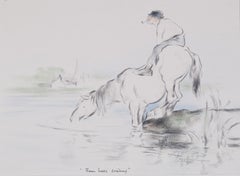
Farm Horse Drinking
By Edmund Blampied
Located in Fairlawn, OH
Farm Horse Drunking
Charcoal and pastel on artist's board, c. 1920
Signed lower right in pencil (see photo)
Titled in ink lower center, as are all the illustration for At the Farm (s...
Category
1920s English School Ohio - Art
Materials
Chalk
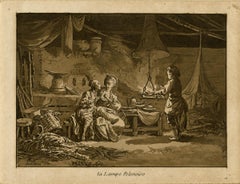
La Lampe Polonoise
By Jean Baptist Le Prince
Located in Fairlawn, OH
La Lampe Polonoise
Aquatint, 1771
Signed and dated in the plate lower left
Condition: Yellowing to the sheet
Image size: 6 1/8 x 8 1/8 inches
Reference: Hedou 147 ii/II
Provenance: C...
Category
1770s Old Masters Ohio - Art
Materials
Aquatint
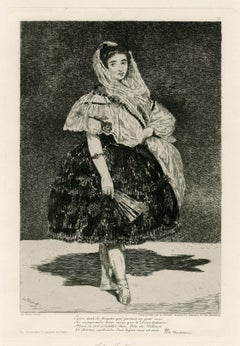
Lola De Valence
By Édouard Manet
Located in Fairlawn, OH
Lola De Valence
Etching, 1862
Signed in the plate lower left: “Ed Manet”
Printed on chine collee paper, without watermark
From the first edition, published by Cadart and Luquet, Paris, before the removal of the inscription “ Ed. Manet sculpt”
From the 1863 edition, before the 1874 Portfolio, 1890 Portolio. 1894 Dumont edition and the Strolin edition of 100 in 1905
Pencil inscription with title below the plate in the lower margin
Conditiono: Excellent
Image size: 10 7/8 x 6 7/8 inches
Plate size: 18 3/4 x 13 inches
Reference: Harris-Manet 33 iii/III
Guerin-Manet 23 vi/VIII
The painting that this etching is inspired by is in the collection of the Musee d'Orsay, Paris.
"Lola de Valence is a painting by the painter Édouard Manet in 1862 . The canvas represents a dancer dressed intraditional Spanish clothes...
Category
1860s Impressionist Ohio - Art
Materials
Etching
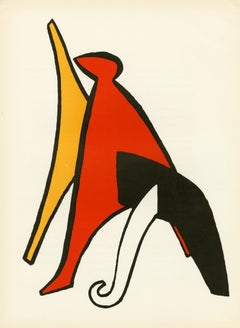
Untitled (Plate 4) DLM
By Alexander Calder
Located in Fairlawn, OH
Untitled (Plate 7) DLM
Color lithograph, 1963
Unsigned (as issued)
From: Derriere le Miroir, No. 141
Edition: 1500?
Published by A. Maeght, Paris
Condition: Mint
Sheet/Image size: 1...
Category
1960s Abstract Ohio - Art
Materials
Lithograph
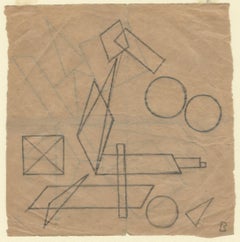
Non-Objective Drawing (Double sided composition)
By Rudolf Bauer
Located in Fairlawn, OH
Non-Objective Drawing (Double sided composition)
Graphite on paper, 1938
Initialed "B" by the artist lower right corner
Created while the artist was imprisoned in a Gestapo Prison fo...
Category
1930s Abstract Ohio - Art
Materials
Graphite
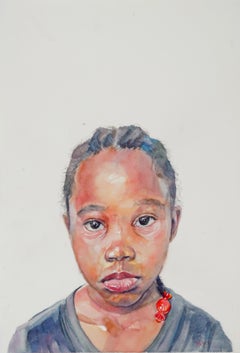
Stages II
By Darius Steward
Located in Fairlawn, OH
Stages II
Watercolor on Arches paper, 2021
Signed with the artist's initials lower right (see photo)
Signed with the artist's Yummy blindstamp lower right
Signed, titled and dated in...
Category
2010s Contemporary Ohio - Art
Materials
Watercolor
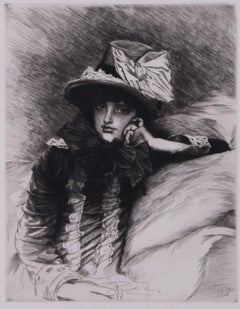
Berthe
By James Jacques Joseph Tissot
Located in Fairlawn, OH
Berthe
Etching with drypoint, 1883
Signed in the plate (see photo)
This etching was inspired by an 1882/3 pastel which the artist included in his ambitious "Femme a Paris" exhibition at Galerie Sedelmeyer, Paris, in 1885.
Reference: Beraldi 65
Wentworth 74, published state
Tissot 76
Condition: Excellent
Plate/Image size: 14 1/4 x 11 inches
Sheet size: 19 1/2 x 15 inches
Frame size: 23-1/2 x 20-1/4 inches
Donald Morris Gallery, Birmingham, Michigan (Morris had a distinguished collection of Tissot prints...
Category
1880s Impressionist Ohio - Art
Materials
Etching
Untitled
By Leon Kelly
Located in Fairlawn, OH
Untitled
Pastel on paper, 1922
Initialed and dated lower right (see photo)
Exhibited: Francis Nauman, Leon Kelly: Draftsman Extraordinaire, New York, April 4 - May 23, 2014.
Provenance: Estate of the Artist
The Orange Chicken...
Category
1920s Abstract Ohio - Art
Materials
Pastel

$4,000
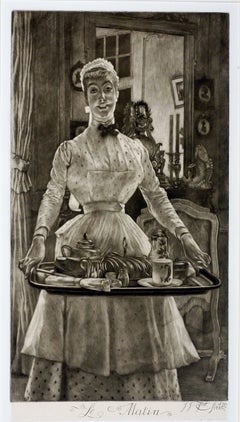
Le Matin (Morning)
By James Jacques Joseph Tissot
Located in Fairlawn, OH
Le Matin (Morning)
Mezzotint, 1886
Signed and dated in the plate (see photos)
Edition: at least 650 impressions in both states
Reference: Wentworth 82 ii/II
Provenance: Heirs of Edmu...
Category
1880s French School Ohio - Art
Materials
Mezzotint
Still Thinking About These?
All Recently ViewedMore Ways To Browse
A Grimshaw
Adam Barland
Air France Afrique
Alden Bryan
Amanda Acker
Antique Chinese Watercolor Landscape
Anton Genberg
Anton Sipos
Art Contemporary Fuschia
Bauer Canvas Oil
Beach Cottage Paintings
Ben Avram
Block Print Woman
Bords De La Seine
Bright Day And Painting
Chinese Tiger Painting
Christmas Deer
Christo And Jeanne Claude Wrapped Trees