South Korea - Antiquities
to
261
907
416
261
246
12
3
247
72
42
41
30
261
180
136
81
73
261
261
261
Item Ships From: South Korea
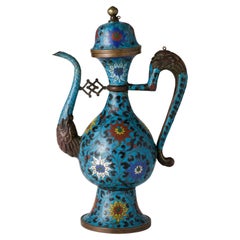
Cloisonné Enamel Ewer, Ming-Qing Period
Located in seoul, KR
This cloisonné ewer features a brass body covered with turquoise-toned enamel and densely arranged lotus and floral motifs. The spout and handle are shaped in the form of a phoenix o...
Category
15th Century and Earlier East Asian Antique South Korea - Antiquities
Materials
Enamel

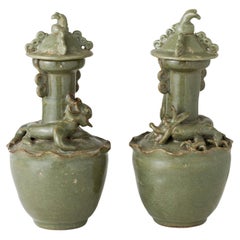
Pair of Olive-Green Glazed Longquan Celadon Vases, Sui-Song
Located in seoul, KR
This pair of celadon vessels is entirely coated in a thick olive-green glaze, which retains a soft natural sheen. A network of crackles spreads across the surface. Along the ridges a...
Category
15th Century and Earlier East Asian Antique South Korea - Antiquities
Materials
Celadon
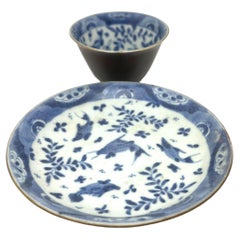
Fish and Waterweed Teabowl and Saucer Set, c 1725, Qing Dynasty, Yongzheng era
Located in seoul, KR
* Set Item(Teabowl and saucer)
The saucer with four carp swimming among floating dumps of water weed, the teabowl with a central carp medallion within a band of smaller fish and wate...
Category
1720s Vietnamese Qing Antique South Korea - Antiquities
Materials
Ceramic
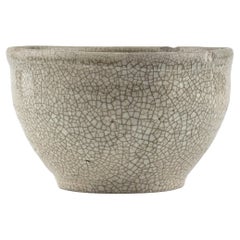
Crackle Glazed Bowl, Qing
Located in seoul, KR
Rounded form, covered with a glaze of a pale grey and yellowish tone with brown network of crackles.
Period: Qing Dynasty or Song Dynasty
Type: Bowl
Medium: Crackle Glazed
Size : 9...
Category
18th Century East Asian Qing Antique South Korea - Antiquities
Materials
Ceramic
Blue and White Baluster Vase, Qing Dynasty, Kangxi Era, Circa 1690
Located in seoul, KR
The baluster shaped vase rising from a splayed foot to a short waisted neck, decorated in underglaze blue with flower blooms borne on leafy stems.
Period : Qing Dynasty, Kangxi reign
Production Date : 1690-1699
Made in : Jingdezhen
Destination : Amsterdam
Found/Acquired : Southeast Asia , South China Sea, Vung Tau...
Category
1690s Vietnamese Chinoiserie Antique South Korea - Antiquities
Materials
Ceramic
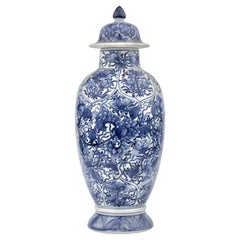
Green-Glazed Pottery ‘Money Tree’ Base, Han Dynasty
Located in seoul, KR
This piece, directly referred to as a Money Tree, is a captivating work that embodies wishes for material prosperity. It takes center stage in the Asian collections of institutions s...
Category
15th Century and Earlier Hong Kong Han Antique South Korea - Antiquities
Materials
Earthenware, Pottery
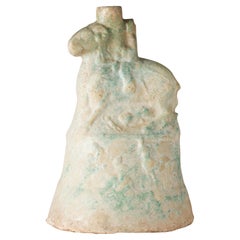
Green Glazed Horse and Rider, Ming period(15-16th Century)
Located in seoul, KR
Statues of East Asian horse rider, featuring glazes in green, are set on rectangular base.
Period: Ming Dynasty
Medium: Green-glazed Pottery
Type: Figure
Condition : Good
Provenance : Acquired in early 2000s from Hongkong
* Ming Dynasty Glazed Pottery Figures
Ming Dynasty glazed pottery figures are renowned for their bold color palette, intricate detailing, and lifelike forms, distinguishing them from earlier traditions. These figures, which depict officials, warriors, animals, and mythical creatures, are characterized by high-gloss lead-based glazes in green, amber, ochre, and sancai (three-color) combinations. The thickly applied glaze pools in recesses, creating depth and enhancing sculptural details. With dynamic postures, expressive facial features, and meticulously rendered drapery, these figures reflect the period’s advancement in ceramic craftsmanship, offering a greater sense of movement and realism compared to the rigid and stylized forms of earlier dynasties.
A defining characteristic of Ming glazed...
Category
15th Century and Earlier Hong Kong Ming Antique South Korea - Antiquities
Materials
Pottery
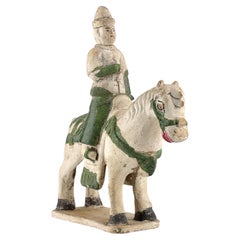
Rare
Imari Pavilion
Blue And White Tea Set C 1725, Qing Dynasty, Yongzheng Era
Located in seoul, KR
The "Imari Pavilion pattern" refers to a decoration pattern found on porcelains made during Early Qing Dynasty, influenced by Japanese Imari ware, which was produced in the Arita reg...
Category
18th Century Vietnamese Qing Antique South Korea - Antiquities
Materials
Ceramic
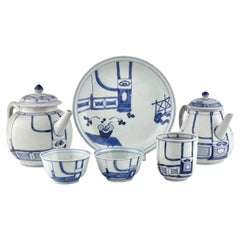
Annamese Stoneware Miniature Vase and Jar, Hoi An Hoard, Late 15th C, Le Dynasty
Located in seoul, KR
These ceramics feature finely detailed depictions of birds and cloud motifs using underglaze blue, showcasing an elegant and refined design. The vase portrays a bird in mid-flight, w...
Category
15th Century and Earlier Vietnamese Ming Antique South Korea - Antiquities
Materials
Stoneware

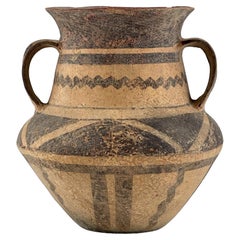
Neolithic Pottery Amphora(Gansu Province), 3rd-2nd Millenium BC
Located in seoul, KR
Neolithic Vase with raised neck, slightly flared, two handles. Geometric designs and stylized bovine heads in black. Acquired in Hong Kong in the late 1990s.
Date : 3,000-2,000 BC
M...
Category
15th Century and Earlier Hong Kong Antique South Korea - Antiquities
Materials
Earthenware, Pottery
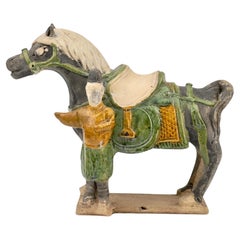
Ming Dynasty Green-Glazed Horse and Rider (15-16th Century)
Located in seoul, KR
Statues of Chinese horse and rider, featuring glazes in green, amber, are set on rectangular bases.
Period: Ming Dynasty
Medium: Green-glaze...
Category
15th Century and Earlier Hong Kong Ming Antique South Korea - Antiquities
Materials
Pottery
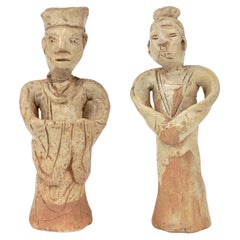
Two Incised Sandstone Mingqi
Located in seoul, KR
Figures from this era tend to be simpler and more utilitarian, reflecting the instability and regional diversity of the time. These pottery figures often unglazed or painted with bas...
Category
15th Century and Earlier Hong Kong Antique South Korea - Antiquities
Materials
Sandstone
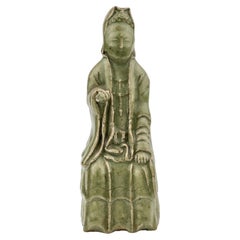
Longquan Celadon Figurine, Ming Dynasty (1368-1644)
Located in seoul, KR
This sculpture is a Longquan celadon from the Ming Dynasty, renowned for its rich and jade-like green glaze. The figurine is likely a representation of a Buddhist deity or a revered scholar, showcasing the calm aesthetic expressions and graceful contours prevalent during the era. The spectrum of celadon glaze ranges from a dense grey stoneware to a nearly white porcelain texture, with unglazed parts revealing a terracotta brown upon firing. Such pieces were often part of household altars, reflecting the era's spiritual devotion. This artifact would be a treasured exhibit in any museum's Asian art collection, symbolizing both religious reverence and artistic excellence.
Period: Ming Dynasty (1368-1644)
Region: Longquan, China
Medium: Stoneware - Celadon glazed, with a range from heavy grey to almost white porcelain-like material
Type: Sculpture
Height : 24.5 cm
Provenance : Acquired in 1999, Hongkong
* Ming Dynasty Longquan Celadon
Longquan celadon from the Ming Dynasty typically exhibits a more robust and heavier stoneware body compared to its Song Dynasty predecessors. The Ming era saw an evolution in celadon glaze, achieving a wider spectrum of green hues, from olive to bluish-greens. Ming celadons...
Category
15th Century and Earlier Hong Kong Ming Antique South Korea - Antiquities
Materials
Celadon
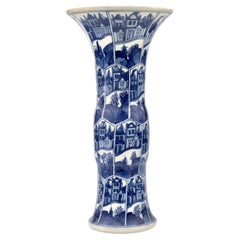
Ancient Gu Shape
Canal Houses
Vase, Qing Dynasty, Kangxi Era, Circa 1690
Located in seoul, KR
This vase is decorated with dutch canal houses on one side and Chinese pagodas and flowers on the other side. Eastern and Western motifs were simultaneously expressed in ceramics.
Period : Qing Dynasty, Kangxi Period
Production Date : 1690-1699
Made in : Jingdezhen
Destination : Netherland
Found/Acquired : Southeast Asia , South China Sea, Vung Tau...
Category
1690s Vietnamese Chinoiserie Antique South Korea - Antiquities
Materials
Ceramic
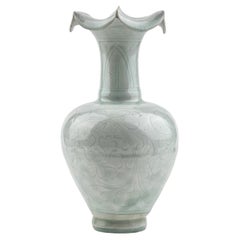
A Carved Qingbai
Chrysanthemum
Vase, Song-Yuan Dynasty(13-14th century)
Located in seoul, KR
The ovoid body to a tall neck, the body decorated with a chrysanthemum meander, covered overall in a translucent pale blue glaze. Traces of excavation can be seen in the dirt marks o...
Category
15th Century and Earlier Hong Kong Antique South Korea - Antiquities
Materials
Ceramic, Porcelain
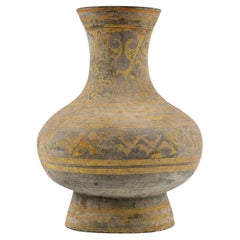
Earthenware Pottery Jar, Han Dynasty(206 BC-220 AD)
Located in seoul, KR
This jar would have served as a mortuary object (mingqi), placed in a tomb as a substitute for the more valuable bronze and lacquer vessels. Along with a variety of other funerary earthenware objects, attendant figures, and animals, richly decorated vessels of this kind were intended to serve the spirit of the deceased in the afterlife.
Period : Han dynasty
Type : Jar
Medium : Earthenware
Dimension : 28.5 cm(Height) x 11cm(Mouth Diameter)
Condition : Good(Overall in well-preserved ancient burial condition with some soil still adhering (showing minor abrasions and wear due to prolonged burial underground)
Provenance : Acquired in late 1990s from Hongkong
* Han Dynasty Earthenware...
Category
15th Century and Earlier Hong Kong Han Antique South Korea - Antiquities
Materials
Earthenware
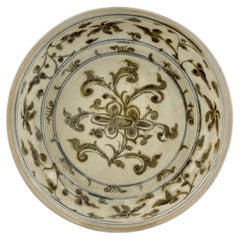
Rare Annamese Brown Dish Circa 15th Century, Le Dynasty
Located in seoul, KR
A rare brown colored stoneware dish with a central floral motif, likely a lotus, which is a recurrent symbol in Asian art representing purity and beauty. The design's fluidity and or...
Category
15th Century and Earlier Vietnamese Antique South Korea - Antiquities
Materials
Stoneware
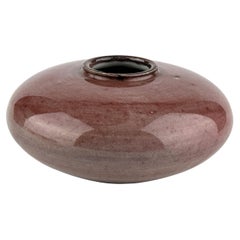
Lang Yao Water Coupe, Qing
Located in seoul, KR
This ceramic piece features a low, rounded form with a narrow mouth, exemplifying refined simplicity and balance. The surface is covered in a rich, deep crimson glaze, likely derived...
Category
18th Century East Asian Qing Antique South Korea - Antiquities
Materials
Ceramic
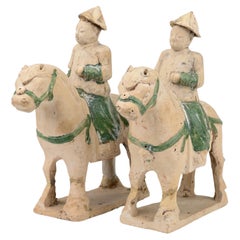
Ming Dynasty Two Green Glazed Horses and Riders (15-16th Century)
Located in seoul, KR
Statues of Chinese horse riders, featuring glazes in green, are set on rectangular bases.
Period: Ming Dynasty
Medium: Green-glazed Pottery
Typ...
Category
15th Century and Earlier Hong Kong Ming Antique South Korea - Antiquities
Materials
Pottery
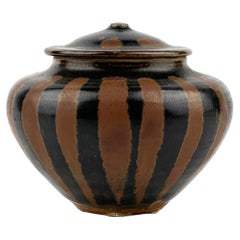
A Russet-Splashed Blackish-Brown-Glazed Jar, Song Dynasty
Located in seoul, KR
Lustrous blackish-brown glaze decorated on the exterior with lines of splashes of russet color. This jar features a rounded and voluminous body, with its shoulders gently curving upward to meet the lid. The lid is topped with a small knob-like handle at the center, creating a harmonious and well-balanced overall proportion.
Under microscopic magnification, the brown-glazed...
Category
15th Century and Earlier Hong Kong Antique South Korea - Antiquities
Materials
Ceramic
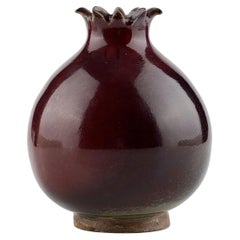
Pomegranate Shaped Copper Red Glazed Vase
Located in seoul, KR
This piece is a small ceramic vessel with a distinctive silhouette modeled after a pomegranate, notable for its full, well-balanced curves. The mouth, reminiscent of the fruit’s caly...
Category
16th Century Hong Kong Ming Antique South Korea - Antiquities
Materials
Copper
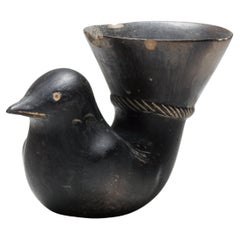
Blackware Bird-Shaped Vessel
Located in seoul, KR
Black ware pottery from the Majiayao culture. This vessel was crafted using a refined black-burnished pottery technique, with the entire surface carefully polished to a smooth, lustr...
Category
15th Century and Earlier East Asian Antique South Korea - Antiquities
Materials
Pottery
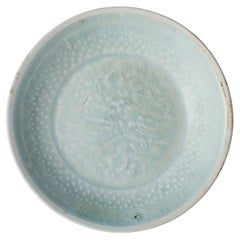
A Molded Qingbai
Flowers
Dish, Southern Song Dynasty
Located in seoul, KR
This dish is coated with a transparent bluish-white glaze over a thin white body. The center is incised with a design of lotus flowers and a bird, while the inner wall is encircled b...
Category
15th Century and Earlier East Asian Antique South Korea - Antiquities
Materials
Ceramic
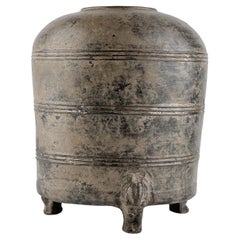
Grey Tripod Granary Jar, Han dynasty
Located in seoul, KR
The vessel consists of a rounded cylindrical body, a gently curved upper section, and a small circular opening, suggesting that it was used for storing grain or valuable goods.
Thre...
Category
15th Century and Earlier Hong Kong Han Antique South Korea - Antiquities
Materials
Earthenware
Qingbai Floriform Dish, Song-Yuan Dynasty
Located in seoul, KR
The dish has a scalloped rim, which gives it a flower-like appearance. The wavy edges were often inspired by nature. It has a pale, almost translucent blue-green glaze, typical of Qi...
Category
15th Century and Earlier Hong Kong Antique South Korea - Antiquities
Materials
Ceramic

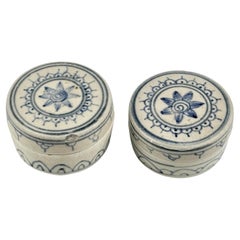
Two Annamese Miniature Covered Boxes with Flower, 15th century, Le Dynasty
Located in seoul, KR
Vietnamese covered boxes with star like flower designs. Both are made of cream-colored base and blue designs, typical of Annamese stoneware.
Dates : 15th century Le Dynasty
Region :...
Category
15th Century and Earlier Vietnamese Antique South Korea - Antiquities
Materials
Stoneware
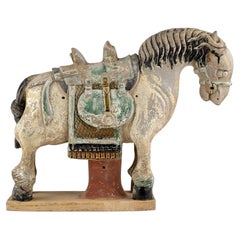
Ming Period Large Pottery Horse with Saddle (15-16th Century)
Located in seoul, KR
The figure stands on a rectangular base. The horse is depicted in a poised stance, with strong, muscular legs and a slightly bowed head. The mane is carefully sculpted with deep, flowing grooves, adding a dynamic texture to the piece. The head features expressive details, including a well-defined muzzle, flared nostrils. The bridle and harness are delicately painted in faded green, contrasting against the creamy beige body. The saddle is adorned with intricate details, including decorative tassels and a textured pattern, indicative of the elaborate tack used in the Ming period.
Traces of original polychrome pigments in green, black, and ochre remain on the surface, hinting at the sculpture’s once-vibrant appearance. The weathered patina and areas of flaking paint add to its historical authenticity, reflecting centuries of age. The overall craftsmanship and detailing exemplify the Ming Dynasty’s refined ceramic artistry, making this piece a remarkable representation of of asian culture during this period.
Period: Ming Dynasty
Medium: Green, black, and ochre glazed Pottery
Type: Figure
Condition : Good(chips on the upper saddle.)
Provenance : Acquired in late 1990s from Hongkong
Reference : Asian Civilisations Museum - Accession No. C-1384 / 1994-00441 - Ming Dynasty Figure of Horse
(Type : Closely Related)
* Ming Dynasty Glazed Pottery Figures
Ming Dynasty glazed pottery figures are renowned for their bold color palette, intricate detailing, and lifelike forms, distinguishing them from earlier traditions. These figures, which depict officials, warriors, animals, and mythical creatures, are characterized by high-gloss lead-based glazes in green, amber, ochre, and sancai (three-color) combinations. The thickly applied glaze pools in recesses, creating depth and enhancing sculptural details. With dynamic postures, expressive facial features, and meticulously rendered drapery, these figures reflect the period’s advancement in ceramic craftsmanship, offering a greater sense of movement and realism compared to the rigid and stylized forms of earlier dynasties.
A defining characteristic of Ming glazed pottery is its elaborate surface detailing, often achieved through raised relief elements and contrasting glazes. Equestrian figures, for example, feature carefully sculpted saddles, harnesses, and decorative embellishments, while human figures are adorned with intricate robes and headdresses. The large scale of these tomb figures, often more imposing than those from previous periods, underscores the increasing importance of funerary art during the Ming era. Unlike later Qing Dynasty figures...
Category
15th Century and Earlier Hong Kong Ming Antique South Korea - Antiquities
Materials
Pottery
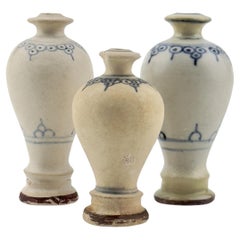
Three Annamese Stoneware Miniature Jarlets, 15th Century, Le Dynasty
Located in seoul, KR
In the shape of a tower(Chess) with blue decoration on the body, chocolate ring on the base.
Dates : 15th century Le Dynasty
Region : North Annam(Viet...
Category
15th Century and Earlier Vietnamese Antique South Korea - Antiquities
Materials
Stoneware
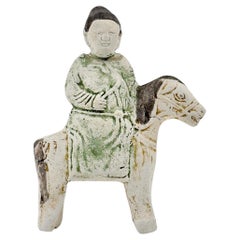
Horse and Rider Figurine c1725, Qing Dynasty, Yongzheng Reign
Located in seoul, KR
A rider wearing an green gown. He is seated side saddle on a yellow painted horse with riding crop in hand. It was worn away on the sea floor.
Period : Qing Dynasty, Yongzheng Perio...
Category
1720s Vietnamese Chinoiserie Antique South Korea - Antiquities
Materials
Ceramic, Porcelain
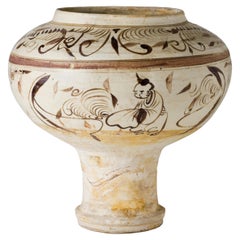
Cizhou Baluster Jar, Yuan-Ming Dynasty
Located in seoul, KR
The vase features a broad, rounded body with a slightly flared neck and a pedestal base. The decoration consists of intricate brushwork in iron-brown pigment, depicting figures and s...
Category
15th Century and Earlier Hong Kong Antique South Korea - Antiquities
Materials
Pottery
Cloisonné Vase, Qing Period, 19th Century
Located in seoul, KR
Cloisonné enamel vase of baluster form and lobed sides decorated with foliage and flowers on a black background, gilt copper neck and base. Around 1900
Period: Qing Dynasty
Type: Va...
Category
19th Century Hong Kong Qing Antique South Korea - Antiquities
Materials
Enamel
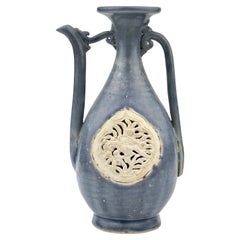
A Rare Annamese Blue and white Ewer, Circa 15th century
Located in seoul, KR
Stoneware painted with underglaze cobalt blue and remnants of overglaze enamel. Valuable piece housed in a few major museum collections in the United States.
Year/Period : 15th century
Region : North Vietnam, Vietnam
Type : Ewer
Found/Acquired : Southeast Asia , South China Sea, Hoi An Ship
Reference :
1) Phoenix Art Museum - OBJECT NUMBER 2000.108.1
2) Asian Art Museum of San Francisco - Annamese Collection
3) Butterfield Treasures Hoi An Hoard Auction Catalogs / San Francisco Butterfields 2000
* Vietnamese trade ceramics
Around the mid-14th century, Vietnam developed its ceramics production technology by producing blue and white porcelain, and began to export it overseas. During this period, China Ming Dynasty implemented a policy of lifting the ban from 1371 to 1657 and restricted foreign trade. This served as a good opportunity in the trade history of Vietnamese ceramics, and ceramic exports...
Category
15th Century and Earlier Vietnamese Ming Antique South Korea - Antiquities
Materials
Stoneware
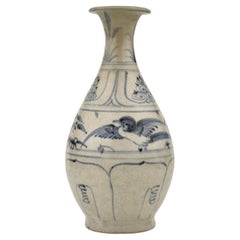
An Annamese stoneware with cobalt blue, Hoi An Hoard, Late 15th century
Located in seoul, KR
At the center of the vase, a bird is depicted with clean yet detailed lines, capturing the moment mid-flight with a sense of dynamic energy. The artist skillfully conveys the bird’s vitality with minimal strokes, creating the impression that it could soar into the sky at any moment.
Though there are no explicit branches or leaves, the flowing curves of the background subtly connect the bird with the natural world. The simplicity of the lines creates a harmonious relationship between the bird and its environment, reflecting the artist’s ability to evoke nature without relying on intricate details.
The neck of the vase is adorned with elegant plant motifs, where stems and leaves stretch upward, complementing the overall shape of the vase. These motifs, while simple, add sophistication and enhance the vase’s graceful form.
At the base, repeating geometric patterns contribute to the sense of balance and stability. These patterns not only ground the piece but also serve as decorative elements, completing the vase’s aesthetic unity.
Dates : 15th century Le Dynasty
Region : North Annam, Vietnam
Type : Yuhuchun Vase
Found/Acquired : Southeast Asia , South China Sea, Hoi An Ship
Reference :
1) Seattle Art Museum - Gift of Mary and Cheney Cowles, 2000.125.
2) Butterfield Treasures Hoi An Hoard Auction Catalogs / San Francisco Butterfields 2000
3) Asian art museum, San Francisco
* Vietnamese trade ceramic...
Category
15th Century and Earlier Vietnamese Ming Antique South Korea - Antiquities
Materials
Stoneware
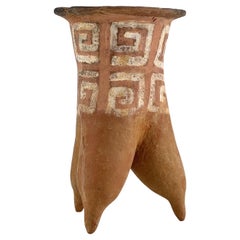
Lower Xiajiadian Culture Tripod Li Jar, 2000–1500 BCE
Located in seoul, KR
This tripod jar, dating from 2000 to 1500 BCE, is attributed to the Lower Xiajiadian Culture, which flourished in Northeast China. It exemplifies the early ceramic craftsmanship of N...
Category
15th Century and Earlier Hong Kong Antique South Korea - Antiquities
Materials
Pottery, Earthenware
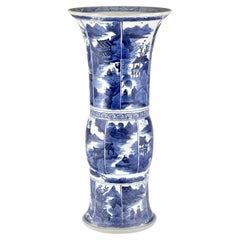
A Large Gu Vase from Vung Tau Ship, Qing Dynasty Kangxi Era, Circa 1690
Located in seoul, KR
Finely painted landscape scenes in vertical panels, depicting mountains, rivers, pavilions, arched bridges, and scholar figures in flowing robes. The scenes are rendered in varying d...
Category
17th Century Vietnamese Qing Antique South Korea - Antiquities
Materials
Ceramic, Porcelain
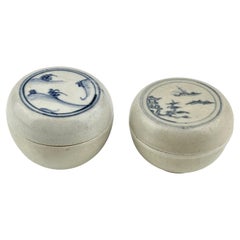
Two Annamese Miniature Covered Boxes with Scenary Motif, 15th century, Le Dynast
Located in seoul, KR
Vietnamese covered boxes with representative scenary designs. Both are made of cream-colored base and blue designs, typical of Annamese pottery. These shared characteristics highligh...
Category
15th Century and Earlier Vietnamese Ming Antique South Korea - Antiquities
Materials
Stoneware
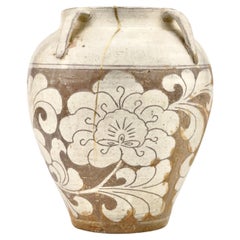
Cizhou Lotus Carved Jar, Song-Yuan dynasty
Located in seoul, KR
This jar features a carved design, which is typical of Cizhou ware. It has a creamy white and brown color scheme, and the prominent decoration of lotus flower, which is a common motif in Chinese art and culture, symbolizing purity and enlightenment.
The carving technique involves coating the vessel with a layer of white slip (liquid clay), then carving away parts of it to create the design, revealing the darker clay body beneath. This technique allows for a strong contrast between the background and the carved motif.
Period : Song-Yuan Dynasty
Type : Jar
Medium : Cizhou Ware
Size : 21.5 cm(Height), 11cm(Mouth Diameter)
Provenance : Acquired in 1999, Hongkong
* Cizhou Ware
Cizhou is the name given to a number of stonewares, grey or buff, of varying degrees of hardness, with painted, incised or carved decoration on a clay slip. These stonewares were not only made in the region of Cizhou, Hebei Province, but in several provinces of China during the Song, Yuan and Ming periods. The great centres of production were in the north of China in the provinces of Hebei, Henan and Shanxi.
Cizhou wares seem to have been very popular, made for a clientèle of rich merchants, at a period when the paintings of famous...
Category
15th Century and Earlier Hong Kong Antique South Korea - Antiquities
Materials
Pottery
Large Yue Globular Stoneware Jar, Han Dynasty-Three Kingdoms
Located in seoul, KR
Robustly crafted with a voluminous spherical body and a layered mouth rim, this jar features a pair of taotie handles. It is adorned with three horizontal bands on the upper half of ...
Category
15th Century and Earlier Hong Kong Han Antique South Korea - Antiquities
Materials
Stoneware
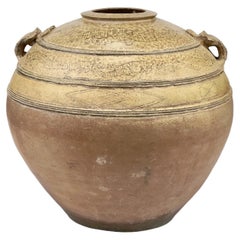
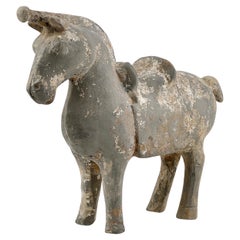
Figure of a Horse with traces of white slip
Located in seoul, KR
A standing horse, back legs slightly apart and bent, tail erect, wearing a saddle with saddlecloth, and with bridal ornaments on forelock. This horse represents a breed from the Mong...
Category
15th Century and Earlier Hong Kong Han Antique South Korea - Antiquities
Materials
Pottery
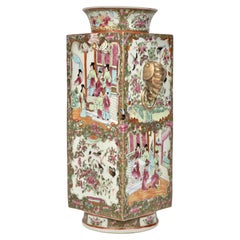
Rose Medallion Porcelain Vase, Late Qing Period
Located in seoul, KR
The square body famille rose porcelain vase with a Rose Medallion pattern, gilt highlights, and polychrome enamel decoration with alternating medallions of court life against a groun...
Category
19th Century Hong Kong Qing Antique South Korea - Antiquities
Materials
Ceramic, Porcelain
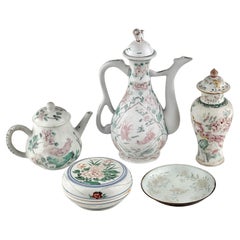
Rare Famille Rose/Verte Shipwreck Ceramics Set, Qing Dynasty, Yongzheng Era
Located in seoul, KR
Beautiful 'chickens and flowers' painted rare familie rose/verte ceramic set from Qing dynasty. Excavated from cargo underwater from the early Qing dynasty. It is presumed to originate from the Yongzheng period Ca Mau Shipwreck. On the back of the baluster vase, there are traces of marine organisms. This type of famille porcelain...
Category
Early 18th Century Vietnamese Qing Antique South Korea - Antiquities
Materials
Ceramic
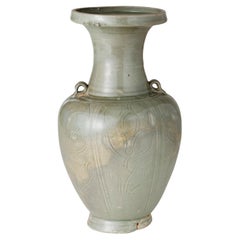
Celadon Vase, Five Dynasties or Northern Song
Located in seoul, KR
This celadon vase features a gently rounded shoulder, a tall, slender neck, and a broad, flaring rim. Two small loop handles are applied to the shoulders. The body is finely incised ...
Category
15th Century and Earlier Hong Kong Antique South Korea - Antiquities
Materials
Celadon
A Rare
Yue
Celadon Glazed Octagonal Vase, Western Jin Dynasty (266 - 316 AD)
Located in seoul, KR
Finely potted with incurved facetted sides divided by raised ribs and set with two short lugs to the shoulder, the body rising to a short octagonal neck, the domed cover of conforming section, surrounded by an upturned rim and surmounted by a bud finial, applied overall with a celadon glaze of the period.
A related vase of this rare and charming form, in the Zhenjiang Museum, Zhenjiang, is illustrated in the Complete Collection of Chinese Ceramics. Song, vol. 8, Shanghai, 1999, pl. 52. Vases of related octagonal shape were produced at the Ding kilns, in Hebei province, and the qingbai kilns in Jiangxi province; see a Ding vase in the Palace Museum, Beijing, illustrated in Selection of Ding Ware. The Palace Museum’s Collection and Archaeological Excavation, Beijing, 2002, pl. 37; and a qingbai example, from the Meiyintang collection, illustrated in Regina Krahl, Chinese Ceramics from the Meiyintang Collection, vol. 3 (II), London, 2006, pl. 1590; and another carved with a floral scroll, included in the exhibition Song Ceramics from the Kwan Collection, Hong Kong Museum of Art, Hong Kong, 1994, cat. no. 105.
Period : Western Jin Dynasty (266 - 316 AD)
Type : Octagonal Vase
Medium : Yue celadon...
Category
15th Century and Earlier Hong Kong Han Antique South Korea - Antiquities
Materials
Celadon
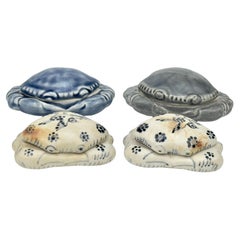
Two Pair of Annamese Porcelain Crab Boxes, 15th century, Le Dynasty
Located in seoul, KR
Vietnamese stoneware crab boxes. Light blue glaze. This is one of the representative types of miniature works of Hoi An ships.
Dates : 15th century Le Dyn...
Category
15th Century and Earlier Vietnamese Antique South Korea - Antiquities
Materials
Ceramic, Porcelain
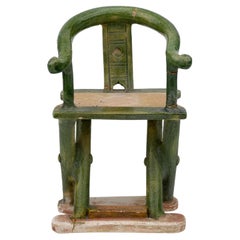
16th Century Pottery Model of a Folding Chair, Ming dynasty
Located in seoul, KR
This piece is an example of Mingqi, items specifically crafted for burial to accompany the deceased into the afterlife. The terracotta army is the most renowned example of such buria...
Category
16th Century Hong Kong Ming Antique South Korea - Antiquities
Materials
Pottery
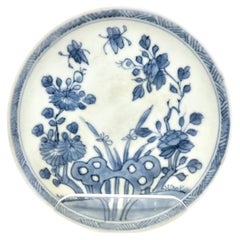
Rocks on a Terrace
Pattern Saucer c1725, Qing Dynasty, Yongzheng Era
Located in seoul, KR
With peony and chrysanthemum plants flowering on a terrace, butterflies in flight.
Period : Qing Dynasty, Yongzheng Period
Production Date : C 1725
Made in : Jingdezhen
Destination : Netherland
Found/Acquired : Southeast Asia , South China Sea, Ca Mau...
Category
1720s Vietnamese Chinoiserie Antique South Korea - Antiquities
Materials
Ceramic
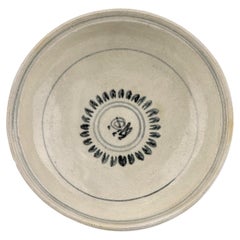
Annamese Dish Circa 15th Century, Le Dynasty
Located in seoul, KR
Its surface is coated with a smooth, glossy white or cream-colored glaze, exuding a clean and elegant finish. At the center, a geometric motif painted in black pigment draws the eye,...
Category
15th Century and Earlier Vietnamese Antique South Korea - Antiquities
Materials
Stoneware
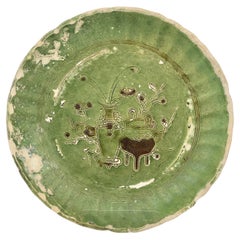
Green-Glazed Earthenware Dish Circa 1725, Qing Dynasty, Yongzheng Reign
Located in seoul, KR
It is the rare earthenware among those excavated from the Ca Mau Ship, and it is a green-glaze work that is especially unique. Although it is in very worn condition, it is a valuable...
Category
1720s Vietnamese Qing Antique South Korea - Antiquities
Materials
Earthenware
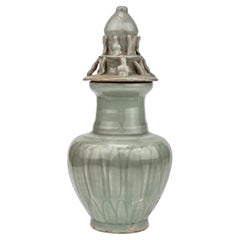
Carved
Longquan
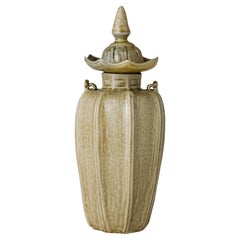
Celadon-glazed Funerary vase and cover, Song dynasty
Located in seoul, KR
The vase features a ribbed body, subtly enhancing its graceful contours, and is topped with a uniquely sculpted lid adorned with figurative elements.
Period : Song Dynasty
Type : Ce...
Category
15th Century and Earlier Hong Kong Antique South Korea - Antiquities
Materials
Celadon
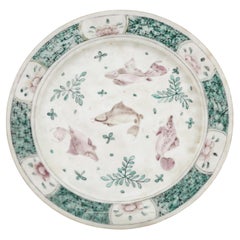
Chinese Famille Rose/Verte
Fish
Dish, Qing Dynasty
Located in seoul, KR
During the Qing Dynasty, depictions of fish on ceramics carried several symbolic meanings. Fish are traditionally associated with abundance and prosperity in Chinese culture. The wor...
Category
17th Century Vietnamese Qing Antique South Korea - Antiquities
Materials
Ceramic, Porcelain
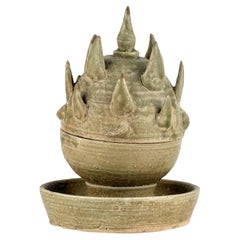
Rare Boshan Incense Burner Yue Celadon, Jin dynasty
Located in seoul, KR
The Boshan incense burner is particularly notable among Han dynasty incense burners for its unique shape. Designed to resemble a mountain or even a mythical mountain, it is characterized by its pointed peaks that rise upwards. These peaks often function as vents for the smoke, creating an effect reminiscent of a volcanic eruption.
The body of the incense burner is typically round, with multiple small peaks surrounding a central, larger peak. The material used is mainly ceramic, although there are instances where they were made of bronze. It is presumed that this incense burner was used for religious or ceremonial purposes during its time. The colors of these burners are usually in shades of pale green or greyish brown, with the application of glaze to achieve a variety of colors on occasion.
Such incense burners are often found in tombs or ritual sites, and their purpose was to burn incense for purification of space or to produce pleasant aromas. The Boshan incense burner also represents a significant cultural heritage, showcasing the craftsmanship and artistic values of the period. Today, it is considered a quintessential example of ancient Chinese art.
Period : Han-Jin Dynasty
Type : Incense Burner
Medium : Yue celadon...
Category
15th Century and Earlier Hong Kong Han Antique South Korea - Antiquities
Materials
Stoneware
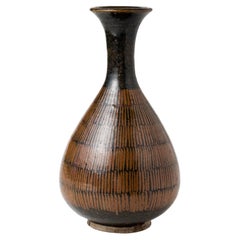
Black-Glazed Russet-Painted Bottle Vase, Northern Song-Jin Dynasty
Located in seoul, KR
Of broad pear shape rising from a low foot to a waisted neck and flared rim, covered overall with a lustrous brownish-black glaze with rare six bands of russet-strokes radiating in yuhuchunping shape.
Period : Northern Song-Jin Dynasty
Type : Yuhuchunping
Medium : Black glazed with russet painted
Provenance : Acquired in late 1990s from Hongkong
Reference :
1) Bonhams London 12 MAY 2016 - Fine Chinese Art - Lot 30
(Price realised : £ 37,500 / Type : Closely Related)
2) Bonhams London 11 MAY 2021 - Roger Keverne Ltd Moving On - Lot 99
(Price realised : £12,750 / Type : Related)
3) Christies NEW YORK 22 MAR 2018 - The Classic Age of Chinese Ceramics - The Linyushanren Collection, Part III - Lot 521
(Price realised : 35,000 USD / Type : Closely Related)
4) Christies HONG KONG 30 MAY 2024 - Important Chinese Ceramics and Works of Art - Lot 2854
(Price realised : HKD 201,600 / Type : Related)
* Black-glazed ceramics in Northern Song-Jin dynasty
Black-glazed ceramics, also known as "black ware," were prominent during the Northern Song (960–1127) and Jin (1115–1234) dynasties. The creation of these ceramics involved the application of a rich, dark glaze, typically achieved using iron oxide. This glaze was applied over a stoneware or porcelain body, then fired at high temperatures to produce a glossy, dark finish ranging from deep brown to black. Notable techniques included the "tea-dust" glaze, which exhibited a speckled appearance, and the "oil-spot" glaze, characterized by small, iridescent spots. The high-temperature firing process was crucial for achieving the desired glaze effects and durability.
The design of black-glazed ceramics often included intricate carvings, incised, or molded decorations. Common forms included bowls, vases, jars, and ceramic pillows. These pillows, used as headrests, featured detailed designs such as floral patterns, animals, and mythical creatures. An example of this is a black-glazed ceramic pillow from the Jin dynasty, which features carvings of two lions. Similar pieces can be found in the Guanfu Museum, where black-glazed pillows...
Category
15th Century and Earlier Hong Kong Antique South Korea - Antiquities
Materials
Stoneware
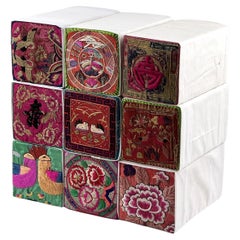
Nine Sqare Auspicious Korean Traditional Embroidered Pillows
Located in seoul, KR
These traditional Korean embroidered pillows, often included in a bride's dowry during the modern era, symbolize auspicious blessings for a harmonious and prosperous married life. Fe...
Category
19th Century South Korean Antique South Korea - Antiquities
Materials
Fabric
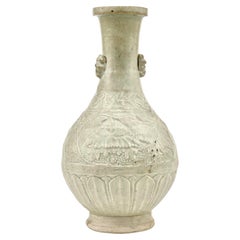
A Carved White Ware
peony
vase, Song-Yuan dynasty
Located in seoul, KR
The vase is raised on a slightly splayed foot and flanked on the tall cylindrical neck by a pair of mask handles. The body is molded with lotus scroll pattern between a floral scroll...
Category
15th Century and Earlier Hong Kong Antique South Korea - Antiquities
Materials
Ceramic, Porcelain
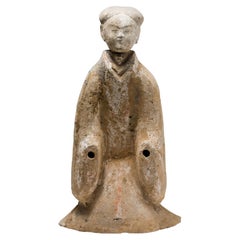
Large Pottery Standing Figure of Attendant
Located in seoul, KR
This artwork, acquired in Hong Kong during the 1990s, is presumed to have been produced in the same kiln from the Han dynasty, based on the head of the Sotheby's reference piece, which also originated from Hong Kong. Furthermore, given its almost identical shape to the piece from the Artemis Gallery...
Category
15th Century and Earlier Hong Kong Han Antique South Korea - Antiquities
Materials
Pottery
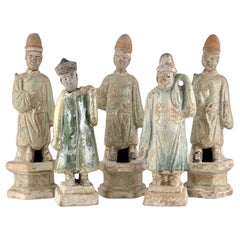
Five Green Glazed Pottery Attendant Figures, Ming Dynasty(1368-1644)
Located in seoul, KR
The three figurines in the back exhibit the typical form of attendants, wearing conical red hats and adopting poses where their right hands are either held in front of their chests o...
Category
15th Century and Earlier Hong Kong Ming Antique South Korea - Antiquities
Materials
Pottery
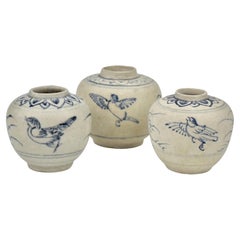
Three Annamese Small Jars with bird design, 15th century, Le Dynasty
Located in seoul, KR
Vietnamese stoneware jar with representative bird designs. These pieces exhibit a relatively vivid and clear color compared to similar works from Hoi An hoard. The main feature of th...
Category
15th Century and Earlier Vietnamese Antique South Korea - Antiquities
Materials
Stoneware
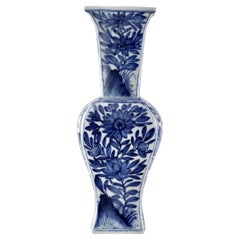
Yanyan Vase from Vung Tau Ship, Qing Dynasty Kangxi Era, Circa 1690
Located in seoul, KR
Each side pencil-painted with stylized chrysanthemum, lotus or daisy sprays issuing from rockwork. This blue and white square vase with rounded sides has a flaring mouth and a long neck. This shape can be traced back to Chinese bronzes. It is decorated with floral motifs on four sides in underglaze blue.
This piece was originally part of a pair, but the other has already been sold.
Period : Qing Dynasty, Kangxi Period(1690-1699)
Origin : Jingdezhen
Destination : Netherland
Found/Acquired : Southeast Asia , South China Sea, Vung Tau Ship
Reference : Double checked with reference to the original catalogues below
1) Christies Amsterdam 1992 - Vung Tau Cargo...
Category
17th Century Vietnamese Antique South Korea - Antiquities
Materials
Ceramic
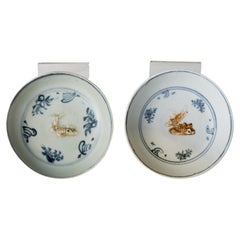
Moulded Goldfish Blue and White Dishes, Ming Dynasty
Located in seoul, KR
Exquisitely decorated set of plates, dating back to around 1500, from the Hongzhi or Zhengde period. Intricately adorned with a raised, moulded goldfish design. The goldfish, painted in a orange-red enamel, are set amidst water plants depicted in rich cobalt blue.
These plates enjoyed widespread popularity, not only in the local markets of China but also overseas in countries. This style of plate played a significant role in the daily life of the Sengoku period in Japan, as evidenced by several similar flat bowls excavated from the Ichijodani Asakura Ruins in Fukui Prefecture, Japan, along with other ceramic artifacts...
Category
16th Century Indonesian Ming Antique South Korea - Antiquities
Materials
Ceramic
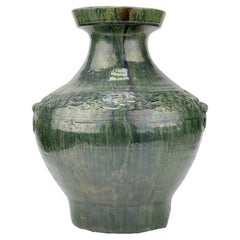
Hu vase with green glaze, Han Dynasty
Located in seoul, KR
It is made from a fairly high-fired reddish pottery and coated in a particularly attractive glossy thick streaky green and finely-crackled glaze, the colour of which varies according...
Category
15th Century and Earlier Hong Kong Han Antique South Korea - Antiquities
Materials
Stoneware
Still Thinking About These?
All Recently ViewedMore Ways To Browse
Han Dynasty Dancer
Ichimatsu Ningyo Doll
Japanese Antique Wall Decor
Japanese Lacquer Comb
Japanese Spinning Wheel
Japanese Swords 16th Century
Japanese Swords Stands
Lavender Jade Figure
Lizard Carving
Luristan Bronze
Manila Manton Shawls
Monkey Gong
Obi Stand
Pegu Bronze
Persian Dagger
Qing Dynasty Tea Cups
Quran Stand
Relic Holder