Ararat Rugs Rugs and Carpets

to
54
Width
to
Length
to
303
1
303
303
303
303
303
303
303
303
303
303
303
295
301
12,330
3,860
1,448
1,172
Creator: Ararat Rugs
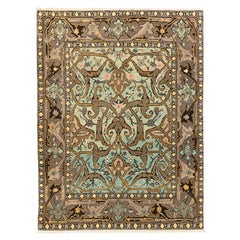
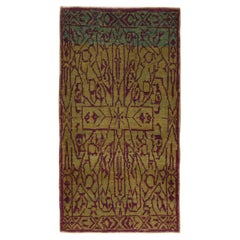
Ararat Rugs Mamluk Wagireh Rug Lattice Pattern Revival Carpet Natural Dyed
By Ararat Rugs
Located in Tokyo, JP
This lattice pattern is composed of palmettes and leaves filling the various compartments against the imposing ground. One has the impression that it is only part of a larger scheme designed 15th-century rug from the Mamluk era, Cairo region, Eygpt. These designs have often been described as wagirehs or samplers and were said to have been used as weaver`s aids, or for demonstration purposes, made as a template or pattern for the carpet design and production of larger rugs, they are generally small pieces of the size of a scatter rug or mat. Mamluk carpets originated in a physical environment that lacked the combination of abundant marginal grazing land and a temperate climate with cool winters that were common to most carpet-weaving areas in the Islamic world. While related to a broader tradition of Turkish weaving centered in Anatolia, far to the north, the designs of these carpets include atypical elements, such as stylized papyrus plants, that are deeply rooted in Egyptian tradition. Their unusual composition and layout probably represent an attempt to develop a distinctive product that could in effect establish a “Mamluk brand” in the lucrative European export market. The uncharacteristic color scheme—devoid of the undyed white pile and employing a limited range of three or five hues in much the same value—also suggests a conscious attempt to create a particular stylistic identity. Also virtually unique in the world of Islamic carpets is the S-spun wool. It has been argued that the tradition of clockwise wool spinning originated in Egypt because of the earlier Egyptian tradition of spinning flax into linen thread. Details of the plant’s botanical structure make it impossible to spin flax fiber in the more common counterclockwise direction utilized throughout the Middle East for wool and cotton. Mamluk carpets with the color combinations seen in the Simonetti are now generally accepted as part of an earlier tradition that has many links to the weaving of Anatolia, Iran, and Syria. The “three-color” Mamluk carpets, well represented in the Metropolitan’s collection, represent a later development that continued well after the Ottoman conquest of Egypt in 1517. Many such carpets may have been produced well into the seventeenth century, and possibly even later. (Walter B. Denny in [Ekhtiar, Soucek, Canby, and Haidar 2011]). The design of the rug is interpreted by our designers from our Mamlouk-type rugs collection and soft colors are used for this rug. Color summary: 3 colors in total; Moss Green 27 (Spurge – Indigo) Mount Olive...
Category

21st Century and Contemporary Turkish Revival Ararat Rugs Rugs and Carpets

Materials

Wool, Natural Fiber, Organic Material
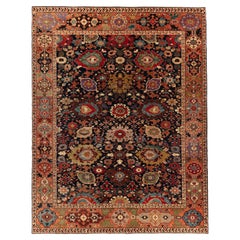
Ararat Rugs Turkish Court Manufactury Rug Ottoman Mamluk Revival Rug Natural Dye
By Ararat Rugs
Located in Tokyo, JP
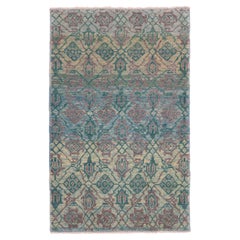
Turkish Court Manufactury Rugs were woven in the Egyptian workshops founded by the Ottoman Empire in the 16th century. Those carpets were woven in Egypt, following the paper cartoons...
Category

21st Century and Contemporary Turkish Revival Ararat Rugs Rugs and Carpets

Materials

Wool, Natural Fiber, Organic Material

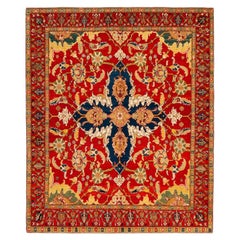
Ararat Rugs Kuba Rug with Palmettes Caucasian 19th C. Revival Rug, Natural Dyed
By Ararat Rugs
Located in Tokyo, JP
The source of the rug comes from the book Oriental Rugs Volume 1 Caucasian, Ian Bennett, Oriental Textile Press, Aberdeen, 1993, pg.247. This is a H...
Category

21st Century and Contemporary Turkish Revival Ararat Rugs Rugs and Carpets

Materials

Wool, Natural Fiber, Organic Material
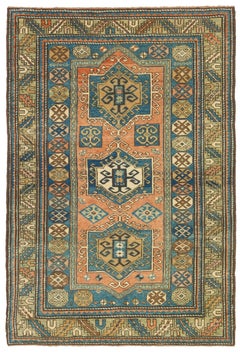
Ararat Rugs Carpet with Two Medallions Anatolian Revival Rug Natural Dyed
By Ararat Rugs
Located in Tokyo, JP
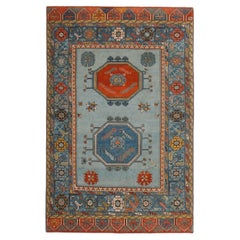
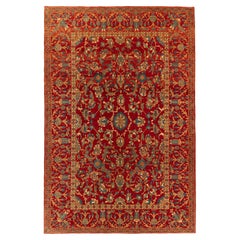
This is a dual medallion as the main element of the design of 18th-century carpet from the Konya region, Central Anatolia area of Turkey. Rugs of this type, using two medallions, appear frequently in 15th-century paintings of both the Venetian and the Flemish schools. This pattern tradition survived into the 18th and even into the 19th century in Anatolian village rugs of which this is an exceptionally powerful example. The two octagons that fill almost all of the field enclose a small octagon in the center from which radiate rectangular panels in a star-like fashion, filled with “latch-hook” patterns. Typical two medallions central octagon carpets contain a star-and-knot design commonly found in “Holbein” rugs...
Category

21st Century and Contemporary Turkish Oushak Ararat Rugs Rugs and Carpets

Materials

Wool, Natural Fiber, Organic Material
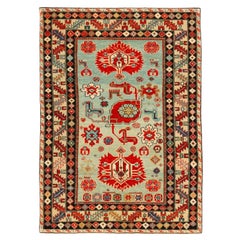
Ararat Rugs Chelaberd Karabakh Rug 19th C. Caucasian Revival Carpet Natural Dyed
By Ararat Rugs
Located in Tokyo, JP
The source of the rug comes from the book Caucasian Carpets, E. Gans-Reudin, Thames and Hudson, Switzerland 1986, pg.57. This is a large medallion rug...
Category

21st Century and Contemporary Turkish Revival Ararat Rugs Rugs and Carpets

Materials

Wool, Natural Fiber, Organic Material
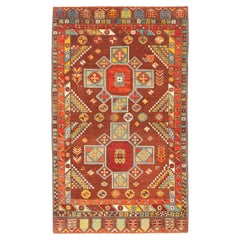
Ararat Rugs Mamluk Wagireh Rug with Flower Lattice Design Natural Dyed Carpet
By Ararat Rugs
Located in Tokyo, JP
The source of carpet comes from the book Völker, Angela, Die orientalischen Knüpfteppiche das MAK, Vienna: Böhlau, 2001: 42–5. This rug with the central star was designed in the early 16th-century rug by Mamluk Sultane of Cairo, Egypt. It is exhibited at MAK – Museum of Applied Arts, Vienna Austria. The interpreted design is composed of a flower lattice pattern taken from a part of the MAK Museum’s rug...
Category

21st Century and Contemporary Turkish Revival Ararat Rugs Rugs and Carpets

Materials

Wool, Natural Fiber, Organic Material
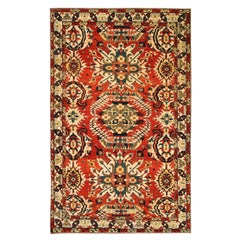
Ararat Rugs Palmettes and Flowers Lattice Rug Bidjar Revival Carpet Natural Dyed
By Ararat Rugs
Located in Tokyo, JP
This offset pattern is composed of palmettes and flowers, one has the impression that it is only part of a larger scheme designed for 19th-century rugs from the Bidjar region, Easter...
Category

21st Century and Contemporary Turkish Revival Ararat Rugs Rugs and Carpets

Materials

Wool, Natural Fiber, Organic Material
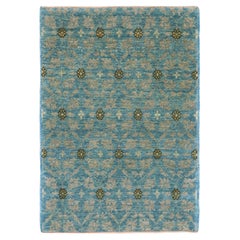
Ararat Collection, Mamluk Wagireh Rug with Flower Lattice Natural Dye Mat Carpet
By Ararat Rugs
Located in Tokyo, JP
The source of carpet comes from the book Völker, Angela, Die orientalischen Knüpfteppiche das MAK, Vienna: Böhlau, 2001: 42–5. This rug with the central star was designed in the early 16th-century rug by Mamluk Sultane of Cairo, Egypt. It is exhibited at MAK – Museum of Applied Arts, Vienna Austria. The interpreted design is composed of a flower lattice pattern taken from a part of the MAK Museum’s rug...
Category

21st Century and Contemporary Turkish Revival Ararat Rugs Rugs and Carpets

Materials

Wool, Natural Fiber, Organic Material
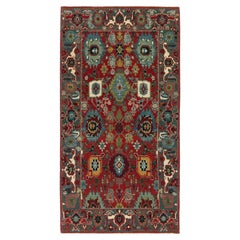
Ararat Rugs Medallion Oushak Carpet Museum Piece 17th C. Revival Rug Natural Dye
By Ararat Rugs
Located in Tokyo, JP
The source of the carpet comes from the book How to Read – Islamic Carpets, Walter B. Denny, The Metropolitan Museum of Art, New York 2014 fig.58 and Antique Rugs from the Near East,...
Category

21st Century and Contemporary Turkish Oushak Ararat Rugs Rugs and Carpets

Materials

Wool, Natural Fiber, Organic Material
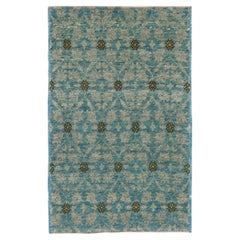
Ararat Rugs Gerous Arabesque Rug, Antique Persian Revival Carpet, Natural Dyed
By Ararat Rugs
Located in Tokyo, JP
The design source of the rug comes from the book Islamic Carpets, Joseph V. McMullan, Near Eastern Art Research Center Inc., New York 1965 nr.22. This is a system of arabesque-design...
Category

21st Century and Contemporary Turkish Revival Ararat Rugs Rugs and Carpets

Materials

Wool, Natural Fiber, Organic Material
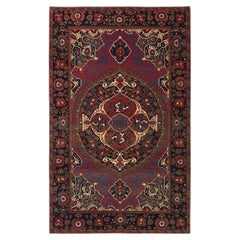
Ararat Rugs Rows of Rosettes Rug, Antique Anatolian Revival Carpet Natural Dyed
By Ararat Rugs
Located in Tokyo, JP
The source of the rug comes from the book Orient Star – A Carpet Collection, E. Heinrich Kirchheim, Hali Publications Ltd, 1993 nr.173. This classical shape of a rosette design 16th ...
Category

21st Century and Contemporary Turkish Oushak Ararat Rugs Rugs and Carpets

Materials

Wool, Natural Fiber, Organic Material
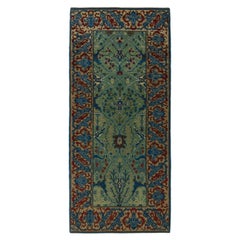
Ararat Rugs Diamond and Flowers Lattice Wagireh Rug Modern Turkish Carpet
By Ararat Rugs
Located in Tokyo, JP
This rug’s design is composed of diamond and flower rows pattern, filling the field elegantly. These kinds of rugs have often been described as wagirehs or samplers and were said to ...
Category

21st Century and Contemporary Turkish Oushak Ararat Rugs Rugs and Carpets

Materials

Wool, Natural Fiber, Organic Material
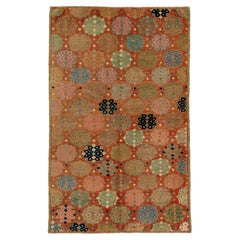
Ararat Rugs the Soft Pink Color Rug, Modern Design Simple Carpet, Natural Dyed
By Ararat Rugs
Located in Tokyo, JP
This unique, simple modern design rug is interpreted by our designers with a mixture of Ararat Rugs’ soft-toned natural dyed hand-spun yarns. Color summary: 10 colors in total, the ...
Category

21st Century and Contemporary Turkish Revival Ararat Rugs Rugs and Carpets

Materials

Wool, Natural Fiber, Organic Material
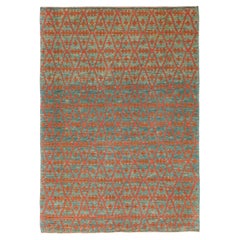
Ararat Rugs the Yellow-Brown Color Rug, Modern Desert Sand Carpet Natural Dyed
By Ararat Rugs
Located in Tokyo, JP
This unique design rug is interpreted by our designers with a mixture of Ararat Rugs’ soft tone natural dyed hand-spun yarns. This modern carpet looks like the sand in the desert. C...
Category

21st Century and Contemporary Turkish Revival Ararat Rugs Rugs and Carpets

Materials

Wool, Natural Fiber, Organic Material
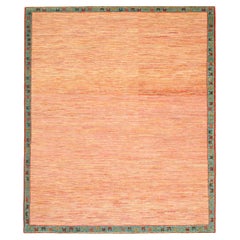
Ararat Rugs Mamluk Wagireh Rug with Flower Lattice Design Natural Dyed Carpet
By Ararat Rugs
Located in Tokyo, JP
The design source of the carpet comes from the book Völker, Angela, Die orientalischen Knüpfteppiche das MAK, Vienna: Böhlau, 2001: 42–5. This rug with the central star was designed ...
Category

21st Century and Contemporary Turkish Revival Ararat Rugs Rugs and Carpets

Materials

Wool, Natural Fiber, Organic Material
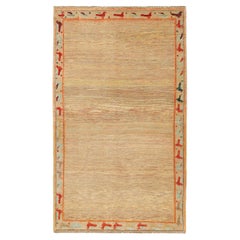
Ararat Rugs Garden Design Rug, 18th Century Persian Revival Carpet, Natural Dyed
By Ararat Rugs
Located in Tokyo, JP
The source of the rug comes from the book Islamic Carpets, Joseph V. McMullan, Near Eastern Art Research Center Inc., New York 1965 nr.28. This Persian Garden design rug belongs to t...
Category

21st Century and Contemporary Turkish Revival Ararat Rugs Rugs and Carpets

Materials

Wool, Natural Fiber, Organic Material
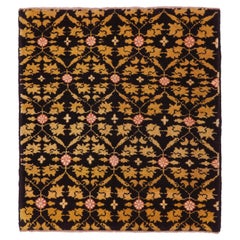
Ararat Rugs Lesghi Star Saliani Rug, Caucasian Revival Carpet, Kazak Natural Dye
By Ararat Rugs
Located in Tokyo, JP
The source of the rug comes from the book Tapis du Caucase - Rugs of the Caucasus, Ian Bennett & Aziz Bassoul, The Nicholas Sursock Museum, Beirut, Lebanon 2003, nr.45 and Oriental R...
Category

21st Century and Contemporary Turkish Revival Ararat Rugs Rugs and Carpets

Materials

Wool, Natural Fiber, Organic Material
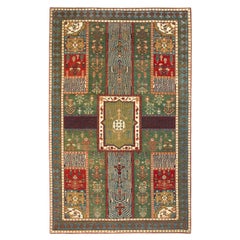
Ararat Rugs Modern Design Gabbeh Rug, Persian Mid-Century Design Natural Dyed
By Ararat Rugs
Located in Tokyo, JP
This Gabbeh rug, designed in the 1930s, is a type of handwoven rug that originated from Iran, specifically from the southwestern region known as Fars. The word “Gabbeh” itself means ...
Category

21st Century and Contemporary Turkish Oushak Ararat Rugs Rugs and Carpets

Materials

Wool, Natural Fiber, Organic Material
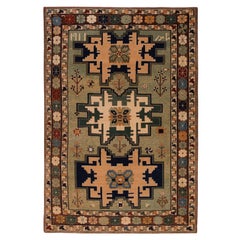
Ararat Rugs Modern Rug with Mamluk Geometric Design, Natural Dyed Carpet
By Ararat Rugs
Located in Tokyo, JP
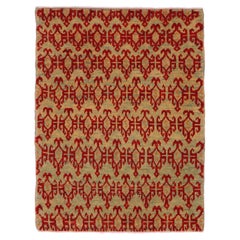
This rug has an interpreted design composed of a geometric lattice pattern taken from a part of the Mamluk rug, filling the field elegantly, has the impression that it is only part of a larger scheme designed 15th-century rug from the Mamluk era, Cairo region, Eygpt. Mamluk carpets originated in a physical environment that lacked the combination of abundant marginal grazing land and a temperate climate with cool winters that were common to most carpet-weaving areas in the Islamic world. While related to a broader tradition of Turkish weaving centered in Anatolia, far to the north, the designs of these carpets include atypical elements, such as stylized papyrus plants, that are deeply rooted in Egyptian tradition. Their unusual composition and layout probably represent an attempt to develop a distinctive product that could in effect establish a “Mamluk brand” in the lucrative European export market. The uncharacteristic color scheme—devoid of the undyed white pile and employing a limited range of three or five hues in much the same value—also suggests a conscious attempt to create a particular stylistic identity. Also virtually unique in the world of Islamic carpets is the S-spun wool. It has been argued that the tradition of clockwise wool spinning originated in Egypt because of the earlier Egyptian tradition of spinning flax into linen thread. Details of the plant’s botanical structure make it impossible to spin flax fiber in the more common counterclockwise direction utilized throughout the Middle East for wool and cotton. Mamluk carpets with the color combinations seen in the Simonetti are now generally accepted as part of an earlier tradition that has many links to the weaving of Anatolia, Iran, and Syria. The “three-color” Mamluk carpets, well represented in the Metropolitan’s collection, represent a later development that continued well after the Ottoman conquest of Egypt in 1517. Many such carpets may have been produced well into the seventeenth century, and possibly even later. (Walter B. Denny in [Ekhtiar, Soucek, Canby, and Haidar 2011]). The design of the rug is interpreted by our designers from our Mamlouk-type rugs collection and vivid colors are used for this rug. Color summary: 2 colors in total; Imperial Red 426 (Madder Root) Sunray Color 405 (Henna) Group: Islamic Rugs...
Category

21st Century and Contemporary Turkish Revival Ararat Rugs Rugs and Carpets

Materials

Wool, Natural Fiber, Organic Material
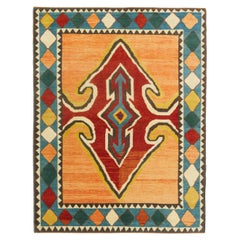
Ararat Rugs Palmette Lattice Rug, 19th Century Revival Carpet, Natural Dyed
By Ararat Rugs
Located in Tokyo, JP
The source of the rug comes from the book How to Read – Islamic Carpets, Walter B. Denny, The Metropolitan Museum of Art, New York 2014 fig.82. This was an exclusive example of a pal...
Category

21st Century and Contemporary Turkish Revival Ararat Rugs Rugs and Carpets

Materials

Wool, Natural Fiber, Organic Material
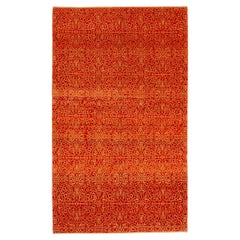
Ararat Rugs Chelaberd Karabakh Rug Antique Caucasian Revival Carpet Natural Dyed
By Ararat Rugs
Located in Tokyo, JP
The design source of the rug comes from the book Tapis du Caucase – Rugs of the Caucasus, Ian Bennett & Aziz Bassoul, The Nicholas Sursock Museum, Beirut, Lebanon 2003, nr.29 and Oriental Rugs Volume 1 Caucasian, Ian Bennett, Oriental Textile Press, Aberdeen 1993, nr.93 and Caucasian Carpets, E. Gans-Reudin, Thames and Hudson, Switzerland 1986, pg.144. This is a large medallion rug from the late 19th century, Karabakh, Chelaberd (a village slightly to the southeast of Chondzoresk) region, Caucasus area. At Chelaberd, carpets were manufactured according to strict regulations; and, as a result, dimensions, motifs, and borders are approximately the same throughout. This example bears large medallions on its red ground; the colored features stand out well against the white ground. There has been all manner of suggestions as to the identity of this cruciform motif spiked with long-stemmed flowers: according to various traditions, it has been taken for a bird in flight, a sun flashing its beams of light, crossed swords, or even the coat of arms of a family or town. As a result, this type of carpet is habitually called an ‘Eagle Kazak (Adler in German)’, ‘Sun or Sunburst Kazak...
Category

21st Century and Contemporary Turkish Revival Ararat Rugs Rugs and Carpets

Materials

Wool, Natural Fiber, Organic Material
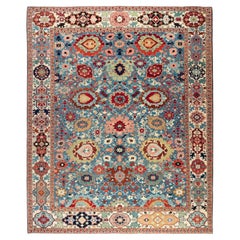
Ararat Rugs Memling Gul Kazak Rug, 19th C. Caucasian Revival Carpet Natural Dyed
By Ararat Rugs
Located in Tokyo, JP
The source of the rug comes from the book Tapis du Caucase – Rugs of the Caucasus, Ian Bennett & Aziz Bassoul, The Nicholas Sursock Museum, Beirut, Lebanon 2003, nr.24 and Oriental R...
Category

21st Century and Contemporary Turkish Revival Ararat Rugs Rugs and Carpets

Materials

Wool, Natural Fiber, Organic Material
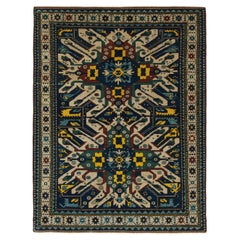
Ararat Rugs Mamluk Wagireh Rug with Palmette Lattice Revival Carpet Natural Dyed
By Ararat Rugs
Located in Tokyo, JP
This rug has an interpreted design composed of a palmette lattice pattern taken from a part of the Mamluk rug, filling the field elegantly. These kinds of rugs have often been descri...
Category

2010s Turkish Revival Ararat Rugs Rugs and Carpets

Materials

Wool, Natural Fiber, Organic Material
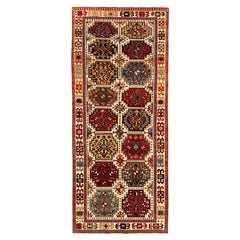
Ararat Rugs Cairene Ottoman Carpet, Turkish Court Manufactury Rug, Natural Dyed
By Ararat Rugs
Located in Tokyo, JP
Turkish Court Manufactury Rugs were woven in the Egyptian workshops founded by Ottoman Empire in the 16th century. Those carpets were woven in Egypt, following the paper cartoons pro...
Category

21st Century and Contemporary Turkish Oushak Ararat Rugs Rugs and Carpets

Materials

Natural Fiber, Organic Material, Wool

Ararat Rugs Gerous Bidjar Wagireh Pendant Rug Revival Carpet Natural Dyed
By Ararat Rugs
Located in Tokyo, JP
The most dramatic of the Gerous ( Garrus, Gerus, Garus ) carpets are those with an “asymmetric” design. Only a section of the original is shown, in the same way, many Lotto carpets w...
Category

21st Century and Contemporary Turkish Revival Ararat Rugs Rugs and Carpets

Materials

Wool, Organic Material, Natural Fiber

Ararat Rugs the Green Color Rug, Modern Impressionist River Carpet Natural Dyed
By Ararat Rugs
Located in Tokyo, JP
This unique design rug is interpreted by our designers with a mixture of Ararat Rugs’ soft green tone natural dyed hand-spun yarns. This modern rug is reminiscent of a scene in impre...
Category

21st Century and Contemporary Turkish Revival Ararat Rugs Rugs and Carpets

Materials

Wool, Natural Fiber, Organic Material
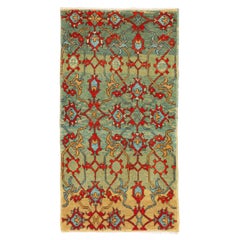
Ararat Rugs Dragon Rug, Antique Caucasian Revival Carpet, Natural Dyed
By Ararat Rugs
Located in Tokyo, JP
There has long been a fascination with the symbolism of the dragon and its depiction in carpet weavings. The design of ‘Dragon’ carpets consists of a field pattern composed of different colored overlaid lattices formed of pointed, serrated leaves creating intersecting lozenges, which alternately contain palmettes and are flanked by confronting stylized dragons, birds, or animal figures. The most archaic of the ‘Dragon’ carpets include dragon motifs with birds and running animals relatively naturalistically drawn, which stand either alone or in confronting pairs facing a tree. It has been suggested that the earliest examples of the Caucasian ‘Dragon’ carpets...
Category

21st Century and Contemporary Turkish Revival Ararat Rugs Rugs and Carpets

Materials

Wool, Natural Fiber, Organic Material

Ararat Rugs Palmettes and Flowers Lattice Rug Antique Revival Carpet Natural Dye
By Ararat Rugs
Located in Tokyo, JP
This offset pattern is composed of palmettes and flowers, one has the impression that it is only part of a larger scheme designed for 19th-century rugs from the Bidjar region, Easter...
Category

21st Century and Contemporary Turkish Revival Ararat Rugs Rugs and Carpets

Materials

Wool, Natural Fiber, Organic Material

Ararat Rugs Turkish Court Manufactury Rug Ottoman Revival Rug Natural Dyed
By Ararat Rugs
Located in Tokyo, JP
Turkish Court Manufactury Rugs were woven in the Egyptian workshops founded by the Ottoman Empire in the 16th century. Those carpets were woven in Egypt, following the paper cartoons...
Category

21st Century and Contemporary Turkish Revival Ararat Rugs Rugs and Carpets

Materials

Wool, Natural Fiber, Organic Material

Ararat Rugs Heriz Medallion Rug with Pear Design Revival Carpet Natural Dyed
By Ararat Rugs
Located in Tokyo, JP
This is a medallion design with the pear tree, flowers, and palmettes rug from the late 19th century, Heriz region, Northwest Persia. Heriz ( Heris ) is a special Turkish knot weavin...
Category

21st Century and Contemporary Turkish Revival Ararat Rugs Rugs and Carpets

Materials

Wool, Natural Fiber, Organic Material

Ararat Rugs Mamluk Wagireh Rug Lattice Pattern Revival Carpet Natural Dyed
By Ararat Rugs
Located in Tokyo, JP
This lattice pattern is composed of palmettes and leaves filling the various compartments against the imposing ground. One has the impression that it is only part of a larger scheme ...
Category

21st Century and Contemporary Turkish Revival Ararat Rugs Rugs and Carpets

Materials

Wool, Natural Fiber, Organic Material

Ararat Rugs Mamluk Wagireh Rug with Palmette Lattice Revival Carpet Natural Dyed
By Ararat Rugs
Located in Tokyo, JP
This rug has an interpreted design composed of a palmette lattice pattern taken from a part of the Mamluk rug, filling the field elegantly. These kinds of rugs have often been descri...
Category

21st Century and Contemporary Turkish Revival Ararat Rugs Rugs and Carpets

Materials

Wool, Natural Fiber, Organic Material

Ararat Rugs Konagkend Kuba Rug, Antique Caucasian Revival Carpet, Natural Dyed
By Ararat Rugs
Located in Tokyo, JP
The source of the rug comes from the book Oriental Rugs Volume 1 Caucasian, Ian Bennett, Oriental Textile Press, Aberdeen 1993, nr.332. This is a sp...
Category

21st Century and Contemporary Turkish Revival Ararat Rugs Rugs and Carpets

Materials

Wool, Natural Fiber, Organic Material

Ararat Rugs Heriz Medallion Rug 19th Century Persian Revival Carpet Natural Dyed
By Ararat Rugs
Located in Tokyo, JP
This is a medallion design rug from the late 19th century, Heriz region, Northwest Persia area. Heriz ( Heris ) is a special Turkish knot weaving area of Persia, including many villa...
Category

21st Century and Contemporary Turkish Revival Ararat Rugs Rugs and Carpets

Materials

Wool, Natural Fiber, Organic Material

Ararat Rugs Kazak Rug with Hooked Medallions, Caucasian Carpet, Natural Dyed
By Ararat Rugs
Located in Tokyo, JP
This is a complete hooked field with double medallions rug from the late 19th century, Kazak region, Caucasus area. A striking field design features three medallions each with concen...
Category

21st Century and Contemporary Turkish Revival Ararat Rugs Rugs and Carpets

Materials

Wool, Natural Fiber, Organic Material

Ararat Rugs Transilvanian Ushak Prayer Rug Anatolian Revival Carpet Natural Dyed
By Ararat Rugs
Located in Tokyo, JP
Carpets called Siebenburgen or Transylvanian are those which have been found in the Protestant churches of Siebenburgen. Some of them carry a label on the back stating where, when and by whom the piece has been donated to the church. Siebenbürgen/Transylvania is an area between the South and the East Carpathian and West Siebenbürgen mountains in Romania. In 1541 the area came under the rule of the Ottoman Empire and became a Turkish protectorate of the principality of Transylvania. Legend has it that Suleiman ‘the magnificent’ sent his vizier with the gift of a beautiful carpet to the Black Church...
Category

21st Century and Contemporary Turkish Oushak Ararat Rugs Rugs and Carpets

Materials

Wool, Natural Fiber, Organic Material

Ararat Rugs Kazak Rug with Hooked Medallions Antique Revival Carpet Natural Dyed
By Ararat Rugs
Located in Tokyo, JP
This is a complete hooked field with double medallions rug from the late 19th century, Kazak region, Caucasus area. A striking field design features two medallions each with concentr...
Category

21st Century and Contemporary Turkish Revival Ararat Rugs Rugs and Carpets

Materials

Wool, Natural Fiber, Organic Material

Ararat Rugs Mamluk Rug with Central Star, 16th C. Revival Carpet, Natural Dyed
By Ararat Rugs
Located in Tokyo, JP
The source of the rug comes from the Textile Museum, Washington D.C., inv. R 16.2.4. This rug with the central star was designed in the early 16th century rug by the Mamluk Sultan of...
Category

21st Century and Contemporary Turkish Revival Ararat Rugs Rugs and Carpets

Materials

Wool, Natural Fiber, Organic Material

Ararat Rugs Bid Majnum on White Field Rug, 17th Century Revival, Natural Dyed
By Ararat Rugs
Located in Tokyo, JP
The source of the rug comes from the book Antique Rugs of Kurdistan A Historical Legacy of Woven Art, James D. Burns, 2002 nr.45. This is a popular design employed by the Kurds, call...
Category

21st Century and Contemporary Turkish Revival Ararat Rugs Rugs and Carpets

Materials

Wool, Natural Fiber, Organic Material

Ararat Rugs Mina Khani Rug, 19th Century Persian Revival Carpet, Natural Dyed
By Ararat Rugs
Located in Tokyo, JP
The source of the rug comes from the book Antique Rugs of Kurdistan A Historical Legacy of Woven Art, James D. Burns, 2002 nr.2. This was an exclusive example of a Mina Khani lattice...
Category

21st Century and Contemporary Turkish Revival Ararat Rugs Rugs and Carpets

Materials

Wool, Natural Fiber, Organic Material

Ararat Rugs Lesghi Star Saliani Rug, Caucasian Revival Carpet, Natural Dyed
By Ararat Rugs
Located in Tokyo, JP
The source of the rug comes from the book Tapis du Caucase – Rugs of the Caucasus, Ian Bennett & Aziz Bassoul, The Nicholas Sursock Museum, Beirut, Lebanon 2003, nr.45 and Oriental R...
Category

21st Century and Contemporary Turkish Revival Ararat Rugs Rugs and Carpets

Materials

Wool, Natural Fiber, Organic Material

Ararat Rugs Mamluk Carpet with Lattice Design, Natural Sheep Wool Colors No Dye
By Ararat Rugs
Located in Tokyo, JP
The source of the carpet comes from the Mercer Collection Sotheby’s 2000 (catalog cover). This Mamluk-Cairene carpet is known, curiously featuring some t...
Category

21st Century and Contemporary Turkish Revival Ararat Rugs Rugs and Carpets

Materials

Wool, Natural Fiber, Organic Material

Ararat Rugs Arabesque Rug 19th Century Style Persian Kurdish Revival Carpet
By Ararat Rugs
Located in Tokyo, JP
The source of rug comes from the book Antique rugs of Kurdistan A Historical Legacy of Woven Art, James D. Burns, 2002 nr.33. This is a fine Kurdish workshop rug with split-palmette and trefoil arabesque patterns designed mid-19th century rug from Senna or Garrus, Eastern Kurdistan area. This design is found on 16th-century Timurid-inspired faience mosaics in the Jami Mosque in Isfahan, and both it and the border pattern can be related to 16th and 17th-century Safavid carpets...
Category

21st Century and Contemporary Turkish Revival Ararat Rugs Rugs and Carpets

Materials

Wool, Natural Fiber, Organic Material

Ararat Rugs Palmette Lattice Rug, 19th Century Revival Carpet, Natural Dyed
By Ararat Rugs
Located in Tokyo, JP
The source of the rug comes from the book How to Read – Islamic carpets, Walter B. Denny, The Metropolitan Museum of Art, New York 2014 fig.82. This was an exclusive example of a pal...
Category

21st Century and Contemporary Turkish Revival Ararat Rugs Rugs and Carpets

Materials

Wool, Natural Fiber, Organic Material

Ararat Rugs Turkish Court Manufactury Rug Ottoman Revival Rug Natural Dyed
By Ararat Rugs
Located in Tokyo, JP
Turkish Court Manufactury Rugs were woven in the Egyptian workshops founded by Ottoman Empire in the 16th century. Those carpets were woven in Eg...
Category

21st Century and Contemporary Turkish Revival Ararat Rugs Rugs and Carpets

Materials

Wool, Natural Fiber, Organic Material

Ararat Rugs Fachralo Kazak Rug 19th Century Caucasus Revival Carpet Natural Dyed
By Ararat Rugs
Located in Tokyo, JP
This is another Kazak example of the Fachralo, a town north of Lori-Pambak and just southwest of Bordjalou, from the late 19th-century, Caucasus area. It has given its name to a numb...
Category

21st Century and Contemporary Turkish Revival Ararat Rugs Rugs and Carpets

Materials

Wool, Natural Fiber, Organic Material

Ararat Rugs the Barbieri Tree Design Carpet, Persian Revival Rug, Natural Dyed
By Ararat Rugs
Located in Tokyo, JP
The source of carpet comes from the book Orient Star – A Carpet Collection, E. Heinrich Kirchheim, Hali Publications Ltd, 1993 nr.64 and Islamic Carpets, Joseph V. McMullan, Near Eastern Art Research Center Inc., New York 1965 nr.26. This is a long Khorassan Compartment and tree design 17th-century carpet from Khorasan, Eastern Persia. The name of this carpet comes from the provenance of Piero Barbieri, Genoa. The basic design of this rug is essentially quite simple. The field is organized by alternate rows of smaller multilobed medallions and larger reciprocal cartouches. The medallions alternate in width and color; from the wider ones, four trees...
Category

21st Century and Contemporary Turkish Revival Ararat Rugs Rugs and Carpets

Materials

Organic Material, Natural Fiber, Wool

Ararat Rugs the Barbieri Tree Design Carpet, Persian Revival Rug, Natural Dyed
By Ararat Rugs
Located in Tokyo, JP
The source of carpet comes from the book Orient Star – A Carpet Collection, E. Heinrich Kirchheim, Hali Publications Ltd, 1993 nr.64 and Islamic Carpets, Joseph V. McMullan, Near Eas...
Category

21st Century and Contemporary Turkish Revival Ararat Rugs Rugs and Carpets

Materials

Wool, Organic Material, Natural Fiber
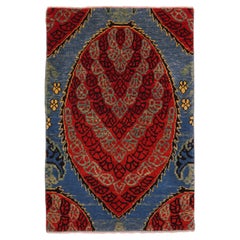
Ararat Rugs Kerman Multi-Medallion Carpet 17th Century Revival Rug, Natural Dyed
By Ararat Rugs
Located in Tokyo, JP
This is an elegant multi-medallion carpet designed 17th century in the Kerman region, Persia. The carpet design shows vigorous rows of eight-pointed star medallions; ornamented with ...
Category

21st Century and Contemporary Turkish Revival Ararat Rugs Rugs and Carpets

Materials

Wool, Natural Fiber, Organic Material
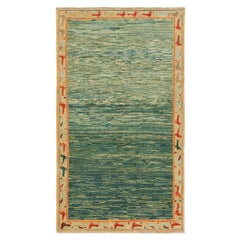
Ararat Rugs the Alaeddin Mosque Flowers and Stars Lattice Carpet Natural Dye Rug
By Ararat Rugs
Located in Tokyo, JP
The source of the carpet comes from the book Orient Stars Collection, Anatolian Tribal Rugs 1050-1750, Michael Franses, Hali Publications Ltd, 2021 fig.23. This 13th-century carpet i...
Category

21st Century and Contemporary Turkish Revival Ararat Rugs Rugs and Carpets

Materials

Wool, Natural Fiber, Organic Material
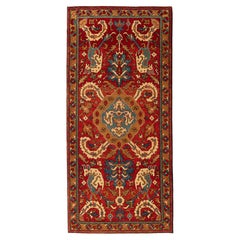
Ararat Rugs Mamluk Wagireh Rug with Geometric Design Revival Carpet Natural Dyed
By Ararat Rugs
Located in Tokyo, JP
This geometric lattice pattern rug has the impression that it is only part of a larger scheme designed 15th-century rug from the Mamluk era, Cairo region, Eygpt. These designs have o...
Category

21st Century and Contemporary Turkish Revival Ararat Rugs Rugs and Carpets

Materials

Wool, Natural Fiber, Organic Material
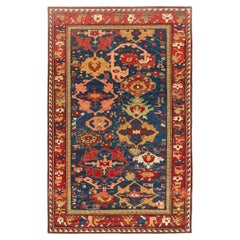
Ararat Rugs the Divrigi Ulu Mosque Carpet Anatolian Revival Rug, Natural Dyed
By Ararat Rugs
Located in Tokyo, JP
The source of the carpet comes from the book Turkish Carpets from the 13th – 18th centuries, Ahmet Ertug, 1996 pl.16. This 15th-century carpet is from Ulu Mosque, Divrigi Sivas regio...
Category

21st Century and Contemporary Turkish Revival Ararat Rugs Rugs and Carpets

Materials

Organic Material, Natural Fiber, Wool

Ararat Rugs Carpet with Two Medallions 18th Century Revival Rug Natural Dyed
By Ararat Rugs
Located in Tokyo, JP
This is a dual medallion as the main element of the design of 18th-century carpet from the Konya region, Central Anatolia area of Turkey. Rugs of this type, using two medallions, appear frequently in 15th-century paintings of both the Venetian and the Flemish schools. This pattern tradition survived into the 18th and even into the 19th century in Anatolian village rugs of which this is an exceptionally powerful example. The two octagons that fill almost all of the field enclose a small octagon in the center from which radiate rectangular panels in a star-like fashion, filled with “latch-hook” patterns. Typical two medallions central octagon carpets...
Category

21st Century and Contemporary Turkish Revival Ararat Rugs Rugs and Carpets

Materials

Wool, Natural Fiber, Organic Material
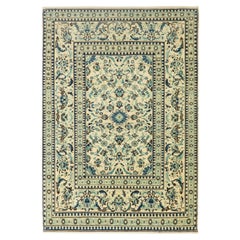
Ararat Rugs Turkish Court Manufactury Rug Ottoman Revival Rug Natural Dyed
By Ararat Rugs
Located in Tokyo, JP
Turkish Court Manufactury Rugs were woven in the Egyptian workshops founded by the Ottoman Empire in the 16th century. Those carpets were woven in Egypt, following the paper cartoons...
Category

21st Century and Contemporary Turkish Revival Ararat Rugs Rugs and Carpets

Materials

Wool, Natural Fiber, Organic Material
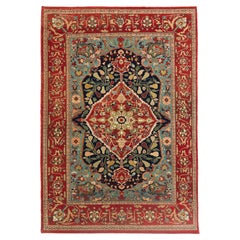
Ararat Rugs the Alaeddin Mosque Flowers and Stars Lattice Carpet, Natural Dyed
By Ararat Rugs
Located in Tokyo, JP
The source of the carpet comes from the book Orient Stars Collection, Anatolian Tribal Rugs 1050-1750, Michael Franses, Hali Publications Ltd, 2021 fig.23. This 13th-century carpet is from probably the Konya region, central Anatolia, circa 1200-1300 (C 1290-1420). It is exhibited at the Museum of Turkish and Islamic Arts...
Category

21st Century and Contemporary Turkish Revival Ararat Rugs Rugs and Carpets

Materials

Wool, Natural Fiber, Organic Material
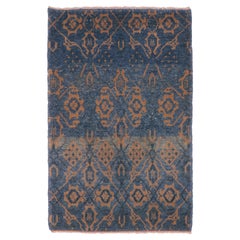
Ararat Rugs Mamluk Carpet with Lattice Design, Natural Sheep Wool Colors No Dye
By Ararat Rugs
Located in Tokyo, JP
The source carpet comes from the Mercer Collection Sotheby’s 2000 (catalog cover). This Mamluk-Cairene carpet, curiously featuring some type of lattice, ...
Category

21st Century and Contemporary Turkish Revival Ararat Rugs Rugs and Carpets

Materials

Wool, Natural Fiber, Organic Material

Ararat Rugs Divrigi Ulu Mosque Wagireh Carpet Seljuk Rug Entrance Mat Doormat
By Ararat Rugs
Located in Tokyo, JP
The source of carpet comes from the book Turkish Carpets from the 13th – 18th centuries, Ahmet Ertug, 1996 pl.16. This 15th-century carpet is from Ulu Mosque, Divrigi Sivas region, c...
Category

2010s Turkish Revival Ararat Rugs Rugs and Carpets

Materials

Wool, Organic Material, Natural Fiber

Ararat Rugs Konagkend Shirvan Rug Antique Caucasian Revival Carpet Natural Dyed
By Ararat Rugs
Located in Tokyo, JP
The source of the rug comes from the book How to Read - Islamic Carpets, Walter B. Denny, The Metropolitan Museum of Art, New York 2014 fig.87. This is a domestic carpet, village, and nomadic weaving in the late 19th century in the Shirvan region, Caucasus. There are three principal designs for rugs attributed to Konagkend ( Konakkent or Konakhend ). The first has a large cruciform medallion, the second, called by Kerimov and Schürmann ‘Ordutch-Konagkend’, has a series of large octagons, and the third, and probably best known, has a stiff, angular lattice based on hexagonal forms. Each type has a quite different aesthetic appeal and in each case, the design is reminiscent of other rugs. The cruciform medallion type usually has a bright, light palette and in both color and design is reminiscent of Kurdish weavings and certain Turkish village rugs. The ‘Ordutch-Konagkend’ pieces have strong affinities with Baku and other north Shirvan rugs, and the lattice type is the closest to the concept of design most normally associated with Kuba as well as having links with earlier groups of, principally Turkish, carpets. This is an example of nomadic and village weaving often attaining a level of great artistry, exhibiting an almost breathtaking command of technique along with a marvelous sense of color, proportion, and artistic balance...
Category

21st Century and Contemporary Turkish Revival Ararat Rugs Rugs and Carpets

Materials

Wool, Natural Fiber, Organic Material
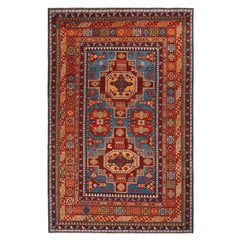
Ararat Rugs the Alaeddin Mosque Clouds Carpet Seljuk Wagireh Rug Natural Dyed
By Ararat Rugs
Located in Tokyo, JP
The source of carpet comes from the book Orient Stars Collection, Anatolian Tribal Rugs 1050-1750, Michael Franses, Hali Publications Ltd, 2021 fig.27. This 13th-century carpet is fr...
Category

21st Century and Contemporary Turkish Revival Ararat Rugs Rugs and Carpets

Materials

Wool, Natural Fiber, Organic Material
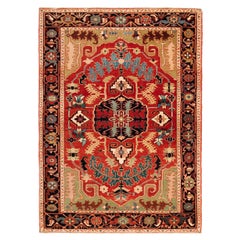
Ararat Rugs Chessboard Carpet Mamlouk Checkerboard Rug Antique Mamluk Revival
By Ararat Rugs
Located in Tokyo, JP
This hand-knotted rug is a bold reinterpretation of the historic Mamluk “chessboard” layout—an architectural field design built from a grid of repeated octagonal star motifs. Unlike classical Mamluk rugs, which often featured deep crimson and emerald tones, this version introduces an earthy and luminous palette of ochre gold, teal green, soft ivory, and sky blue. The result is a brighter, more contemporary vision of a centuries-old form. The source of carpet comes from the book Islamic Carpets, Joseph V. McMullan, Near Eastern Art Research Center Inc., New York 1965 nr.28. The field of the so-called "Chessboard" Carpet ( so-called Checkerboard Rug...
Category

21st Century and Contemporary Turkish Revival Ararat Rugs Rugs and Carpets

Materials

Wool, Natural Fiber, Organic Material
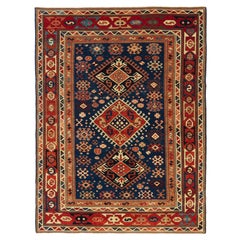
Ararat Rugs rugs and carpets for sale on 1stDibs.

Ararat Rugs rugs and carpets are available for sale on 1stDibs. These distinctive items are frequently made of organic material and are designed with extraordinary care. Many of the original rugs and carpets by Ararat Rugs were created in the Arts and Crafts style in west asia during the 21st century and contemporary. Prices for Ararat Rugs rugs and carpets can differ depending upon size, time period and other attributes — on 1stDibs, these items begin at $120 and can go as high as $33,000, while a piece like these, on average, fetch $2,800.

Still Thinking About These?

All Recently Viewed