ARARAT RUGS

to
426
517
220
201
83
78
59
21
18
7
2
1
304
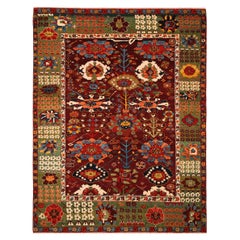
Ararat Rugs Garden Design Rug, 18th Century Persian Revival Carpet, Natural Dyed
By Ararat Rugs
Located in Tokyo, JP
The source of the rug comes from the book Islamic Carpets, Joseph V. McMullan, Near Eastern Art Research Center Inc., New York 1965 nr.28. This Persian Garden design rug belongs to t...
Category

21st Century and Contemporary Turkish Revival Persian Rugs

Materials

Wool, Natural Fiber, Organic Material
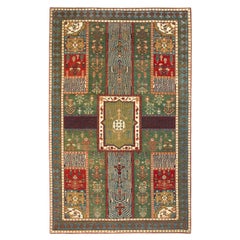
Ararat Rugs Fachralo Kazak Rug 19th Century Caucasus Revival Carpet Natural Dyed
By Ararat Rugs
Located in Tokyo, JP
This is another Kazak example of the Fachralo a town north of Lori-Pambak and just southwest of Bordjalou, from the late 19th century, Caucasus area. It has given its name to a number of usually small, boldly designed, and brilliantly colored Kazak rugs but, although this has proved a useful descriptive adjective in the rug trade, it is one used by experts on Caucasian weaving with caution. Modern research also favors the spelling of Fekhraly or Fachraly. Structurally, all the pieces are fairly similar. The foundation is all wool; the warp is usually ivory or ivory mixed with one or more shades of natural brown, and the wefts are one or more of various shades of orange-pink, pink or red. It is framed with a series of borders, the main of which is the typical Bordjalou style. The most appropriate colors to match the original is used for this rug. Color summary: 6 colors of total most used 4 colors are Charleston Green...
Category

21st Century and Contemporary Turkish Revival Caucasian Rugs

Materials

Wool, Natural Fiber, Organic Material
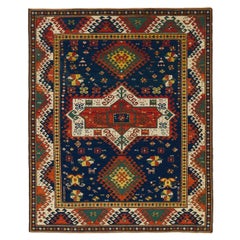
Ararat Rugs Palmette Lattice Rug, 19th Century Revival Carpet, Natural Dyed
By Ararat Rugs
Located in Tokyo, JP
The source of the rug comes from the book How to Read – Islamic Carpets, Walter B. Denny, The Metropolitan Museum of Art, New York 2014 fig.82. This was an exclusive example of a pal...
Category

21st Century and Contemporary Turkish Revival Persian Rugs

Materials

Wool, Natural Fiber, Organic Material
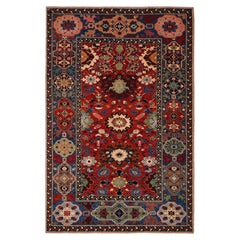
Ararat Rugs Dragon Rug, Antique Caucasus Museum Revival Carpet, Natural Dyed
By Ararat Rugs
Located in Tokyo, JP
The design source of the rug comes from the book Orient Star – A Carpet Collection, E. Heinrich Kirchheim, Hali Publications Ltd, 1993, nr.57. There has long been a fascination with the symbolism of the dragon and its depiction in carpet weavings. The design of ‘Dragon’ carpets consists of a field pattern composed of different colored overlaid lattices formed of pointed, serrated leaves creating intersecting lozenges, which alternately contain palmettes and are flanked by confronting stylized dragons, birds, or animal figures. The most archaic of the ‘Dragon’ carpets include dragon motifs with birds and running animals that are relatively naturalistically drawn, which stand either alone or in confronting pairs facing a tree. The Graf carpet, originally found in a Damascene mosque, now in the Islamic Museum, Berlin, is considered to be the oldest example of this type, see Serare Yetkin, Early Caucasian Carpets in Turkey, Vol. II, London, 1978, p.8, fig.118. Yetkin defines four types of ‘Dragon’ carpet: ‘Archaic’, ‘Four-Dragon’, ‘Dragon-and-Phoenix’ and as a further combined development of the latter, the ‘Two-Dragon’ style, of which the present carpet falls into the ‘Dragon-and-Phoenix group along with other examples, some of which include two fragments, one in the Museum fur Kunst und Gerwerbe, Hamburg; another in the Christian Museum, Esztergom, Hungary, a complete carpet in the Kier collection; an incomplete example in the Textile Museum, Washington, D.C; the ‘Cassirer’ Dragon carpet in the Thyssen-Bornemisza collection, Lugano; the Ali Pasa Mosque carpet in Tokat, and a further example in the Vakiflar Hali Museum, Istanbul (S. Yetkin, op. cit. pp.16-20). It has been suggested that the earliest examples of the Caucasian ‘Dragon’ carpets...
Category

21st Century and Contemporary Turkish Revival Caucasian Rugs

Materials

Wool, Organic Material, Natural Fiber
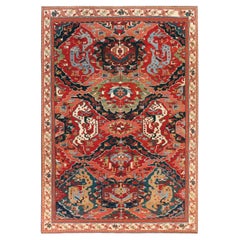
Ararat Rugs Palmette Lattice Rug, 19th Century Revival Carpet, Natural Dyed
By Ararat Rugs
Located in Tokyo, JP
The source of the rug comes from the book How to Read – Islamic carpets, Walter B. Denny, The Metropolitan Museum of Art, New York 2014 fig.82. This was an exclusive example of a pal...
Category

21st Century and Contemporary Turkish Revival Persian Rugs

Materials

Wool, Natural Fiber, Organic Material
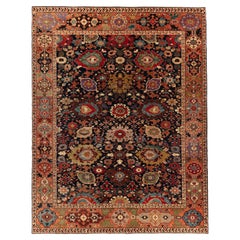
Ararat Rugs Mamluk Carpet with Central Star 16th Century Revival - Natural Dyed
By Ararat Rugs
Located in Tokyo, JP
The source of the rug comes from the book Völker, Angela, Die orientalischen Knüpfteppiche das MAK, Vienna: Böhlau, 2001: 42–5. This rug with the central star was designed in the early 16th-century rug by Mamluk Sultane of Cairo, Egypt. It is exhibited at MAK – Museum of Applied Arts, Vienna Austria. As its impressive size, materials, and design quality suggest, the carpet is a product of an accomplished court workshop and likely dates from the late period of the last Mamluk dynasty. The quantity of the colors used speaks for an earlier date around 1500; the delicate vegetal border with leaf tendrils and the characteristic umbrella leaves...
Category

21st Century and Contemporary Turkish Revival Turkish Rugs

Materials

Wool, Natural Fiber, Organic Material
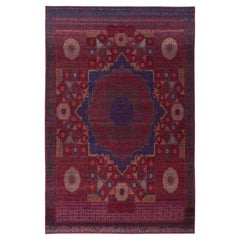
Ararat Rugs Palmette Lattice Rug, 19th C. Bidjar Revival Carpet, Natural Dyed
By Ararat Rugs
Located in Tokyo, JP
The source of the rug comes from the book How to Read – Islamic Carpets, Walter B. Denny, The Metropolitan Museum of Art, New York, 2014 fig.82. This was an exclusive example of a pa...
Category

21st Century and Contemporary Turkish Revival Persian Rugs

Materials

Wool, Natural Fiber, Organic Material
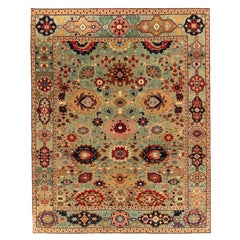
Ararat Rugs Bid Majnum on White Field Rug, 17th Century Revival, Natural Dyed
By Ararat Rugs
Located in Tokyo, JP
The source of the rug comes from the book Antique Rugs of Kurdistan A Historical Legacy of Woven Art, James D. Burns, 2002 nr.45. This is a popular design employed by the Kurds, call...
Category

21st Century and Contemporary Turkish Revival Persian Rugs

Materials

Wool, Natural Fiber, Organic Material
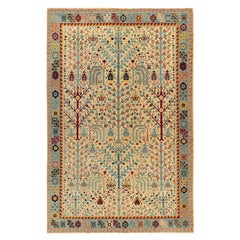
Ararat Rugs Gerous Arabesque Rug, 19th Century Revival Carpet, Natural Dyed
By Ararat Rugs
Located in Tokyo, JP
The source of the rug comes from the book Islamic Carpets, Joseph V. McMullan, Near Eastern Art Research Center Inc., New York 1965 nr.22. This is a system of arabesque-designed 19th-century rugs from Gerous ( Garrus or Garus ) region, Eastern Kurdistan area. This rug is a splendid echo of the Arabesque and Vase Carpets...
Category

21st Century and Contemporary Turkish Revival Persian Rugs

Materials

Wool, Natural Fiber, Organic Material
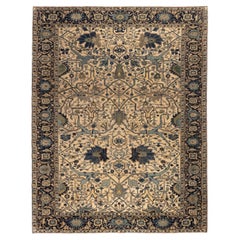
Ararat Rugs Mamluk Carpet, 16th Century Antique Revival Mamlouk Rug Natural Dyed
By Ararat Rugs
Located in Tokyo, JP
The source of the rug comes from the book Völker, Angela, Die orientalischen Knüpfteppiche das MAK, Vienna: Böhlau, 2001: 42–5. This rug with the central star was designed in the early 16th century rug by Mamluk Sultane of Cairo, Egypt. It is exhibited at MAK – Museum of Applied Arts, Vienna Austria. As its impressive size, materials, and design quality suggest, the carpet is a product of an accomplished court workshop and likely dates from the late period of the last Mamluk dynasty. The quantity of the colors used speaks for an earlier date around 1500; the delicate vegetal border with leaf tendrils and the characteristic umbrella leaves...
Category

21st Century and Contemporary Turkish Revival Turkish Rugs

Materials

Wool, Natural Fiber, Organic Material
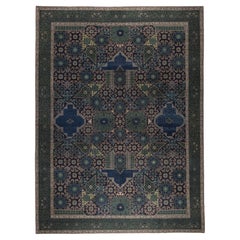
Ararat Rugs Oushak Palmette Lattice Rug Ushak Turkish Revival Carpet Natural Dye
By Ararat Rugs
Located in Tokyo, JP
The town of Ushak, north of Denizli, is probably one of the most important and renowned carpet centers. Carpets have survived since the 16th century and can be seen in several museums. In the 17th century great quantities of Ushak carpets were made for the royal houses of Europe, often incorporating crests; many Christian churches, not only in Transylvania, were often decorated with very large pieces. According to their structure and patterning, there are several types of Ushak carpets: the star Ushak, the medallion Ushak, the ‘bird’ carpet (with a white background, the name relates to the shapes of the field motifs), and ‘Chintamani’ carpets (often with a white background and three-ball pattern, mostly in connection with cloud bands). Many great painters have ensured the survival of Ushak carpet designs by including them in their works. Two representatives of the Ushak group take their name from such renowned artists: pieces with plaited band medallions in several variations are named ‘Holbein’ carpets after Hans Holbein, the younger; ‘Lotto’ carpets refer to the painter Lorenzo Lotto...
Category

21st Century and Contemporary Turkish Oushak Turkish Rugs

Materials

Wool, Natural Fiber, Organic Material
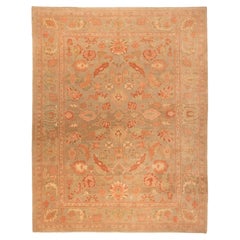
Ararat Rugs Palmettes and Flowers Lattice Rug, Revival Carpet, Natural Dyed
By Ararat Rugs
Located in Tokyo, JP
This offset pattern is composed of palmettes and flowers, one has the impression that it is only part of a larger scheme design 19th century rug from the Bidjar region, Eastern Kurdi...
Category

21st Century and Contemporary Turkish Revival Persian Rugs

Materials

Wool, Natural Fiber, Organic Material
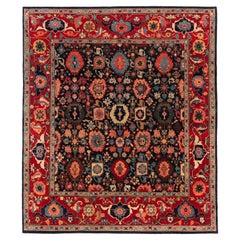
Ararat Rugs Palmettes and Flowers Lattice Rug, Revival Carpet, Natural Dyed
By Ararat Rugs
Located in Tokyo, JP
This offset pattern is composed of palmettes and flowers, one has the impression that it is only part of a larger scheme design 19th century rug from the Bidjar region, Eastern Kurdi...
Category

21st Century and Contemporary Turkish Revival Persian Rugs

Materials

Wool, Organic Material, Natural Fiber
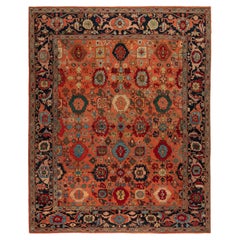
Ararat Rugs Palmette Lattice Rug, 19th Century Revival Carpet, Natural Dyed
By Ararat Rugs
Located in Tokyo, JP
The source of the rug comes from the book How to Read – Islamic Carpets, Walter B. Denny, The Metropolitan Museum of Art, New York 2014 fig.82. This was an exclusive example of a pal...
Category

21st Century and Contemporary Turkish Revival Persian Rugs

Materials

Wool, Natural Fiber, Organic Material
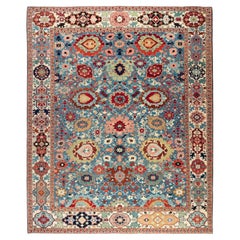
Ararat Rugs Palmette Lattice Rug, 19th Century Revival Carpet, Natural Dyed
By Ararat Rugs
Located in Tokyo, JP
The source of the rug comes from the book How to Read – Islamic Carpets, Walter B. Denny, The Metropolitan Museum of Art, New York 2014 fig.82. This was an exclusive example of a pal...
Category

21st Century and Contemporary Turkish Revival Persian Rugs

Materials

Wool, Natural Fiber, Organic Material
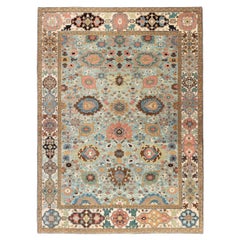
Ararat Rugs Kerman Vase Technique Carpet 17th Century Revival Rug, Natural Dyed
By Ararat Rugs
Located in Tokyo, JP
The source of carpet comes from the book Museo Calouste Gulbenkian, Printed by Gulbenkian Museum Lisbon, in 2015, nr.52. This is a vase-technique carpet design in the 17th century in the Kerman region, of Persia. In the 16th century, in Safavid Persia, medallion rugs were among the most appreciated, but at the end of the century and the beginning of the next, a taste for decoration with floral motifs, coils, and palmettes gradually emerged, covering the entire field. This is the case, for this example design, with rugs from eastern and southern Persia. Among the latter are the famous vase-type rugs attributed to the Kerman region, to which our design belongs. Considered by some specialists to be quite atypical, this rug made in Persia, probably in Kirman in the time of Shah Abbas (1587-1625), presents, on a dark blue background, an exuberant and dynamic vegetal decoration in which horizontal and vertical rows of palmettes and stand out, due to their dimension and spiral movements, large sickle-shaped leaves, alternating with branches and flowers. The very narrow rim, with a red background, is filled with a frieze of coils and flowers. It’s a famous carpet design as ‘Kerman Vase Technique Rug, The Most Expensive Rug...
Category

21st Century and Contemporary Turkish Revival Persian Rugs

Materials

Wool, Natural Fiber, Organic Material
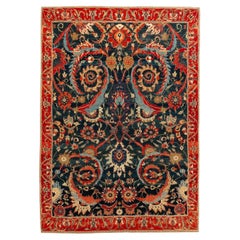
Ararat Rugs Kerman Multi-Medallion Carpet 17th Century Revival Rug, Natural Dyed
By Ararat Rugs
Located in Tokyo, JP
This is an elegant multi-medallion carpet designed in the 17th century in the Kerman region, Persia. The carpet design shows vigorous rows of eight-pointed star medallions, ornamente...
Category

21st Century and Contemporary Turkish Revival Persian Rugs

Materials

Wool, Organic Material, Natural Fiber
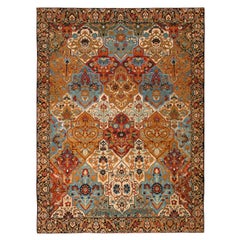
Ararat Rugs Garrus Bidjar Medallion Carpet 19th Century Revival Rug Natural Dyed
By Ararat Rugs
Located in Tokyo, JP
This is a central medallion carpet designed 19th century in Garrus ( Gerous or Garus ) region, Eastern Kurdistan area. Garrus is located in the foothills approaching the flatlands of Persia, Garrus has been a significant Kurdish city since antiquity when it was the capital of Media Minor. Important writers, scientists, and politicians from Garrus contributed to the Safavid dynasty, and it was a major commercial center. Garrus was more populous than Senna in the nineteenth century. As it was in the west of Persia, it was fortunate to escape the ravages of the Afghans and to a certain extent the economic incompetence of Nadir Shah. In the eighteenth century, it benefited from the lack of a centralized Persian government bent on collecting high taxes, and from the benign, decentralized rule of the Zands. The brilliant weaving school of Garrus, like that of Senna, did not develop in a vacuum in a process of deus ex machina...
Category

21st Century and Contemporary Turkish Revival Persian Rugs

Materials

Wool, Natural Fiber, Organic Material
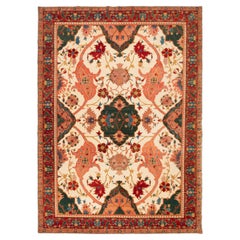
Ararat Rugs Star Ushak Carpet 16th Century Museum Piece Revival Rug Natural Dyed
By Ararat Rugs
Located in Tokyo, JP
The source of the carpet comes from the book How to Read – Islamic carpets, Walter B. Denny, The Metropolitan Museum of Art, New York 2014 fig.46-47 and Oriental Rugs, Volume 4 Turkish, Kurt Zipper and Claudia Fritzsche, Antique Collectors’ Club, 1989 nr.82. This 16th century deeply serrated eight-lobbed starlike medallion rug is from central Anatolia. Similar designs are exhibited at various museums. The town of Ushak, north of Denizli, is probably one of the most important and renowned carpet centers. Carpets have survived since the 16th century and can be seen in several museums. In the 17th century, great quantities of Ushak carpets were made for the royal houses of Europe, often incorporating crests; many Christian churches, not only in Transylvania, were often decorated with very large pieces. According to their structure and patterning, there are several types of Ushak carpets: the star Ushak, the medallion Ushak, the ‘bird’ carpet (with a white background, the name relates to the shapes of the field motifs), and ‘Chintamani’ carpets (often with a white background and three-ball pattern, mostly in connection with cloud bands). Many great painters have ensured the survival of Ushak carpet designs by including them in their works. Two representatives of the Ushak group take their name from such renowned artists: pieces with plaited band medallions in several variations are named ‘Holbein’ carpets after Hans Holbein, the younger; ‘Lotto’ carpets...
Category

21st Century and Contemporary Turkish Oushak Turkish Rugs

Materials

Wool, Natural Fiber, Organic Material
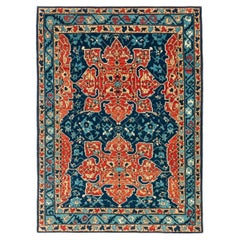
Ararat Rugs Anatolian Medallion Rug, 18th Century Revival Carpet, Natural Dyed
By Ararat Rugs
Located in Tokyo, JP
The source of the rug comes from the book Orient Star – A Carpet Collection, E. Heinrich Kirchheim, Hali Publications Ltd, 1993, no. 166. This is similar t...
Category

21st Century and Contemporary Turkish Oushak Turkish Rugs

Materials

Wool, Natural Fiber, Organic Material
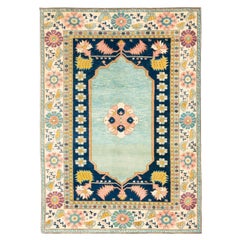
Ararat Rugs the Alaeddin Mosque Flowers and Stars Lattice Carpet, Natural Dyed
By Ararat Rugs
Located in Tokyo, JP
The source of the carpet comes from the book Orient Stars Collection, Anatolian Tribal Rugs 1050-1750, Michael Franses, Hali Publications Ltd, 2021 fig.23. This 13th-century carpet is from probably the Konya region, central Anatolia, circa 1200-1300 (C 1290-1420). It is exhibited at the Museum of Turkish and Islamic Arts...
Category

21st Century and Contemporary Turkish Revival Turkish Rugs

Materials

Wool, Natural Fiber, Organic Material
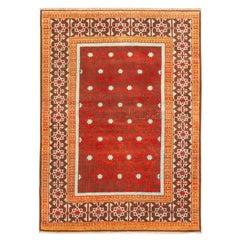
Ararat Rugs the Barbieri Tree Design Carpet, Persian Revival Rug, Natural Dyed
By Ararat Rugs
Located in Tokyo, JP
The source of carpet comes from the book Orient Star – A Carpet Collection, E. Heinrich Kirchheim, Hali Publications Ltd, 1993 nr.64 and Islamic Carpets, Joseph V. McMullan, Near Eas...
Category

21st Century and Contemporary Turkish Revival Persian Rugs

Materials

Wool, Organic Material, Natural Fiber
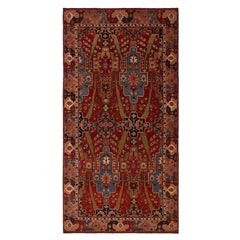
Ararat Rugs Lenkoran Rug Caucasian Revival 19 Century Carpet, Kazak Natural Dyed
By Ararat Rugs
Located in Tokyo, JP
The rug source comes from the book Tapis du Caucase – rugs of the Caucasus, Ian Bennett & Aziz Bassoul, The Nicholas Sursock Museum, Beirut, Lebanon 2003, n...
Category

21st Century and Contemporary Turkish Revival Caucasian Rugs

Materials

Wool, Natural Fiber, Organic Material
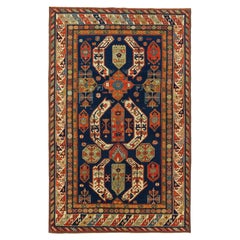
Ararat Rugs Fish Surrounding Lotuses Rug Masi Awita Revival Carpet, Natural Dyed
By Ararat Rugs
Located in Tokyo, JP
The source of the rug comes from the book Antique Rugs of Kurdistan A Historical Legacy of Woven Art, James D. Burns, 2002 nr.31. This blue background rug has a variation of Masi Awi...
Category

21st Century and Contemporary Turkish Revival Persian Rugs

Materials

Wool, Natural Fiber, Organic Material

Ararat Rugs Carpet with Two Medallions 18th Century Revival Rug Natural Dyed
By Ararat Rugs
Located in Tokyo, JP
This is a dual medallion as the main element of the design of 18th-century carpet from the Konya region, Central Anatolia area of Turkey. Rugs of this type, using two medallions, appear frequently in 15th-century paintings of both the Venetian and the Flemish schools. This pattern tradition survived into the 18th and even into the 19th century in Anatolian village rugs of which this is an exceptionally powerful example. The two octagons that fill almost all of the field enclose a small octagon in the center from which radiate rectangular panels in a star-like fashion, filled with “latch-hook” patterns. Typical two medallions central octagon carpets...
Category

21st Century and Contemporary Turkish Revival Turkish Rugs

Materials

Wool, Natural Fiber, Organic Material
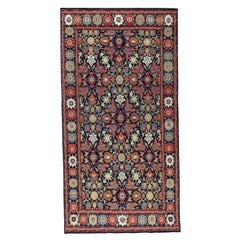
Ararat Rugs Polonaise Carpet, 17th Century Museum Piece Revival, Natural Dyed
By Ararat Rugs
Located in Tokyo, JP
The source of the carpet comes from the book 'Oriental Rugs in the Metropolitan Museum of Art, by Dimand, Maurice S., and Jean Mailey, The Metropolitan Museum of Art, New York, 1973, fig.90.' If the so-called vase-technique carpets represented the triumph of Safavid workshop weaving in the seventeenth century, another group of Safavid carpets, popularly, if erroneously, known as “Polonaise” or “Polish” carpets, demonstrates the extent to which Safavid weavers would go to create flashy and expensive objects of conspicuous consumption. Polonaise carpets...
Category

21st Century and Contemporary Turkish Revival Persian Rugs

Materials

Wool, Natural Fiber, Organic Material
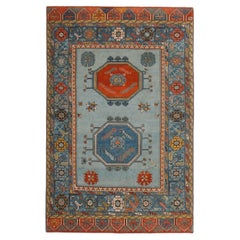
Ararat Rugs Mamluk Carpet with Central Star 16th Century Revival, Natural Dyed
By Ararat Rugs
Located in Tokyo, JP
The source of the rug comes from the book Völker, Angela, Die orientalischen Knüpfteppiche das MAK, Vienna: Böhlau, 2001: 42–5. This rug with the central star was designed in the early 16th century by the Mamluk Sultan of Cairo, Egypt. It is exhibited at MAK – Museum of Applied Arts, Vienna, Austria. As its impressive size, materials, and design quality suggest, the carpet is a product of an accomplished court workshop and likely dates from the late period of the last Mamluk dynasty. The quantity of the colors used speaks for an earlier date around 1500; the delicate vegetal border with leaf tendrils and the characteristic umbrella leaves...
Category

21st Century and Contemporary Turkish Revival Turkish Rugs

Materials

Wool, Natural Fiber, Organic Material
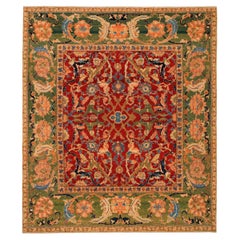
Ararat Rugs the Simonetti Mamluk Carpet 16th Century Revival Rug, Natural Dyed
By Ararat Rugs
Located in Tokyo, JP
The source of carpet comes from the book how to Rread – Islamic Carpets, Walter B. Denny, The Metropolitan Museum of Art, New York 2014 fig.61,62. The five-star-medallion carpet was ...
Category

21st Century and Contemporary Turkish Revival Turkish Rugs

Materials

Wool, Natural Fiber, Organic Material
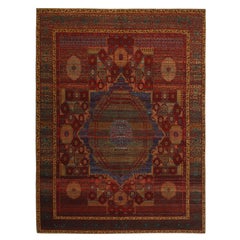
Ararat Rugs the Simonetti Mamluk Carpet 16th Century Revival Rug, Natural Dyed
By Ararat Rugs
Located in Tokyo, JP
The source of carpet comes from the book How to Read – Islamic Carpets, Walter B. Denny, The Metropolitan Museum of Art, New York 2014 fig.61,62. The five-star-medallion carpet was d...
Category

21st Century and Contemporary Turkish Revival Turkish Rugs

Materials

Wool, Natural Fiber, Organic Material
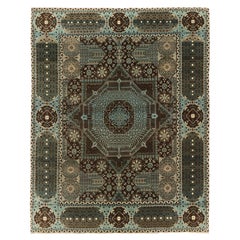
Ararat Rugs Mamluk Carpet with Central Star 16th Century Revival, Natural Dyed
By Ararat Rugs
Located in Tokyo, JP
The source of the rug comes from the book Völker, Angela, Die orientalischen Knüpfteppiche das MAK, Vienna: Böhlau, 2001: 42–5. This rug with the central star was designed in the early 16th-century rug by Mamluk Sultane of Cairo, Egypt. It is exhibited at MAK – Museum of Applied Arts, Vienna Austria. As its impressive size, materials, and design quality suggest, the carpet is a product of an accomplished court workshop and likely dates from the late period of the last Mamluk dynasty. The quantity of the colors used speaks for an earlier date around 1500; the delicate vegetal border with leaf tendrils and the characteristic umbrella leaves...
Category

21st Century and Contemporary Turkish Revival Turkish Rugs

Materials

Wool, Natural Fiber, Organic Material
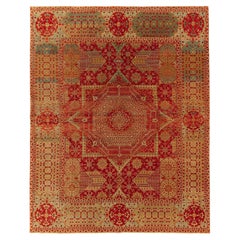
Ararat Rugs Mamluk Carpet with Lattice Design, Natural Sheep Wool Colors No Dye
By Ararat Rugs
Located in Tokyo, JP
The source carpet comes from the Mercer Collection Sotheby’s 2000 (catalog cover). This Mamluk-Cairene carpet, curiously featuring some type of lattice, ...
Category

21st Century and Contemporary Turkish Revival Turkish Rugs

Materials

Wool, Natural Fiber, Organic Material
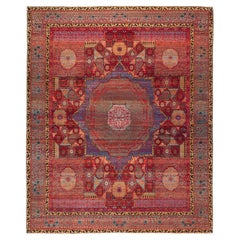
Ararat Rugs Trees and Palmettes Rug Saluj Bulagh Revival Carpet Natural Dyed
By Ararat Rugs
Located in Tokyo, JP
The source of rug comes from the book Antique Rugs of Kurdistan A Historical Legacy of Woven Art, James D. Burns, 2002 nr.42. This is a beautiful urban-produced, later example of the vase design carpets, so called because several of them have large and ornate vases...
Category

21st Century and Contemporary Turkish Revival Persian Rugs

Materials

Wool, Organic Material, Natural Fiber

Ararat Rugs the Alaeddin Mosque Clouds Carpet Seljuk Revival Rug Natural Dyed
By Ararat Rugs
Located in Tokyo, JP
The source of the carpet comes from the book Orient Stars Collection, Anatolian Tribal Rugs 1050-1750, Michael Franses, Hali Publications Ltd, 2021 fig.27. This 13th-century carpet is from probably the Konya region, central Anatolia, circa 1200-1300 (C 1290-1420). It is exhibited at the Museum of Turkish and Islamic Arts...
Category

21st Century and Contemporary Turkish Revival Turkish Rugs

Materials

Wool, Natural Fiber, Organic Material
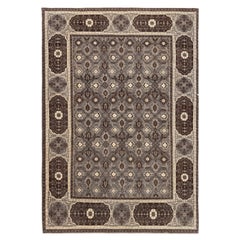
Ararat Rugs the Alaeddin Mosque Clouds Carpet Seljuk Revival Rug Natural Dyed
By Ararat Rugs
Located in Tokyo, JP
The source of the carpet comes from the book Orient Stars Collection, Anatolian Tribal Rugs 1050-1750, Michael Franses, Hali Publications Ltd, 2021 fig.27. This 13th-century carpet is from probably the Konya region, central Anatolia, circa 1200-1300 (C 1290-1420). It is exhibited at the Museum of Turkish and Islamic Arts...
Category

21st Century and Contemporary Turkish Revival Turkish Rugs

Materials

Wool, Natural Fiber, Organic Material
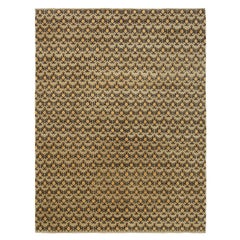
Ararat Rugs the Alaeddin Mosque Clouds Carpet Seljuk Revival Rug Natural Dyed
By Ararat Rugs
Located in Tokyo, JP
The source of the carpet comes from the book Orient Stars Collection, Anatolian Tribal Rugs 1050-1750, Michael Franses, Hali Publications Ltd, 2021 fig.27. This 13th-century carpet is from probably the Konya region, central Anatolia, circa 1200-1300 (C 1290-1420). It is exhibited at the Museum of Turkish and Islamic Arts...
Category

21st Century and Contemporary Turkish Revival Turkish Rugs

Materials

Wool, Natural Fiber, Organic Material
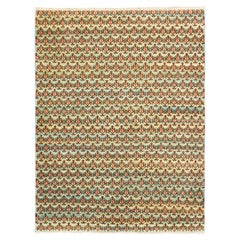
Ararat Rugs Kazak Rug with Hooked Medallions Antique Revival Carpet Natural Dyed
By Ararat Rugs
Located in Tokyo, JP
This is a complete hooked field with double medallions rug from the late 19th century, Kazak region, Caucasus area. A striking field design features two medallions each with concentr...
Category

21st Century and Contemporary Turkish Revival Caucasian Rugs

Materials

Wool, Natural Fiber, Organic Material
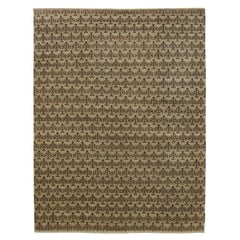
Ararat Rugs Chelaberd Karabakh Rug Antique Caucasian Revival Carpet Natural Dyed
By Ararat Rugs
Located in Tokyo, JP
The source of the rug comes from the book oriental rugs volume 1 Caucasian, Ian Bennett, Oriental Textile Press, Aberdeen 1993, nr.87-88-90. This is a large medallion rug...
Category

21st Century and Contemporary Turkish Revival Caucasian Rugs

Materials

Wool, Natural Fiber, Organic Material
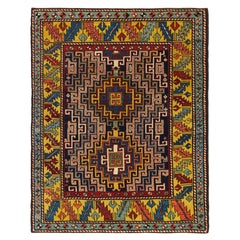
Ararat Rugs Konagkend Shirvan Rug Antique Caucasian Revival Carpet Natural Dyed
By Ararat Rugs
Located in Tokyo, JP
The source of the rug comes from the book How to Read - Islamic Carpets, Walter B. Denny, The Metropolitan Museum of Art, New York 2014 fig.87. This is a domestic carpet, village, and nomadic weaving in the late 19th century in the Shirvan region, Caucasus. There are three principal designs for rugs attributed to Konagkend ( Konakkent or Konakhend ). The first has a large cruciform medallion, the second, called by Kerimov and Schürmann ‘Ordutch-Konagkend’, has a series of large octagons, and the third, and probably best known, has a stiff, angular lattice based on hexagonal forms. Each type has a quite different aesthetic appeal and in each case, the design is reminiscent of other rugs. The cruciform medallion type usually has a bright, light palette and in both color and design is reminiscent of Kurdish weavings and certain Turkish village rugs. The ‘Ordutch-Konagkend’ pieces have strong affinities with Baku and other north Shirvan rugs, and the lattice type is the closest to the concept of design most normally associated with Kuba as well as having links with earlier groups of, principally Turkish, carpets. This is an example of nomadic and village weaving often attaining a level of great artistry, exhibiting an almost breathtaking command of technique along with a marvelous sense of color, proportion, and artistic balance...
Category

21st Century and Contemporary Turkish Revival Turkish Rugs

Materials

Wool, Natural Fiber, Organic Material
Still Thinking About These?

All Recently Viewed