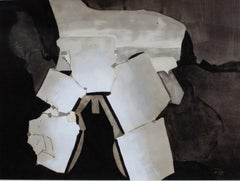
Lincoln Glenn
to
99
603
280
166
152
92
90
66
65
63
53
52
50
50
42
26
25
24
24
21
15
14
14
10
7
6
4
29
16
14
14
14
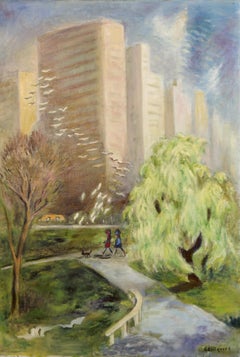
"Central Park South" Georgina Klitgaard, Female Modernist New York Cityscape
By Georgina Klitgaard
Located in New York, NY
Georgina Klitgaard
Central Park South
Signed lower right
Oil on canvas
40 1/2 x 28 inches
Georgina Klitgaard’s art has sometimes gotten lost in the critical propensity to assign ar...
Category
Early 20th Century American Modern Landscape Paintings
Materials
Oil
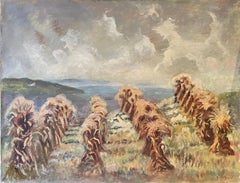
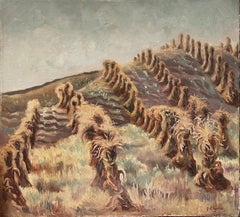
"Fodder Stacks, Bearsville" Georgina Klitgaard, Modernist Country Landscape
By Georgina Klitgaard
Located in New York, NY
Georgina Klitgaard
Fodder Stacks, Bearsville
Signed lower right
Oil on canvas
24 x 30 inches
Georgina Klitgaard’s art has sometimes gotten lost in the critical propensity to assign...
Category
Early 20th Century American Modern Landscape Paintings
Materials
Canvas, Oil
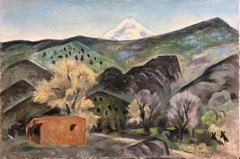
"Arroyo Seco, New Mexico" Georgina Klitgaard, Modernist Southwest Oil Landscape
By Georgina Klitgaard
Located in New York, NY
Georgina Klitgaard
Arroyo Seco, New Mexico
Signed lower right
Oil on canvas
28 x 42 inches
Georgina Klitgaard’s art has sometimes gotten lost in the critical propensity to assign a...
Category
1940s American Modern Figurative Paintings
Materials
Canvas, Oil
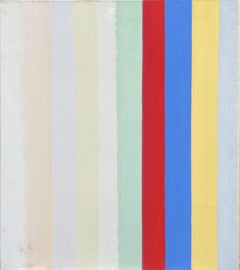
"Notes XXI" Calvert Coggeshall, Abstract Expressionism Hardedge Vertical Stripes
Located in New York, NY
Calvert Coggeshall
Notes XXI, 1973
Signed, titled, and dated on the reverse
Japanese pigment on canvas
29 x 29 inches
Calvert Coggeshall worked as ...
Category
1970s Abstract Expressionist Abstract Paintings
Materials
Canvas, Acrylic
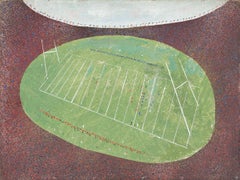
"Harvard vs Yale" Charles Green Shaw, Football, Ivy League Sports, Abstract
By Charles Green Shaw
Located in New York, NY
Charles Green Shaw
Harvard vs. Yale, 1944
Signed and dated on the reverse
Oil on canvasboard
9 x 12 inches
Provenance:
Harvey and Francois Rambach, New Jersey
Private Collection, California
Washburn Gallery, New York
D. Wigmore Fine Art, New York
Private Collection, New York
Charles Green Shaw, born into a wealthy New York family, began painting when he was in his mid-thirties. A 1914 graduate of Yale, Shaw also completed a year of architectural studies at Columbia University. During the 1920s Shaw enjoyed a successful career as a freelance writer for The New Yorker, Smart Set and Vanity Fair, chronicling the life of the theater and café society. In addition to penning insightful articles, Shaw was a poet, novelist and journalist. In 1927 he began to take a serious interest in art and attended Thomas Hart Benton's class at the Art Students League briefly in New York. He also studied privately with George Luks, who became a good friend. Once he had dedicated himself to non-traditional painting, Shaw's writing ability made him a potent defender of abstract art.
After initial study with Benton and Luks, Shaw continued his artistic education in Paris by visiting numerous museums and galleries. From 1930 to 1932 Shaw's paintings evolved from a style imitative of Cubism to one directly inspired by it, though simplified and more purely geometric. Returning to the United States in 1933, Shaw began a series of abstracted cityscapes of skyscrapers he called Manhattan Motifs which evolved into his most famous works, the shaped canvases he called Plastic Polygons.
The 1930s were productive years for Shaw. He showed his paintings in numerous group exhibitions, both in New York and abroad, and was also given several one-man exhibitions. Shaw had his first one-man exhibition at the Valentine Dudensing Gallery in New York in 1934, which included 25 Manhattan Motif paintings and 8 abstract works. In the spring of 1935 Shaw was introduced to Albert Gallatin and George L.K. Morris. Gallatin was so impressed with Shaw's work, he broke a policy against solo exhibitions at his museum, the Gallery of Living Art, and offered Shaw an exhibition there. In the summer of 1935 Shaw traveled to Paris with Gallatin and Morris who provided introductions to many great painters. Shaw regularly spent time with John Ferren and Jean Hélion. The following year Gallatin organized an exhibition called Five Contemporary American Concretionists at the Reinhardt Gallery that included Shaw, Ferren, and Morris, Alexander Calder, and Charles Biederman...
Category
1940s Abstract Geometric Landscape Paintings
Materials
Oil, Board

$28,000 Sale Price
20% Off
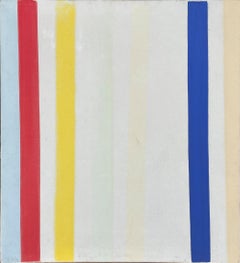
"Notes XX" Calvert Coggeshall, Abstract Expressionism Hard-edge Vertical Stripes
Located in New York, NY
Calvert Coggeshall
Notes XX, 1970
Signed, titled, and dated on the reverse
Acrylic on canvas
30 1/4 x 30 1/4 inches
Calvert Coggeshall worked as an...
Category
1970s Abstract Expressionist Abstract Paintings
Materials
Canvas, Acrylic
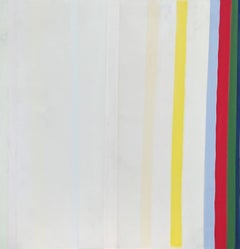
"Notes I" Calvert Coggeshall, Abstract Expressionism Hard-edge Vertical Stripes
Located in New York, NY
Calvert Coggeshall
Notes I, 1970-80
Signed, titled, and dated on the reverse
Acrylic on canvas
65 x 67 inches
Calvert Coggeshall worked as an abstr...
Category
1970s Abstract Expressionist Abstract Paintings
Materials
Canvas, Acrylic
"Untitled" Calvert Coggeshall, Abstract Expressionism Hard-edge Stripes
Located in New York, NY
Calvert Coggeshall
Untitled, circa 1975
Oil on canvas
50 x 40 inches
Calvert Coggeshall worked as an abstract painter and interior designer primari...
Category
1970s Abstract Expressionist Abstract Paintings
Materials
Canvas, Acrylic
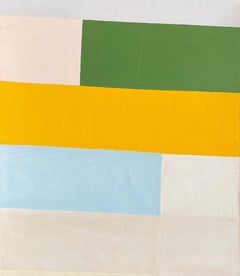
"Untiled" Edward Zutrau, 1963 Intense Color Abstract Expressionist Painting
Located in New York, NY
Edward Zutrau
Untiled, 4/1963
Signed and dated on stretcher bar
Oil on linen
35 1/2 x 51 inches
Edward Zutrau is among the American artists who worked within the whirlwind of diver...
Category
1960s Abstract Expressionist Abstract Paintings
Materials
Canvas, Oil
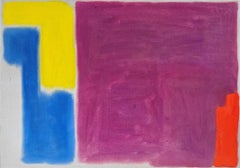
"Kamakura" Edward Zutrau, 1963 Abstract Expressionist Chromatic Composition
Located in New York, NY
Edward Zutrau
Kamakura, 5/1963
Signed, dated and titled on verso
Oil on linen
38 1/2 x 51 1/2 inches
Edward Zutrau is among the American artists who worked within the whirlwind of ...
Category
1960s Abstract Expressionist Abstract Paintings
Materials
Linen, Oil
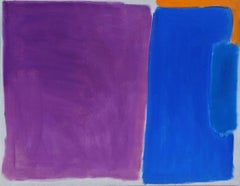
"Illumination" Calvert Coggeshall, Abstract Expressionism, Hard-edge Stripes
Located in New York, NY
Calvert Coggeshall
Illumination, 1973
Signed, titled, and dated on the reverse
Acrylic on canvas
65 x 67 inches
Calvert Coggeshall worked as an abs...
Category
1970s Abstract Expressionist Abstract Paintings
Materials
Canvas, Acrylic
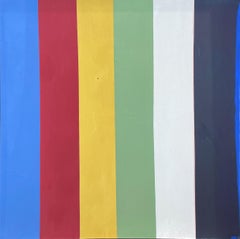
"Untitled" Edward Zutrau, 1957 Blue And Green Abstract Expressionist Work
Located in New York, NY
Edward Zutrau
Untitled, 1957
Oil on linen
44 x 60 1/2 inches
Edward Zutrau is among the American artists who worked within the whirlwind of diverse abstraction that blossomed in th...
Category
1950s Abstract Expressionist Abstract Paintings
Materials
Linen, Oil
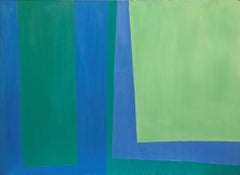
"Untitled" Edward Zutrau, 1963 Post-Painterly Abstract Expressionist Painting
Located in New York, NY
Edward Zutrau
Untitled, 1963
Signed and dated on stretcher verso "5/63"
Oil on canvas
8 3/4 x 10 3/4 inches
Edward Zutrau is among the American artists who worked within the whirlw...
Category
1960s Abstract Expressionist Abstract Paintings
Materials
Canvas, Oil
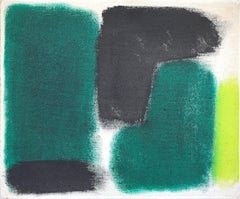
"Untitled" Edward Zutrau, 1963 Post-Painterly Abstraction Expressionist Work
Located in New York, NY
Edward Zutrau
Untitled, 2/17/1963
Signed and dated on verso
Oil on linen
25 1/2 x 21 inches
Edward Zutrau is among the American artists who worked within the whirlwind of diverse a...
Category
1960s Abstract Expressionist Abstract Paintings
Materials
Linen, Oil
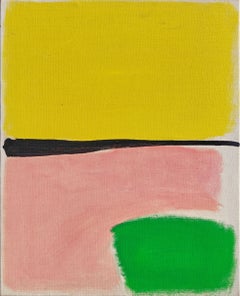
"Untitled" Edward Zutrau, Mid Century Abstract Expressionist Colorist Painting
Located in New York, NY
Edward Zutrau
Untitled
Signed and dated on stretcher
Oil on linen
26 x 31 1/2 inches
Edward Zutrau is among the American artists who worked within the whirlwind of diverse abstract...
Category
Mid-20th Century Abstract Expressionist Abstract Paintings
Materials
Linen, Oil
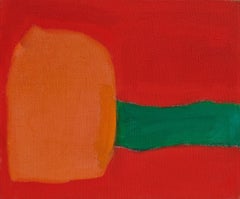
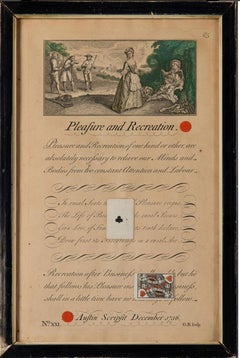
"Pleasure and Recreation" Charles Green Shaw, Playing Cards Collage, Games
By Charles Green Shaw
Located in New York, NY
Charles Green Shaw
Pleasure and Recreation, circa 1935
18th Century print, playing cards
15 x 10 inches
Charles Green Shaw, born into a wealthy New York family, began painting when...
Category
1930s American Modern Mixed Media
Materials
Paper
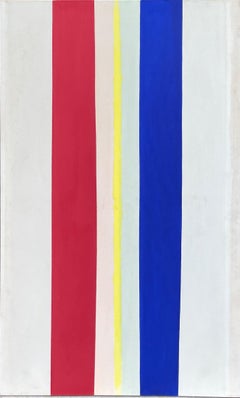
"Meridian" Calvert Coggeshall, Abstract Expressionism Hard-edge Vertical Stripes
Located in New York, NY
Calvert Coggeshall
Meridian, 1974
Signed, titled, and dated on the reverse
Acrylic on canvas
67 x 45 inches
Calvert Coggeshall worked as an abstrac...
Category
1970s Abstract Expressionist Abstract Paintings
Materials
Canvas, Acrylic
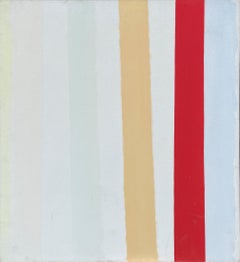
"A Stripe" Calvert Coggeshall, Abstract Expressionism, Hard-edge Vertical Lines
Located in New York, NY
Calvert Coggeshall
A Stripe, 1971
Signed, titled, and dated on the reverse
Acrylic on canvas
30 x 30 inches
Calvert Coggeshall worked as an abstrac...
Category
1970s Abstract Expressionist Abstract Paintings
Materials
Canvas, Acrylic
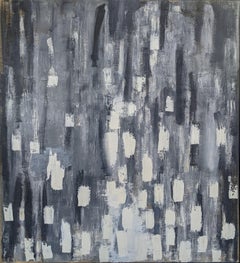
"Untitled" Calvert Coggeshall, Abstract Expressionism, Black, Grey, and White
Located in New York, NY
Calvert Coggeshall
Untitled, 1958
Oil on Canvas
38 H. x 36 W. inches
Provenance:
The artist's estate
Calvert Coggeshall worked as an abstract painter and interior designer primarily in Maine and New York City. From 1951 to 1978, he exhibited regularly with the Betty Parsons Gallery, and later with its successor, the Jack Tilton Gallery.
Born in Whitesboro, New York, Coggeshall started his career as an interior designer, working on commissions for clients in the New York City area. He later consulted on the interior designs for Henry Dreyfuss' line of cruise/cargo ships called American Export, popular from the 1940s through the 1960s. In the 1940s, he also worked with inventor Arthur Young to design interiors for the first full-sized scale of Bell helicopter models...
Category
1950s Abstract Abstract Paintings
Materials
Canvas, Oil
"Newton’s Farm" Georgina Klitgaard, Modernist Hazy Autumn Landscape Painting
By Georgina Klitgaard
Located in New York, NY
Georgina Klitgaard
Newton’s Farm
Signed lower right
Oil on canvas
24 1/2 x 30 1/2 inches
Georgina Klitgaard’s art has sometimes gotten lost in the critical propensity to assign art...
Category
Early 20th Century American Modern Figurative Paintings
Materials
Canvas, Oil
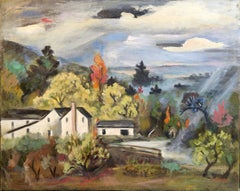
"Truck Gardens" Georgina Klitgaard, Modernist Country Landscape With Train
By Georgina Klitgaard
Located in New York, NY
Georgina Klitgaard
Truck Gardens
Signed lower right
Oil on canvas
26 x 36 inches
Georgina Klitgaard’s art has sometimes gotten lost in the critical propensity to assign artists to ...
Category
Early 20th Century American Modern Figurative Paintings
Materials
Canvas, Oil
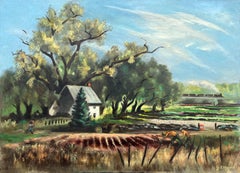
"Fodder Stacks, Bearsville" Georgina Klitgaard, Modernist Agricultural Landscape
By Georgina Klitgaard
Located in New York, NY
Georgina Klitgaard
Fodder Stacks, Bearsville
Signed lower right
Oil on canvas
18 x 22 inches
Georgina Klitgaard’s art has sometimes gotten lost in the critical propensity to assign...
Category
Early 20th Century American Modern Landscape Paintings
Materials
Canvas, Oil
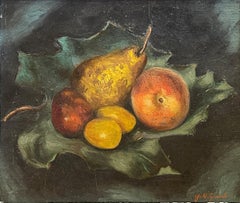
"Fruit" Georgina Klitgaard, Apples and Pears Still Life, Woodstock Female Artist
By Georgina Klitgaard
Located in New York, NY
Georgina Klitgaard
Apples and Pears Still Life
Signed lower right
Oil on canvas
8 x 10 inches
Georgina Klitgaard’s art has sometimes gotten lost in the critical propensity to assign artists to membership in one school or another. Unfortunately for her posthumous reputation, Klitgaard defied easy characterization. She was a U.S. modernist, working in both oil and watercolors, but never abandoned figurative painting. She made her reputation in landscape but also excelled in portraits, flower studies, and even cityscapes. Yet despite Klitgaard’s ambiguous status in art history, her paintings continue to fascinate viewers attracted to the unsteady ground between twentieth-century realism and expressionism.
Georgina Klitgaard (née Berrian) was born in Spuyten Duyvil, New York (now part of the Bronx); the Berrians had lived in the area since at least the U.S. Revolution. After graduating from Barnard College, she studied art at the National Academy of Design. In 1919 she married Kay Klitgaard, a Danish artist and writer. The next year, her life took a decisive turn when the couple visited friends in Woodstock, NY—about 120 miles north of New York City--and fell in love with the area.
In 1906, L. Birge Harrison helped found the Art Students League Summer School in Woodstock and the area became a magnet for landscape painters. The Klitgaards bought a house in 1922 on a steep ledge at the end of Cricket Ridge, high above Bearsville, which provided panoramic vistas overlooking the Catskill Mountains and the Hudson Valley. Klitgaard joined the artists’ colony in the area, which at the time included artists Ernest Fiene and Katherine Schmidt.
Klitgaard exhibited widely and her career slowly developed momentum. She was a regular contributor at Whitney Museum shows from 1927 to 1944. In 1929, she exhibited a painting entitled “Carousel” in the Whitney Studio Club’s famous exhibition “Circus in Paint.” Gertrude Vanderbilt Whitney acquired five paintings by Klitgaard in the early 1930s and served as a significant patron for the artist. Klitgaard s New York dealer, Frank Rehn...
Category
Early 20th Century Modern Still-life Paintings
Materials
Canvas, Oil
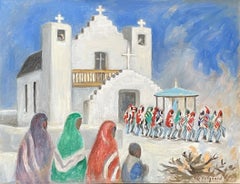
"Pueblo Indians, Taos, New Mexico, " Georgia Klitgaard, Southwest Landscape
By Georgina Klitgaard
Located in New York, NY
Georgina Klitgaard
Pueblo Indians, Taos, New Mexico
Signed lower right
Oil on canvas
18 x 24 inches
Georgina Berrian was born in Spuyten Duyvil, New York in 1893. She was educated a...
Category
Mid-20th Century Modern Landscape Paintings
Materials
Canvas, Oil
$5,200 Sale Price
20% Off
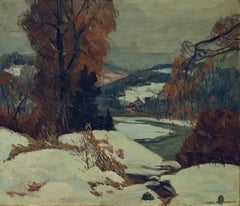
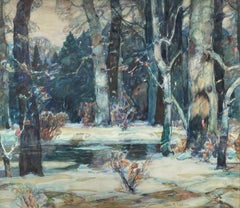
"Winter Landscape with Stream" Carl Rudolph Krafft, Early 20th Century Landscape
By Carl Rudolph Krafft
Located in New York, NY
Carl Rudolph Krafft
Winter Landscape with Stream
Signed lower right and with thumbprint
Oil on canvas
25 x 30 inches
Carl Rudolph Krafft was born in 1884 in Reading, Ohio, and his ...
Category
Early 20th Century American Impressionist Figurative Paintings
Materials
Canvas, Oil
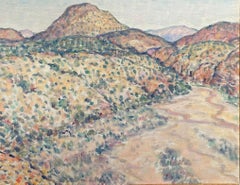
"View of Arizona Desert near Wickenberg" Will Foote, Impressionist Western Scene
Located in New York, NY
Will Foote
View of Arizona Desert near Wickenberg, circa 1927
Signed lower center; titled and dated on the reverse
Oil on artist's board
12 x 16 inches
Foote was born on June 29, 1874 in Grand Rapids, Michigan, and died on January 27, 1965, in Sarasota, Florida. He was in Old Lyme, 1901-65; and in Cos Cob, 1903.
Will Howe Foote was one of the earliest artists at Old Lyme and one who adopted the town as home. He first went there the summer of 1901 with his uncle, William H. Howe, a painter of cattle, who had been told about the beauties of the countryside by Henry Ward Ranger. Foote had himself heard of Old Lyme when he had met Clark Voorhees in France. He and his uncle were both from Grand Rapids, Michigan, where Foote's father was an executive in the furniture industry that made the city famous. Encouraged to be an artist by his father, he began his professional training at the Art Institute of Chicago in 1894. He became friends there with a fellow Michigan student, Frederick Frieseke, who would study with him again at the Art Students League in New York, where Foote worked in 1895-96 under H. Siddons Mowbray and Kenyon Cox.
In 1897 he and Frieseke went to the Academic Julian in Paris, where Foote studied under Jean-Paul Laurens and Benjamin Constant. He was at Julian's until 1900, except for an Italian trip, summers at Laren, Holland, or Etaples, France, and a short period at Whistler's school in Paris. He exhibited twice at the Old Salon, and when he returned to the United States in 1900, he had a one-man exhibition in his hometown.
Will Howe Foote's paintings were well received on his return from abroad. He exhibited frequently at the National Academy of Design and became an associate member in 1910. His awards included a bronze medal at the St. Louis Exposition in 1904 and a silver medal at the Panama-Pacific Exposition in San Francisco in 1915.
Once he visited Old Lyme, Foote returned every summer. In 1902 he was hired as assistant to Frank DuMond at the Lyme Summer School of Art, which was sponsored by the Art Students League of New York. Sometime in 1903 he also taught a session in Cos Cob. After 1906, when the League moved its Lyme classes to Woodstock, New York, Foote continued in Old Lyme as a private instructor.
In 1907 he was married to Helen Kirtland Freeman, whom he had met a year or two earlier when she had come to the Lyme art colony as a student of Henry Rankin Poore. Fellow artist William Chadwick was best man at the wedding. The Footes began building a house on Sill Lane in Old Lyme and upon its completion in 1909 spent every spring, summer and fall there, where Foote devoted full time to painting. The Gregory Smiths, old friends from Grand Rapids, arrived in Old Lyme in 1910 and became neighbors. Foote's early works in Connecticut, such as A Summer's Night reflect the artist's interest in soft, atmospheric scenes dominated by a single, overriding tone. The arrival of Childe Hassam and Walter Griffin...
Category
1920s American Impressionist Figurative Paintings
Materials
Oil, Board
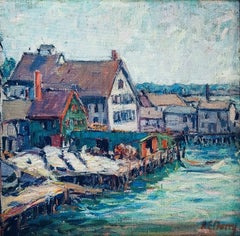
"Rockport Harbor" Kathryn E. Cherry, Female American Impressionist Landscape
Located in New York, NY
Kathryn E. Cherry
Rockport Harbor
Signed lower right
Oil on canvas board
10 1/2 x 12 inches
Kathryn Cherry was an influential St. Louis painter, ceramicist, designer, and art educa...
Category
Early 20th Century American Impressionist Figurative Paintings
Materials
Oil, Illustration Board
"Forest Landscape" John F. Carlson, circa 1925 American Impressionist Landscape
By John F. Carlson
Located in New York, NY
John F. Carlson
Forest Landscape, circa 1925
Signed lower right
Watercolor on paper
Sight 21 x 24 1/2 inches
The native Swede John Fabian Carlson became a household name in New Yor...
Category
1920s American Impressionist Landscape Paintings
Materials
Paper, Watercolor
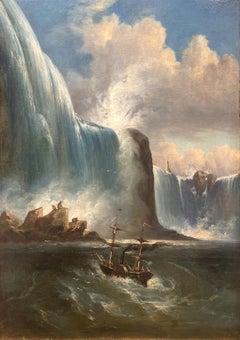
"Niagara Falls" Victor de Grailly, Hudson River School, New York Landscape
By Victor de Grailly
Located in New York, NY
Victor de Grailly
Niagara Falls, circa 1840-45
Oil on canvas
28 7/8 x 21 1/4 inches
Provenance:
Mark Borghi Fine Art, New York
Private Collection, Nyack, New York
Little is known a...
Category
1840s Hudson River School Landscape Paintings
Materials
Canvas, Oil
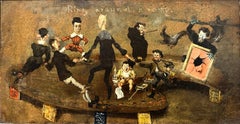
"Ring Around the Rosy" Theodore Wendel, circa 1880 Caricature of Duveneck Boys
By Theodore Wendel
Located in New York, NY
Theodore Wendel
Ring Around the Rosy (Duveneck Boys Caricature), circa 1880
Oil on board
12 x 22 3/4 inches
Theodore Wendel is one of the most respected American impressionists and major museums and collectors are eager to purchase exquisitely rendered works like View from the Artist’s Farmhouse, Ipswich, MA that display Wendel’s finest period of impressionism. He is considered the “most French” of American painters along with Theodore Robinson and Childe Hassam.
Wendel was born in Midway, Ohio, and lived in Newport (RI), Boston (1889-1898) and Ipswich (MA, 1898-). As a boy, he joined a circus as an acrobat. He studied with Thomas Noble at the McMicken School of Art at the University of Cincinnati, where he met and became a life long friend of Joseph DeCamp. He and DeCamp traveled to Munich, Germany, in 1878, to study with Frank Duveneck at the Munich Academy and they became known as “The Duveneck Boys.” Duveneck, Chase, Whistler, Twachtman and Wendel painted landscapes and figural paintings in Polling, Florence, and Venice from 1878-1880. Most of his paintings from this period disappeared and are very rare. He sailed for Newport, Rhode Island in 1882 and lived briefly in New York. In 1883, he exhibited in Cincinnati with Twachtman, DeCamp and Potthast and in that year Wendel and Louis Ritter...
Category
1880s Impressionist Figurative Paintings
Materials
Oil, Board
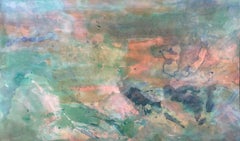
"Untitled (Park Avenue Series)" Beryl Barr-Sharrar, 1979 Color Field Abstraction
Located in New York, NY
Beryl Barr-Sharrar
Untitled (Park Avenue Series), 1979
Signed and dated on the reverse
Acrylic on canvas
44 x 73 1/2 inches
As an undergraduate at Mount Holyoke College (Beryl McLe...
Category
1970s Color-Field Abstract Paintings
Materials
Canvas, Acrylic
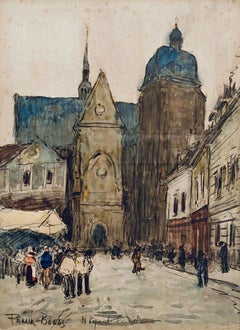
"Nogent-le-Roi" Frank Myers Boggs, Atmospheric French Urban Landscape
By Frank Myers Boggs
Located in New York, NY
Frank Myers Boggs
Nogent-le-Roi
Signed and titled lower left
Graphite and watercolor on paper
13 1/2 x 10 1/4 inches
The Impressionist Frank Myers Boggs spent his formative and mat...
Category
Early 1900s Impressionist Landscape Paintings
Materials
Paper, Watercolor
$960 Sale Price
20% Off
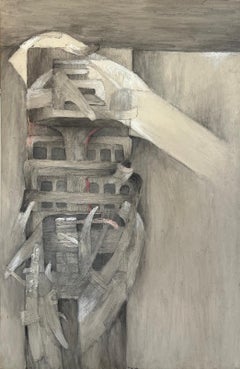
"Abolicion de la Muerte" Fernando de Szyszlo, Grey Abstract Surrealist Painting
By Fernando de Szyszlo
Located in New York, NY
Fernando de Szyszlo
Abolicion de la Muerte, 1987
Titled dated verso: "Abolicion de la Muerte"
NY/87
Signed lower bottom edge center "Szyszlo"
Oil on canvas
56 1/2 x 37 1/2 inches
Fernando de Szyszlo was a Peruvian painter...
Category
1980s Abstract Abstract Paintings
Materials
Canvas, Oil
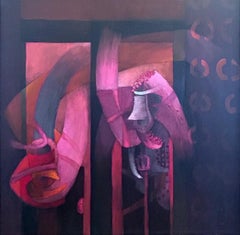
"El Innombrable" Fernando de Szyszlo, Red Mysticist Abstract Composition
By Fernando de Szyszlo
Located in New York, NY
Fernando de Szyszlo
El Innombrable, 1980
Titled inscribed dated verso: Orrentia 1980 "El Innombrable"
Signed lower bottom edge center "Szyszlo"
Oil on canvas
59 1/2 x 59 inches
Fernando de Szyszlo was a Peruvian painter...
Category
1980s Surrealist Abstract Paintings
Materials
Canvas, Oil
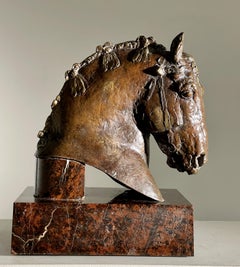
"Sudbourne Premier: Suffolk Punch Stallion" Herbert Haseltine, 1927 Bronze
Located in New York, NY
Herbert Haseltine
Sudbourne Premier: Suffolk Punch Stallion, 1927
Signed left side: © HASELTINE / MCMXXVII
Bronze, dark brown patina, parcel gilding
...
Category
1920s Realist Figurative Sculptures
Materials
Bronze
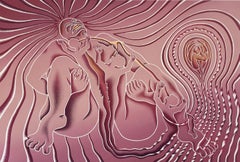
"Birth Tear/Tear" Judy Chicago, Abstracted Surreal Figure, Feminist Art
By Judy Chicago
Located in New York, NY
Judy Chicago
Birth Tear/Tear, 1985
Signed, dated, and numbered in margin
Serigraph on Stonehenge Natural White
Image 25 x 35 inches
Sheet 30 x 40 inches
Judy Chicago’s “Birth Tear/T...
Category
1980s Feminist Figurative Prints
Materials
Paper, Screen
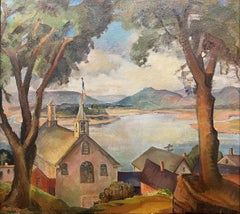
"On the Upper Mississippi" Delle Miller, Missouri Regionalist Landscape
Located in New York, NY
Delle Miller
On the Upper Mississippi, circa 1926
Signed lower left
Oil on canvas
26 1/8 x 29 1/8 inches
By 1909, Miller was an instructor at the Kansas...
Category
1920s American Modern Landscape Paintings
Materials
Canvas, Oil
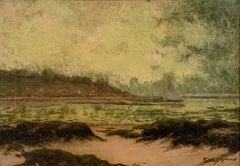
"Shelter Island, Long Island" Julian Onderdonk New York Coastal Landscape
By Julian Onderdonk
Located in New York, NY
Julian Onderdonk
Shelter Island, Long Island, New York, circa 1905
Signed "Chas Turner" lower right
Oil on canvas
14 x 19 1/2 inches
Julian Onderdonk was...
Category
Late 19th Century American Impressionist Landscape Paintings
Materials
Canvas, Oil
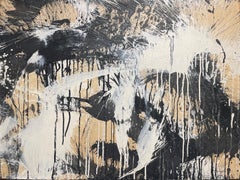
"Untitled" Norman Bluhm, circa 1960 Abstract Black and White Composition
By Norman Bluhm
Located in New York, NY
Norman Bluhm
Untitled, circa 1960
Signed lower right
Oil on paper laid down on board
22 x 30 inches
Norman Bluhm (1921-1999) was an American Abstract Expressionist celebrated for c...
Category
1960s Abstract Abstract Paintings
Materials
Paper, Oil
$12,000 Sale Price
20% Off
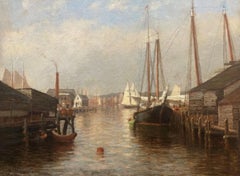
"Gloucester Harbor" Laura Woodward, Cape Ann Marine Scene, Hudson River School
By Laura Woodward
Located in New York, NY
Laura Woodward
Gloucester Harbor, circa 1880
Signed lower left
Oil on canvas
18 x 24 inches
Provenance:
Private Collection, United Kingdom
Priory Fine ...
Category
1880s American Impressionist Figurative Paintings
Materials
Canvas, Oil
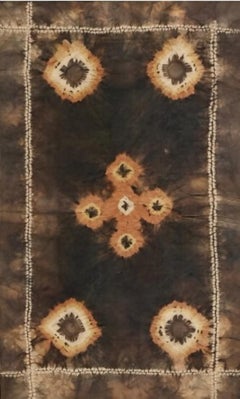
"Halloween" Blanche Lazzell, Batik Abstract Textile Composition, Cloth Dyeing
By Blanche Lazzell
Located in New York, NY
Blanche Lazzell
Halloween, circa 1920-22
Batik
15 1/2 x 9 inches
Provenance:
The artist
James & Janet Reed (gifted from the above)
John Cuthbert, Morgantown, West Virginia
Born ne...
Category
1920s Abstract Mixed Media
Materials
Textile, Dye
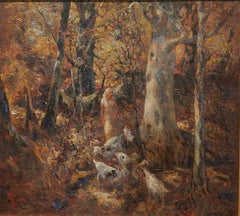
"Autumn Wood Interior" John E. Costigan, Early 20th Century Landscape Painting
Located in New York, NY
John Edward Costigan
Autumn Wood Interior, 1946
Signed, lower left "J.E. Costigan N.A."
Oil on canvas
24 x 30 inches
John Costigan was a self-taught painter and trained printer dis...
Category
1940s Impressionist Landscape Paintings
Materials
Oil
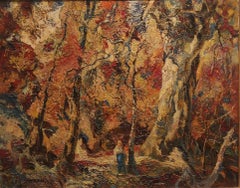
John E. Costigan"Autumn Wood Interior" John E. Costigan, Early 20th Century Landscape Painting, 1946
$19,200 Sale Price
20% Off
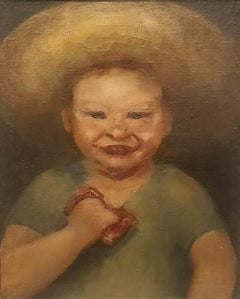
"Bread and Jam" George Luks, Ashcan Painting, Portrait of Child
By George Luks
Located in New York, NY
George Luks
Bread and Jam, circa 1920-1925
Oil on canvas
16 x 13 inches
Born in Williamsport, Pennsylvania, in 1866, George Luks attended the school of the Pennsylvania Academy of ...
Category
1920s American Realist Portrait Paintings
Materials
Oil
"Through the Woods" John E. Costigan, Early 20th Century Landscape Painting
Located in New York, NY
John Edward Costigan
Through the Woods
Signed lower right
Oil on masonite
30 x 27 1/2 inches
John Costigan was a self-taught painter and trained printer distinguished by his impres...
Category
Mid-20th Century Landscape Paintings
Materials
Canvas, Oil
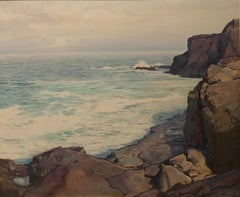
"Risen Moon" Frederick Judd Waugh, Coastal Landscape, Rocky Coast Marine Scene
By Frederick Judd Waugh
Located in New York, NY
Frederick Judd Waugh
Risen Moon
Signed lower right, Grand Central Art Galleries Inc. label on verso
Oil on board
25 x 30 inches
Mainly known as a marine painter. Waugh's sea paintings were enthusiastically received; for five consecutive years, he was awarded the Popular Prize at the Carnegie International Exhibition. Waugh was the son of a well-known Philadelphia portrait painter, Samuel Waugh...
Category
1920s American Impressionist Figurative Paintings
Materials
Canvas, Oil
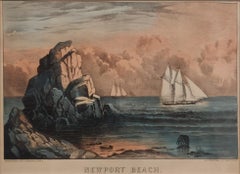
"Newport Beach" Currier
Ives, Hand-Colored Lithograph of Newport Beach
By Currier
Ives
Located in New York, NY
Currier & Ives
Newport Beach
Hand-colored lithograph
Sheet 10 x 13 1/4 inches
After undertaking apprenticeships in Boston and Philadelphia, Currier set up a print publishing compan...
Category
Late 19th Century Realist Figurative Prints
Materials
Lithograph
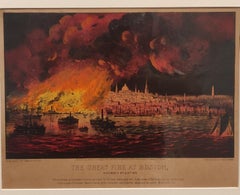
"The Great Fire of Boston" Currier
Ives, Urban landscape late 19th century
By Currier
Ives
Located in New York, NY
Currier & Ives
The Great Fire of Boston , 1872
Hand-colored lithograph
7 5/16 x 12 11/16 inches
After undertaking apprenticeships in Boston and Philadelphia, Currier set up a print...
Category
1870s Realist Landscape Prints
Materials
Lithograph
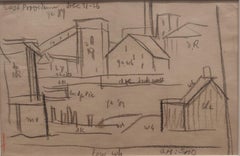
"East Providence" Oscar Bluemner, Drawing of East Providence, Architectural
By Oscar Bluemner
Located in New York, NY
Oscar Bluemner
East Providence, December 21st, 1926
Inscribed with location and dated, upper left "East Providence Dec 21-26"
Black crayon on paper
5 x 7 7/8 inches
Julius Oskar Bl...
Category
Early 20th Century Modern Landscape Drawings and Watercolors
Materials
Crayon
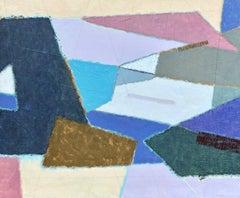
"Untitled" James Suzuki, Abstract Color Field Composition, Mid-Century
By James Suzuki
Located in New York, NY
James Suzuki
Untitled, circa 1960
Signed lower right "Suzuki"
Acrylic on canvas
66 1/4 x 80 inches
Provenance:
Private Collection, New Jersey
James Hiroshi Suzuki...
Category
1960s Color-Field Abstract Paintings
Materials
Canvas, Oil
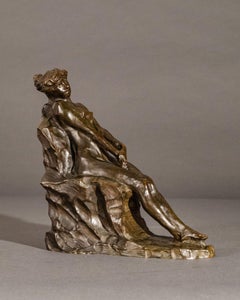
"Reclining Woman" Karl Bitter, Reclining Woman with Reddish Patina
Located in New York, NY
Karl Bitter
Reclining Woman, 1897
Signed: Bitter 97
Stamped: GORHAM M F G CO.
Bronze
10.25 x 10.25 x 4 inches
Initially from Vienna, Karl Bitter first studied art at the city’s Kunstgewerbeschule and the Kunstakademie before being drafted into the Austrian army. He deserted his position in the military while on leave, and departed for New York City where he would discover considerable success. Early on, he won a competition for the Astor memorial bronze gates at Trinity Church, which awarded him enough capital to open his own studio. He went on to execute sculptures of Alexander Hamilton and Thomas Jefferson at the Cuyahoga Courthouse in Cleveland; he also created portraits of Jefferson for the state of Missouri and the University of Virginia. These commissions caught the attention of sculptor Richard Morris Hunt (who famously designed the façade of the Metropolitan Museum), earning Bitter the duty of producing the portrait medallions that now appear near the top of the museum’s grand face.
Notably, he presented at Chicago’s 1893 World’s Columbian Exposition and directed the Pan-American Exposition in Buffalo in 1901. Over his career, his artwork became more flexible – his early academy training is easily identifiable within his work, but after moving to America, conventions of Modernism became more prevalent within his sculpture. In addition to many awards, Bitter presided over the National Sculpture Society in 1906-1907, and was a member of the National Institute of Arts and Sciences, the National Academy of Design, the American Academy of Arts and Letters, the Architectural League, and the Art Commission, New York. His public work can be found at the Biltmore Estate, Asheville, NC; Gettysburg National Military Park, Gettysburg, PA; Wisconsin State Capitol, Madison, WI; United States Naval Academy...
Category
1890s Realist Figurative Sculptures
Materials
Bronze
"Cronus Asleep in the Cave" David Hare, Large Abstract Surrealist Composition
By David Hare
Located in New York, NY
David Hare
Cronus Asleep in the Cave, 1971
Acrylic on linen
55 x 67 inches
“Freedom is what we want,” David Hare boldly stated in 1965, but then he added the caveat, “and what we are most afraid of.” No one could accuse David Hare of possessing such fear. Blithely unconcerned with the critics’ judgments, Hare flitted through most of the major art developments of the mid-twentieth century in the United States. He changed mediums several times; just when his fame as a sculptor had reached its apogee about 1960, he switched over to painting. Yet he remained attached to surrealism long after it had fallen out of official favor. “I can’t change what I do in order to fit what would make me popular,” he said. “Not because of moral reasons, but just because I can’t do it; I’m not interested in it.”
Hare was born in New York City in 1917; his family was both wealthy and familiar with the world of modern art. Meredith (1870-1932), his father, was a prominent corporate attorney. His mother, Elizabeth Sage Goodwin (1878-1948) was an art collector, a financial backer of the 1913 Armory Show, and a friend of artists such as Constantin Brancusi, Walt Kuhn, and Marcel Duchamp.
In the 1920s, the entire family moved to Santa Fe, New Mexico and later to Colorado Springs, in the hope that the change in altitude and climate would help to heal Meredith’s tuberculosis. In Colorado Springs, Elizabeth founded the Fountain Valley School where David attended high school after his father died in 1932. In the western United States, Hare developed a fascination for kachina dolls and other aspects of Native American culture that would become a recurring source of inspiration in his career.
After high school, Hare briefly attended Bard College (1936-37) in Annandale-on-Hudson. At a loss as to what to do next, he parlayed his mother’s contacts into opening a commercial photography studio and began dabbling in color photography, still a rarity at the time [Kodachrome was introduced in 1935]. At age 22, Hare had his first solo exhibition at Walker Gallery in New York City; his 30 color photographs included one of President Franklin Roosevelt.
As a photographer, Hare experimented with an automatist technique called “heatage” (or “melted negatives”) in which he heated the negative in order to distort the image. Hare described them as “antagonisms of matter.” The final products were usually abstractions tending towards surrealism and similar to processes used by Man Ray, Raoul Ubac, and Wolfgang Paalen.
In 1940, Hare moved to Roxbury, CT, where he fraternized with neighboring artists such as Alexander Calder and Arshile Gorky, as well as Yves Tanguy who was married to Hare’s cousin Kay Sage, and the art dealer Julian Levy. The same year, Hare received a commission from the American Museum of Natural History to document the Pueblo Indians. He traveled to Santa Fe and, for several months, he took portrait photographs of members of the Hopi, Navajo, and Zuni tribes that were published in book form in 1941.
World War II turned Hare’s life upside down. He became a conduit in the exchange of artistic and intellectual ideas between U.S. artists and the surrealist émigrés fleeing Europe. In 1942, Hare befriended Andre Breton, the principal theorist of surrealism. When Breton wanted to publish a magazine to promote the movement in the United States, he could not serve as an editor because he was a foreign national. Instead, Breton selected Hare to edit the journal, entitled VVV [shorth for “Victory, Victory, Victory”], which ran for four issues (the second and third issues were printed as a single volume) from June 1942 to February 1944. Each edition of VVV focused on “poetry, plastic arts, anthropology, sociology, (and) psychology,” and was extensively illustrated by surrealist artists including Giorgio de Chirico, Roberto Matta, and Yves Tanguy; Max Ernst and Marcel Duchamp served as editorial advisors.
At the suggestion of Jacqueline Lamba...
Category
1970s Abstract Paintings
Materials
Linen, Acrylic
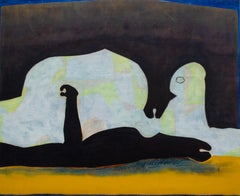
"Cronus Waiting" David Hare, Mythological Allegory Surrealist Scene
By David Hare
Located in New York, NY
David Hare
Cronus Waiting, 1990
Acrylic on linen
72 x 42 inches
“Freedom is what we want,” David Hare boldly stated in 1965, but then he added the caveat, “and what we are most afraid of.” No one could accuse David Hare of possessing such fear. Blithely unconcerned with the critics’ judgments, Hare flitted through most of the major art developments of the mid-twentieth century in the United States. He changed mediums several times; just when his fame as a sculptor had reached its apogee about 1960, he switched over to painting. Yet he remained attached to surrealism long after it had fallen out of official favor. “I can’t change what I do in order to fit what would make me popular,” he said. “Not because of moral reasons, but just because I can’t do it; I’m not interested in it.”
Hare was born in New York City in 1917; his family was both wealthy and familiar with the world of modern art. Meredith (1870-1932), his father, was a prominent corporate attorney. His mother, Elizabeth Sage Goodwin (1878-1948) was an art collector, a financial backer of the 1913 Armory Show, and a friend of artists such as Constantin Brancusi, Walt Kuhn, and Marcel Duchamp.
In the 1920s, the entire family moved to Santa Fe, New Mexico and later to Colorado Springs, in the hope that the change in altitude and climate would help to heal Meredith’s tuberculosis. In Colorado Springs, Elizabeth founded the Fountain Valley School where David attended high school after his father died in 1932. In the western United States, Hare developed a fascination for kachina dolls and other aspects of Native American culture that would become a recurring source of inspiration in his career.
After high school, Hare briefly attended Bard College (1936-37) in Annandale-on-Hudson. At a loss as to what to do next, he parlayed his mother’s contacts into opening a commercial photography studio and began dabbling in color photography, still a rarity at the time [Kodachrome was introduced in 1935]. At age 22, Hare had his first solo exhibition at Walker Gallery in New York City; his 30 color photographs included one of President Franklin Roosevelt.
As a photographer, Hare experimented with an automatist technique called “heatage” (or “melted negatives”) in which he heated the negative in order to distort the image. Hare described them as “antagonisms of matter.” The final products were usually abstractions tending towards surrealism and similar to processes used by Man Ray, Raoul Ubac, and Wolfgang Paalen.
In 1940, Hare moved to Roxbury, CT, where he fraternized with neighboring artists such as Alexander Calder and Arshile Gorky, as well as Yves Tanguy who was married to Hare’s cousin Kay Sage, and the art dealer Julian Levy. The same year, Hare received a commission from the American Museum of Natural History to document the Pueblo Indians. He traveled to Santa Fe and, for several months, he took portrait photographs of members of the Hopi, Navajo, and Zuni tribes that were published in book form in 1941.
World War II turned Hare’s life upside down. He became a conduit in the exchange of artistic and intellectual ideas between U.S. artists and the surrealist émigrés fleeing Europe. In 1942, Hare befriended Andre Breton, the principal theorist of surrealism. When Breton wanted to publish a magazine to promote the movement in the United States, he could not serve as an editor because he was a foreign national. Instead, Breton selected Hare to edit the journal, entitled VVV [shorth for “Victory, Victory, Victory”], which ran for four issues (the second and third issues were printed as a single volume) from June 1942 to February 1944. Each edition of VVV focused on “poetry, plastic arts, anthropology, sociology, (and) psychology,” and was extensively illustrated by surrealist artists including Giorgio de Chirico, Roberto Matta, and Yves Tanguy; Max Ernst and Marcel Duchamp served as editorial advisors.
At the suggestion of Jacqueline Lamba...
Category
1990s Abstract Figurative Paintings
Materials
Linen, Acrylic
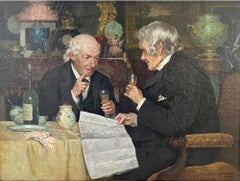
"A Toast" Louis Charles Moeller, American 19th Century Realist Genre Painting
Located in New York, NY
Louis Charles Moeller
A Toast
Signed lower right
Oil on canvas
12 x 16 inches
Louis Charles Moeller was a master of American genre painting. His meticulously detailed, highly finish...
Category
19th Century Realist Figurative Paintings
Materials
Canvas, Oil
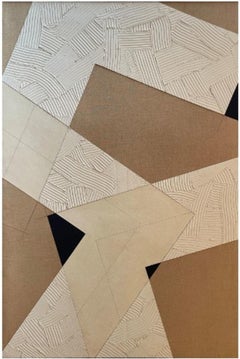
"Villa Adrienne #17" Georges Noel, Constructivist, Architectural
By Georges Noel
Located in New York, NY
Georges Noel
Villa Adrienne #17, 1976
Graphite, pigment, sand, and vinyl binder on canvas
Signed to verso
76 3/4 x 51 inches
The Pace Gallery label to verso
With restless strokes ...
Category
1970s Assemblage Mixed Media
Materials
Canvas, Vinyl, Graphite, Pigment
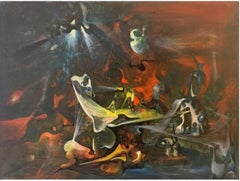
$23,200 Sale Price
20% Off
"Cave Drama" Boris Margo, Abstract Surrealism, Surrealist landscape, Modernist
By Boris Margo
Located in New York, NY
Boris Margo
Cave Drama, 1938
Signed and dated lower left
Oil on canvas
22 x 30 inches
Best known as a painter of surrealist imagery, Boris Margo was born in Wolotschisk, Ukraine, i...
Category
1930s Abstract Abstract Paintings
Materials
Canvas, Oil
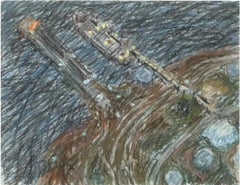
"Searsport Harbor Night I" Yvonne Jacquette, Harbor Scene, Urban Landscape
By Yvonne Jacquette
Located in New York, NY
Yvonne Jacquette
Searsport Harbor Night I, 1982
Pastel on paper
8 1/4 x 11 inches
Yvonne Jacquette was born on December 15, 1934 in Pittsburgh, Pennsylvania and grew up in Stamford...
Category
1980s Modern Landscape Paintings
Materials
Paper, Pastel
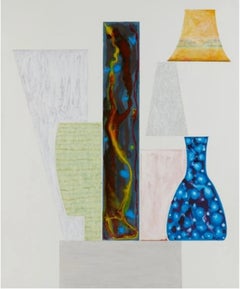
"Abstract (with Two White Vases) " Ed Baynard, Still Life Composition
By Ed Baynard
Located in New York, NY
Ed Baynard
Abstract (with Two White Vases), 2005
Signed, titled, and dated along the verso
Acrylic on canvas
48 x 40 inches
Category
Early 2000s Abstract Abstract Paintings
Materials
Canvas, Acrylic
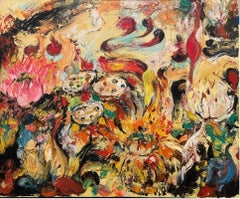
"Untitled" Swirling Abstract Oil on Canvas, Indonesian School of Affandi
Located in New York, NY
In the manner of Affandi
Abstract Lotus, circa 1970
Unsigned
Oil on canvas
30 x 40 inches
Category
1970s Abstract Abstract Paintings
Materials
Canvas, Oil
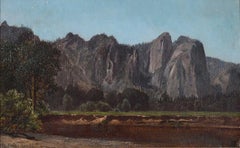
$796 Sale Price
20% Off
"Cathedral Rocks, Yosemite Valley" George Henry Smillie, West, 19th Century
By George Henry Smillie
Located in New York, NY
George Henry Smillie
Cathedral Rocks, Yosemite Valley, 1871
Signed and inscribed board verso "Cathedral Rocks-Morning-Yo-semite Valley Aug. 71 Geo. H. Smillie", also inscribed "Yo-se...
Category
1870s Academic Landscape Paintings
Materials
Canvas, Oil, Board
"Cronus View from the Cave" David Hare, Abstract Surrealist Composition
By David Hare
Located in New York, NY
David Hare
Cronus View from the Cave, 1971
Graphite, Ink wash, Paper Collage on Paper on Board
25 x 33 inches
“Freedom is what we want,” David Hare boldly stated in 1965, but then he added the caveat, “and what we are most afraid of.” No one could accuse David Hare of possessing such fear. Blithely unconcerned with the critics’ judgments, Hare flitted through most of the major art developments of the mid-twentieth century in the United States. He changed mediums several times; just when his fame as a sculptor had reached its apogee about 1960, he switched over to painting. Yet he remained attached to surrealism long after it had fallen out of official favor. “I can’t change what I do in order to fit what would make me popular,” he said. “Not because of moral reasons, but just because I can’t do it; I’m not interested in it.”
Hare was born in New York City in 1917; his family was both wealthy and familiar with the world of modern art. Meredith (1870-1932), his father, was a prominent corporate attorney. His mother, Elizabeth Sage Goodwin (1878-1948) was an art collector, a financial backer of the 1913 Armory Show, and a friend of artists such as Constantin Brancusi, Walt Kuhn, and Marcel Duchamp.
In the 1920s, the entire family moved to Santa Fe, New Mexico and later to Colorado Springs, in the hope that the change in altitude and climate would help to heal Meredith’s tuberculosis. In Colorado Springs, Elizabeth founded the Fountain Valley School where David attended high school after his father died in 1932. In the western United States, Hare developed a fascination for kachina dolls and other aspects of Native American culture that would become a recurring source of inspiration in his career.
After high school, Hare briefly attended Bard College (1936-37) in Annandale-on-Hudson. At a loss as to what to do next, he parlayed his mother’s contacts into opening a commercial photography studio and began dabbling in color photography, still a rarity at the time [Kodachrome was introduced in 1935]. At age 22, Hare had his first solo exhibition at Walker Gallery in New York City; his 30 color photographs included one of President Franklin Roosevelt.
As a photographer, Hare experimented with an automatist technique called “heatage” (or “melted negatives”) in which he heated the negative in order to distort the image. Hare described them as “antagonisms of matter.” The final products were usually abstractions tending towards surrealism and similar to processes used by Man Ray, Raoul Ubac, and Wolfgang Paalen.
In 1940, Hare moved to Roxbury, CT, where he fraternized with neighboring artists such as Alexander Calder and Arshile Gorky, as well as Yves Tanguy who was married to Hare’s cousin Kay Sage, and the art dealer Julian Levy. The same year, Hare received a commission from the American Museum of Natural History to document the Pueblo Indians. He traveled to Santa Fe and, for several months, he took portrait photographs of members of the Hopi, Navajo, and Zuni tribes that were published in book form in 1941.
World War II turned Hare’s life upside down. He became a conduit in the exchange of artistic and intellectual ideas between U.S. artists and the surrealist émigrés fleeing Europe. In 1942, Hare befriended Andre Breton, the principal theorist of surrealism. When Breton wanted to publish a magazine to promote the movement in the United States, he could not serve as an editor because he was a foreign national. Instead, Breton selected Hare to edit the journal, entitled VVV [shorth for “Victory, Victory, Victory”], which ran for four issues (the second and third issues were printed as a single volume) from June 1942 to February 1944. Each edition of VVV focused on “poetry, plastic arts, anthropology, sociology, (and) psychology,” and was extensively illustrated by surrealist artists including Giorgio de Chirico, Roberto Matta, and Yves Tanguy; Max Ernst and Marcel Duchamp served as editorial advisors.
At the suggestion of Jacqueline Lamba...
Category
1970s Abstract Abstract Paintings
Materials
Paper, Ink, Graphite