Japonisme Decorative Objects

JAPONISME STYLE

In the late 19th and early 20th century, France developed an enduring passion for Japanese aesthetics and craftsmanship. Not only did this interpretation of Japanese culture — which became known as Japonisme — infuse fresh energy into French art and design, but it also radically transformed how Europeans, and subsequently the world, would come to understand visual culture. 

Until 1853, Japan had been closely guarded against foreign visitors for over two centuries. However, American Commodore Matthew C. Perry sailed into Japan that year and initiated the first of its treaties with the United States and Europe, thereby opening its borders and giving the West its first-ever look at Japanese design. 

For the next few decades, taken with Japonisme, sophisticated collectors in Paris, New York and elsewhere gorged themselves on lacquered screens, celadon ceramics and netsuke ornaments, along with artworks depicting various aspects of Japanese life. The East Asian country’s influence on Europe, particularly France, contributed to one of the most creatively prosperous periods in history, leaving an imprint on the Impressionist, Art Nouveau and Art Deco movements, and inspiring artists like Edgar Degas, Mary Cassatt, Vincent van Gogh as well as luxury houses such as Louis Vuitton and Hermès. Japonisme emerged at the time when the ornate Renaissance Revival style was the most prominent mode of decorating in Europe, and Japanese aesthetics seemed strikingly modern and elegant in comparison. 

In addition to everyday practical objects from Japan, such as vases, tableware and decorative boxes, Japanese art, especially Japanese woodblock prints by masters of the ukiyo-e school, caught the eye of many artists — particularly those in the Art Nouveau poster community in 1880s Paris. The luscious organic colors associated with traditional Japanese design, motifs like cherry blossoms and carp and the vivid patterns found in woodblock prints, silks and more were adopted and appropriated by painters as well as ceramicists and those working in other fields of the decorative arts. Today, demand for Japanese lacquerware — furniture, trays, writing boxes, screens, incense burners — from the Edo period (1615–1868) and the late 19th century continues to be very strong among collectors.

Find a collection of antique Japonisme furniture and decorative objects on 1stDibs.

to
45
350
15
8
15
172
163
23
83
34
17
15
5
10
3
1
5
3
2
5
1
26,256
14,184
9,261
5,447
3,963
3,079
2,289
1,734
1,414
1,338
1,156
1,150
1,024
935
889
674
656
593
167
146
83
75
58
244
96
242
238
232
105
78
Height
to
Width
to
373
370
370
13
8
6
5
4
Style: Japonisme
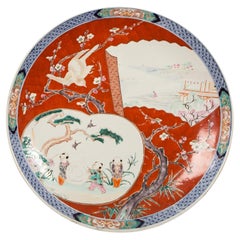
Large Red Antique Japanese Low Bowl Hand-Painted Children-at-Play circa 1885
Located in Katonah, NY
We are pleased to offer this large antique Japanese low bowl painted with children-at-play and bird-and-flower motifs on a striking red background. The bowl dates to the late 19th ce...
Category

Late 19th Century Japanese Antique Japonisme Decorative Objects

Materials

Porcelain

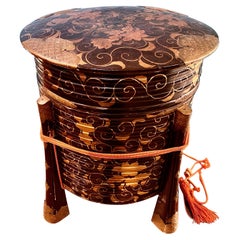
Japanese Lacquer Hokai Box, 19th Century
Located in Pasadena, CA
This is a good example of a traditional Japanese Hokai shell storage box for the Kai-awase game. This box is well-detailed in chased brass appliques and makie. The box is in overall ...
Category

Late 19th Century Japanese Antique Japonisme Decorative Objects

Materials

Wood, Lacquer

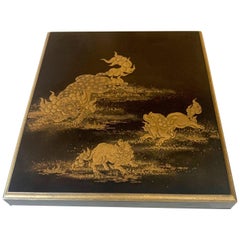
Japanese Lacquer Box with Fine Maki-e Decoration Meiji Period
Located in Atlanta, GA
A lacquered wood box with lid from Japan circa 19th century Meiji Period. The finely decorated box was used to store paper slips and small documents on the desk. It is overall finished with black lacquer (kuro) with sparse Mura-Nashiji effect outside and on the top surface of the lid, there are three Komainu, (sometimes known as Shishi or Japanese lions) frolicking and forming a circle in lively motion. Komainu are auspicious animals in Japanese cultures in both Shinto and Buddhism tradition. Originally from China, these animals symbolizes guardians to ward off evil spirits. Hiramaki-e was used in combination with carving and combing to render the lions with various surface textures. A gilt border with an slight angle was given to the lid and even the thin band is decorated with miniature floral scrolls. The interior of the box was finished in a dense nashiji. Underneath the lid, a cluster of peonies open lavishly by two gentle mounts. Takamaki-e (high relief) in both gold and silver were...
Category

Late 19th Century Japanese Antique Japonisme Decorative Objects

Materials

Wood, Lacquer

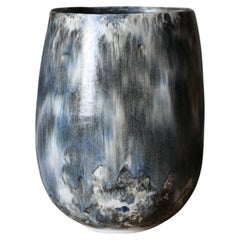
Blue Abstract Painted Vase by Scarlet Pottery
Located in Sammu-shi, Chiba
This is a vase made by the Japanese ceramic artist unit "Scarlet Pottery." It is a piece of pottery made using Amakusa pottery stone. Amakusa pottery stone is famous as the raw mater...
Category

2010s Japanese Japonisme Decorative Objects

Materials

Porcelain

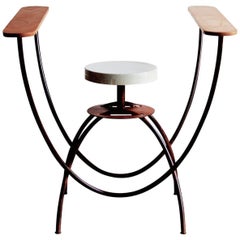
U Stool Takuya Hamajima Contemporary Zen Japanese Ceramic
Located in Shibuya-ku, Tokyo
Contemporary Japanese style chair. Rather sculpture than chair. Made of rusted steel, ceramic, and wood. Base is steel. Seat is ceramic. Arm pane...
Category

21st Century and Contemporary Japanese Japonisme Decorative Objects

Materials

Ceramic, Wood

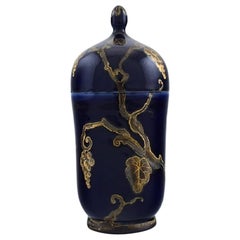
Karl Lindström and Nils Emil Lundström for Rörstrand, Lidded Porcelain Jar
Located in København, Copenhagen
Karl Lindström and Nils Emil Lundström for Rörstrand. Lidded porcelain jar decorated with grapevines in gold on the beautiful dark blue base. Japa...
Category

1920s Swedish Vintage Japonisme Decorative Objects

Materials

Porcelain

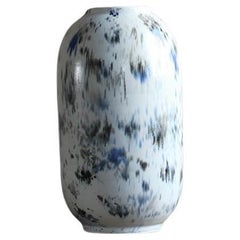
Small White Vase with abstract painting by Scarlet Pottery
Located in Sammu-shi, Chiba
This is a vase made by the Japanese ceramic artist unit "Scarlet Pottery." It is a piece of pottery made using Amakusa pottery stone. Amakusa pottery stone is famous as the raw mater...
Category

2010s Japanese Japonisme Decorative Objects

Materials

Porcelain

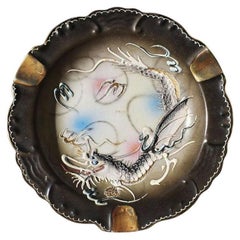
Antique Japonisme Moriage Dragon Ware Ashtray or Trinket Dish, 1920s
Located in Oklahoma City, OK
A beautiful artisanal handcrafted porcelain dragonware ashtray or trinket dish. This pretty catchall features a moriage dragon design. Created from slip...
Category

Early 20th Century Japanese Japonisme Decorative Objects

Materials

Ceramic, Paint

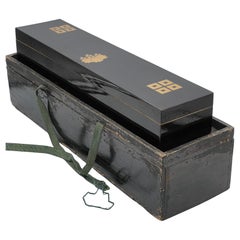
Japanese Meiji Period Lacquered Wooden Box w/ Original Outer Case, Ca. 1880
Located in New York, NY
Japanese Meiji Period Lacquered Wooden Box w/ Original Outer Case, Ca. 1880 Meiji Period: 1868-1912 DIMENSIONS Length: 16.5 inches Width: 3.5 inches Height: 2.5 inches
Category

1880s Japanese Antique Japonisme Decorative Objects

Materials

Wood

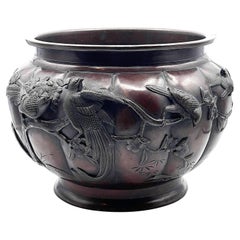
Japanese Edo Period Bronze Jardinière w/ Birds Cherry Blossom Tree, 19th C.
Located in New York, NY
#350 Japanese Edo Period Bronze Jardinière w/ Birds & Cherry Blossom Tree, 19th C. DIMENSIONS: Height: 9 inches Diameter: 12 inches DETAILS Edo Period (1603-1868) Meiji Period (...
Category

Mid-19th Century Japanese Antique Japonisme Decorative Objects

Materials

Bronze

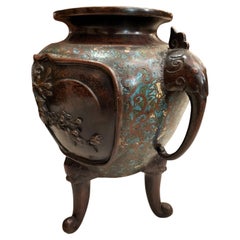
Intricately Ornamented japanese Incense Burner-Vase in Bronze and Enamel
Located in NICE, FR
Japanese Enameled Bronze Incense Burner – 19th Century Elegant and refined, this 19th-century Japanese incense burner perfectly embodies the exceptio...
Category

19th Century Japanese Antique Japonisme Decorative Objects

Materials

Bronze, Enamel

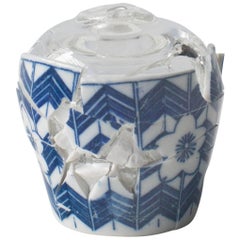
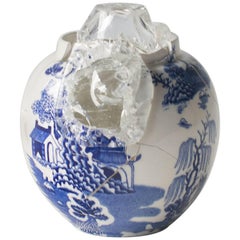
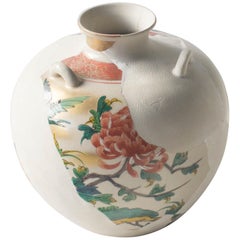
Glass Wearing Ceramic Vase 03 Contemporary Zen Japonism Style
Located in Shibuya-ku, Tokyo
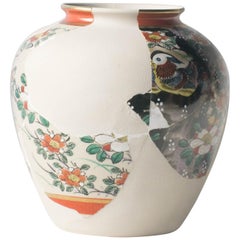
Antique broken ceramic Japanese sake bup repaired with glass. Broken chips are welded by glass. This work is study for relationship between object and decoration. Subject is Destru...
Category

2010s Japanese Japonisme Decorative Objects

Materials

Ceramic, Glass

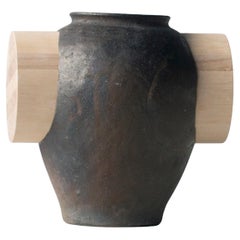
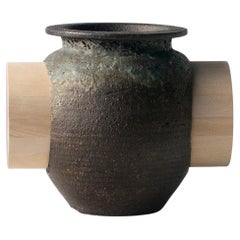
Pot and Wood4 Abstract Sculpture Contemporary Zen Japonism Style
Located in Shibuya-ku, Tokyo
This series of ceramics are unique work by Norihiko Terayama. This is one of series of practicing relationships with function and decoration. Artis...
Category

2010s Japanese Japonisme Decorative Objects

Materials

Ceramic

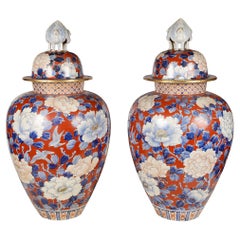
Large Pair 19th Century Japanese Fukagawa Lidded Vases
Located in Brighton, Sussex
A wonderful pair of large Japanese late 19th century Fukagawa Imari lidded vases. Each with three stylised mythical birds as finials to the lids, bold o...
Category

Late 19th Century Japanese Antique Japonisme Decorative Objects

Materials

Porcelain

Glass Wearing Ceramic Vase 01 Contemporary Zen Japonism Style
Located in Shibuya-ku, Tokyo
Antique broken ceramic vase repaired with glass. Broken chips are welded by glass. This work is study for relationship between object and decoration. Subject is Destruction and coex...
Category

2010s Japanese Japonisme Decorative Objects

Materials

Glass, Ceramic

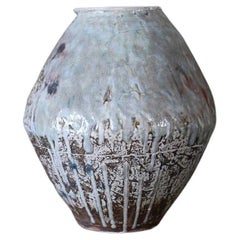
Bicone Vase by U-Turn Ushiro
Located in Sammu-shi, Chiba
Bicone vase by U-Turn Ushiro. It is baked for several days in an anagama (a kiln that burns firewood). It is shaped vertically symmetrically. The copper contained in the clay blows out on the surface, and reddish-black spots can be seen partially. It is a work where you can see various reactions of various ingredients. U-Turn Ushiro While working at the fire station...
Category

2010s Japanese Japonisme Decorative Objects

Materials

Pottery

Pot and Wood3 Abstract Sculpture Contemporary Zen Japonism Style
Located in Shibuya-ku, Tokyo
This series of ceramics are unique work by Norihiko Terayama. This is one of series of practicing relationships with function and decoration. Artis...
Category

2010s Japanese Japonisme Decorative Objects

Materials

Ceramic

Twin Lights Takuya Hamajima Contemporary Zen Japanese Ceramic
Located in Shibuya-ku, Tokyo
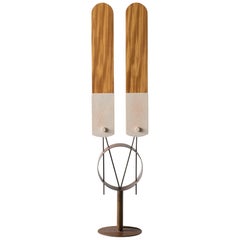
Contemporary Japanese style floor light. Rather sculpture than lighting. Made of rusted steel, ceramic, and wood. Base is metal. Ivory part is ceramic in Japanese traditional style. Top twin panels...
Category

21st Century and Contemporary Japanese Japonisme Decorative Objects

Materials

Ceramic, Wood

Japanese Porcelain Vase with Relief Surface Makuzu Kozan
Located in Atlanta, GA
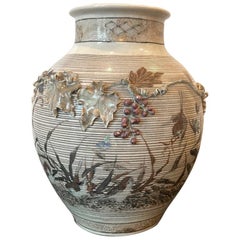
A rare porcelain vase by Makuzu Kozan (1842-1916) circa 1870-81 (late Meiji period). The vase is dated to the earlier work from Kozan's studio during his early period (Takauki-ware p...
Category

Late 19th Century Japanese Antique Japonisme Decorative Objects

Materials

Ceramic

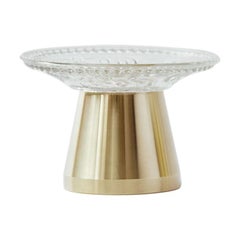
Kiriko Candleholder Ryosuke Harashima Contemporary Zen Japanese Craft Mingei
Located in Shibuya-ku, Tokyo
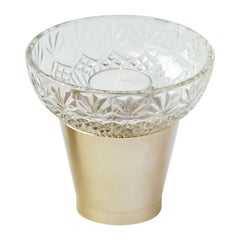
Candleholder designed by Ryosuke Harashima. This work is made of antique Kiriko glass plate and brass. Artist create new style candleholder by combining old kiriko glass and Indust...
Category

2010s Japanese Japonisme Decorative Objects

Materials

Brass

Chinese Ming Dynasty Gilt Iron Head of Buddha, Ca. 17th Century
Located in New York, NY
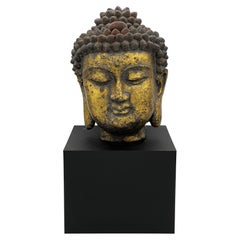
Chinese Ming Dynasty Gilt Iron Head of Buddha, Ca. 17th Century DETAILS Ming Dynasty (1368-1644) DIMENSIONS: Width: 10 inches Wid...
Category

17th Century Japanese Antique Japonisme Decorative Objects

Materials

Iron

Reconstructed Ceramics #7 Contemporary Zen Japonism Style
Located in Shibuya-ku, Tokyo
This series of ceramics are unique work by Norihiko Terayama. He broke ceramic at first, and make it into a lot of fragment. He rasp some of fragmen...
Category

2010s Japanese Japonisme Decorative Objects

Materials

Ceramic

Antique Japanese Bronze Barrel Form Table or Mantel Clock
Located in New York, NY
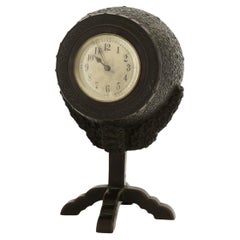
Very unique antique (late 19th to early 20th century) table or mantel clock in the Japonisme style, possibly of continental origin, in the form of a Japanese drum or barrel on stand,...
Category

Late 19th Century Japanese Antique Japonisme Decorative Objects

Materials

Bronze

Turquoise Vintage Japanese Ceramic Bulbous Vase on Rosewood Stand
Located in Lomita, CA
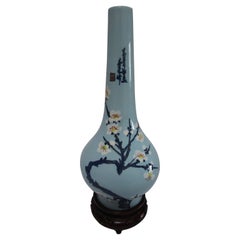
This turquoise blue Japanese export vase with a rosewood base is as refreshing as a breath of spring. It This item is an inspired mid 20th century Japanese export blue vase, showca...
Category

Mid-20th Century Japanese Japonisme Decorative Objects

Materials

Ceramic, Porcelain

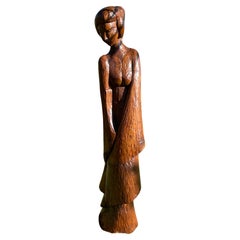
Beautiful monoxylous Wooden Sculpture, Hand-Gouged, France
Located in L’ISLE-SUR-LA-SORGUE, FR
Magnificent wooden sculpture carved from a single piece of wood, depicting a woman with a graceful bearing and a Japanese-inspired character. The artist highlights the purity of the...
Category

Mid-20th Century French Japonisme Decorative Objects

Materials

Wood

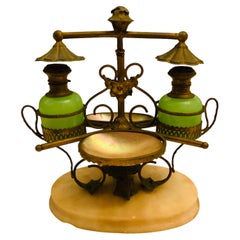
19th Century French Bronze Green Opaline Glass Inkwell Set
Located in Guaynabo, PR
French Bronze Green Opaline Double Inkwells Set. It depicts a Japonisme style bronze tray with a pair of green opaline inkwell bottles mounted in round...
Category

19th Century French Antique Japonisme Decorative Objects

Materials

Bronze

Candleholder 2 Ryosuke Harashima Contemporary Zen Japanese craft Mingei
Located in Shibuya-ku, Tokyo
Candleholder designed by Ryosuke Harashima. This work is made of Japanese antique glass plate and brass. Artist create new style candleholder by ...
Category

2010s Japanese Japonisme Decorative Objects

Materials

Brass

Reconstructed Ceramics #3 Contemporary Zen Japonism Style
Located in Shibuya-ku, Tokyo
This series of ceramics are unique work by Norihiko Terayama. He broke ceramic at first, and make it into a lot of fragment. He rasp some of fragmen...
Category

2010s Japanese Japonisme Decorative Objects

Materials

Ceramic

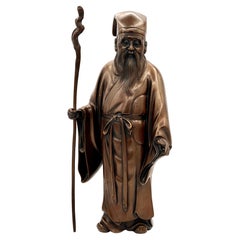
Japanese Meiji Period Bronze Sculpture of Jerodian (Old Man), Ca. 1890
Located in New York, NY
Japanese Meiji Period Bronze Sculpture of Jerodian (Old Man), Ca. 1890 Meiji Period (1868-1912) DIMENSIONS: Height: 16.5 in...
Category

1890s Japanese Antique Japonisme Decorative Objects

Materials

Bronze

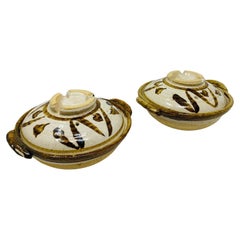
Set of 2 Vintage Studio Pottery Covered Dish Japan 1950s
Located in San Diego, CA
Beautiful set of 2 vintage studio pottery covered bowls. These handcrafted dishes feature vented lids and shoulder handles. A hand painted abstract design accents the natural beige ...
Category

1950s Japanese Vintage Japonisme Decorative Objects

Materials

Ceramic

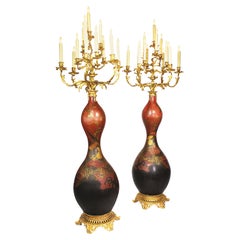
Pair 19th Century Japanese Imari Porcelain Gilt-Bronze Torchere Candelabra
Located in Los Angeles, CA
A fine Pair of 19th century Japanese Imari Porcelain and French Gilt-Bronze Mounted Thirteen-Light Celadon Torchere Candelabra. The bottle-shaped Japonisme vases with a Royal red background, decorated with parcel-gilt and black soaring eagles in the hunt within a forestall scene. Each Vase fitted and surmounted with a French 19th century Louis XV Style 13-Light scrolled candelabrum and all raised on a circular pierced gilt-bronze plinth. circa: 1880. Imari Porcelain (????) is the name for Japanese porcelain wares made in the town of Arita, in the former Hizen Province, northwestern Kyushu. They were exported to Europe extensively from the port of Imari, Saga, between the second half of the 17th century and the first half of the 18th century. The Japanese as well as Europeans called them Imari. In Japanese, these porcelains are also known as Arita-yaki (???). Imari or Arita porcelain has been continously produced up through the present day. Characteristics Though there are many types of Imari, Westerners' conception of Imari in the popular sense is associated only with a type of Imari produced and exported in large quantity in mid-17th century. This type is called Kinrande. Kinrande Imari is colored porcelain with cobalt blue underglaze and red and gold overglaze. The color combination was not seen in China at that time. Traditional Ming dynasty color porcelain used dominantly red and green, probably due to scarcity of gold in China, whereas gold was abundant in Japan in those days. The subject matter of Imari is diverse, ranging from foliage and flowers to people, scenery and abstractions. Some Imari design structures such as kraak style were adopted from China, but most designs were uniquely Japanese owing to the rich Japanese tradition of paintings and costume design. The porcelain has a gritty texture on the bases, where it is not covered by glaze. There is also blue and white Imari. Kakiemon style Imari is another type of Imari, but it tends to be categorized separately in Europe. History "Imari" was simply the trans-shipment port for Arita wares. It was the kilns at Arita which formed the heart of the Japanese porcelain industry. Arita's kilns were set up in the 17th century, when kaolin was discovered in 1616 by the immigrant Korean potter, Yi Sam-pyeong (1579–1655). (He may also be known by the name, "Kanage Sambei".) Yi Sam-Pyeong, along with his extended family of 180 persons, left Korea on the offer of a privileged position in Japan. This decision was made after the occurrence of certain Japanese invasions of Korea. After Yi Sam-Pyeong's discovery, his kilns began to produce revised Korean-style blue and white porcelains, known as "Shoki-Imari". In the mid-17th century there were also a lot of Chinese refugees in Northern Kyushu due to the turmoil on Chinese continent, and it is said one of them brought coloring technique to Arita. Thus Shoki-Imari developed into Ko-KutaniImari. Ko-Kutani was produced around 1650 for both export and domestic market. Blue and white porcelain continued to be produced and they are called Ai-Kutani. Ko-Kutani Imari for the export market usually adopted Chinese design structure such as kraak style, whereas Ai-Kutani for the domestic market were highly unique in design and are accordingly valued very much among collectors. Ko-Kutani style evolved into Kakiemon style Imari, which was produced for about 50 years around 1700. Imari achieved its technical and aesthetic peak in Kakiemon style, and it dominated European market. Blue and white Kakiemon is called Ai-Kakiemon. Kakiemon style transformed into Kinrande in the 18th century. Kinrande used blue underglaze and red and gold overglaze, and later some other colors. Imari began to be exported to Europe because the Chinese kilns at Ching-te-Chen were damaged in the political chaos and the new Qing dynasty government stopped trade in 1656–1684. Exports to Europe were made through the Dutch East India Company, but the designation "Imari Porcelain" in Europe connotes Arita wares of mostly Kinrande Imari. Export of Imari to Europe stopped in mid-18th century when China began export to Europe again, since Imari was not able to compete against China due to high labor cost. By that time, however, both Imari and Kakiemon style were already so popular among Europeans, Chinese export porcelain copied both Imari and Kakiemon style, which is called Chinese Imari. At the same time, European kilns, such as Meisen also tried to copy Imari and Kakiemon. Export of Imari surged again in late 19th century (Meiji era) when Japonism flourished in Europe. Thus in western world today, two kinds of Imari can...
Category

19th Century Japanese Antique Japonisme Decorative Objects

Materials

Bronze, Ormolu

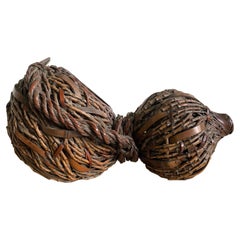
Antique Japanese Gourd Shape Bamboo Ikebana Basket
Located in Atlanta, GA
A lovely Japanese bamboo ikebana basket in the shape of gourd with an open mouth and a body circa 1920s-1940s. The piece was woven in great details and styles with mostly irregular a...
Category

20th Century Japanese Japonisme Decorative Objects

Materials

Bamboo, Rattan

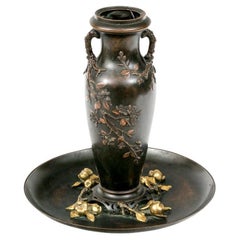
19th Century French Bronze Vase Mounted On A Dish In The Japanese Style
Located in Bridgeport, CT
19th century French bronze vase patinated and decorated with cherry blossoms along with branch form handles. The baluster form vase with a quad form pierced base surmounted on a roun...
Category

19th Century French Antique Japonisme Decorative Objects

Materials

Bronze

Japanese Ceramic Ikebana Vase Bizen Ware Nanba Koyo
Located in Atlanta, GA
A tall vintage ceramic vase with handle from Japan (20th century) by Nanba Koyo. Made in the tradition of Bizen ware, the vase has a modern aesthetic with a...
Category

20th Century Japanese Japonisme Decorative Objects

Materials

Ceramic

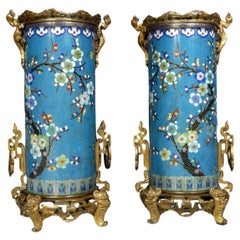
Pair of "Cloisonne" Enamel Vases, Attr. to l Escalier de Cristal, France, C.1870
Located in PARIS, FR
Pair of Japanese-style roll-shaped vases, made in “cloisonné” enamel and gilded bronze. The cylindrical body is decorated with polychrom floral branches, flowers and butterflies on a...
Category

1870s French Antique Japonisme Decorative Objects

Materials

Bronze, Enamel

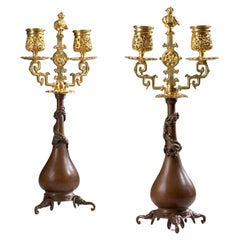
Pair of Japanese-style Candlesticks by Ferdinand Barbedienne and Edouard Lievre.
Located in MOUGINS, FR
Exceptional pair of candlesticks with ovoid body and domed belly in chiseled bronze with brown patina on which a dragon coils, resting on tripod bases with 3 stylized elephant heads ...
Category

Late 19th Century French Antique Japonisme Decorative Objects

Materials

Bronze

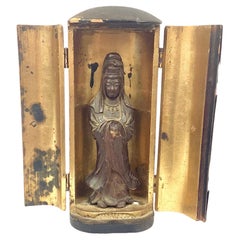
Antique Japanese Lacquer And Giltwood Zushi Shrine
Located in Bradenton, FL
Antique Japanese Lacquer And Giltwood Zushi Shrine, or traveling altar, with hand-carved wooden standing Japanese figure. Intricately bronzed...
Category

19th Century Japanese Antique Japonisme Decorative Objects

Materials

Giltwood, Lacquer

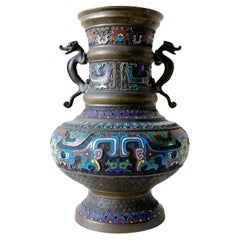
Early 20th Century Japanese Champleve Brass Vase
Located in Delray Beach, FL
Exceptional early 20th century Japanese brass champleve. Features vibrant enameled decorative designs throughout the vase.
Category

Early 20th Century Japanese Japonisme Decorative Objects

Materials

Brass, Enamel

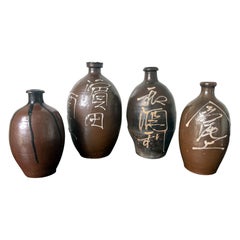
Collection of Four Japanese Tanba Tokkuri Sake Bottles
Located in Atlanta, GA
A set of four Japanese Ceramic Tokkuri Sake storage bottles circa early 20th century (Meiji to Taisho period). The bottles were made in Tanba (or Tamba) ...
Category

Early 20th Century Japanese Japonisme Decorative Objects

Materials

Ceramic

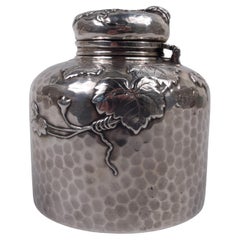
Large Tiffany Japonesque Applied Sterling Silver Inkwell with Beetle
Located in New York, NY
Japonesque sterling silver inkwell. Made by Tiffany & Co. in New York, ca 1882. Drum form with curved shoulder, short neck, and hinged and cork-lined bayonet cover. Leaves and tendri...
Category

Late 19th Century American Antique Japonisme Decorative Objects

Materials

Sterling Silver

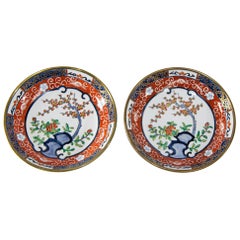
Vintage Japanese Imari Porcelain Bowl Hand-Painted for Geary s Beverly Hill
Located in Moreno Valley, CA
Vintage Japanese Imari Porcelain 7.5" Bowl - Hand Decorated for Geary's Beverly Hills. Set of two Japanese Imari porcelain Bowls from the prestigious brand GEARYS BEVERLY HILLS, Vintage collectible large blue and white porcelain bowl. These beautiful Japanese bowls are hand painted. Perfect for display or using as catchall or vide poche. Vintage Japanese Porcelain...
Category

20th Century Hong Kong Japonisme Decorative Objects

Materials

Ceramic, Porcelain

Vintage Japanese Decorative Porcelain Toyo Plate
By Toyo
Located in Moreno Valley, CA
Vintage Japanese decorative porcelain plate beautifully decorated with gorgeous colors and peony design typical of Toyo of Japan, circa 1950s. It is absolut...
Category

Early 20th Century Japanese Japonisme Decorative Objects

Materials

Porcelain

Japanese Ceramic Bowl Makuzu Kozan Utusushi Kenzan
Located in Atlanta, GA
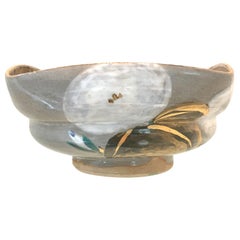
A rare ceramic bowl with overglaze paint decoration by Japanese imperial potter Makuzu Kozan ((1842–1916). Unlike the better-known works Kozan made for the expositions in the west and export to the foreign market, this piece exemplifies his work for the domestic market and the tea ceremony. The bowl was made in the so called "Utusushi" Ogata Kenzan (1663-1743), a celebrated Edo painter and ceramicist. Utusushi is loosely translated as "in the spirit of". It is not at all a simple imitation of a master, but a Japanese concept of embracing the spiritual essence of a master while the creator is free to mix in his or her own unique artistic interpretation and flavor. The bowl was made to hold fruits during the tea ceremony. It has a very distinguished form with a circular lower body morphing into a square upper portion that further opening with flared rim. The surface has a grey glaze onto which Asagao flowers (Japanese morning glory) on the vines were painted in a free and poetic style. White was used for the petals, green for the leaves with touches of gold highlight. Asagao, the symbol of the summer was rendered in the spirit of Ogata Kenzan, and interestingly the shape of the blossom echoes the unique form the bowl. It was likely reserved for the tea ceremony during the summer months. Under the base, Kozan was signed in black on a white porcelain plaque inlay. For two similar examples of Kozan's work Utusushi Kenzan, see Page 168-169 of the book: Sekai ni Aisa Reta ya Kimono Miyagawa Kozan Makuzu...
Category

Early 1900s Japanese Antique Japonisme Decorative Objects

Materials

Ceramic

Rare Japanese Lacquer Writing Box Suzuribako Meiji Period
Located in Atlanta, GA
A Japanese Lacquer writing box Suzuribako Meiji Period (1868-1912), likely circa late 19th century. This suzuribako is one of the most unusual boxe...
Category

19th Century Japanese Antique Japonisme Decorative Objects

Materials

Lacquer

Modern Kintsugi Style Frosted Glass Vase, a Set of 3
Located in Plainview, NY
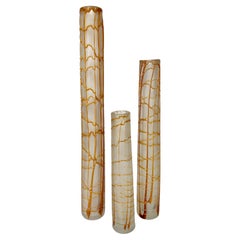
A trio of Modern Kintsugi-style skinny vases, each a unique embodiment of artistry and contemporary design. Crafted in three dimensions—tall, medium, and s...
Category

Late 20th Century Japonisme Decorative Objects

Materials

Glass

Yasumi Nakajima II Ikebana Bronze Vase, circa 1960, Japan.
Located in Brussels, BE
Yasumi Nakajima II (1906-1988) Ikebana vase, circa 1960, Japan. Trumpet form, Tomoe model, with nice patinated brown-red (seido) bronze. Signed underneath. Dimensions: 26 cm H, 9 ...
Category

1960s Japanese Vintage Japonisme Decorative Objects

Materials

Bronze

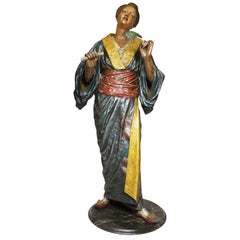
French 19th Century Polychromed Life-Size Figure of a Geisha, Charles Massé
Located in Los Angeles, CA
A fine French 19th century Polychromed Japonisme life-size cast-metal figure of a standing Geisha, cast after a model by Charles Massé (French, 1855-1913). The standing Japanese beau...
Category

19th Century French Antique Japonisme Decorative Objects

Materials

Metal

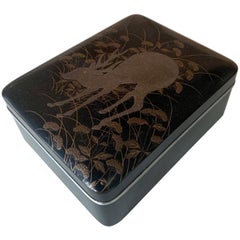
Japanese Rinpa Style Lacquer Box Meiji Period
Located in Atlanta, GA
A black lacquer tebako (hand box) with maki-e decoration and silver trim, circa late 19th century, Meiji period. The surface of the lid features a Rinpa style maki-e paint depicting ...
Category

1890s Japanese Antique Japonisme Decorative Objects

Materials

Wood, Lacquer

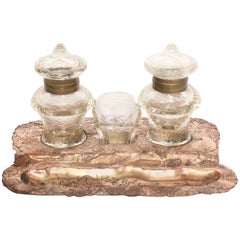
Japonais Revival Coppered Inkstand with Hand Carved Glass Ink Wells
Located in West Palm Beach, FL
Antique coppered Japonais Revival inkstand with two ink pots and a stamp holder. The border of the base is in relief and abounds with flowers and birds while the pen rest has a quain...
Category

1890s English Antique Japonisme Decorative Objects

Materials

Brass, Copper

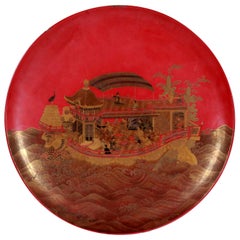
Large Japanese Lacquer Plate with Elaborate Maki-e Design by Kajikawa
Located in Atlanta, GA
A large circular plate with a short stem base in Vermillion lacquer color. The surface was decorated with a stunning maki-e picture that depicts a...
Category

19th Century Japanese Antique Japonisme Decorative Objects

Materials

Lacquer

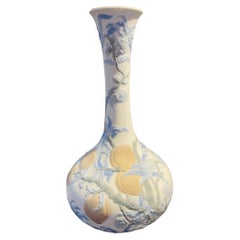
20th Century Lladro Porcelain Gourd Vase
Located in Guaynabo, PR
This a Lladro soft glow porcelain flower gourd vase. It is hand painted white in the background with a repousse of long light green branches with light blue leaves and flowers plus r...
Category

20th Century Spanish Japonisme Decorative Objects

Materials

Porcelain

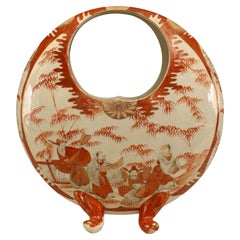
Japanese Style Orange and White Round Porcelain Vase with Handle
Located in Queens, NY
Japanese (19th Century) orange and white round shaped porcelain vase with handle top.  
Category

19th Century Antique Japonisme Decorative Objects

Materials

Porcelain

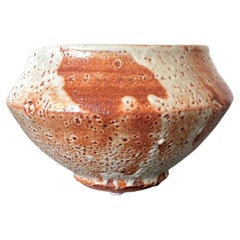
American Studio Ceramic Bowl in Shino Glaze by Warren MacKenzie
Located in Atlanta, GA
A studio made ceramic tea bowl (Chawan) with a slightly irregular form and exceptional surface glaze by American potter Warren Mackenzie (1924-2018). Reminiscent of a monk's begging bowl...
Category

Late 20th Century American Japonisme Decorative Objects

Materials

Ceramic

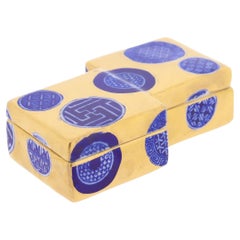
Gilt Japonisme Porcelain Dresser Box
Located in Philadelphia, PA
A fine 2-section Japonisme dresser box. In gilt porcelain. With cobalt blue and white geometric circle devices throughout. Simply a wonderful porcelain dresser box! Date: 20th Ce...
Category

20th Century Unknown Japonisme Decorative Objects

Materials

Porcelain

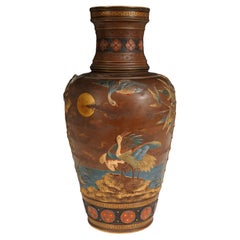
Vase with Cranes by the Villeroy&Boch Manufacture, Mettlach Germany, Circa 1900
Located in PARIS, FR
Model n° 1567 Beautiful Japanese inspired baluster-shaped vase in tinted stoneware. The rich polychrome rotating decoration illustrates cranes in the moonlight, near a lake lined wi...
Category

Early 1900s German Antique Japonisme Decorative Objects

Materials

Stoneware

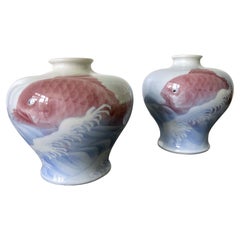
One of The Two Japanese Ceramic Vases Makuzu Kozan Meiji Period
Located in Atlanta, GA
Two small nearly identical ceramic vases by Japanese Meiji imperial potter Makuzu Kozan (1842-1916), circa 1890-1900s. The vases were made in the form of jarlet with swelled shoulder...
Category

Late 19th Century Japanese Antique Japonisme Decorative Objects

Materials

Ceramic

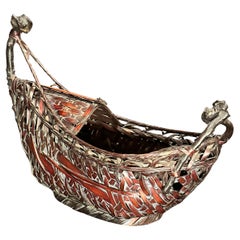
Antique Japanese Ikebana Boat Form Flower Basket
Located in Norwood, NJ
Antique Japanese woven boat shape (funagata) Ikebana flower basket, with lacquer,975 rattan, root and smoked bamboo. Fine quality weaving with wonderful patina.
Category

Early 20th Century Japanese Japonisme Decorative Objects

Materials

Bamboo, Rattan

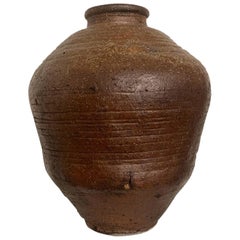
Large Japanese Antique Shigaraki Tsubo Jar
Located in Atlanta, GA
An antique Japanese stoneware storage jar, known as tsubo from Shigaraki kiln, circa 17th-18th century (early Edo possibly Momoyama period)....
Category

17th Century Japanese Antique Japonisme Decorative Objects

Materials

Ceramic

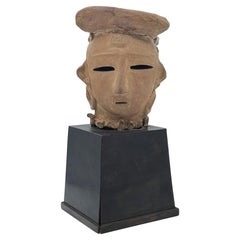
Japanese Tumulus Period Unglazed Terracotta Haniwa of a Woman’s Head, 3rd/4th C.
Located in New York, NY
Japanese Tumulus Period Unglazed Aged Terracotta Haniwa of a Woman’s Head, 3rd/4th Century Tumulus Period (AD 250-552) Haniwa means “circle o...
Category

15th Century and Earlier Japanese Antique Japonisme Decorative Objects

Materials

Terracotta

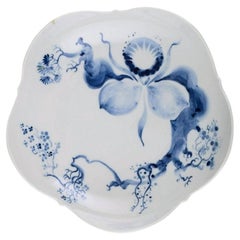
Meissen Bowl in Hand-Painted Porcelain Decorated with Cherry Tree Branches
Located in København, Copenhagen
Meissen bowl in hand-painted porcelain decorated with cherry tree branches, in Japanese style. Early 1900s. Measurements: 24.0 cm. x 3.5 cm. In good condition, with hairline crac...
Category

Early 20th Century German Japonisme Decorative Objects

Materials

Porcelain

Japonisme decorative objects for sale on 1stDibs.

Find a broad range of unique Japonisme decorative objects for sale on 1stDibs. Many of these items were first offered in the 21st Century and Contemporary, but contemporary artisans have continued to produce works inspired by this style. If you’re looking to add vintage decorative objects created in this style to your space, the works available on 1stDibs include decorative objects, asian art and furniture, serveware, ceramics, silver and glass and other home furnishings, frequently crafted with ceramic, metal and other materials. If you’re shopping for used Japonisme decorative objects made in a specific country, there are Asia, East Asia, and Japan pieces for sale on 1stDibs. While there are many designers and brands associated with original decorative objects, popular names associated with this style include Makuzu Kozan, Norihiko Terayama, Tiffany Co., and Royal Crown Derby Porcelain. It’s true that these talented designers have at times inspired knockoffs, but our experienced specialists have partnered with only top vetted sellers to offer authentic pieces that come with a buyer protection guarantee. Prices for decorative objects differ depending upon multiple factors, including designer, materials, construction methods, condition and provenance. On 1stDibs, the price for these items starts at $29 and tops out at $185,360 while the average work can sell for $3,500.

Still Thinking About These?

All Recently Viewed