Renaissance Furniture

RENAISSANCE STYLE

Spanning an era of cultural rebirth in Europe that harkened back to antiquity, the Renaissance was a time of change in design. From the late 1400s to the early 1600s, Rome, Venice and Florence emerged as artistic centers through the expansion of global trade and a humanist belief in the arts being central to society. Antique Renaissance furniture was ornately carved from sturdy woods like walnut, its details standing out against the tapestries and stained glass adorning the walls.

Renaissance chests, which were frequently commissioned for marriages, were often decorated with gilding or painted elements. Those that were known as cassoni were crafted in shapes based on classical sarcophagi. As opposed to the medieval era, when furniture was pared down to the necessities, a wide range of Renaissance chairs, tables and cabinets were created for the home, and the designs regularly referenced ancient Rome.

Large torchères of the Renaissance era that were used as floor lamps were inspired by classical candelabras, while marble surfaces evoked frescoes. The inlaid boxes being imported from the Middle East informed the intarsia technique, which involved varying hues of wood in mosaic-like patterns, such as those by architect Giuliano da Maiano in the Florence Cathedral.

Tapestry-woven cushion covers accented the variety of Renaissance seating — from conversation to study chairs — while bookcases for secular use reflected the migration of culture and knowledge from the church into the home. The aesthetics of the Italian Renaissance later spread to France through the publishing of work by renowned designers, including Hugues Sambin and Jacques Androuet du Cerceau. Centuries later, the 19th-century Renaissance Revival would see a return to this influential style.

Find a collection of antique Renaissance case pieces, decorative objects and other furniture on 1stDibs.

to
93
436
396
782
71
5
57,506
28,829
4,025
3,054
2,451
2,419
1,187
885
734
603
412
346
311
267
262
152
148
53
337
227
218
76
54
52
37
6
3
6
3
8
7
5
8
13
398
207
176
125
96
2,040
503
162
148
858
808
856
38
7
7
6
6
Style: Renaissance
Place of Origin: Italian
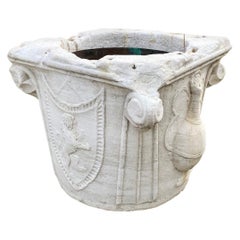
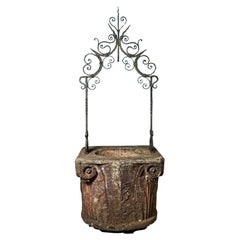
Renaissance Wellhead Hand Carved Marble Container Planter Basin Water Fountain
Located in West Hollywood, CA
Renaissance Wellhead Hand Carved Marble Container Planter Basin Water Fountain . A rare and impressive Historic Italian 15th century Renaissance hand carved marble well head square shape with scrolls to the corners. Decorated with 3-dimensional vessels and armorial with a rampant lion with raised forelegs as if to strike and ready for battle. To be used as an interior planter stone container, focal point, water feature fountain...
Category

15th Century and Earlier Italian Antique Renaissance Furniture

Materials

Stone, Marble

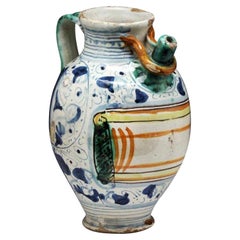
Italian 18th C. Majolica Wet Drug or Syrup Jar
Located in Bradenton, FL
A beautifully decorated 18th century Italian Majolica faience ‘wet’ or syrup albarello/drug jar. Blue and white having a front reserve, blue and white scrolls to body. Beautifully de...
Category

18th Century Italian Antique Renaissance Furniture
Materials

Pottery

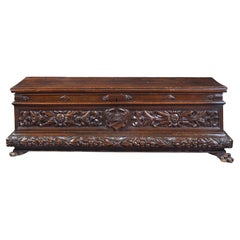
Italian Renaissance Cassone with the Coat of Arms of the Bonfanti Family
Located in Saint-Ouen, FR
This Italian walnut chest called « cassone » is shaped as an antic sarcophagus. The beautiful patina and the plain lid bring to the fore the facade richly ornated with vegetal motifs...
Category

16th Century Italian Antique Renaissance Furniture

Materials

Walnut

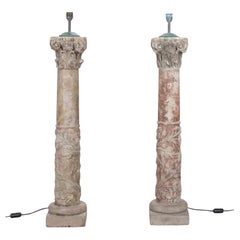
Pair of Late Renaissanace Period Column Lamps
Located in Gloucestershire, GB
Pair of large late Renaissance period Italian stone columns converted into floor lamps.
Category

18th Century Italian Antique Renaissance Furniture

Materials

Stone

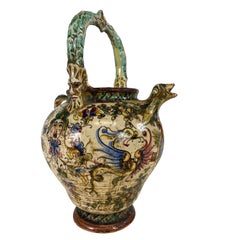
Antique Italian Renaissance Revival Elaborately Decorated Terracotta Pitcher
Located in Allentown, PA
This is an Italian renaissance revival ornately decorated terra-cotta pitcher. This vessel features extraordinary hand-painted figures and flora around the entire surface of this pie...
Category

1920s Italian Vintage Renaissance Furniture

Materials

Terracotta

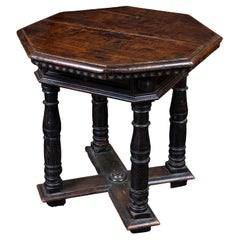
An Italian Walnut Octagonal Library Table, 17th Century
Located in ARMADALE, VIC
An Italian Walnut Octagonal Library Table, 17th Century A small Italian walnut library table with moulded octagonal top and hollow rounded dentil cornice over a panelled square frie...
Category

17th Century Italian Antique Renaissance Furniture

Materials

Walnut

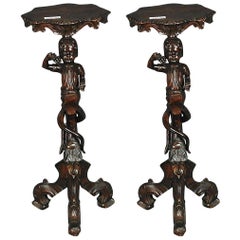
Pair of Carved Walnut Figural Italian Renaissance Pedestal Stand Side Tables
Located in Swedesboro, NJ
This exquisite pair of Italian Renaissance style pedestal stands showcases masterful craftsmanship in rich carved walnut. Each pedestal features a striking figural support of a Renai...
Category

1870s Italian Antique Renaissance Furniture

Materials

Walnut

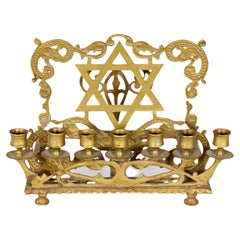
Italian Renaissance Star of David Book Stand
Located in Queens, NY
Italian Renaissance style rass filigree religious book stand with Star of David and 7 candleholders (19th Cent.)
Category

19th Century Italian Antique Renaissance Furniture

Materials

Brass

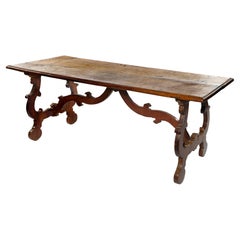
Beautiful Italian Table " à lyre"
Located in Saint-Ouen, FR
BEAUTIFUL ITALIAN TABLE « À LYRE » ORIGIN : ITALY PERIOD : 17th century Height : 76 cm Length : 197 cm Width : 77 cm Walnut wood This fine example of a highly architectural m...
Category

17th Century Italian Antique Renaissance Furniture

Materials

Wood, Walnut

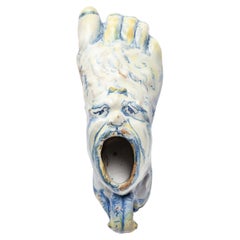
Renaissance Inkwell Calamelli workshop, Italy, Faenza, second half of the 16th
By Virgiliotto Calamelli
Located in Milano, IT
Inkwell Calamelli workshop (attr.). Faenza, second half of the 16th century Height 4.33 in; length 8.07 in; depth 2.95 in (11 cm; 20.5 cm; 7.5 cm) Weight: 0.800 lb (363 g) State of conservation: some chipping to the top of the mask around the mouth. Handle glued, without any restorations; minor chips in some raised areas. This object has the shape of a foot wearing Greek-style footwear, as can be seen in some raised areas. The foot is anatomically modeled with bare toes, while the ankle is partially covered by the footwear. On the heel, there is a small circular handle to support the object. The mouth of the container is shaped like a mask. The interior, completely enameled, suggests that the piece was intended to be used as an inkwell or to contain some other liquid. The base, however, is not enamelled. The painted decoration, scant and brief, consists of rapid cobalt blue shading between the toes of the foot, with more precise emphasis on the nails. It is accompanied by yellow citrine accents to enhance the forms. The mask is painted with the tip of the brush, to accentuate the tense nature of the eyes and to accentuate their outline. Thin strokes of yellow-orange line the interior of the mouth. Since the Renaissance, this decoration has been referred to as "compendiaria" and it characterizes the period of production extending from the mid-16th century to approximately the middle of the following century. It significantly influenced tastes at the time. It evolved from the polychrome style "istoriato" and transformed into a new style that "summarized" (compendia), or condensed, the ornamentation of the works into a few colors, placing greater prominence on the shapes. It was often inspired by metal specimens. Since the Renaissance, this decoration has been referred to as "compendiaria" and it characterizes the period of production extending from the mid-16th century to approximately the middle of the following century. It significantly influenced tastes at the time. It evolved from the polychrome style "istoriato" and transformed into a new style that "summarized" (compendia), or condensed, the ornamentation of the works into a few colors, placing greater prominence on the shapes. It was often inspired by metal specimens. This artwork finds parallels in similar objects all characterized by this refined style and produced in the city of Faenza and other Italian centers starting from the mid-16th century. The closest comparable example in majolica is a foot acquired by the British Museum in 2011 (inv. 2011, 8008.1). This was previously published by Carmen Ravanelli Guidotti in 1996 and later by Dora Thornton in 2016 during the conference on Renaissance ceramics...
Category

16th Century Italian Antique Renaissance Furniture

Materials

Maiolica

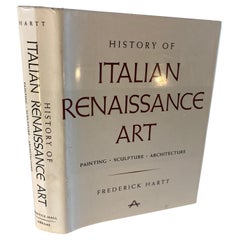
History of Italian Renaissance Art Hardcover Book
Located in Moreno Valley, CA
History of Italian Renaissance Art hardcover – January 1, 1969 by Frederick Hartt (Author), Color and B&W Illustration. History of Itali...
Category

Mid-20th Century Italian Renaissance Furniture

Materials

Paper

XVI Century, Italian Renaissance Wood Chest
Located in IT
XVI Century, Italian Renaissance wood chest. This important noble chest of the Tuscan Renaissance was built towards the end of the sixteenth centur...
Category

16th Century Italian Antique Renaissance Furniture

Materials

Nutwood

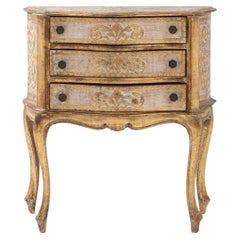
20th Century Italian Wood Patinated Chest of Drawers
Located in High Point, NC
Immerse yourself in the timeless allure of the Renaissance Era with this opulent 20th Century Italian Wood Patinated Chest of Drawers. Boasting luxurious gold and cream tones, this v...
Category

20th Century Italian Renaissance Furniture

Materials

Wood

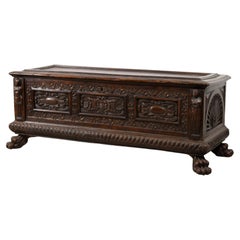
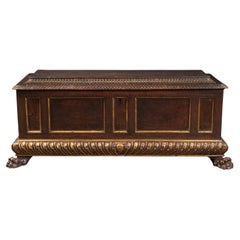
Large 16th Century Tuscan Wedding Chest Called "Cassone"
Located in Saint-Ouen, FR
Large wedding chest in tinted and gilded walnut, the lid animated with a frieze of pearls, the sides with compartments, the belt decorated with gadroons. It rests on four claw feets.
Category

16th Century Italian Antique Renaissance Furniture

Materials

Walnut

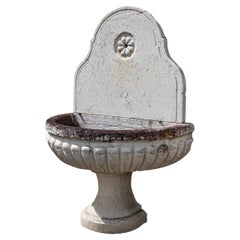
Giallo d’Istria Wall Fountain
Located in Greding, DE
Wall fountain made of light Giallo d’Istria limestone with a stained basin rim. The back panel features a simple floral rosette and a gently curved contour.
Category

21st Century and Contemporary Italian Renaissance Furniture

Materials

Limestone

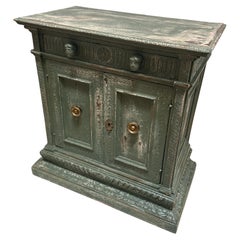
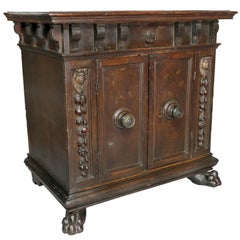
Small 17th Century Italian Renaissance Credenza
Located in Middleburg, VA
Small 17th Century Italian Renaissance Credenza. Made of Circassian Walnut with carved heads as handles to the single drawer over two paneled doors with bronze hardware and heavily c...
Category

17th Century Italian Antique Renaissance Furniture

Materials

Metal, Brass

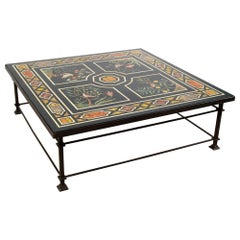
XXth Century, Tuscan Large Square Coffee Table with Lacquered Wood
Located in IT
XXth Century, Tuscan Large Square Coffee Table with Lacquered Wood Measurements: cm 136,5 x 136,5 x H 45,5 Top thickness 4 cm This table was made around the fifties of the twentie...
Category

1950s Italian Vintage Renaissance Furniture

Materials

Wrought Iron

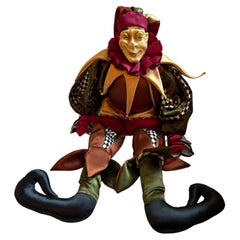
Commedia Dell arte Harlequin Doll, Silk and Papier Mache, Italy
Located in Toronto, CA
This is an irresistible Italian doll of the classic Commedia Dell'arte figure the Harlequin, or Arlecchino, as he is known in Italian. Probably made in V...
Category

Late 20th Century Italian Renaissance Furniture

Materials

Fabric, Paper

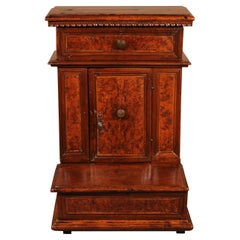
Prie-Dieu or Oratory in Walnut and Burl Walnut, circa 1600
Located in Brussels, Brussels
Elegant oratory or prieu dieu (prayer Kneeler) in walnut and burr walnut from northern Italy circa 1600 Very beautiful Italian Renaissance furniture...
Category

16th Century Italian Antique Renaissance Furniture

Materials

Walnut

Madonna Lactans , Gold Background , Quattrocento Attributed to Sano di Pietro
Located in PARIS, FR
-Madonna Lactans, Gold Background Quattrocento Our painting is on poplar wood, characteristic of Italian Quattrocento works. The gold background is stuccoed and engraved. Our Madonna Lactans is a variation on the theme of the Madonna and Child. In Christian iconography, this subject is depicted at a moment of great intimacy, as the Virgin Mary delicately takes Christ's foot. When cleaning the work, small jets of milk can be seen ... Sano di Pietro...
Category

15th Century and Earlier Italian Antique Renaissance Furniture

Materials

Wood

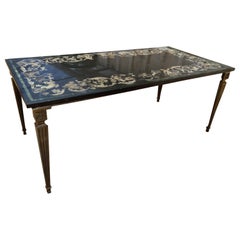
1930s Italian Nero Marble Coffee Table Framed w/ Ornamental Stucco Inlay
Located in Marbella, ES
1930s Italian Nero marble coffee table framed with plant and people ornamental stucco inlay.   
Category

Early 20th Century Italian Renaissance Furniture

Materials

Marble

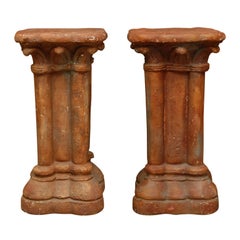
Pair of Italian Renaissance Style Pedestals
Located in Sheffield, MA
Pair of Italian Renaissance style terracotta pedestals. Add a top of your choice for a console, sofa table, a buffet sideboard, entr...
Category

Early 20th Century Italian Renaissance Furniture

Materials

Terracotta

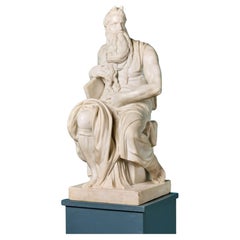
After Michelangelo White Statuary Marble Sculpture of Moses
Located in Wormelow, Herefordshire
A scale white statuary marble sculpture of Moses after Michelangelo circa 1875. After the larger than life-size Carrara marble original from the tomb of Pope Julius II in St. Peter’s Basilica, Rome completed around 1515. This scale sculpture is exceptionally carved, capturing the quality and detail of Michelangelo’s Moses...
Category

Mid-19th Century Italian Antique Renaissance Furniture

Materials

Marble, Statuary Marble

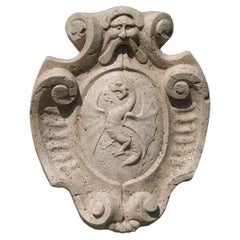
Heraldic coat of arms carved on Roman travertine -made in Italy
Located in Tarquinia, IT
renaissance carved coat of arms, travertine coat of arms, stone heraldic coat of arms, Renaissance carved coat of arms. Hand-carved coat of arms on Roman travertine in Renaissance st...
Category

1990s Italian Renaissance Furniture

Materials

Travertine

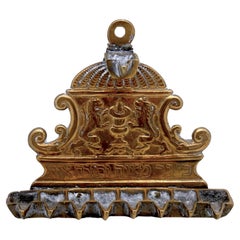
An Italian Brass Hanukkah Lamp, 18th Century
Located in New York, NY
An Italian Brass cast bench Hanukkah lamp made in the Renaissance era of the 18th century. A pair of rampant lions leaning on a goblet-shaped burning incense alter is reminiscent of...
Category

18th Century Italian Antique Renaissance Furniture

Materials

Brass

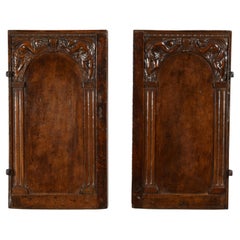
16th Century, Pair of Italian Small Carved Walnut Doors
Located in IT
Pair of small carved walnut doors, 16th century, central Italy This pair of small doors was made in the sixteenth century, in central Italy, in carved walnut. The decoration provides...
Category

16th Century Italian Antique Renaissance Furniture

Materials

Walnut

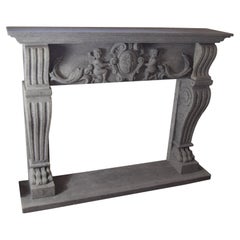
Renaissance carved volcanic stone fireplace -made in Italy
Located in Tarquinia, IT
renaissance fireplace, carved fireplace, travertine fireplace, stone fireplace, stone fireplace facing, marble fireplace, carved frieze fireplace Fireplace cladding carved on antique...
Category

1990s Italian Renaissance Furniture

Materials

Stone

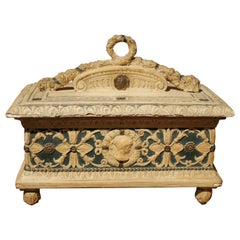
Italian 19th Century Renaissance Style Wood Lacquer and Painted Gesso Lidded Box
Located in Firenze, IT
This beautiful 19th century Florentine rectangular lidded box is entirely decorated in the round with all typical Renaissance Italian patterns. The whi...
Category

19th Century Italian Antique Renaissance Furniture

Materials

Gesso, Plaster, Wood

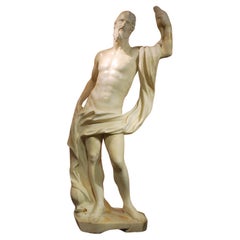
A 16th century carved marble sculpture of poseidon
Located in London, GB
This fine and imposing sculpture is an excellent example of 16th century Italian craftsmanship. The figure is stood on a raised, shaped rectangular base with a carved "dolphin" at th...
Category

16th Century Italian Antique Renaissance Furniture

Materials

Marble

Italian Antique 17th Century Hand carved wood Candelabra on a Renaissance base.
Located in Encinitas, CA
An Italian Antique 17th Century "Mecca" gilding Wood Hand carved Bear "Orso" Candelabra on Renaissance base. The base and the bear are gilded with Mecca, a silver gilt technique that...
Category

Late 17th Century Italian Antique Renaissance Furniture

Materials

Giltwood

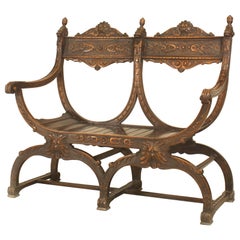
Italian Renaissance Walnut Savonarola Loveseat
Located in Queens, NY
Italian Renaissance style carved walnut Savonarola style loveseat with carved heads, 19th-20th century.
Category

19th Century Italian Antique Renaissance Furniture

Materials

Walnut

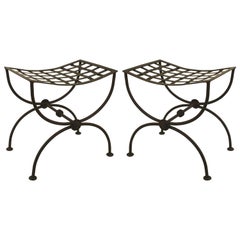
Pair of Italian Renaissance Wrought Iron Benches
Located in Queens, NY
Pair of Italian Renaissance style (1940s) black painted wrought iron benches with cross form "X" legs with a stretcher having a round medallion supporting an open woven saddle seat (...
Category

Early 20th Century Italian Renaissance Furniture

Materials

Wrought Iron

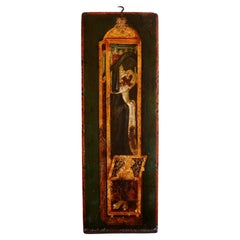
Bolognese School of the 16th Century - Mummy of Saint Catherine of Bologna
Located in Bruxelles, BE
Bolognese School of the 16th Century Mummy of Saint Catherine of Bologna
Oil on Panel 20,5 x 7 x 0,8 cm This rare painting depicts Saint Catherine of Bologna as a mummy, housed in a ...
Category

16th Century Italian Antique Renaissance Furniture

Materials

Wood, Giltwood

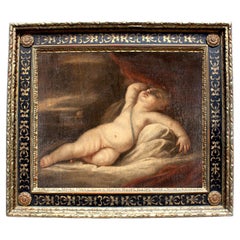
Manner Titian, Oil on Canvas Sleeping Cupid
Located in Los Angeles, CA
Manner of Titian (Tiziano Vecelli - Italian, 1485-1576) An Oil on Canvas "Sleeping Cupid" within a gilt and black decorated gesso frame. A label on reve...
Category

17th Century Italian Antique Renaissance Furniture

Materials

Gesso, Canvas, Giltwood

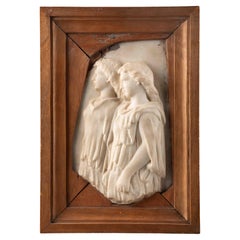
Renaissance relief - Italy, probably Rome, 16th century
Located in Bruxelles, BE
Renaissance relief depicting two female figures dressed in a chiton Italy, probably Rome, 16th century Marble, wooden frame (provenance label on the back) 28 x 20 x 5 cm This beau...
Category

16th Century Italian Antique Renaissance Furniture

Materials

Marble

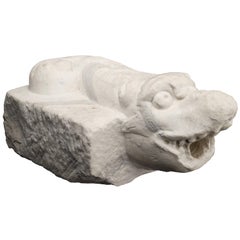
Italian Ancient Marble Sculpture Fountain, Late 16th Century
Located in Milano, IT
Sea monster Carrara marble mouth fountain Italy, late 16th century It measures 13.8 x 31.5 x 18.9 in (35 x 80 x 48 cm) State of conservation: some small evident gaps and widespread signs of wear due to outdoor exposure. The gray marks crossing it do not come from restoration, but are rather the natural veins of the marble. This work has some morphological characteristics typically associated with the iconography of the sea monster: an elongated muzzle, sharp teeth, protruding eyes, elongated ears, and a coiled serpent's tail. An in-depth series of studies on artistic depictions of the sea monster attempted to verify how this symbol evolved in antiquity in the European and Mediterranean contexts and how it gradually changed its image and function over time. The iconography itself is mutable and imaginative and its history is rich with cultural and artistic exchange, as well as the overlapping of ideas. This occurred so much that it is difficult to accurately pinpoint the "types" that satisfactorily represent its various developments. However, we can try to summarize the main figures, starting from the biblical Leviathan and the marine creature that swallowed Jonah (in the Christian version, this figure was to become a whale or a "big fish", the “ketos mega”, translation of the Hebrew “dag gadol”). Other specimens ranged from the dragons mentioned in the Iliad (which were winged and had legs) to "ketos” (also from Greek mythology), the terrifying being from whose Latinized name (“cetus”) derives the word "cetacean". See J. Boardman, “Very Like a Whale” - Classical Sea Monsters, in Monsters and Demons in the Ancient and Medieval Worlds, in Papers presented in Honor of Edith Porada, Mainz am Rhein 1987, pp. 73-84). In Italy the monster underwent yet further variations: it can be found in Etruscan art on the front of some sarcophagi representing the companion of souls, while among the Romans we find the “Pistrice” (cited by Plinio in Naturalis Historia PLIN., Nat., II 9, 8 and by Virgilio in Eneide: VERG., Aen., III, 427), which appeared in the shape of a stylized hippocampus or a very large monstrous cetacean and evolved into a hideous being with a dragon's head and long webbed fins. During the Middle Ages, the sea monster was the object of new transformations: at this time, it is often winged, the head is stretched like a crocodile, the front legs are often very sharp fins - sometimes real paws - until the image merges with dragons, the typical figures of medieval visionary spirituality widely found throughout Europe (on this topic and much more, see: Baltrušaitis, J., Il Medioevo fantastico. Antichità ed esotismi nell’arte gotica, Gli Adelphi 1997). In Italy during the 15th and 16th centuries, the revival of classicism - representative of the humanistic and Renaissance periods - led to a different reading of these "creatures". Indeed, the sea monster was also to find widespread use as an isolated decorative motif, especially in numerous fountains and sculptures where dolphins or sea monsters were used as a characterizing element linked to water (on this theme see: Chet Van Duzer, Sea Monsters on Medieval and Renaissance Maps, London, The British library, 2013). From the morphological point of view, the "sea monsters" of this period are mostly depicted as hybrid figures, in which the body of a mythological or real being (a hippocampus, a sea snake, a dolphin), is joined to a head with a rather indistinct appearance. It was usually characterized by large upright ears, an elongated snout, sharp teeth and globular, protruding eyes; a complex and indefinite figure, both from the symbolic point of view and from that of its genesis. The work we are examining is placed as a cross between the medieval sea serpent and the Renaissance dolphin, with stylistic features which recall the snake as often used in heraldry (such as the "snake" depicted in the coat of arms of the Visconti - the lords and then dukes of Milan between 1277 and 1447 - and which, for some, may be derived from the representations of the “Pistrice” that swallowed Jonah). In the search for sources, Renaissance cartography and in particular woodcuts should not be neglected. See for example the monsters of Olaus Magnus, from the editions of the “Historia de gentibus septentrionalibus” (“History of the peoples of the north”) and the natural histories of Conrad Gesner, Ulisse...
Category

16th Century Italian Antique Renaissance Furniture

Materials

Carrara Marble

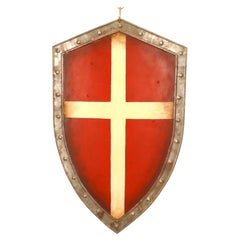
Italian Renaissance Shield Cross Wall Plaque
Located in Queens, NY
Italian Renaissance style (20th Cent) shield form wall plaque with a white cross on a red background.
Category

20th Century Italian Renaissance Furniture

Materials

Paint

Italian Renaissance Walnut Credenza
Located in Essex, MA
With old finish. Rectangular top with molded edge over a frieze with mounted corbels and a false drawer over a pair of cabinet doors with original handles all flanked by mask and flo...
Category

Mid-17th Century Italian Antique Renaissance Furniture

Materials

Other

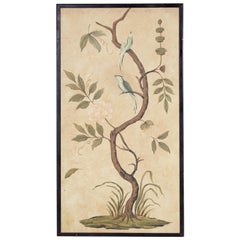
Framed Wooden Panel Birds on a Flowering Tree Painting
Located in Queens, NY
Italian Renaissance style (20th Century) acrylic painting of two birds perched on a flowering tree on a beige background, painted on wood in a rectangular, black wooden frame.
Category

20th Century Italian Renaissance Furniture

Materials

Wood

Antique Italian Verona Marble Renaissance Style Well Head
Located in Wormelow, Herefordshire
An impressive antique Italian Verona marble well head in 16th century renaissance style. Designed and carved to create such a monumental capital, has...
Category

Early 20th Century Italian Renaissance Furniture

Materials

Marble

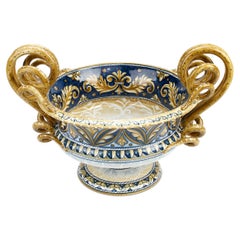
Hand Painted Blue Majolica Handles Bowl Centerpiece Ornament Renaissance Deruta
Located in Recanati, IT
This fine majolica centerpiece is made and hand-painted in Deruta, Italy. The Bowl recalls the ancient structure of the Greek cups that were used to mix wate...
Category

21st Century and Contemporary Italian Renaissance Furniture

Materials

Ceramic, Majolica

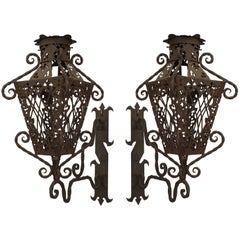
Pair of Italian Renaissance Wrought Iron Exterior Wall Lanterns
Located in Queens, NY
Pair of Italian Renaissance-style (19/20th Century) wrought iron exterior wall lanterns with 4 filigree panels supported by a scroll design wall ...
Category

Late 19th Century Italian Antique Renaissance Furniture

Materials

Wrought Iron

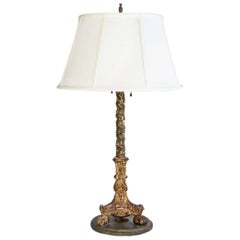
Antique Three-Footed Italian Lamp with Shade
Located in Sheffield, MA
The Renaissance Italian lamp is composed of an antique three-footed barley-twist candlestick electrically wired for US use with three chain switch lights. The green-with-giltwood can...
Category

Early 20th Century Italian Renaissance Furniture

Materials

Wood

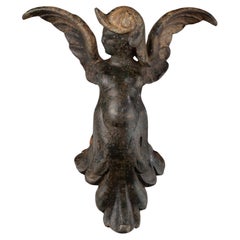
Renaissance Harpy - Italy, 16th century
Located in Bruxelles, BE
Renaissance Harpy bronze Italy, 16th century 15 x 12 x 5,5 cm This expressive bronze figure represents a harpy, a mythological creature with the body of a bird and the head and tor...
Category

16th Century Italian Antique Renaissance Furniture

Materials

Bronze

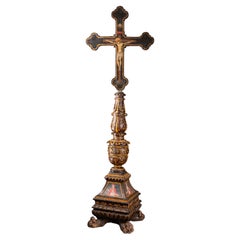
renaissance wooden candelabrum and painted cross - Umbria, 16th century
Located in Bruxelles, BE
Base of a carved wooden candelabrum, polychrome and gilded; cross painted on both sides. Umbria or Tuscany, 16th century 136 x 43,5 x 30 cm (The cross and the base of the candelabrum were later assembled) The base of the candelabrum is intricately carved and adorned with polychrome and gilded finishes. The shafts take on the shape of balusters reminiscent of ancient columns, feature ornate foliage decorations, garlands and winged cherub faces. The feet are crafted in the likeness of lion paws. The base is further embellished with depictions of four saint martyrs, among them Saint Barbara and Saint Catherine of Alexandria. The plasticity of the figures, outlined with strong contour lines, the clear and vibrant colors, are stylistic elements linked to the Umbrian tradition of the sixteenth century.The precisely defined and elegant drawing, along with the clear color palette applied with refined chiaroscuro modulations, became the signature of a style that would leave a lasting mark on the era to come. This is exemplified by a preference for vibrant, multicolored images, accentuated in this case by the use of red and pink in the saint's attire. A notable addition, introduced later, is a polylobed cross painted on both sides. On one side, the Crucifixion is vividly portrayed:The treatment of the corpus itself is in line with High Medieval practice, emphasizing pathos by showing Jesus dead, his arms sagging from the weight of the body. The upper section displaying a pelican pecks at her breast to feed her young with her own blood; a symbol of the sacrifice of Christ on the cross whose body and blood similarly nourishes the celebrant during Mass. The lower part depicts Golgotha. On the reverse side, the Resurrection is artistically presented in a Renaissance iconography, reminiscent of the renowned composition painted by Piero della Francesca, now housed in the Civic Museum of Sansepolcro. In terms of composition, with the frontal depiction of Christ holding the banner, this motif became particularly widespread in central Italy, spanning from Tuscany to Umbria throughout the 16th century.. The double-sided construction suggests that it may also have been carried in liturgical processions. In Umbria from the 14th century, the use of portable crosses painted on both sides had become a widespread practice, aimed at satisfying the monastic clientele that had significantly increased following the establishment of new religious communities. The earliest surviving Tuscan painted crucifix represent Christ as Christus Triumphans, or the “Triumphant Christ” with his head up and eyes open. This form was supplanted in the 13th century with the Christus Patiens, or “Suffering Christ” type who is shown often with his head fallen on his shoulder and his eyes closed, as In our cross. The iconography of the suffering Christ appears to have developed out of a new interest in Christ’s human nature, the development of the feast of Corpus Christi and with increased importance given to the Eucharist. The process of humanizing the figure of Christ reaches its peak with the abandonment of all the previous expressive conventions in favor of more realistic details we can observe in this Crucifix, such as the swollen belly, the arms stretched to the limit of muscle tearing, the body falling heavily forward, the abundant blood on the wounds, and the cross firmly embedded in the rock of Calvary. It's worth noting that Renaissance candelabra...
Category

16th Century Italian Antique Renaissance Furniture

Materials

Wood, Giltwood

18th Century Foxed Mirror in Carved Wooden Frame
Located in Houston, TX
This 18th-century foxed mirror, nestled within a meticulously hand-carved wooden frame, epitomizes the elegance and craftsmanship of the late Renaissance pe...
Category

18th Century Italian Antique Renaissance Furniture

Materials

Mirror, Wood

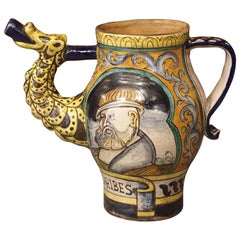
Early 1900s Italian Majolica Orciuolo Apothecary Pitcher
Located in Dallas, TX
From Italy, this majolica apothecary pitcher (orciuolo) is in the manner of the pitcher done by Castelli, circa 1520, housed in the MET Museum NYC,...
Category

Early 20th Century Italian Renaissance Furniture

Materials

Majolica

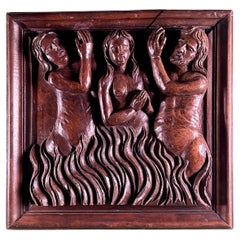
16th Century Carved Religious Panel Sculpture of Poor Souls in Purgatory Hell
Located in London, GB
Antique Religious Relief Sculpture, Poor Souls in Purgatory Sculpture, Sinners in Hell Sculpture, Antique Religious Carving, Antique Church Plaque, Antique Religious Panel, Antique P...
Category

16th Century Italian Antique Renaissance Furniture

Materials

Wood

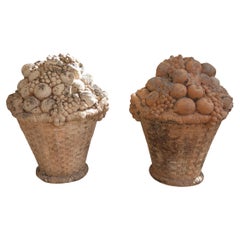
Italian Vintage "Cesto di Frutta Impruneta" Terracotta Centerpiece Pair
Located in Encinitas, CA
Italian traditional Impruneta terracotta fruit baskets: Cesto di Frutta. Woven motif on the baskets, Florence, Italy. Circa 1920. Lichen patina...
Category

Early 20th Century Italian Renaissance Furniture

Materials

Terracotta

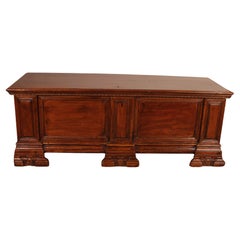
Italian Renaissance Walnut Chest - 16th Century
Located in Brussels, Brussels
Superb and rare Italian Renaissance chest from the end of the 16th century in walnut Very beautiful chest with a superb molding work on its face as well as a very beautiful base. Th...
Category

16th Century Italian Antique Renaissance Furniture

Materials

Walnut

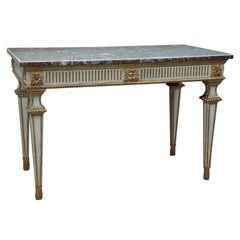
Italian Console Table with Marble Top
Located in Woodbury, CT
This handsome neoclassical table in cream paint and parcel-gilt has a fluted apron with foliate carvings while the rose marble top has a cream marble beaded edge. Perfectly sized for...
Category

21st Century and Contemporary Italian Renaissance Furniture

Materials

Marble

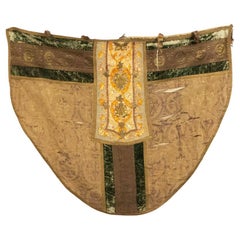
Italian Renaissance Style Beige and Green Shield
Located in Queens, NY
Italian Renaissance style (19th Century) beige and green shield shaped hanging banner with velvet trim.
Category

19th Century Italian Antique Renaissance Furniture

Materials

Velvet

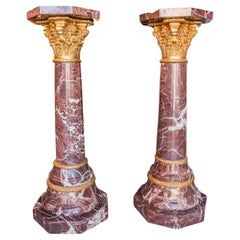
A fine pair of Italian marble and gilt bronze mounted pedestals
Located in Dallas, TX
A fine pair of Italian classical Rouge marble columns with gilt bronze mounts
Category

Early 20th Century Italian Renaissance Furniture

Materials

Marble, Bronze

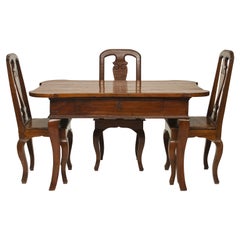
18th Century Italian Walnut Desk and Three Chairs
Located in Hixson, TN
A marvelous 18th century Italian writing table with the three chairs from Florence, Italy. This desk is an example of country Italian furniture. Simple but elegant. Strong but utilit...
Category

Late 18th Century Italian Antique Renaissance Furniture

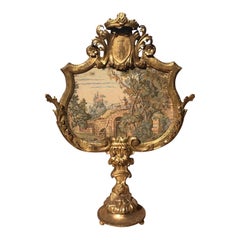
Elaborate Italian Carved Giltwood Fireplace Screen
Located in Sarasota, FL
18th century Italian fireplace screen in elaborately carved giltwood, with a fine needlepoint insert.
Category

Late 18th Century Italian Antique Renaissance Furniture

Materials

Fabric, Giltwood

Italian School, Madonna Of Divine Love, On Panel, 17th/18th Century
Located in MARSEILLE, FR
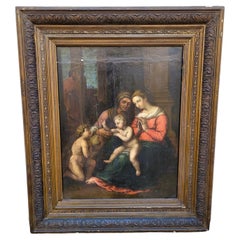
Italian school 17th / 18th century: oil on framed panel, representing The Virgin and Child Jesus, accompanied by Saint Elizabeth and John the Baptist as a child, in the foreground A...
Category

Late 17th Century Italian Antique Renaissance Furniture

Materials

Paint

Italian 19th Century Renaissance St. Wrought Iron Chandelier
Located in West Palm Beach, FL
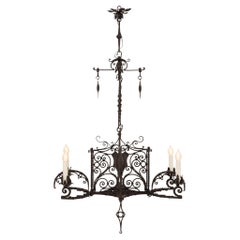
A beautiful and most unique Italian 19th century Renaissance St. wrought iron chandelier. The four arm chandelier is centered by an elegant curved diamond shaped pendant...
Category

19th Century Italian Antique Renaissance Furniture

Materials

Wrought Iron

Italian Renaissance Style Framed Print Of A Celestial Map "Tychonic Planisphere"
Located in Queens, NY
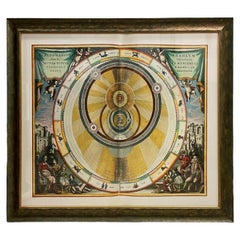
Italian Renaissance style framed print of a celestial map depicting the beliefs of the Earth is stationary at the center of the planetary system with the Sun and Moon revolving the E...
Category

20th Century Italian Renaissance Furniture

Materials

Brass

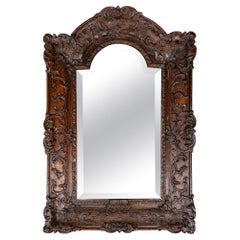
Large 19th Century Italian Giltwood Mirror With Arched Top and Original Glass
Located in London, GB
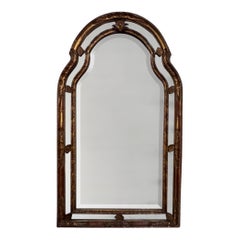
This decorative antique mirror was made in Italy in the 19th century. The giltwood frame retains it's original bevelled plate, which is lightly foxed - consistent with it's age. T...
Category

19th Century Italian Antique Renaissance Furniture

Materials

Mirror, Giltwood

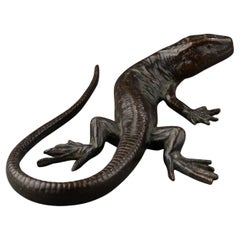
Bronze salamander - 17th century
Located in Bruxelles, BE
Bronze salamander Italy, 17th century Patinated bronze 4 x 17 x 10 cm This finely cast bronze salamander exemplifies the 17th-century fascination with naturalistic forms and animal ...
Category

17th Century Italian Antique Renaissance Furniture

Materials

Bronze

Renaissance furniture for sale on 1stDibs.

Find a broad range of unique Renaissance furniture for sale on 1stDibs. Many of these items were first offered in the 21st Century and Contemporary, but contemporary artisans have continued to produce works inspired by this style. If you’re looking to add vintage furniture created in this style to your space, the works available on 1stDibs include case pieces and storage cabinets, decorative objects, wall decorations and other home furnishings, frequently crafted with wood, walnut and other materials. If you’re shopping for used Renaissance furniture made in a specific country, there are Europe, Italy, and France pieces for sale on 1stDibs. While there are many designers and brands associated with original furniture, popular names associated with this style include Europa Antiques, Sinke Van Tongeren, Albrecht Dürer, and Castelli. It’s true that these talented designers have at times inspired knockoffs, but our experienced specialists have partnered with only top vetted sellers to offer authentic pieces that come with a buyer protection guarantee. Prices for furniture differ depending upon multiple factors, including designer, materials, construction methods, condition and provenance. On 1stDibs, the price for these items starts at $35 and tops out at $3,217,683 while the average work can sell for $6,828.