Renaissance Furniture

RENAISSANCE STYLE

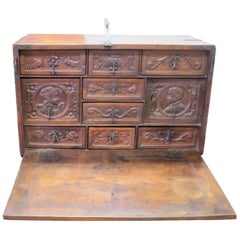
Spanning an era of cultural rebirth in Europe that harkened back to antiquity, the Renaissance was a time of change in design. From the late 1400s to the early 1600s, Rome, Venice and Florence emerged as artistic centers through the expansion of global trade and a humanist belief in the arts being central to society. Antique Renaissance furniture was ornately carved from sturdy woods like walnut, its details standing out against the tapestries and stained glass adorning the walls.

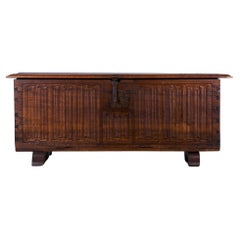
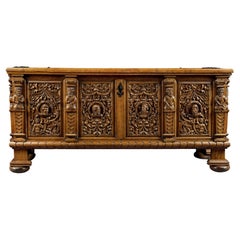
Renaissance chests, which were frequently commissioned for marriages, were often decorated with gilding or painted elements. Those that were known as cassoni were crafted in shapes based on classical sarcophagi. As opposed to the medieval era, when furniture was pared down to the necessities, a wide range of Renaissance chairs, tables and cabinets were created for the home, and the designs regularly referenced ancient Rome.

Large torchères of the Renaissance era that were used as floor lamps were inspired by classical candelabras, while marble surfaces evoked frescoes. The inlaid boxes being imported from the Middle East informed the intarsia technique, which involved varying hues of wood in mosaic-like patterns, such as those by architect Giuliano da Maiano in the Florence Cathedral.

Tapestry-woven cushion covers accented the variety of Renaissance seating — from conversation to study chairs — while bookcases for secular use reflected the migration of culture and knowledge from the church into the home. The aesthetics of the Italian Renaissance later spread to France through the publishing of work by renowned designers, including Hugues Sambin and Jacques Androuet du Cerceau. Centuries later, the 19th-century Renaissance Revival would see a return to this influential style.

Find a collection of antique Renaissance case pieces, decorative objects and other furniture on 1stDibs.

to
113
558
280
856
3,725
3,030
1,584
1,534
1,405
1,024
308
247
242
234
99
67
57
37
30
13
11
9
851
646
229
221
115
119
26
9
15
12
6
15
11
8
24
40
547
208
204
85
66
823
337
126
104
60
856
856
856
23
7
1
1
1
Style: Renaissance
Period: 18th Century and Earlier
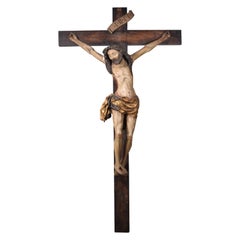
Crucified Christ, Sorrowful Crucifix. Carved and polychrome wood.
Located in Madrid, ES
Crucified Christ, Sorrowful Crucifix. Carved and polychrome wood. Possibly southern German school, 15th century. Polychrome and gilded wood carving showing Christ with the Crown of Thorns, on the Cross, already deceased (eyes closed), with the usual INRI phylactery on the upper crossbar of the Latin cross, three nails (note the crossed feet) and a short, golden and polychrome purity cloth or perizonium. It is known, in German, as “Gabelkreuz” or “Gabelkruzifix” (“Sorrowful Crucifix” in Spanish) to a type of Gothic Crucified Christ that is especially expressive (prioritizing external suffering over other aspects) and that, normally, presents the cross in a of Y or ypsilon (alluding to the Tree of Life), created, apparently, thanks to the influence of the mysticism of the late 13th and early 14th centuries (Saint Brigid...
Category

15th Century and Earlier European Antique Renaissance Furniture

Materials

Other

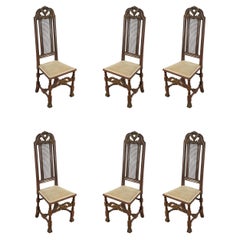
Set of 8 English Renaissance Paw Foot and Narrow Cane Back Side Chairs
Located in Queens, NY
SET of 8 English Renaissance style side chairs with narrow caned backs, carved walnut frames and beige upholstered seats (PRICED AS SET)
Category

17th Century British Antique Renaissance Furniture

Materials

Cane

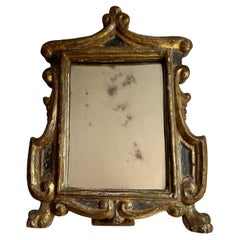
Petite Gilded Wall and Table Mirror, 18th Century, Italian
Located in Toronto, CA
A lovely and very old antique mirror with applied gilding and polychrome throughout, in the Renaissance style, from the 18th and possibly the 17th century. Most probably Italian but ...
Category

Early 18th Century Italian Antique Renaissance Furniture

Materials

Wood

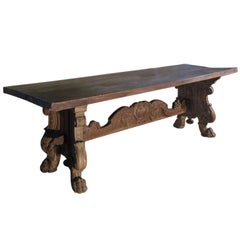
Italian 19th Century Renaissance Style Walnut Refectory Table
Located in Troy, NY
Italian 19th Century Renaissance Style Walnut Refectory Table with a massive two-inch thick 17th century two-plank top above a 19th century associated boldly carv...
Category

17th Century Italian Antique Renaissance Furniture

Materials

Walnut

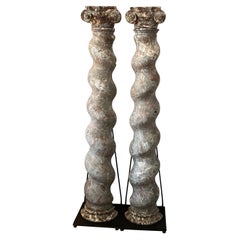
Belgian Marble Antique Pair Renaiscance Period Columns
Located in Beervelde, BE
Rich Renaiscance period half-columns in Belgian Saint-Remy Marble for eclectic interior design. These 2 original antique, 16th century period, columns are mounted on a stand and has ...
Category

16th Century Belgian Antique Renaissance Furniture

Materials

Marble

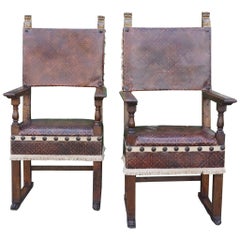
Pair of Tuscan Renaissance Style Walnut Armchairs
Located in Hudson, NY
This pair of carved Italian walnut chairs were made in the 18th century copying a 16th-century form. All the members are cut from large heavy walnut timber with a nice rich warm mell...
Category

Late 18th Century Italian Antique Renaissance Furniture

Materials

Walnut

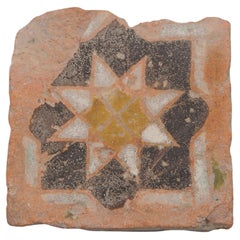
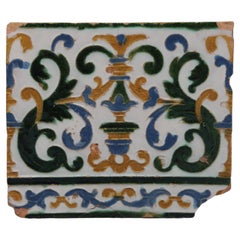
Spanish Moorish Mudejar Olambrilla Tile, Cuerda Seca - Toledo 15th/16th century
Located in DELFT, NL
Rare late 15th or early 16th century Mudejar tile of the so-called ‘Arista’ or 'cuerda seca' technique. The central motif is an eight-pointed star, which in turn encloses smaller on...
Category

16th Century Spanish Antique Renaissance Furniture

Materials

Earthenware

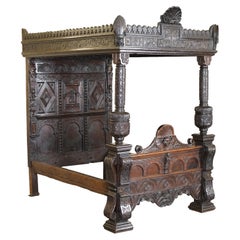
IMPORTANT BISHOP JAMES STANLEY 1508 KING HENRY VII ENGLiSH OAK TUDOR TESTER BED
Located in West Sussex, Pulborough
Royal House Antiques Royal House Antiques is delighted to offer for sale this very rare and highly important, Museum quality, English Tudor King Henry VII Oak tester bed...
Category

15th Century and Earlier English Antique Renaissance Furniture

Materials

Oak

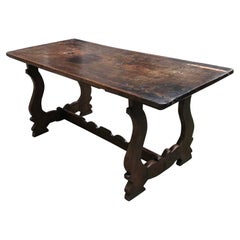
18th Century Italian Fratino Table with Lyre Legs Solid Walnut Rectangular Table
Located in Milano, MI
An Italian Renaissance style walnut Fratino table from the 18th century from a private house of Milan. Born in Italy during the first half of 18th century, this exquisite solid waln...
Category

Mid-18th Century Italian Antique Renaissance Furniture

Materials

Walnut

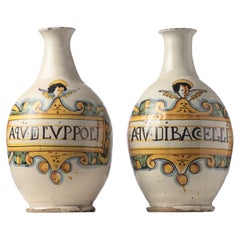
Pair of 18th c. Italian Pharmacy Jars
Located in Wichita, KS
A rare pair of tin-glazed (lead glaze with a bit of tin oxide added) earthenware pharmacy jars from Italy hand-painted. Beautiful color and elegant shape. Circa 1720.
Category

18th Century Italian Antique Renaissance Furniture

Materials

Terracotta

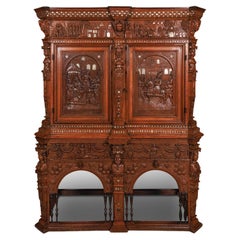
Rare and Important Renaissance "Judaica" Carved Oak Wood Cabinet
Located in Queens, NY
A Rare and Important Renaissance "Judaica" Carved Oak Wood Cabinet, circa 1680 We are pleased to present a rare and important Renaissance Judaica c...
Category

17th Century German Antique Renaissance Furniture

Materials

Mother-of-Pearl, Oak

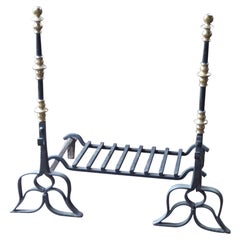
Large French Renaissance Period Fireplace Grate or Fire Basket, 16th - 17th C.
Located in Amerongen, Amerongen
16th - 17th century French Renaissance period fire grate. Made of beautifully forged wrought iron and bronze. The condition is good. The width at the front is 93 cm (36.6 inches). ...
Category

Early 17th Century French Antique Renaissance Furniture

Materials

Bronze, Wrought Iron

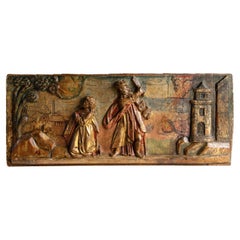
Antique Renaissance Biblical Panel Carving Polychrome Decoration, 16th Century
Located in Bristol, GB
ANTIQUE CARVED PANEL Depicting a dramatic biblical scene, possibly related to the Old Testament story of Abraham and Issac. A younger figure is depicted on their knees praying, whi...
Category

16th Century Italian Antique Renaissance Furniture

Materials

Wood, Paint, Giltwood, Pine

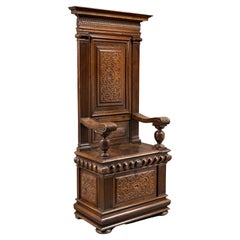
Renaissance "Chayère" Chair
Located in Saint-Ouen, FR
This chayère chair of beautiful proportions stands on a rectangular box base enriched by vermiculure motifs executed in flat-plane. This base is topped by a moulding of strong gadroo...
Category

16th Century French Antique Renaissance Furniture

Materials

Walnut

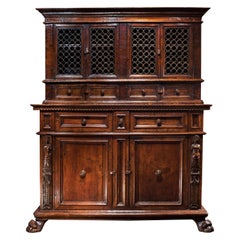
Tuscan Renaissance Wrought Iron and Walnut Cabinet
Located in Saint-Ouen, FR
The lower part It stands on an ogee molded base and four feet with two front legs more massive and detailed than the others. It opens with two doors and three drawers. The vert...
Category

16th Century Italian Antique Renaissance Furniture

Materials

Wrought Iron

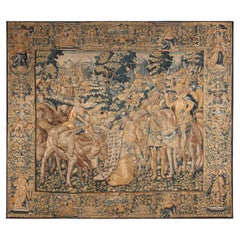
16th Century Antique Flemish Tapestry. 11 ft 4 inx12 ft 10in
Located in New York, NY
16th Century Antique Flemish King Solomon Tapestry, Country Of Origin: Belgium, Circa Date: 16th Century. Size: 11 ft 4 in x 12 ft 10 in (3.45 m x 3.91 m)
Category

16th Century Belgian Antique Renaissance Furniture

Materials

Wool, Silk

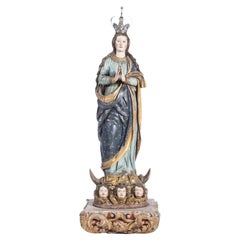
Indo-Portuguese sculpture "Lady Conception" 17th century, H 147cm
Located in Madrid, ES
Indo-Portuguese sculpture "Lady Conception" 17th century, H 147cm. Our Lady Conception Indo-Portuguese teak wood carving from the 17th century. Upholstered and polychrome . T he ...
Category

17th Century Portuguese Antique Renaissance Furniture

Materials

Wood

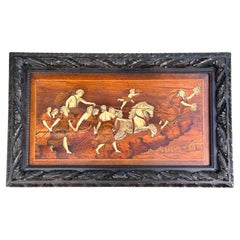
Antique Marquetry Inlaid Scenic Tarsia Panel of Raffigurante "Il Carro Dell Auro
Located in LOS ANGELES, CA
Antique Marquetry Inlaid Scenic Tarsia Panel of Raffigurante "Il Carro Dell'Aurora"
Category

18th Century Italian Antique Renaissance Furniture

Materials

Wood

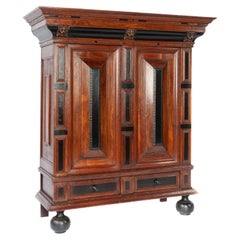
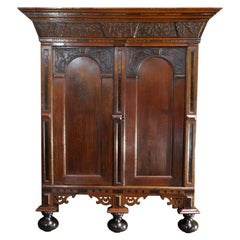
Antique 17th century Dutch Renaissance two-door warm brown and black cupboard
Located in Casteren, NL
This beautiful and friendly-sized cupboard is made of the finest watered oak in the tradition of the Dutch Renaissance during the “Dutch golden age” It is a two-door cabinet over ebo...
Category

Late 17th Century Dutch Antique Renaissance Furniture

Materials

Ebony, Rosewood, Oak

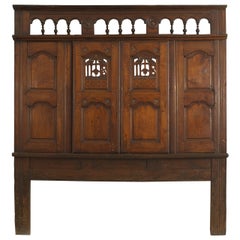
Italian Renaissance Walnut Queen Headboard
Located in Queens, NY
Italian Renaissance-style (18th Century) walnut headboard with an open design top under a panel door design (originally a confessional having a Jesuit logo)
Category

18th Century Italian Antique Renaissance Furniture

Materials

Walnut

18th Century Eastern Orthodox Tempera Icon
Located in Dekalb, IL
Antique tempera Icon depicting St. John the Baptist holding his own head, a reference to his execution by beheading. This came as a result of John publicl...
Category

17th Century Greek Antique Renaissance Furniture

Materials

Tin

18th Century French Renaissance Style Carved Walnut Blanket Chest
Located in Astoria, NY
Magnificent 18th-century French carved chest coffer sourced from Provence, France. Beautifully hand-crafted from solid walnut, it features an intricately hand-carved linenfold compos...
Category

Late 18th Century French Antique Renaissance Furniture

Materials

Walnut

16th Century Italian Renaissance Limewood Wall Mirror - Antique Surround
Located in West Palm Beach, FL
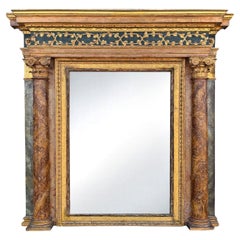
A late 16th Century, refined Italian wall mirror made of hand carved Limewood from an antique villa near Verona, in good condition. The frame is flanked by a pair of intricately carv...
Category

16th Century Italian Antique Renaissance Furniture

Materials

Mirror, Wood, Giltwood

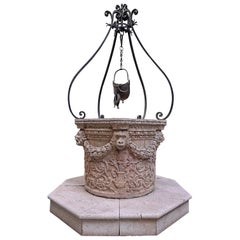
XVII Century Venetian Rosso Verona Marble Wellhead with Wrought Iron Top, Italy
Located in North Miami, FL
XVII Century Renaissance Venetian Rosso Verona marble wellhead/cistern with wrought iron top pulley over octagonal base, Italy By: unknown Material: m...
Category

17th Century Italian Antique Renaissance Furniture

Materials

Stone, Marble, Metal, Iron, Wrought Iron
Marble Helmet - France, 17th century
Located in Bruxelles, BE
Marble Helmet
 France, 17th century
 Marble
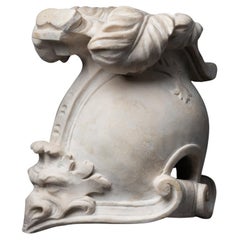
 25 × 27 × 18 cm This finely carved marble helmet, adorned with a grotesque mask, exemplifies the 17th-century fascination with antique-i...
Category

17th Century French Antique Renaissance Furniture

Materials

Marble

Antique Rare Italian Gold Gilded Hand-Carved Frame Early 17th Century
Located in Doha, QA
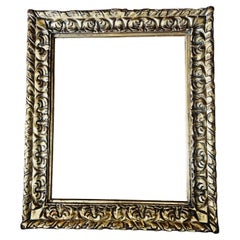
A truly magnificent Italian Renaissance gold gilded hand carved frame. Amazing craftsmanship and a very good condition for its age. Painting which fits inside (painting opening), di...
Category

Early 17th Century Italian Antique Renaissance Furniture

Materials

Giltwood

Florentine Renaissance Cassone with decor of vines and grape clusters
Located in Saint-Ouen, FR
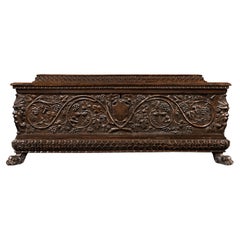
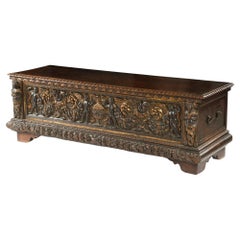
ORIGIN : ITALY, TUSCANY PERIOD : 16th CENTURY DIMENSIONS : Height : 73 cm Length : 180 cm Depth: 57 cm Good condition Walnut wood This significant Florentine cassone in the shape of a sarcophagus features a beautiful front panel flanked at the corners by two mascarons surrounded by voluted acanthus leaves. It rests on two lion's paw feet at the front. The decoration includes a beautiful frieze of scales at the bottom, which continues on the sides. Above this, in the center, a scrollwork cartouche once bore coats of arms. On either side, there is an abundant vegetal decor with vine branches and sumptuous grape clusters. The domed top lid is adorned around its edge with a wide frieze featuring a scale motif, harmoniously matching the lower cornice. This beautiful cassone is interesting for several reasons. The choice of ornamentation is not random. Grapes have numerous meanings and are often associated with fertility, especially when represented on a wedding cassone...
Category

16th Century Italian Antique Renaissance Furniture

Materials

Wood, Walnut

PORTUGUESE LAVENDER AND GOMIL D. MARIA IN SILVER 18th Century
Located in Madrid, ES
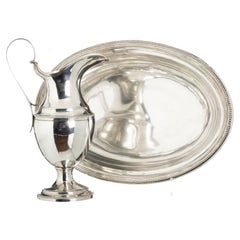
PORTUGUESE LAVENDER AND GOMIL D. MARIA IN SILVER 18th Century in 750 thousandths silver, with a smooth body and decorated on the edge with a pearl frieze. Contrast mark of c. 1784 ...
Category

18th Century Portuguese Antique Renaissance Furniture

Materials

Silver

Paolo di Giovanni Sogliani - Processional Cross Florence, around 1515
Located in Bruxelles, BE
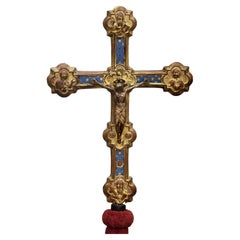
Paolo di Giovanni Sogliani (Florence 1455-1522) Processional Cross Florence, around 1515 Enameled, chiseled, engraved, stippled, and gilded copper; wooden core ; Inscription: "OPA...
Category

16th Century Italian Antique Renaissance Furniture

Materials

Copper, Enamel

17th Century Spanish Baroque Savoy Hand Carved Chest Trunk
Located in Miami, FL
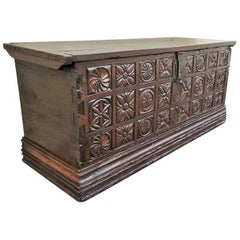
Nice 17th century chest in brown chesnut. Hand carved facade panel with geometrics decorations. Plinth with brace decorations, dovetail assembly with wrought iron wardware. Add a re...
Category

Late 17th Century Spanish Antique Renaissance Furniture

Materials

Iron

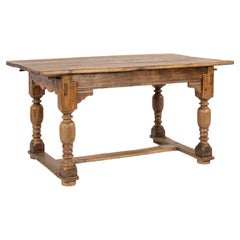
18th Century Antique Dutch Renaissance Rustic Natural Oak Bolpoot Tafel Table
Located in Casteren, NL
Beautiful and authentic Dutch Renaissance table made in solid European Summer oak. The top was made in three wide boards of oak and has a fantastic grain pattern and a weathered surf...
Category

Early 18th Century Dutch Antique Renaissance Furniture

Materials

Oak

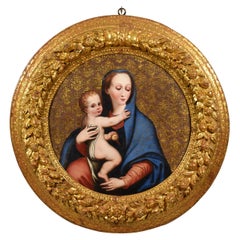
17th Century, Italian Oil on Panel Painting Depicting Madonna della Purità
Located in IT
17th Century, Italian Oil on Panel Painting Depicting Madonna della Purità The painting, executed in oil on a circular wooden panel and presented in an imposing carved and gilded wo...
Category

17th Century Italian Antique Renaissance Furniture

Materials

Wood, Giltwood

Cassettone Bureau-Chest Bambocci 16century Italian Renaissance Walnut Lombardy
Located in BUNGAY, SUFFOLK
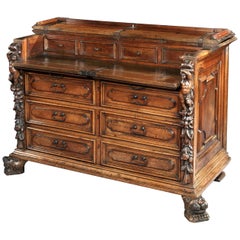
AN EXCEPTIONAL MUSEUM QUALITY, ITALIAN, RENAISANCE WALNUT CASSETTONE WITH A FITTED BUREAU IN THE UPPER PART & EXCEPTIONAL BAMBOCCI CARVING, LOMBARDY - This exceptionally rare, museum quality, piece of early furniture was conceived and crafted as an artwork of the finest quality of its time. Throughout time it has been a luxurious, statement piece which has protected it, and fortunately it has survived in virtually, original condition. - This magnificent cassettone exudes the character and quality of the finest, late-Renaissance furniture. Northern Italian Renaissance furniture often had the sides, legs or angles, 'a Bambocci', incorporating carved figures which were considered unique sculptures in their own right. - The putti on this cassettone are beautifully carved and of sculptural quality. Each angel has one arm raised to heaven, a poignant touch. - The lion’s paw feet are a classical feature and make a great statement. - This cassettone was conceived to have visual impact through the quality of the carving, as well as being very practical with the writing compartment fitted in the top part. - It has survived in very original condition with a few small repairs and losses, and the colour and patina are warm and lustrous. - This cassettone is illustrated Illustrated in C. Alberici, Il Mobile Lombardo, Milan, 1969, p. 45, one of the seminal works on Lombardy furniture, and has been in two renowned collections. The hinged top in two sections faced with a solid moulded edge. The front part has a fall front and opens to reveal a writing compartment. The fall front retains its original lock and is concealed with a false drawer which is above three drawers. All with moulded panels, escutcheons and retaining the original iron handles. The front ends have exceptional, bambocci, carved putti raising their arms to heaven above trailing foliage. Standing on magnificent lion's-head carved feet. The sides are panelled. Exceptional original colour and patina. Literature : Illustrated in C. Alberici, Il Mobile Lombardo, Milan, 1969, p. 45. A Gonzalez-Palacois, Il mobile in Liguria, Genova, 1996 illustrates related pieces Measures: Length 147 ½ cm. 58 in, height 104 cm. 41 in, depth 75 cm. 29½ in, Provenance: Coll. Private Azzate The Collection of Sandro and Lidia Orsi, Ca’ Mera, Varese. Regarded as one of the most beautiful homes in Lombardy, Ca’ Mera, the country house of Sandro and Lidia Orsi was filled with beautiful objects from many different epochs. A renowned antiquarian from Milan, over his lifetime Sandro and his wife Lidia revived the Renaissance and Baroque character of the house and instilled their own unique vision into the interiors, which culminated with the creation of a Kunst – or Wunderkammer. “I have never seen such an example of poetical taste”, Sir John Pope...
Category

16th Century Italian Antique Renaissance Furniture

Materials

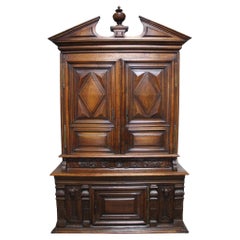
Walnut

Antique 17th Century Dutch of Flemisch Honey Color Oak Rennaisance Cupboard
Located in Casteren, NL
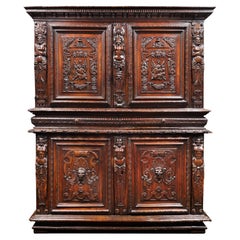
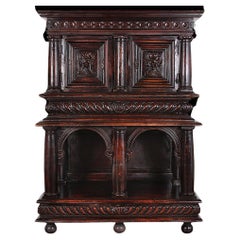
This fantastic two-piece 17th-century oak cupboard was made in Antwerp, Flanders, circa 1680. It consists of two pieces, a lower and an upper cabinet. The lower cabinet can be used w...
Category

1680s Dutch Antique Renaissance Furniture

Materials

Oak

Spanish Azulejo Tile Arista y Cuenca - Toledo 16th century
Located in DELFT, NL
Spanish Arista Tile Fragment, Toledo, mid-16th Century (c. 1550–1575) This tin-glazed earthenware tile fragment originates from Toledo, Spain, dated to circa 1550–1575. The ceramic ...
Category

16th Century Spanish Antique Renaissance Furniture

Materials

Earthenware

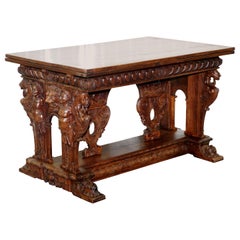
Rare 18th Century French Walnut Renaissance Extending High Table Heavily Carved
By Hugues Sambin, Jacques Androuet Du Cerceau
Located in West Sussex, Pulborough
We are delighted to offer for sale this exceptional early 18th century French Renaissance Walnut extending table in the style of Jacques Androuet du Cerceau and Hugues Sambin...
Category

18th Century French Antique Renaissance Furniture

Materials

Walnut

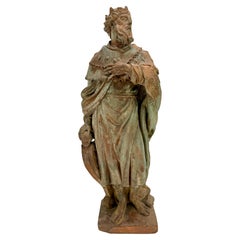
Highly Important Jacques Bergé (Flemish, 1693 - 1756) King David Sculpture 1736
Located in Atlanta, GA
Jacques Bergé "King David" - Terracotta or Fired Clay with Polychrome Remnants Dated 1736 14.5" h x 5.5" w x 4.5" d A rare and exceptionally refined terracotta sculpture of *King ...
Category

Early 18th Century Belgian Antique Renaissance Furniture

Materials

Clay, Terracotta

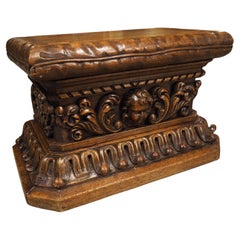
17th Century Oak Carved Socle Pedestal from Northern Italy
Located in Dallas, TX
The product of an immensely talented northern Italian woodworker, this beautiful oak socle pedestal dates to the 1600s. Intricate carvings in the style of the Renaissance embellish t...
Category

17th Century Italian Antique Renaissance Furniture

Materials

Wood, Oak

Adoration of the shepherds - Large high-relief, Northern Italy Circa 1500
Located in PARIS, FR
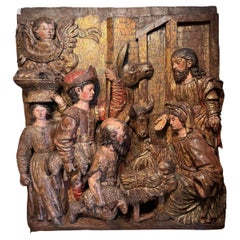
Large high relief in carved and gilt wood, with many traces of polychromy, representing the Adoration of the Shepherds. The evangelist Luke first mentions that the scene takes place at night. A sudden light, which frightens the shepherds, signals the arrival of an angel who announces "great joy". He gives them a sign: they will find "a newborn baby wrapped...
Category

16th Century Italian Antique Renaissance Furniture

Materials

Wood

Frans Franken III 16th Century Oil on Wood, Adoration of the Magi, Painting
Located in IT
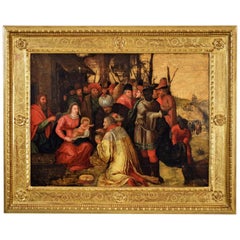
Frans Franken III and aid, Adoration of the Magi Good condition The oil painting on wood, with a gold background, depicts an Adoration of the Magi. The Magi are dressed in sumptuous silk and brocade dresses; they wear precious hats and jewelery. The richness of their garments is in contrast with the humility of the Holy Family and of the other characters who, around curious, observe the scene. The hut is simple, made of wood and straw: above it shines the Comet, symbol of the divine event. In the distance, a group of wayfarers walk along a path that is lost on the horizon, blending into the gold of the bottom. The representation proposes a traditional iconography, in which the painter inserts some details that he lends himself to symbolic interpretations. Among these is the appearance of the Magi, who from the XIVth century differs iconographically: the wise astronomers represent the homage to Jesus of the then known parts of the world, namely Africa, Asia and Europe. To the right of the Magi, in the foreground, sits a monkey, considered a demonic creature and a symbol of lies and sin. It is depicted on the sidelines, as a defeat, next to a fragment of a classical column: ruin alludes to the end of paganism, of the old world that collapses with the advent of the new one, marked by the birth of Christ and liberation from the Original Sin. On the ruins he climbs the ivy, symbol of the immortality of the soul. The work is attributable to the workshop of the Flemish painter Frans Francken III...
Category

16th Century Belgian Antique Renaissance Furniture

Materials

Paint

Rare Renaissance Cabinet Richly Carved
Located in Saint-Ouen, FR
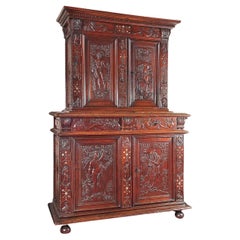
This rare Renaissance cabinet is richly decorated on the doors and drawers with carvings depicting the four seasons, and on the uprights and the entablature, alternating flower bouquets inlaid with mother of pearl. This is a beautifully conceived piece of furniture, representing a crowned portico with its entablature and cornice. The upper body Articulated separately in a ternary rhythm, as with the lower body, the upper part opens with two carved doors. The doors are framed by both the lateral uprights and the casing. There are cartouches carved into the casing in which mythological figures are depicted with flower bouquets. On the doors: On the right: Spring, a female figure crowned with a wreath of leaves, holding a basket full of flowers. She is wearing necklaces and bracelets on each arm, with drapery discretely wrapped around her body and is standing on a winged putti’s head. On each side are depicted a tree and a village with a steepled church. Above her head floats the three signs of the zodiac corresponding to the season: Aries, Taurus and Gemini. On the left: Summer, a bearded man crowned with ears of corn and bearing armfuls of corn. He is standing on a similar winged putti, flanked by a tree and an ear of corn. The following three signs of the zodiac appear: Cancer, Leo and Virgo. On the uprights and the central casing a number of smaller figures seem to represent virtues and vices that newly wedded couples should aspire to and avoid. On each side, at the bottom of the uprights, there is a dog representing fidelity. Above, a lion embodies power, wisdom, and justice. In between, on the left upright, there is a figure of noncombatant Athena wearing a helmet and holding a spear, an arrow pointing down and in her left hand, a shield, symbol of protective power. On the right upright, the goddess Venus controls the arrow of Cupid. The iconography here acts as a clear reminder of the required virtues that both parts of a young couple need to fulfill: fidelity, power, wisdom and justice. For him, the goddess Athena focuses on the power. Whereas for her, it is Venus who shows how to control Cupid’s arrow. On the central casing at the bottom, by way of contrast, there is a peacock, a symbol of pride and at the top, a monkey representing lust and mischief. In between, a woman holding a chain and a cup full of precious stones while on the floor sits a half empty opened casket. This can be interpreted as a symbol of extravagance. Above, the entablature, decorated with male figures resting on leaking urns, may symbolize the passing of time. They are flanked by two consoles decorated with acanthus leaves and separated by flower bouquets (inlaid with mother of pearl). Finally on top, a cornice acts as a crown for the piece of furniture. The lower body The moulded base stands on four round, flattened feet. Represented on the doors: On the left: Autumn, a stocky, naked man crowned with vine leaves, holding fruits in his right hand and with his left, picking a bunch of grapes from a climbing vine. Standing on a mound, he is surrounded by a vine and a hill, at the foot of which a man presses the grapes in a big vat after the harvest. Above the climbing vine appear the signs of Libra, Scorpio and Sagittarius. On the right: Winter, an elderly man wearing a fur cloak...
Category

16th Century French Antique Renaissance Furniture

Materials

Walnut

French Renaissance Armoire
Located in Saint-Ouen, FR
Original lock and key This piece of furniture shows no recess on its upper part. It opens with four folding-doors and two drawers within the belt. The key bears the date 1524 above cross motifs. Burgundy and Lyon regions subordinated themselves to architecture in a different manner than the other french schools. Rather than using particularly columns and pediments pieces of furniture from Lyon borrow architecture’s organization principles and rigorous designs. On the upper body a strong feeling of balance and symmetry appears with the folding doors reliefs. Swags of flowers and fruits held with knot cloth centered by a man seating on his arms. Here profiles, masks and chou de Bourgogne mingle with the structuring scrolls. The two lateral terms wear draperies and the goddess Diana in the center wears a belt of fruits similar to Hugue Sambin’s designs (Termes de Diane et de Venus, 1554, BNF). The two palm-leaves enriched drawers and the alternating scrolls belt balance the weight of the cornice with its alternatings consoles and tops. The lower body is also adorned by three terms with a feminine one in the center, all three are wearing fruits on their heads. The folding doors are centered upon a motif of cut cuirs by a mask in high relief. Wearing a feathered tiara...
Category

16th Century French Antique Renaissance Furniture

Materials

Walnut

Exceptional Italian Renaissance Cassone with Rich Carving on a Gilt Background
Located in Saint-Ouen, FR
The lower part of the facade is adorned with a foliated and fruit garland. The facade’s central panel bears a low-relief decor framed by a rais-de-cœur frieze. The central scene a...
Category

16th Century Italian Antique Renaissance Furniture

Materials

Walnut

Antique Italian Renaissance Era Brass Mounted Walnut Table Cabinet Wall Cupboard
Located in Forney, TX
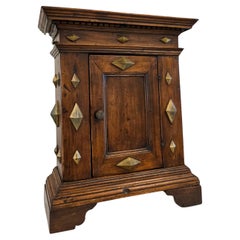
A rare and unusual antique Italian walnut table-top cabinet (now also wall hanging cupboard), 17th century and later elements, with handsome warm rich dark patina and interesting pro...
Category

17th Century Italian Antique Renaissance Furniture

Materials

Brass, Iron

Bronze Figure Of A Winged Putto (probably Eros) Circa 1550–1600
Located in Bilzen, BE
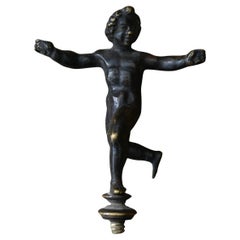
"Bronze Figure Of A Winged Putto (probably Eros) Circa 1550–1600" North Italian Renaissance Bronze Figure of a Winged Putto (Possibly Eros) Attributed to a Paduan or Venetian workshop, ca. 1550–1600 Cast bronze with dark brown patina and signs of verdigris; formerly winged; mounted on a threaded base; both hands drilled for original attributes. Height: 10.6 cm Width (hand to hand): 8.5 cm This finely cast bronze figure represents a dancing or airborne putto, likely an allegorical figure such as Eros or a cherubic spirit, originally intended as a functional decorative element — possibly for a lamp, inkwell, or ceremonial vessel. The figure is modeled with dynamic balance, standing on one leg with both arms extended, and was once fitted with separately cast wings, now missing, as evidenced by deep, symmetrical sockets on the upper back. The facial modeling is serene and idealized, with softly rounded cheeks, almond-shaped eyes, and structured curls in a distinctly Renaissance style, reminiscent of the North Italian tradition of Andrea Riccio...
Category

16th Century Italian Antique Renaissance Furniture

Materials

Bronze

French 17th Century and Later Cabinet on Stand
Located in Vancouver, British Columbia
An ornately-carved walnut 17th century and later French cabinet on stand, the top with a pair of carved doors and paneled carved sides with co...
Category

17th Century French Antique Renaissance Furniture

Materials

Walnut

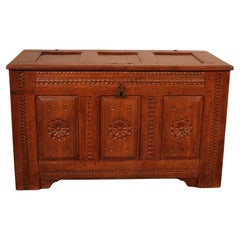
Renaissance Oak Chest - 17th Century
Located in Brussels, Brussels
superb oak chest from the French Renaissance of the 17th century Very beautiful paneled chest with a beautiful work of sculpture on its face with the sculpted uprights as well as the...
Category

17th Century European Antique Renaissance Furniture

Materials

Oak

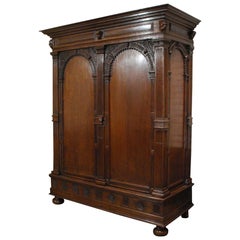
17th Century Dutch Renaissance Cabinet with Arched Doors
Located in Casteren, NL
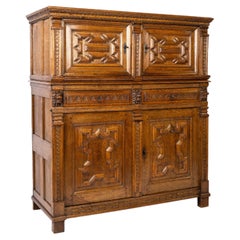
Beautiful and rare Dutch Renaissance two-door cabinet. This cabinet stems from an era in Dutch history that is called "the golden age'. This cabinet has the typical arched panelled doors and is called a 'poortkast' or portal cabinet. It is made in the best quality solid oak. It stands on ebonized bun feet with an ajour cut skirt. The panelled doors have a hand-carved arched top. The top corniche has beautiful hand-carved elevated panels depicting cupids holding garlands. The whole cabinet is enriched with inlaid parts of ebony...
Category

Mid-17th Century Dutch Antique Renaissance Furniture

Materials

Ebony, Mahogany, Oak

Antique Dutch Renaissance Portal Cabinet in Solid Oak, 18th Century
Located in Casteren, NL
This rare Dutch cabinet is made of the finest oak in the tradition of the Dutch Renaissance during the “Dutch golden age” This cabinet is made in t...
Category

Mid-18th Century Dutch Antique Renaissance Furniture

Materials

Oak

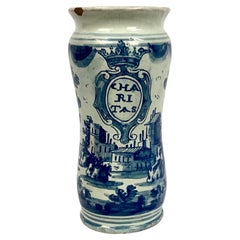
18th Century Italian Maiolica Blue and White Alborello Pharmacy Jar #1
Located in Bradenton, FL
18th Century Italian Majolica Albarello Pharmacy Jar. Jar is in a cylindrical shape with flared rim and foot. Jar features blue and white pattern with the word "Charitas" in an oval ...
Category

18th Century Italian Antique Renaissance Furniture

Materials

Maiolica

Rare and Important German Renaissance Chest
Located in Saint-Ouen, FR
Oakwood Original lock and key   This beautiful and robust chest stands on square feet ending in flattened buns. The base presents plain mouldings. The facade is divided in four panel...
Category

16th Century German Antique Renaissance Furniture

Materials

Wood, Walnut

French 17th Century Cabinet
Located in Stockbridge, GA
What a wonderful piece, full of character with the ornaments at the base and the putties carved in the wood.
Category

Late 17th Century French Antique Renaissance Furniture

Materials

Oak, Walnut

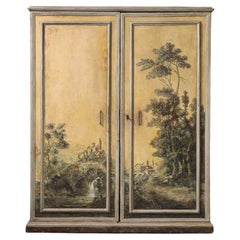
17th C. Painted Cabinet with Chalk, Graphite Panel Drawings, Turin, Italy
Located in Brooklyn, NY
An incredibly unique find on a hill top Villa in Turin, this cabinet has resided in the same home since its creation and hence is in remarkably good condition. The drawings and pain...
Category

17th Century Antique Renaissance Furniture

Materials

Wood, Paint

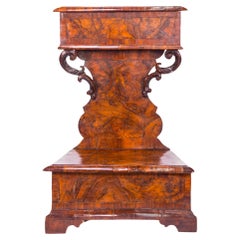
16th Century Prie-Dieu Praying Kneeler Made of Walnut and Burl
Located in North Miami, FL
16th Century Italian Prie-dieu (Praying Kneeler) made of Italian walnut and burl wood.
Category

16th Century Italian Antique Renaissance Furniture

Materials

Wood, Walnut, Burl

Bargueño End of 16th Century Portugal "Writting Desk" with Drawers, Bargueno
Located in Miami, FL
Bargueño writing desk, cabinet in walnut tipical from Portugal. This sort of early chest of drawers were use for papers and documents, it was used as a transportable writing desk. ...
Category

16th Century Portuguese Antique Renaissance Furniture

Materials

Walnut

Choir stalls. Walnut wood. Spanish School, 16th century.
Located in Madrid, ES
Choir stalls. Walnut wood. Spanish School, 16th century. Fragment of a choir stall, made of walnut, carved in its color, featuring three seats with their respective folding miserico...
Category

16th Century Spanish Antique Renaissance Furniture

Materials

Walnut

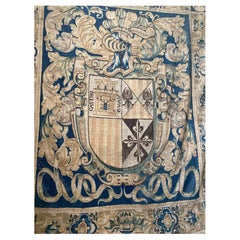
Flemish Armorial Tapestry, Late 16th Century, Renaissance
Located in Vienna, AT
A Flemish armorial tapestry. Late 16th century, possibly Spanish Woven in wools, depicting the arms of the Abbasid dynasty, combined with those of ...
Category

16th Century Spanish Antique Renaissance Furniture

Materials

Cotton

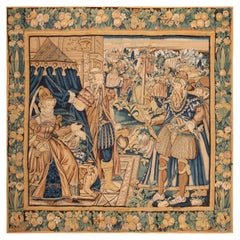
16th Century Antique Flemish Tapestry. 10 ft 2 in x10 ft 9in
Located in New York, NY
16th Century Antique Flemish Silk And Wool Tapestry, Country Of Origin: Belgium, Circa Date: 16th Century. Size: 10 ft 2 in x 10 ft 9 in (3.1 m x 3.28 m)
Category

16th Century Belgian Antique Renaissance Furniture

Materials

Wool, Silk

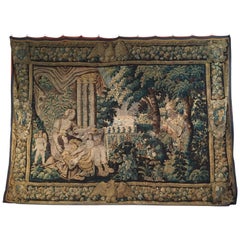
16th Century, Flemish Storied Wood Tapestry
Located in IT
16th century, Flemish storied wood tapestry Flanders Brussels The beautiful and precious tapestry, of fine workmanship and made with wool yarns, was made in the 16th century in F...
Category

16th Century Belgian Antique Renaissance Furniture

Materials

Wool

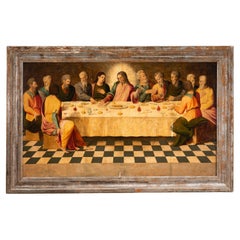
Last Supper. Oil on panel. Castilian School, 16th century.
Located in Madrid, ES
Last Supper. Oil on panel. Castilian School, 16th century. It has faults. An oil on panel painting depicting a figurative image against a neutral background, with a checkered tile...
Category

16th Century Spanish Antique Renaissance Furniture

Materials

Other

Renaissance furniture for sale on 1stDibs.

Find a broad range of unique Renaissance furniture for sale on 1stDibs. Many of these items were first offered in the 21st Century and Contemporary, but contemporary artisans have continued to produce works inspired by this style. If you’re looking to add vintage furniture created in this style to your space, the works available on 1stDibs include case pieces and storage cabinets, decorative objects, wall decorations and other home furnishings, frequently crafted with wood, walnut and other materials. If you’re shopping for used Renaissance furniture made in a specific country, there are Europe, Italy, and France pieces for sale on 1stDibs. While there are many designers and brands associated with original furniture, popular names associated with this style include Europa Antiques, Sinke Van Tongeren, Albrecht Dürer, and Castelli. It’s true that these talented designers have at times inspired knockoffs, but our experienced specialists have partnered with only top vetted sellers to offer authentic pieces that come with a buyer protection guarantee. Prices for furniture differ depending upon multiple factors, including designer, materials, construction methods, condition and provenance. On 1stDibs, the price for these items starts at $35 and tops out at $3,217,683 while the average work can sell for $6,828.

Still Thinking About These?

All Recently Viewed