Renaissance Furniture
to
115
558
280
856
3,724
3,029
1,582
1,536
1,405
1,028
308
247
242
234
99
67
57
37
30
13
11
9
856
853
644
229
221
114
118
26
9
15
12
6
14
11
8
24
39
547
208
204
85
66
823
337
126
104
60
856
856
856
23
7
1
1
1
Style: Renaissance
Period: 18th Century and Earlier
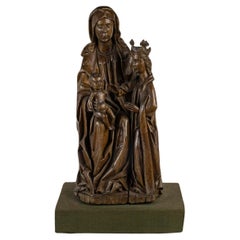
Oak Sculpture of Saint Anne, 16th Century.
Located in Saint-Ouen, FR
Oak sculpture of Saint Anne, 16th century.
Large oak sculpture of Saint Anne. Work from the Upper Rhine, Basel region. First third of the 16th century.
An arm is missing from the i...
Category
16th Century French Antique Renaissance Furniture
Materials
Oak
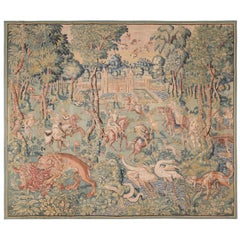
Antique Belgian Tapestry. Size: 8 ft x 9 ft 6 in
Located in New York, NY
Marvelous Antique Belgian Tapestry, Country of Origin / Rug Type: Belgium, Circa date: 16th century. Size: 8 ft x 9 ft 6 in (2.44 m ...
Category
16th Century Belgian Antique Renaissance Furniture
Materials
Wool
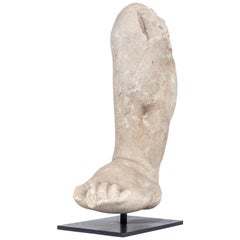
Renaissance Era, Marble Fragment of a Leg
Located in Los Angeles, CA
Chic, 15th Century, Roman marble fragment of a left foot and calf mounted on a custom iron stand.
Category
15th Century and Earlier Italian Antique Renaissance Furniture
Materials
Carrara Marble
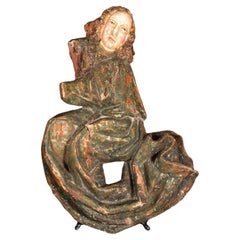
Angel, Carved and Polychrome Wood, 16th Century
Located in Madrid, ES
Angel. Carved and polychrome wood. Century XVI.
Polychrome wood carving showing an angel, with the face facing the viewer and the body in pr...
Category
16th Century Spanish Antique Renaissance Furniture
Materials
Wood
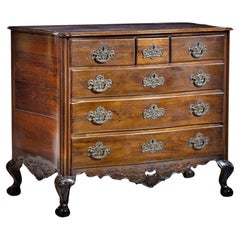
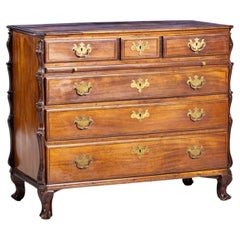
IMPORTANT PORTUGUESE COMMODE D. JOÃO V 18th Century in ROSEWOOD
Located in Madrid, ES
IMPORTANT PORTUGUESE COMMODE D. JOÃO V 18th Century
in rosewood wood, with three drawers and three large drawers.
Wavy body, with cut skirts, decorated with shells, windings and pl...
Category
18th Century Portuguese Antique Renaissance Furniture
Materials
Rosewood
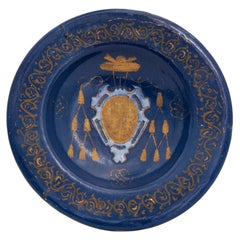
16th Century Castelli Italian Maiolica Farnese alla turchina Dish
By Castelli
Located in Fort Lauderdale, FL
An extraordinary azure maiolica dish in the Farnese service, made by Castelli d'Abuzzo between 1580 and 1589.
In the peak of the High Renaissance, Cardinal Alessandro Farnese commissioned a dinner service from the Castelli maiolica...
Category
16th Century Italian Antique Renaissance Furniture
Materials
Maiolica
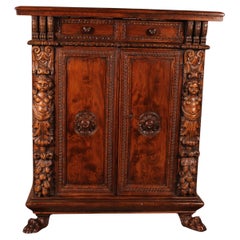
Italian Two-Door Buffet, 17th Century
Located in Brussels, Brussels
Italian buffet in walnut and fruitwood from the 17th century opening with two doors and which has a drawer
Very beautiful small model with a superb top with a nice patina and a be...
Category
17th Century Italian Antique Renaissance Furniture
Materials
Walnut
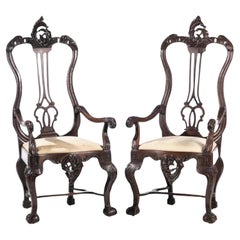
IMPORTANT PAIR OF 18th Century PORTUGUESE STATE CHAIRS
Located in Madrid, ES
IMPORTANT PAIR OF 18TH CENTURY PORTUGUESE STATE CHAIRS
Portuguese, from 18th century
in rosewood and other woods, back with hollow tables.
Upholstered seats.
Small defects.
Dim...
Category
Early 18th Century Portuguese Antique Renaissance Furniture
Materials
Wood
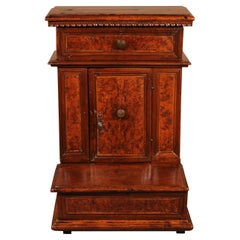
Prie-Dieu or Oratory in Walnut and Burl Walnut, circa 1600
Located in Brussels, Brussels
Elegant oratory or prieu dieu (prayer Kneeler) in walnut and burr walnut from northern Italy circa 1600
Very beautiful Italian Renaissance furniture...
Category
16th Century Italian Antique Renaissance Furniture
Materials
Walnut
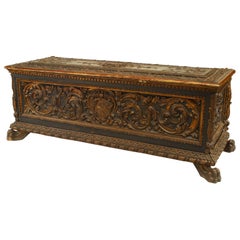
Italian Renaissance Polychromed Trunk
Located in Queens, NY
Italian Renaissance style carved cassone floor trunk with polychromed and gold trim (17th Cent.)
Category
17th Century Italian Antique Renaissance Furniture
Materials
Wood
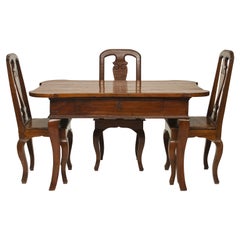
18th Century Italian Walnut Desk and Three Chairs
Located in Hixson, TN
A marvelous 18th century Italian writing table with the three chairs from Florence, Italy. This desk is an example of country Italian furniture. Simple but elegant. Strong but utilit...
Category
Late 18th Century Italian Antique Renaissance Furniture

$14,500 / set
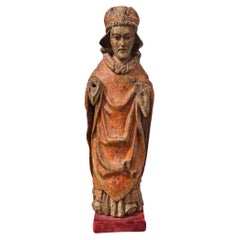
17th Century Carved Wooden Saint Pope Sculpture, Antique Religious Art
Located in NICE, FR
This 17th-century wooden sculpture depicts a Saint Pope. Standing with a commanding presence, the figure wears the papal tiara and a richly draped robe, both remnants of its original polychrome still subtly visible in warm, aged tones of red and ochre. The sculpture radiates solemnity, capturing the spiritual gravitas.
Carved from wood the Pope’s face is stern yet compassionate, framed by the traditional papal crown. His arms are raised in a once-blessing gesture—though the hands have been lost over time, the posture still conveys benediction.
The stylized drapery and vertical form suggest it may have once adorned a church altar or devotional niche.
The wear and patina accumulated over centuries only add to its sacred aura and historical significance.
This Saint Pope sculpture is ideal for collectors of religious art, baroque devotional objects, or antique European sculpture.
Category
Late 17th Century French Antique Renaissance Furniture
Materials
Wood, Paint
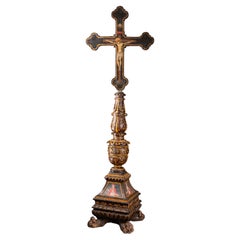
renaissance wooden candelabrum and painted cross - Umbria, 16th century
Located in Bruxelles, BE
Base of a carved wooden candelabrum, polychrome and gilded; cross painted on both sides.
Umbria or Tuscany, 16th century
136 x 43,5 x 30 cm
(The cross and the base of the candelabrum were later assembled)
The base of the candelabrum is intricately carved and adorned with polychrome and gilded finishes. The shafts take on the shape of balusters reminiscent of ancient columns, feature ornate foliage decorations, garlands and winged cherub faces. The feet are crafted in the likeness of lion paws. The base is further embellished with depictions of four saint martyrs, among them Saint Barbara and Saint Catherine of Alexandria. The plasticity of the figures, outlined with strong contour lines, the clear and vibrant colors, are stylistic elements linked to the Umbrian tradition of the sixteenth century.The precisely defined and elegant drawing, along with the clear color palette applied with refined chiaroscuro modulations, became the signature of a style that would leave a lasting mark on the era to come. This is exemplified by a preference for vibrant, multicolored images, accentuated in this case by the use of red and pink in the saint's attire.
A notable addition, introduced later, is a polylobed cross painted on both sides. On one side, the Crucifixion is vividly portrayed:The treatment of the corpus itself is in line with High Medieval practice, emphasizing pathos by showing Jesus dead, his arms sagging from the weight of the body. The upper section displaying a pelican pecks at her breast to feed her young with her own blood; a symbol of the sacrifice of Christ on the cross whose body and blood similarly nourishes the celebrant during Mass.
The lower part depicts Golgotha. On the reverse side, the Resurrection is artistically presented in a Renaissance iconography, reminiscent of the renowned composition painted by Piero della Francesca, now housed in the Civic Museum of Sansepolcro. In terms of composition, with the frontal depiction of Christ holding the banner, this motif became particularly widespread in central Italy, spanning from Tuscany to Umbria throughout the 16th century..
The double-sided construction suggests that it may also have been carried in liturgical processions. In Umbria from the 14th century, the use of portable crosses painted on both sides had become a widespread practice, aimed at satisfying the monastic clientele that had significantly increased following the establishment of new religious communities.
The earliest surviving Tuscan painted crucifix represent Christ as Christus Triumphans, or the “Triumphant Christ” with his head up and eyes open. This form was supplanted in the 13th century with the Christus Patiens, or “Suffering Christ” type who is shown often with his head fallen on his shoulder and his eyes closed, as In our cross. The iconography of the suffering Christ appears to have developed out of a new interest in Christ’s human nature, the development of the feast of Corpus Christi and with increased importance given to the Eucharist. The process of humanizing the figure of Christ reaches its peak with the abandonment of all the previous expressive conventions in favor of more realistic details we can observe in this Crucifix, such as the swollen belly, the arms stretched to the limit of muscle tearing, the body falling heavily forward, the abundant blood on
the wounds, and the cross firmly embedded in the rock of Calvary.
It's worth noting that Renaissance candelabra...
Category
16th Century Italian Antique Renaissance Furniture
Materials
Wood, Giltwood
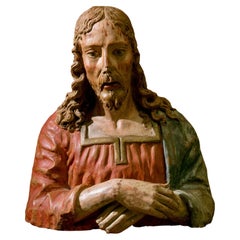
Terracotta Bust of Christ as the Redeemer, 15th Century
Located in Bruxelles, BE
A terracotta bust of Christ as The Redeemer
Tuscany or Emilia Romagna, late 15th century
Measures: 46 x 43 x 21 cm
This powerful, moving bust of...
Category
15th Century and Earlier Italian Antique Renaissance Furniture
Materials
Terracotta
$17,089 Sale Price
20% Off
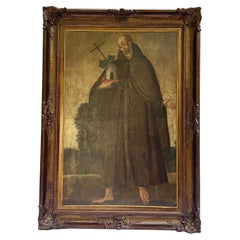
RARE Italian 17th Century Oil on Canvas of Saint Matthew of Agrigento
Located in Rio De Janeiro, BR
Italian 17th Century Oil on Canvas of Saint Matthew of Agrigento
This striking oil on canvas, executed in Italy in the 17th century, depicts San Matteo di Agrigento (St. Matthew of A...
Category
17th Century Italian Antique Renaissance Furniture
Materials
Canvas
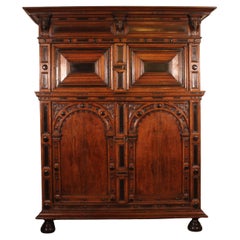
17th Century Oak And Ebony 4-door Sideboard - Netherlands
Located in Brussels, Brussels
Superb and rare four door oak and ebony sideboard from the early 17th century from the Netherlands.
Exceptional Renaissance work composed of two doors at the bottom with arches deco...
Category
17th Century Dutch Antique Renaissance Furniture
Materials
Oak
18th Century Portuguese Dresser
Located in Madrid, ES
18th Century Portuguese Dresser
in vignette wood, Brazilian rosewood frames and satinwood inlays. With 3 drawers, 3 drawers and drying rack.
Wavy and scalloped top, decorated with a...
Category
18th Century Portuguese Antique Renaissance Furniture
Materials
Wood
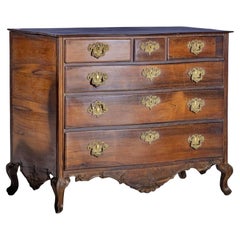
Important Portuguese Commode 18th Century in Rosewood
Located in Madrid, ES
IMPORTANT PORTUGUESE COMMODE 18th century Rosewood
In rosewood wood, with 3 large drawers and 3 drawers.
Wavy and cut top, decorated with recess.
Cropped skirts decorated with flora...
Category
18th Century Portuguese Antique Renaissance Furniture
Materials
Rosewood
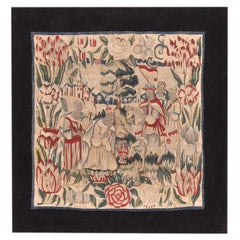
17th Century Antique German Tapestry. 1 ft 8 in x 1 ft 8 in
Located in New York, NY
Small 17th Century Antique German Biblical Tapestry Depicting David And Abigail, Country Of Origin: Germany, Circa Date: 17th Century. Size: 1 ft 8 in x 1 ft 8 in (0.51 m x 0.51 m)
Category
17th Century German Antique Renaissance Furniture
Materials
Wool, Silk
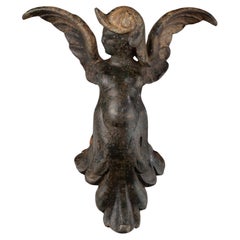
Renaissance Harpy - Italy, 16th century
Located in Bruxelles, BE
Renaissance Harpy
bronze
Italy, 16th century
15 x 12 x 5,5 cm
This expressive bronze figure represents a harpy, a mythological creature with the body of a bird and the head and tor...
Category
16th Century Italian Antique Renaissance Furniture
Materials
Bronze
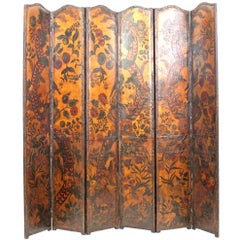
French Provincial 17th Century Renaissance Style Leather Panel Screen
Located in Queens, NY
French Provincial Renaissance style (possibly 17th Century) leather mounted 6 panel screen with a gold background and decorated with painted parrots and foliage.
Category
17th Century French Antique Renaissance Furniture
Materials
Leather
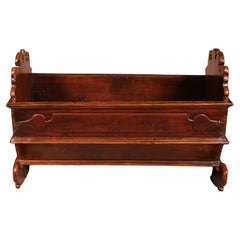
Italian Cradle In Walnut 17 ° Century
Located in Brussels, Brussels
Elegant cradle from the Italian Renaissance in walnut from the 17th century
Beautiful decorative and original piece in superb condition
Beautiful patina
Category
17th Century Italian Antique Renaissance Furniture
Materials
Walnut
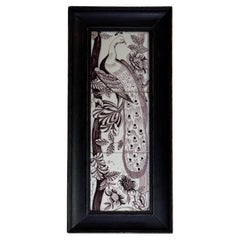
Three Delft manganese tiles forming a portrait of a peacock, 18th century
Located in Honnelles, WHT
Three Delft manganese tiles forming a portrait of a peacock, 18th century
Category
18th Century French Antique Renaissance Furniture
Materials
Earthenware
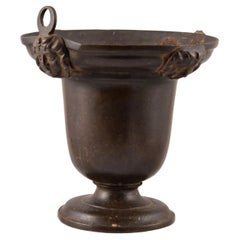
Bronze Situla, 16th Century
Located in Madrid, ES
Acetre. Bronze. Century XVI.
Bronze piece that has a circular foot, and a circular body, with an outwardly hollowed mouth at the top, and a decoration in relief in this last area o...
Category
16th Century European Antique Renaissance Furniture
Materials
Bronze
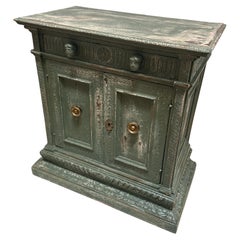
Small 17th Century Italian Renaissance Credenza
Located in Middleburg, VA
Small 17th Century Italian Renaissance Credenza. Made of Circassian Walnut with carved heads as handles to the single drawer over two paneled doors with bronze hardware and heavily c...
Category
17th Century Italian Antique Renaissance Furniture
Materials
Metal, Brass
Period 17th Century Walnut Spanish Large Armchair
Located in Hudson, NY
This Spanish walnut chair with a large wide seat was made circa 1680-1700. Made from well carved but simply done walnut the chair is centered on ...
Category
Late 17th Century Spanish Antique Renaissance Furniture
Materials
Walnut

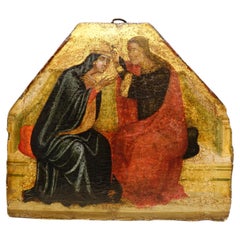
Gold Background, Coronation of the Virgin. 14th century
Located in PARIS, FR
Gold Background, Coronation of the Virgin. 14th century.
Venetian work, point of polyptych, tempera and gold on reinforced poplar panel,.Surroundings of Lorenzo Veneziano (1336_1379)...
Category
15th Century and Earlier Italian Antique Renaissance Furniture
Materials
Canvas
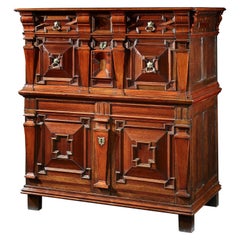
Chest of Drawers Chest Commode Architectural Facade Enclosed Renaissance Cedar
Located in BUNGAY, SUFFOLK
A museum quality, English, Late-Renaissance, cedar enclosed chest of drawers with exceptional snakewood, walnut & oak with an architectural or façade front
This is the most sophisticated English model of chest of drawers conceived as a cabinet piece with an architectural front intended to disguise the drawers. This chest exhibits the mastery of English Late-Renaissance, cabinet making combining woods prized for their exoticism, color and beautiful figuring with carving and moulding in different ornamental patterns to simulate materials found within an architectural façade...
Category
Early 17th Century European Antique Renaissance Furniture
Materials
Cedar
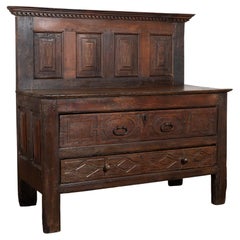
17th Century Chestnut Console Buffet Sideboard from Portugal
Located in Round Top, TX
17th-century chestnut console or buffet with exceptionally deep patina and centuries of wear reflecting its early origins. The piece features a high back with simple carved panels, a...
Category
17th Century Portuguese Antique Renaissance Furniture
Materials
Wrought Iron
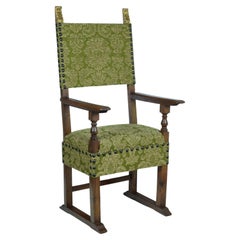
16th Century Italian Armchair with Carved and Gilded Friezes, Firenze
Located in Prato, IT
Florence, late 16th century
Restored
New padding
Typical Renaissance Florentine "Seggiolone"
Dimensions: cm W66 x D63 x H140.
Category
16th Century Italian Antique Renaissance Furniture
Materials
Walnut
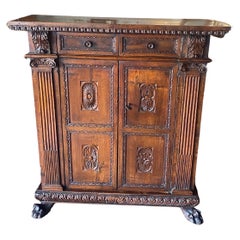
A tall 17th C. walnut cabinet buffet, having a plank top with dentil moulding.
Located in Buchanan, MI
A tall walnut cabinet buffet, having a plank top with dentil moulding above a two drawers. The carved paneled doors, flanked by Doric columns sitting on multi-moiled base, supported ...
Category
17th Century Italian Antique Renaissance Furniture
Materials
Walnut
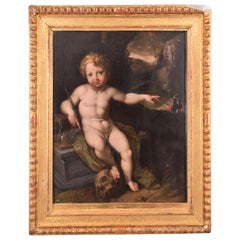
Allegory of Time. Oil on panel. Circle of Jacob de Backer (act. 1571-1585).
Located in Madrid, ES
Allegory of Time. Oil on panel. Circle of Jacob de Backer (act. Antwerp, 1571-1585).
Exhibition: “Reality, time and artifice. Still life and vanitas in baro...
Category
16th Century Belgian Antique Renaissance Furniture
Materials
Other
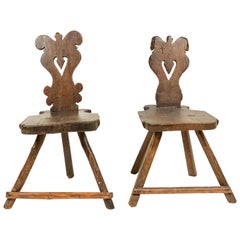
2 Similar Italian Renaissance Walnut Sgabelli Side Chairs
Located in Queens, NY
2 Similar Italian Renaissance style (17th Cent) walnut straight 4 legged sgabelli with V cut on back (PRICED EACH)(one with incised cross)
Category
17th Century Italian Antique Renaissance Furniture
Materials
Walnut
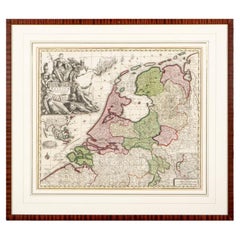
Matthaus Seutter, Framed 1730 Color Engraving Map of "Belgium Fonderatum"
Located in Bridgeport, CT
Label on verso. From Grosser Atlas. The name Belgium comes from the ancient designation "Gallis Belgica". Figural decoration upper left. M. Seutter was a famed German mapmaker in the...
Category
18th Century European Antique Renaissance Furniture
Materials
Brass
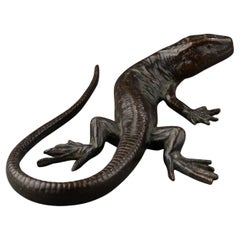
Bronze salamander - 17th century
Located in Bruxelles, BE
Bronze salamander
Italy, 17th century
Patinated bronze
4 x 17 x 10 cm
This finely cast bronze salamander exemplifies the 17th-century fascination with naturalistic forms and animal ...
Category
17th Century Italian Antique Renaissance Furniture
Materials
Bronze
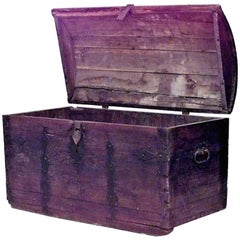
Spanish Renaissance Oak Trunk
Located in Queens, NY
Spanish Renaissance style (17th Cent) large oak camel top floor trunk with wrought iron trim.
Category
17th Century Spanish Antique Renaissance Furniture
Materials
Wrought Iron
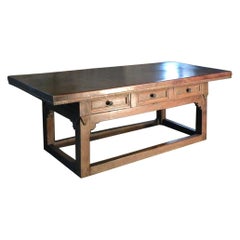
Italian Late 16th Century Renaissance Walnut Center or Library Table
Located in Troy, NY
Extraordinary, large Italian Renaissance table of strong, linear design. The thick 2-plank top with a narrow dentil edge, above a frieze cont...
Category
16th Century Italian Antique Renaissance Furniture
Materials
Walnut
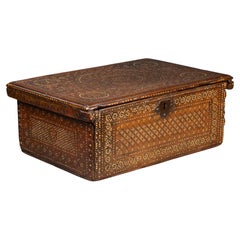
Hispano-Moresque Mudéjar Bone-Inlaid Walnut Chest
- Spain, 16th century
Located in Bruxelles, BE
Hispano-Moresque Mudéjar Bone-Inlaid Walnut Chest
Spain, 16th–17th century
Walnut, bone inlay, iron fittings
44.5 × 30.5 × 18 cm
This rectangular walnut chest, richly ornamented ...
Category
16th Century Spanish Antique Renaissance Furniture
Materials
Bone, Walnut
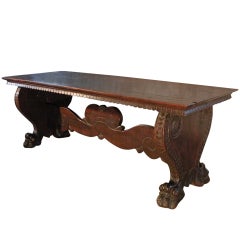
Italian 16th century Renaissance Walnut Trestle Table
Located in Troy, NY
Attractive, rare Renaissance trestle table of typical, bold design and beautiful rich color. The table can be taken apart for shipping and ha...
Category
16th Century Italian Antique Renaissance Furniture
Materials
Walnut
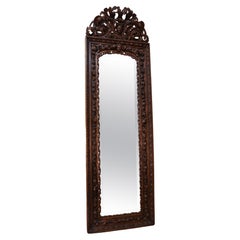
French 18th Century Foxed Mirror in Carved Wooden Frame
Located in North Hollywood, CA
Stunning 18th Century Foxed Mirror in Carved Wooden Frame. This mirror is known for its elaborate carvings and intricate details, featuring motifs like flowers, scrolls, birds and ch...
Category
18th Century French Antique Renaissance Furniture
Materials
Wood
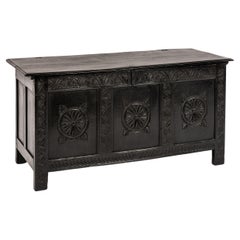
Antique early 18th century Dutch or German Solid blacked oak chest or trunk
Located in Casteren, NL
This is a blackened oak chest with paneled sides and richly carved geometric decoration across the front.
The piece was crafted in Northern Europe—likely the Low Countries or the Wes...
Category
Early 18th Century Dutch Antique Renaissance Furniture
Materials
Oak
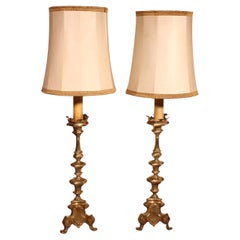
Pair Of Electrified Bronze Candlesticks - Italy - 17th Century
Located in Brussels, Brussels
A magnificent pair of Italian bronze torchères/candlesticks from the 17th century
Superb Italian work of very good quality. In addition, the size of the candlesticks is impressive a...
Category
17th Century Italian Antique Renaissance Furniture
Materials
Bronze
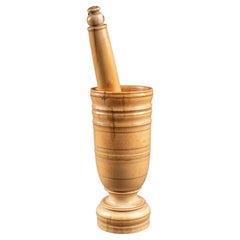
17th century apothecary
s ivory mortar and pestle - Germany
Located in Bruxelles, BE
large 17th century turned apothecary's ivory mortar and pestle
Germany
17th century
Cites certificate number IT/CE/2023/MI/01110
18,6 x 7 cm ; pestl...
Category
17th Century German Antique Renaissance Furniture
Materials
Ivory
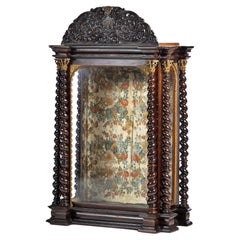
IMPORTANT LARGE PORTUGUESE ORATORY 17th Century
Located in Madrid, ES
IMPORTANT LARGE PORTUGUESE ORATORY 17th Century
in carved and turned Brazilian rosewood with remains of gilding, glass doors and sides.
Interior with painted, polychrome and gold de...
Category
17th Century Portuguese Antique Renaissance Furniture
Materials
Wood
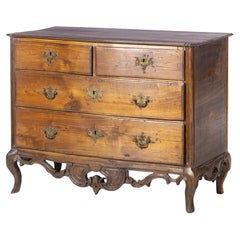
D. JOSÉ CHEST OF DRAWERS Portuguese, 18th century.
Located in Madrid, ES
D. JOSÉ CHEST OF DRAWERS Portuguese, 18th century.
in walnut wood, with two large drawers and two drawers.
Wavy and cut-out top, decorated with a recess.
Cut-out and openwork skirts...
Category
18th Century Portuguese Antique Renaissance Furniture
Materials
Wood
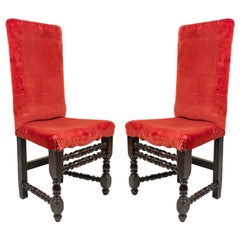
English Renaissance Red Velvet Chairs
Located in Queens, NY
Set of 4 English Renaissance (17th-18th century) walnut joint leg side chairs with double front spool stretcher and red velvet upholstered seat and back.
Category
18th Century English Antique Renaissance Furniture
Materials
Upholstery, Walnut
$9,500 / set
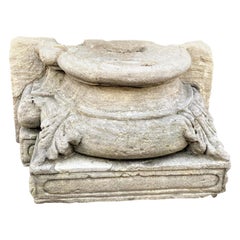
Hand Carved Stone Column Base Pedestal Sculpture Doorstop Decorative Element LA
Located in West Hollywood, CA
Hand Carved Stone Column Base pedestal Sculpture Doorstop Decorative Element LA . Nicely hand carved 17th century Renaissance stone column base appli...
Category
17th Century French Antique Renaissance Furniture
Materials
Stone
$3,920 Sale Price
20% Off
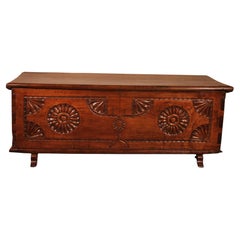
17th Century Spanish Chest
Located in Brussels, Brussels
superb chest from the 17th century from the Spanish renaissance from the Pampalune region
Chest called 6 plank chest since all the faces are from a sing...
Category
17th Century Spanish Antique Renaissance Furniture
Materials
Chestnut
END OF THE 16th CENTURY WALNUT CHEST WITH GOLDEN CARVINGS
Located in Firenze, FI
Beautiful Renaissance walnut chest of drawers with small dimensions, characterized by carvings and panel decorations both on the drawers and on the sides. This piece of furniture is ...
Category
16th Century Italian Antique Renaissance Furniture
Materials
Walnut

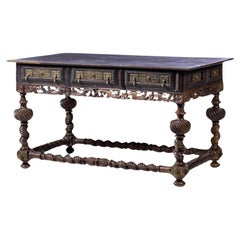
Important Portuguese Table 18th Century in Rosewood
Located in Madrid, ES
Important Portuguese table Bufete 18th century
In rosewood wood with twisted and trembling carvings. Rectangular-shaped table top, framed on the front and sides by a jagged frieze, ...
Category
Early 18th Century Portuguese Antique Renaissance Furniture
Materials
Rosewood
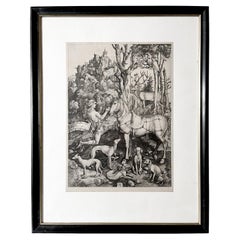
Albrecht Dürer - Saint Eustace
Located in Paris, FR
Albrecht Dürer, Saint Eustace.
Wood engraving, 1501.
Signed with the monogram A.D (Albrecht Dürer)
Why not having on a wall a Masterpiece which is also ...
Category
16th Century German Antique Renaissance Furniture
Materials
Paper
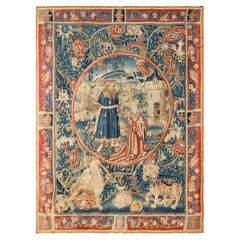
The Martyrdom of Santa Barbara - Bruges, 1530-50
Located in Bruxelles, BE
The Martyrdom of Santa Barbara
Wool and silk tapestry
Bruges, 1530-50
270 x 198 cm
Expertise by Professor Guy Delmarcel
This Flemish tapestry is a remarkable example of 16th-century craftsmanship, distinguished by its exceptionally well-preserved color palette.
The medaillon-shaped center stands out against a background of dark blue roses and acanthus leaves. It depicts the martyrdom of Saint Barbara, identified by the tower where she was imprisoned. According to legend, her father, Dioscorus, is about to behead her with a scimitar, while an angel descends from the heavens to strike him with lightning.
At the bottom, beneath Saint Barbara, two fantastical creatures. On the left is a griffon depicted with the body of a lion and the head and wings of an eagle. On the right is a creature with the body of a leopard, the head of an elephant adorned in a fancy blue cloak. Both animals face each other standing either side of a green hill top in the middle of the tapestry.
The lavish scene of the tapestry is framed by a border which is embellished with foliage, flowers and fantastical elephant heads in blue and white on a red background. The corners and center of the edges display goldsmith-objects. The vibrant brick-red colour and striking bluish-green leaves create a stunning visual impact, showcasing the outstanding state of conservation.
Professor Guy Delmarcel connects this tapestry to a series of textiles produced in Bruges after 1530, characterized by their fantastical nature scenes populated with imaginative creatures. Most feature similar roses and acanthus-leaves as well as other vegetation, with wild animals appearing ready to attack. Two almost identical pieces preserved at the Art Institute of Chicago (Bruges, 336 x 599 cm) and the Rijksmuseum in Amsterdam ("Tournai," 285 x 490 cm) serve as prime examples. The entire surface is filled with greenery, along with birds and fantastic animals.
This tapestry exemplifies the rich decorative style of the time, merging naturalistic and poetic elements with exotic animals that spark the imagination.
Other works of this type follow the theme of the "Closed Garden." In the lower register, fantastical creatures occasionally appear, as seen in the exquisite Bruges Tapestry displayed at the Museum of Decorative Arts in Paris, and in the example from the Burrell Collection in Glasgow. The Parisian tapestry from Bruges features a mythical animal in the lower register, dressed in blue fabric, which closely resembles the animal in our tapestry.
If Enghien or other centers produced similar pieces, several elements suggest a stronger connection to Bruges for two formal reasons:
The overall colour-palette of our tapestry fabric characterized by pronounced brick-red colours and bluish-green leaves, aligns more closely with Bruges than with Tournai or Enghien.
The intricate border design with the warm brick-red background, adorned with floral motifs, goldsmith-inspired elements such as incense burners and small bells, can be traced back to Bruges around 1530. This style, often associated with heraldic imagery, underscores the tapestry's connection to the city's rich artistic heritage. A comparable example is the tapestry featuring the Arms of Paolo Giovio, now part of the Prince of Liechtenstein's collection in Vaduz. This piece, set against a brick-red background, depicts arms and armors, cornucopias, boys riding grotesque dolphins, as well as various flowers and leaves.
All available literature dates this group of tapestries to the second quarter of the sixteenth century. A key formal element further supports this dating: the executioner, depicted preparing to behead Barbara, wields a Turkish scimitar, a reference to the frequent Ottoman incursions into Central Europe beginning with the 1529 siege of Vienna...
Category
16th Century Belgian Antique Renaissance Furniture
Materials
Wool, Silk
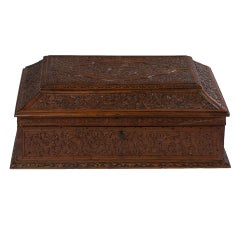
Louis XIV Fruitwood Casket, Attributed to César Bagard
By Cesar Bagard
Located in Kittery Point, ME
Carved overall with arabesques and scrolls, the lid centering a crowned armorial.
César Bagard was born in Nancy in 1620. Most of the work known to have been carved by him was comp...
Category
18th Century and Earlier French Antique Renaissance Furniture
Materials
Metal
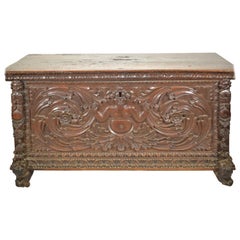
Continental Carved Walnut Chest
Located in Vista, CA
A continental carved walnut chest in the Renaissance taste, 18th century, probably Italian, the lid opens to a void interior. The case is carved wi...
Category
18th Century Italian Antique Renaissance Furniture
Materials
Walnut
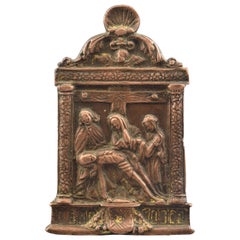
Pax or Pax Board, Bronze, Spain, 16th Century
Located in Madrid, ES
Paper holder bronze, 16th century.
Portapaz made of bronze with an "asymmetric" handle on the back, which presents a decoration in light relief framed in an architectural compositio...
Category
16th Century European Antique Renaissance Furniture
Materials
Bronze
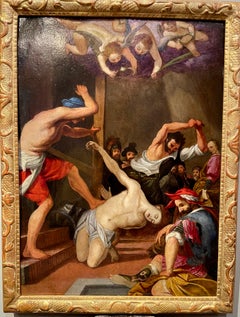
Oil on copper representing the Martyrdom of an unidentified Saint
Located in PARIS, FR
Oil on copper representing the martyrdom of an unidentified saint (the angels passing over the scene) and bringing him the palm and the crown of martyrs, without any specific attribu...
Category
16th Century European Antique Renaissance Furniture
Materials
Copper
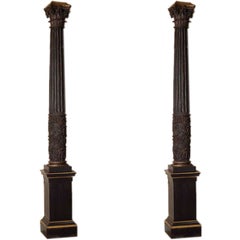
17th Century Architectural Monumental Italian Corinthian Columns on Pedestals
Located in Dallas, TX
Sold as a PAIR.
Over three centuries in age and hailing from Italy, this exquisite pair of Corinthian columns has been handcrafted and conscientiously rendered as pure representation...
Category
Late 17th Century Italian Antique Renaissance Furniture
Materials
Walnut
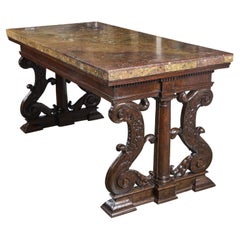
Period Renaissance Walnut Center Table with Breccia Africano Marble Top
Located in Los Angeles, CA
A spectacular, period Renaissance, hand carved, walnut table base with original Breccia Africano marble top.
Category
16th Century Antique Renaissance Furniture
Materials
Breccia Marble
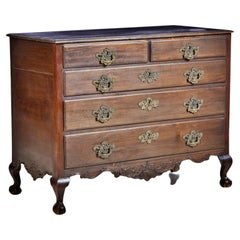
Beautiful Portuguese Drawer 18th Century
Located in Madrid, ES
PORTUGUESE COMMODE 18th century.
In mahogany wood with two drawers and three large drawers.
Dim.: 100 x 123 x 64 cm.
Good conditions.
Category
18th Century Portuguese Antique Renaissance Furniture
Materials
Mahogany
$5,340 / item
A 19 Century Bronze Statue of St Joan of Arc in full body armour on horseback
Located in Vancouver, British Columbia
An small but exquisitely cast and highly detailed bronze statue of St Joan of Arc in full body battle armour including the horse with one hand holding ...
Category
Mid-18th Century French Antique Renaissance Furniture
Materials
Bronze

Renaissance furniture for sale on 1stDibs.
Find a broad range of unique Renaissance furniture for sale on 1stDibs. Many of these items were first offered in the 21st Century and Contemporary, but contemporary artisans have continued to produce works inspired by this style. If you’re looking to add vintage furniture created in this style to your space, the works available on 1stDibs include case pieces and storage cabinets, decorative objects, wall decorations and other home furnishings, frequently crafted with wood, walnut and other materials. If you’re shopping for used Renaissance furniture made in a specific country, there are Europe, Italy, and France pieces for sale on 1stDibs. While there are many designers and brands associated with original furniture, popular names associated with this style include Europa Antiques, Sinke
Van Tongeren, Albrecht Dürer, and Castelli. It’s true that these talented designers have at times inspired knockoffs, but our experienced specialists have partnered with only top vetted sellers to offer authentic pieces that come with a buyer protection guarantee. Prices for furniture differ depending upon multiple factors, including designer, materials, construction methods, condition and provenance. On 1stDibs, the price for these items starts at $35 and tops out at $3,217,683 while the average work can sell for $6,828.
Still Thinking About These?
All Recently ViewedMore Ways To Browse
Cabinets With Metal Inlay
Cameo Glass Bowl
Campaign Chest Camphor
Canopic Jars
Canton Chinese Bowl
Cardinal Sculpture
Carrera Marble Dining Table
Carved Boar
Cast Grape Vine
Ceramic Cheetah
Ceramic Giraffe
Ceramic Pagoda
Ceramic Spanish Jug
Cherry Blossom Painting Japanese
Chest Of Drawers Display
Chinese Ancestral Portraits
Chinese Chippendale Style Display Cabinet
Chinese Coral Sculpture