Renaissance Furniture

RENAISSANCE STYLE

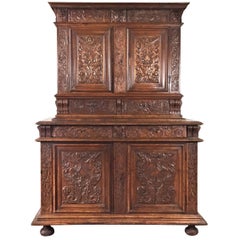
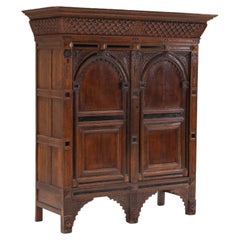
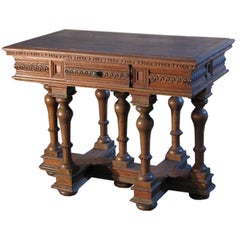
Spanning an era of cultural rebirth in Europe that harkened back to antiquity, the Renaissance was a time of change in design. From the late 1400s to the early 1600s, Rome, Venice and Florence emerged as artistic centers through the expansion of global trade and a humanist belief in the arts being central to society. Antique Renaissance furniture was ornately carved from sturdy woods like walnut, its details standing out against the tapestries and stained glass adorning the walls.

Renaissance chests, which were frequently commissioned for marriages, were often decorated with gilding or painted elements. Those that were known as cassoni were crafted in shapes based on classical sarcophagi. As opposed to the medieval era, when furniture was pared down to the necessities, a wide range of Renaissance chairs, tables and cabinets were created for the home, and the designs regularly referenced ancient Rome.

Large torchères of the Renaissance era that were used as floor lamps were inspired by classical candelabras, while marble surfaces evoked frescoes. The inlaid boxes being imported from the Middle East informed the intarsia technique, which involved varying hues of wood in mosaic-like patterns, such as those by architect Giuliano da Maiano in the Florence Cathedral.

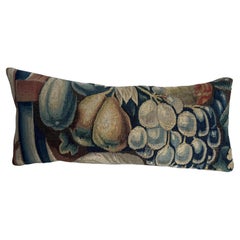
Tapestry-woven cushion covers accented the variety of Renaissance seating — from conversation to study chairs — while bookcases for secular use reflected the migration of culture and knowledge from the church into the home. The aesthetics of the Italian Renaissance later spread to France through the publishing of work by renowned designers, including Hugues Sambin and Jacques Androuet du Cerceau. Centuries later, the 19th-century Renaissance Revival would see a return to this influential style.

Find a collection of antique Renaissance case pieces, decorative objects and other furniture on 1stDibs.

to
113
555
277
850
3,720
3,010
1,578
1,525
1,400
1,025
308
245
242
234
99
67
56
37
30
13
11
9
846
648
230
222
116
119
27
9
15
12
6
15
11
8
24
40
544
208
203
85
65
817
335
125
104
59
850
850
850
23
7
1
1
1
Style: Renaissance
Period: 18th Century and Earlier
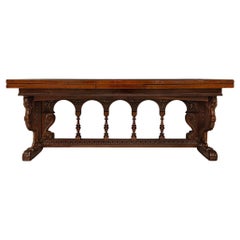
A French late 17th century Renaissance st. Walnut dining table
Located in West Palm Beach, FL
An extremely handsome and finely detailed French late 17th century Renaissance st. Walnut dining table. This beautiful table with its original extensions has a richly carved central ...
Category

Late 17th Century French Antique Renaissance Furniture

Materials

Walnut

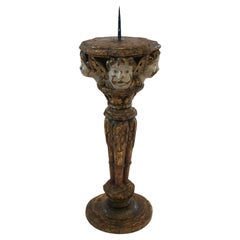
Renaissance Painted Giltwood Pricket with Cherubs - France - Circa 1580
Located in Chatham, ON
Renaissance period painted and giltwood candle holder or pricket - featuring four elaborately hand carved winged cherubs beneath an octogonal platform with the original hand forged i...
Category

16th Century French Antique Renaissance Furniture

Materials

Gesso, Wood, Paint

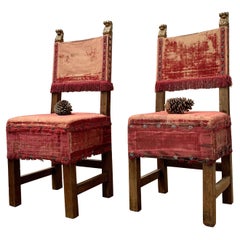
Pair of Seventeenth Century Italian Chairs
Located in London, GB
A sumptuous pair of seventeenth century Italian walnut chairs, the backs surmounted by carved and gilt finials with red velvet seats and backs, wit...
Category

17th Century Italian Antique Renaissance Furniture

Materials

Velvet

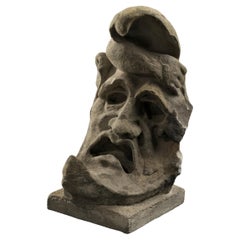
Renaissance grotesque in the shape of a half-moon - France, 17th century
Located in Bruxelles, BE
Large grotesque in the shape of a half-moon On a posterior cement base Limestone France, 17th century 72 x 42 x 51 cm
Category

17th Century French Antique Renaissance Furniture

Materials

Limestone

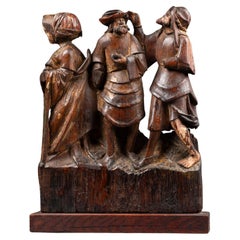
Group of Altarpiece - Antwerpen, 16th century
Located in Bruxelles, BE
Group of altarpiece representing the life of a Saint, Saint Renualde? Engraved by the sign of Antwerp hand on the hat of the central character Carved oak, traces of polychromy Fir...
Category

16th Century Belgian Antique Renaissance Furniture

Materials

Oak

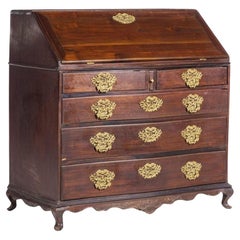
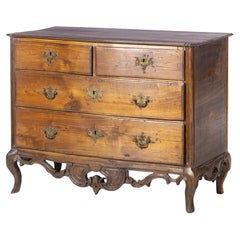
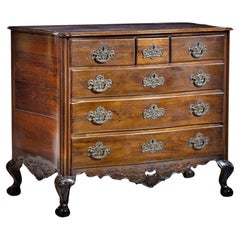
Chest of Drawers Portuguese 18th Century
Located in Madrid, ES
Chest of Drawers Portuguese 18th Century in vinhatic wood. With three drawers and folding top, interior with central hatch and six drawers. Defects. Dim.: 120 x 114 x 64 cm.
Category

18th Century Portuguese Antique Renaissance Furniture

Materials

Wood

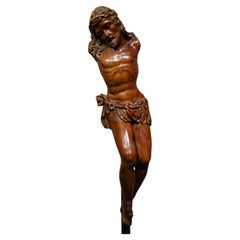
Christ in Boxwood, France, late 16th-early 17th century".
Located in PARIS, FR
Christ in Boxwood, France, late 16th-early 17th century Beautiful corpse of Christ with missing arms. He must have been on the Cross, arms in a horiz...
Category

Early 17th Century French Antique Renaissance Furniture

Materials

Boxwood

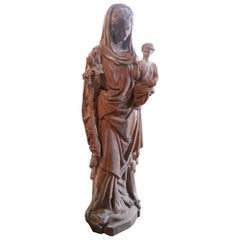
18th Century French Statue in Terracotta
Located in Dallas, TX
18th century French terracotta statue with Madonna and child.
Category

18th Century French Antique Renaissance Furniture

Materials

Terracotta

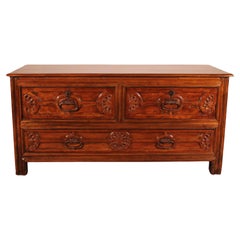
Spanish Renaissance Sacristy Buffet In Walnut Circa 1600
Located in Brussels, Brussels
Spanish Renaissance sacristy / chasuble buffet circa 1600 a piece that was at the time used in churches to store the priest clothes Very beautiful sacristy cabinet which is composed of 3 drawers with their original wrought iron entrance Paneled sides typical of Spanish renaissance furniture...
Category

Early 17th Century Spanish Antique Renaissance Furniture

Materials

Walnut

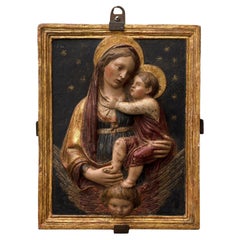
Attributed to Domenico di Paris - Madonna and The Child, 15th century
Located in Bruxelles, BE
Attributed to Domenico di Paris, also called Domenico del Cavallo ( Monselice, documented in Ferrara between 1442 and 1501) Madonna and The Child Polychromed and gilded Stucco 47,5 ...
Category

15th Century and Earlier Italian Antique Renaissance Furniture

Materials

Stucco

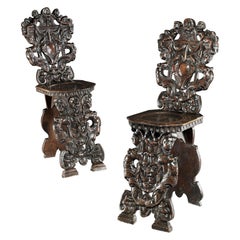
Chair Stool Hall Sgabello Pair 16 Century Venetian Renaissance Carved Sculpture
Located in BUNGAY, SUFFOLK
The quality of these exhuberant backstools demonstrate why Italian Renaissance furniture was as highly prized as old-master paintings. Th...
Category

16th Century Italian Antique Renaissance Furniture

Materials

Walnut

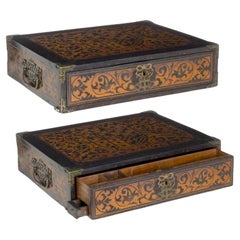
RARE ARMORED OFFICE DRAWER Indo-Portuguese, from the 17th century
Located in Madrid, ES
RARE ARMORED OFFICE DRAWER Indo-Portuguese, from the 17th century. in teak, ebony and sissoo. Ornamented with rosettes, fleurs-de-lis and quartered shield ...
Category

17th Century Portuguese Antique Renaissance Furniture

Materials

Wood

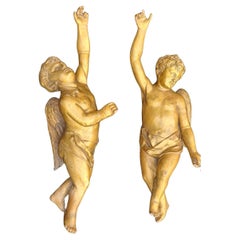
Pair of gilded wooden angels, northern Italy (probably Veneto area), f
Located in Vicenza, IT
Evocative pair of wooden sculptures depicting angels in flight, carved in the round and covered in fine gold leaf gilding. The figures, with strong expressiveness and movement, are d...
Category

17th Century European Antique Renaissance Furniture

Materials

Gold Leaf

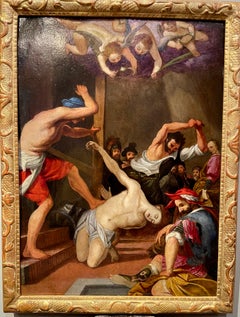
Oil on copper representing the Martyrdom of an unidentified Saint
Located in PARIS, FR
Oil on copper representing the martyrdom of an unidentified saint (the angels passing over the scene) and bringing him the palm and the crown of martyrs, without any specific attribu...
Category

16th Century European Antique Renaissance Furniture

Materials

Copper

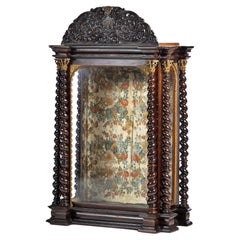
IMPORTANT LARGE PORTUGUESE ORATORY 17th Century
Located in Madrid, ES
IMPORTANT LARGE PORTUGUESE ORATORY 17th Century in carved and turned Brazilian rosewood with remains of gilding, glass doors and sides. Interior with painted, polychrome and gold de...
Category

17th Century Portuguese Antique Renaissance Furniture

Materials

Wood

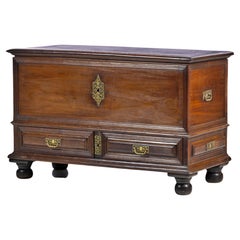
PORTUGUESE CHEST WITH TWO DRAWERS 18th Century
Located in Madrid, ES
PORTUGUESE CHEST WITH TWO DRAWERS 18th Century in vignette wood with rosewood frames. Gold metal hardware. Dim.: 82 x 122 x 60 cm good conditions
Category

18th Century Portuguese Antique Renaissance Furniture

Materials

Wood

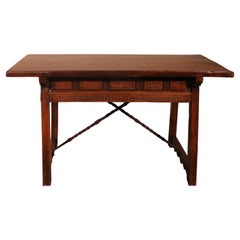
17th Century Spanish Table with Three Drawers in Chestnut
Located in Brussels, Brussels
superb Spanish Renaissance table in chestnut from the 17th century Very elegant table with three drawers in the belt. Very beautiful belt...
Category

17th Century Spanish Antique Renaissance Furniture

Materials

Chestnut

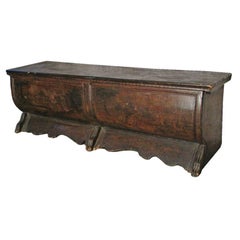
Italian Early 17th Century Painted Renaissance Cassone
Located in Troy, NY
Italian Early 17th Century Painted Renaissance Cassone. Charming, painted cassone with a lift top, the rounded front decorated with pastoral scenes, ni...
Category

Early 1600s Italian Antique Renaissance Furniture

Materials

Wood

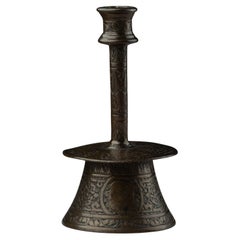
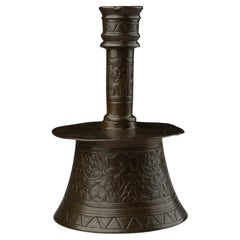
Veneto- Saracenic candlestick - 15th century
Located in Bruxelles, BE
Veneto- Saracenic candlestick Engraved bronze 15th century 12,5 x 6,2 cm This rare candlestick exemplify exquisite craftsmanship, featuring a bell-shaped base with a flared foot ado...
Category

15th Century and Earlier Italian Antique Renaissance Furniture

Materials

Bronze

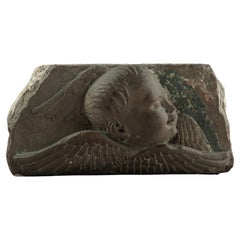
Renaissance Winged Cherub Relief
- Florence, 15th century
Located in Bruxelles, BE
Renaissance Winged Cherub Relief
Florence, Second Half of the 15th Century
Stone with traces of polychromy Provenance: Important private collection, Northern Italy This exceptional...
Category

15th Century and Earlier Italian Antique Renaissance Furniture

Materials

Stone

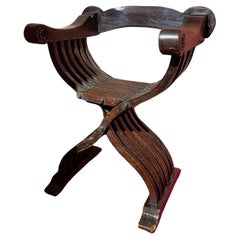
Chair with foldings slats, called "Savonarole"
Located in Saint-Ouen, FR
CHAIR WITH FOLDING SLATS, CALLED «SAVONAROLE»   ORIGIN : FLORENCE, ITALY PERIOD : LATE 15th  CENTURY – EARLY 16th CENTURY   Height : 85 cm Width : 65 cm Depth : 55 cm   Walnut Good state of preservation     This movable Italian seat from the late 15th century descents from the roman curule seat. It took the name of sedia Savonarola...
Category

16th Century Italian Antique Renaissance Furniture

Materials

Wood, Walnut

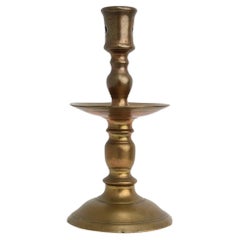
17th-Century Belgian Bronze Candlestick in Renaissance Style
Located in Meulebeke, BE
Belgium / 17th century / Candlestick / bronze / Renaissance A finely cast 17th-century bronze candlestick from Belgium, this piece embodies the sculptural elegance and decorative v...
Category

17th Century Belgian Antique Renaissance Furniture

Materials

Bronze

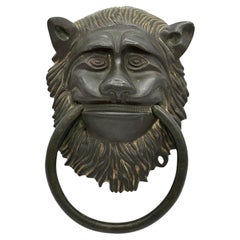
massive rare south German lion bronze Door Knocker, 17th Century
Located in Tel Aviv - Jaffa, IL
very big and massive bronze door knocker, German or maybe Italian in origin, 16-17th century, amazing green original patina to the face, some scares and dings to the face which gives...
Category

Late 17th Century German Antique Renaissance Furniture

Materials

Bronze

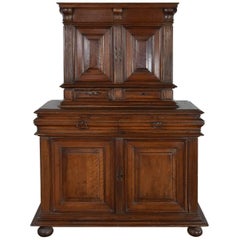
French Renaissance Henry II Late 16th Century Walnut Deux-Corps Cabinet
Located in Troy, NY
French Henry II Deux-Corps cabinet, in two parts. Of linear design and interesting, unusual proportions, the top part with two-doors over two drawers, bottom with two larger drawers ...
Category

16th Century French Antique Renaissance Furniture

Materials

Walnut

Bronze Pot, 16th Century
Located in Brussels, Brussels
Superb Flemish Renaissance bronze pot from the 16th century. Superb patina and in very good condition.
Category

16th Century Belgian Antique Renaissance Furniture

Materials

Bronze

17th Century Catalan Chest
Located in Brussels, Brussels
superb chest in chopo (Ash) from the Spanish renaissance of the 17th century from Catalogna Very beautiful chest typical of the Catalonia region with a front with beautiful moldings ...
Category

17th Century French Antique Renaissance Furniture

Materials

Ash

16th Century Gothic Chest, Pinewood, Metal
Located in Madrid, ES
The relief of folded cloths was common in the Gothic furniture, coming from Flanders in the 15th century and used in Spain in a common way well into the 16th century, although 17th c...
Category

16th Century Spanish Antique Renaissance Furniture

Materials

Metal

Pair of Eagles 16th Century from North Italy Church Lectern
Located in Brussels, Brussels
Exceptional pair of aigles of the 16th century of Italy Superbe pair of wooden sculpted aigles from the Italian Renaissance. Very Fine and delicate sculpture The pair of eagles se...
Category

16th Century Italian Antique Renaissance Furniture

Materials

Giltwood

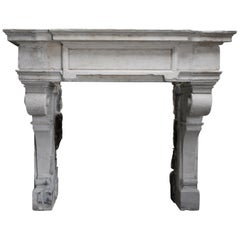
Renaissance Style Mantel from the 18th Century of French Limestone
Located in Made, NL
A magnificent antique French limestone fireplace in Renaissance style! This historic mantel (fireplace) dates from the 18th century and exudes a lot of allure due to its robustness a...
Category

18th Century French Antique Renaissance Furniture

Materials

Limestone

Veneto- Saracenic candlestick - 15th century
Located in Bruxelles, BE
Veneto- Saracenic candlestick Engraved bronze 15th century 13 x 8,5 cm This rare candlestick exemplify exquisite craftsmanship, featuring a bell-shaped base with a flared foot adorn...
Category

15th Century and Earlier Italian Antique Renaissance Furniture

Materials

Bronze

D. JOSÉ CHEST OF DRAWERS Portuguese, 18th century.
Located in Madrid, ES
D. JOSÉ CHEST OF DRAWERS Portuguese, 18th century. in walnut wood, with two large drawers and two drawers. Wavy and cut-out top, decorated with a recess. Cut-out and openwork skirts...
Category

18th Century Portuguese Antique Renaissance Furniture

Materials

Wood

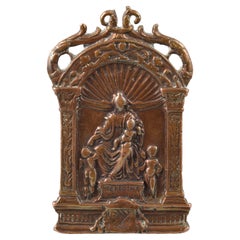
Bronze Pax or Pax Board, 16th Century
Located in Madrid, ES
Peacekeeper. Bronze. Century XVI. Bronze purse with a handle on the back in the shape of an esse in the same material and a decoration in light relief on the front that shows, unde...
Category

16th Century Spanish Antique Renaissance Furniture

Materials

Bronze

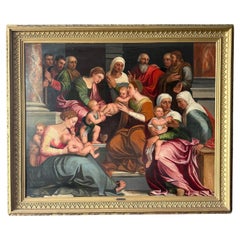
The Holy Kinship of Mary Oil on slatted panel Possibly Willem Key (16th Century)
Located in Chonburi, TH
This impressive 16th-century oil painting on a slatted wooden panel depicts *The Holy Kinship of Mary*, a revered religious subject in Northern Renaissance art. The composition bring...
Category

16th Century Belgian Antique Renaissance Furniture

Materials

Wood, Paint

Italian carved walnut 19th century Renaissance style Mirror
Located in Troy, NY
Very decorative Renaissance style mirror with two female figures in profile prominently flanking either side of the carved frame. Later mirror plate. Probably the top part of a firep...
Category

16th Century Italian Antique Renaissance Furniture

Materials

Walnut

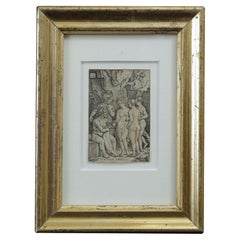
Hans Sebald Beham (1500 Nuremberg - 1550 Frankfurt am Main) “Judicium des Paris”
Located in Münster, DE
Hans Sebald Beham (1500 Nuremberg - 1550 Frankfurt am Main) “Judicium des Paris”, The Judgement of Paris, original copperplate engraving, framed behind glass, 1546, dated in the cane...
Category

16th Century German Antique Renaissance Furniture

Materials

Paper

PORTUGUESE COMMODE 18th Century
Located in Madrid, ES
18th Century Portuguese COMMODE Portuguese, in rosewood wood, with 3 large drawers and two drawers. Cut-out top, decorated with recess. Cropped skirts decorated with floral elements...
Category

18th Century Portuguese Antique Renaissance Furniture

Materials

Wood

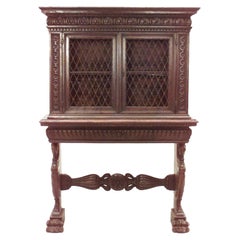
Italian Renaissance Style Walnut Cabinet
Located in Queens, NY
Italian Renaissance style (17th Century and Later) walnut cabinet on stand with 2 grill doors above a frieze drawer & trestle supports.
Category

17th Century Italian Antique Renaissance Furniture

Materials

Bronze

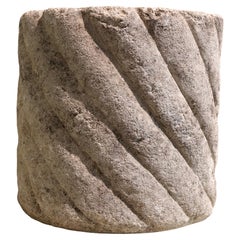
17th century twisted column
Located in Bruxelles, BE
Twisted Column Italy, 17th Century H 22 cm x diameter 21,5 cm central hole diameter : 9,2 cm This sculpted stone, dating from the 17th century, is a fragment of a twisted or helical...
Category

17th Century Italian Antique Renaissance Furniture

Materials

Stone

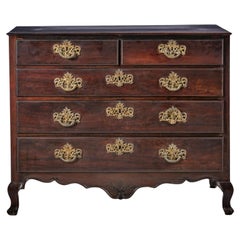
IMPORTANT PORTUGUESE COMMODE D. JOÃO V 18th Century in ROSEWOOD
Located in Madrid, ES
IMPORTANT PORTUGUESE COMMODE D. JOÃO V 18th Century in rosewood wood, with three drawers and three large drawers. Wavy body, with cut skirts, decorated with shells, windings and pl...
Category

18th Century Portuguese Antique Renaissance Furniture

Materials

Rosewood

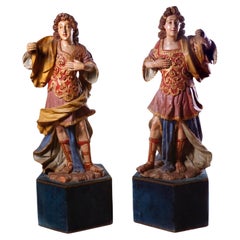
Impressive Pair of Portuguese Seraphim late 17th Century
Located in Madrid, ES
Impressive Pair of Portuguese Seraphim end 17th began1 8th Century Sculptures in molded, polychrome and gilded clay. The figures are represented standing. Set on bases. Normal d...
Category

Late 17th Century Portuguese Antique Renaissance Furniture

Materials

Wood

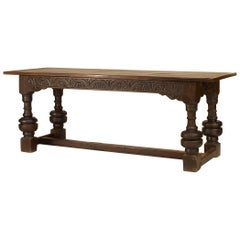
Italian Renaissance Oak Refectory Table with Late 19th Century Top
Located in Queens, NY
Italian Renaissance style (17th Century elements) oak refectory table with carved apron an bulbous shaped legs with a stretcher at base (plank top 19/20th Century). Condition: Good;...
Category

17th Century Italian Antique Renaissance Furniture

Materials

Oak

French Richly Carved Sideboard Buffet - Renaissance- circa 1580 France
Located in Beuzevillette, FR
Beautiful Renaissance two-body buffet with four doors and six drawers. On the upper part of the buffet, who hide two secrets drawers, an alternating band of three masks, represents a mythological scene: Zeus changed into a swan seduces Leda on the banks of the Eurotas. The sides of the buffet are decorated with foliage and vines. The doors cornices...
Category

16th Century French Antique Renaissance Furniture

Materials

Walnut

Beautiful Portuguese Mirror Early 18th Century
Located in Madrid, ES
Beautiful Portuguese Mirror Early 18th Century Frame in rosewood with gilded carvings. Signs of use for the age Dim.: 107 x 50 cm good condition
Category

Early 18th Century Portuguese Antique Renaissance Furniture

Materials

Wood

17th Century Italian Renaissance Walnut Bible Box
Located in Viterbo, VT
Bible box hand-crafted in Italy in the mid 1600s using walnut. The box is still in fantastic shape and has a gorgeous patina. On three sides it is decorated with beautiful hand-carve...
Category

Mid-17th Century Italian Antique Renaissance Furniture

Materials

Walnut

Two rare Figures in Turkish Attire - Venice, early 17th century
Located in Bruxelles, BE
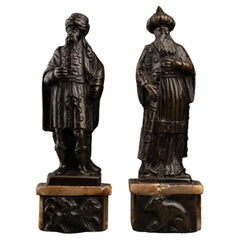
Rare Bronzes Depicting two Figures in Turkish Attire Possibly Suleiman the Magnificent at two different ages bronzes, alabaster bases Venice, early 17th century 19,5 x 6 x 5 cm These two rare bronze statuettes represent two figures dressed in elaborate "Turkish" attire. They are mounted on alabaster bases with bronze reliefs—one featuring the winged lion of Venice, and the other possibly symbolizing Turkey with a wolf depiction. One figure wears a grand külah, a spherical turban with a cone top, signifying royal authority, while the other has a wrapped turban, denoting rank and religious identity. Their garments are richly detailed with intricate engravings, suggesting luxurious fabrics of the Ottoman court. The statuettes may represent Suleiman the Magnificent at two different stages of life, as both young and old. The sultan depicted alongside the winged lion corresponds to a description from a Venetian delegate in 1534, when Suleiman was 43. At that time, he had conquered Iraq from the Safavids and achieved a decisive victory over the Papal fleet at the Battle of Preveza. He was described as having large eyes, an aquiline nose, and long red mustaches—traits visible in Cristofano dell'Altissimo’s portrait of Suleiman in the Uffizi Gallery in Florence. Unlike Mehmed II, who commissioned portraits by European artists for diplomatic purposes, Suleiman did not directly order such representations. Instead, his likeness spread through works by artists like Albrecht Dürer, based on sketches made by diplomats. Following his capture of Belgrade in 1521, his victory over Hungary in 1526, and his siege of Vienna...
Category

17th Century Italian Antique Renaissance Furniture

Materials

Alabaster, Bronze

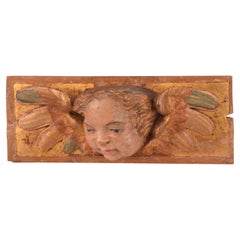
Relief with angel head. Polychrome and gilded wood. Spanish school, 16th century
Located in Madrid, ES
Relief with angel head. Polychrome and gilded wood. Spanish school, 16th century. Rectangular table that presents, on the front, a relief of certain depth and figurative theme. On a...
Category

16th Century Spanish Antique Renaissance Furniture

Materials

Other

16th Century Italian Renaissance Walnut Table - Florence
Located in Brussels, Brussels
Exceptional 16th-century Italian Renaissance walnut table, known as a "tavolo ad asso di coppe" (meaning "table with an ace"). This unique table features a superb base with a central...
Category

16th Century Italian Antique Renaissance Furniture

Materials

Walnut

AFTER A MODEL BY GIAMBOLOGNA (1529–1608) - Pacing Bull
Located in Bruxelles, BE
AFTER A MODEL BY GIAMBOLOGNA (1529–1608)
 Pacing Bull
17th century
 Bronze, on an ebonised wood base H totale 15 x L 11,5 x P 8,2 cm Since antiquity, the bull has been venerated as ...
Category

17th Century Italian Antique Renaissance Furniture

Materials

Bronze

17th century apothecary s ivory mortar and pestle - Germany
Located in Bruxelles, BE
large 17th century turned apothecary's ivory mortar and pestle Germany 17th century Cites certificate number IT/CE/2023/MI/01110 18,6 x 7 cm ; pestl...
Category

17th Century German Antique Renaissance Furniture

Materials

Ivory

16th Century Spanish Walnut Chair
Located in Saint-Ouen, FR
This walnut chair stands on four square-section feet linked by four crossbars. The front spacer is carved as an intertwined branch. The backrest’s jambs are adorned with leaves motif...
Category

16th Century Spanish Antique Renaissance Furniture

Materials

Leather, Fabric, Walnut

18th Century Italian Travertine Marble Fire Mantel
Located in Wormelow, Herefordshire
This very early 18th century Italian travertine marble fireplace was sourced from a property in Kensington and removed during remodelling. It features an elaborate design, the frieze...
Category

Early 18th Century Italian Antique Renaissance Furniture

Materials

Stone, Travertine, Marble

Followers of Jean de la Huerta, Jean de Blany ? - Saint Jerome
Located in Bruxelles, BE
Followers of Jean de la Huerta, Jean de Blany ? Saint Jerome Limestone Burgundy, second half of the15th century 60,5 cm ALR Ref : S00248050 This exquisite sculpture of Saint Jerome, carved from soft, nearly white limestone typical of eastern France, exemplifies the exceptional craftsmanship of 15th-century Burgundian art. The figure of Saint Jerome, a key figure in Christian history renowned for translating the Bible into Latin, is depicted wearing a cardinal’s hat and holding the Vulgate Bible...
Category

15th Century and Earlier French Antique Renaissance Furniture

Materials

Limestone

Cercle of Jacopo della Pila - Marble relief depicting a winged Cherub
Located in Bruxelles, BE
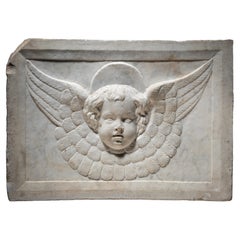
Cercle of Jacopo della Pila (Lombard, in Naples 1471-1502) Marble relief depicting a winged Cherub Naples, second half of15th century 40 x 57 x 12 cm Exquisitely carved, this relief portrays a winged cherub with cascading hair and delicate features. The cherub's plump, smooth countenance, rounded cheeks, outlined lips, and finely drawn nose emanate a sense of tenderness. The quadrangular module, is adorned with a carved frame. The relief ascends gradually, transitioning from the low relief of the wings to the high relief of the head. The rectangular frame and the subtly curved form of the artwork suggest that the relief likely adorned the upper part of an arch or a vaulted chapel. The type is that of the perspective room with a coffered ceiling decorated with figures of winged cherubs, which is found in various Neapolitan chapels of the 15th century. Coffered ceilings attest to the recovery of antiquity and the search for luxury in Renaissance architecture, first in Florence, then in Rome and Naples. The majority of the numerous family chapels and tombs built during the late fifteenth century in south of Italy employ the new formal vocabulary of the Florentine Renaissance in a self-confident manner that permitted a broad spectrum of variations. The escalating admiration for the classical world, coupled with the development of perspective, significantly contributed to the Renaissance endorsement of coffered ceilings. This artistic and constructive device drew inspiration from the intricate marble patterns observed in historical landmarks such as the Arch of Titus, the Temple of Vesta in Tivoli, the Pantheon, and the Basilica of Maxentius. A distilled product of both mathematical and artistic cultures, deeply scrutinizing the ancient world, the coffered ceiling plays a vital role in the perspective construction of space with its regular and directional geometry. The motif of the coffered ceiling decorated with cherubs in relief was introduced in Naples by Francesco Laurana in the plastic decoration of the Arch of Castelnuovo. Laurana's impact on the art scene in the south of Italy was profound. The introduction of the winged cherub into the region's artistic vocabulary bridged the gap between the classical and the contemporary, creating a synthesis that resonated with both aesthetic and spiritual sensibilities. His influence extended beyond the immediate visual appeal, shaping the cultural identity of the Renaissance in southern Italy. Although the plastic decoration of the Arch of Castelnuovo cannot certainly be ascribed to a mature Renaissance style, it was precisely on this occasion that the sculptors who worked there could get to know and export throughout the Italian peninsula that type of "Florentine classicism" which, even in the 15th century Naples, was conditioned by the Burgundian culture imported into the Kingdom by Alfonso of Aragon himself, with artists called from Spain and Northern Europe. The coffered ceiling, with its geometric patterns and Laurana's winged cherubs nestled within, became a symbol of refinement and cultural sophistication. The relief sculptures, carefully integrated into the overall design, transformed the ceiling into a celestial realm, inviting viewers to contemplate the divine while immersed in the grandeur of the Renaissance space. Similar winged cherubs appears also in the Naples cathedral. Within the renowned Succorpo Chapel, a mesmerizing marble coffered ceiling adorned with cherubs epitomizes the splendor of the Neapolitan Renaissance. The interplay of light and shadow on the textured surface of the marble coffered ceiling introduces an ethereal dimension, providing an immersive visual experience for observers. The geometric precision and the repeated patterns, reminiscent of classical motifs, establish a sense of harmony and balance that has become the hallmark of the Neapolitan interpretation of Florentine Renaissance aesthetics. Although probably intended to be admired from a distance, this cherub is intricately detailed and exquisitely rendered: the face and hair are elegantly outlined and the feathers are textured through juxtaposed lines. The marble, both figurative and decorative, adheres to the principles of balance and restrained ornamentation typical of the « Florentine Classicism ». Harmonious shapes and gracefully orchestrated curves , rooted in the classical repertoire, converge to evoke a sense of ethereal beauty. The surface displays the masterful use of a chisel to intricately carve the feathers and facial features, creating an almost abstract quality. This work is a testament to a sculptor of great skill and rich figurative knowledge, seamlessly blending classical firmness in contours with a refined treatment of the marble's surface. The combination of tradition and innovation point to a stylistic idiom from Lombardy, in particular we can find some comparaisons with the works of Jacopo della Pila, sculptor of Lombard origin working in Naples in the second half of the 15th century. He is documented there between 1471 and 1502, and is a protagonist of the Aragon Renaissance in the second half of the Quattrocento, together with the other great Northern sculptor active in the kingdom, Domenico Gagini. the first commission he received dates back to August 9, 1471, when Jacopo publicly committed to sculpting the funerary monument of Archbishop Nicola Piscicelli to be placed in the Cathedral of Salerno. The last known work is an altar ordered on July 29, 1502, by the noble Jacopo Rocco for the church of San Lorenzo Maggiore in Naples. Between these two chronological extremes (1471-1502), we must place the fervent activity of the artist, who had trained in Rome, perhaps under the guidance of Paolo Romano but also engaged in dialogue with other major artists of the city, especially Isaia da Pisa. He enriched his experience in Naples, initially drawing inspiration from the works of Domenico Gagini and later from the Tuscan masterpieces of Antonio Rossellino and Benedetto da Maiano destined for the church of Santa Maria di Monteoliveto. Jacopo della Pila's artistic personality is thus based on a complex interplay of influences, contributing to the definition of a highly personal style. Close comparaison can be made between our cherub and the winged angels reliefs...
Category

15th Century and Earlier Italian Antique Renaissance Furniture

Materials

Marble

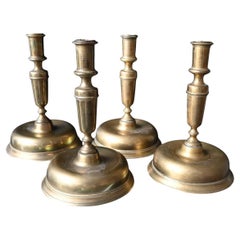
Antique set of 4 Spanish 17th century brass candlesticks
Located in Bilzen, BE
An unusual set of 4 matching spanish candlesticks from the 17 th century made in brass Heigth each 22.5 cm Aged patina
Category

17th Century Spanish Antique Renaissance Furniture

Materials

Brass

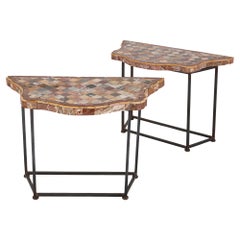
Two Antique Iron and Specimen Marble Console Tables
Located in London, GB
These tables feature beautiful specimen marble tops which were crafted in Italy in the 18th century. The tops are inlaid with a variety of marble types, cut into diamond-shaped block...
Category

18th Century Italian Antique Renaissance Furniture

Materials

Marble, Iron

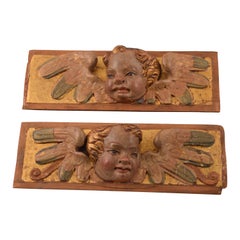
Reliefs with heads of angels. Polychrome and gilded wood. Spanish school, 16th c
Located in Madrid, ES
Reliefs with heads of angels. Polychrome and gilded wood. Spanish school, 16th century. Pair of rectangular boards with a hanging ring on the back that present, on the front, two de...
Category

16th Century Spanish Antique Renaissance Furniture

Materials

Other

Utrechtse Poort Dutch Linnen Cupboard, Craftsman, 17th Century
Located in Antwerp, BE
Dutch Renaissance cupboard in wood made in the early 17th century. This historical piece offers two doors open up to three shelves. The incr...
Category

17th Century Dutch Antique Renaissance Furniture

Materials

Wood

French `19th Century Renaissance Style Cross Lorraine small Walnut center Table
Located in Troy, NY
Small size cross Lorraine table with a strong sculptural presence, the carved frieze containing one-drawer, the seven turned legs are connected by a Cross-Lorraine shaped base, beaut...
Category

16th Century French Antique Renaissance Furniture

Materials

Walnut

16th Century Antique Brussels Fruit Tapestry Pillow
Located in Los Angeles, US
An exceptional sixteenth century Brussels tapestry fragment depicting stylized fruit and foliage in a beautifully aged palette of deep indigo muted teal warm sand beige golden tan an...
Category

16th Century French Antique Renaissance Furniture

Materials

Wool, Cotton, Feathers

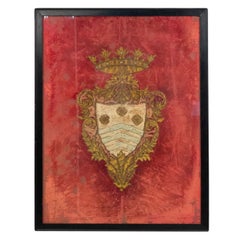
English Silk and Gold Embroidered Coat of Arms
Located in Queens, NY
English Renaissance silk & gold thread embroidered ducal coronet oval a coat of arms on a scarlet velvet ground inside a molded ebonized frame (fraying to embroidery)
Category

17th Century British Antique Renaissance Furniture

Materials

Gold

Renaissance furniture for sale on 1stDibs.

Find a broad range of unique Renaissance furniture for sale on 1stDibs. Many of these items were first offered in the 21st Century and Contemporary, but contemporary artisans have continued to produce works inspired by this style. If you’re looking to add vintage furniture created in this style to your space, the works available on 1stDibs include case pieces and storage cabinets, decorative objects, wall decorations and other home furnishings, frequently crafted with wood, walnut and other materials. If you’re shopping for used Renaissance furniture made in a specific country, there are Europe, Italy, and France pieces for sale on 1stDibs. While there are many designers and brands associated with original furniture, popular names associated with this style include Europa Antiques, Sinke Van Tongeren, Albrecht Dürer, and Castelli. It’s true that these talented designers have at times inspired knockoffs, but our experienced specialists have partnered with only top vetted sellers to offer authentic pieces that come with a buyer protection guarantee. Prices for furniture differ depending upon multiple factors, including designer, materials, construction methods, condition and provenance. On 1stDibs, the price for these items starts at $35 and tops out at $3,217,683 while the average work can sell for $6,828.

Still Thinking About These?

All Recently Viewed