Wood Decorative Art

to
422
1,448
1,290
2,462
346
69
Height
to
Width
to
355
214
124
92
86
83
49
43
41
31
30
22
21
19
18
12
11
9
297
672
1,493
415
285
539
335
56
18
31
59
54
110
110
139
64
27
7,948
2,877
2,404
2,360
2,258
1,853
478
445
408
346
2,877
2,633
2,759
55
31
14
14
13
Material: Wood
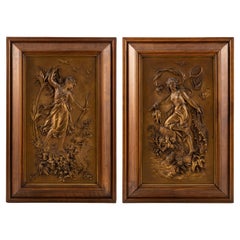
Pair Art Nouveau Bronze Relief Wall Plaques
Located in Kastrup, DK
Pair of fine Art Nouveau / Jugendstyl gilt bronze relief wall plaques, with wonderful details, mounted in walnut frames. The reliefs depict Diana, ...
Category

Early 20th Century German Art Nouveau Wood Decorative Art

Materials

Bronze

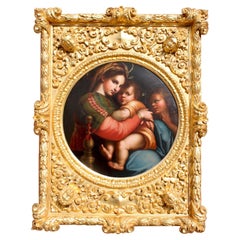
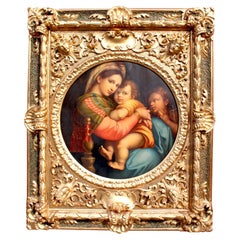
After Raffaello Sanzio 1483-1520 Raphael La Madonna della Seggiola Oil on Canvas
Located in Los Angeles, CA
A Fine Italian 19th Century Oil Painting on Canvas "La Madonna della Seggiola" after Raphael (Raffaello Sanzio da Urbino 1483-1520). The circular painted canvas depicting a seated Madonna holding an infant Jesus Christ next to a child Saint John the Baptist, all within a massive carved gilt wood and gesso frame, which is identical to the frame on Raphael's original artwork. This painting is a 19th Century copy of Raphael's Madonna della Seggiola painted in 1514 and currently exhibited and part of the permanent collection at the Palazzo Pitti, Galleria Palatina, Florence, Italy. The bodies of the Virgin, Christ, and the boy Baptist fill the whole picture. The tender, natural looking embrace of the Mother and Child, and the harmonious grouping of the figures in the round, have made this one of Raphael's most popular Madonnas. The isolated chair leg is reminiscent of papal furniture, which has led to the assumption that Leo X himself commissioned the painting. A retailer's label reads " Fred K/ Keer's Sons - Framers and Fine Art Dealers - 917 Broad St. Newark, N.J." - Another label from the gilder reads "Carlo Bartolini - Doratore e Verniciatori - Via Maggio 1924 - Firenze". Circa: 1890-1900. Subject: Religious painting Canvas diameter: 28 inches (71.1 cm) Frame height: 54 inches (137.2 cm) Frame width: 42 1/2 inches (108 cm) Frame depth: 5 1/2 inches (14 cm) Raffaello Sanzio da Urbino (Italian, March 28 or April 6, 1483 - April 6, 1520), known as Raphael, was an Italian painter and architect of the High Renaissance. His work is admired for its clarity of form, ease of composition, and visual achievement of the Neoplatonic ideal of human grandeur. Together with Michelangelo and Leonardo da Vinci, he forms the traditional trinity of great masters of that period. Raphael was enormously productive, running an unusually large workshop and, despite his death at 37, leaving a large body of work. Many of his works are found in the Vatican Palace, where the frescoed Raphael Rooms were the central, and the largest, work of his career. The best known work is The School of Athens in the Vatican Stanza della Segnatura. After his early years in Rome much of his work was executed by his workshop from his drawings, with considerable loss of quality. He was extremely influential in his lifetime, though outside Rome his work was mostly known from his collaborative printmaking. After his death, the influence of his great rival Michelangelo was more widespread until the 18th and 19th centuries, when Raphael's more serene and harmonious qualities were again regarded as the highest models. His career falls naturally into three phases and three styles, first described by Giorgio Vasari: his early years in Umbria, then a period of about four years (1504–1508) absorbing the artistic traditions of Florence, followed by his last hectic and triumphant twelve years in Rome, working for two Popes and their close associates. Raphael was born in the small but artistically significant central Italian city of Urbino in the Marche region, where his father Giovanni Santi was court painter to the Duke. The reputation of the court had been established by Federico III da Montefeltro, a highly successful condottiere who had been created Duke of Urbino by the Pope - Urbino formed part of the Papal States - and who died the year before Raphael was born. The emphasis of Federico's court was rather more literary than artistic, but Giovanni Santi was a poet of sorts as well as a painter, and had written a rhymed chronicle of the life of Federico, and both wrote the texts and produced the decor for masque-like court entertainments. His poem to Federico shows him as keen to show awareness of the most advanced North Italian painters, and Early Netherlandish artists as well. In the very small court of Urbino he was probably more integrated into the central circle of the ruling family than most court painters. Federico was succeeded by his son Guidobaldo da Montefeltro, who married Elisabetta Gonzaga, daughter of the ruler of Mantua, the most brilliant of the smaller Italian courts for both music and the visual arts. Under them, the court continued as a centre for literary culture. Growing up in the circle of this small court gave Raphael the excellent manners and social skills stressed by Vasari. Court life in Urbino at just after this period was to become set as the model of the virtues of the Italian humanist court through Baldassare Castiglione's depiction of it in his classic work The Book of the Courtier, published in 1528. Castiglione moved to Urbino in 1504, when Raphael was no longer based there but frequently visited, and they became good friends. He became close to other regular visitors to the court: Pietro Bibbiena and Pietro Bembo, both later cardinals, were already becoming well known as writers, and would be in Rome during Raphael's period there. Raphael mixed easily in the highest circles throughout his life, one of the factors that tended to give a misleading impression of effortlessness to his career. He did not receive a full humanistic education however; it is unclear how easily he read Latin. Early Life and Works His mother Màgia died in 1491 when Raphael was eight, followed on August 1, 1494 by his father, who had already remarried. Raphael was thus orphaned at eleven; his formal guardian became his only paternal uncle Bartolomeo, a priest, who subsequently engaged in litigation with his stepmother. He probably continued to live with his stepmother when not staying as an apprentice with a master. He had already shown talent, according to Vasari, who says that Raphael had been "a great help to his father". A self-portrait drawing from his teenage years shows his precocity. His father's workshop continued and, probably together with his stepmother, Raphael evidently played a part in managing it from a very early age. In Urbino, he came into contact with the works of Paolo Uccello, previously the court painter (d. 1475), and Luca Signorelli, who until 1498 was based in nearby Città di Castello. According to Vasari, his father placed him in the workshop of the Umbrian master Pietro Perugino as an apprentice "despite the tears of his mother". The evidence of an apprenticeship comes only from Vasari and another source, and has been disputed—eight was very early for an apprenticeship to begin. An alternative theory is that he received at least some training from Timoteo Viti, who acted as court painter in Urbino from 1495.Most modern historians agree that Raphael at least worked as an assistant to Perugino from around 1500; the influence of Perugino on Raphael's early work is very clear: "probably no other pupil of genius has ever absorbed so much of his master's teaching as Raphael did", according to Wölfflin. Vasari wrote that it was impossible to distinguish between their hands at this period, but many modern art historians claim to do better and detect his hand in specific areas of works by Perugino or his workshop. Apart from stylistic closeness, their techniques are very similar as well, for example having paint applied thickly, using an oil varnish medium, in shadows and darker garments, but very thinly on flesh areas. An excess of resin in the varnish often causes cracking of areas of paint in the works of both masters. The Perugino workshop was active in both Perugia and Florence, perhaps maintaining two permanent branches. Raphael is described as a "master", that is to say fully trained, in December 1500. His first documented work was the Baronci altarpiece for the church of Saint Nicholas of Tolentino in Città di Castello, a town halfway between Perugia and Urbino. Evangelista da Pian di Meleto, who had worked for his father, was also named in the commission. It was commissioned in 1500 and finished in 1501; now only some cut sections and a preparatory drawing remain. In the following years he painted works for other churches there, including the Mond Crucifixion (about 1503) and the Brera Wedding of the Virgin (1504), and for Perugia, such as the Oddi Altarpiece. He very probably also visited Florence in this period. These are large works, some in fresco, where Raphael confidently marshals his compositions in the somewhat static style of Perugino. He also painted many small and exquisite cabinet paintings in these years, probably mostly for the connoisseurs in the Urbino court, like the Three Graces and St. Michael, and he began to paint Madonnas and portraits. In 1502 he went to Siena at the invitation of another pupil of Perugino, Pinturicchio, "being a friend of Raphael and knowing him to be a draughtsman of the highest quality" to help with the cartoons, and very likely the designs, for a fresco series in the Piccolomini Library in Siena Cathedral. He was evidently already much in demand even at this early stage in his career. Influence of Florence Raphael led a "nomadic" life, working in various centres in Northern Italy, but spent a good deal of time in Florence, perhaps from about 1504. Although there is traditional reference to a "Florentine period...
Category

Early 1900s Italian Baroque Antique Wood Decorative Art

Materials

Canvas, Giltwood

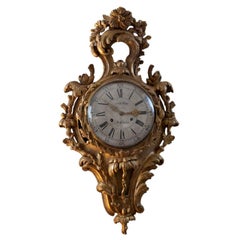
Swedish Rocaille Giltwood Wall Clock
Located in Kittery Point, ME
Surmounted by a pierced foliate cresting, flanked by glazed panels to the sides and below, the white enamel dial with Roman hours and Arabic minutes, inscribed Nils Berg...
Category

Mid-18th Century Swedish Rococo Antique Wood Decorative Art

Materials

Metal

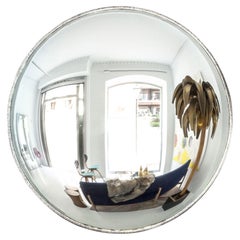
Mid Century Modern Style Large French Wall Mounted Round Convex Silver Mirror
Located in Madrid, ES
Large circular wall-mounted convex mirror featuring a beautifully patinated and textured metal frame. Its distinctive convex shape offers a dynamic, panoramic reflection that enhance...
Category

21st Century and Contemporary French Mid-Century Modern Wood Decorative Art

Materials

Metal

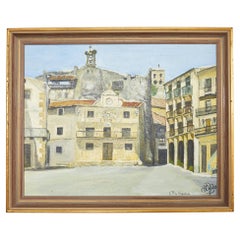
Midcentury Modern Italian Impressionist Town Square
Located in Rio Vista, CA
Untitled mid-century modern Italian impressionist oil on board painting of a village or town square landscape. The painting features beautifully detailed b...
Category

20th Century Italian Mid-Century Modern Wood Decorative Art

Materials

Wood

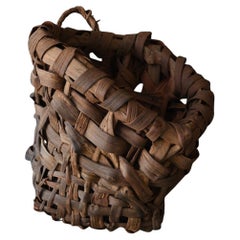
Antique Japanese woven wall hanging basket/20th century/Wabi-sabi vase
Located in Sammu-shi, Chiba
This is a rustic woven basket made of walnut bark, made in Japan around the 20th century. In Japan, tools made of natural materials have been used since ancient times as baskets for ...
Category

20th Century Japanese Taisho Wood Decorative Art

Materials

Wood

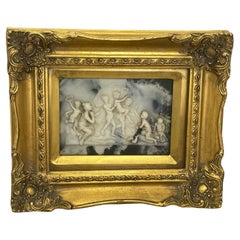
Gilt wood Framed Triumph of the Children relief plate, "Biggs Sons, London"
Located in Nuernberg, DE
A beautiful, vintage alabaster handmade plate, framed with glass and gilt wood. Measuring 11.75" wide, 1.63" deep and 10" high. Displayed in a period giltwood frame. Image size, 4 1/...
Category

1950s German Arts and Crafts Vintage Wood Decorative Art

Materials

Metal

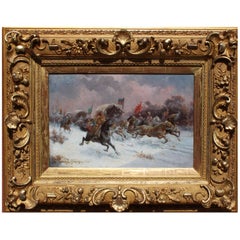
Adolf Constantin Baumgartner Stoiloff Oil on Board Cossacks Warriors on Horsback
By Adolf Constantin Baumgartner-Stoiloff
Located in Los Angeles, CA
Adolf Constantin Baumgartner Stoiloff (Austrian/Russian, 1850-1924) a fine oil on board "Charging Cossack Warriors on Horseback" within an ornate giltwood frame, circa 1890 Born in 1850 in Linz (Austria) Stoiloff died in Vienna in 1924. According to a research of Russian literature, he studied in the 1880s at St. Petersburg Imperial Academy of Fine Arts. He was very well known for his Russian horse...
Category

Late 19th Century Russian Baroque Antique Wood Decorative Art

Materials

Gesso, Canvas, Giltwood, Paint

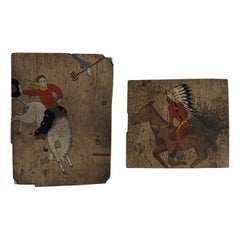
Rare Mid Century Hand-Painted Linoleum Floor Tiles Cowboy Indian
Located in Brooklyn, NY
A pair of hand-painted linoleum floor tiles with 1950's cowboy and Indian motifs. Measures: Cowboy is 12.5" W x 16.5" H Indian 12.75" W x 11" H.
Category

Mid-20th Century North American Mid-Century Modern Wood Decorative Art

Materials

Other

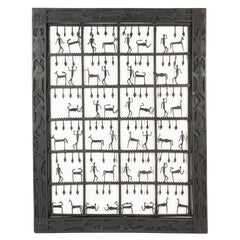
Dogon tribal hand forged rope twist iron window pane grill with figures, 1900-25
Located in Kenilworth, IL
Dogon tribal hand forged iron rope twist grill with hand forged silhouette figures within a grid of 24 squares. The work is framed in its original shallow carved & painted hardwood frame. The frame is carved with fish, birds, and reptiles, all characteristic Dogon subjects. Believed to have been fabricated for the European market...
Category

Early 20th Century African Wood Decorative Art

Materials

Iron

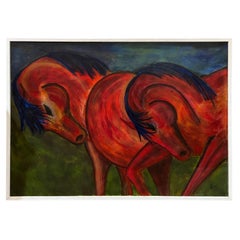
Enormous Framed Contemporary Oil on Canvas of Horses
Located in Redding, CT
Enormous contemporary oil on canvas of horses. This item has recently been reframed ,see all photos. Can be hung horizontally or vertically ...
Category

2010s Wood Decorative Art

Materials

Canvas, Paint, Wood

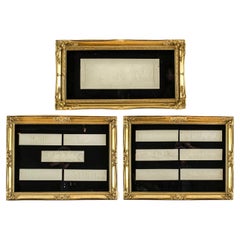
Antique Set of Three Box Framed Grand Tour Giovanni Liberotti Intaglios 19th C
Located in London, GB
An elegant set of three giltwood frames enclosing 12 unusually large plaster Grand Tour Giovanni Liberotti intaglios dating from the early 19th Century. The various large rectang...
Category

1810s Antique Wood Decorative Art

Materials

Plaster, Giltwood

After Raffaello Sanzio 1483-1520 Raphael La Madonna della Seggiola Oil on Canvas
Located in Los Angeles, CA
A Fine Italian 19th Century Oil Painting on Canvas "La Madonna della Seggiola" after Raphael (Raffaello Sanzio da Urbino 1483-1520). The circular painted canvas depicting a seated Madonna holding an infant Jesus Christ next to a child Saint John the Baptist, all within a massive carved two-tone gilt wood, gilt-patinated and gesso frame, which is identical to the frame on Raphael's original artwork. This painting is a 19th Century copy of Raphael's Madonna della Seggiola painted in 1514 and currently exhibited and part of the permanent collection at the Palazzo Pitti, Galleria Palatina, Florence, Italy. The bodies of the Virgin, Christ, and the boy Baptist fill the whole picture. The tender, natural looking embrace of the Mother and Child, and the harmonious grouping of the figures in the round, have made this one of Raphael's most popular Madonnas. The isolated chair leg is reminiscent of papal furniture, which has led to the assumption that Leo X himself commissioned the painting. Circa: 1890-1900. Subject: Religious painting Painting diameter: 28 inches (71.1 cm) Frame height: 55 1/8 inches (140 cm) Frame width: 46 inches (116.8 cm) Frame depth: 5 1/8 inches (13 cm) Raffaello Sanzio da Urbino (Italian, March 28 or April 6, 1483 - April 6, 1520), known as Raphael, was an Italian painter and architect of the High Renaissance. His work is admired for its clarity of form, ease of composition, and visual achievement of the Neoplatonic ideal of human grandeur. Together with Michelangelo and Leonardo da Vinci, he forms the traditional trinity of great masters of that period. Raphael was enormously productive, running an unusually large workshop and, despite his death at 37, leaving a large body of work. Many of his works are found in the Vatican Palace, where the frescoed Raphael Rooms were the central, and the largest, work of his career. The best known work is The School of Athens in the Vatican Stanza della Segnatura. After his early years in Rome much of his work was executed by his workshop from his drawings, with considerable loss of quality. He was extremely influential in his lifetime, though outside Rome his work was mostly known from his collaborative printmaking. After his death, the influence of his great rival Michelangelo was more widespread until the 18th and 19th centuries, when Raphael's more serene and harmonious qualities were again regarded as the highest models. His career falls naturally into three phases and three styles, first described by Giorgio Vasari: his early years in Umbria, then a period of about four years (1504–1508) absorbing the artistic traditions of Florence, followed by his last hectic and triumphant twelve years in Rome, working for two Popes and their close associates. Raphael was born in the small but artistically significant central Italian city of Urbino in the Marche region, where his father Giovanni Santi was court painter to the Duke. The reputation of the court had been established by Federico III da Montefeltro, a highly successful condottiere who had been created Duke of Urbino by the Pope - Urbino formed part of the Papal States - and who died the year before Raphael was born. The emphasis of Federico's court was rather more literary than artistic, but Giovanni Santi was a poet of sorts as well as a painter, and had written a rhymed chronicle of the life of Federico, and both wrote the texts and produced the decor for masque-like court entertainments. His poem to Federico shows him as keen to show awareness of the most advanced North Italian painters, and Early Netherlandish artists as well. In the very small court of Urbino he was probably more integrated into the central circle of the ruling family than most court painters. Federico was succeeded by his son Guidobaldo da Montefeltro, who married Elisabetta Gonzaga, daughter of the ruler of Mantua, the most brilliant of the smaller Italian courts for both music and the visual arts. Under them, the court continued as a centre for literary culture. Growing up in the circle of this small court gave Raphael the excellent manners and social skills stressed by Vasari. Court life in Urbino at just after this period was to become set as the model of the virtues of the Italian humanist court through Baldassare Castiglione's depiction of it in his classic work The Book of the Courtier, published in 1528. Castiglione moved to Urbino in 1504, when Raphael was no longer based there but frequently visited, and they became good friends. He became close to other regular visitors to the court: Pietro Bibbiena and Pietro Bembo, both later cardinals, were already becoming well known as writers, and would be in Rome during Raphael's period there. Raphael mixed easily in the highest circles throughout his life, one of the factors that tended to give a misleading impression of effortlessness to his career. He did not receive a full humanistic education however; it is unclear how easily he read Latin. Early Life and Works His mother Màgia died in 1491 when Raphael was eight, followed on August 1, 1494 by his father, who had already remarried. Raphael was thus orphaned at eleven; his formal guardian became his only paternal uncle Bartolomeo, a priest, who subsequently engaged in litigation with his stepmother. He probably continued to live with his stepmother when not staying as an apprentice with a master. He had already shown talent, according to Vasari, who says that Raphael had been "a great help to his father". A self-portrait drawing from his teenage years shows his precocity. His father's workshop continued and, probably together with his stepmother, Raphael evidently played a part in managing it from a very early age. In Urbino, he came into contact with the works of Paolo Uccello, previously the court painter (d. 1475), and Luca Signorelli, who until 1498 was based in nearby Città di Castello. According to Vasari, his father placed him in the workshop of the Umbrian master Pietro Perugino as an apprentice "despite the tears of his mother". The evidence of an apprenticeship comes only from Vasari and another source, and has been disputed—eight was very early for an apprenticeship to begin. An alternative theory is that he received at least some training from Timoteo Viti, who acted as court painter in Urbino from 1495.Most modern historians agree that Raphael at least worked as an assistant to Perugino from around 1500; the influence of Perugino on Raphael's early work is very clear: "probably no other pupil of genius has ever absorbed so much of his master's teaching as Raphael did", according to Wölfflin. Vasari wrote that it was impossible to distinguish between their hands at this period, but many modern art historians claim to do better and detect his hand in specific areas of works by Perugino or his workshop. Apart from stylistic closeness, their techniques are very similar as well, for example having paint applied thickly, using an oil varnish medium, in shadows and darker garments, but very thinly on flesh areas. An excess of resin in the varnish often causes cracking of areas of paint in the works of both masters. The Perugino workshop was active in both Perugia and Florence, perhaps maintaining two permanent branches. Raphael is described as a "master", that is to say fully trained, in December 1500. His first documented work was the Baronci altarpiece for the church of Saint Nicholas of Tolentino in Città di Castello, a town halfway between Perugia and Urbino. Evangelista da Pian di Meleto, who had worked for his father, was also named in the commission. It was commissioned in 1500 and finished in 1501; now only some cut sections and a preparatory drawing remain. In the following years he painted works for other churches there, including the Mond Crucifixion (about 1503) and the Brera Wedding of the Virgin (1504), and for Perugia, such as the Oddi Altarpiece. He very probably also visited Florence in this period. These are large works, some in fresco, where Raphael confidently marshals his compositions in the somewhat static style of Perugino. He also painted many small and exquisite cabinet paintings in these years, probably mostly for the connoisseurs in the Urbino court, like the Three Graces and St. Michael, and he began to paint Madonnas and portraits. In 1502 he went to Siena at the invitation of another pupil of Perugino, Pinturicchio, "being a friend of Raphael and knowing him to be a draughtsman of the highest quality" to help with the cartoons, and very likely the designs, for a fresco series in the Piccolomini Library in Siena Cathedral. He was evidently already much in demand even at this early stage in his career. Influence of Florence Raphael led a "nomadic" life, working in various centres in Northern Italy, but spent a good deal of time in Florence, perhaps from about 1504. Although there is traditional reference to a "Florentine period...
Category

Early 1900s Italian Baroque Antique Wood Decorative Art

Materials

Canvas, Giltwood

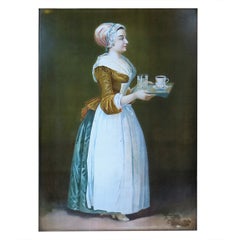
Advertising Sign La Belle Chocolatiere Walter Baker Co. Ltd., circa 1900
Located in Incline Village, NV
This is a very rare and iconic piece of early advertising, branding the Walter Baker Chocolate Company and standing over 4 feet tall. Much history surroun...
Category

Early 20th Century American Victorian Wood Decorative Art

Materials

Tin

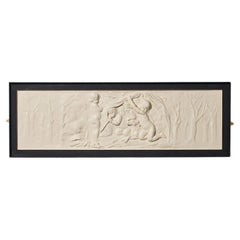
Neoclassical Style 20th Century Plaster Wall Plaque
Located in Wormelow, Herefordshire
A reclaimed neoclassical plaster wall plaque with a stunning painted matte black frame. In a large landscape form, this handcrafted plaque is decorated in relief depicting a romantic scene of cherubs or putti accompanied by a dog while they gather around a fire in an enchanted woodland...
Category

Mid-20th Century English Neoclassical Wood Decorative Art

Materials

Plaster, Wood

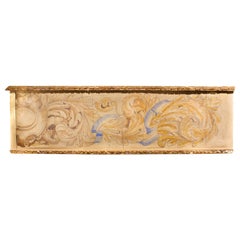
Italian Spolvero Rococo Print on Canvas with an Antique Frame Citrine Crystals
Located in Dublin, Dalkey
18th century Italian spolvero fresco pattern printed onto canvas and framed with an antique molding frame and citrine crystals. Spolvero is an artisti...
Category

18th Century Italian Rococo Antique Wood Decorative Art

Materials

Rock Crystal, Gold Leaf

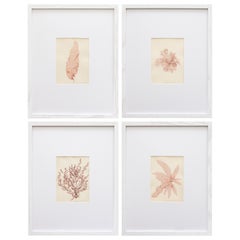
19th Century Rare Antique Pressed Seaweed Specimens, 1859 - set of four
Located in Pearland, TX
An exceptionally rare and well-preserved set of antique 19th century pressed seaweed herbarium specimens, sourced from Carmel-by-the-Sea, 1859. Seaweed collecting first became popula...
Category

Mid-19th Century American Antique Wood Decorative Art

Materials

Oak, Paper

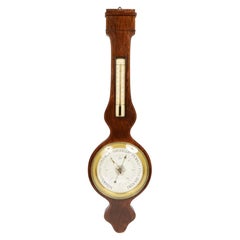
19th Century Feench Barometer Antique Scientific Instrument Weather Misure
Located in Milan, IT
Wooden barometer with cedar wood trim at the edges, signed Caux Opticien Rue Rivoli près du Louvre Paris, mid-19th century; dial with the meteorological indications on paper printed ...
Category

1850s French Antique Wood Decorative Art

Materials

Wood

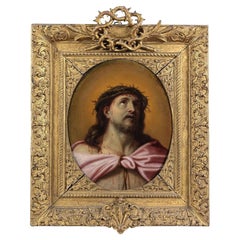
Italian 17th Century Oil on Canvas Head of Christ Crowned with Thorns, Mignard
By (circle of) Pierre Mignard
Located in Los Angeles, CA
A very fine Italian 17th century oval oil on canvas "Head of Christ Crowned with Thorns" Circle of Pierre Mignard (French, 1612-1695) within...
Category

17th Century French Baroque Antique Wood Decorative Art

Materials

Canvas, Giltwood

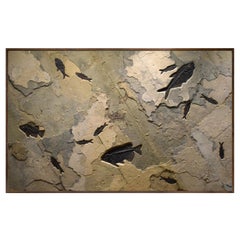
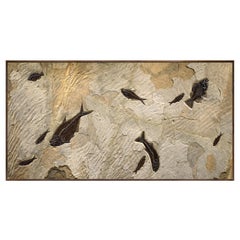
50 Million Year Old Fossil Fish Mural from the Green River Formation, Wyoming
Located in Logan, UT
Due to the unique composition and rarity of this museum-grade fossil, its value exceeds automated market estimates. This richly textured fossil fish mural features two Diplomystus d...
Category

2010s American Wood Decorative Art

Materials

Limestone

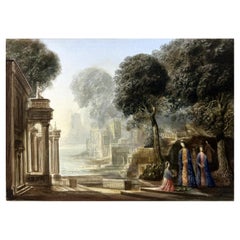
Antique English Italianate Framed Watercolor attr Harold Hitchcock George Stubbs
Located in Dublin, Ireland
ERROR IN LISTING: This listing is for ONE Painting, we are trying to fix this currently. Stunning Continental View possibly Venice, Italy. Watercolour on Artists board, first quarter of the Twentieth Century. Allthough not signed this beautiful Watercolour is firmly attributed to the work of English Artist Harold Hitchcock, who did not always add signature. Depicting Mountainous and Landscape views with three ladies...
Category

Early 20th Century Italian Edwardian Wood Decorative Art

Materials

Canvas, Giltwood

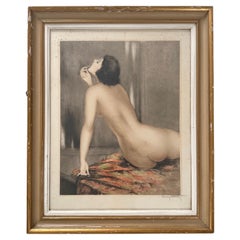
LOUIS ICART Art Deco Etching " Modern Eve ", Art Deco, signed and dated 1933
Located in leucate, FR
Louis Icart (French, 1888-1950) Modern Eve (H., C. & I. 424), 1933. Etching, drypoint and aquatint with handcoloring on wove paper, signed in pencil, with the blindstamp of the arti...
Category

1930s American Art Deco Vintage Wood Decorative Art

Materials

Glass, Wood, Paper

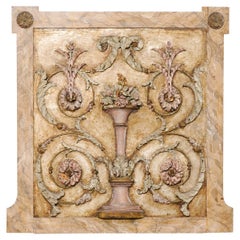
Neoclassical French Square Carved-Wood Plaque w/Early or Original Finish
Located in Atlanta, GA
A French carved-wood wall plaque from the early 19th century. This antique wall decoration from France features the Neoclassical stylings of swirling leaves and florals splaying outw...
Category

19th Century French Neoclassical Antique Wood Decorative Art

Materials

Wood

Tile Panel Douro Handmade Decorative
Located in Lisbon, PT
This handmade decorative tile panel combines the traditional Portuguese faience tile making techniques with a modern approach of shapes and color, res...
Category

2010s Portuguese Modern Wood Decorative Art

Materials

Faience, Wood

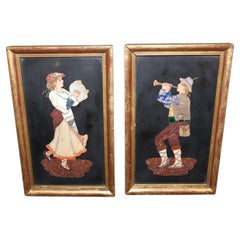
Pair of Antique Pietra Dura Marble Inlay Figural Plaques With Malachite
Located in Swedesboro, NJ
Dimensions: Height: 9 1/4 in Width: 5 3/4 in Depth: 3/4 in This vintage pair of Pietra Dura framed plaques is bound to bring a sense of sophisticat...
Category

Early 20th Century Italian Neoclassical Wood Decorative Art

Materials

Lapis Lazuli, Malachite, Marble

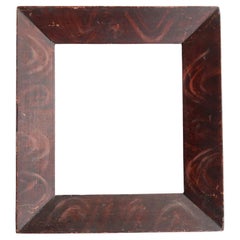
Antique Folk Art Painted Picture Frame. English, Circa 1830
Located in St Annes, Lancashire
Lovely painted picture frame Great piece of folk art Original paint. Painted on pine. The measurement given below is the outside of the frame Internally it measures 9.75 x 8.25 i...
Category

1820s English Folk Art Antique Wood Decorative Art

Materials

Pine

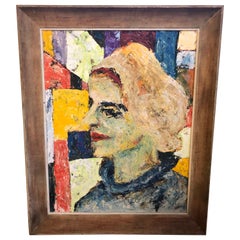
Mid century Impasto Portrait of a Woman
Located in Redding, CT
Mid Century Modern Impasto Portrait of a Woman. Heavy impasto painting on board. She reminds us of Jackie O with a headband but with white hair...
Category

1970s Mid-Century Modern Vintage Wood Decorative Art

Materials

Wood, Paint, Masonite

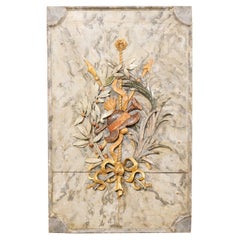
Italian Decorative Wall Panel Carved w/Helmet, Horn Arrows, 19th Century
Located in Atlanta, GA
An Italian hand-carved wall plaque, with its original painted and gilt finish, from the 19th century. This antique wall decoration from Italy features a rectangular-shaped molded surround, with quarter-circle inner edges, that frame a carved assemblage of helmet, horn, arrows, and foliate motif at center with carved-rope and bow-tied ribbon in gilt. The original hand-painted finish has a faux marble background in gray hues, with green, red and gilt accents on the center carvings. This 19th century Italy carved plaque...
Category

19th Century Italian Antique Wood Decorative Art

Materials

Wood

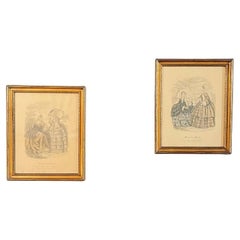
Pair of Vintage French Portrait Wood Frames
Located in Los Angeles, CA
Condition: Original Vintage Condition Materials: Gold-Leaf Guildwood Style: French Neoclassical
Category

1960s American Neoclassical Vintage Wood Decorative Art

Materials

Wood

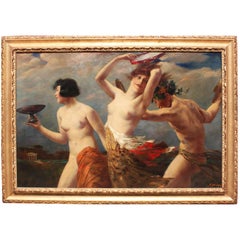
19th Century Oil on Canvas Bacchante Group Attributed to Leopold Schmutzler
Located in Los Angeles, CA
A large 19th century oil on canvas Bacchante group depicting two allegorical young semi-nude maidens dancing with pan, attributed to Leopold Schmutzler...
Category

Early 20th Century German Greco Roman Wood Decorative Art

Materials

Canvas, Giltwood

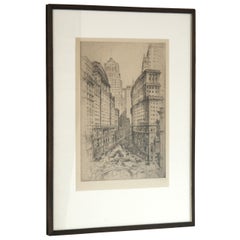
1927 Etching of Bowling Green Park New York by Anton Schutz
By Anton Schutz
Located in Chicago, IL
This signed etching of Bowling Green Park was done by Anton Schutz. It is dated 1927. It depicts a bustling scene in the Financial District of Lower Manh...
Category

Early 20th Century American Art Deco Wood Decorative Art

Materials

Glass, Wood, Paper

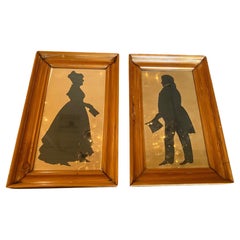
Wall Decoration Art Pair Silhouettes Black Framed Antique Los Angeles Gallery
Located in West Hollywood, CA
Wall Decoration Art Pair Silhouettes Black Framed Antique Los Angeles Gallery . Pair of silhouettes portrays the 19th century Lady and Gentleman With his Hat. This pair has been well taken care of and has minor wear consistent with the age. Wall art Silhouette of a Lady and a Gentleman framed in possible hand carved pine wood or fruitwood Frame. Charming elegant profile depicts high status man at ease with himself ensured his place in hierarchy looking sharp and same goes for the Lady holding what appears to be a document. The subjects are dapperly dressed with his top hat in his hand, trimmed haircut, leather boots and the lady with a nice Hairdo and an elaborate dress. An original continental French or British silhouette in a period fruitwood light color frames and are beveled. Antique dealer Los Angeles West Hollywood La Cienega Melrose Ave. The watercolor and paper cut silhouettes...
Category

19th Century European Antique Wood Decorative Art

Materials

Metal

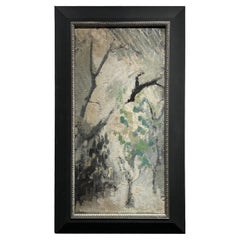
20th Century Green French Landscape, Forest Udile Oil Painting by Daniel Clesse
Located in West Palm Beach, FL
A green-grey, vintage Mid-Century Modern French "Udile" oil on wood painting of a landscape, painted by Daniel Clesse in good condition. The painting depicts colorful nature of a for...
Category

Mid-20th Century French Mid-Century Modern Wood Decorative Art

Materials

Wood

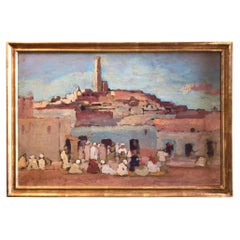
Orientalist Painting Wall Art Arab Market Scene Dutch G. Huijsser Antique Frame
Located in West Hollywood, CA
Orientalist Painting Wall Art Arab Market Scene Dutch G. Huijsser Antique Frame. Very nice oil on cardboard by Gerard Huijsser, Dutch painter, depicting a gathering of people in a or...
Category

Early 20th Century Dutch Wood Decorative Art

Materials

Wood, Giltwood

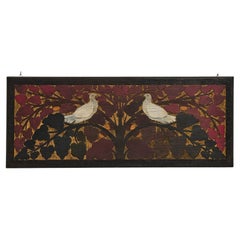
Pannello in legno con colombe, Gino Maggioni per Atelier di Varedo, Italia, 1920
Located in Milano, Lombardia
Pregiato pannello in legno intagliato e dipinto, raffigurante due colombe posate sui rami di un albero rigoglioso. L’opera fu concepita dall’architetto Gino Maggioni, che svolgeva u...
Category

1920s Italian Art Deco Vintage Wood Decorative Art

Materials

Wood

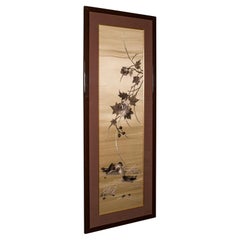
Tall Vintage Decorative Panel, Chinese, Framed, Silk Cotton Embroidery, C.1970
Located in Hele, Devon, GB
This is a tall vintage decorative panel. A Chinese, framed silk cotton embroidered display, dating to the late 20th century, circa 1970. Attractive golden tones to this charming pa...
Category

Late 20th Century Chinese Mid-Century Modern Wood Decorative Art

Materials

Silk, Glass, Wood

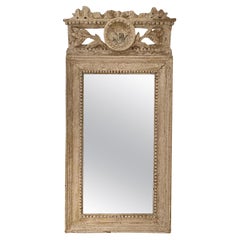
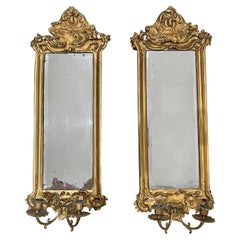
18th Century Swedish Gustavian Pair of Gilded Wood Wall Glass Mirrors
Located in West Palm Beach, FL
A gold, antique Swedish Gustavian pair of wall mirrors made of hand crafted gilded wood with its original mirrored glass, in good condition. The Scandinavian wall décor...
Category

18th Century Swedish Gustavian Antique Wood Decorative Art

Materials

Glass, Mirror, Giltwood

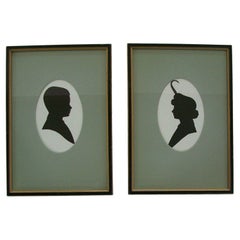
Vintage Pair Framed Cut Paper Cameo Silhouette Portraits, U.S., Early 20th C.
Located in Chatham, ON
Vintage pair cut paper cameo silhouette portraits - the hand cut portraits glued down to a cream color background - featuring facing profiles of a young man and woman - fine quality ...
Category

Early 20th Century American American Classical Wood Decorative Art

Materials

Gold Leaf

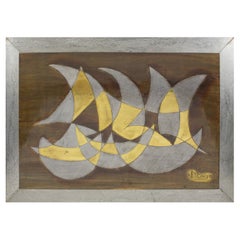
French Artist Jacques Potage Brutalist Wall Art Sculpture Panel, circa 1970
Located in Atlanta, GA
French artist Jacques Potage (1931-) designed this striking Brutalist wall art sculpture. The art piece was crafted circa 1970. Mounted on a wood plank covered with textured pewter, ...
Category

1970s French Modern Vintage Wood Decorative Art

Materials

Metal, Brass, Pewter

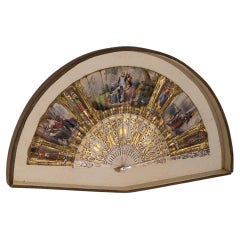
Silk fan in shrine from the late 1800s
Located in Milano, IT
The Italian silk fan in a vitrine from the late 1800s is a true masterpiece of craftsmanship and elegance. Housed in a beautiful alloy case, this antique fan...
Category

1890s Italian Neoclassical Antique Wood Decorative Art

Materials

Silk, Wood

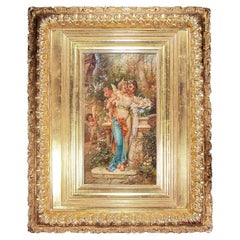
Hans Zatzka, Austrian Oil on Canvas Titled "Spring Love" Maiden with Cherubs"
Located in Los Angeles, CA
Hans Zatzka (Austrian, 1859-1945) a superb quality oil on canvas titled "Spring Love" depicting a standing young maiden holding a wicker basket filled with fresh flower as she is bei...
Category

1880s Austrian Belle Époque Antique Wood Decorative Art

Materials

Wood, Giltwood

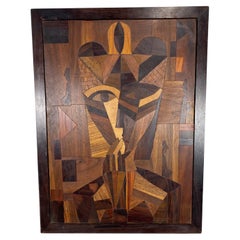
Abstract Modernist Wood Inlay / Wooden Marquetry Figure Wall Plaque
Located in Buffalo, NY
Abstract Modernist Wood Inlay / Marquetry Figure wall plaque. Hand executed..Art Deco , African influenced.Several mixed species of exotic woods.
Category

1940s American Folk Art Vintage Wood Decorative Art

Materials

Wood

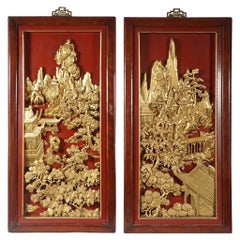
Four Chinese Carved, Lacquered and Gilded Panels
Located in Hudson, NY
These elaborate and deeply carved panels are mid-20th century. The carving is very detailed and on a rather deep heavy wooden panel. All the raised areas are richly detailed and gild...
Category

Mid-20th Century Chinese Wood Decorative Art

Materials

Wood

50 Million Year Old Fossil Fish Mural from the Green River Formation, Wyoming
Located in Logan, UT
Act fast to claim this exquisite piece of natural history, as our fossils will no longer be available through 1stDibs after October 31. A dynamic array of fossil fish flow through t...
Category

2010s American Wood Decorative Art

Materials

Limestone

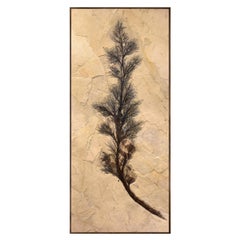
50 Million Year Old Fossil Palm Flower from the Green River Formation, Wyoming
Located in Logan, UT
Act fast to claim this exquisite piece of natural history, as our fossils will no longer be available through 1stDibs after October 31. This is an elegant palm flower specimen which was quarried from our private fossil quarry in the renowned Green River Formation in Wyoming. Fine quality fossil plant specimens from the Green River Formation are rare in general, and as each palm tree produces only a single palm flower per year, palm flowers are among our rarest finds. This exquisitely preserved fossil palm...
Category

2010s American Wood Decorative Art

Materials

Limestone

"VORTEX" Marquetry Artwork by Emma Wood
Located in Nr Abergavenny, Monmouthshire
This recent artwork from the w o o d p o p studio is an example of the type of modern marquetry that w o o d p o p is becoming synonymous with. Since its inception 10 years ago - the studio has specialised in marquetry and inlay work; meticulous art-forms where pieces of wood veneer are inlaid to create decorative designs or pictures. Emma Wood, who founded the studio 10...
Category

2010s Welsh Wood Decorative Art

Materials

Wood

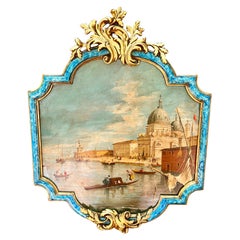
Venetian Canal Scene Set in Marbleized and Giltwood Frame
Located in Nashville, TN
Oil on board Venetian Canal Scene looking towards the mouth of The Grand Canal with Della Salute to one side . Typical in the Grand Tour style of 18th ,19th and 20th centuries ..
Category

Mid-20th Century Italian Baroque Wood Decorative Art

Materials

Wood

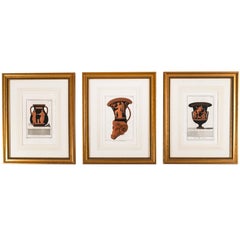
Set of Three Framed Prints Depicting Greek Apulian Red-Figure Pottery
Located in Palm Desert, CA
Set of three framed prints depicting Greek glassical red-figure pottery. Left print: Marked: T.XV. - "In Miis. Vaticano - Depicting Apulian Red-Figure bell krater...
Category

Late 19th Century Italian Classical Roman Antique Wood Decorative Art

Materials

Wood, Paper

18th Century Swedish Gustavian Pinewood Wall Glass Mirror - Scandinavian Décor
Located in West Palm Beach, FL
A late 18th Century, antique Swedish Gustavian wall mirror made of hand crafted Pinewood with its original mirrored glass, in good condit...
Category

18th Century Swedish Gustavian Antique Wood Decorative Art

Materials

Pine

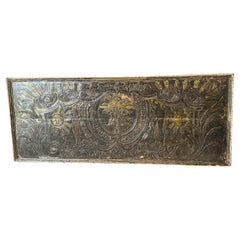
Spanish 18th Century Altar Facade
Located in Round Top, TX
A spectacular and exceptional 18th century Altar Facade from the Catalan region of Spain. Carved in wood and gilded with both gold and silver. To...
Category

Early 18th Century Spanish Antique Wood Decorative Art

Materials

Wood

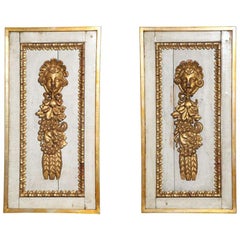
Pair of Late 18th Century Fragment Wall Panels
Located in West Palm Beach, FL
Pair of wall hangings, each antique fragment having painted and gilded frame with leaf detail, surrounding a classical carved giltwood face surmo...
Category

19th Century French Neoclassical Antique Wood Decorative Art

Materials

Wood, Giltwood

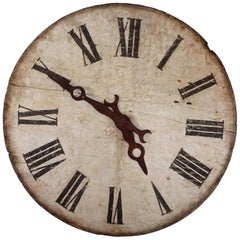
19th Century French Antique Round Wooden Clock - Napoleon III Large Wall Décor
Located in West Palm Beach, FL
This impressive round antique French clock face dates to the Napoleon III period, circa 1890, and is a rare surviving example of 19th-century French craftsmanship. Beautifully hand-c...
Category

Late 19th Century French Napoleon III Antique Wood Decorative Art

Materials

Metal

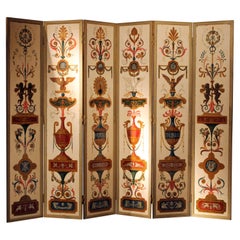
19th Century Italian Painted Wood Empire Folding Screen in Gilt Bronze Frame
Located in Firenze, IT
This one-of-a-kind antique Italian Empire Period folding screen is a masterpiece of early 19th-century craftsmanship, dating most likely from 1801 during the Republic of Lucca. Pain...
Category

Early 19th Century Italian Empire Antique Wood Decorative Art

Materials

Bronze, Ormolu

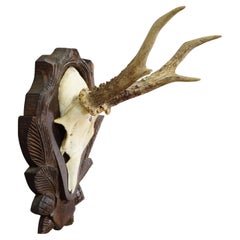
Black Forest Roe Deer Trophy on Carved Plaque, Germany ca. 1960s
Located in Berghuelen, DE
Black Forest Roe Deer Trophy on Carved Plaque, Germany ca. 1960s A vintage roe deer (Capreolus capreolus) trophy on a wooden carved plaque with carved oak leaves and acorns. The tro...
Category

1960s German Black Forest Vintage Wood Decorative Art

Materials

Antler, Wood

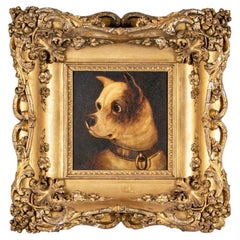
Whimsical Gilt Framed 19th C. Oil on Panel, Portrait of a Terrier
Located in Bridgeport, CT
An Antique portrait of a tan and brown terrier mix wearing its collar with ring. Mounted in a deep elaborately carved baroque style gilt frame. Measures: Painting 9 x 9", age crazed...
Category

19th Century Edwardian Antique Wood Decorative Art

Materials

Wood

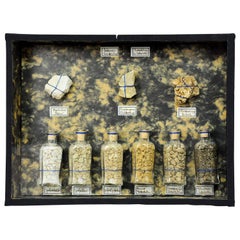
Showcase with Stone Specimen, Decomposition of Rocks, circa 1930
Located in Berghuelen, DE
Showcase with Stone Specimen - Decomposition of Rocks, ca. 1930 The vintage natural scientific specimen diorama shows the decomposition of rocks behind glass in a wooden case. It wa...
Category

Mid-20th Century German Mid-Century Modern Wood Decorative Art

Materials

Stone

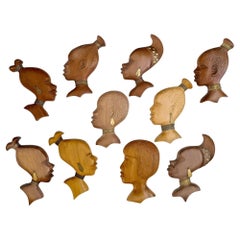
African Carved Wooden Women Heads in the Tribal Style.
Located in Bochum, NRW
Set of 10 African women's heads carved in wood in a tribal style. Great decorative effect in any decor. Some of them with metal ornaments in their hair or around their necks. Earring...
Category

Mid-20th Century African Tribal Wood Decorative Art

Materials

Metal

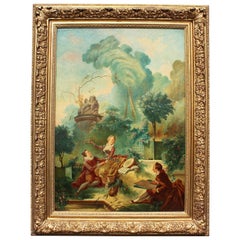
After Fragonard French 19th Century Oil on Canvas Progress of Love-Lover Crowned
Located in Los Angeles, CA
A large French 19th century oil on canvas (laid down on a masonite) "Les progrès de l'amour dans le cœur d'une jeune fille" The Progress of Love: The Lover Crowned, after Jean-Honoré...
Category

19th Century French Rococo Antique Wood Decorative Art

Materials

Masonite, Gesso, Canvas, Giltwood

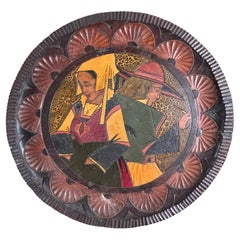
France Antique Paul Fouillen Arts Crafts Pyrography Platter Signed
Located in South Burlington, VT
From an old New England collection of fine Arts & Crafts furnishings. A handsome original deeply carved , pyrography, and stained round platter work of art, circa 1920 Signed rever...
Category

Early 20th Century French Arts and Crafts Wood Decorative Art

Materials

Wood, Pine

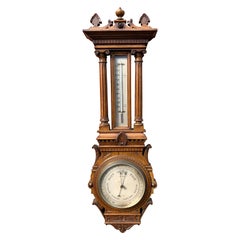
Large, Good Condition and Stylish Antique English Victorian Oak Wall Barometer
Located in Lisse, NL
Stunning design and top quality executed antique barometer. This late 19th-early 20th century, English manufactured wall barometer has everything that makes an antique worthwhile. F...
Category

Early 20th Century English Victorian Wood Decorative Art

Materials

Brass