Georgia - Asian Art and Furniture

to
39
883
11,207
5,371
835
47
1
66
9
5
2
2
168
354
313
48
148
74
28
25
4
9
15
14
16
5
4
2
5
330
305
176
140
127
831
788
391
224
166
883
882
883
29
17
12
8
7
Item Ships From: Georgia
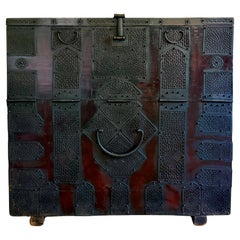
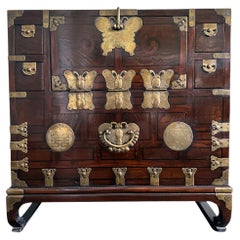
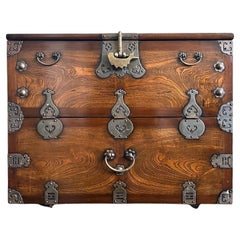
Rare Korean Pakch on Bandaji Chest Joseon Dynasty
Located in Atlanta, GA
An antique Korean wood Bandaji circa 19th century from the late Joseon Dynasty. Rarely available, this Bandaji was from Pakchon area in Pyongan Do (in nowadays North Korea). Known as...
Category

Late 19th Century Korean Other Antique Georgia - Asian Art and Furniture

Materials

Metal

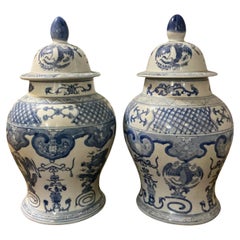
Mid-Century Chinese Export Blue And White Ceramic Pottery Ginger Jars - Pair
Located in Kennesaw, GA
This a pair of mid-century Chinese Export style blue and white ginger jars. They date approximately to the 60s. They are in very good condition.
Category

Mid-20th Century Chinese Chinese Export Georgia - Asian Art and Furniture

Materials

Pottery

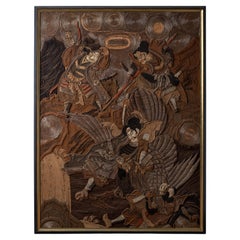
Japanese Samurai Battling Tengu Embroidered Tapestry, 19th Century
Located in Savannah, GA
A Meiji tapestry of silk, wool and gold thread depicting samurai battling tengu, 19th century. 56 ¼ inches wide by 74 ½ inches tall by 2 inches deep
Category

19th Century Japanese Meiji Antique Georgia - Asian Art and Furniture

Materials

Wool, Silk, Wood

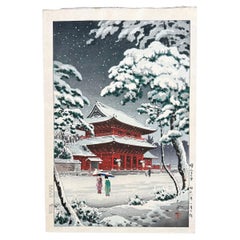
Fine Japanese Woodblock Print Zojoji Temple in Snow by Tsuchiya Koitsu
By Tsuchiya Koitsu
Located in Atlanta, GA
Japanese woodblock print by Tsuchiya Koitsu (1870-1949), entitled Zojoji Temple in Snow. The work was created by the artist in January Showa 8th year (1933) and depicts a serene snow...
Category

Mid-20th Century Japanese Showa Georgia - Asian Art and Furniture

Materials

Paper

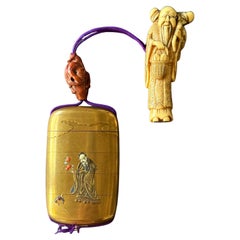
Fine Japanese Inro with Maki-e and Inlay by Shokasai and Shibayama
By Shibayama Factory
Located in Atlanta, GA
A Japanese four-case inro stringed together with a silk cord of a carved wood Ojime and a carved ivory netsuke circa 19th century of Edo period. This fine piece was made in collabora...
Category

19th Century Japanese Edo Antique Georgia - Asian Art and Furniture

Materials

Wood, Lacquer

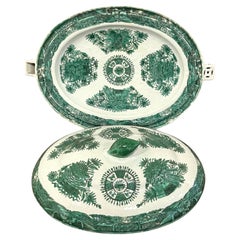
19th Century Chinese Export Green Fitzhugh Hot Water Platter- Tureen *
Located in West Palm Beach, FL
19th Century Chinese Export Green 'Fitzhugh' Hot Water Platter- Tureen * China, Circa 1850 * Reference Chinese Export Porcelain, Standard pattern...
Category

Mid-19th Century Chinese Chinese Export Antique Georgia - Asian Art and Furniture

Materials

Porcelain

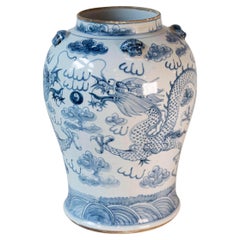
Chinese Export 20th Century Blue and White Porcelain Vase with Dragon Motifs
Located in Atlanta, GA
A Chinese Export blue and white porcelain vase from the 20th century, with dragon motifs. Created in China during the 20th century, this blue and white porcelain vase features a nice...
Category

20th Century Chinese Chinese Export Georgia - Asian Art and Furniture

Materials

Porcelain

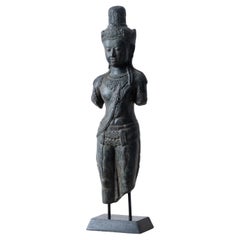
Cambodian Khmer Bronze Figure
Located in Savannah, GA
A Cambodian Khmer bronze fragmentary figure in the manner of the art of the Angkor Wat period, 20th century. 7 inches wide by 5 inches deep by 27 ½ inches tall
Category

20th Century Cambodian Georgia - Asian Art and Furniture

Materials

Bronze

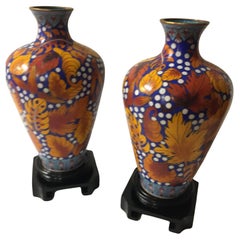
Antique Japanese Cloisonne Enamel Meiji Vases Petite Pair
Located in Savannah, GA
This colorful striking pair of antique Japanese bronze vases from the Meiji period are decorated with enamel using the cloisonne technique. Two matched vases with a relief pattern of...
Category

Early 1900s Japanese Anglo-Japanese Antique Georgia - Asian Art and Furniture

Materials

Enamel

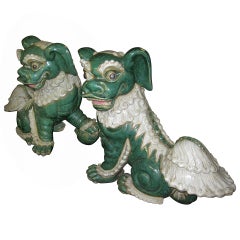
Late 19th century Pair of Glazed Porcelain Foo Dogs
Located in Savannah, GA
Extraordinary pair of fine glazed porcelain Foo dogs came to us out of an estate here in Savannah, Georgia, belonging to an old general that long ago brought them from Thailand. Used...
Category

1890s Chinese Qing Antique Georgia - Asian Art and Furniture

Materials

Porcelain

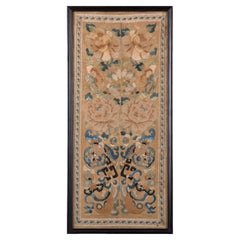
Chinese Silk Embroidered Panel, Qing, 19th Century
Located in Savannah, GA
A Chinese Qing Dynasty silk embroidered mirrored panel, 19th century. Sight: 9 by 21 inches frame: 10 ¼ by 22 ¼ inches
Category

19th Century Chinese Qing Antique Georgia - Asian Art and Furniture

Materials

Silk, Wood

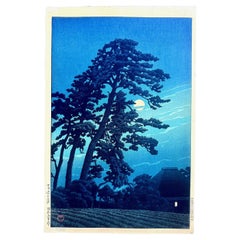
Rare Prewar First Edition Japanese Woodblock Print Moon at Magome Kawase Hasui
By Kawase Hasui 1
Located in Atlanta, GA
"Umagome no tsuki (Moon at Umagome) from the series Tokyo Nijukkei (20 Views of Tokyo), is inarguably one of the most beloved works by Japanese artist Kawase Hasui (1883-1951) create...
Category

1930s Japanese Modern Vintage Georgia - Asian Art and Furniture

Materials

Paper

Japanese Woodblock Print Evening at Tago Bay by Kawase Hasui
By Kawase Hasui 1
Located in Atlanta, GA
This print by Kawase Hasui (1883–1957), entitled Evening at Tago Bay (Tago no ura no yube), from the series Selected Views of the Tokaido Road (Tokaido fukei senshu) was created in S...
Category

1940s Japanese Modern Vintage Georgia - Asian Art and Furniture

Materials

Paper

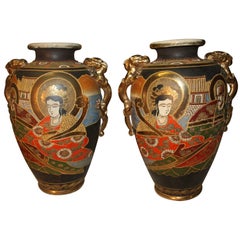
Pair of 19th Century "Satsuma" Vases
Located in Stockbridge, GA
Pair of 19th century Satsuma vases, Japan 19th century.
Category

Late 19th Century Japanese Antique Georgia - Asian Art and Furniture

Materials

Ceramic

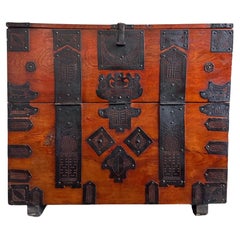
Antique Korean Pakch on Wedding Bandaji Chest Joseon Dynasty
Located in Atlanta, GA
An antique Korean wedding wood Bandaji circa 19th century from the late Joseon Dynasty. Rarely available, this Bandaji was from Pakchon area in Pyongan Do (in nowadays North Korea). ...
Category

Late 19th Century Korean Other Antique Georgia - Asian Art and Furniture

Materials

Metal

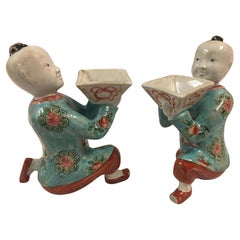
Pair of Porcelain Kneeling Chinese Boys Holding Shallow Single Blossom Vessels
Located in Savannah, GA
This whimsical pair of porcelain figures depict kneeling Chinese boys holding square containers suitable for single blossoms. The symmetry is graceful from all angles and the color p...
Category

1880s Chinese Chinese Export Antique Georgia - Asian Art and Furniture

Materials

Porcelain

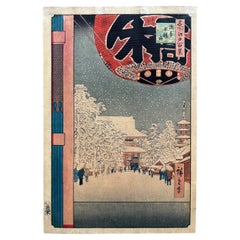
Japanese Woodblock Print Kinryuzan Temple at Asakusa by Utagawa Hiroshige
By Utagawa Hiroshige (Ando Hiroshige)
Located in Atlanta, GA
Title: Kinryuzan Temple at Asakusa from the series One Hundred Famous Views of Edo (Meisho Edo Hyakkei) Artist: Utagawa Hiroshige (Japanese, 1797–1858) Original published date: 7th m...
Category

Early 20th Century Japanese Edo Georgia - Asian Art and Furniture

Materials

Paper

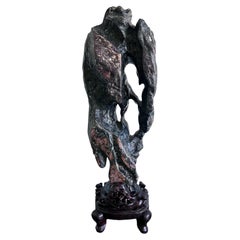
Large Chinese Scholar Rock Lingbi Stone on Display Stand
Located in Atlanta, GA
An impressive Chinese scholar Lingbi stone (also known as Gong Shi in Chinese; meditation stone and spirit rock in the West) of substantial height and mass on a carved wood display s...
Category

19th Century Chinese Qing Antique Georgia - Asian Art and Furniture

Materials

Stone

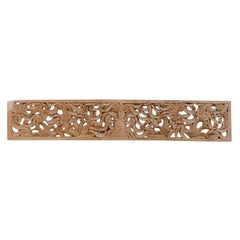
19th Century Asian Architectural Transom Panel with Pierced Carved Foliage
Located in Atlanta, GA
19th Century Asian Architectural transom panel with pierced carved foliage.
Category

19th Century Asian Antique Georgia - Asian Art and Furniture

Materials

Wood

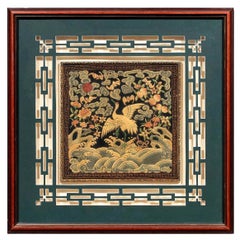
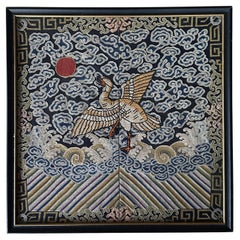
Framed Chinese Qing Dynasty Embroidered First Rank Badge
Located in Atlanta, GA
A finely embroidered silk civil rank badge panel presented with elaborate lattice mat and a wood frame circa mid to late 19th century (late Qing dynasty). The square rank badge is kn...
Category

19th Century Chinese Qing Antique Georgia - Asian Art and Furniture

Materials

Silk

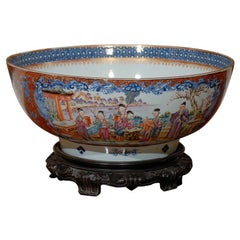
Large Chinese Export Punch Bowl, Painted Gilt Decoration in Mandarin Palette
Located in Atlanta, GA
Large & Very Fine Chinese Export Punch Bowl, with Painted & Gilt decoration in the Mandarin palette. Jingdezhen region, China ca. 1780.
Category

Late 18th Century Chinese Chinese Export Antique Georgia - Asian Art and Furniture

Materials

Porcelain

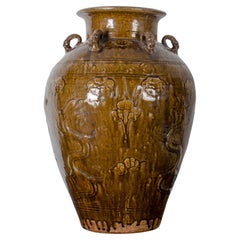
Large Martaban Storage Jar
Located in Savannah, GA
A large brown glazed Martaban storage jar, c. 17th-18th century. Tapering ovoid form with molded sides depicting dragons, cranes and floral ornamentation. Six dragon head looped ...
Category

18th Century Burmese Ming Antique Georgia - Asian Art and Furniture

Materials

Ceramic

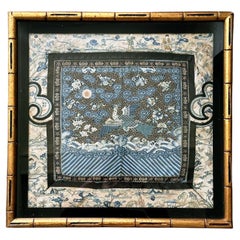
Framed Stunning Chinese Qing Dynasty Kesi Peacock Third Rank Badge
Located in Atlanta, GA
A silk civil rank badge panel beautifully framed in a gilt Baux bamboo carved wood frame circa Qing dynasty mid-19th century. The square rank badge is known in Chinese as Buzi which ...
Category

Mid-19th Century Chinese Qing Antique Georgia - Asian Art and Furniture

Materials

Silk

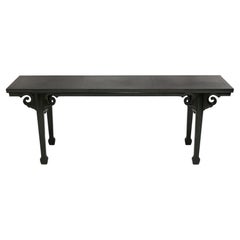
Asian Inspired Console Table by Michael Taylor for Baker In Your Choice of Color
By Baker Furniture Company, Michael Taylor
Located in Atlanta, GA
Asian inspired console table, designed by Michael Taylor for Baker, American, circa 1960s. Inspired by a traditional Asian altar table, th...
Category

1960s American Chinoiserie Vintage Georgia - Asian Art and Furniture

Materials

Wood

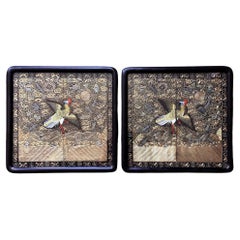
Pair Framed Superb Chinese Qing Dynasty Embroidered Peacock Third Rank Badge
Located in Atlanta, GA
A rare pair of finely embroidered silk civil rank badge panel framed in a black carved wood frame circa late Qing dynasty (mid-late 19th century). The square rank badge is known in C...
Category

19th Century Chinese Qing Antique Georgia - Asian Art and Furniture

Materials

Silk

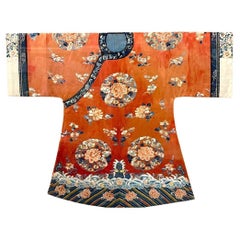
Frame Fine Embroidered Chinese Court Lady Casual Robe Qing Dynasty Provenance
Located in Atlanta, GA
A woman's court coat made from fine orange color silk with wide sleeves from Chinese Qing Dynasty (mid 19th century), mounted on linen canvas and presented on under a plexiglass shadow box with brass corner trims. This piece is part of the textile art collection of the former Xerox Corporate and still bears a metal tag that read "Xerox property no A2425". The semi-long Apricot color silk coat features elaborate embroidery work executed in superb workmanship. Perfectly symmetrical, the design follows the iconic Qing dynasty court tradition as an informal court coat. The bottom of the skirt is bordered with fine Li-Shui bands with rocks in the middle. Three large peony floral roundels form the focal points of the front. Two additional were placed on the shoulder (half visible). Numerous auspicious symbols were incorporated into the picture, including plum blossom, Chrysanthemum flower centered with Buddhism symbols, bats, butterflies, and magic mushrooms. The neck and skirt bands features archaic key motif, scrolling floral vines and Buddhist drums with ribbons. Examining the robe, one is struck by the fine workmanship. Long and short satin stiches were used widely. The peonies were created using forbidden knots (Peking Knote), one of the most challenging and time-consuming stiches in Qing textile. The robe carries a nice patina, reflecting in a mottled fading in the background that renders the piece a nice antique aurora...
Category

Mid-19th Century Chinese Qing Antique Georgia - Asian Art and Furniture

Materials

Silk, Plexiglass

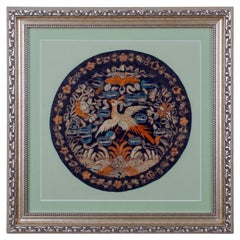
Chinese Qing Dynasty Roundel Rank Badge
Located in Savannah, GA
Offered is a Qing Dynasty civil rank badge. Centered in the embroidery is a silver pheasant. Sight 9 by 9 inches circle Frame 14 ⅛ by 14 ⅛ inches
Category

Late 19th Century Chinese Antique Georgia - Asian Art and Furniture

Materials

Textile, Glass, Wood

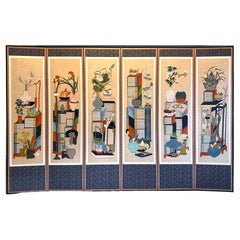
Korean Folding Chaekgeori Painted Scholar Floor Screen
Located in Atlanta, GA
A six-panel painted folding floor screen from Korea circa early 20th century. This type of screen is called Chaekgeori (books and things) which is quite unique to Korea. It became popular at the end of 18th century favored and encouraged by King Jeongjo (1752-1800) as a political tool to promote social conservatism such as the traditional Confucianism value, especially considered important in a time when waves of new ideology influx came to Korea. Initially commissioned for the royal court, they became increasingly popular with the scholars of noble and affluent households and were used widely in their halls and studies. Early screens were painted with trompe-l’oeil bookcases displaying books and arrays of collectibles. Later, the bookcases were eliminated to focus on the assemblage of neatly stacked books and objects of scholarly pursue. On this screen, the six panels were neatly presented and framed in woven brocade borders. Among the stacked volumes, one can find many fine porcelain vases with flowers, potted orchids, pen holders with brush pens and scroll paintings, incense burner, ink stone, teapot, fan with ink painting, vessels of fruits, exotic plants such as lotus, plumeria and even a pair of glasses. It feels like a pleasant visual measure hunting for the viewers. Several words in Chinese found their way into the picture as well, including filial (xiao), longevity (shou) and luck (fu). The painting was done in a meticulous way with no details overlooked and also with a rather western still-life dimensional perspective. In a rather unusual maximal but also minimalistic way, the screen exudes a historical charm with a folky flair but appears modern at the same time. Each panel is 17.5"w by 70.2"h. For general information on the subject see reference: Chaekgeori the Power and Pleasure of Possessions in Korean Painted Screens...
Category

20th Century Korean Folk Art Georgia - Asian Art and Furniture

Materials

Brocade, Silk, Wood, Paper

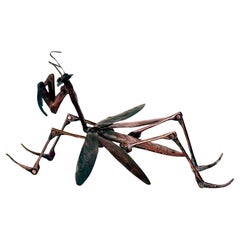
Japanese Articulate Praying Mantis Jizai Okimono Myochin Hiroyoshi Meiji
By Myochin Hiroyoshi
Located in Atlanta, GA
A rare articulate praying mantis made by Myochin Hiroyoshi in the late Meiji Period circa 1890-1900s. As an ornamental display item, this type of item is known in Japanese as Jizai O...
Category

Early 20th Century Japanese Meiji Georgia - Asian Art and Furniture

Materials

Copper

Antique Chinese Kesi Fourth Rank Badges Qing Dynasty
Located in Atlanta, GA
A fine silk kesi civil rank badge panel (known in Chinese as Buzi) framed and glazed. The fourth rank panel feature borders of fret archaic key and are cente...
Category

19th Century Chinese Qing Antique Georgia - Asian Art and Furniture

Materials

Silk, Giltwood

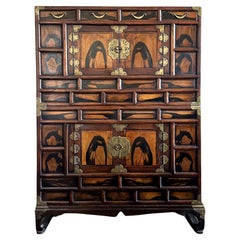
Korean Antique Pine and Persimmon Wood Stacking Nong Cabinets
Located in Atlanta, GA
A two-tier stacking storage cabinet on comforting stand, known as Nong in Korean, circa early 20th century (end of Joseon to Korean Empire Period). Each cabinet is fitted with a pair of paneled doors opening in the center to ample storage. The upper cabinet also has a row of four small drawers on top. The stacking cabinet directly sit directly on top of the support stand. Constructed in pine frame with exposed finger joints, they were simply finished in black lacquer on top and the sides. The facade of the cabinets, however, showcases meticulously chosen persimmon wood panels. The striking wood veneer with the bold black grains were perfectly matched in mirrored fashion. Visually arresting, the dark wood grains appear like bold strokes on an abstract ink painting. The yellow brass hardware is of relatively smaller sizes with subdued motifs in order not to overtake the beauty of the wood. They consist of drawer pulls, corner brackets, petal-form hinges and larger lock plates with cutout coin design. The interior was stripped clean showing the natural wood and some residues of old lining rice paper. We can trace the Nong cabinet on offer here to the more southern providences of the Korean Peninsula where Persimmon trees grow and were harvested, such as Jeolla Do or Chungcheong Do. The wood was beloved by Korean furniture makers in Yi dynasty and used on eye-catching pieces to emphasize the natural beauty of the wood. Examining the piece, one can see extensive and deep patina incurred from its age and previous use, yet the cabinet remains aesthetically stunning as an antique piece with an unexpected modern flare. For a similar two-tier chest with near identical configuration, size and wood used, see relic no 007182 in the collection of National Folk Museum of Korea in Seoul. The piece is also illustrated on the cover as well as page 46 of the book "Korean Antique...
Category

Early 20th Century Korean Other Georgia - Asian Art and Furniture

Materials

Brass

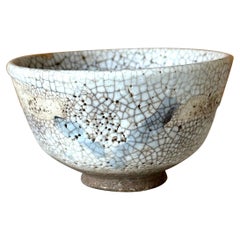
Japanese Shino Chawan Tea Bowl Edo Period
Located in Atlanta, GA
A Japanese ceramic Chawan (tea bowl) of e-Shino (painted Shino) ware style circa mid-late 18th century Edo period. The classically shaped bowl features an abstract blue paint of blue grass and displays strong characters in the milky white glaze, with overall crawling and crackling effect. One of the most distinctive characteristics of Shino that is exemplified on this bowl is the small pinholes called suana, which tea masters favor (termed as yuzuhada, or citron skin). The milky-white feldspar...
Category

Late 18th Century Edo Antique Georgia - Asian Art and Furniture

Materials

Ceramic

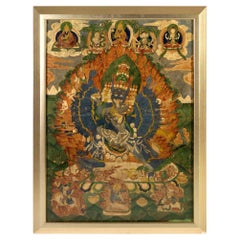
Framed Antique Tibetan Thangka of Yamantaka with Consort
Located in Atlanta, GA
An antique Tibetan Thangka with polychrome pigments on cloth, circa mid to late 19th century. It depicts Yamantaka, also known as Vajrabhairava, who is a wrathful manifestation of Manjusri, the bodhisattva of wisdom, and in other contexts he also functions as a dharmapala, or 'Dharma-protector'. The buffalo head deity Vajrabhairava is one of the three principal meditation deities of the Gelug School. He is shown with nine faces in the Yab Yum...
Category

19th Century Tibetan Tibetan Antique Georgia - Asian Art and Furniture

Materials

Textile

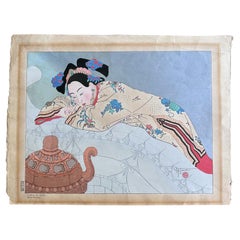
Japanese Woodblock Print Fumees de Santal by Paul Jacoulet
By Paul Jacoulet
Located in Atlanta, GA
A Japanese Woodblock print by Paul Jacoulet (French, 1896-1960) entitled Fumees de Santal. Mandchoukuo (Sandelwood Smoke. Manchuria). Created in 1948, this is one of the most success...
Category

1940s Japanese Japonisme Vintage Georgia - Asian Art and Furniture

Materials

Paper

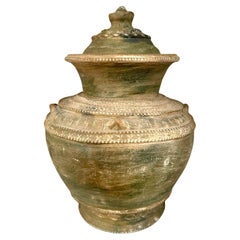
Korean Pottery Funerary Urn Unified Silla
Located in Atlanta, GA
A terracotta pottery funerary urn with lid from Korea Unified Silla Period, circa 9th century. The jar was in a classic globular form with raised shoulder. Although the surface was u...
Category

15th Century and Earlier Korean Other Antique Georgia - Asian Art and Furniture

Materials

Ceramic

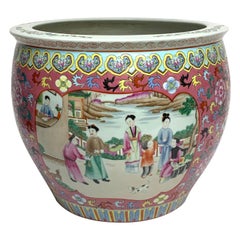
Fine Chinese Famille Verte Fishbowl
Located in West Palm Beach, FL
Fine Chinese Famille Verte fishbowl, with rich plum enameled background, two finely painted court scenes, the interior painted with goldfish and ...
Category

20th Century Chinese Chinese Export Georgia - Asian Art and Furniture

Materials

Porcelain

Fine Chinese Famille Verte Fishbowl
$1,560 Sale Price
20% Off
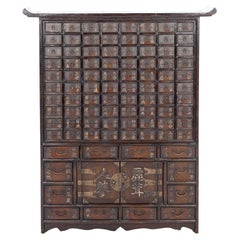
Fine Antique Tall Korean Medicine Chest Yakchang Provenance
Located in Atlanta, GA
A fine antique Korean medicine or apothecary chest from late Joseon Dynasty (circa 19th century). Known as Yakchang in Korean, this type of chest was used to sort and store herb medicines in its many small drawers. The prototype was originated in China, but this piece is distinctively Korean. The fine piece was made from Paulownia wood, which has an insect-repelling quality. Relatively tall, the Yakchang features a slightly overhanging and upturning pagoda plank top. The upper part has ten rows of smaller drawers, eight per row and eighty total. The lower part is centered with double doors with brass hinges and pull that open to a small storage space, which is surrounded by twelve larger drawers. Each drawer is fitted with yellow brass pulls and with two names of the herbs in gilt Hanja writings. Examination of the construction and patina shows that this is an authentic antique piece that has seen extensive historical use. Provenance: Purchase from Lucky-Chosun Furniture, Seoul, Korea in 1986 and remains in an American collection until now. With an original invoice and also a freight invoice from Korea to Hongkong. There is also an insurance appraised by Sotheby's from 1997. A tall medicine chest with similar configuration from a doctor's home in Yongin Folk Village is illustrated on plate 75 page 61 in the book "Korean Furniture and Culture" by Bokcha, Soon and Youngsoon. To compare with another Medicine Chest, see illustration on page 47 in "Korean Antique Furniture...
Category

19th Century Korean Other Antique Georgia - Asian Art and Furniture

Materials

Brass

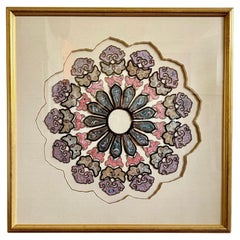
Framed Chinese Antique Embroidery Silk Collar Qing Dynasty
Located in Atlanta, GA
A silk collar from China dated to Qing Dynasty circa 19th century. Known as Yunjian (Cloud Shoulder or Cloud Collar), this multi-lobed textile piece was a detachable collar worn arou...
Category

19th Century Chinese Qing Antique Georgia - Asian Art and Furniture

Materials

Silk, Beads

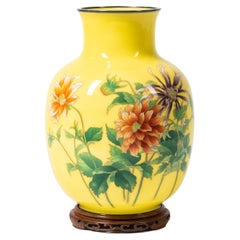
Japanese Cloisonné Vase Ando Jubei with Storage Box
By Ando Jubei
Located in Atlanta, GA
A beautifully decorated cloisonné vase with silver rims by Ando Jubei (1876-1956), the celebrated Japanese Shippo studio. The piece is dated to late Meiji to early Showa period circa...
Category

Early 20th Century Japanese Japonisme Georgia - Asian Art and Furniture

Materials

Metal, Silver, Enamel

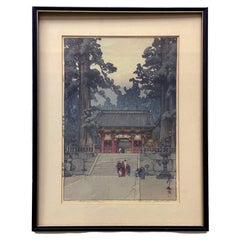
Framed Japanese Woodblock Print Yoshida Hiroshi Toshogu Shrine
By Hiroshi Yoshida
Located in Atlanta, GA
A Japanese woodblock print by Yoshida Hiroshi (1876-1950), entitled "Toshogu Shrine", The vertical oban format print was made in Showa 12th year (1937). On the left margin in grey in...
Category

1930s Japanese Showa Vintage Georgia - Asian Art and Furniture

Materials

Wood, Paper

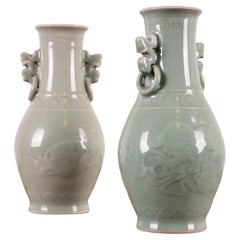
A Pair of Chinese Celadon Vases
Located in Savannah, GA
A pair of Chinese celadon vases, 20th century. 4 inches wide by 8 inches tall
Category

20th Century Chinese Georgia - Asian Art and Furniture

Materials

Celadon

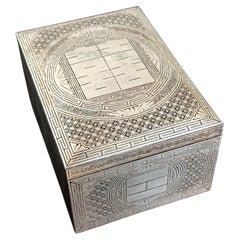
Fine Korean Box with Tray Iron with Silver Inlay Joseon Dynasty
Located in Atlanta, GA
A fine Korean iron box with intricate silver inlay dated to the late Joseon Dynasty circa 19th century. The body of the box is made from iron of a heavy weight although the wear on t...
Category

19th Century Korean Other Antique Georgia - Asian Art and Furniture

Materials

Silver, Iron

Fine Antique Korean Wedding Bandaji Chest Gyeonggi Do Joseon Dynasty
Located in Atlanta, GA
A Korean Bandaji Chest circa late 19th century toward the end of Joseon Dynasty from Gyeonggi Do. Bandaji is known as drop front half opening chest and was traditionally used to stor...
Category

19th Century Korean Other Antique Georgia - Asian Art and Furniture

Materials

Brass

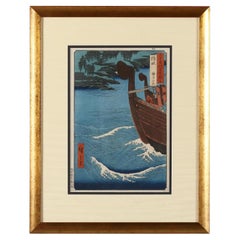
Japanese Woodblock Print Famous Views of the Sixty-Odd Provinces by Hiroshige
By Utagawa Hiroshige (Ando Hiroshige)
Located in Atlanta, GA
Artist: Utagawa Hiroshige (1797 - 1858) Series: Pictures of Famous Places in the Sixty-odd Provinces Number: 44 Oki Province: Takuhi Shrine Medium: Woodblock Print Date: 1853 (Kaei 6), 12th month Number of Prints: 70/70 (inc. Title Page) Format: Vertical Oban Size (H x W): 14" x 9.25" print only. Publisher: Koshimuraya Heisuke (Koshihei) Blockcutter's mark: Hori Ko-Sen Signature: Hiroshige hitsu Additional marks: Censor's seals: aratame, Ox 12 Displayed with mat and gilt wood frame. Reference: For an identical print, see the collection of MIA (Minneapolis Institute of Art) Accession Number P.75.51.398; MFA...
Category

1850s Japanese Edo Antique Georgia - Asian Art and Furniture

Materials

Paper

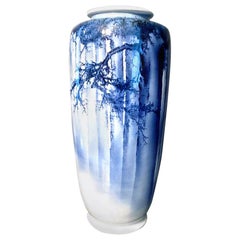
Large Japanese Blue and White Vase by Mazuku Kozan Meiji Period
By Makuzu Kozan
Located in Atlanta, GA
A striking blue and white vase from the studio of Japanese Potter Makuzu Kozan, also known as Miyagawa Kozan (1842–1916), one of the most established and collected ceramist from Meiji Period. Born as Miyagawa Toranosuke, Kozan established his pottery studio in Yokohama around 1870s and later became one of the appointed artist to the Japanese Imperial household. His work was exhibited in many international fairs that the Meiji government participated at the turn of the century and won many grand prizes. With a relative large size, this vase is decorated with underglaze cobalt blue using the novel technique developed by Kozan called Fuki-e (the blow painting), in order to achieve the striking dimensional misty winter landscape. The pine trees with upright trunks and down-sweeping branches appear receding into the depth of the mist, forming an visually unending forest. Known as one of the most creative ceramists, around 1880s, Kozan started experimenting with new chemical colors from the West in the format of his porcelain glaze. New colors allowed him to create underglaze design that appeared bright, smooth and glossy. He even invented his own receipt of cobalt blue to achieve a much brighter yet softer shade, as evident on this vase. To create landscape that is realistic and dimensional, more common in the western paintings, he was inspired by the native Japanese ink painting technique developed around 1900 by Yokoyama...
Category

Early 20th Century Japanese Japonisme Georgia - Asian Art and Furniture

Materials

Porcelain

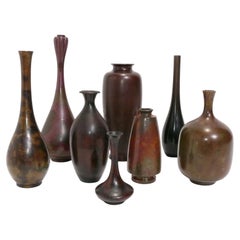
Japanese Bronze Vases Collection of Eight
Located in Atlanta, GA
Collection of Eight Japanese Bronze Vases, Japan, at least circa 1950s, some much earlier. The largest vase measures 12.75"H x 4.25"W. The smallest vase measures 5.25"H x 3"W. They r...
Category

1950s Japanese Japonisme Vintage Georgia - Asian Art and Furniture

Materials

Bronze

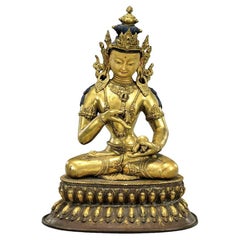
Fine Sino-Tibetan Bronze Statue of Vajrasattva Bodhisattva
Located in Atlanta, GA
On offer is an impressively large and finely cast Sino-Tibetan gilt antiquebronze statue of Vajrasattva Bodhisattva, circa 19th century maybe earlier. The deity is depicted seating i...
Category

19th Century Tibetan Tibetan Antique Georgia - Asian Art and Furniture

Materials

Bronze

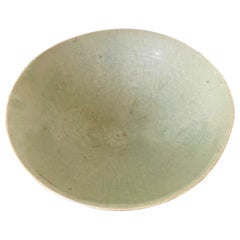
Celadon Ceramic Tea Bowl Korean Goryeo Dynasty
Located in Atlanta, GA
An antique Korean ceramic tea bowl with celadon glaze from Goryeo dynasty, circa 12th century. The thin-walled stoneware bowl was potted delicately with...
Category

15th Century and Earlier Korean Archaistic Antique Georgia - Asian Art and Furniture

Materials

Ceramic

Collection of Three Indian Sandstone Carved Heads of Deities
Located in Atlanta, GA
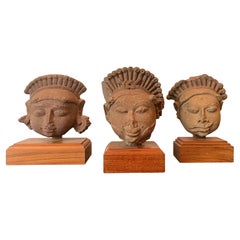
A collection of three carved sandstone heads on wood display stands from Northern India Rajasthan or Madhya Pradesh, circa 11-12th century. Fragmented from large whole-body statue, these red sandstone heads exhibit very fine carving, typical of Northern Indian Art during the medieval time. Two males and one female, they represent heavenly deities Yakshas and Yakshini. Their facial features were detailed with large almond-shape eyes under thin arched eyebrows. The males have characteristic facial hairs including curvy moustaches and tightly combed beard, both finely carved, and the female wears large spoke loop earrings. They all don fantastical hairstyles with serpent-like spiral locks and some with elaborate knots on top and above the sideburns. These deities are likely celestial musicians. A pair of full-body statues (lot 70) were offered for sale in Christie's Indian and Southeast Asian Art...
Category

15th Century and Earlier Indian Archaistic Antique Georgia - Asian Art and Furniture

Materials

Sandstone

Pair Chinese Embroidered Fourth Rank Badges Qing Dynasty
Located in Atlanta, GA
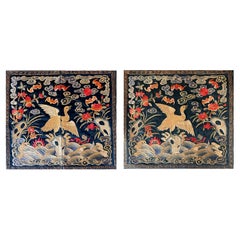
A fine matching pair of embroidered silk civil rank badge panels (known in Chinese as Buzi) unframed. The panels feature borders of fret archaic key a...
Category

Mid-19th Century Chinese Qing Antique Georgia - Asian Art and Furniture

Materials

Silk, Giltwood

Ceramic Tea Bowl with Mottled Yellow Glaze by Toshiko Takaezu
By Toshiko Takaezu
Located in Atlanta, GA
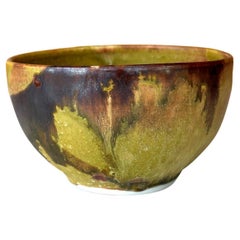
A glazed ceramic tea bowl (chawan) by Japanese American artist Toshiko Takaezu (American, 1922 - 2011). The hand-built bowl is covered with a striking matte glaze in mustard yellow w...
Category

1980s American Modern Vintage Georgia - Asian Art and Furniture

Materials

Ceramic

Rare and Large Japanese Porcelain Vase Makuzu Kozan
By Makuzu Kozan
Located in Atlanta, GA
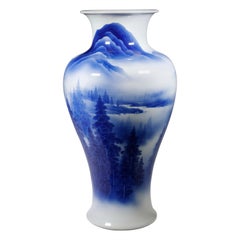
A striking blue and white vase from the studio of Japanese Potter Makuzu Kozan, also known as Miyagawa Kozan (1842–1916), one of the most established and collected ceramist from Meiji Period. Born as Miyagawa Toranosuke, Kozan established his pottery studio in Yokohama around 1870s and later became one of the appointed artist to the Japanese Imperial household. His work was exhibited in many international fairs that the Meiji government participated at the turn of the century and won many grand prizes. With an impressively large size, this vase was likely made and reserved as a presentation piece for one of the many expositions the studio participated in the early 20th century. It was decorated with underglaze cobalt blue using the novel technique developed by Kozan called Fuki-e (the blow painting), in order to achieve the striking dimensional literary landscape known as "Mountain and Water". Being one of the most creative ceramists, Kozan started experimenting with new chemical colors from the West in the format of his porcelain glaze around 1880s. New colors allowed him to create underglaze designs that appeared bright, smooth and glossy. He even invented his own receipt of cobalt blue to achieve a much brighter yet softer shade, as evident on this vase. To create landscape that is realistic and dimensional, more common in the western paintings, he was inspired by the native Japanese ink painting technique developed around 1900 by Yokoyama Taikan...
Category

Early 20th Century Japanese Japonisme Georgia - Asian Art and Furniture

Materials

Porcelain

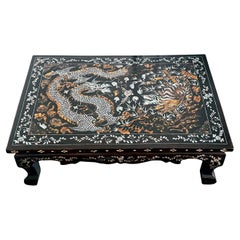
Musuem Quality Antique Korean Table with superb Inlay Joseon Dynasty
Located in Atlanta, GA
A Korean black lacquered wood low table with fine inlay works circa Joseon dynasty (19th century), Musuem quality. The low table was traditionally placed on the floor or bed and mean...
Category

19th Century Korean Other Antique Georgia - Asian Art and Furniture

Materials

Tortoise Shell, Mother-of-Pearl, Wood, Lacquer
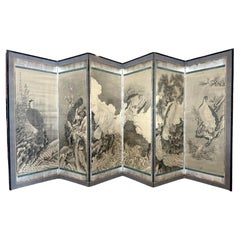
Rare Japanese Floor Screen of Perched Eagles Soga Shohaku Edo period
Located in Atlanta, GA
A rare six-panel Japanese folding floor screen (Byōbu) by Soga Shōhaku (1730-1781) from Edo period. The screen depicts six perched hawk-eagles in various poses positioned in a litera...
Category

18th Century Japanese Edo Antique Georgia - Asian Art and Furniture

Materials

Brocade, Wood, Paper

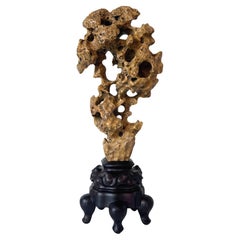
Chinese Yellow Scholar Taihu Stone on Wood Stand
Located in Atlanta, GA
A Chinese Taihu scholar rock is displayed on a carved wood base in an vertical form. Well-balanced and resembling a mushroom head, the stone is of an uncommon deep yellow color with ...
Category

Early 20th Century Chinese Chinese Export Georgia - Asian Art and Furniture

Materials

Limestone

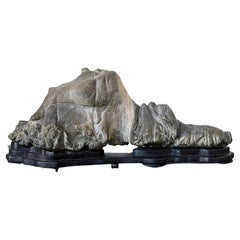
Chinese Scholar Stone Mountain Form with Display Stand
Located in Atlanta, GA
A small desk top Chinese scholar stones (also known as Gong Shi, meditation stone and spirit rock) on a fitted display wood stand circa 19th century. This is likely a grey Lingbi type stone with subtle arch mimics a horizontal mountain range. The wrinkles and folds on the greyish black surface were perfectly weathered by elements for millenniums. Smooth and rugged at the same time, the mountain range shows a poetic formation that was often depicted in the ink scroll...
Category

19th Century Chinese Chinese Export Antique Georgia - Asian Art and Furniture

Materials

Stone

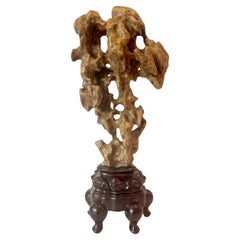
Chinese Scholar Rock Yellow Taihu Stone on Wood Stand
Located in Atlanta, GA
On offer is a tall Chinese Taihu scholar rock in an upright mushroom-cloud shape displayed on a custom wood stand. Well-balanced in form, the stone is of an uncommon deep yellow colo...
Category

Early 20th Century Chinese Chinese Export Georgia - Asian Art and Furniture

Materials

Limestone

Fine Antique Korean Bandaji Chest Gyeonggi Do Joseon Dynasty
Located in Atlanta, GA
A Korean Bandaji Chest circa late 19th century (toward the end of Joseon Dynasty). Bandaji is known as drop-front half opening chest and was traditionally used to store household val...
Category

Late 19th Century Korean Other Antique Georgia - Asian Art and Furniture

Materials

Brass

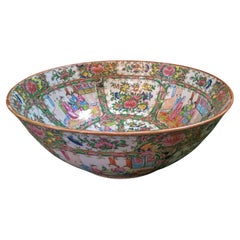
19thc Chinese Export Rose Medallion Punch Bowl Large Size
Located in Savannah, GA
This lovely large size Chinese Export Rose Medallion punch bowl was hand painted in the first half of the 19th century with overglaze enamels of pink, green, blue, gold and yellow ov...
Category

1840s Chinese Chinese Export Antique Georgia - Asian Art and Furniture

Materials

Ceramic

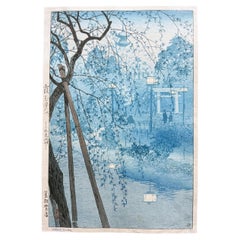
Japanese Woodblock Print Misty Evening Shinobazu Pond Shiro Kasamatsu
By Shiro Kasamatsu
Located in Atlanta, GA
A poetically ambient Japanese woodblock print by Shiro Kasamatsu (1898-1991). Entitled "Kasumu Yube, Shinobazu Chihan" (Misty Evening at Shinobazu Pond), the print is one of the best-known landscape works by the artist. In an unusual color variation of near monotone "Arizuri" blue, the print depicts a spring evening by the pond when the sunset is receding into the night. The dim light with a soft glow was wonderfully reflected in the image. Composed in a perspective that is more western view, the image of the figures taking the steps under the Torii gate plays hide and seek through the branches of the weeping willows by the pond. The nearly all blue color, facilitated only with the dark silhouette of the trunk, renders the imagery a moody emotion. On the left margin there is the Title in Japanese (霞む夕べ 不忍池畔)and the artist's name Kasamatsu Shiro...
Category

20th Century Japanese Showa Georgia - Asian Art and Furniture

Materials

Paper

Still Thinking About These?

All Recently Viewed