Georgia - Asian Art and Furniture

to
39
883
11,208
5,372
835
47
1
66
9
5
2
2
168
354
313
48
148
74
28
25
4
9
15
14
16
5
4
2
5
330
305
176
140
127
831
788
391
224
166
883
882
883
29
17
12
8
7
Item Ships From: Georgia
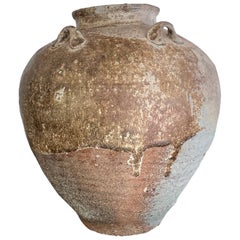
Antique Chinese Ceramic Tea Leaf Storage Jar Song-Yuan Dynasty
Located in Atlanta, GA
A stoneware pottery jar used for storage, made in southern China Fujian or Guangdong province since Song Dynasty for domestic use as well as export. They were widely exported to Japa...
Category

15th Century and Earlier Chinese Archaistic Antique Georgia - Asian Art and Furniture

Materials

Ceramic

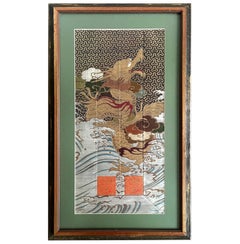
Framed Japanese Woven Textile Panel with Dragon Meiji Period
Located in Atlanta, GA
A framed Japanese woven textile circa late 19th century of Meiji Period. Likely a fragment of a priest robe or kesa, the multi-paneled textile was finely woven with gold foiled threads that depicts a five-clawed dragon slithering in the clouds and water...
Category

19th Century Japanese Meiji Antique Georgia - Asian Art and Furniture

Materials

Silk, Wood

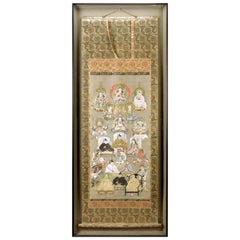
Japanese Silk Suijaku Scroll Nyorai-Kojin with Mixed Buddhism and Shinto Deities
Located in Atlanta, GA
A Japanese silk Suijaku hanging scroll beautifully presented in a custom wood shadow box frame from Edo period (circa 18-19th century). The scroll, surmounted on golden brocade was painted in fine details with gouache, ink and gold powder highlight, served as a Suijaku mandala for the worshippers. Honji Suijaku is a complicated religious concept uniquely developed in Japan. It mixed and hybrid the Buddism deities with native shinto spirits (known as Kami), which were seen as local manifestations (the suijaku, literally means a "trace") of Buddhist deities (the honji literally the original ground). The original idea may lie with the synergetic strategy to spread Buddism by making it more relatable to the local population who had already worshiped Shinto gods. The paradigm, adopted in the 10th century from an orignal Chinese concept, remained a defining feature of Japanese religious life up to the end of the Edo period (1868). Instead of being confined to deities, its application was often extended to historical figures as shown on this scroll. This long hanging scroll depicts an arrangement of 21 figures including Buddhism and Shinto deities as well as two historical figures on the bottom. Each figure was name-tagged in Kanji for easy identification by the worshippers. It was used in the temple or shrine so that when the worshipper prayed in front the mandala, they prayed simultaneously to all the deities. On the very top, sits Nyorai-Kojin, a hybrid deity of Nyorai Buddha and Kojin, the kaki for fire, stove and kitchen. From the top to bottom and left to right, here is the list of the deities: Kanon with Thousand Hands, Kanon with Willow Branch, Monju Bosatsu...
Category

Early 19th Century Japanese Edo Antique Georgia - Asian Art and Furniture

Materials

Silk, Wood

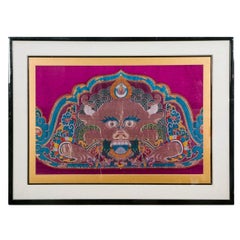
Framed Tibetan Woven Silk Kesi Panel of Kirtimukha
Located in Atlanta, GA
A woven silk Kesi panel depicts Kirtimukha from Tibet circa the second half of 20th century. Beautifully woven from short weft silk with superb coloring and ...
Category

20th Century Tibetan Tibetan Georgia - Asian Art and Furniture

Materials

Silk

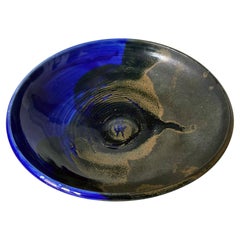
Large Ceramic Shallow Bowl with Brilliant Blue Glaze by Toshiko Takaezu
By Toshiko Takaezu
Located in Atlanta, GA
A glazed ceramic shallow bowl circa 1960s made by Japanese American artist Toshiko Takaezu (American, 1922 - 2011), whose work was heavily influenced by the Japanese ceramic traditio...
Category

Mid-20th Century American Modern Georgia - Asian Art and Furniture

Materials

Ceramic

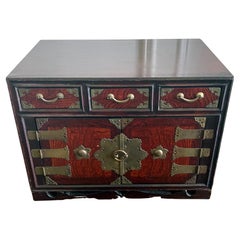
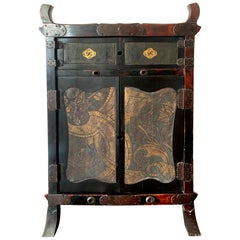
Small Korean Cabinet with Drawers Gakkesuri Joseon Dynasty
Located in Atlanta, GA
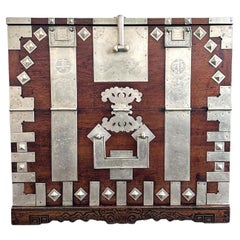
A small Korean mixed wood cabinet dated to Joseon Dynasty circa 19th century. The cabinet was used to keep valuables such as jewelries and money, often placed on the bed functioning ...
Category

19th Century Korean Other Antique Georgia - Asian Art and Furniture

Materials

Wood

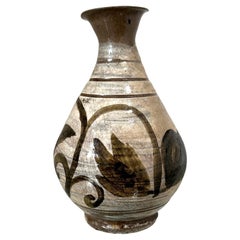
Korean Glazed Ceramic Vase Buncheong Ware Joseon Dynasty
Located in Atlanta, GA
A small antique Korean Buncheong stoneware vase from early Joseon Dynasty circa 16th century. The vase is of a classic pear form with a waisted neck, a flared mouth and a ringed base...
Category

16th Century Korean Other Antique Georgia - Asian Art and Furniture

Materials

Ceramic

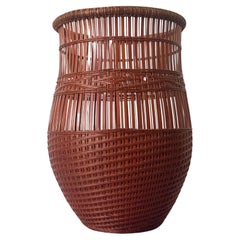
Japanese Contemporary Bamboo Basket by Abe Motoshi
By Abe Motoshi
Located in Atlanta, GA
A Japanese Ikebana basket woven by bamboo artist Abe Motoshi (Japanese, b. 1942). In an organic vase form with elegant, curved wall with reinfo...
Category

Late 20th Century Japanese Modern Georgia - Asian Art and Furniture

Materials

Bamboo, Rattan

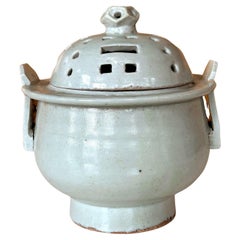
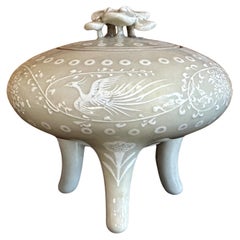
Korean Celadon Ritual Incense Burner Joseon Dynasty
Located in Atlanta, GA
An antique Korean ritual incense burner circa 19th century (late Joseon dynasty). This type of porcelain incense burner was made in Bunwon Kiln in Gwangju, Gyeonggi Do, near Seoul. U...
Category

19th Century Korean Archaistic Antique Georgia - Asian Art and Furniture

Materials

Ceramic

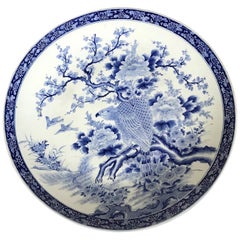
A Massive Antique Japanese Arita Porcelain Plate by Kajiwara Kiln
Located in Atlanta, GA
On offer is a truly impressive blue and white porcelain plate of Hizen ware, from Arita in Japan, circa mid to late-19th century. The plate was made by Kajiwara Kikujiro (菊次郎, the second Kiku son) and/or Kajiwara Kikusaburo (菊三郎, the third Kiku son who died in 1883) of the Kajiware Family Kiln of in Arita. It was decorated in a superb design with blue under-glaze, clearly out of a hand of a master. In a Classic Japanese composition that was popular in the Meiji Period, the plate displays a riot of auspicious elements, arranged still in a surprisingly harmonious manner. Anchoring the center of the design is an eagle perched on the branch of a blooming cherry tree, its talons clenching the bark and its wings about to open. The motion of the its immediate taking off is palpable. The trunk and the branches of the old cherry tree provide a spacial frame for the arrangement of large peonies with foliage, bundles of chrysanthemums, Chinese bell...
Category

19th Century Japanese Japonisme Antique Georgia - Asian Art and Furniture

Materials

Ceramic

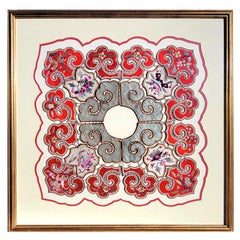
Framed Chinese Embroidered Silk Collar Qing Dynasty
Located in Atlanta, GA
An embroidered silk collar from China dated to late Qing Dynasty circa 19th century. Known as Yunjian (Cloud Shoulder or Cloud Collar), this multi-lobed t...
Category

Early 19th Century Chinese Qing Antique Georgia - Asian Art and Furniture

Materials

Silk

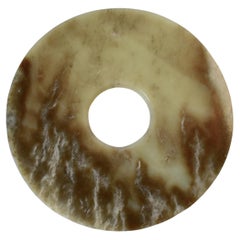
Archaic Jade Bi, Zhou Dynasty
Located in Atlanta, GA
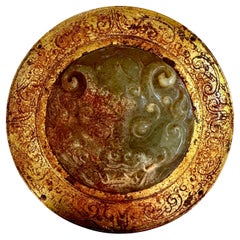
Translucent green and brown jade Bi from the Zhou Dynasty (1046 B.C. to 256 B.C.). The organic shapes created by the blending of these two main colors evoke a flame-like beauty, whil...
Category

15th Century and Earlier Chinese Antique Georgia - Asian Art and Furniture

Materials

Jade

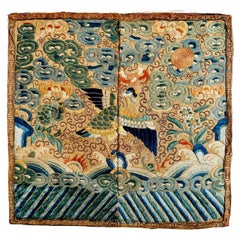
19th Century Civil Rank Badge with Mandarin Duck
Located in Atlanta, GA
Qing Dynasty silk embroidery rank badge decorated with a Mandarin duck, denoting an official of the Seventh Rank. Badges with ducks are re...
Category

19th Century Chinese Antique Georgia - Asian Art and Furniture

Materials

Silk

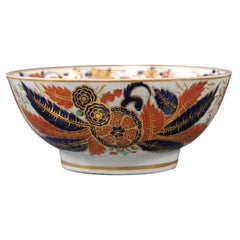
Spode “Tabacco Leaf” Punch Bowl after Chinese Export Design, England, ca. 1820
By B. Spode
Located in Atlanta, GA
Spode “Tabacco Leaf” Punch bowl after Chinese Export design, England ca. 1820.
Category

Early 19th Century English Chinese Export Antique Georgia - Asian Art and Furniture

Materials

Porcelain

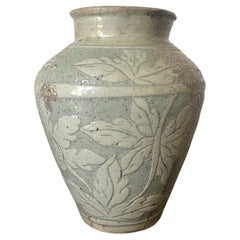
Antique Korean Buncheong Ceramic Vase with Incised Designs
Located in Atlanta, GA
A Korean ceramic bottle form jar of Buncheong ware circa 15-16th century Joseon Dynasty. The surface of the jar features a celadon glaze and an elaborate incised design of large flor...
Category

16th Century Korean Archaistic Antique Georgia - Asian Art and Furniture

Materials

Ceramic

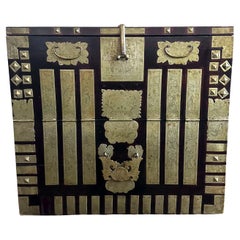
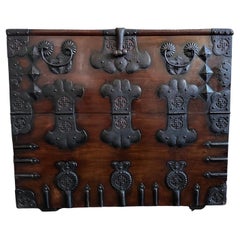
Antique Korean Bandaji Chest Pyongyang Joseon Dynasty
Located in Atlanta, GA
Bandaji is known as drop front half-opening chest that was used to store family valuables and beddings. The Bandaji on offer was made in Pyongyang region of Pyongan Do (province) in ...
Category

19th Century Korean Other Antique Georgia - Asian Art and Furniture

Materials

Brass

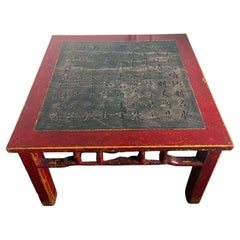
Chinese Lacquered Wood Table Stone Top with Carved Essay
Located in Atlanta, GA
A Chinese antique table from Northern China likely Shanxi Province circa late Qing dynasty to Republic period (late 19th century). The square for...
Category

19th Century Chinese Export Antique Georgia - Asian Art and Furniture

Materials

Stone

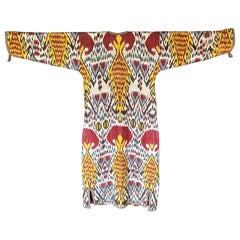
Vintage Woven Ikat Chapan Robe Central Asia Uzbekistan
Located in Atlanta, GA
Chapan is the iconic front-open flowing robe traditionally worn by the nomadic people in Central Asia. In countries like Uzbekistan, it was almost the old national costume. This Uzbek chapan...
Category

Early 20th Century Uzbek Tribal Georgia - Asian Art and Furniture

Materials

Cotton

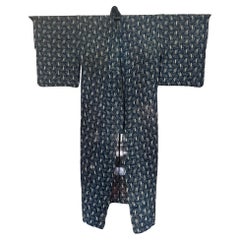
Japanese Woven Ikat and Stenciled Summer Usumono Kimono Meiji Period
Located in Atlanta, GA
On offer is a “Natsu No Kimono” (summer kimono) also called “Usumono" (thin clothes) dated from late Meiji Period circa late 19th to early 20th century. This well-preserved garment w...
Category

Early 20th Century Japanese Meiji Georgia - Asian Art and Furniture

Materials

Linen

Japanese Maki-e Lacquered Wood Kodansu Small Chest with Drawers Meiji Period
Located in Atlanta, GA
An antique Japanese Kodansu with two compartments and multiple drawers with red lacquer finish and gold Maki-e and wonderful Raden shell inlays decoration. This rather unusual piece ...
Category

19th Century Japanese Meiji Antique Georgia - Asian Art and Furniture

Materials

Wood, Lacquer

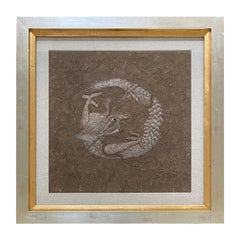
Framed Japanese Relief Embroidery Textile Art of Dragon
Located in Atlanta, GA
A beautiful Japanese textile art panel with an embroidered dragon on a swirling cloud background, nicely framed with a linen matt in an antique-fi...
Category

1890s Japanese Japonisme Antique Georgia - Asian Art and Furniture

Materials

Silk, Wood

Antique Framed Japanese Silk Kesa Monk s Robe Edo Period
Located in Atlanta, GA
A Japanese Kesa (Monk's Vestment) made from thirteen columns of patchworks of brocades set within a border of the same material. The brocade was woven from a subtle color palette of ...
Category

19th Century Japanese Edo Antique Georgia - Asian Art and Furniture

Materials

Brocade, Silk

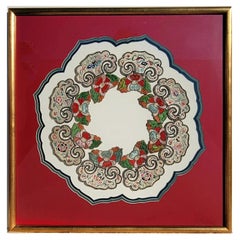
Framed Chinese Embroidered and Appliqued Silk Collar Qing Dynasty
Located in Atlanta, GA
A silk collar from China dated to late Qing Dynasty circa 19th century. Known as Yunjian (Cloud Shoulder or Cloud Collar), this multi-lobed textile piece was a detachable collar worn around the shoulders as part of the traditional Chinese garment accessory. With its origin dated back to the Han Dynasty and being used until the end of Qing Dynasty, the form evolves with time, but much of the ornamentation and fundamental symbolism remains the same. This striking example features a two-tiered design with eight lobes on each circle, all of which are variations of the shape of auspicious "ruyi", which represents the head of Lingzhi mushroom, a symbol of longevity. The inner lobes were made with appliqued patchwork of colorful silk. The outer lobes feature elaborate embroidery of assortment of colorful flowers, scrolling ribbons and butterfly, using mostly long and short satin stitches. The borders and outlines of the designs were lineated with metallic threads buddled in chain stitches. Small black pearls were used to link the piece together and most of them still remain. In Qing Dynasty, the silk collar with high quality was worn by noble or aristocratic women. The red color and the lotus boy symbol indicate that it was most likely part of the fashion accouterment worn during wedding ceremony. The collar is beautifully float mounted within a double conforming mat in a giltwood frame and wood backing. A stunningly presented period piece with story to tell. Reference: For a collection of Chinese embroidered collars...
Category

Early 19th Century Chinese Qing Antique Georgia - Asian Art and Furniture

Materials

Silk

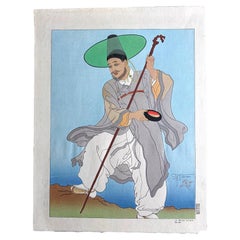
Japanese Woodblock Print Le Bonze Errant by Paul Jacoulet
By Paul Jacoulet
Located in Atlanta, GA
A Japanese Woodblock print by Paul Jacoulet (French, 1896-1960) entitled Le Bonze Errant. Coree (The Wandering Buddhist Priest, Korea). Created in 1948, this wonderful print showcase...
Category

1940s Japanese Japonisme Vintage Georgia - Asian Art and Furniture

Materials

Paper

Japanese Bamboo Basket Ikebana by Hayakawa Shokosai IV
By Hayakawa Shokosai IV
Located in Atlanta, GA
A lovely Japanese bamboo basket by Hayakawa Shokosai IV, the fourth generation of the Shokosai lineage, one of the best known in the Japanese Bamboo art...
Category

1920s Japanese Japonisme Vintage Georgia - Asian Art and Furniture

Materials

Bamboo

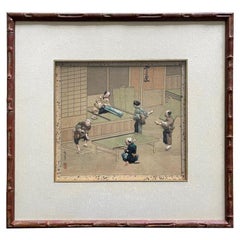
Framed Japanese Oshi-E Textile Art Meiji Period
Located in Atlanta, GA
On offer is the last one of the set of seven framed Japanese textile art called Oshi-E circa Meiji Period (1868-1912). This rare set consists ...
Category

1890s Japanese Japonisme Antique Georgia - Asian Art and Furniture

Materials

Giltwood, Silk

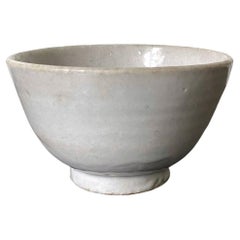
Antique Korean Ceramic White Bowl Joseon Dynasty
Located in Atlanta, GA
A Korean ceramic rice bowl covered in a white glaze with a hint of bluish green color circa 19th century toward the end of Joseon Dynasty. The deep bowl...
Category

19th Century Korean Other Antique Georgia - Asian Art and Furniture

Materials

Ceramic

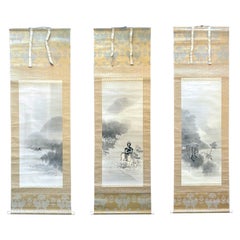
Rare Triptych Scroll Paintings by Watanabe Seitei Meiji Period
Located in Atlanta, GA
A set of three paintings of ink and watercolor on silk mounted within brocade borders as scrolls by Watanabe Seitei (1851-1918). This is a very rare an...
Category

Early 1900s Japanese Japonisme Antique Georgia - Asian Art and Furniture

Materials

Brocade, Silk, Wood

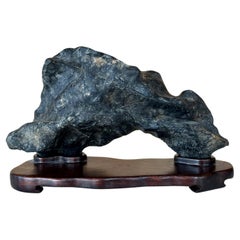
Chinese Lingbi Scholar Stone Arched Form on Display Stand
Located in Atlanta, GA
A small desk top Chinese scholar stones (also known as Gong Shi, meditation stone and spirit rock) fitted on a hand-carved wood stand circa late 19th century. The specimen is of a black Lingbi type stone in an arch form mimicking a horizontal mountain range. The wrinkles and folds on the black surface were perfectly weathered by elements for millenniums. Smooth and rugged at the same time, the mountain range shows a poetic formation that was often depicted in the ink scroll...
Category

19th Century Chinese Qing Antique Georgia - Asian Art and Furniture

Materials

Stone

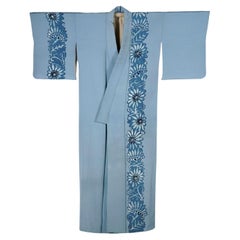
Elegant Vintage Japanese Silk Kimono with Shibori Band Design
Located in Atlanta, GA
A Japanese formal silk Kimono in a light blue color with striking floral design. The garment is hand-stitched from a crepe like silk and dated to circa 1940-60s. The garment is spars...
Category

Mid-20th Century Japanese Japonisme Georgia - Asian Art and Furniture

Materials

Silk

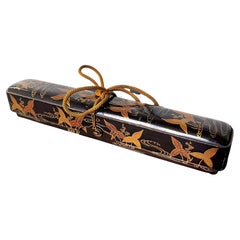
Japanese Lacquered Maki-E Fubako in Kodaiji Style
Located in Atlanta, GA
A rare Japanese lacquered wood fubako decorated in Kodaiji maki-e style circa early 17th century the beginning of the Edo period, possibly early toward the end of the Azuchi-Momoyama period. The rectangular, long and slim box features a deep lipped lid with slightly rounded corners, a conforming lower box with two bronze medallion rings with tasseled...
Category

Early 17th Century Japanese Edo Antique Georgia - Asian Art and Furniture

Materials

Wood, Lacquer

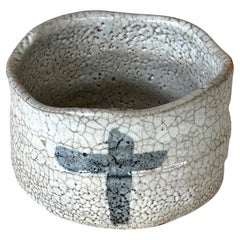
Japanese Shino Ware Chawan Tea Bowl by Toyoda Katsuhiko
Located in Atlanta, GA
A modern Japanese ceramic tea bowl (chawan) made by potter Toyoda Katsuhiko (1945-). The bowl was potted in clog form with a short ring foot in the tradition of Shino ware...
Category

20th Century Japanese Edo Georgia - Asian Art and Furniture

Materials

Ceramic

Han Dynasty Jade and Gilt Bronze Pendant with Taotie Mask
Located in Atlanta, GA
Sumptuously mounted carved jade pendant decorated with Taotie mask, with incised gilt bronze fitting, Han Dynasty (206 B.C. to 220 A.D.). This piece, which has four holes in the gil...
Category

15th Century and Earlier Chinese Antique Georgia - Asian Art and Furniture

Materials

Jade, Bronze

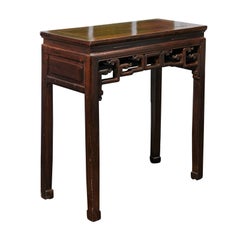
Console Table
Located in Atlanta, GA
Chinese wine or console table with a pierced and carved front apron.
Category

20th Century Chinese Qing Georgia - Asian Art and Furniture
Large Asian Bronze Foo Dogs
Located in Atlanta, GA
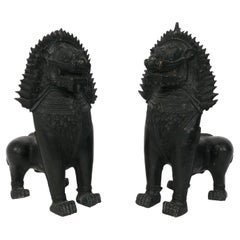
Pair of Large Asian Bronze Foo Dogs or Kylin Dragon, probably Chinese, circa 1950s or earlier. They retain their warm original patina. These were purch...
Category

1950s Chinese Chinese Export Vintage Georgia - Asian Art and Furniture

Materials

Bronze

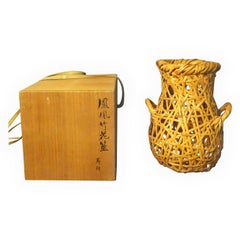
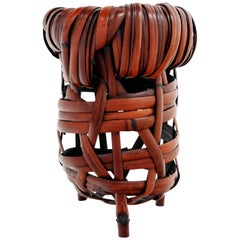
Japanese Bamboo Basket Ikebana by Abe Motoshi
By Abe Motoshi
Located in Atlanta, GA
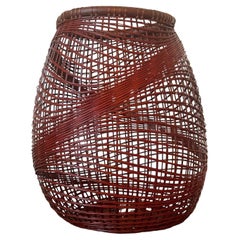
A Japanese Ikebana bamboo basket woven by artist Abe Motoshi (Japanese, b. 1942). Constructed with lacquered reddish Madake bamboo and rattan with technique of open and irregular twinning, the basket features an organic form with undulating woven surface with wavy crossing lines. The basket appears simple and refined, but the making process is deceivingly sophisticated. Clean and precise, it is of the signature style of Abe Motoshi's. The basket is signed on the base. It comes with the original tomobako storage box with inscription of the title on the lid as well as the artist's name and seal under the lead. A yellow wrapping cloth and a printout of the artist's biography from Tai Modern...
Category

Early 2000s Japanese Modern Georgia - Asian Art and Furniture

Materials

Bamboo, Rattan

Antique Korean Wedding Bandaji Chest Pyongyang Joseon Dynasty
Located in Atlanta, GA
A striking Korean wedding Bandaji with beautiful original condition and patina circa 19th century of late Joseon Dynasty. Bandaji is known as drop front half-opening chest that was u...
Category

19th Century Korean Other Antique Georgia - Asian Art and Furniture
Materials

Metal

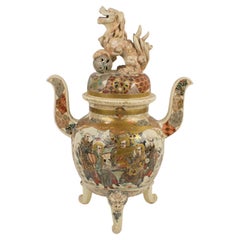
Meiji Satsuma Earthenware Urn or Vase with Foo Dog Sculpture, circa 1880
By Satsuma
Located in Atlanta, GA
A magnificent testament to the artistry of the Japanese Meiji period (1868-1912), this rare Satsuma earthenware urn is an extraordinary find. Crafted in Japan circa 1880, its delicat...
Category

Late 19th Century Japanese Meiji Antique Georgia - Asian Art and Furniture

Materials

Earthenware

Contemporary Japanese Bamboo Sculpture Fujinuma Noboru
By Fujinuma Noboru
Located in Atlanta, GA
A woven bamboo sculpture in a basket (ikebana) form named "Dragonfly" by Japanese bamboo artist Fujinuma Noboru (b. 1945) circa 2003. Constructed f...
Category

Early 2000s Japanese Organic Modern Georgia - Asian Art and Furniture

Materials

Bamboo

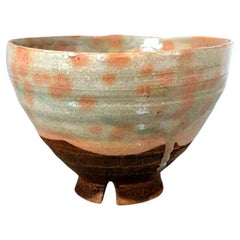
Japanese Glazed Ceramic Gohon Chawan Tea Bowl
Located in Atlanta, GA
A bespoken Japanese ceramic glazed tea bowl with fabric insert, pouch and original padded wood tomobako box. The chawan has a slightly irregular wall supported by a high notched foot...
Category

19th Century Japanese Meiji Antique Georgia - Asian Art and Furniture

Materials

Ceramic

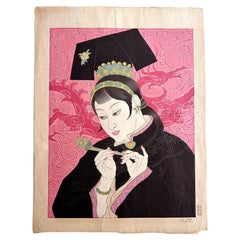
Japanese Woodblock Print Les Jades Chinoise by Paul Jacoulet
By Paul Jacoulet
Located in Atlanta, GA
A Japanese Woodblock print by Paul Jacoulet (French, 1896-1960) entitled Les Jades Chinoise (Jade Lady Chinese). Created in 1940, this is the most popular and recognizable print by t...
Category

1940s Japanese Japonisme Vintage Georgia - Asian Art and Furniture

Materials

Paper

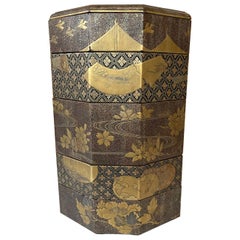
Japanese Maki-e Lacquer Stack Box Jubako
Located in Atlanta, GA
An antique jubako (stack boxes) with five tiers in an elongated octagon shape circa 19th century (end of Edo or beginning of Meiji period). jubako was traditionally used to store and...
Category

19th Century Japanese Japonisme Antique Georgia - Asian Art and Furniture

Materials

Wood, Lacquer

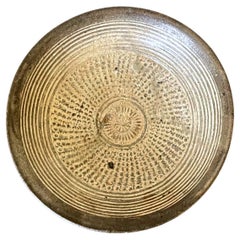
Small Korean Stoneware Bungcheong Bowl Joseon Dynasty
Located in Atlanta, GA
A small Korean ceramic shallow bowl on ringed foot in the classic Buncheong (or Punch'ong) style from Joseon Dynasty circa 15-16th century. Originally intended for wine-drinking like...
Category

16th Century Korean Archaistic Antique Georgia - Asian Art and Furniture

Materials

Ceramic

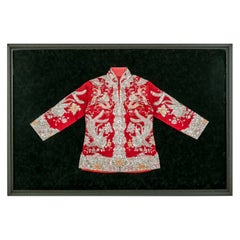
Framed Chinese Embroidery Southern Bridal Jacket
Located in Atlanta, GA
A framed vintage Chinese embroidered bridal jacket called "Gua", which is the upper part of the two-piece wedding assemble called "Qun Gua", with the low...
Category

Late 20th Century Chinese Chinese Export Georgia - Asian Art and Furniture

Materials

Silk, Glass, Wood

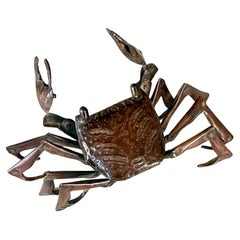
Small Japanese Articulate Crab Jizai Okimono Meiji Period Signed
By Myochin Hiroyoshi
Located in Atlanta, GA
A small copper crab with articulated legs made by Myochin Hiroyoshi in the late Meiji Period circa 1890-1900s. One of the pair (the other one is listed separately LU945044034102, bu...
Category

Early 20th Century Japanese Japonisme Georgia - Asian Art and Furniture

Materials

Copper

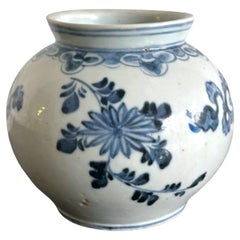
Fine Korean Porcelain Jar with Chrysanthemum Design Joseon Dynasty
Located in Atlanta, GA
A fine Korean white porcelain jar with underglaze blue painting circa second half of 19th century, Joseon Dynasty. Considered associated with Punwon-ri kilns in Gwangju, these types ...
Category

Late 19th Century Korean Other Antique Georgia - Asian Art and Furniture

Materials

Porcelain

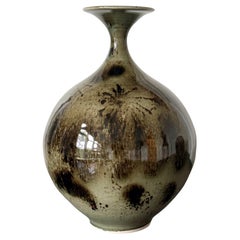
Early Ceramic Vase with Unique Glaze Pattern by Brother Thomas Bezanson
By Brother Thomas Bezanson
Located in Atlanta, GA
An early ceramic vase in a pear shape form by celebrated potter Brother Thomas Bezanson (1929-2007). The shape of this porcelain glazed vase is one of the Chinese prototypes known as...
Category

Mid-20th Century American Modern Georgia - Asian Art and Furniture

Materials

Ceramic

Framed Antique Japanese Embroidery Fukusa Panel
Located in Atlanta, GA
A finely embroidered Japanese silk Fukusa panel presented in a beautiful brocade-wrapped fame. Circa late 19th century of Meiji Period, Fukusa is a traditional Japanese textile...
Category

Late 19th Century Japanese Meiji Antique Georgia - Asian Art and Furniture

Materials

Silk, Wood

Rare Japanese Traveling Cabinet Oi Edo Period
Located in Atlanta, GA
Served as a traveling cabinet as well as a shrine and carried like a backpack for the Buddhist priests and monks during long pilgrimage, this rare chest is known as Oi Japanese. In China the carrier case is known as Ji, traditionally used by the traveling scholars or monks in the ancient time to carry their belongings such as books, clothes, and stationary. The piece on offer here is of Japanese origin and dated to Edo period (circa 17-18th century), possibly older to 16th century of Momoyama or Muromachi period. It was likely reserved for the use of a high-rank priest to carry the Buddhism scripts based on its luxurious high quality. The wood frame takes the shape of a pagoda with carved bamboo design that features upturned corner cornices...
Category

18th Century Japanese Edo Antique Georgia - Asian Art and Furniture

Materials

Silk, Bamboo, Wood, Lacquer, Paper

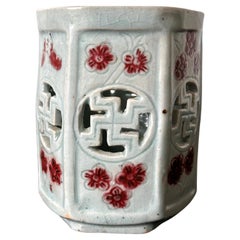
Korean Reticulated Celadon Brush Holder Joseon Dynasty
Located in Atlanta, GA
A Korean porcelain brush holder in hexagon form from the end of Joseon dynasty circa late 19th century. Cherished by the scholars, brushpot like this would grace the desk in the man'...
Category

Late 19th Century Korean Other Antique Georgia - Asian Art and Furniture

Materials

Ceramic

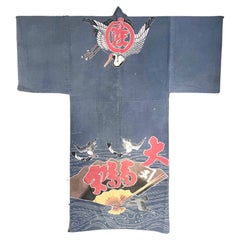
Japanese Fisherman Festival Kimono with Tsutsugaki Design
Located in Atlanta, GA
A Japanese festival Kimono robe circa late 19th to early 20th century (end of Meiji Period) for fishing ritual. Made in a cotton fabric, the kimono was elaborately decorated by Tsuts...
Category

Early 20th Century Japanese Meiji Georgia - Asian Art and Furniture

Materials

Cotton, Linen

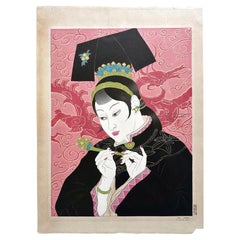
Japanese Woodblock Print Les Jades Chinoise by Paul Jacoulet
By Paul Jacoulet
Located in Atlanta, GA
A Japanese Woodblock print by Paul Jacoulet (French, 1896-1960) entitled Les Jades Chinoise (Jade Lady Chinese). Created in 1940, this is the most popular and recognizable print by t...
Category

1940s Japanese Japonisme Vintage Georgia - Asian Art and Furniture

Materials

Paper

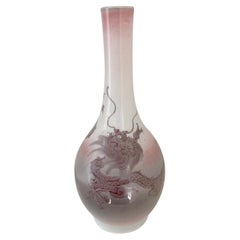
Japanese Porcelain Dragon Glazed Vase Mazuku Kozan
By Makuzu Kozan
Located in Atlanta, GA
A porcelain vase with dragon motif by Japanese imperial potter Makuzu Kozan (1842-1916), circa 1900s. The vase is made in what is considered early phase of his underglaze period during late Meiji era. In a classic elongated baluster form, the surface of the vase was decorated in an unusual pink mist on a white and aubergine background (called Morotai, the Hazy style), on which a flying dragon is showcased on the center. The dragon was outlined in iron red and filled with the aubergine color and was artistically emphasized on its bulging eyes, claws, scales and a long tail. It was the sole focus of the design circumventing the entire body of the vase. The imagery calls in mind the dragon decoration found in Korean...
Category

Early 1900s Japanese Japonisme Antique Georgia - Asian Art and Furniture

Materials

Porcelain

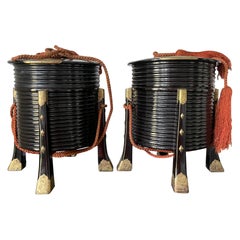
Pair of Large Antique Japanese Hokai Lacquer Boxes
Located in Atlanta, GA
A pair of Japanese lacquered lidded Hokai boxes with chased brass hardware and original ropes. Hokai boxes are traditionally used in Japan as the containers ...
Category

Early 20th Century Japanese Japonisme Georgia - Asian Art and Furniture

Materials

Wood, Lacquer

Framed Antique Japanese Embroidery Fukusa Panel
Located in Atlanta, GA
A finely embroidered Japanese silk Fukusa panel presented in a beautiful silk-lined giltwood frame (newly framed and glazed), circa late 19th century of Meiji Period. Fukusa is a tra...
Category

Late 19th Century Japanese Meiji Antique Georgia - Asian Art and Furniture

Materials

Silk, Wood

Antique Korean Bandaji from Jeju Island
Located in Atlanta, GA
An antique Korean Bandaji from Jeju Do (Jeju Island) circa 19th century. Made from hardwood planks (possibly pine or pearwood) and stained in a dark color...
Category

19th Century Korean Other Antique Georgia - Asian Art and Furniture

Materials

Iron

Rare Japanese Porcelain Incense Burner with Inlays Makuzu Kozan
By Makuzu Kozan
Located in Atlanta, GA
A porcelain incense burner (koro) made by Japanese potter Makuzu Kozan (also known as Miyagawa Kozan, 1842-1916) circa 1890s-1900s (end of Meiji Period). The koro features an elegant...
Category

Late 19th Century Japanese Meiji Antique Georgia - Asian Art and Furniture

Materials

Ceramic

Japanese Ceramic Bowl Makuzu Kozan Utusushi Kenzan
By Makuzu Kozan
Located in Atlanta, GA
A rare ceramic bowl with overglaze paint decoration by Japanese imperial potter Makuzu Kozan ((1842–1916). Unlike the better-known works Kozan made for the expositions in the west and export to the foreign market, this piece exemplifies his work for the domestic market and the tea ceremony. The bowl was made in the so called "Utusushi" Ogata Kenzan (1663-1743), a celebrated Edo painter and ceramicist. Utusushi is loosely translated as "in the spirit of". It is not at all a simple imitation of a master, but a Japanese concept of embracing the spiritual essence of a master while the creator is free to mix in his or her own unique artistic interpretation and flavor. The bowl was made to hold fruits during the tea ceremony. It has a very distinguished form with a circular lower body morphing into a square upper portion that further opening with flared rim. The surface has a grey glaze onto which Asagao flowers (Japanese morning glory) on the vines were painted in a free and poetic style. White was used for the petals, green for the leaves with touches of gold highlight. Asagao, the symbol of the summer was rendered in the spirit of Ogata Kenzan, and interestingly the shape of the blossom echoes the unique form the bowl. It was likely reserved for the tea ceremony during the summer months. Under the base, Kozan was signed in black on a white porcelain plaque inlay. For two similar examples of Kozan's work Utusushi Kenzan, see Page 168-169 of the book: Sekai ni Aisa Reta ya Kimono Miyagawa Kozan Makuzu...
Category

Early 1900s Japanese Japonisme Antique Georgia - Asian Art and Furniture

Materials

Ceramic

Massive Japanese Arita Presentation Porcelain Plate Meiji Period
Located in Atlanta, GA
This massive Japanese Arita plate was made in Hizen, circa 1890-1910s, at the end of Meiji period by a potter named Takeshige Yoshisuke who was active in A...
Category

Late 19th Century Japanese Japonisme Antique Georgia - Asian Art and Furniture

Japanese Antique Fukusa Textile Art Meiji Period
Located in Atlanta, GA
A Japanese silk Fukusa panel circa late 19th-early 20th century of Meiji Period. The front was beautifully decorated with Yuzen-zome, a labor intensive resist-dye technique invested by an artist monk Miyazaki Yuzensai (1654 -1736) of Edo period. The front cover likely depicts a scene from the Tale of Genji, showing a nobleman and his servant pays a visit to a lady in a fenced thatch-roof house under a high peak. The details of blossom trees and pines, as well as the characters, and scenery with a gradual color are astounding. It is telling that the Yuzen dying was used such an mastery. The piece has a red silk backing and still retains two red tassels on the lower corners as well as decorative stitches along the edges. There is a patched design on the back likely a Mon symbol (family crest). Fukusa is a traditional Japanese textile...
Category

Early 20th Century Japanese Japonisme Georgia - Asian Art and Furniture

Materials

Silk

Still Thinking About These?

All Recently Viewed