Edo Furniture

EDO STYLE

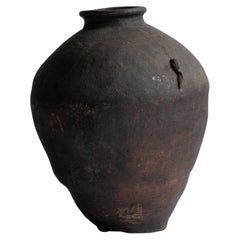
Edo furniture was created during a flourishing time for the decorative arts owing to the stability of the Tokugawa shogunate rule in Japan. Spanning from 1603 to 1867, this era of peace and economic growth supported artistic advancements in lacquer, woodblock printing, porcelain and other artisanal trades. Because the country was largely isolated, there was little outside influence, leading to centuries of exceptional attention to the design of its furnishings and the quality of its traditional arts.

Unlike during the Meiji period that followed, with an increase in domestic and international markets, furniture during the Edo period was predominately commissioned by the ruling class, although people from across social groups benefited from the burgeoning metropolitan hubs for artisanal trades. For instance, Kyoto became a major center for lacquer art. Most furniture pieces were made from wood such as cedar or ash, including the era’s sashimono cabinets, which involved fine joinery and were rooted in the Heian period.

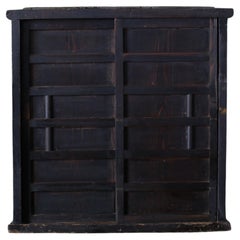
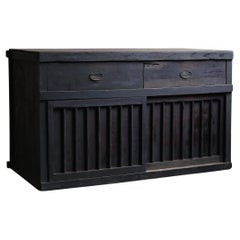
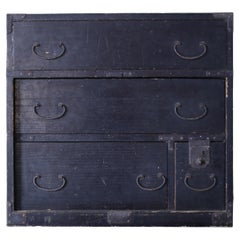
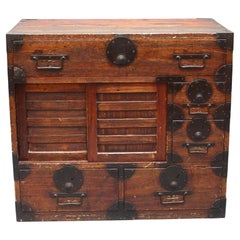
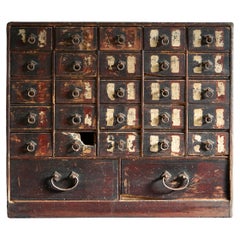
Sashimono cabinets, which were built by master craftsmen in a range of different wood types owing to the various trees that populate Japan, occasionally featured a stack of slender drawers as well as sliding doors. They were popular with everyone from samurai to kabuki actors. Tansu storage chests crafted from wood with metal fittings were also common in Edo-period homes. Some were designed to be easily portable while others were made to double as staircases.

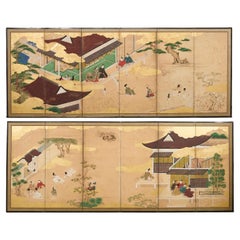
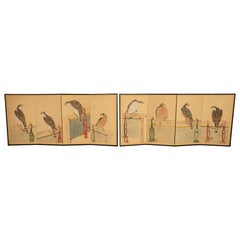
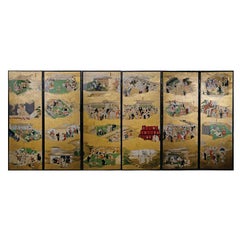
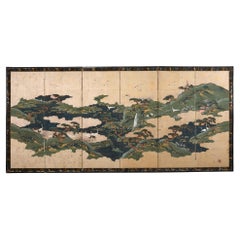
Painted folding screens, called byōbu, were also fashionable, with Japanese artists inspired by nature, literature and scenes of history and daily life to create vivid works. In Buddhist temples and the palatial homes of the aristocratic class, fusuma, or large sliding panels, would sometimes be adorned with gold or silver leaf. These dividers allowed interiors to change throughout the day, closing in small spaces for personal use or reflecting candlelight to illuminate communal spaces after dark.

Find a collection of Edo tables, lighting, decorative objects, wall decorations and more furniture on 1stDibs.

to
248
354
340
917
12
1
197,371
114,961
44,140
33,025
16,204
12,145
10,902
10,837
9,965
8,924
7,336
6,637
6,540
6,398
6,207
6,120
4,923
3,751
390
457
70
13
25
12
3
2
1
1
2
1
325
282
255
216
211
828
809
786
20
3
930
926
927
13
11
6
3
3
Style: Edo
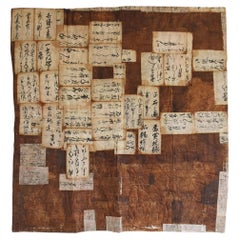
Japanese Antique Paper Mat Wall Decoration 1800s-1860s / Abstract Art Wabisabi
Located in Chōsei District Nagara, JP
This is a very old Japanese paper mat. It is believed to date from the late Edo period (1800s–1860s) and has an impressive scale of approximately 1700 mm × 1830 mm. It was created by...
Category

Late 19th Century Japanese Antique Edo Furniture

Materials

Paper

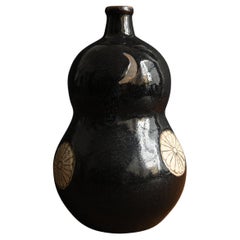
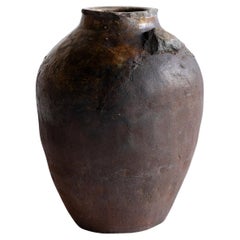
Antique Japanese black glaze gourd-shaped vase / Edo period / Sake bottle
Located in Sammu-shi, Chiba
Known as the birthplace of Seto ware, Seto City in Aichi Prefecture is one of Japan's Six Ancient Kilns and boasts a long history dating back to the late Heian period. During the Edo...
Category

Late 18th Century Japanese Antique Edo Furniture

Materials

Pottery

Pair Japanese Edo Six Panel Screens Legend of Minamoto
Located in Rio Vista, CA
Fascinating pair of large Japanese 19th century Edo period six-panel folding byobu screens depicting the legend of Minamoto No Yorimasa (Japanese Samurai 1106-1180). The pair of pain...
Category

19th Century Japanese Antique Edo Furniture

Materials

Brass, Gold Leaf

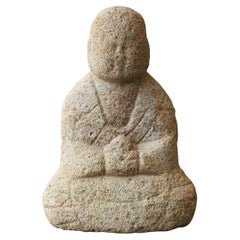
Japanese Antique Stone Buddha from Niigata Prefecture / Seated Jizo Bodhisattva
Located in Sammu-shi, Chiba
This seated stone statue of Jizo Bodhisattva, unique to Sado Island (Niigata Prefecture), is believed to have been created during the Edo period. Sado Island is home to a small Jizo hall known as "Nashi-no-ki Jizo," where numerous stone Buddha statues, dedicated by people since the Edo period, have been enshrined. The sight of stone Buddha statues, nearly filling the entire ground, conveys the daily prayers and wishes of the people of that time, as well as their sincere desires for the growth of their children and recovery from illness. It is highly likely that this work was one of these "migawari Jizo." What is Migawari Jizo? Sado Island's Jizo worship is based on the concept of "migawari Jizo." This belief is based on the belief that Jizo statues...
Category

18th Century Japanese Antique Edo Furniture

Materials

Sandstone

Japanese Antique BK Tansu 1860s-1900s ③ / Cabinet Sideboard Wabi Sabi
Located in Sammu-shi, Chiba
This chest of drawers is one of a set of three used in the same old Japanese house. Judging from its current condition, it appears to be quite old. It is in all original condition. ...
Category

Early 20th Century Japanese Edo Furniture

Materials

Cedar

Japanese Antique Large BK Tansu 1860s-1900s / Cabinet Sideboard Wabi Sabi
Located in Sammu-shi, Chiba
This is an antique Japanese Tansu. Judging by the condition of the metal parts, it appears to be quite old, likely dating to the Edo period. It has been carefully maintained to pres...
Category

Mid-19th Century Japanese Antique Edo Furniture

Materials

Cedar

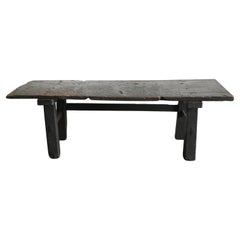
Japanese Antique Wabi-Sabi Low Table Edo period 1800s-1860s / Side Table
Located in Chōsei District Nagara, JP
This is an old Japanese low table, crafted during the Edo period (1800s–1860s). It is a rare piece of furniture that has survived through the centuries to the present day. Made of su...
Category

Mid-19th Century Japanese Antique Edo Furniture

Materials

Cedar

Japanese Antique Stone Carving Penis 1800s-1860s / Sculpture Wabi Sabi Mingei
Located in Chōsei District Nagara, JP
This is an old Japanese stone carving of a phallus, believed to have been made in the late Edo period (1800s–1860s). It is a rare and valuable a...
Category

Late 19th Century Japanese Antique Edo Furniture

Materials

Stone

Japanese Antique Wabi-Sabi Edo Pottery Vase 18th Century / Tsubo
Located in Sammu-shi, Chiba
This is a very old ceramic vase made in Japan. It was made in the Edo period (1860s-1860s). It is called Shigaraki ware in Japan. This large vase was used to hold and carry tea leav...
Category

Late 17th Century Japanese Antique Edo Furniture

Materials

Pottery

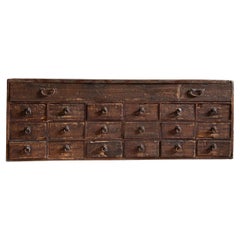
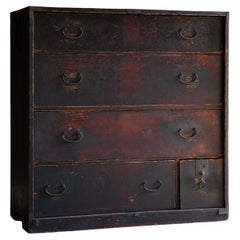
Japanese Antique BK Small Drawer EDO / Tansu Storage Wabisabi
Located in Sammu-shi, Chiba
This is a very old black-lacquered drawer storage unit made in Japan. Judging from the delicate handles, this is a very old drawer. The furniture dates to the Edo period (1603-1868)....
Category

19th Century Japanese Antique Edo Furniture

Materials

Cedar

Pair Antique Japanese Edo Falcon Hawk Birds of Prey Handpainted Screens 1860
By Soga Nichokuan 1
Located in Portland, OR
A very fine pair of antique Edo period four paneled screens (Takagari), hand-painted with tethered birds of prey, in the manner of Soga Nichokuan, circa 1860. Wonderful pair of...
Category

Late 19th Century Japanese Antique Edo Furniture

Materials

Paper, Wood

Japanese Antique Sacred Horse "Shinme" 1800s-1860s / Primitive Wabisabi
Located in Chōsei District Nagara, JP
This is an old Japanese carved wooden horse, a highly valuable piece created in the late Edo period (early 1800s–1860s). In Japan, it is known as a "Shinme" (sacred horse), a term re...
Category

Late 19th Century Japanese Antique Edo Furniture

Materials

Cedar, Lacquer

Japanese Tansu Storage Chest (19th Century - Edo Period) Wabi Sabi
Located in London, GB
Japanese Tansu Storage Chest (Edo Period - 19th Century). Tansu are traditional portable wooden storage chests from Japan. In Japanese traditional houses...
Category

19th Century Japanese Antique Edo Furniture

Materials

Wood

Chinese or Japanese antiques/Before the 19th century
Located in Sammu-shi, Chiba
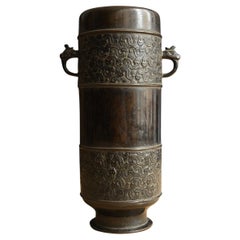
This is a very interesting old copper vase, believed to have been made in Japan or China. Its distinctive shape and high level of decoration make it a gem that stands out among the many copper vessels I have seen. The body is cylindrical, with a tightened shape at the top and bottom. The legs are slender and tapered, giving the overall design a beautiful sense of tension. This “tapered hem” design lends a special elegance to the vase's appearance. In terms of decoration, the intricate patterns encircling the upper and lower bands are particularly striking. These patterns are geometric abstractions of clouds and dragons. On both sides, small designs resembling animal or dragon faces are attached, adding to the elegant decorative beauty of the design. The copper surface has a deep amber luster from years of use, and the patina from aging captivates the viewer's heart. There are some dents and signs of use on the surface, but these are also charming elements that testify to the fact that this vase has been cherished and used for a long time. When half-filled with water and left for 24 hours, no leaks were detected. It is practical and can be used as a flower vase. Whether filled with fresh flowers, branches, or dried flowers, it will add a sense of sophistication to any space and make a statement wherever it is placed. The accompanying paulownia box is inscribed with “Tang Dynasty Ming Dynasty Antique Copper Vase...
Category

19th Century Japanese Antique Edo Furniture

Materials

Copper

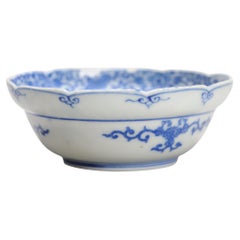
Antique ca 1700 Japanese Arita Kakiemon Unusual shaped Bowl Flowers
Located in Amsterdam, Noord Holland
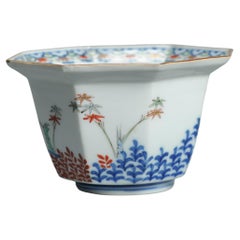
Very happy with this new arrival. Arita/Kakiemon bowl of unusual shape and design. Besides the very nice floral decoration there is superior overglaze blue Period unknown. ca 1700 ...
Category

17th Century Antique Edo Furniture

Materials

Porcelain

Antique Japanese Samurai Suit of Armor, Edo Period, 18th Century
Located in Point Richmond, CA
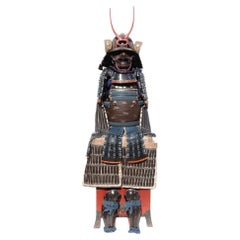
Antique Japanese Samurai Suit of Armor, Edo period, 18th century. A complete matching set of lacquered iron work; the cuirass with dragonfly decoration and blue lacing, a Kaga schoo...
Category

18th Century Japanese Antique Edo Furniture

Materials

Gold Leaf, Silver, Foil, Iron, Metal

Japanese antique wabi-sabi black coffee low table / 1850-1912 / small table
Located in Sammu-shi, Chiba
This wooden low table, known as a "fuzukue" (writing desk), was made in Japan between the late Edo and Meiji periods (19th century). Crafted from cedar, its light and soft grain full...
Category

Late 19th Century Japanese Antique Edo Furniture

Materials

Cedar

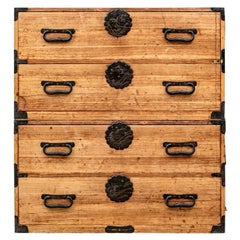
Fine Japanese Tansu Chest
Located in Bridgeport, CT
A classic Japanese Tansu Chest in Natural Pine originally collected in the late 1960’s in San Francisco, California. The two part Chest has a trad...
Category

20th Century Japanese Edo Furniture

Materials

Metal

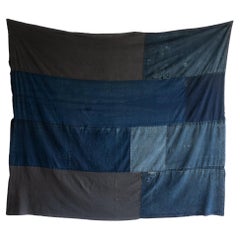
Japanese Antique Rag "BORO" 1800s-1860s / Abstract Art Wabi Sabi
Located in Sammu-shi, Chiba
This is an exceptional example of a Japanese *BORO* textile, dating from the late Edo period (1800s–1860s). Carefully preserved over generations, it embodies both the resourcefulness...
Category

Mid-19th Century Japanese Antique Edo Furniture

Materials

Fabric

1860s Japanese antique Tansu Medicine chest of drawers sword storage wabi sabi
Located in 常陸大宮市, JP
Medicine Tansu chest of drawers with Katana (Samurai sword) storage, Made of Kiri (Paulownia wood). From Shonai district, Yamagata pref., Tohoku area, Japan. This is an unique type...
Category

1860s Antique Edo Furniture

Materials

Wood

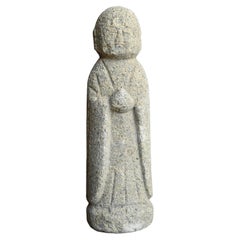
Japanese Antique Edo Period Stone Buddha / 19th Century / Garden Ornament
Located in Sammu-shi, Chiba
This is a small Jizo Bodhisattva statue believed to have been made in the late Edo period (19th century). It is believed to be made of granite. Its rough texture exudes a gentle aura...
Category

19th Century Japanese Antique Edo Furniture

Materials

Stone

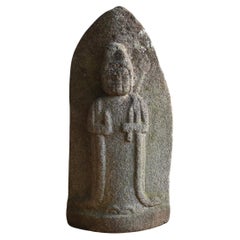
Japanese Edo Period Kannon Stone Buddha/1700-1850/Garden Ornament
Located in Sammu-shi, Chiba
We are pleased to present a simple stone Buddha of Kannon Bosatsu, made in Japan during the Edo period (circa 1700-1850). Kannon Bosatsu is known in Buddhism as a merciful savior wh...
Category

18th Century Japanese Antique Edo Furniture

Materials

Stone, Granite

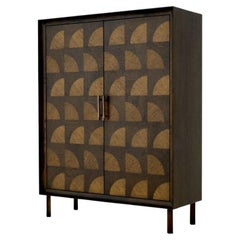
Charcoal Oak Japanese-Style Cabinet with Gold Fan Motifs
Located in Saint-Ouen, FR
This contemporary cabinet in charcoal brown oak veneer is a storage piece inspired by Japanese design. The cabinet features repeated gold fan motifs across its doors. The Cabinet Ku...
Category

21st Century and Contemporary French Edo Furniture

Materials

Metal

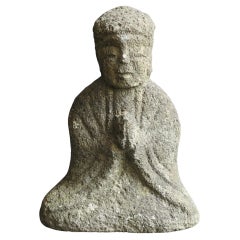
Japanese antique small stone Buddha statue / Seated Buddha / 19th century / Edo
Located in Sammu-shi, Chiba
This is a small stone Buddha statue, a "seated Tathagata," created around the 19th century, during the late Edo period in Japan. Stone Buddha statues are scattered throughout Japan, ...
Category

19th Century Japanese Antique Edo Furniture

Materials

Stone

Japanese 18th Century Tsukinami-e 6 Panel Floor Screen, Edo Period
Located in Norton, MA
A Japanese 18th Century Tsukinami-e 6 Panel Floor Screen depicts the Activities of the Twelve Months of the Year, mineral pigments on gold leaf, mounted on wood panels with 6 frames...
Category

18th Century Japanese Antique Edo Furniture

Materials

Gold Leaf

Antique 1700-1720 Japanese Porcelain Imari Edo Garniture Vase Flowers Shishi
Located in Amsterdam, Noord Holland
Description Nice & Beautiful Arita Japanese Porcelain Garniture consisting of 3 vases, 1 with a lid. The painting quality and shape are of really high quality. There is a similar gar...
Category

Early 18th Century Japanese Antique Edo Furniture

Materials

Porcelain

Japanese antique wood carved Buddha/1800s/late Edo period/folk Buddha
Located in Sammu-shi, Chiba
This is a wooden Jizo Bodhisattva statue made in the late Edo period in Japan. It is thought that they were not carved by Buddhist sculptors living in central cities such as Kyoto or...
Category

19th Century Japanese Antique Edo Furniture

Materials

Cypress

Japanese Edo Screen Kano School Isle of Immortals
Located in Rio Vista, CA
Fascinating 19th century Japanese Edo period six-panel byobu screen depicting the Isle of Immortals. The painting features white Manchurian cranes among pines and flowering plum cent...
Category

19th Century Japanese Antique Edo Furniture

Materials

Brass, Gold Leaf

1800s - 1860s Edo Japanese antique chestnut low coffee table wabi sabi primitive
Located in 常陸大宮市, JP
New finds from Kura (traditional style warehouse) in Yamagata pref., Tohoku area, Japan. This antique low writing desk is a product of 1800s - 1860s (late Edo era), estimate from the style and conditions. Made of thick, sturdy single solid chestnut wood boards. Can be used as coffee table, display table etc. Yamagata pref. is known to rich woodcraft cultures. The most known products are bold but elaborate, premium Tansu furnitures...
Category

Late 19th Century Japanese Antique Edo Furniture

Materials

Wood, Chestnut

1780s-1850s Edo Japanese antique medicine chest of drawers, cabinet wabi sabi
Located in 常陸大宮市, JP
Mid size apothecary chest, medicine chest of drawers - "Kusuri dansu" in Japanese - product of late Edo era (1780s-1868), estimate from the style conditions. Pieces of old pape...
Category

Late 18th Century Japanese Antique Edo Furniture

Materials

Wood

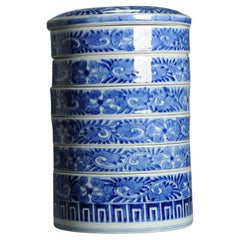
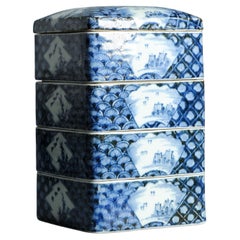
Antique Edo 19C Japanese Food container Ikegawa Ware Tea Ceremony Box Japan
Located in Amsterdam, Noord Holland
Description Sharing with you this lovely and large Food container in blue and white. Pieces like this were uses in the tea ceremony to serve food. Similar pieces can be found in the ...
Category

19th Century Japanese Antique Edo Furniture

Materials

Porcelain

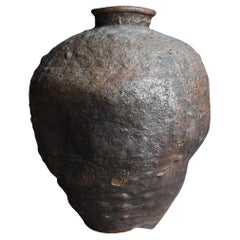
Japanese Antique Shigaraki ware 17th Century / Pottery Vase Wabisabi
Located in Chōsei District Nagara, JP
This is an old pottery pot made in Japan. It is a very old pot believed to have been made in the 17th century, early Edo period, and is called Koshigaraki in Japan. Koshigaraki refe...
Category

17th Century Japanese Antique Edo Furniture

Materials

Pottery

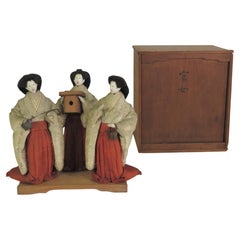
Late Edo Period Sannin-kanjyo Figures or Three Court Ladies w. Wood Box Japan
Located in Miami, FL
Late Edo Period Dolls representing Sannin-kanjyo which means the three court ladies. They support and care for the emperor (Odairi-sama) and the empre...
Category

Late 19th Century Japanese Antique Edo Furniture

Materials

Fabric, Wood

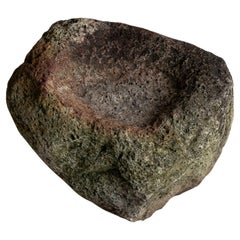
Japanese Old Garden Stone "Tsukubai/Toukeisi" Stone Water Basin
Located in Sammu-shi, Chiba
We Japanese introduce unique items with unique aesthetics, purchasing routes, and ways that no one can imitate. This is a traditional Japanese item from ancient times. There is a c...
Category

19th Century Japanese Antique Edo Furniture

Materials

Stone

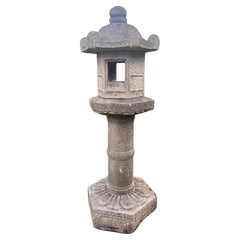
Japan Tall Antique Classic Edo Period Kasuga Stone Lantern
Located in South Burlington, VT
An early antique beauty with all original pieces. Please view our video. Japan, a tall and stone lantern with fence like engraved designs on its firebox , carefully crafted in six ...
Category

19th Century Japanese Antique Edo Furniture

Materials

Stone

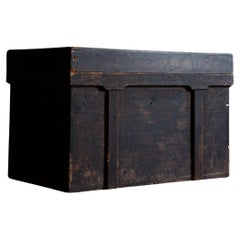
1840s-1860s Edo Japanese antique black wooden box chest with lid, wabi sabi
Located in 常陸大宮市, JP
Japanese antique wooden cabinet box manufactured circa 1840s-1860s (late Edo period) estimate from the style conditions. Made with traditional wood joinery without metal faste...
Category

Late 19th Century Japanese Antique Edo Furniture

Materials

Wood

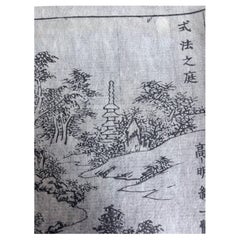
Japanese Pair Antique Lantern Garden Woodblock Prints 19c, immediately Framable
Located in South Burlington, VT
Two (2) Fine Old Woodblock Lanterns Garden Prints : Stone Pagoda, Gardens, Stepping Stones & Lush Landscapes Japan two (2) antique Old Kyoto Garden Woodblock prints from an original...
Category

19th Century Japanese Antique Edo Furniture

Materials

Paper

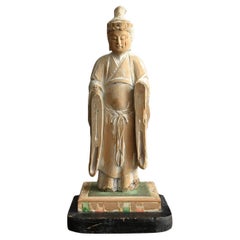
Wooden Buddha statues from the Edo period in Japan/1800-1868/Late Edo period
Located in Sammu-shi, Chiba
This wooden Buddhist statue was made in the late to late Edo period. It is thought to be a statue of Kannon Bodhisattva. It was originally placed in a shrine and was painted, but the...
Category

19th Century Japanese Antique Edo Furniture

Materials

Cypress

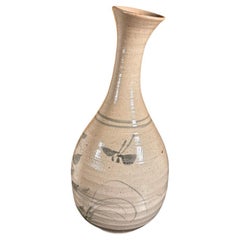
Extraordinary Japanese Hand Thrown Blue And White Wabi-Sabi Vase, Early 19thc.
Located in South Burlington, VT
A recent find: an old Japanese SHOKI-IMARI blue-and-white porcelain ware bottle with unique hand painted designs called Kusabana-Chou-Monyou (Grass, flower, and butterfly patterns)...
Category

Early 19th Century Japanese Antique Edo Furniture

Materials

Pottery

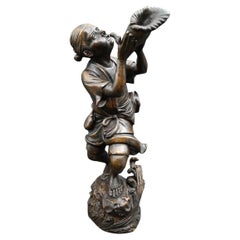
Japanese bronze Okimono , Edo period
Located in Bilzen, BE
Japanese bronze okimono from the Edo period in its old patina and good condition, Beautiful quality and expression Height 30 cm, not signed
Category

18th Century Japanese Antique Edo Furniture

Materials

Bronze

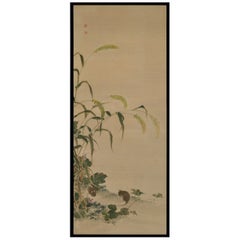
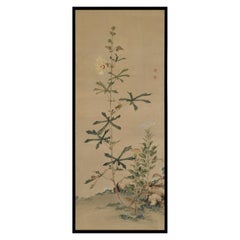
Mid 19th Century Framed Japanese Painting. Mice Millet
Located in Kyoto, JP
Obata Tosho (1812-1886) Mice & Millet Late Edo period, mid 19th Century Framed Japanese Painting. Ink and color on paper. Individually framed 19th century bird and flower paintin...
Category

Mid-19th Century Japanese Antique Edo Furniture

Materials

Paper

Mid 19th Century Framed Japanese Painting. Grasshopper Hibiscus.
Located in Kyoto, JP
Obata Tosho (1812-1886) Grasshopper & Hibiscus. Late Edo period, mid 19th Century Framed Japanese Painting. Ink and color on paper. Individually framed 19th century bird and flow...
Category

Mid-19th Century Japanese Antique Edo Furniture

Materials

Paper

Contemporary Japanese Chochin Floor Lamp Limited Edition #1 Zen Washi
Located in Shibuya-ku, Tokyo
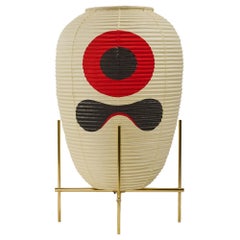
Name: OBAKE A Contemporary style Japanese Washi Japanese traditional paper shade floor lamp. Washi shade is famous as Isamu Noguchi Akari lightings. Base is made of brass. Limited pattern painted model. Edition of 3+1AP E26,27 light bulb. Available to work with 100-250V. Artist statement In Japan, there is an animist belief that the soul dwells in old tools that have passed a long time and turns into spirits such as "Youkai" or "OBAKE." Its existence lurks in the darkness of everyday life, sometimes causing fear and sometimes entertaining. This lantern is not an old tool, but it is made by the historic "Kojima Shoten", where the 10th generation are craftsmen in Kyoto. It's rare nowadays, and it's a style in which lanterns are made from bamboo bones to assembling papers and painting in one workshop and go. So, I decided to transform the polite crafted Japanese lanterns, which have been run through a traditional history, into a modern and pop style. It's not just OBAKE lurking in the darkness, but an existence who snuggles up to us as a more sophisticated being. These one-eyed OBAKE have a meaningful look that originated in ancient Sanskrit culture. The red-eye "A [a]" is the facial expression that is the first pronunciation to make a sound in Sanskrit, which means "truth" and "spirit of inquiry" at the same time. The blue-eyed "UN [hu?]" expresses the pronunciation to close the sound, and at the same time means "wisdom" and "nirvana." There is also the idea that describing the beginning and end of the universe is represented by considering the "A" and "UN" as a pair. In Asia, it is a common sight to see a pair of guardian statues...
Category

2010s Japanese Edo Furniture

Materials

Brass

Japanese Antique Pottery Jar 16th-17th Century/ Wabi-Sabi Vase/Tokoname
Located in Sammu-shi, Chiba
Tokoname is a region located in Aichi Prefecture. It is a pottery production center with a very old history in Japan (around the 12th century). These jars were probably fired during...
Category

Early 17th Century Japanese Antique Edo Furniture

Materials

Pottery

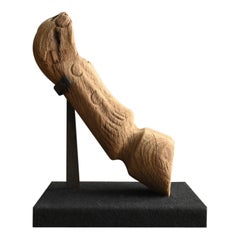
Japanese antique wood carving "Kirin s legs" /1800s/Shrines and temples carvings
Located in Sammu-shi, Chiba
Do you know Kirin? It is a type of legendary animal that appears in Chinese mythology, and is a spiritual animal that has been passed down in Japan since ancient times. At first glan...
Category

19th Century Japanese Antique Edo Furniture

Materials

Wood

Blue and White Arita Japanese Porcelain Printed Period Bowl, 18th Century
Located in Amsterdam, Noord Holland
Sharing this lovely 19th century bowl. Printed. Additional information: Material: Porcelain & Pottery Japanese Style: Imari Decoration Type / Colour: Imari Region of Origin: Japan P...
Category

18th Century Japanese Antique Edo Furniture

Materials

Porcelain

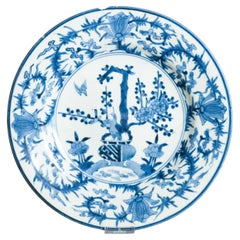
Rare Antique Edo period Ca 1680 -1700 Japanese Porcelain Plate Arita Dish
Located in Amsterdam, Noord Holland
Description Sharing with you this very nice edo period, 1660-1680, example. With a central scene of flowers. The rim beautifully painted. Unmarked at base Arita ware, also known a...
Category

17th Century Japanese Antique Edo Furniture

Materials

Porcelain

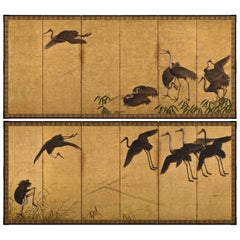
17th Century Japanese Screen Pair. Flock of Cranes. Ink and color on gold leaf.
Located in Kyoto, JP
A pair of six-fold Japanese screens from the 17th century depicting a flock of cranes arriving at their wintering grounds. The expansive scene is heavily atmospheric. The cranes are...
Category

17th Century Japanese Antique Edo Furniture

Materials

Gold Leaf

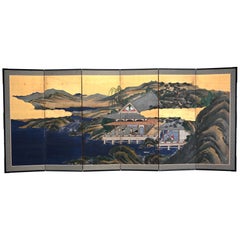
Edo-Style Six-Panel Japanese Byobu Screen with Gold Paint Landscape
Located in Hamburg, PA
This Asian screen print is a stunning six-panel byobu (folding screen) featuring a traditional Japanese landscape. The artwork showcases a serene scene with a lakeside pavilion set a...
Category

19th Century Antique Edo Furniture

Materials

Wood, Paint, Paper

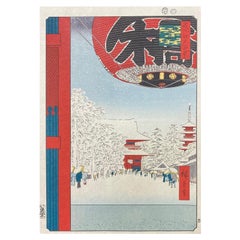
Utagawa Ando Hiroshige Japanese Woodblock Print Kinryuzan Temple, Asakusa
Located in Studio City, CA
A wonderful Japanese woodblock print by famed Japanese artist Utagawa Hiroshige (Ando Hiroshige) (1797-1858) titled "Kinryuzan Temple, Asakusa" was initially conceived in 1856. It i...
Category

20th Century Japanese Edo Furniture

Materials

Paper

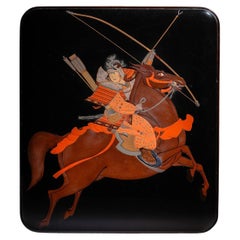
Edo Gold-Lacquer Writing Box with Samurai Warrior, Makie Suzuribako
Located in Taichung, TW
This Edo-period makie suzuribako features the legendary Heian-period general Minamoto no Yoshiie, widely known as Yawata Tarō, shown charging forward on horseback with bow drawn. Cel...
Category

Mid-18th Century Japanese Antique Edo Furniture

Materials

Lacquer

Japanese antique pottery [Tamba] jar / Edo period / 1600s / Beautiful glazed
Located in Sammu-shi, Chiba
This is a Tamba ware jar produced in Japan during the early Edo period (circa 17th century). Tamba ware, along with Seto, Tokoname, Echizen, Shigaraki, and Bizen, is known as one of ...
Category

17th Century Japanese Antique Edo Furniture

Materials

Pottery

1860s-80s Japanese antique mid size Urushi Tansu chest of drawers, wabi sabi
Located in 常陸大宮市, JP
Mid-size, Dark reddish brown Urushi lacquered Tansu chest of drawers made of Sugi cedar - a product of late Edo to early Meiji era (circa 1860s-1880s) , estimate from the style &...
Category

Late 19th Century Japanese Antique Edo Furniture

Materials

Cedar, Wood

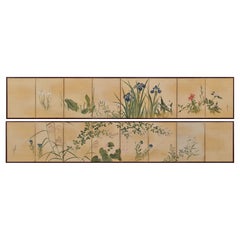
1838 Japanese Screen Pair. Flowers Grasses of the Four Seasons.
Located in Kyoto, JP
Maruyama Oshin (1790-1838) Flowers and grasses of the four seasons: dated 1838 Pair of eight-panel Japanese screens; ink, color and gold leaf on silk Dimensions: each (2) H. 38.5 cm...
Category

1830s Japanese Antique Edo Furniture

Materials

Silk

17th Century Japanese Screen Pair. Tiger Dragon by Kaiho Yusetsu
Located in Kyoto, JP
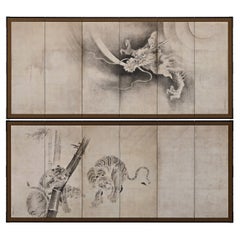
Kaiho Yusetsu (1598-1677) Tiger and Dragon Early Edo Period, Circa 1650 A Pair of Six-fold Japanese Screens. Ink and slight color on paper. Dimensions: Each screen: H. 171 cm x W. 380 cm (67.5’’ x 149.5’’) In this pair of early Edo period Japanese screens a group of tigers prowl in a bamboo grove whipped with fierce wind, while a dragon claws through clouds and mist. The dragon embodies elemental qualities - looming out of the mist, the coils of its body disappearing in the clouds. The dragon is calling for rain, symbolizing spring which is considered the fountain of life. On the other side, the tigers calls for the wind, symbolizing autumn which is considered the end of life. Tigers were familiar motifs within Japanese art from ancient times though the animals were imaginary to the people in the 17th century. While dragons and tigers are usually associated as sacred and ferocious, in this painting, both animals have rather amusing expressions. The tigers appear to glare at the dragon with cat-like eyes, and the look on the swirling dragon’s face appears almost affectionate - lending a playful flair to an otherwise magnificent theme. The tiger and dragon are cosmological symbols of the balancing forces in the world. Screens such as this were originally meant to express the fluctuating nature of the world. For Japanese in the early Edo period, they likely suggested the powers of the cosmos. In Japan the tiger and dragon motif was originally absorbed into the circles of Zen monasteries before spreading into the secular world. The theme especially appealed to the military classes with the Kano school, the official painters to the Shogun and the samurai, being the leading contributors. The painter of this pair of screens, Kaiho Yusetsu (1598-1677), was closely patronized by the third Shogun Tokugawa Iemitsu. In his later years he worked with Kano school artists...
Category

Mid-17th Century Japanese Antique Edo Furniture

Materials

Silk, Wood, Paper

Antique Edo 18/19th C Japanese Jubako Ikegawa Ware Tea Ceremony Box Japan
Located in Amsterdam, Noord Holland
A lovely piece Condition Hairline in the base and Kintsugi repair to lid. Size. 20.5x13x13 Period 19th century Meiji Periode (1867-1912)
Category

19th Century Japanese Antique Edo Furniture

Materials

Porcelain

Early 19th Century Japanese Screen. Cherry Blossom Pheasants by Mori Tetsuzan
Located in Kyoto, JP
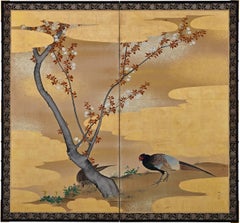
Mori Tetsuzan (1775-1841) Pheasants and Cherry Blossoms Two-fold Japanese screen. Ink, color, gofun, gold and silver on paper. A two-fold Japanese bir...
Category

Early 19th Century Japanese Antique Edo Furniture

Materials

Gold Leaf

Japan Important Large Pair Early Shinto Temple Lions Hand-Carved, 18th Century
Located in South Burlington, VT
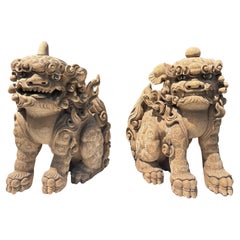
Just discovered and coming from a Shinto Shrine deaccession Call or message us for details or to reserve. Japan an early and superb pair (2) of mythical Shi Shi Temple Foo Dogs als...
Category

18th Century Japanese Antique Edo Furniture

Materials

Wood

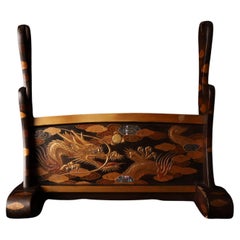
Japanese Gold Maki-e Katana Kake (Sword Stand) with Dragon Motif
Located in Fukuoka, JP
This elegant katana kake (sword stand) is crafted from wood and finished with a rich lacquer coating. Its surface is adorned with a striking gold maki-e depiction of a dragon — a tim...
Category

Late 18th Century Japanese Antique Edo Furniture

Materials

Gold Leaf

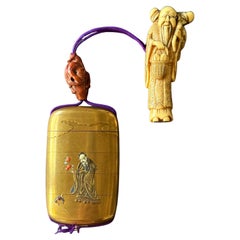
Fine Japanese Inro with Maki-e and Inlay by Shokasai and Shibayama
By Shibayama Factory
Located in Atlanta, GA
A Japanese four-case inro stringed together with a silk cord of a carved wood Ojime and a carved ivory netsuke circa 19th century of Edo period. This fine piece was made in collabora...
Category

19th Century Japanese Antique Edo Furniture

Materials

Wood, Lacquer

Edo furniture for sale on 1stDibs.

Find a broad range of unique Edo furniture for sale on 1stDibs. Many of these items were first offered in the 21st Century and Contemporary, but contemporary artisans have continued to produce works inspired by this style. If you’re looking to add vintage furniture created in this style to your space, the works available on 1stDibs include asian art and furniture, wall decorations, decorative objects and other home furnishings, frequently crafted with wood, metal and other materials. If you’re shopping for used Edo furniture made in a specific country, there are Asia, East Asia, and Japan pieces for sale on 1stDibs. While there are many designers and brands associated with original furniture, popular names associated with this style include Utagawa Hiroshige (Ando Hiroshige), Arita, Ryosuke Harashima, and Kitagawa Utamaro. It’s true that these talented designers have at times inspired knockoffs, but our experienced specialists have partnered with only top vetted sellers to offer authentic pieces that come with a buyer protection guarantee. Prices for furniture differ depending upon multiple factors, including designer, materials, construction methods, condition and provenance. On 1stDibs, the price for these items starts at $55 and tops out at $1,386,932 while the average work can sell for $2,989.

Still Thinking About These?

All Recently Viewed