Edo Furniture

EDO STYLE

Edo furniture was created during a flourishing time for the decorative arts owing to the stability of the Tokugawa shogunate rule in Japan. Spanning from 1603 to 1867, this era of peace and economic growth supported artistic advancements in lacquer, woodblock printing, porcelain and other artisanal trades. Because the country was largely isolated, there was little outside influence, leading to centuries of exceptional attention to the design of its furnishings and the quality of its traditional arts.

Unlike during the Meiji period that followed, with an increase in domestic and international markets, furniture during the Edo period was predominately commissioned by the ruling class, although people from across social groups benefited from the burgeoning metropolitan hubs for artisanal trades. For instance, Kyoto became a major center for lacquer art. Most furniture pieces were made from wood such as cedar or ash, including the era’s sashimono cabinets, which involved fine joinery and were rooted in the Heian period.

Sashimono cabinets, which were built by master craftsmen in a range of different wood types owing to the various trees that populate Japan, occasionally featured a stack of slender drawers as well as sliding doors. They were popular with everyone from samurai to kabuki actors. Tansu storage chests crafted from wood with metal fittings were also common in Edo-period homes. Some were designed to be easily portable while others were made to double as staircases.

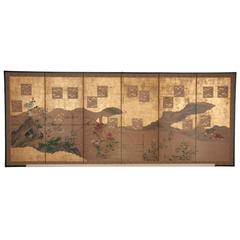
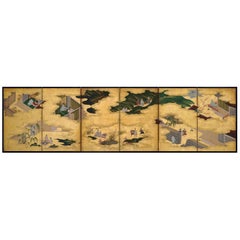
Painted folding screens, called byōbu, were also fashionable, with Japanese artists inspired by nature, literature and scenes of history and daily life to create vivid works. In Buddhist temples and the palatial homes of the aristocratic class, fusuma, or large sliding panels, would sometimes be adorned with gold or silver leaf. These dividers allowed interiors to change throughout the day, closing in small spaces for personal use or reflecting candlelight to illuminate communal spaces after dark.

Find a collection of Edo tables, lighting, decorative objects, wall decorations and more furniture on 1stDibs.

to
255
340
333
889
11
1
198,218
115,271
44,171
33,230
16,618
12,232
10,886
10,821
9,985
8,965
7,351
6,658
6,506
6,387
6,223
6,159
4,903
3,742
381
440
68
12
25
12
3
2
1
1
2
1
307
282
246
210
201
804
786
762
21
3
901
898
898
13
11
6
3
3
Style: Edo
Japanese Six-Panel Screen
Located in Stamford, CT
A six-panel Japanese paper screen with poems, autumn flowers, bamboo fence and Mandarin ducks. Poems are believed to be earlier but were probably...
Category

Mid-19th Century Japanese Antique Edo Furniture

Materials

Paper

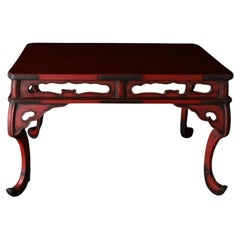
Rare Japanese Negoro Lacquer Table with Curved Legs (Late 17th–18th Century)
Located in Fukuoka, JP
are Japanese Negoro Lacquer Table with Curved Legs (Late 17th–18th Century) Japan, Edo period Dimensions: H 26.5 cm × W 43.1 cm × D 27 cm (Top surface: W 42.7 cm × D 25.7 cm) This e...
Category

Late 17th Century Japanese Antique Edo Furniture

Materials

Wood, Lacquer

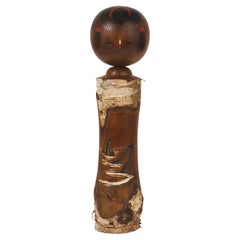
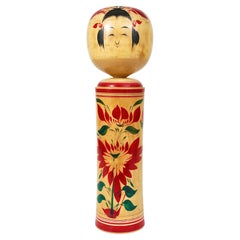
Decorative Kokeshi Doll Sculpture from Northern Japan, Hand-Painted
Located in Vienna, AT
A beautiful and exceptionally 18 inches tall Classic traditional Kokeshi doll from Northern Japan. Handcrafted of wood and hand-painted in the the early 20th century. In good conditi...
Category

Early 20th Century Japanese Edo Furniture

Materials

Wood

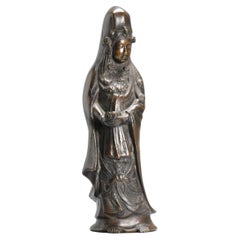
Antique Chinese Bronze Statue Guanyin China 19th / 20th century
Located in Amsterdam, Noord Holland
BRONZE top level Chinese statue Qing period, 19th century. Condition 29.5cm Period 19th century
Category

19th Century Japanese Antique Edo Furniture

Materials

Porcelain

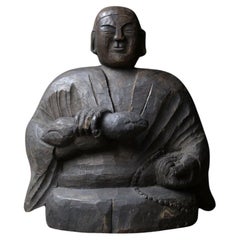
Antique Wooden Sculpture "Kobo Daishi" / Buddha Statues / Edo-Meiji Period
Located in Sammu-shi, Chiba
This is an old Japanese "Kobo Daishi" wooden figure. "Kobo Daishi" means "Kukai". "Kukai" was a monk from the early Heian period. His posthumous name was "Kobo Daishi". He is the fou...
Category

19th Century Japanese Antique Edo Furniture

Materials

Cypress

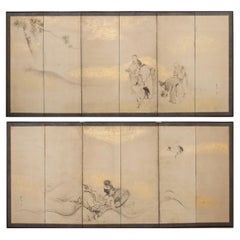
Pair of 18th Century Japanese Edo Screens of Chinese Immortals
Located in Rio Vista, CA
Mesmerizing pair of late 18th/early 19th century Japanese Edo period byobu screens by Shibata Gito (Japanese 1780-1819). The paintings depict Chinese immortals in a dreamy landscape....
Category

18th Century Japanese Antique Edo Furniture

Materials

Silk, Wood, Paper

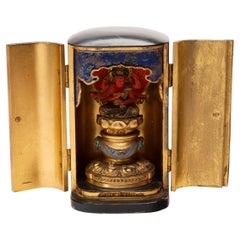
Japanese Zushi Traveling Shrine of Aizen Myō-ō, c. 1850
Located in Chicago, IL
A simple exterior of black lacquer belies the splendor within this late 19th-century Japanese traveling shrine (zushi). The hinged doors open to reveal a lustrous gold interior and a...
Category

Mid-19th Century Japanese Antique Edo Furniture

Materials

Wood

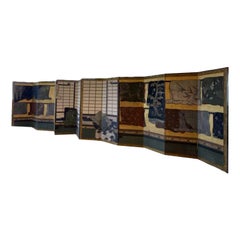
17th Century Late 1600s , Japanese Edo Period 12-Panel Folding Screen Painted
Located in North Miami, FL
A pair of 17th Century (Late 1600s) Japanese Edo screens made of 12-panels. This folding silk screen is painted on a gold leaf background. It has a...
Category

17th Century Japanese Antique Edo Furniture

Materials

Silk, Wood, Paint, Paper

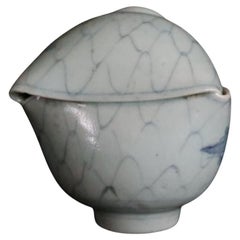
Unusual Edo Period Imari Kiln Misfire Cup
Located in Fukuoka, JP
An exceptional and rare example of an Edo period (c. 18th–19th century) Imari porcelain cup that resulted from a kiln misfire—transforming it into a unique sculptural object. Likely ...
Category

18th Century Japanese Antique Edo Furniture

Materials

Ceramic

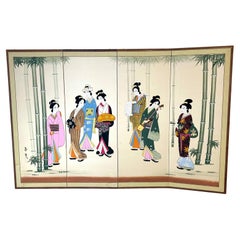
Vintage Handpainted Silk Japanese Geisha Screen With Ricepaper Backing
Located in Waxahachie, TX
1960-1970s Hand painted silk. Rice paper backing. Made in Japan. Six colorful Geisha surrounded by bamboo trees. Little details, a shamisen, or Japanese guitar, a rice paper scroll...
Category

1970s Japanese Vintage Edo Furniture

Materials

Silk, Wood

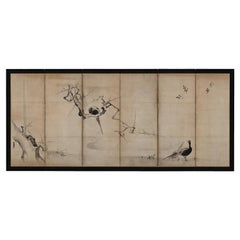
17th Century Japanese Screen. Ink Plum Tree Birds by Kano Naonobu.
Located in Kyoto, JP
Kano Naonobu (1607-1650) Plum Tree and Birds Six-fold Japanese Screen. Ink and slight color on paper. In this evocative ink work spread over a six-panel folding screen, we see the consummation of the elegance and refinement of the Edo Kano school. This 17th century screen is a rare surviving example of a large-scale bird and flower painting by Kano Naonobu, the younger brother of Kano Tanyu...
Category

17th Century Japanese Antique Edo Furniture

Materials

Wood, Paper

Japanese antique wooden Buddha statue / Edo period / 1600 to 1800
Located in Sammu-shi, Chiba
This wooden statue is a relic from Japan's Edo period, and within it lies a deep history that transcends time. Originally, it was part of a more intricate statue, likely adorned with...
Category

17th Century Japanese Antique Edo Furniture

Materials

Cypress

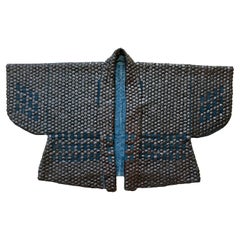
Rare Antique Kikko Katabira Armor Jacket Edo Period
Located in Atlanta, GA
A rare and well-preserved Kikko Jacket used traditionally as an under armor by elite Daimyo and Samurai class since the time of the Mongol invasions of Japan (1270s), and particularl...
Category

Mid-19th Century Japanese Antique Edo Furniture

Materials

Iron

Japanese Screen Painting, Circa 1700 Tales of Ise by Tosa Mitsusuke
By Tosa Mitsusuke 1
Located in Kyoto, JP
A six-fold Japanese screen by Tosa Mitsusuke (1675-1710), Japan 17th-18th century, Edo period. The signature reads Shoroku-i ge Tosa sa Konoe Shogen Mit...
Category

Late 17th Century Japanese Antique Edo Furniture

Materials

Gold Leaf

Decorative Naruko Kokeshi Doll Sculpture from Northern Japan, Hand-Painted
Located in Vienna, AT
A beautiful and exceptionally 18 inches tall classic traditional Naruko Kokeshi doll from Northern Japan. Handcrafted of wood and hand-painted in t...
Category

Early 20th Century Japanese Edo Furniture

Materials

Wood

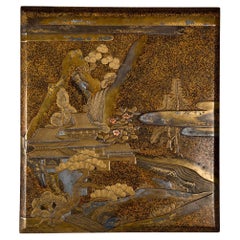
Suzuribako or writing box made of nashiji lacquer and adorned with a landscape
Located in PARIS, FR
Suzuribako, or writing box, of rectangular shape, decorated with an imposing architecture realized in hira maki-e lacquer, probably a palatial structure, situated beside a waterfall...
Category

Late 18th Century Japanese Antique Edo Furniture

Materials

Gold Leaf

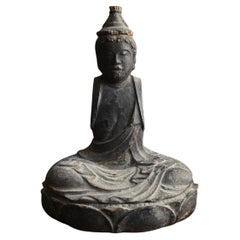
Japanese Antique Wooden Buddhist Figure, Edo Period 1603-1868
Located in Hitachiomiya-shi, 08
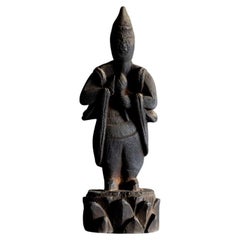
This antique wooden Buddhist figure was crafted in the Edo Period (1603–1868). Although the specific identity of the deity it represents is unknown, the figure has a gentle presence...
Category

Mid-17th Century Japanese Antique Edo Furniture

Materials

Wood

Pair of Japanese Edo Six Panel Screens the Seven Sages
Located in Rio Vista, CA
Fantastic pair of 19th century Japanese late Edo/early Meiji period six-panel screens titled The seven sages of the bamboo grove. The Kano school screens...
Category

19th Century Japanese Antique Edo Furniture

Materials

Brass, Gold Leaf

Japanese Kutani Sake Bottle, Tokkuri, Yoshidaya Style, Edo Period, early 19th c
By Yoshidaya
Located in Austin, TX
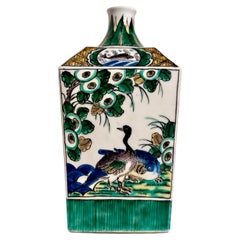
A bold and dramatic Japanese Kutani porcelain square tokkuri (bottle for sake), decorated in the Yoshidaya style, and attributed to the Yoshidaya Kiln (1824 - 1831). The striking sa...
Category

1820s Japanese Antique Edo Furniture

Materials

Ceramic, Stoneware

Japanese Edo Screen Portraits of the Thirty Six Immortal Poets
Located in Rio Vista, CA
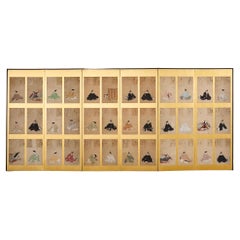
Interesting 19th century Japanese Edo period six-panel byobu screen depicting the thirty six immortals of poetry (Sanjurokkasen). Each portrait is accompanied by their poems. The poe...
Category

19th Century Japanese Antique Edo Furniture

Materials

Wood, Paper

Pair of Antique Japanese Paintings of Karashishi, Edo Period, 18th Century
Located in Prahran, Victoria
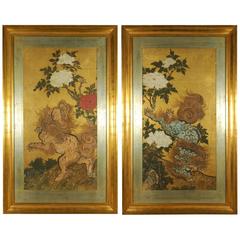
A rare pair of antique Japanese Karashishi paintings in a landscape of rocks and peony flowers on gold leaf ground in fine handmade frames, Edo period, early 18th century. The Karash...
Category

Early 18th Century Japanese Antique Edo Furniture

Materials

Gold Leaf

Antique Edo Period Woodblock Print, War Lords, 19th Century
Located in Amsterdam, Noord Holland
I have not been able to find this print. Its certainly Edo period Additional information: Material: Paper Region of Origin: Japan Period: 19th century Decoration Type / Colour: Poly...
Category

19th Century Japanese Antique Edo Furniture

Materials

Paper

Antique Japanese Noh theatre Carved Painted Wooden Ko-Omote Mask
Located in Forney, TX
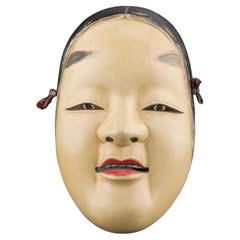
A scarce antique Japanese Noh theatre hand carved and painted wooden mask of Ko-Omote. Sculpted in Japan in the 19th century, Ko-omote (literally ...
Category

19th Century Japanese Antique Edo Furniture

Materials

Cypress, Paint

Antique Japanese Suibokuga Landscape by Kano Tokinobu, 17th century.
Located in Point Richmond, CA
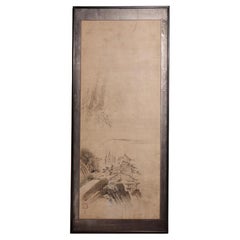
Antique Japanese Suibokuga Landscape by Kano Tokinobu, 17th century. A sumi-e ink on paper painting illustrating a rocky seaside landscape containing buildings, vegetation and ship masts. The painting with 3 vermillion seals of the artist in the lower left corner. Japanese dry mount paper on a wood frame with thin brocade border silver leafed surround and lacquered wood outer frame. Condition: Lighter discoloration near the bottom of the painting, various paper restorations, other minor signs of age, wear, stains, otherwise fine condition. Age: Painting Edo Period, circa 1670. Mounting circa 1985. Image: 51-1/2 in. x 20-1/2 in. (131cm x 52cm) Frame: 59-1/4 in. x 25-1/4 in. (150cm x 64cm) Weight: 6 lbs. Provenance: with Honeychurch Antiques...
Category

1670s Japanese Antique Edo Furniture

Materials

Paper

Japanese Screen Pair, Tigers by Kishi Renzan, Late Edo Period
Located in Kyoto, JP
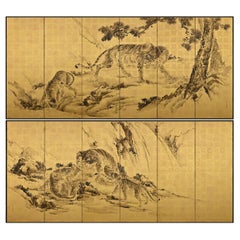
Kishi Renzan (1804-1859) Tigers Pair of six-panel Japanese screens. Ink and gold-leaf on paper. In this monochromatic pair of six-fold Japanese screens painted on gold-leaf, Kishi Renzan has created a breathtaking composition of a family of tigers. The screens are filled with a sense of drama which is conveyed by both the subject matter and the wet, expressive brushwork. The running mountain stream and the towering waterfall allude to refreshment during the summer months and we feel the tiger families familiarity and security within their environment. Renzan’s master, Kishi Ganku...
Category

Mid-19th Century Asian Antique Edo Furniture

Materials

Gold Leaf

Japanese Edo Four Panel Screen Flowering Peony Prunus Magnolia
Located in Rio Vista, CA
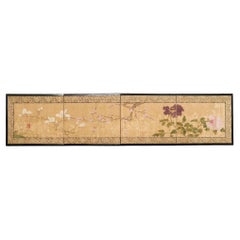
Early 19th century Japanese Edo/Tokugawa period four panel folding byobu table screen featuring peony, prunus, and magnolia. Painted with ink and natural color pigments on silk with ...
Category

19th Century Japanese Antique Edo Furniture

Materials

Brass

XXL Late Edo Period Japanese Cedar “Kura” Door/Wall Hanging Wabi Sabi
Located in London, GB
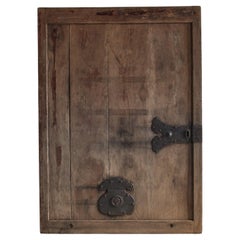
A huge early 19th C. Japanese Kura door in cedar. Beautifully patinated bleached-out wood with hand forged wrought iron plaque/lock. Can either be used as ...
Category

Early 19th Century Japanese Antique Edo Furniture

Materials

Iron

Korean Chaekgeori painting. 19th Century Joseon. Books Scholars’ Accouterments
Located in Kyoto, JP
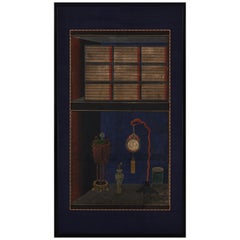
Books and Scholars’ Accouterments; Chaekgeori Second half of the 19th century Korean framed panel. Ink and color on paper. This Korean Chaekgeori...
Category

Late 19th Century Korean Antique Edo Furniture

Materials

Paper

1850s-60s Edo Japanese antique wabi sabi Urushi Tansu box chest of drawers
Located in 常陸大宮市, JP
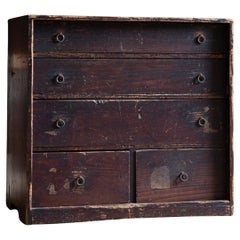
product of late Edo period, estimate 1850s- 1860s - about 160+ years-old medium sized tansu (chest of drawers) with 5 drawers. Finished with traditional Urushi lacquer remains well, and some old paper labels still remained, both giving a good wabi sabi touch to the item. Fine opening closing operation for all drawers. drawer inner 1,2 3 (from the top) : w 20.87 in / d 10.63 in / h 2.95 in, 3.35 in, 4.33 in 4 5 : w 9.84 in / d 10.63 in / h 5.2 in actual item weight 27.31 lb (12.38 kg) Dear customer - feel free to inquire me for the shipping fee quote. The shipping fee showed in the page is automatically calculated by the system, I'm able to offer reasonable quote via Fedex. *** We're eco-friendly, organic-oriented vintage wood furniture...
Category

Late 19th Century Japanese Antique Edo Furniture

Materials

Wood, Cedar

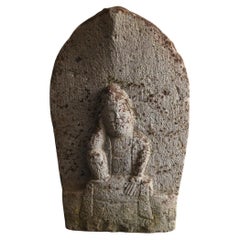
Japanese antique Kannon stone statue/Edo period/18th to 19th century
Located in Sammu-shi, Chiba
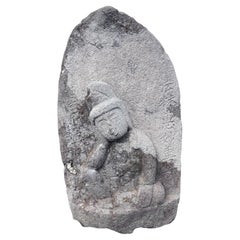
Introducing a stone Buddha of Nyoirin Kannon, created in the mid to late Edo period (circa 1750-1850). The material used is granite or andesite, and the natural weathering of the sto...
Category

Early 19th Century Japanese Antique Edo Furniture

Materials

Stone

Japanese Painting, Hanging Scroll, 19th Century Bamboo in Moonlight
Located in Kyoto, JP
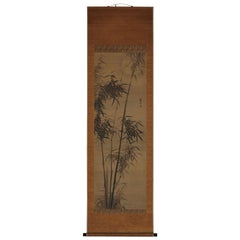
Bamboo in moonlight Gamo Rakan (1784-1866) Hanging scroll, ink on silk. Dimensions: Scroll: 201 cm x 58 cm Image: 137 cm x 45 cm In this early 19th century work by Gamo Rakan a light ink wash applied to the silk background silhouettes the moon and suggests the atmosphere of early evening. Even though it is a literati subject, Rakan’s bamboo is quite realistic with a strong decorative style. The painting finds its inspiration from Chinese Ming dynasty painters who often used a single-tone, jet black stroke to emphasize the calligraphic nature of bamboo. In a different era, decorative would have been seen as somewhat unrefined. But increasingly in the Edo period, it was the hallmark of high style. The Japanese people, in particular the rising merchant class, had gradually become apathetic toward the traditional Sesshu and Kano schools of painting. Chinese professional and amateur painters living in the port of Nagasaki during the 18th century had a profound effect on Japanese painting and the freshness of their style and its decorative appeal contributed greatly to its popularity. Gamo Rakan’s teacher, Tani Buncho...
Category

Early 19th Century Japanese Antique Edo Furniture

Materials

Silk

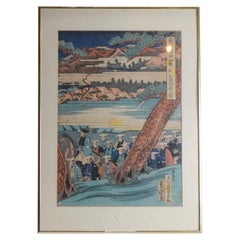
Japanese Woodblock Print Famous Views of the Sixty-Odd Provinces by Hiroshige
Located in Atlanta, GA
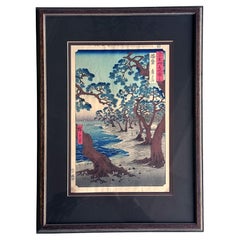
Artist: Utagawa Hiroshige (1797 - 1858) Series: Pictures of Famous Places in the Sixty-odd Provinces Number: 45 Harima: Maiko Beach Medium: Woodblock Print Date: 1853 (Kaei 6), 12th ...
Category

20th Century Japanese Edo Furniture

Materials

Paper

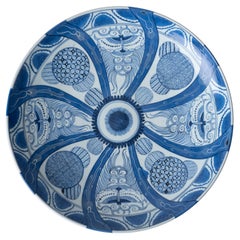
Japanese Edo Period Blue and White Charger, c.1800
Located in Savannah, GA
A Japanese Edo period blue and white charger, circa 1800. 17 ½ inches wide by 3 inches tall
Category

Early 1800s Japanese Antique Edo Furniture

Materials

Porcelain

Japanese Porcelain Charger Plate Finely Hand Painted, Edo Period Circa 1840
Located in Lincoln, Lincolnshire
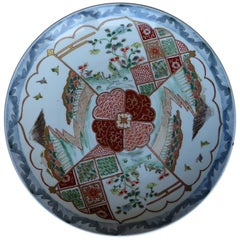
This is an excellent example of a Japanese porcelain Charger or very large plate with a finely hand painted design, dating to the Edo period circa 1840 or possibly earlier. This cha...
Category

Mid-19th Century Japanese Antique Edo Furniture

Materials

Porcelain

Decorative Togatta Kokeshi Doll Sculpture from Northern Japan, Hand-Painted
Located in Vienna, AT
A beautiful and exceptionally 18 inches tall classic traditional Togatta Kokeshi doll from Northern Japan. Handcrafted of wood and hand-painted in the ...
Category

Early 20th Century Japanese Edo Furniture

Materials

Wood

Japanese Antique Stone Garden Kanon Guan Yin in Royal Ease 19thc.
Located in South Burlington, VT
Big, Beautiful And Signed From our recent Japanese Acquisitions An early and hard to find Japanese hand carved stone Kanon in a mudra of contemplation. Nyoirin Kannon Bosatsu is b...
Category

19th Century Japanese Antique Edo Furniture

Materials

Stone

Japanese Screens: Echo of Chrysanthemums
Located in Fukuoka, JP
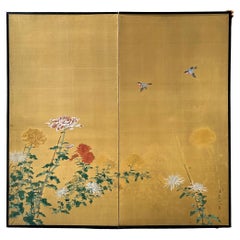
Echo of Chrysanthemums captures the quiet dialogue between form and reflection. Against a radiant gold-leaf ground, blooming chrysanthemums rise in graceful color harmony — white, cr...
Category

19th Century Japanese Antique Edo Furniture

Materials

Gold Leaf

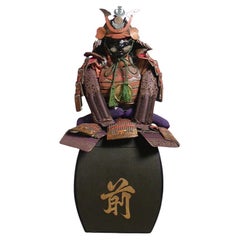
Japanese Boy s day display suit of armor
Located in Point Richmond, CA
Antique Japanese miniature model of a suit of armor made for the Boy’s day display. Constructed of a lacquered paper cuirass, upper arm guar...
Category

1850s Japanese Antique Edo Furniture

Materials

Textile, Wood, Lacquer, Paper

19th Century Japanese Screen for Tea-Ceremony, Ink Bamboo and Plum on Gold Leaf
Located in Kyoto, JP
Three Friends of Winter Nakajima Raisho (1796-1871) Late Edo period, circa 1850 Ink and gold leaf on paper. This is a double-sided Japanese Furosaki or tea-ceremony screen from the mid 19th century; bamboo and plum on the front, young pines the back. It by Nakajima Raisho, a master painter of the Maruyama school in the late Edo and early Meiji periods. In this work Raisho combines exquisite ink brushwork with large open spaces of brilliant gold-leaf to inspire the viewers imagination. Rather than naturalism, he is searching for the phycological impression of the motifs, resulting in abstraction and stylization. His simplification of the motifs the result of looking to capture the inner nature of the objects. This art motif is known as Sho Chiku Bai, or the Three Friends of Winter. Evergreen pine connotes steadfastness, bamboo suggests both strength and flexibility, while plum blossoms unfurling on snow-laden branches imply hardiness. Combined, this trio is emblematic of Japanese new year. Chinese literati were the first to group the three plants together due to their noble characteristics. Like these resilient plants flowering so beautifully in winter, it was expected of the scholar-gentleman to cultivate a strong character with which he would be able to show the same degree of perseverance and steadfastness even during times of adverse conditions. The screen would have been placed near the hearth of a room used for the Japanese tea ceremony, shielding the fire from draughts and also forming a stimulating and decorative backdrop behind the tea utensils. It would have been used in the Hatsugama, or first tea-ceremony of the new year. Nakajima Raisho (1796-1871) originally studied under Watanabe Nangaku before entering the school of Maruyama Ozui. He was the highest ranking Maruyama school painter at the end of the Edo period and was known as one of the ‘Four Heian Families’ along with Kishi...
Category

Mid-19th Century Japanese Antique Edo Furniture

Materials

Gold Leaf

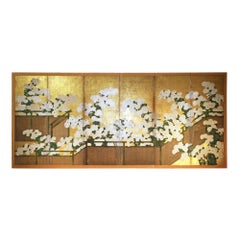
Japanese Screen mid Edo gold leaf
Located in Brescia, IT
This 18th century six-panel screen is truly special. The author is unknown, but his singular genius in portraying dozens of chrysanthemum flowers created with the white of the "gofun...
Category

Mid-18th Century Japanese Antique Edo Furniture

Materials

Gold Leaf

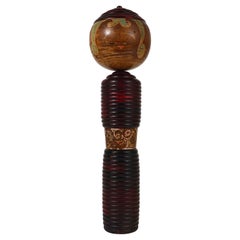
Decorative Kokeshi Doll Sculpture from Northern Japan, Hand-Painted, Signed
Located in Vienna, AT
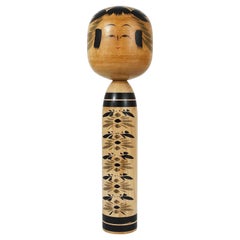
A beautiful and exceptionally 19 inches tall classic traditional Kokeshi doll from Northern Japan. Handcrafted of wood and hand-painted in the early 20th century, covered with a layer of wax. Signed by the artist on its underneath. In good condition with charming patina. A classic traditional doll with a simple but lovely design, a decorative piece. In Japan these dolls symbolize love, friendship and believed to be a lucky charm. We offer more large Kokeshi...
Category

Early 20th Century Japanese Edo Furniture

Materials

Wood

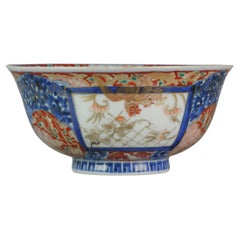
Large Antique Japanese Arita Imari Bowl Edo Meiji Period, 19th Century
Located in Amsterdam, Noord Holland
Large Antique 19th Japanese Arita Imari Bowl Edo Meiji Period Birds Flowers. A very nice bowl. Additional information: Material: Porcelain & Pottery Region of Origin: Japan Period:...
Category

19th Century Japanese Antique Edo Furniture

Materials

Porcelain

Japanese antique Buddhist statues/[Ten Kings statues]/Edo period/18-19th century
Located in Sammu-shi, Chiba
This wooden Buddhist statue (made from cypress wood) is thought to have been made in the Edo period, probably around the 18th or 19th century. It is one of the types of statues known...
Category

18th Century Japanese Antique Edo Furniture

Materials

Cypress

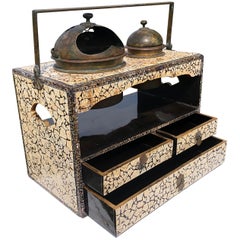
Japanese Rare Antique Inlaid Smoking Tansu, Complete 1850
Located in South Burlington, VT
The first we have seen A spectacular and hard to find Inlaid mother of pearly - using the raden technique- and lacquered three-drawer Tansu complete with all original bronze accoutrement including a fine engraved antique long pipe and two removable covered bronze cylinders all executed by expert mid-19th century Edo samurai...
Category

19th Century Japanese Antique Edo Furniture

Materials

Bronze

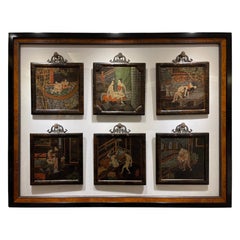
Set of Six Japanese Ido Period Shunga Erotica Hanging Lacquered Wood Panels
Located in North Miami, FL
These magnificent lacquered wood panels have been mounted together on a lucite panel. Each panel has its original hanging handle. The panels are hanging on antique railroad...
Category

18th Century Japanese Antique Edo Furniture

Materials

Metal, Iron

Japanese antique white-glazed sake bottle / [Satsuma ware] vase / 1700-1800s
Located in Sammu-shi, Chiba
This registration is one of the pottery called Satsuma ware, which was made in Kagoshima Prefecture around the 18th to 19th centuries during the Edo period. (The area with a red circ...
Category

18th Century Japanese Antique Edo Furniture

Materials

Pottery

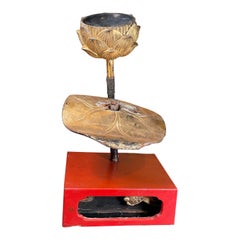
Japanese Fine Antique Gilt and Red Lacquer Lotus Bud Flower, Edo Period 19th C
Located in South Burlington, VT
From our recent Japanese acquisitions, a rare find Antique Original Japanese temple "blossoming lotus" flower bud stem including its original red lacquer display base. This finely hand carved wood and lacquered gold flower stem was made for a Buddhist 19th century temple altar. Its flower blossoms and leaves symbolize the stages of the path toward enlightenment. The individual parts of each lotus is carved separately then joined in an arrangement and inserted in altar vessels. Also called "Jyôka" , it is placed on or next to an altar in a Buddhist temple. Made with meticulous techniques. In Buddhism, the lotus is an important symbol of divine enlightenment because it blooms into beautiful flowers while growing in mud. Tsunehana means "a flower that continues to bloom forever" and "a flower that does not wither." For this reason, the flowers represented are in different stages of their life, unfolded lotus leaves, buds and full flowers, thus symbolizing the journey towards Buddhist enlightenment. This lovely Japanese antique gilt Lotus flower is an early survivor, circa 1840, and a hard to find treasure that was originally placed on or around a temple altar. This ensemble consists of a single stem, the top most flower, and the bottom leaf- all mounted in the original square red lacquer display base. A gold gilt 3.5 inch long tortoise "minogame" is affixed to the base as seen in the photo. Its attractive original old patina coupled with much of the original gilding remaining present is just the way we like to find them. Dimensions: With original red lacquer display stand Height, 17 inches height and 9 inches in width. The lotus flower stem alone measures 16 inches in height. Provenance: acquired from a Kyoto Japanse monk and collector History of the Japanese turtle "minogame" One of the most famous is the mythological giant turtle...
Category

1840s Japanese Antique Edo Furniture

Materials

Wood, Pine

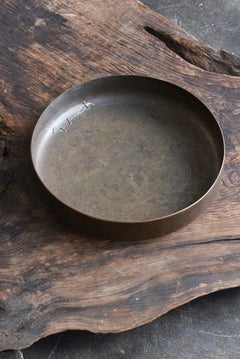
Japanese Antique Copper Alloyr Tray / 1800-1900 / Gong / Wabi-Sabi Art
Located in Sammu-shi, Chiba
I bought a very attractive copper tray. This is an item that was once used as a gong. In other words, it was used as a percussion instrument. It was also used in temples. The materi...
Category

19th Century Japanese Antique Edo Furniture

Materials

Copper

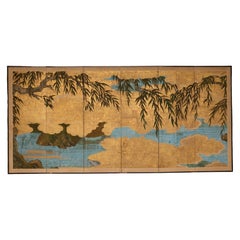
Japanese antique screen - EDO period - Willow over a stream
Located in Prahran, Victoria
Antique Japanese 6 panel screen from the early Edo period (C1650). One of a pair (both available). This magnificent golden screen shows...
Category

1650s Japanese Antique Edo Furniture

Materials

Gold Leaf

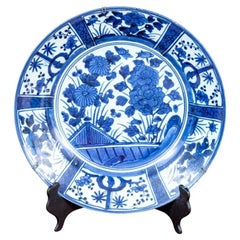
Antique Japanese Export Blue White Kraak Arita Charger
Located in Bridgeport, CT
Antique Japanese export blue and white Kraak Arita charger. The rim divided into six alternating and repetitive panels containing peony with sprouting grasses or bamboo. The center w...
Category

19th Century Japanese Antique Edo Furniture

Materials

Pottery

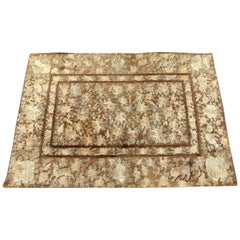
Antique Japanese Embroidery Tapestry Panel Edo Period
Located in Atlanta, GA
A large Japanese silk embroidery tapestry circa 18th century Edo period. Possibly an altar tablecloth originally, the embroidered textile pane...
Category

18th Century Japanese Antique Edo Furniture

Materials

Silk

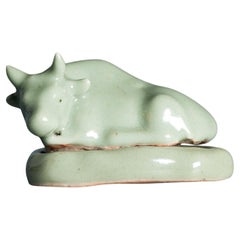
Unusual 17/18th Century Japanese/Chinese Porcelain Incense Container Ox celadon
Located in Amsterdam, Noord Holland
Sharing with you this lovely and unusual Chinese porcelain incense container from the Edo or late Ming period or Qing period, described on ...
Category

17th Century Antique Edo Furniture

Materials

Porcelain

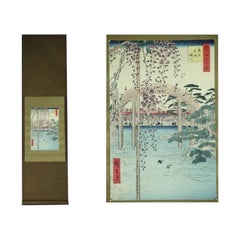
Hiroshige Utagawa "One Hundred Famous Views of Edo Kameido" Woodblock Ukiyo-e
Located in Amsterdam, Noord Holland
Hiroshige Utagawa "One Hundred Famous Views of Edo Kameido" Condition vertical width /114.5cm width /30.3Cm (actual paper) vertica...
Category

20th Century Japanese Edo Furniture

Materials

Bronze

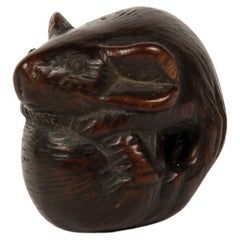
Boxwood nestuke in the form of a curled up mouse forming almost a pearl
Located in PARIS, FR
Netsuke in boxwood depicting a mouse curled up on itself, holding its tail between its tiny paws. The highly realistic rendering of the fur and the deep, worn patina emphasize the na...
Category

Late 18th Century Japanese Antique Edo Furniture

Materials

Boxwood

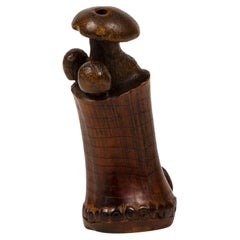
Netsuke in bamboo in the form of a mushroom
Located in PARIS, FR
Very elegant small netsuke carved from a short segment of bamboo, depicting three mushrooms caps growing at its top. Beautiful brown patina from use. Since traditional kimonos do not...
Category

Late 18th Century Japanese Antique Edo Furniture

Materials

Bamboo

Japanese antique pottery bowl/[Banko ware] Mie prefecture/1850-1912
Located in Sammu-shi, Chiba
Banko-yaki is a type of pottery that began in the northern part of Mie Prefecture in the middle of the Edo period. (The places marked with red circles on the map are the kilns of Banko ware...
Category

Late 19th Century Japanese Antique Edo Furniture

Materials

Pottery

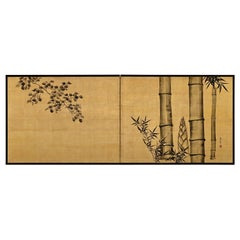
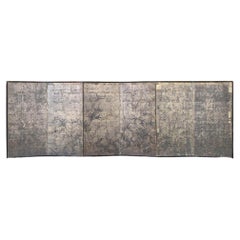
Evolving Elegance: An Oxidized Silver Screen from the Meiji Period
Located in Fukuoka, JP
This anodized 6-panel screen captures the serene and minimalistic beauty of a bamboo grove, embodying the aesthetic principles of the Edo period. The screen features subtle and delic...
Category

18th Century Japanese Antique Edo Furniture

Materials

Silver Leaf

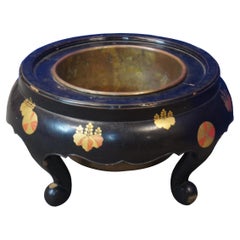
Antique Japanese Edo Makie Lacquered Stand Hibachi Brazier Tea Fire Bowl Brass
Located in Dayton, OH
Antique Japanese late Edo / Tokugawa period Hibachi used for burning coal, as a portable heater, and as a heating device for a pot of tea. In modern times they work well as a planter...
Category

19th Century Japanese Antique Edo Furniture

Materials

Brass

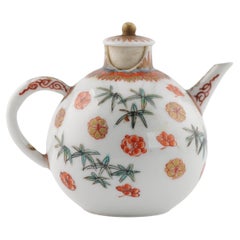
Miniature Antique Edo Period Early 18th Century Japanese Porcelain Teapot
Located in Amsterdam, Noord Holland
Description Miniature Teapot. Sharing with you this lovely and small sized teapot from the early 18th century. The shape and design are lovely and unusual. The base is unglazed. See...
Category

17th Century Antique Edo Furniture

Materials

Porcelain

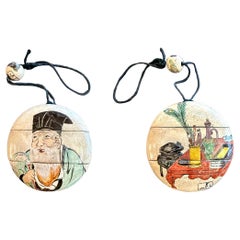
Rare Japanese Ceramic Glazed Inro with Ojime Ogata Kenzan Edo Period
Located in Atlanta, GA
A Japanese three-section inro made from ceramic with glazed painting with an original ensuite Ojime circa 18th century of Edo period signed by Ogata Kenzan (1663–1743). The circular ...
Category

18th Century Japanese Antique Edo Furniture

Materials

Ceramic

Edo furniture for sale on 1stDibs.

Find a broad range of unique Edo furniture for sale on 1stDibs. Many of these items were first offered in the 21st Century and Contemporary, but contemporary artisans have continued to produce works inspired by this style. If you’re looking to add vintage furniture created in this style to your space, the works available on 1stDibs include asian art and furniture, wall decorations, decorative objects and other home furnishings, frequently crafted with wood, metal and other materials. If you’re shopping for used Edo furniture made in a specific country, there are Asia, East Asia, and Japan pieces for sale on 1stDibs. While there are many designers and brands associated with original furniture, popular names associated with this style include Utagawa Hiroshige (Ando Hiroshige), Arita, Ryosuke Harashima, and Kitagawa Utamaro. It’s true that these talented designers have at times inspired knockoffs, but our experienced specialists have partnered with only top vetted sellers to offer authentic pieces that come with a buyer protection guarantee. Prices for furniture differ depending upon multiple factors, including designer, materials, construction methods, condition and provenance. On 1stDibs, the price for these items starts at $55 and tops out at $1,386,932 while the average work can sell for $2,989.

Still Thinking About These?

All Recently Viewed