Edo Furniture

EDO STYLE

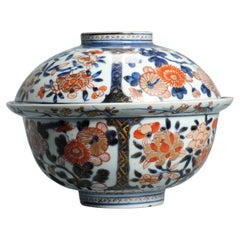
Edo furniture was created during a flourishing time for the decorative arts owing to the stability of the Tokugawa shogunate rule in Japan. Spanning from 1603 to 1867, this era of peace and economic growth supported artistic advancements in lacquer, woodblock printing, porcelain and other artisanal trades. Because the country was largely isolated, there was little outside influence, leading to centuries of exceptional attention to the design of its furnishings and the quality of its traditional arts.

Unlike during the Meiji period that followed, with an increase in domestic and international markets, furniture during the Edo period was predominately commissioned by the ruling class, although people from across social groups benefited from the burgeoning metropolitan hubs for artisanal trades. For instance, Kyoto became a major center for lacquer art. Most furniture pieces were made from wood such as cedar or ash, including the era’s sashimono cabinets, which involved fine joinery and were rooted in the Heian period.

Sashimono cabinets, which were built by master craftsmen in a range of different wood types owing to the various trees that populate Japan, occasionally featured a stack of slender drawers as well as sliding doors. They were popular with everyone from samurai to kabuki actors. Tansu storage chests crafted from wood with metal fittings were also common in Edo-period homes. Some were designed to be easily portable while others were made to double as staircases.

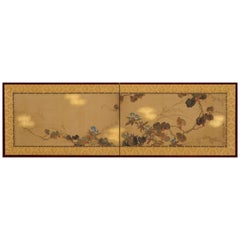
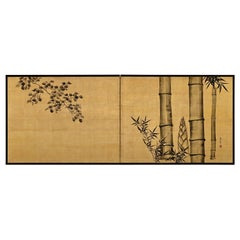
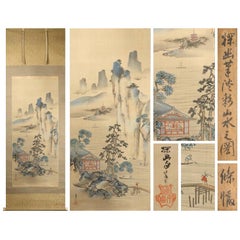
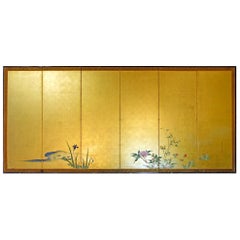
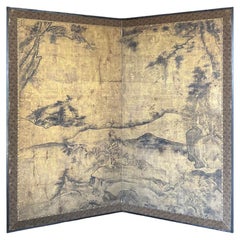
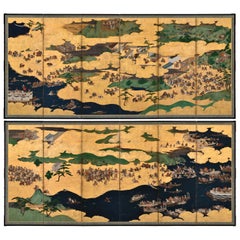
Painted folding screens, called byōbu, were also fashionable, with Japanese artists inspired by nature, literature and scenes of history and daily life to create vivid works. In Buddhist temples and the palatial homes of the aristocratic class, fusuma, or large sliding panels, would sometimes be adorned with gold or silver leaf. These dividers allowed interiors to change throughout the day, closing in small spaces for personal use or reflecting candlelight to illuminate communal spaces after dark.

Find a collection of Edo tables, lighting, decorative objects, wall decorations and more furniture on 1stDibs.

to
254
337
333
887
11
1
198,611
115,244
44,120
33,264
16,610
12,244
10,863
10,840
9,984
8,902
7,354
6,662
6,481
6,391
6,251
6,143
4,913
3,746
381
438
68
12
25
12
3
2
1
1
2
1
308
281
245
209
200
802
784
760
21
3
899
896
896
13
11
6
3
3
Style: Edo
Japanese antique white-glazed sake bottle / [Satsuma ware] vase / 1700-1800s
Located in Sammu-shi, Chiba
This registration is one of the pottery called Satsuma ware, which was made in Kagoshima Prefecture around the 18th to 19th centuries during the Edo period. (The area with a red circ...
Category

18th Century Japanese Antique Edo Furniture

Materials

Pottery

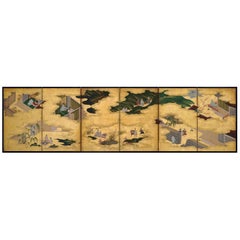
Japanese Screen Painting, Circa 1700 Tales of Ise by Tosa Mitsusuke
By Tosa Mitsusuke 1
Located in Kyoto, JP
A six-fold Japanese screen by Tosa Mitsusuke (1675-1710), Japan 17th-18th century, Edo period. The signature reads Shoroku-i ge Tosa sa Konoe Shogen Mit...
Category

Late 17th Century Japanese Antique Edo Furniture

Materials

Gold Leaf

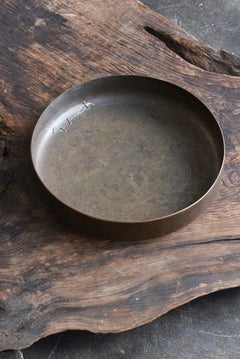
Japanese Antique Copper Alloyr Tray / 1800-1900 / Gong / Wabi-Sabi Art
Located in Sammu-shi, Chiba
I bought a very attractive copper tray. This is an item that was once used as a gong. In other words, it was used as a percussion instrument. It was also used in temples. The materi...
Category

19th Century Japanese Antique Edo Furniture

Materials

Copper

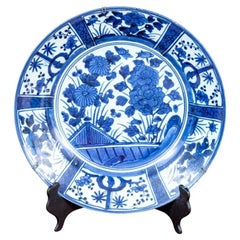
Antique Japanese Export Blue White Kraak Arita Charger
Located in Bridgeport, CT
Antique Japanese export blue and white Kraak Arita charger. The rim divided into six alternating and repetitive panels containing peony with sprouting grasses or bamboo. The center w...
Category

19th Century Japanese Antique Edo Furniture

Materials

Pottery

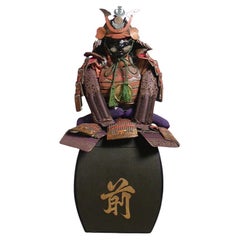
Japanese Boy s day display suit of armor
Located in Point Richmond, CA
Antique Japanese miniature model of a suit of armor made for the Boy’s day display. Constructed of a lacquered paper cuirass, upper arm guar...
Category

1850s Japanese Antique Edo Furniture

Materials

Textile, Wood, Lacquer, Paper

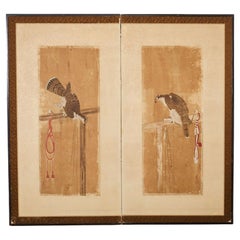
Japanese Edo Two Panel Screen Birds of Prey Hawks
Located in Rio Vista, CA
Fascinating Japanese 19th century Edo period two-panel screen depicting two perched birds of prey. Painted in the manner of Chokuan Soga (17th century). Large size byobu screen with ...
Category

19th Century Japanese Antique Edo Furniture

Materials

Silk, Wood, Paper

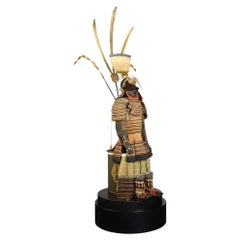
Edo-period Orange-Laced Samurai Suit
Located in New Orleans, LA
For samurai warriors, the functionality of their armor was as vital as its striking beauty—both elements held equal importance. This orange-laced armor is one of the rarest and most stunning complete Edo-period samurai suits ever crafted, designed for a military leader to convey the gravity of his power and warrior spirit at a single glance. This particularly rare armor...
Category

18th Century Asian Antique Edo Furniture

Materials

Copper, Iron

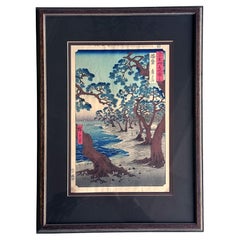
Japanese Woodblock Print Famous Views of the Sixty-Odd Provinces by Hiroshige
Located in Atlanta, GA
Artist: Utagawa Hiroshige (1797 - 1858) Series: Pictures of Famous Places in the Sixty-odd Provinces Number: 45 Harima: Maiko Beach Medium: Woodblock Print Date: 1853 (Kaei 6), 12th ...
Category

20th Century Japanese Edo Furniture

Materials

Paper

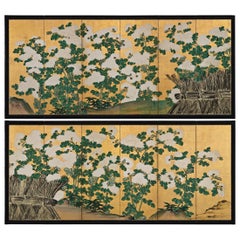
Mid-18th Century Japanese Screen Pair, One Hundred Flowers, Chrysanthemums
Located in Kyoto, JP
Omori Soun (b. 1704) Chrysanthemums - One Hundred Flowers A Pair of Six-fold Japanese Screens. Ink, color, gofun and gold leaf on paper. Dating ...
Category

Mid-18th Century Japanese Antique Edo Furniture

Materials

Gold Leaf

A great bowl dating to most probably the second last quarter of the 17th century
Located in Amsterdam, Noord Holland
Nice & Beautiful Arita Japanese Porcelain Kendi. Floral and figural scene. This 17th Century Japanese Export Porcelain Jug or Ewer, Arita Kilns c.1670-1690 is painted in lovely blue...
Category

17th Century Antique Edo Furniture

Materials

Porcelain

Japanese Screen Painting, Early 19th Century, Autumn Flowers by Sakai Hoitsu
Located in Kyoto, JP
A two-fold Japanese screen by the Rimpa school artist Sakai Hoitsu (1761-1828), Japan, 19th century, Edo period. This small Japanese folding screen pai...
Category

Early 19th Century Japanese Antique Edo Furniture

Materials

Wood, Silk

19th Century Japanese Screen for Tea-Ceremony, Ink Bamboo and Plum on Gold Leaf
Located in Kyoto, JP
Three Friends of Winter Nakajima Raisho (1796-1871) Late Edo period, circa 1850 Ink and gold leaf on paper. This is a double-sided Japanese Furosaki or tea-ceremony screen from the mid 19th century; bamboo and plum on the front, young pines the back. It by Nakajima Raisho, a master painter of the Maruyama school in the late Edo and early Meiji periods. In this work Raisho combines exquisite ink brushwork with large open spaces of brilliant gold-leaf to inspire the viewers imagination. Rather than naturalism, he is searching for the phycological impression of the motifs, resulting in abstraction and stylization. His simplification of the motifs the result of looking to capture the inner nature of the objects. This art motif is known as Sho Chiku Bai, or the Three Friends of Winter. Evergreen pine connotes steadfastness, bamboo suggests both strength and flexibility, while plum blossoms unfurling on snow-laden branches imply hardiness. Combined, this trio is emblematic of Japanese new year. Chinese literati were the first to group the three plants together due to their noble characteristics. Like these resilient plants flowering so beautifully in winter, it was expected of the scholar-gentleman to cultivate a strong character with which he would be able to show the same degree of perseverance and steadfastness even during times of adverse conditions. The screen would have been placed near the hearth of a room used for the Japanese tea ceremony, shielding the fire from draughts and also forming a stimulating and decorative backdrop behind the tea utensils. It would have been used in the Hatsugama, or first tea-ceremony of the new year. Nakajima Raisho (1796-1871) originally studied under Watanabe Nangaku before entering the school of Maruyama Ozui. He was the highest ranking Maruyama school painter at the end of the Edo period and was known as one of the ‘Four Heian Families’ along with Kishi...
Category

Mid-19th Century Japanese Antique Edo Furniture

Materials

Gold Leaf

Japanese antique stone god/[Daikokuten]/Stone Buddhas from the Edo period
Located in Sammu-shi, Chiba
Do you know what Daikokuten is? This god in Japan is an old god who has existed since the end of the Muromachi period (16th century) as one of the seven gods who bestow happiness. He...
Category

18th Century Japanese Antique Edo Furniture

Materials

Stone

Antique Japanese Woodblock - Watanabe Seitei Shotei woodcut Birds in a Tree
Located in Amsterdam, Noord Holland
Description Watanabe Seitei (Shotei) Pigeons and Stone Lantern sheet measures: 11 1/2" H x 9" W Please note that shipping charges are inclusive of insurance, payment processing and c...
Category

19th Century Japanese Antique Edo Furniture

Materials

Paper

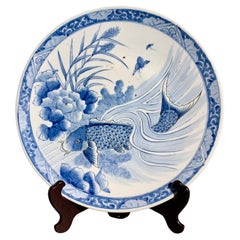
Large Japanese Blue and White Arita Porcelain Charger, Edo Period, 19th C, Japan
Located in Austin, TX
A large Japanese blue and white decorated Arita porcelain charger, Edo Period, early 19th century, Japan. The large and shallow blue and white Arita porcelain charger measures 18 ...
Category

Early 19th Century Japanese Antique Edo Furniture

Materials

Porcelain

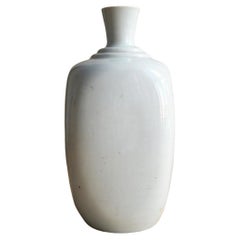
Japanese antique white porcelain vase/1818-1900/”Iwatani ware”/rare sake bottle
Located in Sammu-shi, Chiba
This is a white porcelain sake bottle made at the end of the Edo period. The name of this pottery is Iwayaki. The Yako was built in Hikino-cho, Fukuyama City, Hiroshima Prefecture. (The location marked with a red circle on the map is the pottery.) The kiln is currently abandoned. The kiln was opened in 1818 and continued until around 1900. Until this time, many sake bottles of this type were made and shipped with various decorations. (Please take a look at the document images of Iwatani Sake Tokkuri with various designs) This item is a pure white sake bottle and has the simplest design. containing a Chinese herbal...
Category

Late 19th Century Japanese Antique Edo Furniture

Materials

Porcelain

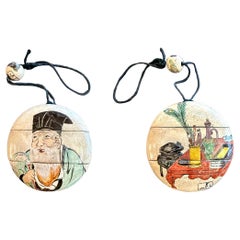
Rare Japanese Ceramic Glazed Inro with Ojime Ogata Kenzan Edo Period
Located in Atlanta, GA
A Japanese three-section inro made from ceramic with glazed painting with an original ensuite Ojime circa 18th century of Edo period signed by Ogata Kenzan (1663–1743). The circular ...
Category

18th Century Japanese Antique Edo Furniture

Materials

Ceramic

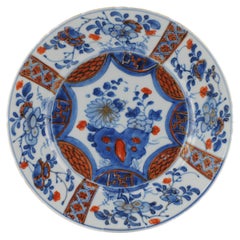
Antique 18th century Antique Kangxi Yongzheng Chinese Porcelain Imari Plate
Located in Amsterdam, Noord Holland
A Chinese porcelain dish from the first half of the 18th century. Lotus and pommegranate Condition Rimfritting and Chips. Size 21cm Period 18th century
Category

17th Century Antique Edo Furniture

Materials

Porcelain

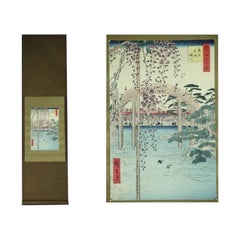
Hiroshige Utagawa "One Hundred Famous Views of Edo Kameido" Woodblock Ukiyo-e
Located in Amsterdam, Noord Holland
Hiroshige Utagawa "One Hundred Famous Views of Edo Kameido" Condition vertical width /114.5cm width /30.3Cm (actual paper) vertica...
Category

20th Century Japanese Edo Furniture

Materials

Bronze

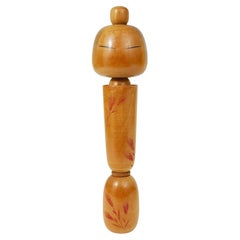
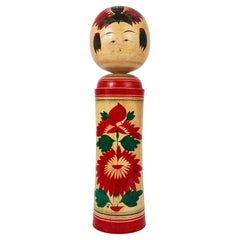
Decorative Sadao Kishi Kokeshi Doll Sculpture from Japan, Hand-Painted
Located in Vienna, AT
A beautiful and exceptionally 18 inches tall Sosaku Kindai Kokeshi doll from Japan. Handcrafted of wood and hand-painted in the the early 20th century. In good condition with charmin...
Category

Mid-20th Century Japanese Edo Furniture

Materials

Wood

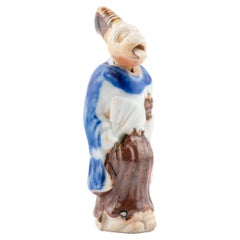
Antique Meiji Period 19C Japanese Hirado Netsuke Sanbosa dancing monkey
Located in Amsterdam, Noord Holland
This is a most unusually made antique Hirado porcelain netsuke form model of a mischievous monkey dressed as a Sanbosa dancer. The figure is crisply modelled with cobalt blue and iro...
Category

17th Century Antique Edo Furniture

Materials

Porcelain

Decorative Togatta Kokeshi Doll Sculpture from Northern Japan, Hand-Painted
Located in Vienna, AT
A beautiful and exceptionally 18 inches tall classic traditional Togatta Kokeshi doll from Northern Japan. Handcrafted of wood and hand-painted in the ...
Category

Early 20th Century Japanese Edo Furniture

Materials

Wood

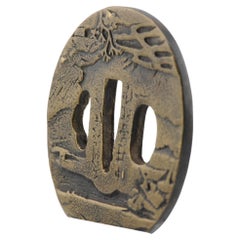
Antique Metal Japanese Tsuba Tosogu with Buddhist Literati in Landscape
Located in Amsterdam, Noord Holland
Nicely made Tsuba. The piece is unmarked. Dating to the Edo period Provenance: Collected in the 1920's. Thence by decent A Tsuba is a Japanese sword mountings are the various housi...
Category

19th Century Japanese Antique Edo Furniture

Materials

Metal, Bronze

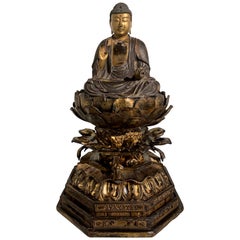
Japanese Giltwood Medicine Buddha, Yakushi Nyorai, Muromachi Period 16th Century
Located in Austin, TX
A striking Japanese late Muromachi Period (1333-1573) lacquered and giltwood figure of Yakushi Nyorai, the Medicine Buddha, seated upon an elaborate car...
Category

16th Century Japanese Antique Edo Furniture

Materials

Rock Crystal

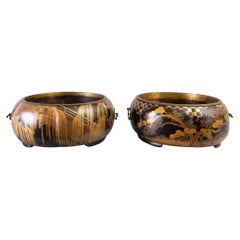
Pair of Exceptional Daimyo Hand Warmers
Located in Hudson, NY
The daimyo were the ruling class of land owners, subordinate to shogun, who formed around the 10th century and fell out of power in the 19th century. Daimyo families tended to be wealthy and could commission artwork or decorative pieces. This pair of 17th century hibachi are black and gold lacquer with designs of Uji Bridge...
Category

Late 17th Century Japanese Antique Edo Furniture

Materials

Lacquer

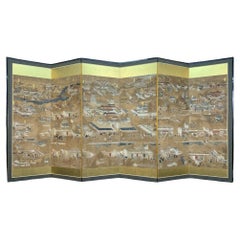
Edo Period Kyoto Screen
Located in Fukuoka, JP
Edo Period Kyoto Screen Period: Edo period Size: 343 x 176 cm (134.6 x 69 inches) SKU: RJ69 This stunning Edo period screen depicts typical scenes of d...
Category

18th Century Japanese Antique Edo Furniture

Materials

Silk, Wood, Paper

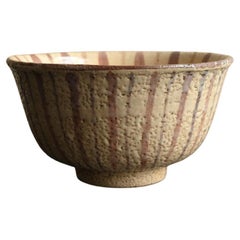
Japanese antique vertical striped tea bowl/19th to early 20th century/Seto ware
Located in Sammu-shi, Chiba
This is a Seto ware tea bowl made in Japan from the late Edo period to the Meiji period (late 19th to early 20th century). Seto is a kiln with a long history in Aichi Prefecture, Jap...
Category

Late 19th Century Japanese Antique Edo Furniture

Materials

Pottery

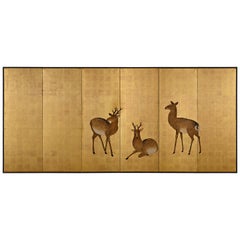
19th Century Japanese Screen, Deer in Spring, Maruyama Shijo School
Located in Kyoto, JP
A six-panel Japanese folding screen from the leading Maruyama-Shijo artist Okamoto Toyohiko (1773-1845). Simply featuring three deer and a few sprigs of foliage on a sumptuous gold-leaf background this work emphasizes naturalistic expression and a masterful use of negative space. Reduced to its most basic elements, the blank spaces inspire imagination and evoke the smells, sounds and even the weather of the scene. Whilst deer are traditionally depicted in association with autumn, here the green growth on the tops of the foliage indicates the season of spring. The work references Maruyama Okyo’s two-panel deer screen...
Category

Early 19th Century Japanese Antique Edo Furniture

Materials

Gold Leaf

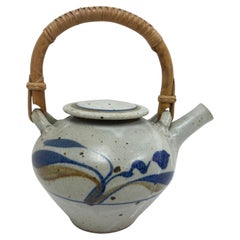
Studio Pottery Signed Tea Pot with Fine Form and Color
Located in Bridgeport, CT
A fine studio pottery Tea Server with fine form and craftsmanship. The pot with decorative free form foliate decoration in brown and blue on a pleasing spotted oyster background and ...
Category

20th Century Edo Furniture

Materials

Stoneware, Rattan

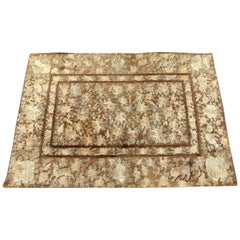
Antique Japanese Embroidery Tapestry Panel Edo Period
Located in Atlanta, GA
A large Japanese silk embroidery tapestry circa 18th century Edo period. Possibly an altar tablecloth originally, the embroidered textile pane...
Category

18th Century Japanese Antique Edo Furniture

Materials

Silk

Antique 17/18C Japanese Arita Kakiemon Unusual shaped Bowl Flowers Shibata
Located in Amsterdam, Noord Holland
Very happy with this new arrival. Hexagonal Arita kakiemon bowl of unusual shape and design and size. Landscape scene with birds, trees, flowers and pomegranates. Period; 17/18C S...
Category

17th Century Antique Edo Furniture

Materials

Porcelain

Lovely 17th-18th Century Scroll Painting Japan Artist Kano Soyu Painted
Located in Amsterdam, Noord Holland
It is a work that is said to have been drawn by Kano Soyu as you can see. It is a picture of the light-colored Sansui map carefully drawn to the smallest detail, and the towering m...
Category

17th Century Japanese Antique Edo Furniture

Materials

Silk

Paravento Giapponese a sei pannelli su foglia d oro.
Located in Brescia, IT
Paravento giapponese a sei pannelli , opera di un pittore della prima metà del 19° secolo, di scuola Rinpa. Sei pannelli dipinti con inchiostro su foglia oro e "gofun" su carta veget...
Category

Early 19th Century Japanese Antique Edo Furniture

Materials

Gold Leaf

Japanese antique painted pottery / "Eseto" / Edo period, 1800s / Ashtray
Located in Sammu-shi, Chiba
This is a pottery called Seto-yaki, which was fired in Seto, Aichi Prefecture, Japan. Seto is a kiln with a long history in Aichi Prefecture, Japan. (Seto kilns are marked with red c...
Category

19th Century Japanese Antique Edo Furniture

Materials

Pottery

Antique 19th Century Japanese Woodblock Print By Utagawa Kunisada C.1858
Located in London, GB
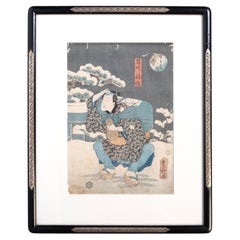
Antique 19th Century Japanese Woodblock Print By Utagawa Kunisada C.1858 Edo period 1858 (Ansei 5), 3rd month Original Woodblock print of Snow (Yuki) actor Nakamura Fukusuke I as H...
Category

Mid-19th Century Japanese Antique Edo Furniture

Materials

Paper

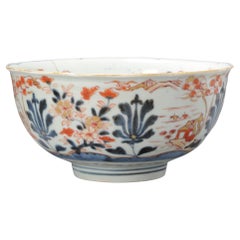
Japanese Edo Period Imari Porcelain Bowl Japan Lotus Flowers, C 1680-1700
Located in Amsterdam, Noord Holland
Nice Edo period bowl with lotus flowers and old cramm restorarion. very cool! Additional information: Material: Porcelain & Pottery Category: Imari Re...
Category

18th Century Japanese Antique Edo Furniture

Materials

Porcelain

Suzuribak or writting box decorated with a moonrise landscape
Located in PARIS, FR
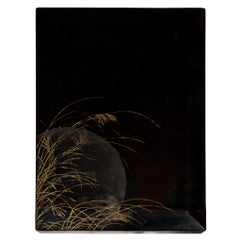
An old suzuribako, or writing box, in black lacquer with a faceted lid and featuring, as its sole decoration in the lower left section, a moonlight scene emerging from tall grasses. ...
Category

Late 17th Century Japanese Antique Edo Furniture

Materials

Gold Leaf, Silver Leaf

Book (9) - Porcelain - Shibata Collection part 1 - 8 - Japan - Edo Period (1600-
Located in Amsterdam, Noord Holland
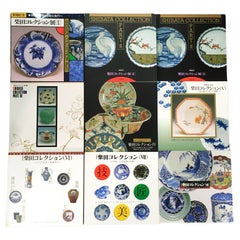
A rare set of Shibata colelction books. Containing over 2000 pieces of Japanese porcelain from 1630 untill 1900. Back and front pictures. This is an absolute must for all collectors...
Category

17th Century Antique Edo Furniture

Materials

Porcelain

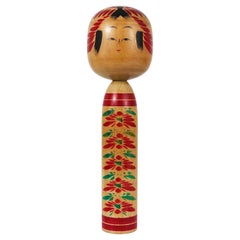
Decorative Naruko Kokeshi Doll Sculpture from Northern Japan, Hand-Painted
Located in Vienna, AT
A beautiful and exceptionally 20 1/2 inches tall classic traditional Naruko Kokeshi doll from Northern Japan. Handcrafted of wood and hand-painted ...
Category

Early 20th Century Japanese Edo Furniture

Materials

Wood

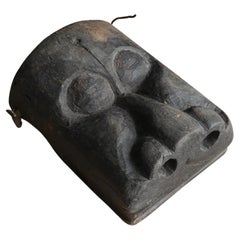
Japanese Antique Wooden Lion Mask Engraving Edo Period/1603-1868/Shrine Festival
Located in Sammu-shi, Chiba
This is a very old Japanese "si-si" mask made in the middle to late Edo period. (Japanese ``si-si'' is an imaginary animal that deifies a lion.) It is thought that materials such as...
Category

18th Century Japanese Antique Edo Furniture

Materials

Wood

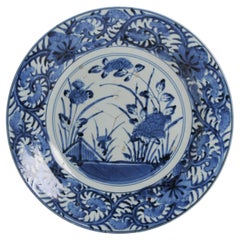
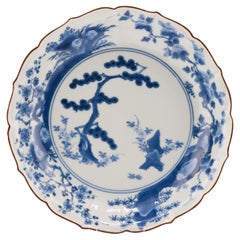
Antique Edo Period Japanese Porcelain Plate Arita Kraak Dish, Ca 1700
Located in Amsterdam, Noord Holland
Sharing this very nice edo period, 1680-1700, example. With a central scene of a flowers. The rim beautifully painted, quite unusual. Unmarked at base Arita ware, also known as Ar...
Category

17th Century Japanese Antique Edo Furniture

Materials

Porcelain

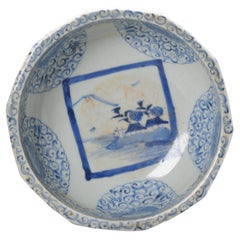
Antique Japanese Porcelain Edo Period Bowl with landscape, Japan, ca 1800
Located in Amsterdam, Noord Holland
Antique Edo Period Bowl With landscape Japan ca 1800 Japanese Porcelain. Additional information: Material: Porcelain & Pottery Region of Origin: Japan...
Category

19th Century Japanese Antique Edo Furniture

Materials

Porcelain

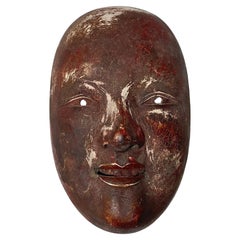
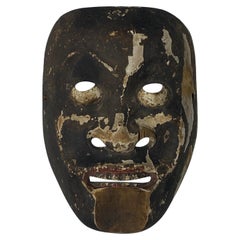
Japanese Antique Edo Wood Noh Theater Omi-Onna Ko-Omote Koomote Mask, 1700s
Located in Studio City, CA
A truly beautiful, wonderfully aged, alluring mask made for Japanese Noh theater. The naturally faded beauty and unique character drew us to this mask immediately. The mask is hand...
Category

18th Century Japanese Antique Edo Furniture

Materials

Wood

Antique 1670-1680 Japanese Nangawara Kakiemon Dish with Pine and rock Flowers
Located in Amsterdam, Noord Holland
Very happy with this new arrival. Lobed Arita kakiemon deep dish of unusual shape and design. Possibly a base of a tureen? Period; ca 1680 Condition ...
Category

17th Century Chinese Antique Edo Furniture

Materials

Porcelain

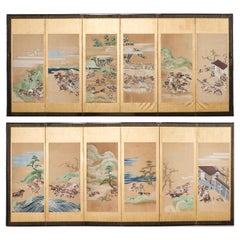
Pair of Japanese Edo/Tokugawa Screens Tale of Heiki
Located in Rio Vista, CA
Monumental pair of late 18th century Japanese Edo/Tokugawa period byobu screens depicting the battles between Taira and Minamoto. The screens have six panels each with individual sce...
Category

19th Century Japanese Antique Edo Furniture

Materials

Brass, Gold Leaf

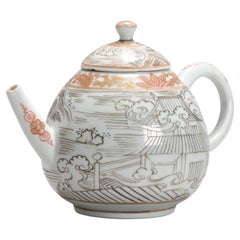
Very rare Antique Ca 1700 Japanese Porcelain Grisaille Decorated Teapot
Located in Amsterdam, Noord Holland
A very nicely decorated teapot. Unique decoration. Hard to find. We have an example in our private collection and this is the second one we have seen in 10 years. Condition Lid rest...
Category

18th Century Japanese Antique Edo Furniture

Materials

Porcelain

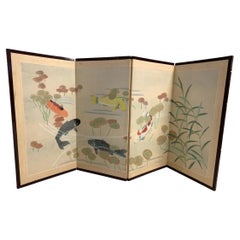
Hand-Painted Four Panel Table Top Koi Screen
Located in Bridgeport, CT
A softly painted four panel table top screen. The wood frame has chased and shaped metal tabs at the top and bottom corners and with brass nail heads overall. With pale pattered fabr...
Category

20th Century Asian Edo Furniture

Materials

Wood, Paper, Fabric

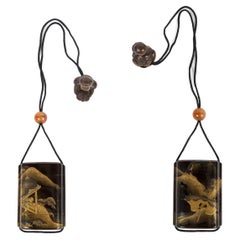
Japanese inro box in black and gold lacquer with a decor of snowy landscape
Located in PARIS, FR
Inrō with four boxes in black and gold lacquer, representing a person in a pavilion in a snowy landscape with mountain on the background. Realised in maki-e on black lacquer with sma...
Category

Late 18th Century Japanese Antique Edo Furniture

Materials

Gold

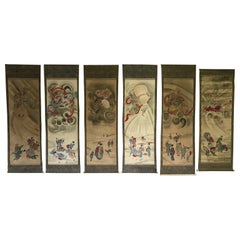
Set of 6 Large Kakemonos Japanese Mythology, 19th Century Japan circa 1800 Edo
Located in Beuzevillette, FR
Beautiful set of 6 large kakemonos from 19th century Japanese mythology. Paper support with a canvas pasted on the paper Wonderful set that is part of Japan's history and beliefs When not hung, the Kakemonos are rolled up. circa 1800 - Japan - Edo Period A kakemono translates as "object to hang". In Japan this refers to a painting or calligraphy, most often done on silk or paper framed in a scroll that was intended to be hung on walls or in public lighting. This particular form, which allows them to be in a roll, dates back to the Tang dynasty in China (this would be related to the copying and preservation of ancient Buddhist texts). A Kami is a deity or spirit worshipped in the Shinto religion. A Yokai is a spirit, ghost, demon, or strange apparition from the creatures of Japanese folklore. Each of these kakemonos represents a unique story: - A kami, a Japanese deity, is shown painting a rainbow. Indeed, he performs the action with his right hand while his left hand holds a kind of basket with three pots of paint. This kami has a rather closed attitude. He is standing in a dark and tormented sky. Below this figure, 8 villagers are dressed in traditional Japanese clothes. Their faces are softened. They are not afraid of the elements made by the kami above their heads. - A character with an unreal look is holding a kind of jar with his two hands, which he spills on human figures above. This being is floating in the air, probably a character from mythology, perhaps Susanoo. Underneath, villagers on umbrellas. They are trying to protect themselves as best they can from what is falling on them. One of them is carrying baskets with fish on her shoulders. A character in the background is thrown forward and falls. - On this kakemono, the god Raijin, dressed in a white and blue outfit, strikes the sky with his two drum hammers to create lightning and its thunderous sound. Surrounded by Tomoe and a long red scarf, Raijin, enraged and with dishevelled hair, creates a dark and violent storm. The villagers seem frightened by this meteorological phenomenon. One of the villagers can be seen fainting in the arms of a man. This scene may seem chaotic, but Japanese legend tells us that once a field is struck by lightning, the harvest is good. - On this kakemono, we see an unreal-looking figure holding a fan, as if he were sweeping away the bad weather, or simply producing gusts of wind. He is probably the kami of wind and air, Shina tsu-hiko. The figures below him seem surprised by so much wind. An umbrella flies away on the left, the women hold their hair and scarf, the clothes are caught in the power of the wind, there is even a woman on the ground on the bottom left. - This Kakemono represents a short moment. This Raiju is a yokai (ghost spirit...
Category

19th Century Japanese Antique Edo Furniture

Materials

Paper

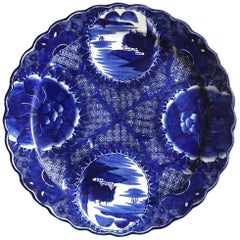
18th Century Imari Blue and White Round Scalloped Japanese Oversized Platter
Located in Vero Beach, FL
This large, beautiful and bold blue and white platter is Japanese Imari from the Edo period (18th century). This impressive early porcelain Imari ware is saturated in rich cobalt blue underglaze hand painted in an unusual cross pattern. It features four round medallions of lotus flowers and landscape vinettes and finishes in blue rimmed scalloped edges. A hand painted leaf design is repeated on the underside. Condition: Very good condition especially for it's age. One tiny chip is touched up. Nice wear and firing stilt marks on back. Measurements: 16" diameter x 2" depth Weight: 6 lbs. Experience and expertise - Clune Art And Antiques Studio.
Category

18th Century Japanese Antique Edo Furniture

Materials

Porcelain

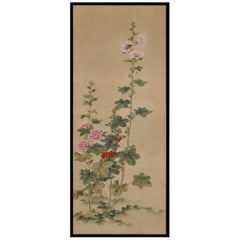
Mid 19th Century Framed Japanese Painting. Snail, Wasp Hollyhock.
Located in Kyoto, JP
Obata Tosho (1812-1886) Snail, Wasp & Hollyhock Late Edo period, mid 19th Century Framed Japanese Painting. Ink and color on paper. Individually framed 19th century bird and flow...
Category

Mid-19th Century Japanese Antique Edo Furniture

Materials

Paper

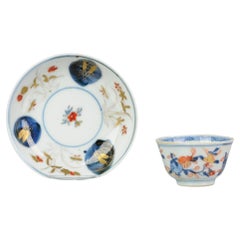
Japanese Chinese Porcelain Tea Cup Beaker Saucer Imari Beetle, 18th Century
Located in Amsterdam, Noord Holland
Lovely set from the edo and qing period. Marriage Additional information: Primary Material: Porcelain & Pottery Region of Origin: China Period: 18th century China Dynasty Period: Qi...
Category

18th Century Chinese Antique Edo Furniture

Materials

Porcelain

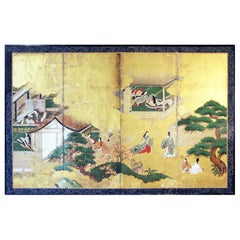
18°th Century Japanese Gold Leaf Screen
Located in Brescia, IT
Four-panel folding screen depicting the famous legend of Hikaru Genji, a nobleman of extraordinary grace and beauty, and his gallant adventures at court. The novel Genji Monogatari, ...
Category

18th Century Japanese Antique Edo Furniture

Materials

Gold Leaf

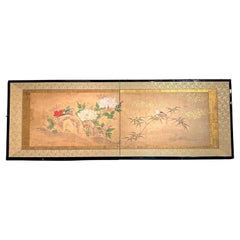
Japanese "Magpie and Peony" Two Panel Screen, Edo Period, 18th/19th century
Located in Austin, TX
A sublime Japanese two panel "Magpie and Peony" screen, ink and color on paper, Edo Period, late 18th or early 19th century, circa 1800, Japan. The two panel screen features a wond...
Category

Early 19th Century Japanese Antique Edo Furniture

Materials

Copper

Japanese Antique Edo Hand Carved Wood Noh Theater Mask Otobide 17th-18th Century
Located in Studio City, CA
A truly beautiful, wonderfully aged, alluring mask made for Japanese Noh theater. The naturally faded beauty and unique character drew us to this mask immediately. The mask is handcrafted and hand-carved from natural wood, clearly by a master of his trade. We believe this mask is of the Noh theatre character Otobide. This mask dates back to the Edo Period (1603-1868). It comes with a wooden storage box (which may have been added at a later date). A rare, unique, and exquisite mask. Finely carved and executed. Would be a great addition to any Japanese or Asian art/artifacts collection or an eye-catching stand-alone accent piece in about any setting. Mask dimensions: 7.7" high, 5.7" wide, 2.1" deep...
Category

18th Century Japanese Antique Edo Furniture

Materials

Wood, Lacquer, Paint

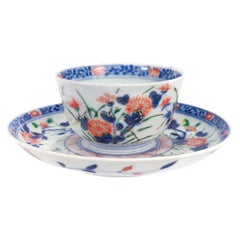
Antique Japanese Arita Porcelain Handleless Cup Saucer with Cherry Blossoms
Located in Philadelphia, PA
A fine antique handleless cup and saucer. In Japanese Arita porcelain. With blue underglaze and cold-painted iron red decoration. Embellish...
Category

19th Century Japanese Antique Edo Furniture

Materials

Porcelain

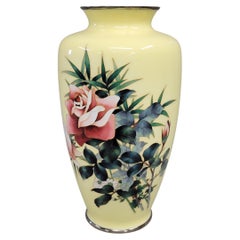
Vintage Japanese Ando Jubei (1876-1956) Signed Cloisonné Vase With Roses
Located in Centennial, CO
This large and rare antique vase was created by Japanese master artist Ando Jubei (1876-1956) during the Meiji period. The sterling silver body was c...
Category

Early 20th Century Japanese Edo Furniture

Materials

Silver, Enamel

Early Edo Period Chinese-Inspired Screen
Located in Fukuoka, JP
This remarkable screen from the early Edo period, circa the 17th century, showcases the influence of early Chinese art forms with its intricate ink work on a gold leafed surface. The...
Category

17th Century Japanese Antique Edo Furniture

Materials

Gold Leaf

Late 17th Century Japanese Screen Pair. Battle of Ichi-no-tani and Yashima.
Located in Kyoto, JP
Anonymous Late 17th Century Battle of Ichi-no-tani & Yashima Dimensions: Each Screen: H. 175 cm x W. 385 cm (69” x 151.5”) This pair of Japanese screens depict two significant battles from the Genpei War (1180–85), as recounted in the Tale of the Heike, a semi-historical epic chronicling the conflict between rival clans for control of Japan, written in the early 1200s. Each screen portrays a single battle through a series of small episodes, framed by gold clouds, landscape elements, and architectural features. True to the style of many screens inspired by The Tale of the Heike, the scenes are rendered in lavish colors and gold, downplaying the brutality of the warfare. Although based on real events, these narratives often glorified and romanticized the heroic feats of the warriors. Viewers at the time would have been familiar with the story’s details, leading to a proliferation of paintings on folding screens inspired by this theme from the late Muromachi to the early Edo periods. On the right screen, we see the Minamoto’s attack on the Taira, who have retreated from the capital, Kyoto, toward the sea. The central building represents the temporary Taira headquarters, where Taira soldiers are holding the young Emperor Antoku. The Minamoto plan to launch a surprise attack from the rear after descending the steep cliff known as Ichi-no-tani, depicted at the top center. This scene highlights the tactical brilliance of Minamoto commander Yoshitsune and the courage of his men. The left screen captures moments from the Battle of Yashima...
Category

Late 17th Century Japanese Antique Edo Furniture

Materials

Gold Leaf

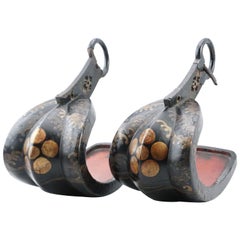
Japanese Samurai Abumi Stirrups Lacquer Edo, 18th Century
Located in Dallas, TX
Japanese Samurai Abumi Stirrups lacquer Edo late 18th century, early 19th century. Measures: 12 inch length, 10 inch height, 5.5 inch width. AVANTIQUES is dedicated to providing an...
Category

Late 18th Century Japanese Antique Edo Furniture

Materials

Iron

Edo furniture for sale on 1stDibs.

Find a broad range of unique Edo furniture for sale on 1stDibs. Many of these items were first offered in the 21st Century and Contemporary, but contemporary artisans have continued to produce works inspired by this style. If you’re looking to add vintage furniture created in this style to your space, the works available on 1stDibs include asian art and furniture, wall decorations, decorative objects and other home furnishings, frequently crafted with wood, metal and other materials. If you’re shopping for used Edo furniture made in a specific country, there are Asia, East Asia, and Japan pieces for sale on 1stDibs. While there are many designers and brands associated with original furniture, popular names associated with this style include Utagawa Hiroshige (Ando Hiroshige), Arita, Ryosuke Harashima, and Kitagawa Utamaro. It’s true that these talented designers have at times inspired knockoffs, but our experienced specialists have partnered with only top vetted sellers to offer authentic pieces that come with a buyer protection guarantee. Prices for furniture differ depending upon multiple factors, including designer, materials, construction methods, condition and provenance. On 1stDibs, the price for these items starts at $55 and tops out at $1,386,932 while the average work can sell for $2,989.

Still Thinking About These?

All Recently Viewed