Atlanta - Ceramics
to
11
285
2,051
1,375
262
23
40
1
1
115
73
74
23
37
8
15
14
2
1
2
1
2
3
283
56
11
8
6
261
253
119
77
57
285
285
285
29
12
8
5
3
Item Ships From: Atlanta
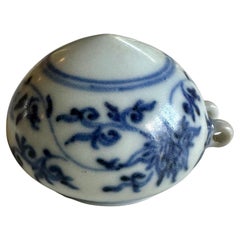
Rare Blue and White Bird Feeder from the Hatcher Cargo
Located in Atlanta, GA
A small blue and white bird-feeder of circular form with short neck, one side set with two small loup handles, the base slightly pointed, painted with lotus heads growing from scroll...
Category
1640s Chinese Antique Atlanta - Ceramics
Materials
Porcelain
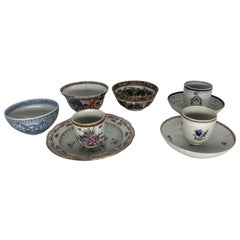
9 Pc, Chinese Export Porcelain Instant Starter Collection Including Armorial
Located in Atlanta, GA
Chinese, mostly 18th century.
A grouping of 9 Chinese porcelain objects including a blue and white floral bowl, a Famille rose bowl heavily enamel decorated with figural scenes, a "thousand...
A grouping of 9 Chinese porcelain objects including a blue and white floral bowl, a Famille rose bowl heavily enamel decorated with figural scenes, a "thousand...
Category
Late 18th Century Chinese Chinese Export Antique Atlanta - Ceramics
Materials
Porcelain
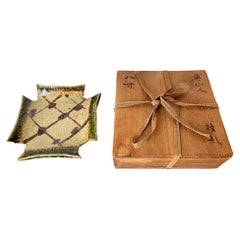
Japanese Oribe Glazed Stoneware Dish by Kitaoji Rosanjin
By Rosanjin Kitaoji
Located in Atlanta, GA
An oribe stoneware square dish with four notched corners and up-turned edges made by Kitaoji Rosanjin (1883-1959) circa 1950s. The Mingei style dish h...
Category
20th Century Japanese Modern Atlanta - Ceramics
Materials
Ceramic
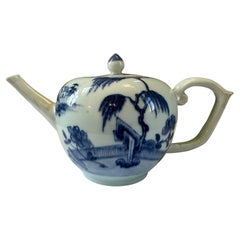
18th Century Teapot from Nanking Cargo Shipwreck
Located in Atlanta, GA
Blue and white teapot and cover from Nanking Cargo shipwreck, mid-18th century, painted with a willow tree on a fenced riverbank. The pattern is ...
Category
Mid-18th Century Chinese Antique Atlanta - Ceramics
Materials
Porcelain
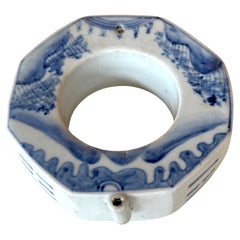
Rare Korean Water Dropper in Doughnut Form Joseon Dynasty
Located in Atlanta, GA
A Korean blue and white porcelain water dropper in a rare hallowed out doughnut shape from Joseon Dynasty circa 1800s. The octagonal water droppe...
Category
Late 18th Century Korean Other Antique Atlanta - Ceramics
Materials
Ceramic
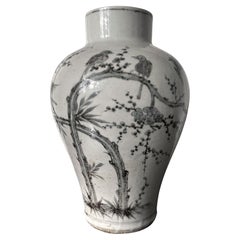
Large Korean Ceramic Jar Joseon Dynasty
Located in Atlanta, GA
A large Korean white porcelain jar with underglaze decoration circa late 19th century of Joseon Dynasty. The vase has a well-proportioned profile of a classic jar (known as Hangari in Korean and was being produced since 18th century from Punwon-ri Kilns) with a tall upright neck that extends to a generous opening and swelled rounded shoulder that tapers down toward the base. Many of these porcelain jars were decorated with underglaze cobalt blue painting...
Category
19th Century Korean Other Antique Atlanta - Ceramics
Materials
Ceramic
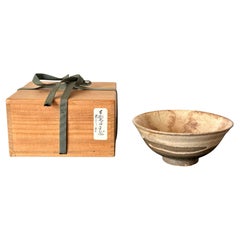
Korean Buncheong Ceramic Tea Bowl with White Slip Glaze Joseon Dynasty
Located in Atlanta, GA
An early ceramic tea bowl (chawan) from Korean dated to 16th century of the Joseon Dynasty. The gracefully potted and glazed bowl was made in the shape of Katade (Strong Hand) which ...
Category
16th Century Korean Other Antique Atlanta - Ceramics
Materials
Ceramic
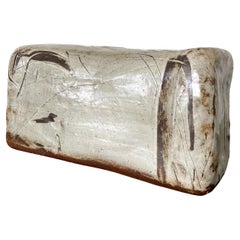
Korean Contemporary Buncheong Ceramic Sculpture by Sung Jae Choi
By Sung Jae Choi
Located in Atlanta, GA
A ceramic sculpture piece created in the tradition of Buncheong ware by contemporary Korean ceramicist Sung Jae Choi (South Korean, b. 1962). In a hollow rectangular with slight irregularity of being hand-made, the piece evokes the distant memory of the stoneware pillow...
Category
Early 2000s Korean Modern Atlanta - Ceramics
Materials
Ceramic
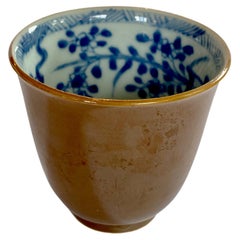
18th Century Cafe au Lait Porcelain Cup with Blue and White Interior
Located in Atlanta, GA
18th century porcelain cup, Qianlong period (1735-1796) of the Qing Dynasty.
This elegant cup has a nearly iridescent cafe au lait (light brown) exterior glaze and blue and white in...
Category
18th Century Chinese Antique Atlanta - Ceramics
Materials
Porcelain
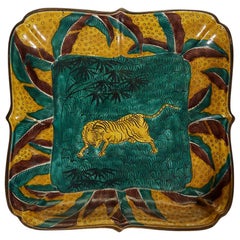
Japanese Yoshidaya Saiko Kutani Ceramic Dish
By Yoshidaya
Located in Atlanta, GA
A Japanese Ao-Kutani stoneware dish with overglaze decoration in the shape of barbed quatrefoil shape from late Edo period, circa early mid-19th century. Around 1804, 100 years after Ko-Kutani (old-Kutani) ware disappeared abruptly after thriving from 1655-early 1700s, saiko-kutani (revived-kutani) was attempted by many kilns and several distinguished styles developed. Among them, Yoshidaya kiln attempted to revive the original style of Ko-Kutani known as Aote, which employed four dark colors: green, yellow, dark blue/black and aubergine to create bold and striking design. The Yoshidaya production was short-lived and lasted roughly from 1823-1831. This dish is likely dated from this period or shortly after. The overglaze design centered around a crouching tiger under a black bamboo grove in a deep green background, surrounded by luxuriant banana leaves in green and aubergine with black outlines. The base of a similar concentric barbed quatrefoil design is further decorated with black foliage outlines and marked with a square Fuku mark.
For a Yoshidaya dish with identical shape but different landscape decoration, see lot 79 of sale 6547 Christie's London. Important Japanese and Chinese Art...
Category
19th Century Japanese Japonisme Antique Atlanta - Ceramics
Materials
Ceramic
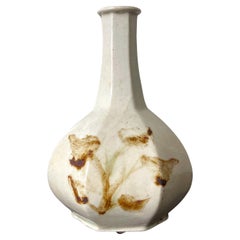
Korean Ceramic Faceted Wine Bottle Vase Joseon Dynasty
Located in Atlanta, GA
A Korean ceramic bottle with octagonal faceted form with underglaze copper red decoration. The robust bottle with the long neck and a relatively thick built was used to hold liquor such as wine and it was from Joseon dynasty, likely late period (circa mid-late 19th century). The bottle was covered in a milky white glaze with a pleasant warm yellow tint. It has an underglaze iron red paint of branches of gingko leaves on the front and the back side. The color was oxidated into an ochre brown hue instead of iron red. The octagonal form extends nicely from the opening to the base, continuing through the body and makes this bottle geometrically interesting. The rustic paint of the gingko leaves also render the piece a folky modern appeal.
For three faceted wine bottles from different period of Joseon Dynasty, see illustration 2, 71 and 73 of "Five Centuries of Korean Ceramics Pottery and Porcelains of the Yi Dynasty...
Category
19th Century Korean Archaistic Antique Atlanta - Ceramics
Materials
Ceramic
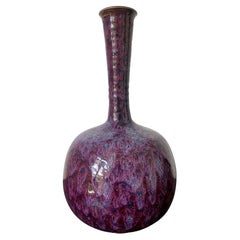
Large Ceramic Vase by Brother Thomas Bezanson
By Brother Thomas Bezanson
Located in Atlanta, GA
An impressively large ceramic vase with a bulbous body and a long coiled neck by potter Brother Thomas Bezanson (1929-2007). The minimalist modern form might be distilled from the classic Chinese garlic bottle. The high glossy surface displays a splendid shades of dark purple, copper red, auberge and blue, in a copper flambé pattern called "peacock" glaze that was clearly inspired by ancient Jun Kiln...
Category
Late 20th Century American Modern Atlanta - Ceramics
Materials
Ceramic
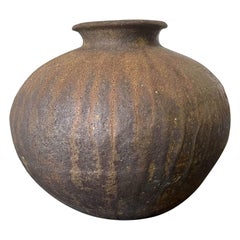
Japanese Echizen Ceramic Tsubo Fujita Jurouemon VIII
Located in Atlanta, GA
A Japanese storage jar (tsubo) made in the ancient Echizen ware tradition by Fujita Jurouemon VIII. Echizen is one of the six ancient kilns in Japan, directly influenced by the Sue ware...
Category
20th Century Japanese Modern Atlanta - Ceramics
Materials
Ceramic
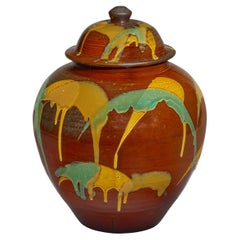
Japanese Ceramic Jar with Expressive Glaze Onda Yaki
By Onda Yaki
Located in Atlanta, GA
A Japanese lidded ceramic jar from the kiln of Onda Yaki, circa 2007. The stoneware jar impresses the viewer with a robust bulbous form. and exuberantly splashed and dripped glaze in...
Category
Early 2000s Japanese Organic Modern Atlanta - Ceramics
Materials
Ceramic
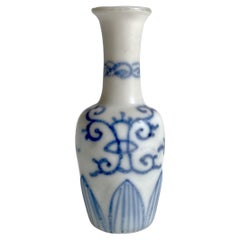
Mallet-Shaped Miniature Vase from Hatcher Collection
Located in Atlanta, GA
Miniature 17th century blue and white mallet-shaped vase.
This miniature vase was part of a hoard recovered by Captain Michael Hatcher from the wreck of a ship that sunk in the Sou...
Category
17th Century Chinese Antique Atlanta - Ceramics
Materials
Porcelain
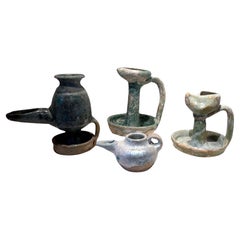
Collection of Four Persian Glazed Ceramic Oil Lamps
Located in Atlanta, GA
A collection of four Early Persian Glazed Pottery Oil Lamps from an American collection. It consists of three oil lamps with iridescent glaze purportedly from Rhages area, Persia, ci...
Category
15th Century and Earlier Persian Islamic Antique Atlanta - Ceramics
Materials
Ceramic
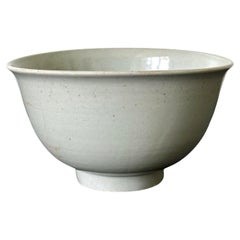
Antique Korean Ceramic White Bowl Joseon Dynasty
Located in Atlanta, GA
A Korean ceramic bowl covered in a white glaze with a hint of bluish green circa 18th century, possibly earlier of the Joseon Dynasty. The deep bowl fea...
Category
18th Century Korean Archaistic Antique Atlanta - Ceramics
Materials
Ceramic
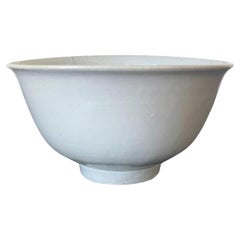
Antique Korean Ceramic White Bowl Joseon Dynasty
Located in Atlanta, GA
A Korean ceramic porcelain bowl covered in a white glaze with a hint of bluish green circa 18th century, possibly earlier, of the Joseon Dynasty. The deep bowl was hand-thrown on the...
Category
18th Century Korean Archaistic Antique Atlanta - Ceramics
Materials
Ceramic
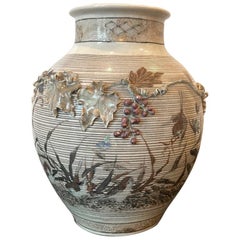
Japanese Porcelain Vase with Relief Surface Makuzu Kozan
By Makuzu Kozan
Located in Atlanta, GA
A rare porcelain vase by Makuzu Kozan (1842-1916) circa 1870-81 (late Meiji period). The vase is dated to the earlier work from Kozan's studio during his early period (Takauki-ware p...
Category
Late 19th Century Japanese Japonisme Antique Atlanta - Ceramics
Materials
Ceramic
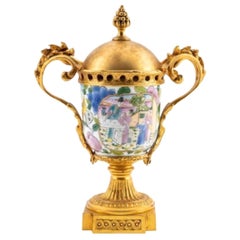
Antique Late 19th Century Chinese Porcelain Lidded Jar With Bronze Ormolu Mounts
Located in Atlanta, GA
Chinese. Bronze dore mounted porcelain cup with gilt brass top, having a hand painted figural court scene with floral decoration. Apparently unmarked.
Category
Late 19th Century Antique Atlanta - Ceramics
Materials
Bronze
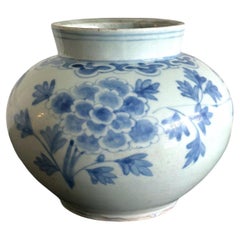
Antique Korean Porcelain Peony Jar Joseon Dynasty
Located in Atlanta, GA
A Korean white porcelain jar with underglaze blue painting of large peonies with leaves circa second half of 19th century, Joseon Dynasty. Considered associated with Punwon-ri kilns ...
Category
Late 19th Century Korean Other Antique Atlanta - Ceramics
Materials
Porcelain
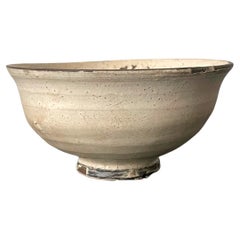
Antique Korean Ceramic Komogai Chawan with Tamagode Glaze
Located in Atlanta, GA
A ceramic tea bowl with milky white glaze made in Korea for Japanese market circa 16-17th century.
The thinly potted bowl is in the shape called Hatazori-gata (curving-lip type) that is known as Komogai (or Kumagawa) type. It was named after the historical port of Komogai, close to Bushan in Gyongsangnam-do, southern coast of Korea, where these bowls were traded and exported to Japan in the 16-17th century. The white glaze that covers nearly the entire surface resembles the color and texture of eggshell, therefore is known as Tamago-de. This type of glaze is rather rare, and few examples exist. It was believed that the Tamago-de glaze was only made in Korea from late 16th to mid-17th century during Japan's Edo period.
The tea bowl on offer bears typical characteristic of Tamago-de glaze. The smooth milky color glaze shows a fine crackle with scattered spots of flakes exposing the dark clay underneath. The glaze on the rim was largely worn off, so was on the base. There is a subtle indentation on the bottom of the interior known as kagami (tea pool). The ring base is relatively thick compared to the base and trimmed by the potter's knife. It appears delicate to the eyes, but it feels strong in the hands.
The bowl comes with a fabric pouch...
Category
15th Century and Earlier Korean Other Antique Atlanta - Ceramics
Materials
Ceramic
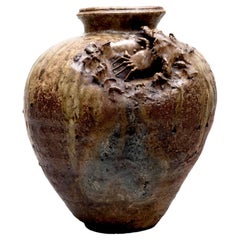
Antique Japanese Tsubo Jar with High Relief Crab Design
Located in Atlanta, GA
A Japanese stoneware tsubo (storage jar) circa 19th century (Meiji period), likely made in one of the Shigaraki or Echizen kilns. The jar has a thick robust body, and a short-neck ri...
Category
19th Century Japanese Meiji Antique Atlanta - Ceramics
Materials
Ceramic
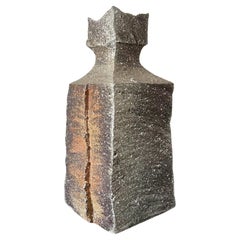
Japanese Ceramic Ikebana Vase Bizen Ware Nanba Koyo
Located in Atlanta, GA
A tall vintage ceramic vase with handle from Japan (20th century) by Nanba Koyo. Made in the tradition of Bizen ware, the vase has a modern aesthetic with a...
Category
20th Century Japanese Japonisme Atlanta - Ceramics
Materials
Ceramic


$1,500 / item
Large Contemporary Japanese Shigaraki Vessel Kohyama Yasuhisa
By Kohyama Yasuhisa
Located in Atlanta, GA
A striking stoneware vase made in the tradition of Shigaraki ware by celebrated Japanese potter Kohyama Yasuhisa (1936-) in the year of 2005. Born in the town of Shigaraki, Yasuhisa ...
Category
Early 2000s Japanese Modern Atlanta - Ceramics
Materials
Ceramic
Large Japanese Contemporary Ceramic Jar from Onda Yaki Kiln
By Onda Yaki
Located in Atlanta, GA
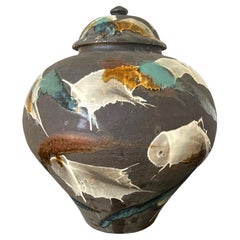
A large Japanese lidded ceramic jar from the kiln of Onda Yaki, circa 2010. The stoneware jar impresses the viewer with a robust bulbous form. Its black body is nearly unglazed but exuberantly splashed with strokes of slip glazes of white, yellow and blue. The visual effect is wonderful that it appears traditional and contemporary at the same time. The tri-color glaze calls to mind the San-Cai from Chinese Tang dynasty, yet the application is akin to abstract painting on canvas.
Onda Yaki also spelled as Onta Yaki also spelled Onta, is a type of Japanese pottery produced in and around the village of Onta in Oita Prefecture in Kyushu Island. It was founded in 1705. Closely associated with Mingei folk art, Onda ware was inscribed by the national government in 1995 as an Intangible Cultural Property
Background from Pucker Gallery where the jar was exibited and purchased.
"In his search for true folk pottery, the Japanese philosopher Soetsu Yanagi...
Category
2010s Japanese Organic Modern Atlanta - Ceramics
Materials
Ceramic
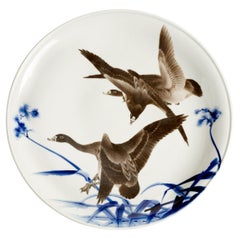
Rare Large Japanese Porcelain Presentation Plate Makuzu Kozan
By Makuzu Kozan
Located in Atlanta, GA
A large presentation plate with striking pictorial design from the studio of Japanese Potter Makuzu Kozan. Also known as Miyagawa Kozan (1842–1916),...
Category
Early 20th Century Japanese Meiji Atlanta - Ceramics
Materials
Porcelain
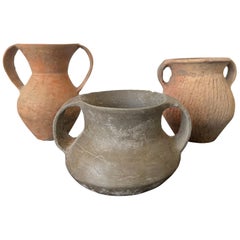
Collection of Three Chinese Neolithic Pottery
Located in Atlanta, GA
A collection of three small Chinese Neolithic pottery jars consisting a red slender jar with large double ears, a grey and wide short jar wit...
Category
15th Century and Earlier Chinese Archaistic Antique Atlanta - Ceramics
Materials
Ceramic
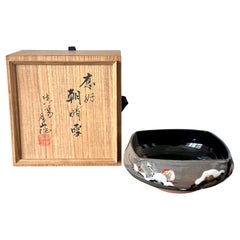
Rare Published Japanese Ceramic Bowl Makuzu Kozan with Original Inscribed Box
By Makuzu Kozan
Located in Atlanta, GA
A rare published glazed ceramic bowl with surface paint decoration by Japanese imperial potter Makuzu Kozan ((1842–1916) with its original inscribed tomobako storage wood box. Unlike the better-known works Kozan made for the expositions in the west and export to the foreign market, this piece exemplifies his work for the domestic market and specifically, the tea ceremony. The bowl was made in the so called "Utusushi" Ogata Kenzan (1663-1743), a celebrated Edo painter and ceramicist. Utusushi is loosely translated as "in the spirit of". It is not at all a simple imitation of a master, but a Japanese concept of embracing the spiritual essence of a master while the creator is free to mix in his or her own unique artistic interpretation and flavor.
The bowl was made to hold sweet cakes during the tea ceremony. It has a very distinguished form with a circular swelled lower body morphing into a square upper portion that further opening with flared rim. The surface has a distinct glaze pattern partitioned diagonally in black and brown. On top, snow-covered branches of prunus flowers were painted overglaze in a poetic near-abstract fashion. Blooming in winter, prunus flower is the symbol of the season and cherished for its resistance to cold. The bowl was likely reserved for the tea ceremony during the winter months.
A white porcelain plaque with Kozan in black inlay was placed on the black glaze toward the bottom. Under the base, the bowl was further branded with two incised characters "Makuzu" as shown. The original tomobako bears ink inscription and paper slip label "Sweet Bowl...
Category
Early 1900s Japanese Meiji Antique Atlanta - Ceramics
Materials
Ceramic
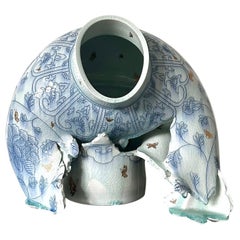
Contemporary Ceramic Sculpture Deconstructed Vase by Steven Young Lee
Located in Atlanta, GA
A bespoken ceramic sculpture made by American Korean artist Steven Young Lee (1975-) circa 2010s. Inspired by the antique blue and white porcelain jar from Joseon Dynasty, the piece ...
Category
2010s American Post-Modern Atlanta - Ceramics
Materials
Ceramic
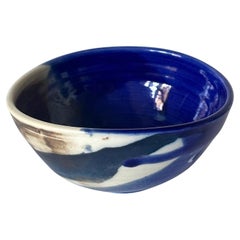
Ceramic Tea Bowl with Brilliant Blue Glaze by Toshiko Takaezu
By Toshiko Takaezu
Located in Atlanta, GA
A glazed ceramic tea bowl (chawan) circa 1960s made by Japanese American artist Toshiko Takaezu (American, 1922 - 2011), whose work was heavily influenced by the Japanese ceramic tra...
Category
Mid-20th Century American Modern Atlanta - Ceramics
Materials
Ceramic
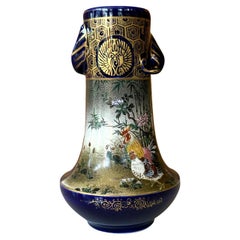
Fine Japanese Ceramic Satsuma Vase by Kinkozan
By Kinkozan
Located in Atlanta, GA
A miniature Japanese ceramic vase from the end of Meiji period circa 1880s- 1910s by Kinkozan (1645-1927). One of the largest studio manufacturers of the export ceramics at the time ...
Category
Early 20th Century Japanese Meiji Atlanta - Ceramics
Materials
Ceramic
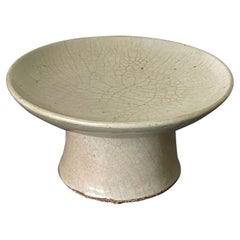
Korean White Ceramic Stem Dish Joseon Dynasty
Located in Atlanta, GA
A ceramic dish with high cylindrical foot in white glaze from Korea, circa 19th century Joseon Dynasty. By shape, this piece is most likely a ceremonial vessel that was used to make offerings on the altar. Although without inscription, we can't rule out that it could be a household item for occasions that were less formal. Such as a private shrine in the household. During Joseon dynasty, the social morals were largely centered on the principles of Confucianism that originated from China. Many ritual ceramic wares were produced for rituals and worships on all level of the society. The ware were often modeled after the archaic bronze ware that elevated them from the aesthetic of daily use pieces. High foot dish like this were made in both round and square shape to suite different use but they were all distinguished with the inscription for their exclusive ceremonial purpose.
Of elegant form and harmonious proportion, this stem dish...
Category
19th Century Korean Archaistic Antique Atlanta - Ceramics
Materials
Ceramic
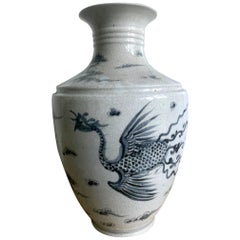
Large Korean Blue and White Vase with Phoenix Design
Located in Atlanta, GA
A large and heavy Korean ceramic vase in a Classic Chinese form with open mouth with a wide flared rim, a neck with three concentric grooves and a sloped broad shoulder. The blue and white design features two underglazed phoenix...
Category
Early 20th Century Korean Archaistic Atlanta - Ceramics
Materials
Ceramic
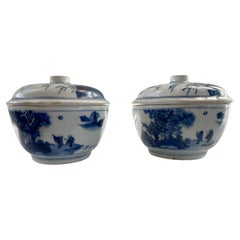
Pair of 17th Century blue and white covered bowls from Hatcher Collection
Located in Atlanta, GA
Pair of 17th Century blue and white covered bowls from the Hatcher Collection painted with a river landscape. The bowls are shaped with steeply rounded sides, painted with a continuo...
Category
17th Century Chinese Antique Atlanta - Ceramics
Materials
Porcelain
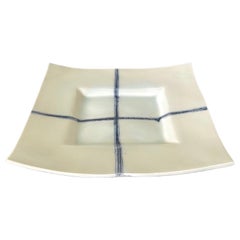
Japanese Contemporary Ceramic Plate Yoshikawa Masamichi
Located in Atlanta, GA
A ceramic square plate with white-celadon glaze by Japanese potter Yoshikawa Masamichi (1946-). The sharp-edged plate features a concaved center an...
Category
Early 2000s Japanese Modern Atlanta - Ceramics
Materials
Ceramic
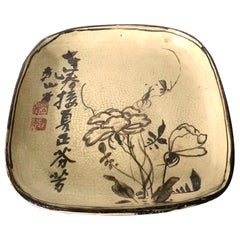
Japanese Ceramic Dish Meiji Ogata Kenzan
Located in Atlanta, GA
A Japanese ceramic shallow dish in square form with rounded corners from Meiji period in the style of Ogata Kenzan. The dish features a cream color crackl...
Category
19th Century Japanese Meiji Antique Atlanta - Ceramics
Materials
Ceramic
Antique Korean Ceramic Buncheong Bowl Joseon Dynasty
Located in Atlanta, GA
A Korean ceramic bowl supported on a short ring foot in the classic Buncheong (or Punch'ong) style from early Joseon Dynasty circa 15th century. The bow...
Category
15th Century and Earlier Korean Archaistic Antique Atlanta - Ceramics
Materials
Ceramic
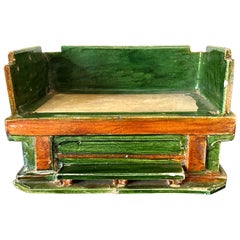
Chinese Ming Dynasty Tomb Funeral Pottery Bed Model
Located in Atlanta, GA
A Chinese stoneware day bed model circa Ming dynasty (15th-17th century). The miniature models were traditionally made as burial offering objects. Pottery models of daily life necess...
Category
16th Century Chinese Ming Antique Atlanta - Ceramics
Materials
Stoneware
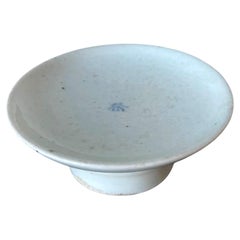
Korean Ceramic Ritual Offering Stemmed Dish with Inscription Joseon Dynasty
Located in Atlanta, GA
A small ceramic stemmed dish with high cylindrical foot in white glaze with a cobalt blue underglaze inscription in the center from Korea, circa 18-19th cent...
Category
Late 18th Century Korean Archaistic Antique Atlanta - Ceramics
Materials
Ceramic
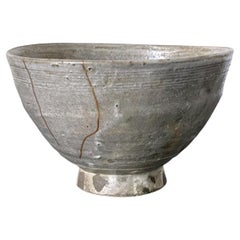
Korean Gohon Chawan Tea Bowl for Japanese Market Joseon Dynasty
Located in Atlanta, GA
A ceramic chawan (tea bowl) circa 17-18th century fired in the Busan kiln in Korean specifically for the Japanese market. The kilns were run by the So c...
Category
17th Century Japanese Edo Antique Atlanta - Ceramics
Materials
Ceramic
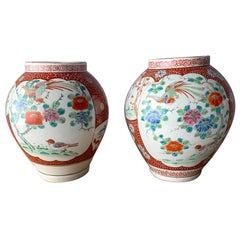
Near Pair of Antique Japanese Arita Export Ceramic Jars
Located in Atlanta, GA
A near pair Hizen pottery jars from Artia Japan, circa mid-19th century of the Meiji Era. Heavy stoneware construction with overglaze enamels that was inspired by Chinese WuCai from ...
Category
Mid-19th Century Japanese Japonisme Antique Atlanta - Ceramics
Materials
Ceramic
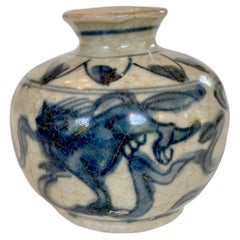
Ming Dynasty Blue and White Jarlet with Lions
Located in Atlanta, GA
Ming dynasty blue and white jarlet decorated with lions, 16th century.
This jarlet of deep cobalt blue on an off-white, almost bisque, ba...
Category
16th Century Chinese Antique Atlanta - Ceramics
Materials
Pottery
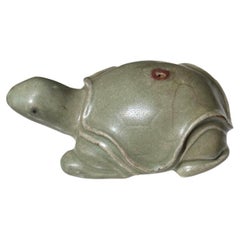
Korean Ceramic Celadon Turtle Form Water Dropper Goryeo Period
Located in Atlanta, GA
A Korean ceramic water dropper in the form of a turtle or tortoise from Goryeo Period circ 12-13th century. The realistically molded piece is covered in a mellow celadon glaze with s...
Category
15th Century and Earlier Korean Archaistic Antique Atlanta - Ceramics
Materials
Ceramic
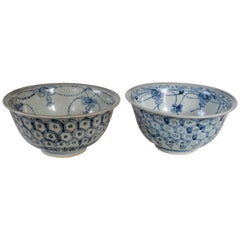
Pair of Ming Dynasty Bowls with Pattern of Interlocking Hexagons
Located in Atlanta, GA
Pair of Ming Dynasty Bowls with Pattern of Interlocking Hexagons, Wanli period (1572-1620).
This handsome pair of bowls with a slightly fluted rim features an outer pattern of hexago...
Category
16th Century Chinese Ming Antique Atlanta - Ceramics
Materials
Porcelain
$1,500 Sale Price / set
39% Off
Fine Japanese Ceramic Plate by Kinkozan for Yamanaka
Co.
By Kinkozan
Located in Atlanta, GA
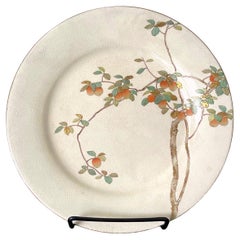
A fine Japanese ceramic satsuma plate made by Kinkozan and retailed by Yamanaka & Co. circa 1900-20s (late Meiji to early Tasho Period). The cream-color glazed plate features a very fine decoration of a persimmon tree bearing fruits. The composition is poetic, stylized but also realistic, with a literati painter's quality, and was advantageously enhanced by the enamel colorings in incredible details. The mastership of the medium came through the piece. It is signed on the base in gilt kanji seal (Made by Kinkozan) and branded Yamanaka & Co in English. The plate was likely commissioned by the company from Kinkozan for its various galleries in US and Europe.
The Kinkozan family established their pottery business first in 1645 and by the end of 19th century, it had become the largest studio producer of Satsuma ware. By the 1850s, Kinkozan Sobei...
Category
Early 20th Century Japanese Meiji Atlanta - Ceramics
Materials
Ceramic
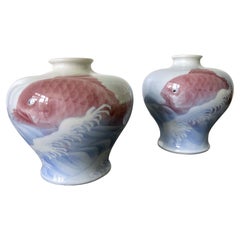
One of The Two Japanese Ceramic Vases Makuzu Kozan Meiji Period
By Makuzu Kozan
Located in Atlanta, GA
Two small nearly identical ceramic vases by Japanese Meiji imperial potter Makuzu Kozan (1842-1916), circa 1890-1900s. The vases were made in the form of jarlet with swelled shoulder...
Category
Late 19th Century Japanese Japonisme Antique Atlanta - Ceramics
Materials
Ceramic
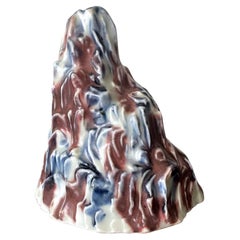
Korean Ceramic Water Dropper in Mountain Form Joseon Dynasty
Located in Atlanta, GA
A Korean ceramic water dropper in the shape of a mountain from late Joseon Dynasty circa 1850-1900s. The lovely piece takes a shape of a rugged mountain peak with crags and furrows, ...
Category
Late 19th Century Korean Other Antique Atlanta - Ceramics
Materials
Ceramic
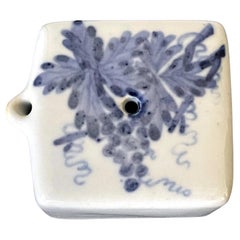
Korean Porcelain Water Dropper Joseon Dynasty
Located in Atlanta, GA
A small Korean ceramic water dropper in square form circa 19th century late Joseon Dynasty. It features an underglaze blue painting of a full cluster of ...
Category
19th Century Korean Other Antique Atlanta - Ceramics
Materials
Ceramic
Pair Japanese Satsuma Plates with Miniature Decoration by Kinkozan
By Kinkozan
Located in Atlanta, GA
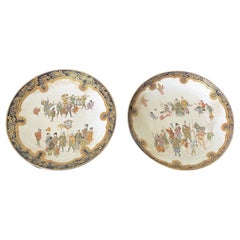
A pair of Satsuma ceramic plates made by Kinkozan studio circa 1880-1900s during the late Meiji Period. Each dish features miniature enamel decoration o...
Category
Late 19th Century Japanese Meiji Antique Atlanta - Ceramics
Materials
Ceramic
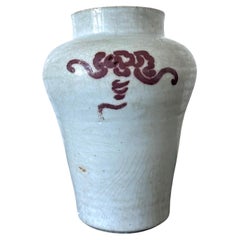
Korean Ceramic White Jar with Iron Red Cloud Motif Joseon Dynasty
Located in Atlanta, GA
An antique Korean porcelain storage jar from Joseon Dynasty circa 18-19th century. The jar is of a typical form with swelled shoulder that tap...
Category
19th Century Korean Other Antique Atlanta - Ceramics
Materials
Ceramic
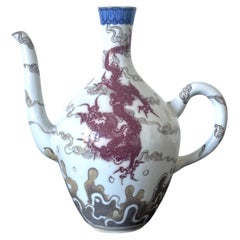
Early Porcelain Underglaze Dragon Ewer by Makuzu Kozan Meiji Period
By Makuzu Kozan
Located in Atlanta, GA
A porcelain ewer with fine underglaze iron red, brown and blue decoration made by the legendary Japanese imperial potter Makuzu Kozan (1842-1916), this relatively rare piece is dated to circa Meiji 23rd to 26th year (1890-1893) based on the mark used on the base. This is the starting period when the artists departed from his high-relief and gold gilt period and started focusing on making porcelain pieces with underglaze paint and experimented new colors. The ewer form is also relatively rare in the artist's survived repertoire compared to other forms.
The piece takes its shape from the prototype Chinese...
Category
1890s Japanese Meiji Antique Atlanta - Ceramics
Materials
Ceramic
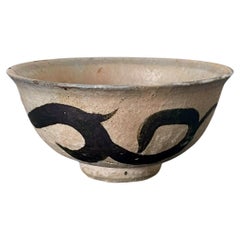
Korean Ceramic Buncheong Ware Tea Bowl Early Joseon Dynasty
Located in Atlanta, GA
An antique Korean Buncheong stoneware tea bowl (chawan) from early Joseon Dynasty circa late 15th to early 16th century. The bowl with a short ring base is nearly entirely covered in a white slip except the base (known as sougusuri in Japanese, total glaze). Iron-colored scrolling vines were painted on with quick and deft brush strokes, rendering the bowl a vital and spontaneous appeal. It appears that the bowl was dipped in the white slip instead of being brushed on, observing from the slip pattern left on the rim of the bowl. The bowl shows significant age and evident of use for tea drinking. There are losses of glaze flakes throughout, along the rim and inside the bowl. The flake off the glaze left a dark spot on the rim, exposing the deep colored clay underneath. Inside the bowl, many of the glaze flakes appear more superficial and retains a yellowing color from the tea stains (known as amamori, rain leak). There is a historical crack line on the exterior (surface only) that result in associated small losses of glaze. It appears that the crack line was the result from the kiln firing and gradually the glaze around it started to reduce. The bowl comes with a later wrapping cloth and a wood tomobako box, but they are not original to the piece.
This particular type of Buncheong ware was associated with the Hakbong-ri kilns in the sacred Mount Gyeryong Mountains, west of Daejeon city in the Chungcheong province. During early Joseon Dynasty, the emperor decided to reject Buddhism to embrace the Confucianism. As a result, many monks were forced to abandon their religious life and returned to the secular society. The monks in Gyeryong mountains set up the kilns and started to produce this so called "Hakbong-ri" type of Buncheong ware. The production was shorted-lived for only a few decades from late 15th to early 16th century before it turned to porcelain, but the ware made during that period was noted for their fresh and enigmatic appeal with deft iron-paint decoration. Collectors cherish these rare pieces for their vitality and spontaneity often used them on important occasions of chado in Japan and passed down to generation.
For a similar bowl, see Catalog 52 illustrated on page 87 of the book "Korean Buncheong Ceramics...
Category
15th Century and Earlier Korean Archaistic Antique Atlanta - Ceramics
Materials
Ceramic
Ceramic Tea Bowl with Brilliant Red Glaze by Toshiko Takaezu
By Toshiko Takaezu
Located in Atlanta, GA
A glazed ceramic tea bowl (chawan) by Japanese American artist Toshiko Takaezu (American, 1922 - 2011). The hand-built form shows slight irregularity and is covered with a brilliant ...
Category
1990s American Modern Atlanta - Ceramics
Materials
Ceramic
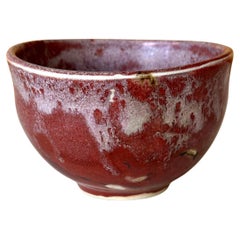
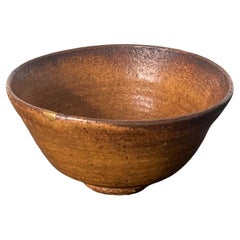
Korean Ceramic Irabo Tea Bowl Chawan Joseon Dynasty
Located in Atlanta, GA
A ceramic chawan tea bowl made in Korea for Japanese market circa 17th century. The chawan is identified as Irabo type. Irabo bowls were essentially con...
Category
17th Century Korean Other Antique Atlanta - Ceramics
Materials
Ceramic
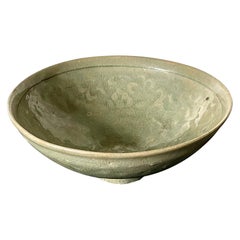
Antique Korean Ceramic Bowl with Incised Design
Located in Atlanta, GA
A Korean stoneware bowl from Goryeo dynasty circa 12th century. The conical form bowl with a small raised foot rim is covered in a celadon green glaze...
Category
15th Century and Earlier Korean Archaistic Antique Atlanta - Ceramics
Materials
Ceramic
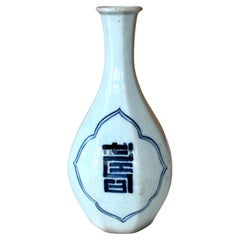
Korean Ceramic Faceted Blue and White Bottle Vase Joseon Dynasty
Located in Atlanta, GA
A Korean blue and white long neck vase in bottle form with octagonal faceted surface from Joseon Dynasty (19th century). The elegant vase is cove...
Category
19th Century Korean Archaistic Antique Atlanta - Ceramics
Materials
Ceramic
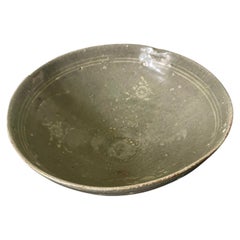
Korean Ceramic Celadon Bowl with Slip Inlay Goryeo Dynasty
Located in Atlanta, GA
The celadon bowl on offer here was likely dated to the 14th century toward the end of Goryeo Dynasty, after the production quality reached its zenith during 11-12th century. The bowl...
Category
15th Century and Earlier Korean Archaistic Antique Atlanta - Ceramics
Materials
Ceramic
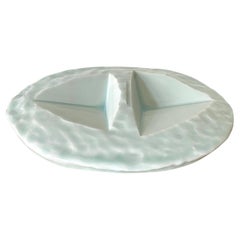
Japanese Contemporary Ceramic Sculptural Slab Yoshikawa Masamichi
Located in Atlanta, GA
A richly glazed ceramic sculptural slab in the shape of a centerpiece plate by Japanese ceramic artist Yoshikawa Masamichi (1946-). The highly abst...
Category
Early 2000s Japanese Modern Atlanta - Ceramics
Materials
Ceramic
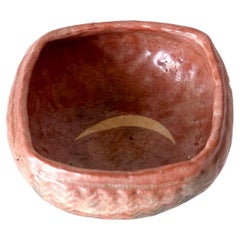
Japanese Ceramic Bowl with Crescent Mark by Kodai-ji Kiln Meiji Period Ex-Musuem
Located in Atlanta, GA
An unusually shaped ceramic chawan made by Kodai-ji Kiln in Kyoto circa 19th century of Meiji Period. The bowl has a rounded shape of a monk's alms bowl supported by a short foot rin...
Category
19th Century Japanese Meiji Antique Atlanta - Ceramics
Materials
Ceramic
Still Thinking About These?
All Recently ViewedMore Ways To Browse
Yi Dynasty
Yongzheng Blue And White Vase
Yuan Jar
16th Century Ming Plates
Antique Chinese Ducks
Antique Horse Plates
Asian Water Jar
Bali Art Deco
Bizen Yaki
Buddhist Flowers
Chinese Clay Teapot
Chinese Eggshell Porcelain
Chinese Famille Noir
Chinese Lotus Blue White
Chinese Opium Pillow
Chinese Porcelain Bowl Famille Verte
Chinese Rose Medallion Plate
Imperial Satsuma