Japan - Asian Art and Furniture

to
104
1,373
11,207
5,371
764
599
10
23
2
1
1
1
1
70
188
506
609
182
83
28
3
2
8
2
1
3
13
7
4
1
596
510
454
422
283
1,327
1,300
1,280
13
11
1,373
1,349
1,351
26
10
4
2
2
Item Ships From: Japan
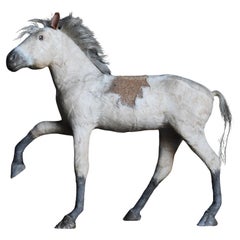
Japanese Antique Horse Figurine 1900s-1940s / Sculpture Object Wabi Sabi
Located in Chōsei District Nagara, JP
This is an antique Japanese horse figurine, crafted in the early Shōwa period (1900s–1940s). Although simple in form, it carries a distinct sense of life—an expressive charm that cou...
Category

Mid-20th Century Japanese Showa Japan - Asian Art and Furniture

Materials

Glass, Wood, Paper

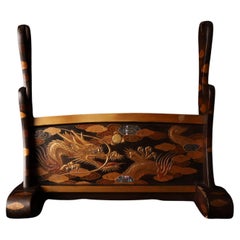
Japanese Gold Maki-e Katana Kake (Sword Stand) with Dragon Motif
Located in Fukuoka, JP
This elegant katana kake (sword stand) is crafted from wood and finished with a rich lacquer coating. Its surface is adorned with a striking gold maki-e depiction of a dragon — a tim...
Category

Late 18th Century Japanese Edo Antique Japan - Asian Art and Furniture

Materials

Gold Leaf

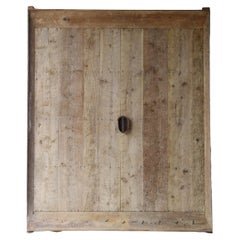
Japanese Antique Huge Sliding Door or Wall Decoration 1860s-1900s / Wabi Sabi
By Axel Vervoordt
Located in Chōsei District Nagara, JP
This is an old, large Japanese sliding door. It was crafted during the Meiji period (1860s–1900s) and was likely used in traditional houses or storehouses of the time. The material i...
Category

Early 20th Century Japanese Meiji Japan - Asian Art and Furniture

Materials

Iron

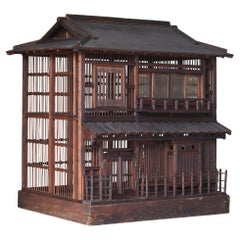
Japanese Antique Birdcage Inspired by a Traditional Machiya House 1920s-1940s
Located in Chōsei District Nagara, JP
This is an old Japanese birdcage, exquisitely crafted in the form of a traditional machiya townhouse. It is an exceptionally rare piece, believed to have been made in the early Showa...
Category

Early 20th Century Japanese Showa Japan - Asian Art and Furniture

Materials

Bamboo, Cedar

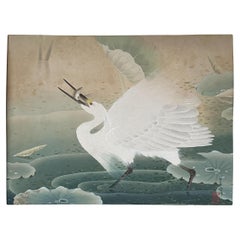
“Snowy Heron in Lotus Pond” — Limited Edition Woodblock Print by Shiho Sakakibar
Located in Fukuoka, JP
“Snowy Heron in Lotus Pond” — Limited Edition Woodblock Print by Shiho Sakakibara (1887–?) A refined and atmospheric Japanese woodblock print depicting a snowy heron catching a fish...
Category

Mid-20th Century Japanese Japan - Asian Art and Furniture

Materials

Paper

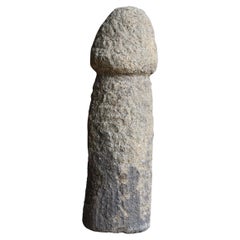
Japanese Antique Stone Carving Penis 1800s-1860s / Sculpture Wabi Sabi Mingei
Located in Chōsei District Nagara, JP
This is an old Japanese stone carving of a phallus, believed to have been made in the late Edo period (1800s–1860s). It is a rare and valuable a...
Category

Late 19th Century Japanese Edo Antique Japan - Asian Art and Furniture

Materials

Stone

Japanese antique stone tower / [Gorinto] / 15th-17th century
Located in Sammu-shi, Chiba
This is an ancient stupa believed to have been made in Japan between the Muromachi and Momoyama periods, or perhaps the early Edo period. It appears to have been made from granite, w...
Category

16th Century Japanese Edo Antique Japan - Asian Art and Furniture

Materials

Stone

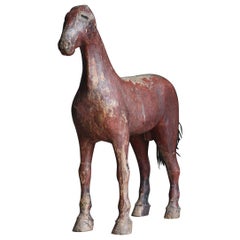
Japanese Antique Sacred Horse "Shinme" 1800s-1860s / Primitive Wabisabi
Located in Chōsei District Nagara, JP
This is an old Japanese carved wooden horse, a highly valuable piece created in the late Edo period (early 1800s–1860s). In Japan, it is known as a "Shinme" (sacred horse), a term re...
Category

Late 19th Century Japanese Edo Antique Japan - Asian Art and Furniture

Materials

Cedar, Lacquer

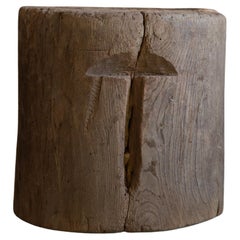
19th Japanese wabi sabi Usu table, low coffee table wood mortar mingei primitive
Located in 常陸大宮市, JP
Hand crafted, Hand-carved antique wooden mortar, "Usu" in Japanese. Hollowed out from the single solid wood of Keyaki (Zelkova). Circa 1870s-1920s (Meiji to Taisho period) estimate ...
Category

Late 19th Century Japanese Primitive Antique Japan - Asian Art and Furniture

Materials

Wood, Hardwood

Japanese Antique Huge Wooden Bowl 1906s / Primitive Object Wabisabi Mingei
Located in Chōsei District Nagara, JP
This is a huge old Japanese lacquer wood bowl. It was manufactured in 1906 (Meiji period), and its age can be read from the writing on the bottom. The material used is cedar wood, ma...
Category

Early 1900s Japanese Meiji Antique Japan - Asian Art and Furniture

Materials

Cedar, Lacquer

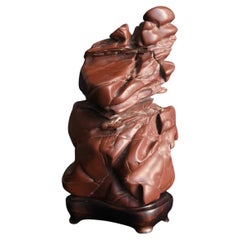
Old Japanese Scholar s Stone/"Suiseki"/Appreciation Stone
Located in Sammu-shi, Chiba
This is an old vermilion suiseki from Japan. Not only in China but also in Japan, rocks from mountains have been quarried and shaped for appreciation since ancient times. These deco...
Category

20th Century Japanese Showa Japan - Asian Art and Furniture

Materials

Stone

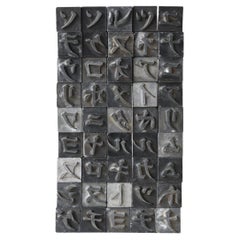
Vintage Japanese Katakana Metal Letterpress Movable Type
Located in Chiba, JP
45 pieces of vintage Japanese metal letterpress movable type, ‘Katakana’ (Angular form of Japanese syllabary, primarily used for words of foreign origin). Showa period, 20th century,...
Category

20th Century Japanese Japan - Asian Art and Furniture

Materials

Metal

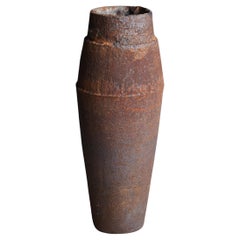
Japanese Old Shell Casing 1930s-1940s / Iron Object Flower Vase Wabi Sabi
Located in Chōsei District Nagara, JP
This is the warhead part (shell) of an old Japanese shell. Functional parts such as the internal explosive and fuse have already been lost, and we present this as a safe relic that h...
Category

1930s Japanese Showa Vintage Japan - Asian Art and Furniture

Materials

Iron

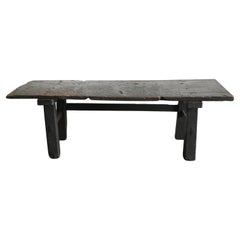
Japanese antique wabi-sabi black coffee low table / 1850-1912 / small table
Located in Sammu-shi, Chiba
This wooden low table, known as a "fuzukue" (writing desk), was made in Japan between the late Edo and Meiji periods (19th century). Crafted from cedar, its light and soft grain full...
Category

Late 19th Century Japanese Edo Antique Japan - Asian Art and Furniture

Materials

Cedar

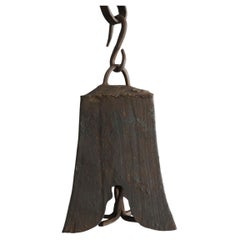
Antique iron hanging bell from Japan or East Asia/Early 20th century
Located in Sammu-shi, Chiba
This is an old iron hanging bell believed to have been made over 100 years ago. It is highly likely that it was manufactured in Japan, though the possibility of Korean or Chinese ori...
Category

Early 20th Century Japanese Taisho Japan - Asian Art and Furniture

Materials

Iron

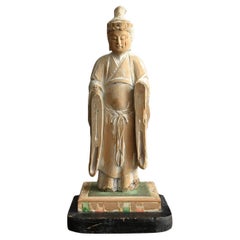
Wooden Buddha statues from the Edo period in Japan/1800-1868/Late Edo period
Located in Sammu-shi, Chiba
This wooden Buddhist statue was made in the late to late Edo period. It is thought to be a statue of Kannon Bodhisattva. It was originally placed in a shrine and was painted, but the...
Category

19th Century Japanese Edo Antique Japan - Asian Art and Furniture

Materials

Cypress

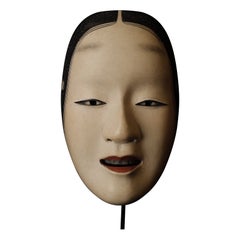
Japanese Noh Mask of Zō-onna (増女) - noble young woman
Located in Fukuoka, JP
Zō-onna (増女) This mask depicts a woman with a noble and calm expression. In Noh theater, it is used for roles of young women. The mask conveys elegance and softness, making it suita...
Category

20th Century Japanese Showa Japan - Asian Art and Furniture

Materials

Wood

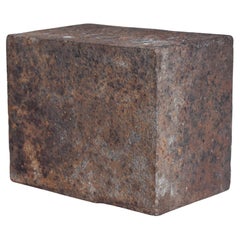
Japanese Old Iron Block 1950s-1970s / Display stand Wabi Sabi
Located in Chōsei District Nagara, JP
This is an old Japanese iron block, estimated to have been made in the early Showa period (1950s–1970s). At the time, it was used in ironworks as an anvil or workbench. Decades of us...
Category

Late 20th Century Japanese Showa Japan - Asian Art and Furniture

Materials

Iron

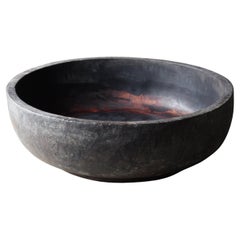
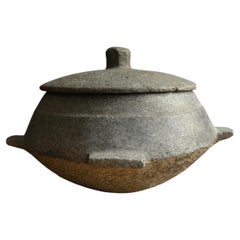
Antique Korean Stone Pot / Joseon Dynasty / Stone Folk Art Object
Located in Sammu-shi, Chiba
This stone pot was made in Korea during the late Joseon dynasty, between the late 19th and early 20th centuries. Its sturdy appearance, carved from a granite-like stone, emanates a p...
Category

Late 19th Century Japanese Other Antique Japan - Asian Art and Furniture

Materials

Stone

Japanese old small appreciation stone/scholar s stone/scenery of cliff/[suiseki]
Located in Sammu-shi, Chiba
In Japan, there are stones for viewing called suiseki. The same culture has existed in China since ancient times. Suiseki is a Japanese culture and hobby of appreciating stones indoo...
Category

20th Century Japanese Showa Japan - Asian Art and Furniture

Materials

Stone

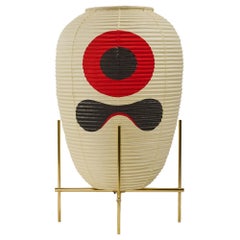
Contemporary Japanese Chochin Floor Lamp Limited Edition #1 Zen Washi
By Ryosuke Harashima
Located in Shibuya-ku, Tokyo
Name: OBAKE A Contemporary style Japanese Washi Japanese traditional paper shade floor lamp. Washi shade is famous as Isamu Noguchi Akari lightings. Base is made of brass. Limited pattern painted model. Edition of 3+1AP E26,27 light bulb. Available to work with 100-250V. Artist statement In Japan, there is an animist belief that the soul dwells in old tools that have passed a long time and turns into spirits such as "Youkai" or "OBAKE." Its existence lurks in the darkness of everyday life, sometimes causing fear and sometimes entertaining. This lantern is not an old tool, but it is made by the historic "Kojima Shoten", where the 10th generation are craftsmen in Kyoto. It's rare nowadays, and it's a style in which lanterns are made from bamboo bones to assembling papers and painting in one workshop and go. So, I decided to transform the polite crafted Japanese lanterns, which have been run through a traditional history, into a modern and pop style. It's not just OBAKE lurking in the darkness, but an existence who snuggles up to us as a more sophisticated being. These one-eyed OBAKE have a meaningful look that originated in ancient Sanskrit culture. The red-eye "A [a]" is the facial expression that is the first pronunciation to make a sound in Sanskrit, which means "truth" and "spirit of inquiry" at the same time. The blue-eyed "UN [hu?]" expresses the pronunciation to close the sound, and at the same time means "wisdom" and "nirvana." There is also the idea that describing the beginning and end of the universe is represented by considering the "A" and "UN" as a pair. In Asia, it is a common sight to see a pair of guardian statues...
Category

2010s Japanese Edo Japan - Asian Art and Furniture

Materials

Brass

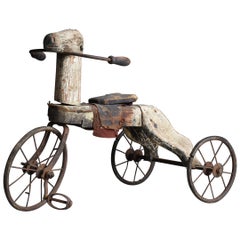
Japanese Antique Wooden Horse Tricycle 1860s-1900s / Wabi Sabi Object
Located in Chōsei District Nagara, JP
This is an old wooden tricycle made in Japan during the Meiji period (1860s–1900s). An exceptionally rare piece in the history of Japanese toys, it was once used by children more tha...
Category

Early 20th Century Japanese Primitive Japan - Asian Art and Furniture

Materials

Iron

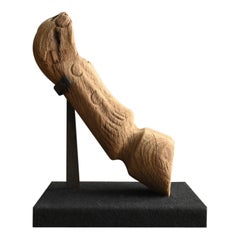
Japanese antique wood carving "Kirin s legs" /1800s/Shrines and temples carvings
Located in Sammu-shi, Chiba
Do you know Kirin? It is a type of legendary animal that appears in Chinese mythology, and is a spiritual animal that has been passed down in Japan since ancient times. At first glan...
Category

19th Century Japanese Edo Antique Japan - Asian Art and Furniture

Materials

Wood

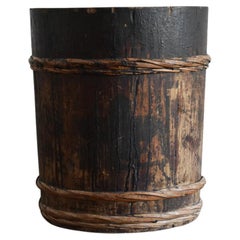
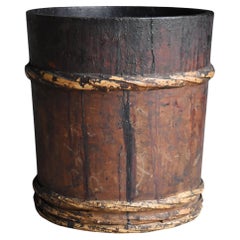
Antique wooden bucket of Japanese lacquer craftsman/20th century/planter
Located in Sammu-shi, Chiba
This is a wooden bucket used by Japanese lacquerware craftsmen to store lacquer. It is believed to have been used from the Meiji period to the first half of the Showa era (1868-1940)...
Category

Late 19th Century Japanese Meiji Antique Japan - Asian Art and Furniture

Materials

Cedar, Lacquer

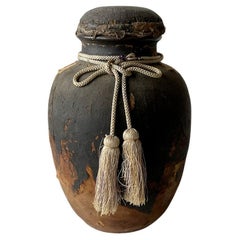
Early Showa-period Japanese Shuko Pottery Sake Jar
Located in Chiba, JP
Pottery sake jar with wooden lid, covered with old used papers, tied string, Early Showa period, Japan, H 26 x D 17 cm (10.23 x 6.69in).
Category

Mid-20th Century Japanese Japonisme Japan - Asian Art and Furniture

Materials

Ceramic, String, Wood, Paper

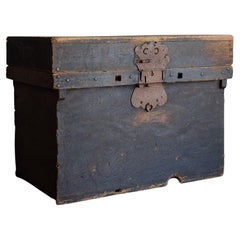
Japanese Antique Black Wooden Box 1860s-1900s/Sofa Table Tansu Mingei Storage
Located in Sammu-shi, Chiba
This is an old Japanese black wooden box. It is from the Meiji period (1860s-1900s). The material is cedar. This is black and beautiful. Afte...
Category

Late 19th Century Japanese Meiji Antique Japan - Asian Art and Furniture

Materials

Wood

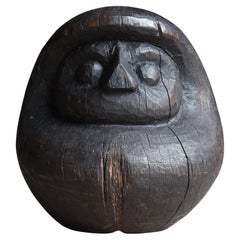
Japanese Antique Wood Carving Daruma 1860-1920s / Sculpture Wabi Sabi Mingei
Located in Chōsei District Nagara, JP
This is an old wooden form of Daruma made in Japan. It is estimated to have been made between the Meiji and Taisho periods (1860s-1920s) and seems to have been made of cedar wood. De...
Category

Early 20th Century Japanese Meiji Japan - Asian Art and Furniture

Materials

Cedar

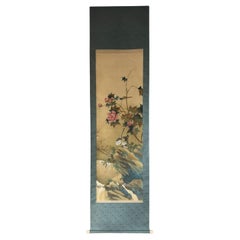
Japanese Hanging Scroll with Peony Flowers – 20th Century
Located in Fukuoka, JP
Dimensions: 53 × 194 cm (overall), 40 × 127 cm (painting) Box size: 61 × 7 cm A refined 20th-century Japanese hanging scroll (kakejiku) depicting delicate pink peony blossoms and de...
Category

20th Century Japanese Japan - Asian Art and Furniture

Materials

Wood, Paper

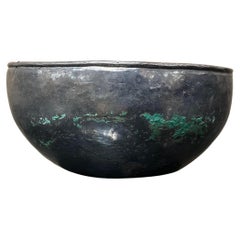
Rare Silver Ritual Bowl – Sukhothai Kingdom, 11th–13th Century
Located in Fukuoka, JP
A rare and refined silver bowl from the Sukhothai Kingdom (11th–13th century), likely used in a ritual context — either within a temple setting or as a treasured personal object belo...
Category

15th Century and Earlier Asian Antique Japan - Asian Art and Furniture

Materials

Silver

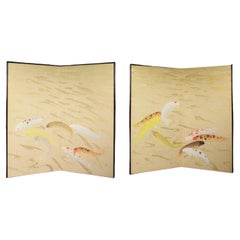
B80 Old Japanese Art two folding screens, Byobu 2panel, Carp in flowing water
Located in Niiza, JP
Unfolded size: 1740 x 1710 x 20 mm Foldable: 870 x 1710 x 40 mm, 9kg Estimated size after packaging (sandwiched between 9 mm plywood): 15 cm x 94 cm x 180 cm Weight 40KG A beautif...
Category

20th Century Japanese Japan - Asian Art and Furniture

Materials

Paper

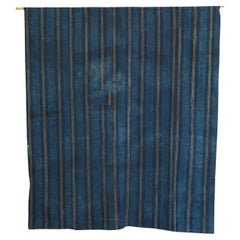
Japanese Old Indigo Dyed Striped Fabric / Tapestry / early 20th century / BORO
Located in Sammu-shi, Chiba
This is an ancient Japanese indigo-dyed cloth produced between the end of the Meiji and Taisho periods. Three thin, evenly spaced yellowish lines create a regular rhythm on a deep in...
Category

Early 20th Century Japanese Taisho Japan - Asian Art and Furniture

Materials

Cotton

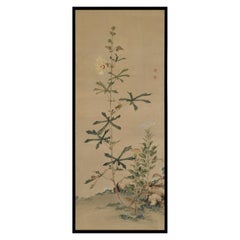
Mid 19th Century Framed Japanese Painting. Grasshopper Hibiscus.
Located in Kyoto, JP
Obata Tosho (1812-1886) Grasshopper & Hibiscus. Late Edo period, mid 19th Century Framed Japanese Painting. Ink and color on paper. Individually framed 19th century bird and flow...
Category

Mid-19th Century Japanese Edo Antique Japan - Asian Art and Furniture

Materials

Paper

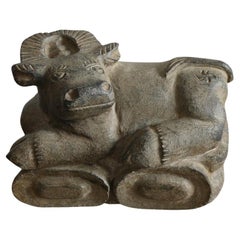
Old stone cow figurine from Korea or Japan/Before the 19th century/Deified cow
Located in Sammu-shi, Chiba
This is an old stone sculpture of a cow, believed to have been made in Korea or Japan. It is made of serpentine rock, which gives it a heavy weight and unique texture. In East Asian ...
Category

19th Century South Korean Other Antique Japan - Asian Art and Furniture

Materials

Serpentine

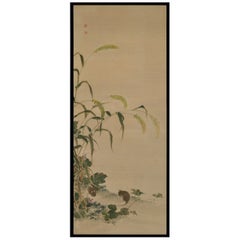
Mid 19th Century Framed Japanese Painting. Mice Millet
Located in Kyoto, JP
Obata Tosho (1812-1886) Mice & Millet Late Edo period, mid 19th Century Framed Japanese Painting. Ink and color on paper. Individually framed 19th century bird and flower paintin...
Category

Mid-19th Century Japanese Edo Antique Japan - Asian Art and Furniture

Materials

Paper

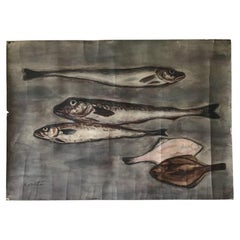
1984 Japanese Vintage Watercolor Fish Painting
Located in Chiba, JP
Large vintage watercolor painting on hard paper, 108 x 76.5 cm (42.51 x 30.11in), titled ‘Codfish’ by a Japanese painter, Komata Yoshio (Arakawa-ku, Tokyo), February, 1984. Some cre...
Category

1980s Japanese Showa Vintage Japan - Asian Art and Furniture

Materials

Paper

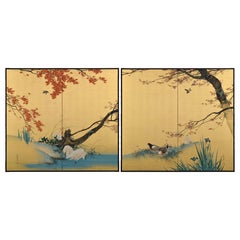
Meiji era Japanese Screen Pair, Two-panel. Spring Autumn Birds Flowers.
Located in Kyoto, JP
Spring and Autumn Birds & Flowers Hasegawa Gyokujun (1863-1921) Meiji period, circa 1900. Ink, color and gofun on silk. Dimensions of each screen: H. 172 cm x W. 188 cm (68’’ x 7...
Category

Early 20th Century Japanese Meiji Japan - Asian Art and Furniture

Materials

Gold Leaf

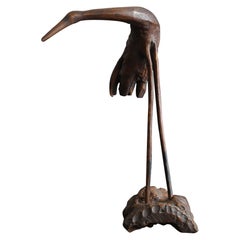
Antique Japanese wooden crane figurine / 20th century / wood carving
Located in Sammu-shi, Chiba
This wooden crane figurine was crafted in Japan in the late 20th century. The artist utilized the natural shape of the wood, particularly the roots, to carve the crane's body. The base is carved from a knot, and its powerful, organic contours convey the base's sense of life. This piece elevates nature's natural form to the crane with minimal modification. Cranes have long been considered symbols of longevity and good fortune, and have been used in wedding and New Year's decorations. The idea of ​​emanating the crane's shape from the roots of a tree seems to reflect the Japanese view of nature and their cherishing the "signs of things." The slender legs simply slide into the base, allowing for easy disassembly. This figurine is easy to transport and store, making it a convenient display piece. Weighing just 0.75 kg, it can be easily placed anywhere. It enhances the traditional atmosphere when placed in a Japanese-style alcove, or in front of a modern white-walled space or exposed concrete wall, the contrast of the materials creates a striking art piece. Placing it on a windowsill, entryway shelf...
Category

20th Century Japanese Showa Japan - Asian Art and Furniture

Materials

Wood

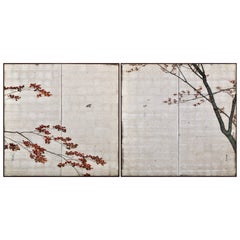
1895 Meiji Japanese Screen Pair. Cherry Blossoms Autumn Maples on Silver Leaf
Located in Kyoto, JP
Cherry Blossoms and Autumn Maples Isobe Hyakurin (1836–1906) Dated Meiji 28, April: 1895 Pair of two-panel Japanese screens; ink and pigments on silver leaf This refined pair of scr...
Category

Late 19th Century Japanese Meiji Antique Japan - Asian Art and Furniture

Materials

Silver Leaf

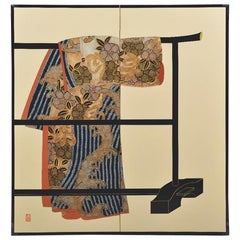
Japanese Large Contemporary Yellow Black Gilded Raised Silk Folding Screen
Located in Takarazuka, JP
Japanese contemporary two panel folding screen or "byobu" featuring genryoku style handcrafted raised silk kimono in yellow, black and gold on a cream color background. Tagasode is t...
Category

21st Century and Contemporary Japanese Japan - Asian Art and Furniture

Materials

Silk, Brocade

Japanese Contemporary Red Blue Green Porcelain Vase by Master Artist, 3
Located in Takarazuka, JP
Exceptional Japanese contemporary decorative porcelain vase, intricately hand painted on a stunningly shaped porcelain body in blue and red, a stunning piece by highly-acclaimed awar...
Category

21st Century and Contemporary Japanese Meiji Japan - Asian Art and Furniture

Materials

Porcelain

Double-Sided Samurai Fan — Edo Period, Hand-Painted on Gold and Silver Leaf Pape
Located in Fukuoka, JP
Japan, Edo period (1603–1868) Size: 49 × 30 cm A magnificent double-sided Japanese folding fan (ōgi), hand-painted on paper richly decorated with gold and silver leaf. One side depi...
Category

19th Century Japanese Edo Antique Japan - Asian Art and Furniture

Materials

Wood, Paper

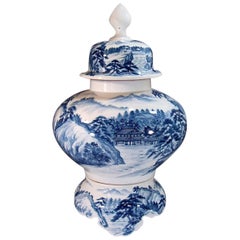
Large Contemporary Blue Porcelain Vase by Japanese Master Artist
Located in Takarazuka, JP
Exquisite very large contemporary Japanese porcelain decorative three-piece raised lidded jar, hand painted in underglaze blue and white , depicting a landscape from Japan's countrys...
Category

21st Century and Contemporary Japanese Japan - Asian Art and Furniture

Materials

Ceramic

Japanese Antique Lacquer Bucket 1860s-1920s / Plant Pot Cover Wabisabi
By Axel Vervoordt
Located in Chōsei District Nagara, JP
This is an old Japanese lacquer tub, a rare piece that preserves the craftsmanship of artisans from the Meiji to Taishō period (1860s–1920s). The body is made of Japanese cedar, whil...
Category

Early 20th Century Japanese Taisho Japan - Asian Art and Furniture

Materials

Bamboo, Cedar, Lacquer

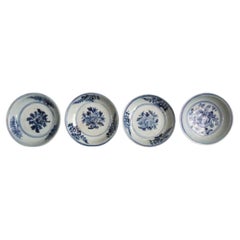
Rare Early Ming Dynasty Blue-and-White Porcelain Plates
Located in Fukuoka, JP
A fine group of early Ming dynasty (c. 15th century) porcelain dishes, hand-painted in cobalt blue underglaze with floral and foliate motifs. These plates were found in Japan, where ...
Category

15th Century and Earlier Chinese Ming Antique Japan - Asian Art and Furniture

Materials

Ceramic, Porcelain

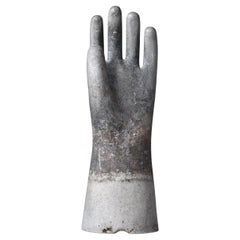
Japanese Old Aluminum Glove Mold 1940s-1960s / Object Wabi Sabi
Located in Chōsei District Nagara, JP
This is an old rubber glove mold made in Japan. It was made in the Showa period (1940s-1960s), and the material used is aluminum. Although it is a practical item that has been used f...
Category

Mid-20th Century Japanese Showa Japan - Asian Art and Furniture

Materials

Aluminum

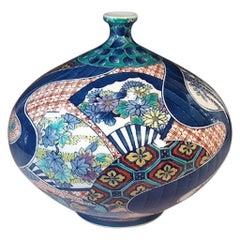
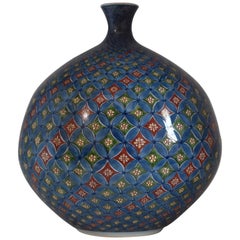
Contemporary Japanese Red Blue Green Porcelain Vase by Master Artist, 4
Located in Takarazuka, JP
Extraordinary Japanese contemporary decorative porcelain vase extremely intricately featuring a traditional Arita "shippo" pattern in deep red, green and blue, a stunning signed mast...
Category

21st Century and Contemporary Japanese Meiji Japan - Asian Art and Furniture

Materials

Porcelain

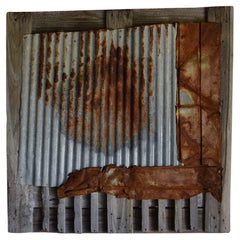
Japanese Wall Art / Japanese objet / wabi-sabi art / primitive wall art
Located in Sammu-shi, Chiba
This is a wall art made using some of the material from an old Japanese door. This is a wooden door reinforced with galvanized iron sheets. It's a convenient size that doesn't take...
Category

2010s Japanese Primitive Japan - Asian Art and Furniture

Materials

Tin

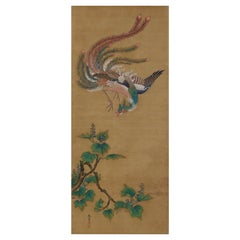
19th Century Japanese Silk Painting by Kano Chikanobu, Phoenix Paulownia
Located in Kyoto, JP
Birds & Flowers of the seasons Pheasants & Plum in Snow Unframed painting. Ink, pigment and gofun on silk Kano Chikanobu 1819-1888 Signature...
Category

Mid-19th Century Asian Edo Antique Japan - Asian Art and Furniture

Materials

Silk

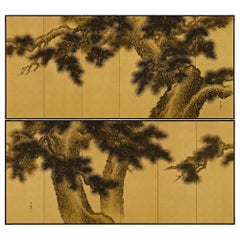
Early 20th Century Japanese Screen Pair - Ink Pine Trees on Gold
Located in Kyoto, JP
Imao Keisho (1902-1993) Pine Trees Early 20th Century, Circa 1930 Pair of six-panel Japanese screens. Ink on silk and gold leaf. Dimensions: Each screen H. 67.5” x 148” (172 cm x 376 cm) A pair of monumental six-panel Japanese pine screens by the renowned Nihonga artist Imao Keisho. Here Keisho entirely removed the background and brought the pine trees to the surface of the painting. This simplification of the elements makes the scene exceptionally direct and compelling and injects a very modern...
Category

Early 20th Century Japanese Showa Japan - Asian Art and Furniture

Materials

Gold Leaf

Japanese Antique Exhibition Table / Wall Decoration / 1868-1912s / Wabi-sabi
Located in Iwate-gun Shizukuishi-cho, Iwate Prefecture
This is an old Japanese wooden work board. The wood is cedar, and due to long-term use, the black color around the edges remains, and the color has peeled off only in the middle. Th...
Category

Late 19th Century Japanese Meiji Antique Japan - Asian Art and Furniture

Materials

Wood, Cedar

Japanese Massive Antique Red Kurama Spirit Stone Lantern
Located in South Burlington, VT
Just discovered from an old Japanese Shiga garden and from our recent Japanese Acquisitions. Please view our video of our newest discovery......... Suited for a special private, mu...
Category

Early 20th Century Japanese Japan - Asian Art and Furniture

Materials

Stone, Granite

Japanese Contemporary Ko-Imari Gold Blue Porcelain Koro Incense Burner
Located in Takarazuka, JP
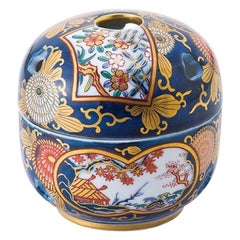
Stunning contemporary Japanese Ko-Imari style porcelain koro or incense burner or jewelry box, hand painted on a beautifully shaped round body in cobalt blue, red and green and gener...
Category

21st Century and Contemporary Japanese Meiji Japan - Asian Art and Furniture

Materials

Gold

B79 Old Japanese Art a folding screen, Byobu 2panel, White Heron Dyed Fabric
Located in Niiza, JP
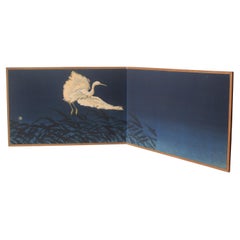
Material: fabric on wooden frame One piece: W870×H580mm×D15mm, Unfolded size: W1730mm Folded size: W870×H580×D30mm, 3kg Estimate packing size: (sandwiched with 5-10mm plywood): 10cm ...
Category

20th Century Japanese Japan - Asian Art and Furniture

Materials

Fabric

1838 Japanese Screen Pair. Flowers Grasses of the Four Seasons.
Located in Kyoto, JP
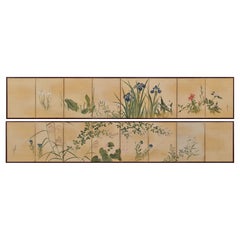
Maruyama Oshin (1790-1838) Flowers and grasses of the four seasons: dated 1838 Pair of eight-panel Japanese screens; ink, color and gold leaf on silk Dimensions: each (2) H. 38.5 cm...
Category

1830s Japanese Edo Antique Japan - Asian Art and Furniture

Materials

Silk

17th Century Japanese Screen Pair. Tiger Dragon by Kaiho Yusetsu
Located in Kyoto, JP
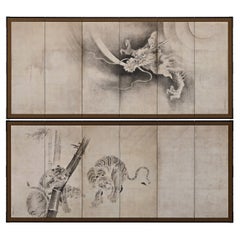
Kaiho Yusetsu (1598-1677) Tiger and Dragon Early Edo Period, Circa 1650 A Pair of Six-fold Japanese Screens. Ink and slight color on paper. Dimensions: Each screen: H. 171 cm x W. 380 cm (67.5’’ x 149.5’’) In this pair of early Edo period Japanese screens a group of tigers prowl in a bamboo grove whipped with fierce wind, while a dragon claws through clouds and mist. The dragon embodies elemental qualities - looming out of the mist, the coils of its body disappearing in the clouds. The dragon is calling for rain, symbolizing spring which is considered the fountain of life. On the other side, the tigers calls for the wind, symbolizing autumn which is considered the end of life. Tigers were familiar motifs within Japanese art from ancient times though the animals were imaginary to the people in the 17th century. While dragons and tigers are usually associated as sacred and ferocious, in this painting, both animals have rather amusing expressions. The tigers appear to glare at the dragon with cat-like eyes, and the look on the swirling dragon’s face appears almost affectionate - lending a playful flair to an otherwise magnificent theme. The tiger and dragon are cosmological symbols of the balancing forces in the world. Screens such as this were originally meant to express the fluctuating nature of the world. For Japanese in the early Edo period, they likely suggested the powers of the cosmos. In Japan the tiger and dragon motif was originally absorbed into the circles of Zen monasteries before spreading into the secular world. The theme especially appealed to the military classes with the Kano school, the official painters to the Shogun and the samurai, being the leading contributors. The painter of this pair of screens, Kaiho Yusetsu (1598-1677), was closely patronized by the third Shogun Tokugawa Iemitsu. In his later years he worked with Kano school artists...
Category

Mid-17th Century Japanese Edo Antique Japan - Asian Art and Furniture

Materials

Silk, Wood, Paper

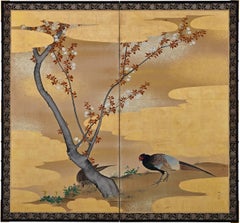
Early 19th Century Japanese Screen. Cherry Blossom Pheasants by Mori Tetsuzan
Located in Kyoto, JP
Mori Tetsuzan (1775-1841) Pheasants and Cherry Blossoms Two-fold Japanese screen. Ink, color, gofun, gold and silver on paper. A two-fold Japanese bir...
Category

Early 19th Century Japanese Edo Antique Japan - Asian Art and Furniture

Materials

Gold Leaf

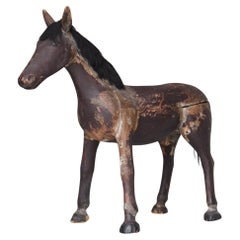
Japanese Antique Sacred Horse Wooden Statue "Shinme" 1800s-1860s / Wabi Sabi
Located in Chōsei District Nagara, JP
This is a very rare carved wooden statue of a sacred horse that was dedicated to a Japanese shrine. It was produced during the Edo period (1800s-1860s), and the main material used is...
Category

Mid-19th Century Japanese Edo Antique Japan - Asian Art and Furniture

Materials

Cedar

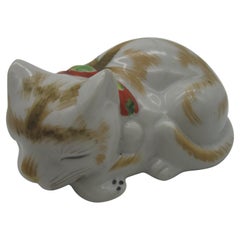
Japanese Meiji Period Gold White Porcelain Sleeping Cat Sculpture, circa 1910
Located in Takarazuka, JP
Exquisite Meiji period Japanese Kutani sculpture of a sleeping cat in fine porcelain, inspired by the small wooden sculpture at the entrance of...
Category

Early 20th Century Japanese Meiji Japan - Asian Art and Furniture

Materials

Gold

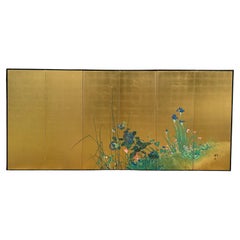
Japanese screen: Summer Breeze on Gold
Located in Fukuoka, JP
Period: Taishō–Shōwa Size: 170 cm x 378 cm (67 in x 149 in) SKU: 2480 Dimensions: 170 cm x 378 cm (67 in x 149 in) Bathed in the gentle shimmer of gold leaf, Summer Breeze on Gold ...
Category

Early 20th Century Asian Showa Japan - Asian Art and Furniture

Materials

Paper, Wood

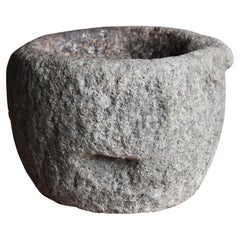
Japanese Antique Stone Mortar 1860s-1900s / Stone Bowl Object Wabi Sabi
By Axel Vervoordt
Located in Chōsei District Nagara, JP
This is an old Japanese stone “yagen” (medicine grinder), believed to have been used during the Meiji period (1860s–1900s). Though simple in form, it carries with it the silent prese...
Category

Early 20th Century Japanese Primitive Japan - Asian Art and Furniture

Materials

Stone

Still Thinking About These?

All Recently Viewed