Japan - Asian Art and Furniture

to
104
1,373
11,208
5,371
764
599
10
23
2
1
1
1
1
70
188
506
609
182
83
28
3
2
8
2
1
3
13
7
4
1
596
510
454
422
283
1,327
1,300
1,280
13
11
1,373
1,349
1,351
26
10
4
2
2
Item Ships From: Japan
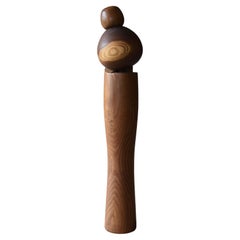
1970s-80s Japanese Vintage Modern Sosaku Kokeshi Wooden Doll
Located in Chiba, JP
Rare find of refined vintage modern kokeshi simplified wooden doll titled as ‘Hajirai’ (lit. ‘Shyness’) made by a kokeshi artist, Kenichi Murakami (1929-1991), c.1970-80s, categorize...
Category

20th Century Japonisme Japan - Asian Art and Furniture

Materials

Wood

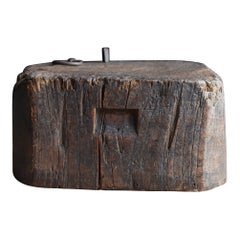
Japanese Antique Wooden Block Workbench 1900s-1940s / Display Stand Wabisabi
Located in Chōsei District Nagara, JP
This is an old Japanese wooden block workbench, believed to have been used in the early Showa period (1900s–1940s). The material is zelkova (keyaki) wood. The countless scratches, dents, and the smoothness of its surface are proof of the many years of daily use and the touch of human hands that have polished it over time. The iron fittings remaining on the surface tell the story of the work once performed here, while also serving as a striking visual accent. The inherent durability and beautiful grain of zelkova have gained even greater depth through the passage of time, creating a unique and irreplaceable texture. Left as it is, it stands as a powerful art piece; as a display stand, it functions beautifully to enhance the presence of whatever is placed upon it. There is a slight tilt, but this too is part of its individuality, telling the tale of its long history. It is not in perfection, but in the imperfections shaped by time, that the Japanese aesthetic of wabi-sabi resides. This wooden workbench is more than just an old tool — it is a sculptural object that reflects the era and the lives of the people who used it. Whether in a home interior, gallery, or as store display furniture...
Category

Mid-20th Century Japanese Primitive Japan - Asian Art and Furniture

Materials

Wood

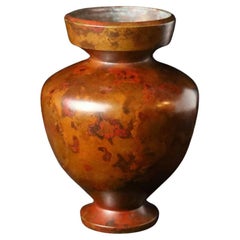
Small Japanese Bronze Vase with Warm Patina, 20th Century
Located in Fukuoka, JP
This compact Japanese bronze vase charms with its classic silhouette and richly mottled patina in warm reddish-brown tones. The subtle variations in the surface evoke the organic bea...
Category

20th Century Japanese Showa Japan - Asian Art and Furniture

Materials

Bronze

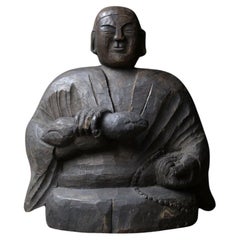
Antique Wooden Sculpture "Kobo Daishi" / Buddha Statues / Edo-Meiji Period
Located in Sammu-shi, Chiba
This is an old Japanese "Kobo Daishi" wooden figure. "Kobo Daishi" means "Kukai". "Kukai" was a monk from the early Heian period. His posthumous name was "Kobo Daishi". He is the fou...
Category

19th Century Japanese Edo Antique Japan - Asian Art and Furniture

Materials

Cypress

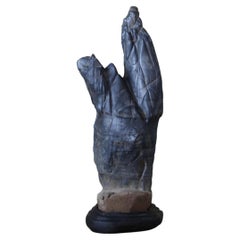
Japanese "Suiseki" Makkouseki from Ehime
Located in Sammu-shi, Chiba
This is a stone mined in Japan. Not only in China but also in Japan from ancient times, rocks in the mountains have been shaved and stones for viewing have been quarried. Such stone...
Category

Mid-20th Century Japanese Showa Japan - Asian Art and Furniture

Materials

Stone

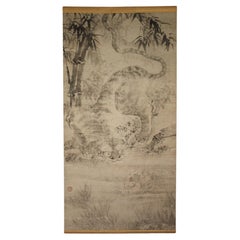
K25 Japanese Antiques A large hanging scroll, Tiger Ink on paper painted
Located in Niiza, JP
Ink on paper, Scroll head: wood Image size: 860(W) x 1670(H) [mm] Scroll mounting: 1030(W) x 2220(H) [mm] Box size: 90(W) x 90(H) x 1140(D) [mm] 2kg Estimated packing size: 150(W) x...
Category

19th Century Japanese Antique Japan - Asian Art and Furniture

Materials

Fabric, Paper

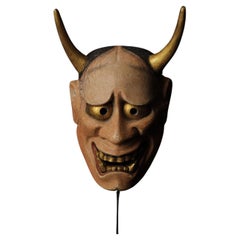
Japanese Hannya (般若) Noh Mask. Attributed to Takada Fuki (高田 冨季, 1935–2008)
Located in Fukuoka, JP
Hannya (般若) Noh Mask attributed to Takada Fuki (高田 冨季, 1935–2008) Mask: Hannya (般若) SKU: TBA15 Size: W: 17cm, H: 21 cm (W/horns 25.5cm) The Hannya mask represents a female demon w...
Category

20th Century Japanese Showa Japan - Asian Art and Furniture

Materials

Wood

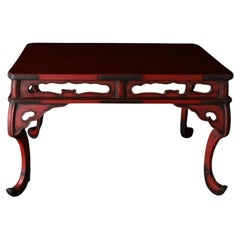
Rare Japanese Negoro Lacquer Table with Curved Legs (Late 17th–18th Century)
Located in Fukuoka, JP
are Japanese Negoro Lacquer Table with Curved Legs (Late 17th–18th Century) Japan, Edo period Dimensions: H 26.5 cm × W 43.1 cm × D 27 cm (Top surface: W 42.7 cm × D 25.7 cm) This e...
Category

Late 17th Century Japanese Edo Antique Japan - Asian Art and Furniture

Materials

Wood, Lacquer

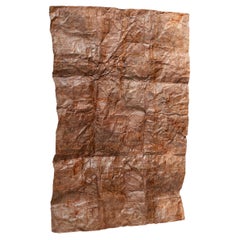
Japanese Persimmon-Dyed Washi Curtain (Shichou-maku), 19th Century
Located in Tokyo, Tokyo
This striking “shichou-maku,” or paper curtain, dates to the Meiji period and was originally used in sericulture rooms to shield silkworms from drafts and cold air. Hung from ceiling...
Category

19th Century Japanese Antique Japan - Asian Art and Furniture

Materials

Paper

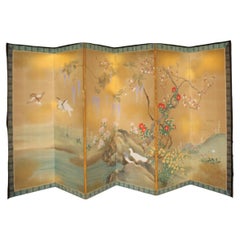
B10 Japanese Antiques 6panels, Paper, folding Screen with Flower & bird painting
Located in Niiza, JP
Flower and bird painting Material: Paper on wooden frame, colored One piece: W660×H1825mm×D20mm, Unfolded size: W3860mm, 16kg Folded size: W660×H1825×D110mm Packaging (sandwiched wit...
Category

19th Century Japanese Antique Japan - Asian Art and Furniture

Materials

Paper

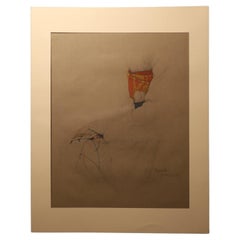
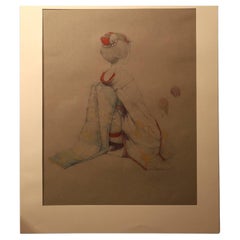
Large Collotype Print by Ryunosuke Fukui from "Maiko" Series - print no 10
Located in Fukuoka, JP
A large print created by Ryunosuke Fukui, a highly acclaimed modernist artist from Japan who lived between 1923 and 1986. Fukui's art has been exhibited in many prestigious museums a...
Category

20th Century Showa Japan - Asian Art and Furniture

Materials

Other

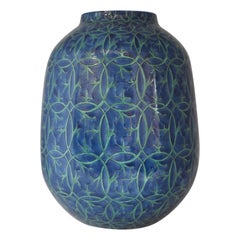
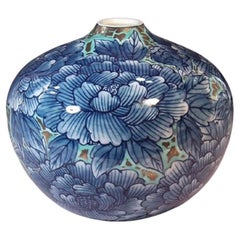
Japanese Blue and Green Porcelain Vase by Contemporary Master Artist
Located in Takarazuka, JP
Exquisite Japanese contemporary porcelain vase, hand painted in deep blue and green on a beautifully shaped body, the work of wide...
Category

21st Century and Contemporary Japanese Japan - Asian Art and Furniture

Materials

Porcelain

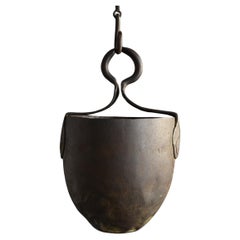
Antique Asian copper bucket "tsurube" /20th century/hanging flower vase
Located in Sammu-shi, Chiba
This is believed to be a bronze "tsurube" (water bucket) made in Japan or East Asia. It was likely used to draw water from wells. The base shows dents, possibly from repeated impacts...
Category

20th Century East Asian Other Japan - Asian Art and Furniture

Materials

Copper

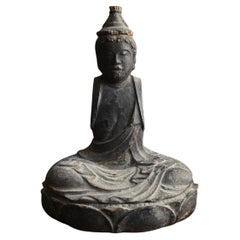
Japanese antique wooden Buddha statue / Edo period / 1600 to 1800
Located in Sammu-shi, Chiba
This wooden statue is a relic from Japan's Edo period, and within it lies a deep history that transcends time. Originally, it was part of a more intricate statue, likely adorned with...
Category

17th Century Japanese Edo Antique Japan - Asian Art and Furniture

Materials

Cypress

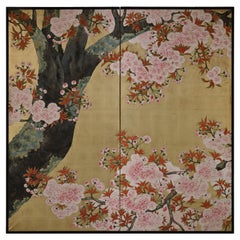
Early 20th Century Japanese Cherry Blossom Screen by Kano Sanrakuki
Located in Kyoto, JP
Cherry Blossoms Kano Sanrakuki (1898-1981) Showa period, circa 1930 2-panel Japanese Screen Color, gofun and gold leaf on paper Against a backdrop of gold-leafed ground, the lichen covered trunk and branches of the life-sized cherry blossom tree reach out and beyond the confines of the pictorial surface. The overall composition has a feeling of flatness which draws emphasis to the surface and the three-dimensionality of the cherry blossoms. Painstakingly built-up layers of thickly applied shell-white gofun detail the voluminous blossoms and cover large areas of this tour-de-force of Japanese Nihonga painting. By simplifying the background, minimizing the number of colors and depicting the blossoms with such heavy relief, the artist has emphasized the stunning presence of the cherry tree. The type of tree depicted is the Yae-Zakura; a double-layered type of cherry blossom famed for its beauty and strength. When we think of Japanese cherry blossoms, the first thing that comes to mind is Somei Yoshino variety, which has a single flower with five almost white petals. This type is fragile and easily blown away by strong wind or rain. Most of the double-flowered cherry blossoms begin to bloom when the Somei-Yoshino falls, and the flowering period lasts longer than that of the Somei-Yoshino. Kano Sanrakuki originally studied painting at the Kyoto City Arts and Crafts School under the tutelage of Yamamoto Shunkyo...
Category

Early 20th Century Japanese Showa Japan - Asian Art and Furniture

Materials

Gold Leaf

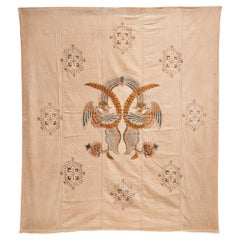
Japanese Vintage Fabric, Wabi Sabi, 1910s
Located in Tokyo, Tokyo
This unique and elegant textile with a phoenix pattern, known as Nagasaki Sarasa, was made in Nagasaki Prefecture (Kyushu) during the Taisho era. The fabric was likely intended fo...
Category

1910s Japanese Vintage Japan - Asian Art and Furniture

Materials

Cotton

Unusual Edo Period Imari Kiln Misfire Cup
By Imari Porcelain
Located in Fukuoka, JP
An exceptional and rare example of an Edo period (c. 18th–19th century) Imari porcelain cup that resulted from a kiln misfire—transforming it into a unique sculptural object. Likely ...
Category

18th Century Japanese Edo Antique Japan - Asian Art and Furniture

Materials

Ceramic

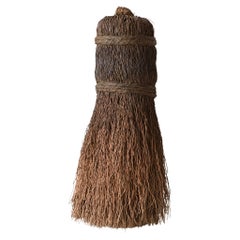
Early 20th century Korean Garment Brush
Located in Chiba, JP
Old Korean garment brush used for hemp textile as scarce exposed type without covered grip, early 20th century, approx. L 24cm (9.44in), in used conditio...
Category

Early 20th Century Korean Japan - Asian Art and Furniture

Materials

Other

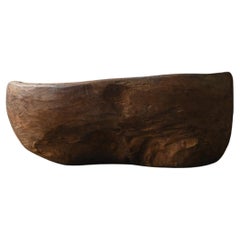
Wooden bowl carved from an old Japanese tree burl/Sculpture object/20th century
Located in Sammu-shi, Chiba
This wooden bowl was crafted during the Taisho to early Showa periods from keyaki (zelkova) wood. The wood used is carved from the burl of the tree, resulting in a unique shape and t...
Category

20th Century Japanese Showa Japan - Asian Art and Furniture

Materials

Wood

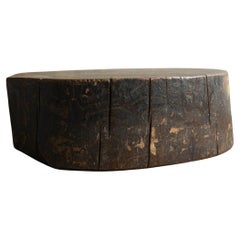
Japanese antique wooden work board / 20th century / small display stand
Located in Sammu-shi, Chiba
This is an old Japanese wooden workbench made from zelkova wood (keyaki), known for its hardness and beautiful grain. The thick cross-sectional shape clearly reveals the concentric g...
Category

20th Century Japanese Taisho Japan - Asian Art and Furniture

Materials

Wood

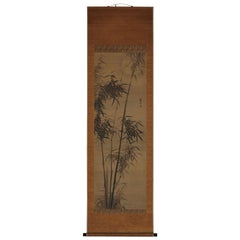
Japanese Painting, Hanging Scroll, 19th Century Bamboo in Moonlight
Located in Kyoto, JP
Bamboo in moonlight Gamo Rakan (1784-1866) Hanging scroll, ink on silk. Dimensions: Scroll: 201 cm x 58 cm Image: 137 cm x 45 cm In this early 19th century work by Gamo Rakan a light ink wash applied to the silk background silhouettes the moon and suggests the atmosphere of early evening. Even though it is a literati subject, Rakan’s bamboo is quite realistic with a strong decorative style. The painting finds its inspiration from Chinese Ming dynasty painters who often used a single-tone, jet black stroke to emphasize the calligraphic nature of bamboo. In a different era, decorative would have been seen as somewhat unrefined. But increasingly in the Edo period, it was the hallmark of high style. The Japanese people, in particular the rising merchant class, had gradually become apathetic toward the traditional Sesshu and Kano schools of painting. Chinese professional and amateur painters living in the port of Nagasaki during the 18th century had a profound effect on Japanese painting and the freshness of their style and its decorative appeal contributed greatly to its popularity. Gamo Rakan’s teacher, Tani Buncho...
Category

Early 19th Century Japanese Edo Antique Japan - Asian Art and Furniture

Materials

Silk

Large Collotype Print by Ryunosuke Fukui from "Maiko" Series - print no 6
Located in Fukuoka, JP
A large print created by Ryunosuke Fukui, a highly acclaimed modernist artist from Japan who lived between 1923 and 1986. Fukui's art has been exhibited in many prestigious museums a...
Category

20th Century Showa Japan - Asian Art and Furniture

Materials

Other

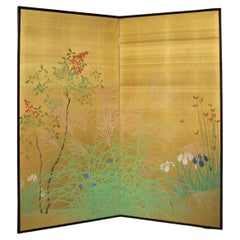
B36 Japanese Antiques Gold background flowers folding screen, 2-panel
Located in Niiza, JP
Material: Paper & Silk-like fabric, wooden frame 1 piece: Width 760 x Height 1520 x Depth 20 mm Expanded size: Width 1520 mm Folded size: Width 760 x Height 1520 x Depth 40 mm, weigh...
Category

20th Century Japanese Japan - Asian Art and Furniture

Materials

Silk, Paper

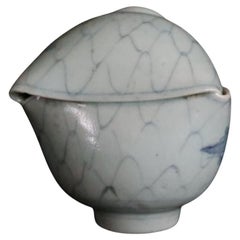
Antique Vases in Southern China / Small Vases / 16th to 17th Centuries
Located in Sammu-shi, Chiba
It is believed that pottery baked in southern China in the early Ming dynasty was imported into Japan. It is a small size. The upper part is slightly ...
Category

15th Century and Earlier Chinese Ming Antique Japan - Asian Art and Furniture

Materials

Pottery

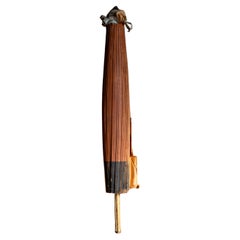
Antique Japanese "Wagasa" Umbrella, 20th Century
Located in Edogawa-ku Tokyo, JP
This handcrafted traditional Japanese umbrella, made of bamboo and washi paper, carries the quiet beauty of age and imperfection. Its weathered texture and graceful form bring a sens...
Category

Early 20th Century Japanese Japan - Asian Art and Furniture

Materials

Bamboo, Paper

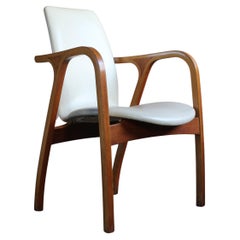
Antler Chair designed by Junzo Sakakura Architectural Office for Tendo Mokko
By Junzo Sakakura
Located in Sammu-shi, Chiba
The Antler Chair was designed by Junzo Sakakura Architectural Research Institute in 1966. It is a long-selling masterpiece chair that is still being made today. This is a rare monopo...
Category

1960s Japanese Mid-Century Modern Vintage Japan - Asian Art and Furniture

Materials

Teak, Plywood

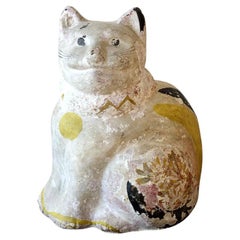
Early-Mid 20th century Traditional Japanese Hanamaki Clay Cat Doll
Located in Chiba, JP
Traditional Hanamaki clay doll, early-mid 20th century, Iwate, Japan. H 15.5 x W 13.3 x D 10 cm (6.10 x 5.23 x 3.93in). Aged deterioration as is as seen.
Category

Mid-20th Century Japanese Japonisme Japan - Asian Art and Furniture

Materials

Clay

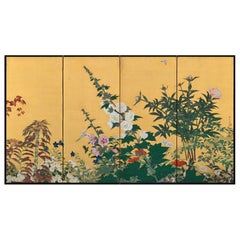
Early 20th Century Japanese Screen. Flowers of the Four Seasons.
Located in Kyoto, JP
Anonymous Flowers of the Four Seasons A four-panel Japanese screen. Ink, gofun and pigments on gold leaf. This Japanese screen is a rich visual celebration of the flowers of the fo...
Category

Early 20th Century Japanese Taisho Japan - Asian Art and Furniture

Materials

Gold Leaf

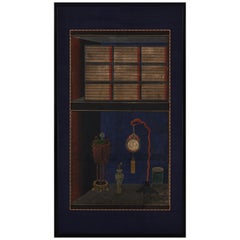
Korean Chaekgeori painting. 19th Century Joseon. Books Scholars’ Accouterments
Located in Kyoto, JP
Books and Scholars’ Accouterments; Chaekgeori Second half of the 19th century Korean framed panel. Ink and color on paper. This Korean Chaekgeori...
Category

Late 19th Century Korean Edo Antique Japan - Asian Art and Furniture

Materials

Paper

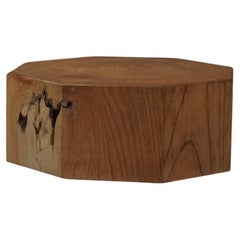
Japanese Antique Solid Zelkova Octagonal Display Stand, Japandi Wabi-Sabi
Located in Chiba, Chiba
A Japanese antique octagonal display stand carved from solid zelkova wood. The exact date is unknown, yet the piece carries a distinctly primitive presence, shaped with a quiet stren...
Category

Mid-20th Century Japanese Japan - Asian Art and Furniture

Materials

Wood

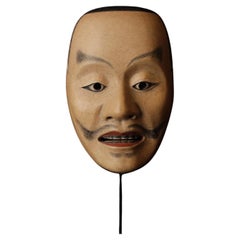
Japanese Heita (平太) Noh mask. Attributed to Takada Fuki (高田 冨季)
Located in Fukuoka, JP
Heita (平太) Noh Mask attributed to Takada Fuki (高田 冨季, 1935–2008) Mask: Heita (平太) SKU: TBA18 Size: W: 16 cm, H: 21 cm The Heita mask is used to portray warriors, military commander...
Category

20th Century Japanese Showa Japan - Asian Art and Furniture

Materials

Wood

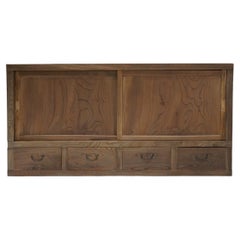
Japanese Antique Chestnut Storage Cabinet, 1900s–1930s - Japandi Wabi-Sabi
Located in Chiba, Chiba
A Japanese antique storage cabinet crafted from chestnut wood, dating from the 1900s–1930s. The surface has matured into a deep, warm brown over time, and the flowing grain patterns ...
Category

Early 20th Century Japanese Japan - Asian Art and Furniture

Materials

Wood

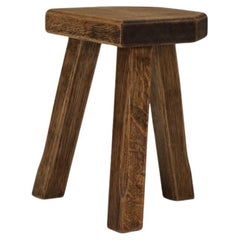
Japanese Antique Oak Stool, 1970s–1980s, Japandi
Located in Chiba, Chiba
A Japanese antique stool crafted from oak and dating from the 1970s–1980s. Its distinctive pentagonal seat gives the piece a playful yet balanced silhouette, setting it apart from mo...
Category

Late 20th Century Japanese Japan - Asian Art and Furniture

Materials

Wood

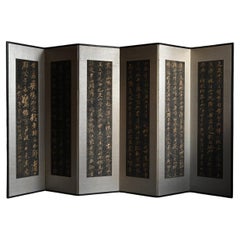
Old Japanese woodblock print folding screen/room partition/object
Located in Sammu-shi, Chiba
This is a woodblock-printed folding screen made in Japan during the Showa period, featuring writings by a Chinese calligrapher. It is a passage from a story written by a famous Chin...
Category

20th Century Japanese Showa Japan - Asian Art and Furniture

Materials

Paper

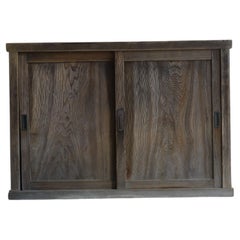
Japanese Antique Cabinets, Wabi Sabi, Japandi
Located in Katori-Shi, 12
This is a Japanese antique cabinet made in the Meiji period. This is a masterpiece that highlights traditional techniques and craftsmanship, ...
Category

Early 20th Century Japanese Meiji Japan - Asian Art and Furniture

Materials

Wood

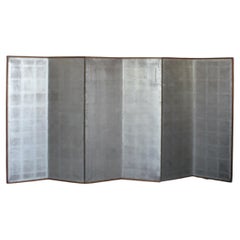
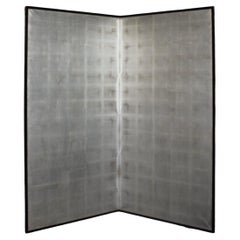
B41 Japanese Antiques 6panels, Silver Paper, folding Screen, brown-rimmed
Located in Niiza, JP
Material: Paper, wooden frame 1 piece: Width 435 x Height 1370 x Depth 18 mm Expanded size: Width 2650 mm Folded size: Width 455 x Height 1370 x Depth 100 mm, weight 9 kg Packaging (...
Category

20th Century Japanese Japan - Asian Art and Furniture

Materials

Paper

17th Century Korean Grapevine and Squirrel Scroll Painting, Mid Joseon Period
Located in Kyoto, JP
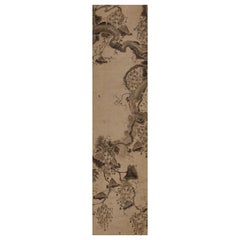
Anonymous. Korean, 17th century. Joseon period. Hanging scroll. Ink on paper. Seal: Shinso Dimensions: Scroll: H. 200 cm x W. 31 cm (79” x 12”) Image: H. 122 cm x W. 29.5 cm (48” x 11.5”) The grapevine came to China and then Korea from western Asia via the silk road trade routes. By the mid-Joseon period, it was one of the most popular subjects for Korean literati painters. Grapevines were painted as a singular subject or, less commonly, in combination with squirrels, which are associated with children due to their playful nature. Together, grapevines and squirrels embody wishes for abundant offspring and wealth. For the Korean literati artist the twisting vines, curling tendrils and round, plump grapes provided ample opportunity for expressive "brush play”. In this painting the artist has abstracted the scene and is seemingly unconcerned with discontinuities and proportion. Vines spring up from nowhere, grapes hang in random clusters and the squirrel’s head appears as if twisted backwards. For the vines and leaves we can feel a sense of speed in the brushstrokes, imparting a dynamic feel which is at once intense and animated. This contrasts dramatically with the countless tiny strokes of ink which realistically capture the texture of the squirrel’s fur...
Category

17th Century Korean Other Antique Japan - Asian Art and Furniture

Materials

Paper

Japanese Antique Drawer Chest in Wood, 1940s–1950s – Japandi Wabi-Sabi
Located in Chiba, Chiba
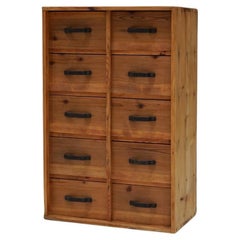
A Japanese wooden drawer chest dating from the 1940s–1950s. Compact in both width and depth, this piece offers ten smoothly operating drawers that provide practical organization for ...
Category

Mid-20th Century Japanese Japan - Asian Art and Furniture

Materials

Wood

Japanese Antique Lacquered Display Stand, 1920s–1940s, Japandi Wabi-Sabi
Located in Chiba, Chiba
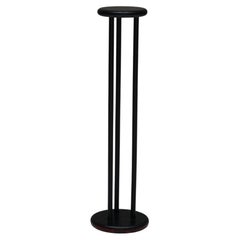
A Japanese antique lacquered display stand dating from the 1920s–1940s. The surface is finished in deep black urushi lacquer, softly worn over time to reveal traces of the red underl...
Category

Early 20th Century Japanese Japan - Asian Art and Furniture

Materials

Wood

19th Century Japanese Screen for Tea-Ceremony, Ink Bamboo and Plum on Gold Leaf
Located in Kyoto, JP
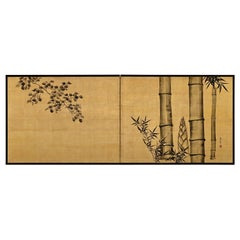
Three Friends of Winter Nakajima Raisho (1796-1871) Late Edo period, circa 1850 Ink and gold leaf on paper. This is a double-sided Japanese Furosaki or tea-ceremony screen from the mid 19th century; bamboo and plum on the front, young pines the back. It by Nakajima Raisho, a master painter of the Maruyama school in the late Edo and early Meiji periods. In this work Raisho combines exquisite ink brushwork with large open spaces of brilliant gold-leaf to inspire the viewers imagination. Rather than naturalism, he is searching for the phycological impression of the motifs, resulting in abstraction and stylization. His simplification of the motifs the result of looking to capture the inner nature of the objects. This art motif is known as Sho Chiku Bai, or the Three Friends of Winter. Evergreen pine connotes steadfastness, bamboo suggests both strength and flexibility, while plum blossoms unfurling on snow-laden branches imply hardiness. Combined, this trio is emblematic of Japanese new year. Chinese literati were the first to group the three plants together due to their noble characteristics. Like these resilient plants flowering so beautifully in winter, it was expected of the scholar-gentleman to cultivate a strong character with which he would be able to show the same degree of perseverance and steadfastness even during times of adverse conditions. The screen would have been placed near the hearth of a room used for the Japanese tea ceremony, shielding the fire from draughts and also forming a stimulating and decorative backdrop behind the tea utensils. It would have been used in the Hatsugama, or first tea-ceremony of the new year. Nakajima Raisho (1796-1871) originally studied under Watanabe Nangaku before entering the school of Maruyama Ozui. He was the highest ranking Maruyama school painter at the end of the Edo period and was known as one of the ‘Four Heian Families’ along with Kishi...
Category

Mid-19th Century Japanese Edo Antique Japan - Asian Art and Furniture

Materials

Gold Leaf

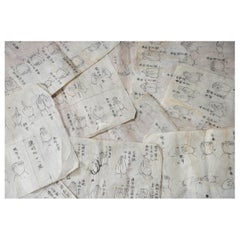
Early 20th century 10-pieces set of Japanese Practitioner’s Hand-Sign Manuscript
Located in Chiba, JP
MUDRA OF ESOTERIC BUDDHISM A set of 10 handwritten practitioner’s charts depicting various mudras (symbolic hand gestures) used in Mikkyo — Japanese Esoteric Buddhism. These gesture...
Category

Early 20th Century Japanese Meiji Japan - Asian Art and Furniture

Materials

Paper

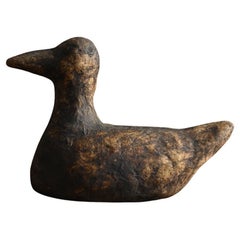
Decoys with old Japanese paper attached/Bird ornaments/20th century
Located in Sammu-shi, Chiba
I would like to introduce an old Japanese figurine covered with paper. This is probably a duck figurine that was originally made as a decoy. Decoys are not only found in Northern Eur...
Category

Early 20th Century Japanese Taisho Japan - Asian Art and Furniture

Materials

Wood, Paper

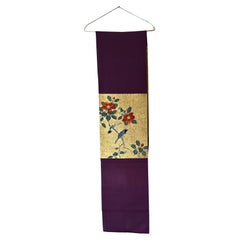
Antique Japanese Obi Textile Panel with Birds and Camellia Flowers, Meiji Period
Located in Fukuoka, JP
A magnificent antique Japanese silk obi fragment from the Meiji period (1868–1912), showcasing exceptional hand embroidery and gold leaf overlay. This refined textile features a pai...
Category

19th Century Japanese Meiji Antique Japan - Asian Art and Furniture

Materials

Silk

B51 Old Japanese Antiques Silver folding screen, Byobu 2panel
Located in Niiza, JP
Unfolded size: 1700 x 1675 x 20 mm Foldable: 850 x 1675 x 40 mm, 7kg Estimated size after packaging (sandwiched between 9 mm plywood): 11 cm x 93 cm x 175 cm Weight 25KG An atmosp...
Category

19th Century Japanese Antique Japan - Asian Art and Furniture

Materials

Fabric, Paper

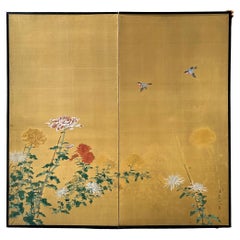
Japanese Screens: Echo of Chrysanthemums
Located in Fukuoka, JP
Echo of Chrysanthemums captures the quiet dialogue between form and reflection. Against a radiant gold-leaf ground, blooming chrysanthemums rise in graceful color harmony — white, cr...
Category

19th Century Japanese Edo Antique Japan - Asian Art and Furniture

Materials

Gold Leaf

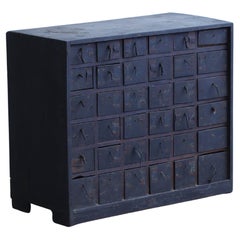
Japanese Antique Chests of Small Drawers , Wabi-Sabi
Located in Katori-Shi, 12
This medicine chest from the Meiji period has 36 small drawers and is highly practical. It can be used for storage, of course, but depending on your ideas, it can also be used for a...
Category

Early 20th Century Japanese Meiji Japan - Asian Art and Furniture

Materials

Wood

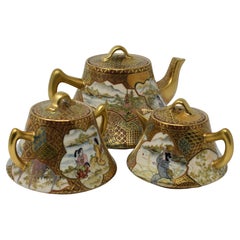
Japanese Three-Piece Porcelain Tea Service Set Contemporary Gold Red Kutani
Located in Takarazuka, JP
Extraordinary Japanese contemporary museum-quality Kutani three-piece tea service set, generously gilded with high purity gold and extremely intricately hand-painted in red and green...
Category

21st Century and Contemporary Japanese Meiji Japan - Asian Art and Furniture

Materials

Gold

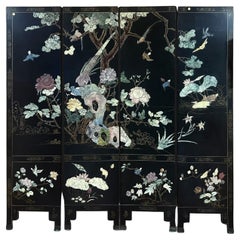
Chinese Screen with Semi-Precious Stone
Located in Fukuoka, JP
This magnificent Chinese folding screen captivates with its deep black lacquer surface, richly adorned with inlays of semi-precious stones. The composition depicts a luxuriant garden...
Category

Early 20th Century Chinese Japan - Asian Art and Furniture

Materials

Multi-gemstone

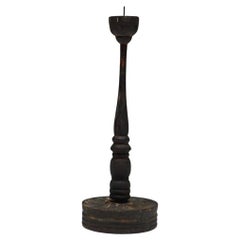
Japanese Antique Wooden Candle Stand, Late 1800s, Wabi-Sabi
Located in Chiba, Chiba
A Japanese antique wooden candle stand dating to the late 1800s. The wood species is unknown, yet the material has aged into a deep, nearly blackened tone, conveying a strong sense o...
Category

Late 19th Century Japanese Antique Japan - Asian Art and Furniture

Materials

Wood

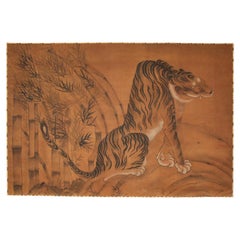
K26 Japanese Antiques A large hanging scroll, Bamboo Tiger Ink on Silk painted
Located in Niiza, JP
Ink on Silk, Scroll head: wood Image size: 1400(W) x 930(H) [mm] Scroll mounting: 1470(W) x 1350(H) [mm] Box size: 100(W) x 90(H) x 1590(D) [mm] 3kg Estimated packing size: 150(W) x...
Category

19th Century Japanese Antique Japan - Asian Art and Furniture

Materials

Fabric, Paper

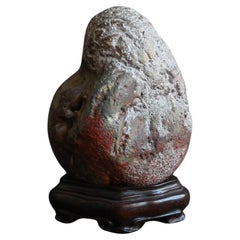
Old Japanese small Stone Figurine in the Shape of Daruma / Scholar s Stone
Located in Sammu-shi, Chiba
This is collected from rivers and mountains. It is a natural stone, and only the surface has been polished. It is rounded, so I think it was probably picked up from a river. I think...
Category

20th Century Japanese Meiji Japan - Asian Art and Furniture

Materials

Stone

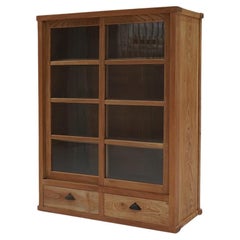
Japanese Antique Zelkova Cedar Cabinet, 1950s - Japandi Wabi-Sabi
Located in Chiba, Chiba
A Japanese antique cabinet crafted from a combination of zelkova and cedar, dating from the 1950s. Its straightforward structure and approachable scale make it an easy piece to incor...
Category

Mid-20th Century Japanese Japan - Asian Art and Furniture

Materials

Wood

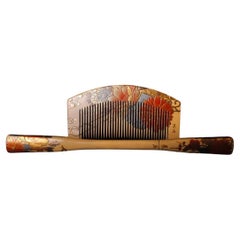
Antique Japanese Two-Piece Comb (Kushi) Set with Gold Maki-e, Signed, Early 20th
Located in Fukuoka, JP
A superb Japanese comb (kushi) and hairpin (kanzashi) set of exceptional quality, lavishly decorated with rich gold maki-e lacquer design and inlaid abal...
Category

Early 20th Century Japanese Taisho Japan - Asian Art and Furniture

Materials

Silver

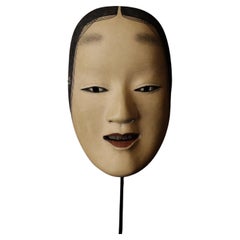
Japanese Noh Mask of Zō-onna (増女) - noble young woman
Located in Fukuoka, JP
Zō-onna (増女) This mask depicts a woman with a noble and calm expression. In Noh theater, it is used for roles of young women. The mask conveys elegance and softness, making it suita...
Category

20th Century Japanese Showa Japan - Asian Art and Furniture

Materials

Wood

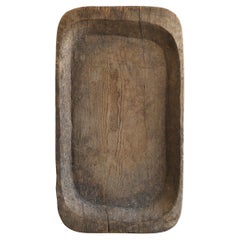
Japanese wooden wabi-sabi board/Early 20th century/Display stand/MINGEI
Located in Sammu-shi, Chiba
This is an old wooden work board called a “Kate-Kiri-Ban,” which was used in the Aizu region of Fukushima Prefecture, Japan, around the early 20th century. The name breaks down as fo...
Category

Early 20th Century Japanese Taisho Japan - Asian Art and Furniture

Materials

Chestnut

Contemporary Japanese Blue Platinum Porcelain Vase by Contemporary Master Artist
Located in Takarazuka, JP
Contemporary Japanese decorative porcelain vase, hand painted in blue underglaze and platinum, a work of widely acclaimed master porcelain artist in traditional patterns of the Imari...
Category

21st Century and Contemporary Japanese Meiji Japan - Asian Art and Furniture

Materials

Platinum

Antique Japanese Wooden Hibachi, Japan, Wabi Sabi, 20th Century
Located in Edogawa-ku Tokyo, JP
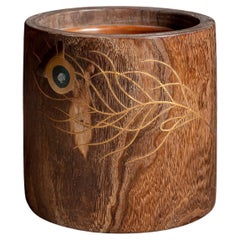
A beautiful antique Japanese hibachi crafted from richly grained wood, featuring an elegant inlaid design of a peacock feather. Traditionally, hibachi were used as portable charcoal ...
Category

Early 20th Century Japanese Japan - Asian Art and Furniture

Materials

Wood

Japanese Silk Obi/Table Runner/Wall decoration with Peony Motif
Located in Fukuoka, JP
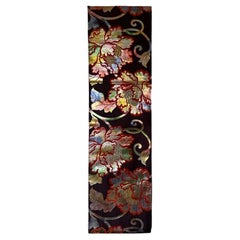
apanese Silk Obi Table Runner with Peony Motif Japan, 20th century Dimensions: 440 × 32 cm This luxurious silk obi has been repurposed into an elegant table runner. Woven with shimm...
Category

20th Century Japanese Showa Japan - Asian Art and Furniture

Materials

Silk

B11 Japanese Antiques 6panels, Paper, folding Screen with Flower & bird painting
Located in Niiza, JP
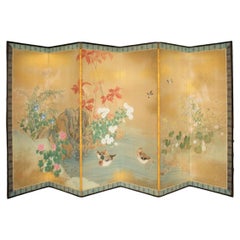
Bird and flower painting Material: Paper on wooden frame, colored One piece: W660×H1825mm×D20mm, Unfolded size: W3860mm, 16kg Folded size: W660×H1825×D110mm Packaging (sandwiched wit...
Category

19th Century Japanese Antique Japan - Asian Art and Furniture

Materials

Paper

Japanese Noh Theater Taka (鷹) Mask. Attributed to Takada Fuki (高田 冨季, 1935–2008)
Located in Fukuoka, JP
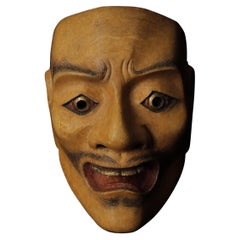
Taka (鷹) Mask in Noh theater is designed to embody the strength, agility, and predatory instincts of a falcon. Its sharp facial features and wide, alert eyes symbolize the bird’s kee...
Category

20th Century Japanese Showa Japan - Asian Art and Furniture

Materials

Wood

Still Thinking About These?

All Recently Viewed