Japan - Asian Art and Furniture

to
104
1,373
11,208
5,371
764
599
10
23
2
1
1
1
1
70
188
506
609
182
83
28
3
2
8
2
1
3
13
7
4
1
596
510
454
422
283
1,327
1,300
1,280
13
11
1,373
1,349
1,351
26
10
4
2
2
Item Ships From: Japan
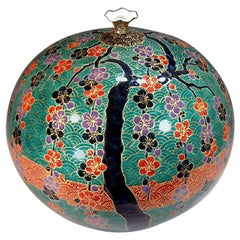
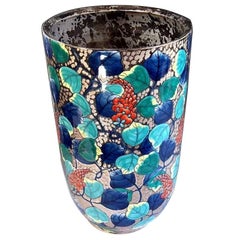
Japanese Red Green Gold Porcelain Vase by Contemporary Master Artist
Located in Takarazuka, JP
Exquisite contemporary Japanese porcelain decorative vase, intricately gilded and hand painted in vivid red, green and deep blue on an elegantly shaped ovoid porcelain body, a signed work by widely respected Japanese master porcelain artist in the Imari-Arita tradition and the recipient of numerous awards for his exceptional porcelain work and his unique signature gold and platinum work on porcelain. In 2016, the British Museum added a work by this artist to its collection of contemporary Japanese porcelain, a large lidded jar in the Imari-Arita polychrome enamel tradition. The petals flying in the wind say that the brief flower-viewing period is soon coming to an end, and are a reminder of how precious and short life is. “Fired-on gold,” this artist’s signature style, highlights unique techniques for incorporating gold and platinum into the hand painting and multiple firing processes that yield a stunningly opulent look. The polychrome overglaze is fired at 800 degrees, followed by the application of gold and platinum that are fired at slightly lower temperature to maintain the luster of the precious metals. As a result, a single piece may undergo as many as 5-10 firings. This artist's profile is available upon request. This piece depicts a whimsical interpretation of a cherry tree with its graceful trunk in beautiful deep blue and its hanging branches stretching across the whole body of this stunningly shaped vase, and blossoms in deep blue, red and purple hanging...
Category

21st Century and Contemporary Japanese Japan - Asian Art and Furniture

Materials

Gold

Vintage obi textile art " Broken Vase ~ kintsugi ~" by ikasu Black Gold Japan
By Kimono ikasu
Located in Setagaya City, JP
< This textile artwork uses a vintage obi dated around 1980ies, with a feather motif, and arranges it so that it looks like a vase. Antique obi, just as it is a broken vase, is united back again with black obijime - a string used to tie up obi when it’s worn. Framed in kiritansu (antique chest) paulownia wood. It is elegantly framed with paulownia wood originally used for kimono chest-of-drawers, and is filled with storytelling and sense of luxury. I used pieces of kimono that could no longer be used as clothing and kiritansu chest-of-drawers that would normally be discarded to create the ultimate upcycled piece. << Explanation and meaning of pattern and colors Feathers hold various meanings and symbolism in Japanese traditional culture, often reflecting themes of spirituality, symbolism, and folklore. Here are some of the meanings associated with feathers in Japanese tradition: ・Divine Protection: Feathers are often seen as symbols of divine protection and spiritual guidance. Feathers, especially those from birds, are considered to be imbued with the protective energy, offering spiritual guardianship and safeguarding against negative forces. ・Connection to the Spirit World: Feathers are sometimes associated with the spirit world and the realm of the divine. In folklore and mythology, feathers are depicted as messengers between the earthly realm and the celestial realms. ・Symbol of Beauty and Elegance: Feathers are admired for their natural beauty, grace, and elegance. In traditional Japanese arts such as Noh theater, Kabuki, and dance performances like Kagura, actors and performers often use feathered costumes or accessories to enhance their appearance and convey a sense of refinement and sophistication. ・Sign of Good Luck and Prosperity: In Japanese folklore, certain birds like cranes and pheasants are considered symbols of good fortune, longevity, and prosperity. Feathers from these birds are often depicted in art and craftwork as auspicious symbols believed to bring blessings and positive energy to the bearer. < Kiritansu - chest-of-drawers for kimono, is traditionally made from paulownia wood, a uniquely Japanese material closely tied to the world of kimonos. Paulownia wood is known as the lightest wood in Japan, prased for its natural luster, resistance to moisture, and resilience against cracking. Since ancient times, it has been used in crafting furniture, chests, and musical instruments. During the Edo period, it became customary to store cherished kimonos in paulownia chests...
Category

1980s Japanese Japonisme Vintage Japan - Asian Art and Furniture

Materials

Silk, Wood

Japanese Contemporary Red Brown Hand-Glazed Porcelainn Vase by Master Artist, 3
Located in Takarazuka, JP
Mesmerizing museum-quality hand-glazed decorative porcelain vase, an award-winning exhibition masterpiece by a master artist of the Arita-Imari region of Japan. The artist is a maste...
Category

21st Century and Contemporary Japanese Meiji Japan - Asian Art and Furniture

Materials

Platinum

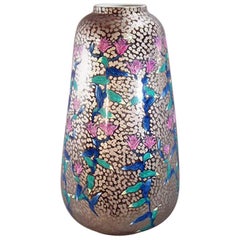
Japanese Contemporary Platinum Pink Green Porcelain Vase by Master Artist
Located in Takarazuka, JP
Exceptional very large signed contemporary Japanese dimpled decorative porcelain vase, hand painted in blue and pink on an elegantly shaped porcelain body against a stunning platinum background, a signed masterpiece by widely acclaimed Japanese master porcelain artist in the Imari-Arita tradition. In 2016, the British Museum added a work by this artist to its collection of contemporary Japanese porcelain, a large lidded jar in the Imari-Arita polychrome enamel tradition. He is the recipient of numerous awards for his exceptional porcelain work and his unique signature gold and platinum work on porcelain. The artist's profile is available upon request. This graceful massive vase depicts elegant Japanese toad...
Category

21st Century and Contemporary Japanese Meiji Japan - Asian Art and Furniture

Materials

Platinum

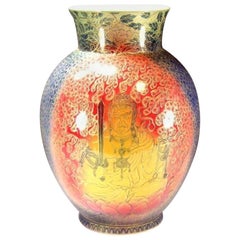
Contemporary Japanese Gold Red Green Blue Porcelain Vase by Master Artist
Located in Takarazuka, JP
Mesmerizing large contemporary Japanese hand painted decorative porcelain vase, an exclusive signature masterpiece in gold, blue, green and red by highly acclaimed master porcelain artist of the Imari-Arita region of Japan and recipient of numerous awards for his exceptional application of gold and platinum on porcelain. This unique vase in brilliant gold, red, green and blue features the highly auspicious Acala "immovable," seen as a fierce protective Buddhist deity particularly in Shingon traditions of Japan where he is known as Fudo Myo...
Category

21st Century and Contemporary Japanese Japan - Asian Art and Furniture

Materials

Gold

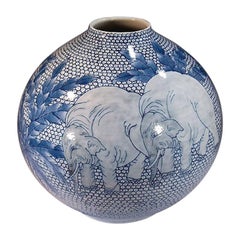
Large Contemporary Japanese Whit Blue Porcelain Vase by Master Artist, 2
Located in Takarazuka, JP
Unique contemporary Japanese porcelain decorative vase, intricately hand painted in underglazed blue on an elegantly shaped globular porcelain body, a signed piece by widely respecte...
Category

21st Century and Contemporary Japanese Meiji Japan - Asian Art and Furniture

Materials

Porcelain

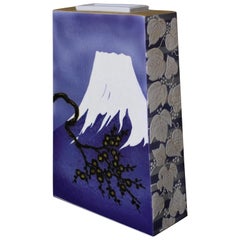
Blue Black Cream Porcelain Vase by Contemporary Japanese Master Artist
Located in Takarazuka, JP
Exceptional contemporary Japanese decorative porcelain vase, hand painted in black and the artist's signature purple on a beautifully shaped trapezoid porcelain body. It is the signe...
Category

21st Century and Contemporary Japanese Japan - Asian Art and Furniture

Materials

Porcelain

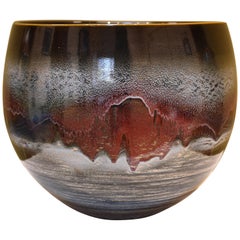
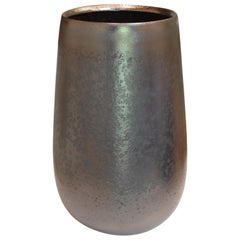
Japanese Platinum Brown Contemporary Hand-Glazed Porcelain Vase by Master Artist
Located in Takarazuka, JP
Extraordinary Japanese contemporary hand-glazed signed decorative porcelain vase in a stunning black/brown color and zirconium that creates the mesmerizing luster, an award-winning e...
Category

21st Century and Contemporary Japanese Meiji Japan - Asian Art and Furniture

Materials

Platinum

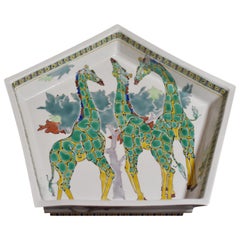
Japanese Contemporary Green Yellow Blue Porcelain Charger by Master Artist
Located in Takarazuka, JP
Exceptional contemporary Japanese museum-quality porcelain raised deep charger/centerpiece, hand-painted in vivid green and yellow, in a stunning Pentagon shape. It showcases a uniqu...
Category

21st Century and Contemporary Japanese Japan - Asian Art and Furniture

Materials

Porcelain

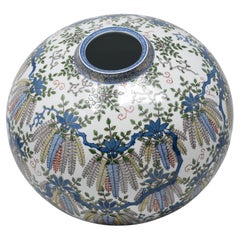
Japanese Contemporary Blue Green Yellow Porcelain Vase by Master Artist, 2
Located in Takarazuka, JP
Extraordinary museum-quality Japanese contemporary decorative porcelain vase, extremely intricately hand painted in blue, red and yellow on a stunningly shaped ovoid body, a signed m...
Category

21st Century and Contemporary Japanese Meiji Japan - Asian Art and Furniture

Materials

Gold

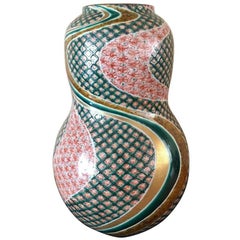
Japanese Contemporary Green Red Gold Porcelain Vase by Master Artist, 2
Located in Takarazuka, JP
Extraordinary museum-quality contemporary Japanese decorative porcelain vase, extremely intricately gilded and hand-painted in stunning shades of red and green on a stunningly shaped...
Category

21st Century and Contemporary Japanese Meiji Japan - Asian Art and Furniture

Materials

Gold

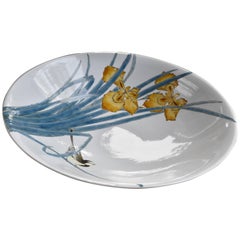
Japanese Contemporary Green Yellow Porcelain Charger by Master Artist, 2
Located in Takarazuka, JP
Exceptional Japanese contemporary large decorative deep porcelain charger, dramatically hand-painted on the finest quality porcelain, a signed masterpiece by highly acclaimed award-...
Category

21st Century and Contemporary Japanese Meiji Japan - Asian Art and Furniture

Materials

Porcelain

Japanese Antique Display Stand, Bonsai Stand, Wooden Object, Wabi-Sabi
Located in Katori-Shi, 12
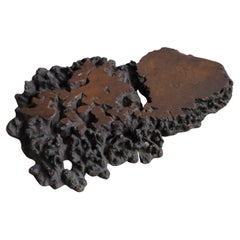
This is an attractive antique display stand made from old wood from the Taisho era. This stand has been used in Japan to display Bonsai. The surface is finished with lacquer. It is made with a particularly rare burl grain, and the patterns created by the natural burl that occurs during the tree's growth process give it a sense of vitality that cannot be expressed artificially. This unique beauty is highly valued in furniture and crafts. This display stand can be used not only as a decorative stand, flower stand, or Bonsai stand...
Category

Early 20th Century Taisho Japan - Asian Art and Furniture

Materials

Wood

Japanese Porcelain Vase Green Blue Platinum by Master Artist, 5
Located in Takarazuka, JP
Exquisite Japanese contemporary decorative porcelain vase, platinum-gilded and hand-painted porcelain vase in a stunning cylinder shape and signed by highly acclaimed award-winning m...
Category

21st Century and Contemporary Japanese Meiji Japan - Asian Art and Furniture

Materials

Platinum

Japanese Antique Cedar Storage Cabinet, 1920s–1940s - Japandi Wabi-Sabi
Located in Chiba, Chiba
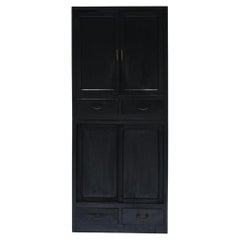
A Japanese antique storage cabinet crafted from solid cedar, dating from the 1920s–1940s. This two-piece cabinet has a rugged, utilitarian presence, with a surface shaped by decades ...
Category

Early 20th Century Japanese Japan - Asian Art and Furniture

Materials

Wood

Vintage kimono textile art " Marble Story ~ Healing ~" by ikasu Grey Japan
By Kimono ikasu
Located in Setagaya City, JP
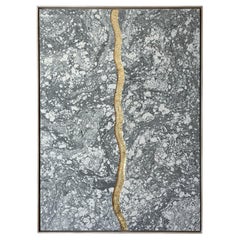
< This work uses a vintage kimono fabric with marble pattern, that makes it look like a real piece of marble. The line in the middle symbolizes “kintsugi” - concept of wabi-sabi, which values imperfection, impermanence, and the beauty of aging. It is elegantly framed with paulownia wood originally used for kimono chest-of-drawers, and is filled with storytelling and sense of luxury. I used pieces of kimono that could no longer be used as clothing and kiritansu chest-of-drawers that would normally be discarded to create the ultimate upcycled piece. << Explanation and meaning of pattern and colors Kintsugi (金継ぎ), which translates to "golden joinery" or "golden repair," is a traditional Japanese art form of repairing broken pottery with lacquer mixed with powdered gold, silver, or platinum. I used this tecnique here to "repair" antique kimono by transforming it into art work. Beyond its literal meaning of mending broken ceramics, kintsugi carries profound philosophical and cultural significance in Japanese tradition: ・Embracing Imperfection: Kintsugi celebrates imperfection and impermanence. Rather than disguising or concealing flaws, it highlights them, treating the breakage as part of the object's history. This philosophy encourages acceptance of imperfection as an essential aspect of life, beauty, and human experience. ・Wabi-Sabi Aesthetic: Kintsugi embodies the principles of wabi-sabi, an aesthetic worldview centered on the acceptance of transience and imperfection. Wabi-sabi values simplicity, authenticity, and the beauty of things that are imperfect, impermanent, and incomplete. Kintsugi exemplifies these principles by turning what might be considered flaws into features that enhance the object's beauty and character. ・Resilience and Transformation: The act of repairing broken things with precious metals symbolizes resilience and transformation. Instead of discarding or replacing the broken object, kintsugi honors its history and transforms it into something new and valuable. This reflects broader philosophical themes of overcoming adversity, finding beauty in imperfection, and embracing change. ・Honoring the Past: Kintsugi preserves and honors the history of the object. Rather than erasing or ignoring its past, it acknowledges and celebrates it. This aspect of kintsugi can be seen as a metaphor for honoring our own personal histories, including the challenges and setbacks we have faced, and recognizing how they have shaped us into who we are today. ・Spiritual and Philosophical Symbolism: Kintsugi has spiritual and philosophical implications, reflecting concepts such as the interconnectedness of all things, the cycle of life and death, and the pursuit of harmony and balance. The process of repairing broken objects with precious metals is seen as a metaphor for spiritual growth, enlightenment, and the journey towards wholeness. Overall, kintsugi represents not only a practical technique for repairing ceramics but also a profound philosophical and cultural perspective on life, beauty, and the human experience. It embodies values such as resilience, acceptance, and the transformative power of embracing imperfection. << Characteristics of the fabric This vintage textile is hand-painted with a traditional painting technique where the colors are added on wet surface, which creates an effect of marble. << About the frame Kiritansu - chest-of-drawers for kimono, is traditionally made from paulownia wood, a uniquely Japanese material closely tied to the world of kimonos. Paulownia wood is known as the lightest wood in Japan, prased for its natural luster, resistance to moisture, and resilience against cracking. Since ancient times, it has been used in crafting furniture, chests, and musical instruments. During the Edo period, it became customary to store cherished kimonos in paulownia chests...
Category

1960s Japanese Japonisme Vintage Japan - Asian Art and Furniture

Materials

Gold Leaf

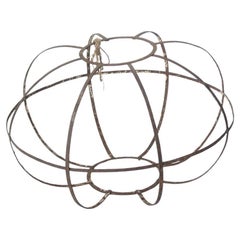
Japanese Antiques Iron lantern
Located in Niiza, JP
Iron Andon Lantern Material: Iron Size: φ560×360mm 1.5kg Old iron andon It is a kind of standing lantern with washi paper pasted on the inside and lit with oil as a light source A f...
Category

19th Century Japanese Antique Japan - Asian Art and Furniture

Materials

Iron

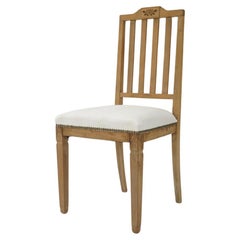
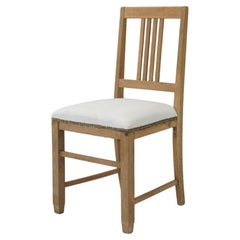
Japanese Antique Cherry Chair, 1950s–1960s - Japandi Wabi-Sabi
Located in Chiba, Chiba
A Japanese antique chair crafted from cherry wood and dating from the 1950s–1960s. Its presence evokes the quiet elegance of an old Western-style residence—refined yet understated. T...
Category

Mid-20th Century Japanese Japan - Asian Art and Furniture

Materials

Wood

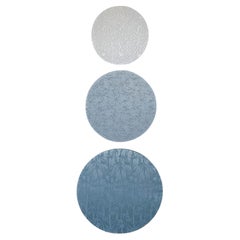
Vintage kimono textile art " Turquoise Forest ~ Strength ~ " by ikasu Blue Japan
By Kimono ikasu
Located in Setagaya City, JP
Fabrics featuring iconic Japanese plants like chrysanthemum, maple, and bamboo were gathered from various long underwear and kimono pieces to create a set of canvases (diameter 30, 25 and 20cm) showcasing exquisite gradations. The top canvas, in pristine white, originates from long under-kimono, while the middle and bottom canvases are skillfully upcycled from kimono fabrics. << Period / Story The long under-kimono and kimono fabrics used in these canvases were originally crafted and worn during the late Showa period (1960-80ies). << Explanation and meaning of pattern and colors The pattern on the top canvas features a chrysanthemum, an auspicious emblem symbolizing longevity. It is affectionately referred to as the "raccoon dog chrysanthemum" due to the large, overlapping petals resembling the fur of a muzina, a creature similar to a raccoon dog or badger. This motif is highly popular in various plant-inspired designs and frequently seen in Edo komon, katazome, and jimon textiles. The top canvas naga-juban under-kimono, being entirely white and devoid of any additional dyes, suggests its use as formal wear. Its pristine white hue accentuates the silk's luster when exposed to light and highlights the beauty of the woven patterns. The fabric used here is rinzu, a type of fabric thinner than crepe de chine, characterized by its soft, smooth texture and subtle sheen. This particular lintel distinguishes itself with the way its ground pattern emerges and also incorporates a woven chrysanthemum pattern. The central canvas showcases a maple tree, symbolizing longevity, which changes its colors with the seasons, bringing joy and happiness to people's lives. The bamboo featured on the lower canvas has been regarded as a symbol of good fortune since ancient times, given its straight and vigorous growth, along with the Chinese legend that a phoenix consumes its fruit. It embodies concepts such as "immortality," "longevity," and "strength" because it remains green even in winter. The hollow stem also signifies "innocence," suggesting that there are no hidden agendas. All three canvases are adorned with ground patterns that, when viewed from a distance, appear as modern works of art, yet upon closer inspection, they reveal a distinct Japanese ambiance. << Characteristics of the fabric All three canvases are made of fabrics with jimon. The unique and high level of Japanese weaving...
Category

1970s Japanese Japonisme Vintage Japan - Asian Art and Furniture

Materials

Canvas, Silk

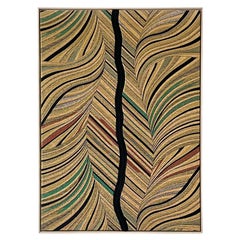
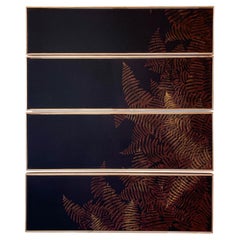
Vintage kimono textile art " Fern ~ Connection to Nature ~" by ikasu Black Japan
By Kimono ikasu
Located in Setagaya City, JP
This work uses an antique tomesode (festive kind of kimono) with fern design to evoke feelings of tranquility, harmony, and appreciation for the beauty of the environment. Can be used both vertically and horizontally. It is elegantly framed with paulownia wood originally used for kimono chest-of-drawers, and is filled with storytelling and sense of luxury. I used pieces of kimono that could no longer be used as clothing and kiritansu chest-of-drawers that would normally be discarded to create the ultimate upcycled piece. << Explanation of colors and patterns In Japanese traditional culture, ferns, particularly the Japanese painted fern (Athyrium niponicum), hold several meanings and symbolisms: ・Elegance and Beauty: Ferns are admired for their graceful, delicate appearance and intricate leaf patterns. In Japanese aesthetics, they are appreciated for their natural beauty and are often used in gardens, landscapes, and floral arrangements to add a sense of refinement and elegance. ・Resilience and Perseverance: Ferns are known for their ability to thrive in diverse environments, including shady forests, rocky cliffs, and damp soil. Their resilience in the face of challenging conditions is seen as a symbol of endurance and perseverance. In Japanese culture, ferns may represent the ability to overcome adversity and flourish despite obstacles. ・Connection to Nature and Tranquility: Ferns are native to forested areas and are often associated with the natural world. In Japanese traditional culture, they symbolize a deep connection to nature and the importance of maintaining harmony with the environment. The lush green foliage of ferns evokes feelings of tranquility and peacefulness, making them popular motifs in Zen gardens and traditional landscape paintings. ・Purity and Simplicity: Ferns are emblematic of simplicity and purity in Japanese aesthetics. Their unassuming beauty and understated elegance reflect the principles of wabi-sabi, an aesthetic worldview that values imperfection, impermanence, and simplicity. Ferns may be used in tea ceremonies, Ikebana (flower arranging), and other traditional arts to evoke a sense of tranquility and appreciation for life's fleeting moments. Overall, ferns in Japanese traditional culture symbolize elegance, resilience, connection to nature, purity, and simplicity. Their presence in art, literature, and landscape design underscores their enduring significance as symbols of natural beauty and spiritual resonance. << Characteristics of the fabric This vintage textile is hand-painted with a traditional Japanese technique called "yuzen". << About the frame Kiritansu - chest-of-drawers for kimono, is traditionally made from paulownia wood, a uniquely Japanese material closely tied to the world of kimonos. Paulownia wood is known as the lightest wood in Japan, prased for its natural luster, resistance to moisture, and resilience against cracking. Since ancient times, it has been used in crafting furniture, chests, and musical instruments. During the Edo period, it became customary to store cherished kimonos in paulownia chests...
Category

1960s Japanese Japonisme Vintage Japan - Asian Art and Furniture

Materials

Silk, Wood

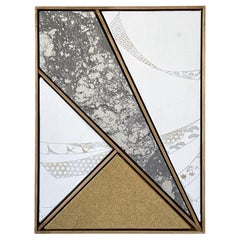
VIntage kimono textile art " Geometry ~ Marble ~" by ikasu Gold White Grey Japan
By Kimono ikasu
Located in Setagaya City, JP
This work is inspired by traditional Japanese nature motifs symbolism, and is framed in paulownia wood originally used for a kimono chest-of-drawers. It is elegantly framed with pau...
Category

1960s Japanese Japonisme Vintage Japan - Asian Art and Furniture

Materials

Silk, Wood

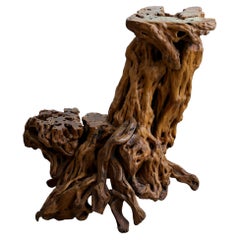
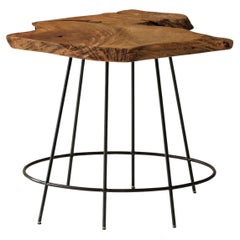
Primitives Flower stand, Exhibition stand , Object , Japanese Antique
Located in Katori-Shi, 12
This flower stand makes use of the beauty of nature's shapes. This burl wood, which is particularly rare among Zelkova trees, is characterized by knotty patterns formed by changes i...
Category

Early 20th Century Taisho Japan - Asian Art and Furniture

Materials

Wood

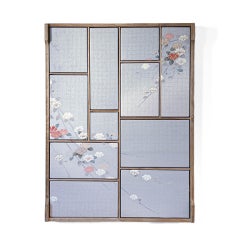
Vintage obi textile art " Camellia ~ Serendipity ~" by ikasu Blue Japan
By Kimono ikasu
Located in Setagaya City, JP
[Story behind the work] This work is inspired by traditional Japanese nature motifs symbolism, and is framed in paulownia wood originally used for a kimono chest-of-drawers. It is elegantly framed with paulownia wood originally used for kimono chest-of-drawers, and is filled with storytelling and sense of luxury. In this artwork, the aim was to capture the the auspicious symbol of camellia used in antique kimono. Traditional Japanese culture, represented by the kimono, and wood, an integral element of Japanese craftsmanship, were used to bring this vision to life. I used pieces of kimono that could no longer be used as clothing and kiritansu chest-of-drawers that would normally be discarded to create the ultimate upcycled piece. [Explanation and meaning of pattern and colors] This delicate piece features hand-drawn camellia motifs flowing gracefully on a softly brightened grayish background. Camellias, native to Japan, bloom from winter to early spring. As an evergreen tree with green leaves throughout the year, it symbolizes the anticipation of spring and is considered an auspicious plant. Due to its seasonal significance and auspicious meanings, camellias have been used as motifs symbolizing good fortune. Additionally, they were highly valued for their use in oil, cosmetics, and medicine, representing nobility. Believed to possess the power to ward off misfortune, camellias also carry the meaning of "protection from calamity" and have strong ties to traditional ceremonies. In this artwork, camellias are delicately depicted alongside flowing branches, subtly representing good fortune with their pale pink and white hues. "Sora-iro nezumi 空色鼠" refers to a light grayish color with a hint of blue, reminiscent of the slightly brightened sky on a lightly cloudy day. Popular during the late Edo period (19th cent.), it elegantly captures the slightly brighter sky pattern seen on lightly overcast days. Notably, the term "nezumi-iro" (mouse gray), popular during the late Edo period, was paired with brown tones, collectively known as "Forty-eight Teas and a Hundred Mice 四十八茶百鼠." Colors within the "nezumi" (gray) spectrum, particularly "sora-iro nezumi," were favored by young people for their cool and sophisticated appeal. [Characteristics of the fabric] The fabric features intricately woven patterns that reveal subtle gradations through dyeing, creating a grid pattern that transforms depending on the light conditions. Originally, this fabric was part of a formal kimono known as a "hōmongi 訪問着," featuring motifs along the hem, shoulders, and sleeves. These motifs have been carefully selected and combined to create a unified piece of artwork. [About the frame] Kiritansu - chest-of-drawers for kimono, is traditionally made from paulownia wood, a uniquely Japanese material closely tied to the world of kimonos. Paulownia wood is known as the lightest wood in Japan, prased for its natural luster, resistance to moisture, and resilience against cracking. Since ancient times, it has been used in crafting furniture, chests, and musical instruments. During the Edo period, it became customary to store cherished kimonos in paulownia chests...
Category

1960s Japanese Japonisme Vintage Japan - Asian Art and Furniture

Materials

Silk, Wood

Vintage kimono textile art " Sunset Timelapse ~ Ephemerality ~" ikasu Red Japan
By Kimono ikasu
Located in Setagaya City, JP
< The art piece uses two sides - front and reverse - of the same kimono, to show beautiful sea surrounding Japan, in hues and in late sunset, as a timelapse. The frame for this work is made of paulownia wood taken from antique Kiritansu - chest-of-drawers for kimono. I use antique kiritansu that can’t be used as furniture anymore to create basis and frames for my works. It adds them even more authentic atmosphere of traditional wabisabi spirit. Can you feel it? << Period / Story The kimono used in this piece was originally crafted during Showa period (around 1960ies). << Explanation and meaning of pattern and colors Sea waves, depicted in two color variations here, are a symbol of transience and Impermanence in Japanese culture. The ebb and flow of the tides, the ever-changing currents, and the relentless motion of the waves serve as reminders of the fleeting nature of life. This artwork featuring the sea convey themes of impermanence, reminding viewers to cherish the present moment and appreciate the beauty of life's fleeting moments. The theme of impermanence is strengthen by two colors of the sea - the lighter in early hues and the darker when the sun is just about to set in the sea. << About the frame This artwork frame is crafted from paulownia wood, a uniquely Japanese material closely tied to the world of kimonos, and it serves to convey the refined beauty of Japanese nature. Paulownia wood is known as the lightest wood in Japan, prased for its natural luster, resistance to moisture, and resilience against cracking. Since ancient times, it has been used in crafting furniture, chests, and musical instruments. Paulownia wood is closely linked to kimono culture. During the Edo period (17th cent.~), it became customary to store cherished kimonos in paulownia chests...
Category

1960s Japanese Japonisme Vintage Japan - Asian Art and Furniture

Materials

Silk, Wood

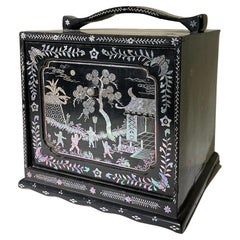
Chinese Antique Shell-Inlaid Lacquer Tea Tool Box, Qing Period
Located in Chuo-ku, Tokyo
This is gorgeous and decorative instrument box decorated with "Raden" work of mother of pearl shell shining in seven colors. Raden work using mother of pearl shell shining in seven c...
Category

17th Century Japanese Qing Antique Japan - Asian Art and Furniture

Materials

Shell, Wood

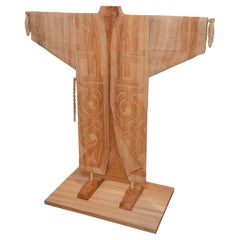
Contemporary Wooden Kimono Sculpture Carved in Japanese Elm by Toru Kaizawa
By Toru Kaizawa
Located in London, GB
This hand-carved wooden kimono sculpture is a contemporary piece of art made by award-winning artist Toru Kaizawa. Entitled “Hagi”, this piece was cre...
Category

2010s Japanese Other Japan - Asian Art and Furniture

Materials

Elm

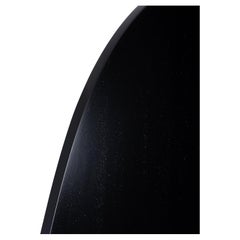
Urushi Partition
By Oonoya Butsudan
Located in Minato-Ku, JP
Since its establishment in 1854, Butsudan no Oonoya has been responsible for the manufacture and sale of Nagoya butsudan, a collection of traditional Japanese craft techniques such a...
Category

2010s Other Japan - Asian Art and Furniture

Materials

Wood

Urushi Partition
Urushi Partition
$11,356 / set
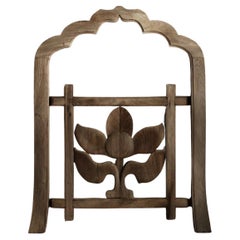
Japanese Antiques Kato-style(Firelight-shaped) wood window, for temples building
Located in Niiza, JP
1060(W)× 1400(H) × 85(D) [mm] 32kg Estimate packing size: W115cm H150cm D20cm 48kg Firelight (Kato-style) window used in temple building materials So named because of its shape that...
Category

18th Century Japanese Antique Japan - Asian Art and Furniture

Materials

Wood

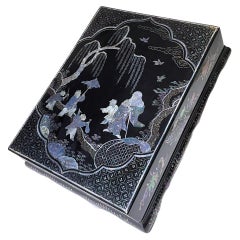
Shell-Inlaid Lacquer Box with Old Man and Children Design, Qing Period
Located in Chuo-ku, Tokyo
This is gorgeous and decorative stationary box decorated with "Raden" work with mother of pearl shell shining in seven colors. Raden work using mother of pearl shell shining in seven...
Category

17th Century Chinese Qing Antique Japan - Asian Art and Furniture

Materials

Shell, Wood

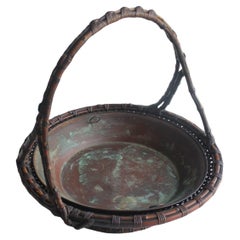
Japanese Antiques Maeda Chikubosai II, Hosai, bamboo tray, flat flower basket
Located in Niiza, JP
Second generation Maeda Chikubosai Hosai Smoked bamboo tray / bamboo basket Material: Bamboo Size: φ390× 115/380(H) [mm] 1kg Box size: 420×460×420mm 5kg Three famous bamboo craftsm...
Category

19th Century Japanese Antique Japan - Asian Art and Furniture

Materials

Bamboo

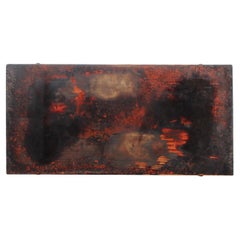
Japanese Antiques Lacquer craftsman s workbench, Abstract Painting
Located in Niiza, JP
Material: mainly Cedar board size:L45×W91×H20cm Estimate packing: Weight 19kg L63cm W110cm H38cm A workbench used by lacquer craftsman. Through years of use, natural layers of lacqu...
Category

19th Century Japanese Antique Japan - Asian Art and Furniture

Materials

Wood

Japanese Antiques Tanaka Kosai Striped Flower Basket Bamboo Basket
Located in Niiza, JP
φ360× 105(H) [mm] Box size:Box size: φ370×140mm 2kg The Oita Prefectural Art Museum also has similar collections of woven baskets by Kosai. The unique design makes it immediately re...
Category

20th Century Japanese Japan - Asian Art and Furniture

Materials

Bamboo

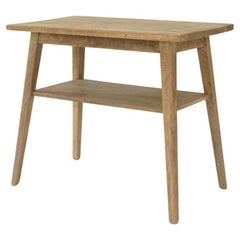
Japanese Antique Oak Side Table, 1950s–1960s - Japandi Wabi-Sabi
Located in Chiba, Chiba
A Japanese antique side table crafted from oak and dating from the 1950s–1960s. At first glance, the piece appears simple, yet a closer look reveals the thoughtful craftsmanship that...
Category

Mid-20th Century Japanese Japan - Asian Art and Furniture

Materials

Wood

Japanese Antiques Serizawa Keisuke [Namu Amida Butsu] Woodblock print, framed
Located in Niiza, JP
Serizawa Keisuke [Namu Amida Butsu 南無阿弥陀仏] Woodblock print, framed 320×290×30mm Glass surface A dyer blessed with a natural talent for creating free color sense and patterns The "Se...
Category

20th Century Japanese Japan - Asian Art and Furniture

Materials

Paper

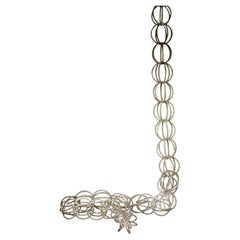
Japanese Antiques Copper Gutter Chain, Triple Ripples, 3M
Located in Niiza, JP
Single part: φ100 Length: 2950(H) [mm] 8kg Beautiful even on rainy days One of the old folk tools that impresses with Japanese aesthetics A passage for draining water from the gutte...
Category

20th Century Japanese Japan - Asian Art and Furniture

Materials

Copper

Japanese Antiques Hagiwara Hideo [Fish] Woodblock print, framed
Located in Niiza, JP
Hagiwara Hideo [Fish] Woodblock print, framed Print size: 445 (W) x 325 (H) [mm] Framed: 660 (W) x 470 (H) [mm] Hagiwara Hideo is an oil painter, but ...
Category

20th Century Japan - Asian Art and Furniture

Materials

Paper

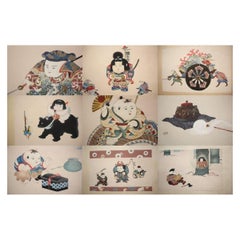
Japanese Antiques Happo-do Fairy Tales by Gyokuho 15 Woodblock Prints Artbook
Located in Niiza, JP
Material: paper woodbox Book: 420(W) x 300(H) [mm]  paint size: 330(W) x 220(H) [mm] Fairy tale woodblock prints by Happodo A beautiful set of 15 woodblock prints From Momotaro to K...
Category

20th Century Japanese Japan - Asian Art and Furniture

Materials

Paper

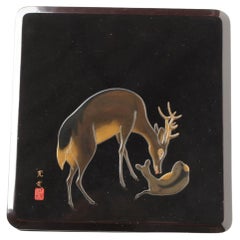
Japanese Antiques Inkstone box with Kasuga Deer Mandala Maki-e by Kan-sai
Located in Niiza, JP
245(W)× 50(H) × 250(D) [mm]  Box size: 280(W)× 100(H) × 300(D) [mm] 1.6kg A beautiful composition of a mother and child deer is expressed in Taka-maki-e (raised maki-e technique) Op...
Category

19th Century Japanese Antique Japan - Asian Art and Furniture

Materials

Lacquer

Old Japanese modern design Tsudumi-shaped bamboo table/stand
Located in Niiza, JP
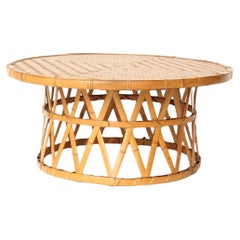
Tsudumi Drum-shaped bamboo table Material: Bamboo Size: φ660×300mm 4kg Circular tabletop Truss-structured base Since it is shaped like a Japanese musical instrument, the Tsudumi dru...
Category

20th Century Japanese Japan - Asian Art and Furniture

Materials

Bamboo

Japanese Antiques primitive Japanese oak a wooden frame for hearth
Located in Niiza, JP
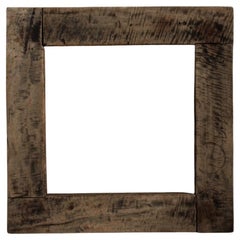
Wood: Japanese oak a wooden frame for hearth φ880× 50 (thickness) [mm] 12kg In ancient Japan, people gathered around the hearth to eat and other things It would also look great as a...
Category

18th Century Japanese Antique Japan - Asian Art and Furniture

Materials

Wood

Japanese Antiques Kokukokai Senzan lacquer painting “White Clouds Fuji” framed
Located in Niiza, JP
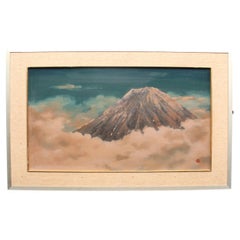
material: lacquer pain, metal frame with wood box The Kokkokai is a group of maki-e artists formed in 1931 around Matsuda Gonroku, a Living National Treasure and Japan's proud maste...
Category

19th Century Antique Japan - Asian Art and Furniture

Materials

Lacquer

Japanese Antiques 4th Head Torii Kiyotada Silk Painted Scroll, Festival, Sword
Located in Niiza, JP
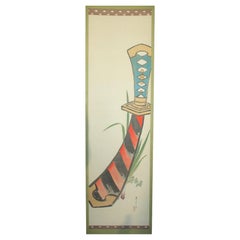
Torii School Head 7th Generation [4th Generation Torii Kiyotada] Silk Painted Scroll, Festival, Sword, May Silk Painted Scroll head: Ceramic box: Paulownia wood Size: Painting size: 330 (W) x 1130 (H) [mm] Scroll: 360 (W) x 2000 (H) [mm] Box size: 70 x 70 x 435 mm, 600g A large composition depicting a Japanese sword It is thought to represent the May festival Sekku (seasonal festival) means a day that is a turning point in the season, or a traditional event that is held on that day.  Held in May, old weapons...
Category

19th Century Japanese Antique Japan - Asian Art and Furniture

Materials

Silk, Paper

Japanese Antique Oak Chair, 1950s–1960s - Japandi Wabi-Sabi
Located in Chiba, Chiba
A Japanese antique chair crafted from oak and dating from the 1950s–1960s. Its form carries a familiar, almost nostalgic simplicity—an honest, unadorned design that reflects the quie...
Category

Mid-20th Century Japanese Japan - Asian Art and Furniture

Materials

Wood

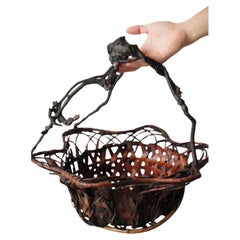
Japanese Antiques Star-shaped bamboo flower basket
Located in Niiza, JP
Weaving a star-shaped bamboo flower basket Materials are bamboo, rattan, wooden branches, etc. φ430× 180 (main body)/430 (total length) [mm] An irregularly shaped flower basket Made...
Category

20th Century Japanese Japan - Asian Art and Furniture

Materials

Bamboo

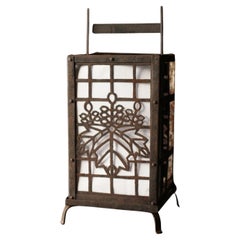
Japanese Antiques iron paulownia design crest lantern lamp Toro
Located in Niiza, JP
φ170× 400(H) [mm] 2kg Antique iron lantern with a beautiful antique feel. Two sides are carefully decorated with paulownia leaf designs. Kitaoji Rosanjin (a very famous designer an...
Category

19th Century Japanese Antique Japan - Asian Art and Furniture

Materials

Iron

No.71 Stool
Located in 北見市, JP
BEFORE VINTAGE FURNITURE No.71 / Stool birthday / 2024.3.30 Size/W550 D400 H400 Wood/ ITAYA KAEDE Finish/ Oil finish [About the product] ・All BVF pieces are unique and numbered. S...
Category

2010s Japanese Japan - Asian Art and Furniture

Materials

Wood

No.71 Stool
No.71 Stool
$961 / item
No.68 Chair(armrest)
Located in 北見市, JP
BEFORE VINTAGE FURNITURE No.68 / CHAIR (armrest) birthday / 2024.3.13 Size/ W645 D590 H870 SH440 Wood/ ITAYA KAEDE (maple) Finish: Oil finish Based on ergonomics, "So that your butt...
Category

2010s Japanese Japan - Asian Art and Furniture

Materials

Wood

No.67 Chair(armrest)
Located in 北見市, JP
BEFORE VINTAGE FURNITURE No.67 / CHAIR (armrest) birthday / 2024.3.13 Size/ W645 D590 H870 SH440 Wood/ ITAYA KAEDE (maple) Finish: Oil finish Based on ergonomics, "So that your but...
Category

2010s Japanese Japan - Asian Art and Furniture

Materials

Wood

No.64 Chair(armrest)
Located in 北見市, JP
BEFORE VINTAGE FURNITURE No.64 / CHAIR (armrest) birthday / 2023.13 Size/ W645 D590 H870 SH440 Wood/ ONI GURUMI (walnut) Finish: Oil finish Based on ergonomics, "So that your buttoc...
Category

2010s Japanese Japan - Asian Art and Furniture

Materials

Wood

No.61 Chair(armrest)
Located in 北見市, JP
BEFORE VINTAGE FURNITURE No.61 / CHAIR (armrest) Birthday / 2023.13 Size/ W645 D590 H870 SH440 Wood/ AFRICAN WALNUT Finish: Oil finish Based on ergonomics, "So that your buttocks do...
Category

2010s Japanese Japan - Asian Art and Furniture

Materials

Wood

No.60 Chair(armrest)
Located in 北見市, JP
BEFORE VINTAGE FURNITURE No.60 / CHAIR (armrest) Birthday / 2024.3.13 Size/ W645 D590 H870 SH440 Wood/ RED OAK Finish: Oil finish Based on ergonomics, "So that your buttocks don't h...
Category

2010s Japanese Japan - Asian Art and Furniture

Materials

Wood

NO.59 Chair(armrest)
Located in 北見市, JP
BEFORE VINTAGE FURNITURE No.59 / CHAIR (armrest) birthday / 2024.3.13 Size/ W645 D590 H870 SH440 Wood/ RED OAK Finish: Oil finish [About the product] ・All BVF pieces are unique an...
Category

2010s Japanese Japan - Asian Art and Furniture

Materials

Wood

Unique Attractive Shape Bronze Vase
Located in Fukuoka, JP
Attractive unique shape beautiful color bronze vase. Size : diameter 8 cm (3 inch) x height 26 cm (10.2 inch) Weight : 740g (1.6 lb) Good condition with some minor patination ...
Category

20th Century Japanese Showa Japan - Asian Art and Furniture

Materials

Bronze

Still Thinking About These?

All Recently Viewed